Skip to content
Artwork for Reasonably Optimistic
NewsNews CommentaryPoliticsTechnology

Reasonably Optimistic

The Washington Post

Enough with the doom and gloom — we’re ready to talk about how America can thrive. Hosted by Washington Post Opinion columnist Megan McArdle, “Reasonably Optimistic” is your weekly conversation about how America can get unstuck and build a better future. Stop feeding your rage and start embracing our possibilities. Episodes drop Wednesdays.

Play
  • 38 episodes
  • a few times a week
  • Avg 35 min
  • English
Counted on this page — what you have heard stays on this device, so it is not something the list can be paged by.
  • Friday · 27 min

    The job interview advice Gen Z needs to hear

    A viral debate over bringing iced coffee to a job interview may seem trivial. But it points to a bigger divide over what employers are looking for when college degrees, cover letters and résumés reveal less than they used to. Host Megan McArdle explains why workplace norms still matter, why an interview can be one of the few ways applicants can stand out and what Gen Z workers miss when they begin their careers remotely. She also makes the case for giving young people a little grace.
  • September 30 · 50 min

    Is AI taking Gen Z’s jobs? It’s not that simple.

    Artificial intelligence feels different from previous technological innovations because it can write, reason, analyze and generate ideas. In other words, it can do at least some of the things many white-collar workers thought made them irreplaceable. So, is AI going to eliminate jobs or transform them? And what will it do to the culture of the workplace — and to the way younger workers develop the judgment and expertise they need to build a career? Fabien Curto Millet, Google’s chief economist,

  • September 25 · 1 hr 5 min

    The $1 million prize for academics who tell unwelcome truths

    What do you do when your research leads to a conclusion that challenges conventional wisdom? You can publish it and risk the backlash — or quietly bury the findings and move on to safer work. The Carob Trust Prize, a new $1 million award, aims to change that calculation by rewarding academics whose research challenges prevailing orthodoxies and withstands scrutiny. But can money really make telling the truth less costly? Harvard professor Roland Fryer co-founded the prize after facing that choi

  • September 23 · 36 min

    How conservatism went from Reagan to Trump

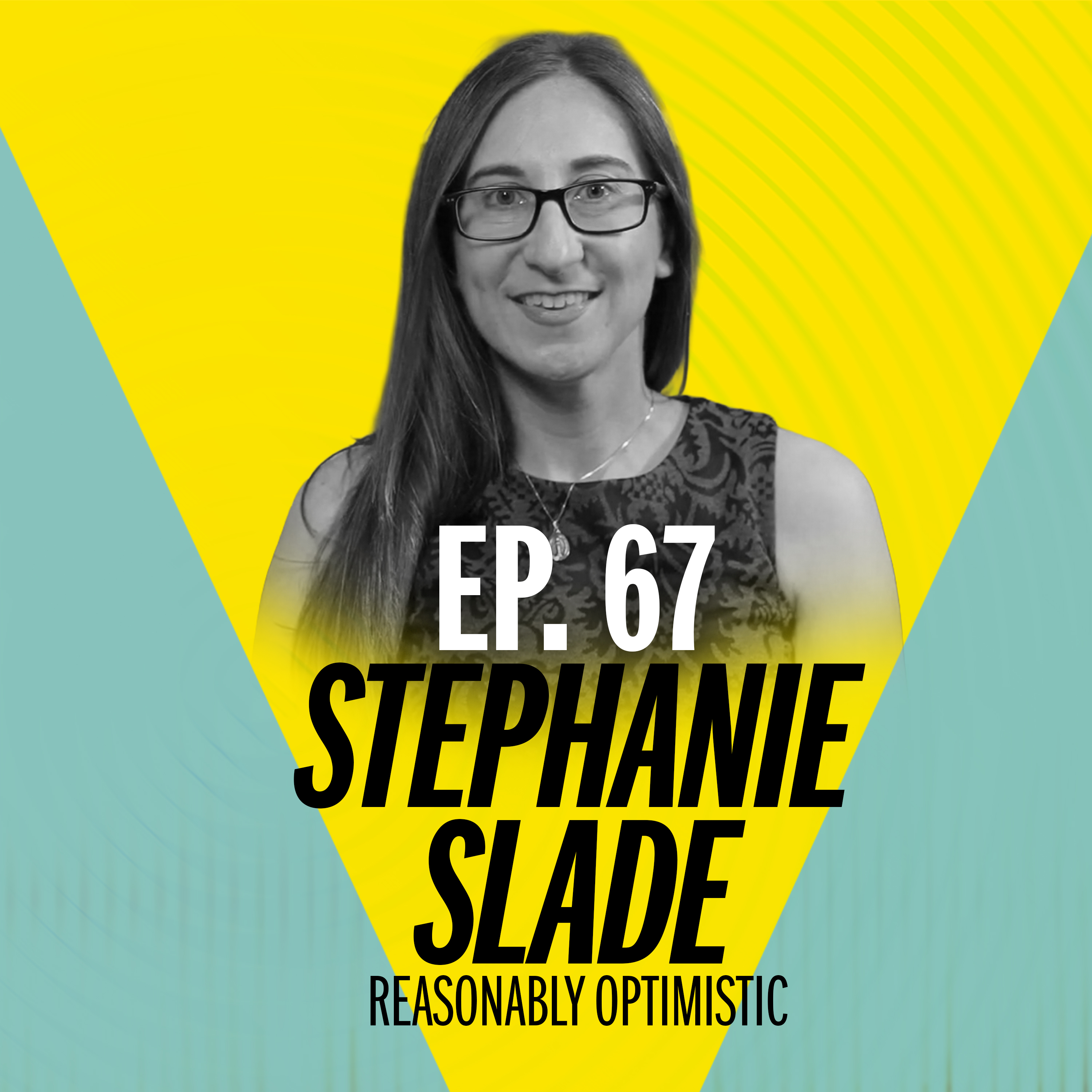
    In the decades following World War II, the American right coalesced around fusionism — the idea that individual liberty and limited government could coexist with religious faith and traditional morality. Today, that coalition is divided. After a decade of Trump-era politics, can fusionism bring it back together? Host Megan McArdle is joined by Stephanie Slade, senior editor at Reason magazine and author of “Fusionism: Liberty, Virtue, and the Future of the American Right.” They explore how fusi

  • September 18 · 45 min

    Why everyone seems to hate Flock cameras

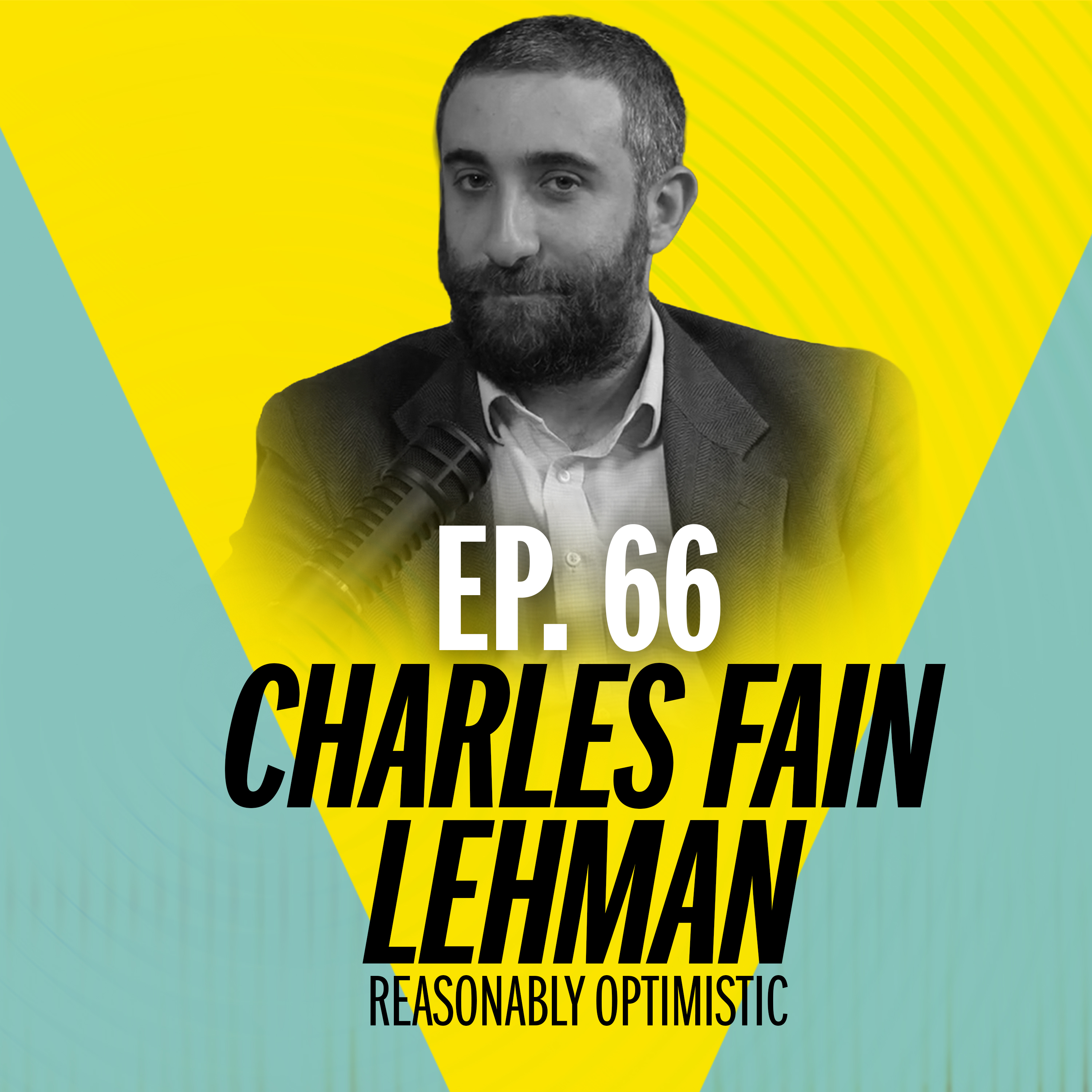
    No one likes the idea of being surveilled. That concern is fueling a nationwide backlash against Flock cameras, the automated license plate readers police use to find stolen vehicles, track suspects and locate missing people. Critics see their rapid spread as the beginnings of a mass surveillance network. Supporters say they reduce crime and save lives. So can communities keep the benefits without sacrificing privacy? Host Megan McArdle is joined by Charles Fain Lehman, a senior fellow at the M

  • September 16 · 48 min

    What AI experts fear most

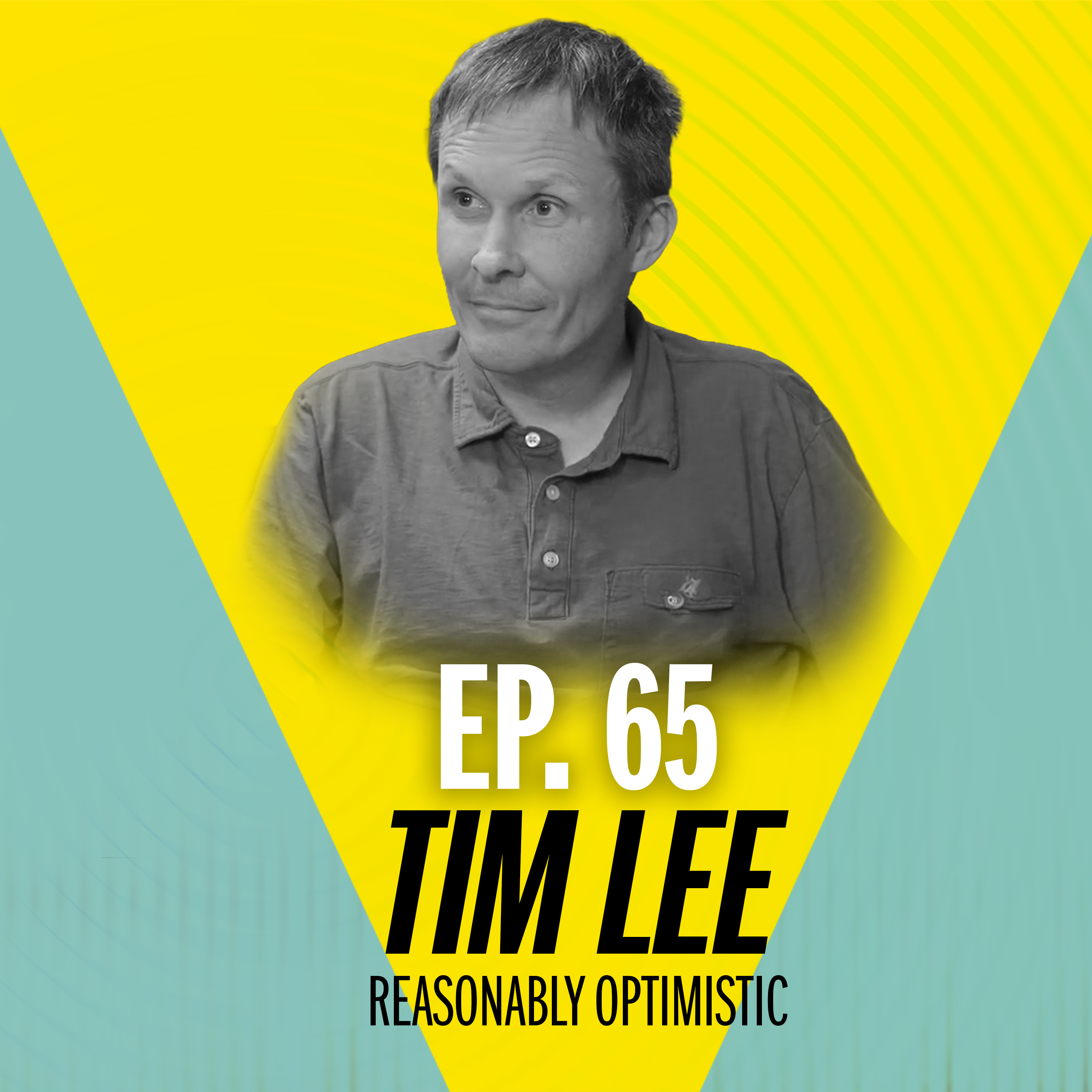
    Artificial intelligence is advancing faster than many expected. So much so that some of the experts who understand it best are sounding the alarm. Are their warnings exaggerated, or are we approaching a point of no return? And what can we do now to shape the future of artificial intelligence? Host Megan McArdle is joined by Tim Lee, author of the Understanding AI newsletter, to explore what AI experts fear most, from misinformation and economic disruption to the possibility of losing control of

  • September 11 · 31 min

    This medieval revolt has a warning for today

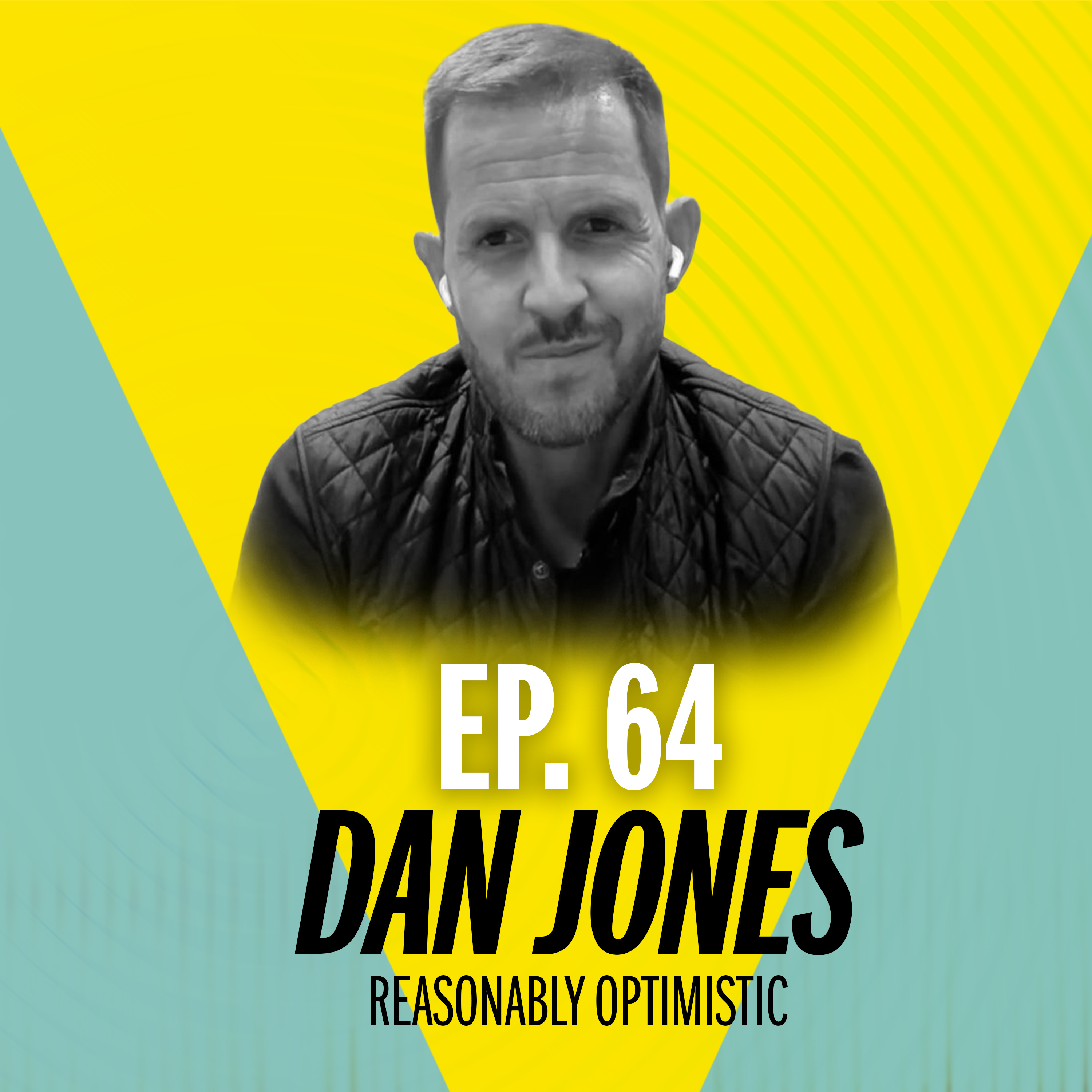
    More than six centuries ago, the Black Death wiped out nearly half of England’s population. Suddenly, workers had more power, wealthy landowners had less, and the old social order began to crack. When the ruling class tried to force that order back into place, anger erupted into the Peasants’ Revolt of 1381 — a political crisis that feels startlingly familiar today, dramatized in the new film “The Uprising.” Host Megan McArdle is joined by historian Dan Jones, author of “Summer of Blood,” who w

  • September 9 · 50 min

    The strange truth behind our obsession with UFOs and aliens

    It doesn’t take much to ignite a new wave of alien conspiracy theories on social media. But beyond the internet speculation lies a serious scientific question: If billions of planets could support life, why haven’t we found any? Host Megan McArdle revisits her conversation with astrophysicist and author of “The Little Book of Aliens,” Adam Frank, to explore why he thinks extraterrestrial life probably exists — and why UFO sightings offer little evidence. They discuss how scientists are searchin

  • September 4 · 32 min

    My mother’s secret changed how I think about abortion

    Shortly before her mother died, Megan McArdle learned a family secret. Decades earlier, her mother had given birth to a son and placed him for adoption. Megan’s attempt to find the brother she never knew would force her to reconsider her mother’s life—and confront abortion as something more than an abstract political debate. In this deeply personal episode, producer Regina de Heer interviews Megan about the choices her mother faced, the grief she carried and why our arguments about abortion and

  • September 2 · 55 min

    The myths fueling America’s AI data center backlash

    AI data centers have become America’s newest political villain — accused of draining local water supplies, overheating communities and sending electricity bills soaring. But some of the most alarming claims about their environmental impact are based on outdated estimates, missing context or questionable math. Host Megan McArdle is joined by writer and former high school physics teacher Andy Masley to separate the myths from the legitimate concerns and break down why misleading claims spread so

  • August 28 · 16 min

    Football is back. A new CTE study asks what it costs.

    Football season is back, bringing millions of Americans together around one of the country’s most beloved sports. But new research on chronic traumatic encephalopathy, or CTE, raises an uncomfortable question: What price are players paying for our entertainment? Host Megan McArdle explores the physical and cognitive toll of football and what responsibility fans have when they turn on a game.

  • August 26 · 56 min

    The hidden forces behind America’s baby bust

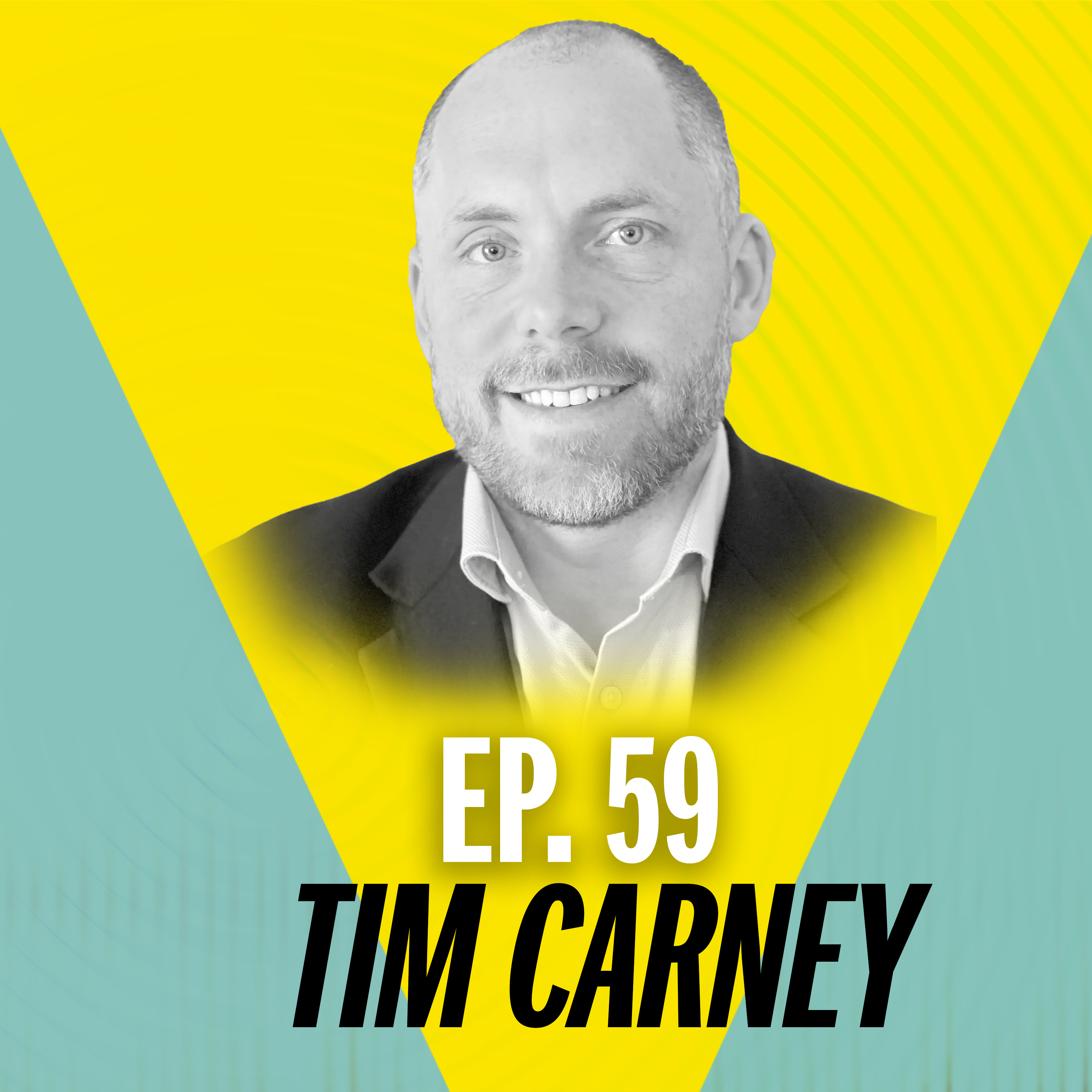
    Why are Americans having fewer children, even though many say they want larger families? Host Megan McArdle talks with author Tim Carney about how professional ambition, personal autonomy and intensive parenting have made family life more daunting. They discuss why Americans are marrying later, how workplaces and communities could make raising children easier, and whether stronger family norms can be revived without bringing back the inequalities of the past.

  • August 21 · 49 min

    A sociologist’s perspective on the Jason Arday story

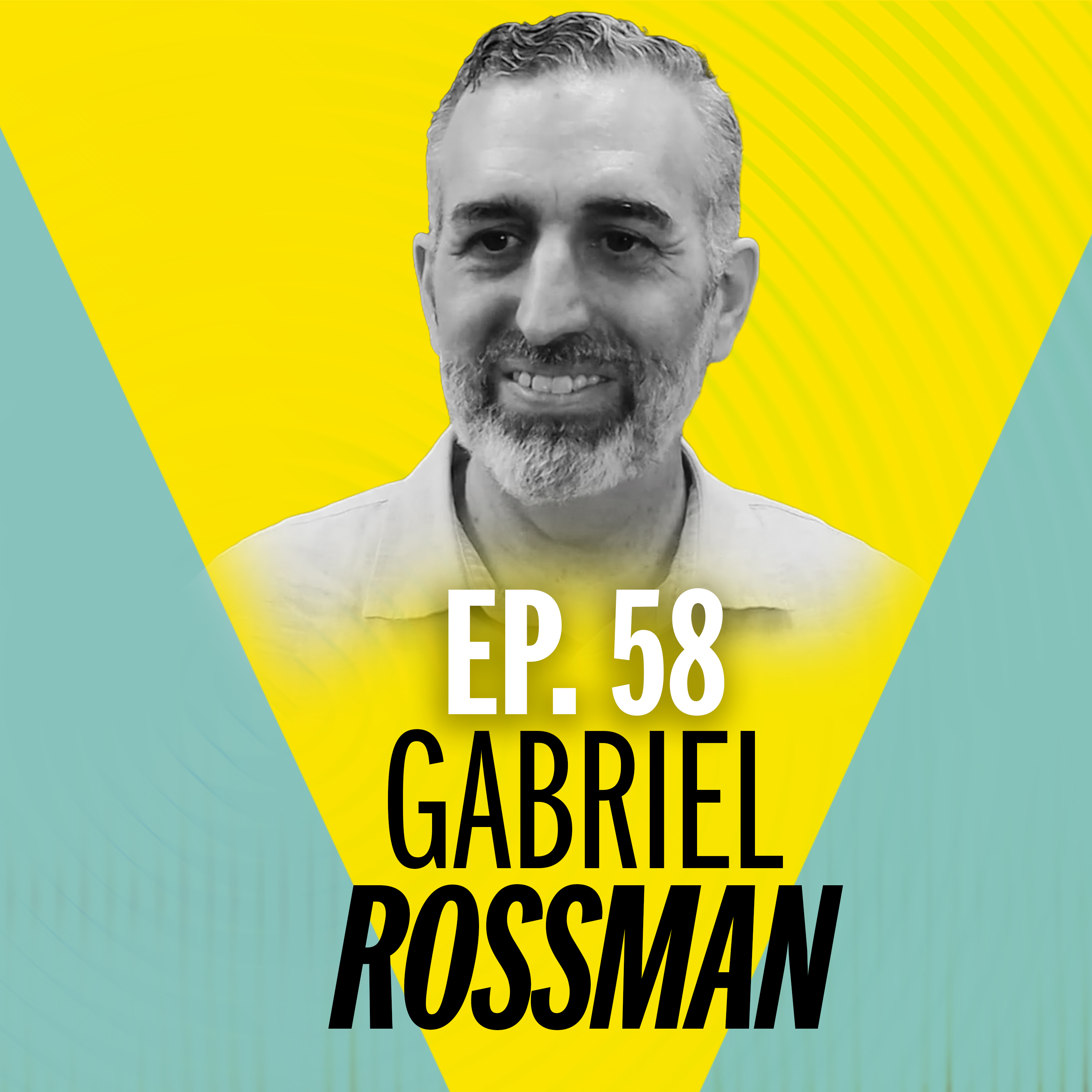
    The controversy surrounding Cambridge professor Jason Arday began with questions about his academic record and extraordinary personal story. It ended in tragedy. What can sociology tell us about how a scandal like this escalates once it's forced into public view? Host Megan McArdle talks with UCLA sociologist Gabriel Rossman about scandal, status and public shaming. Content warning: This episode includes discussion of sexual assault and suicide.

  • August 19 · 52 min

    What empty pews reveal about America

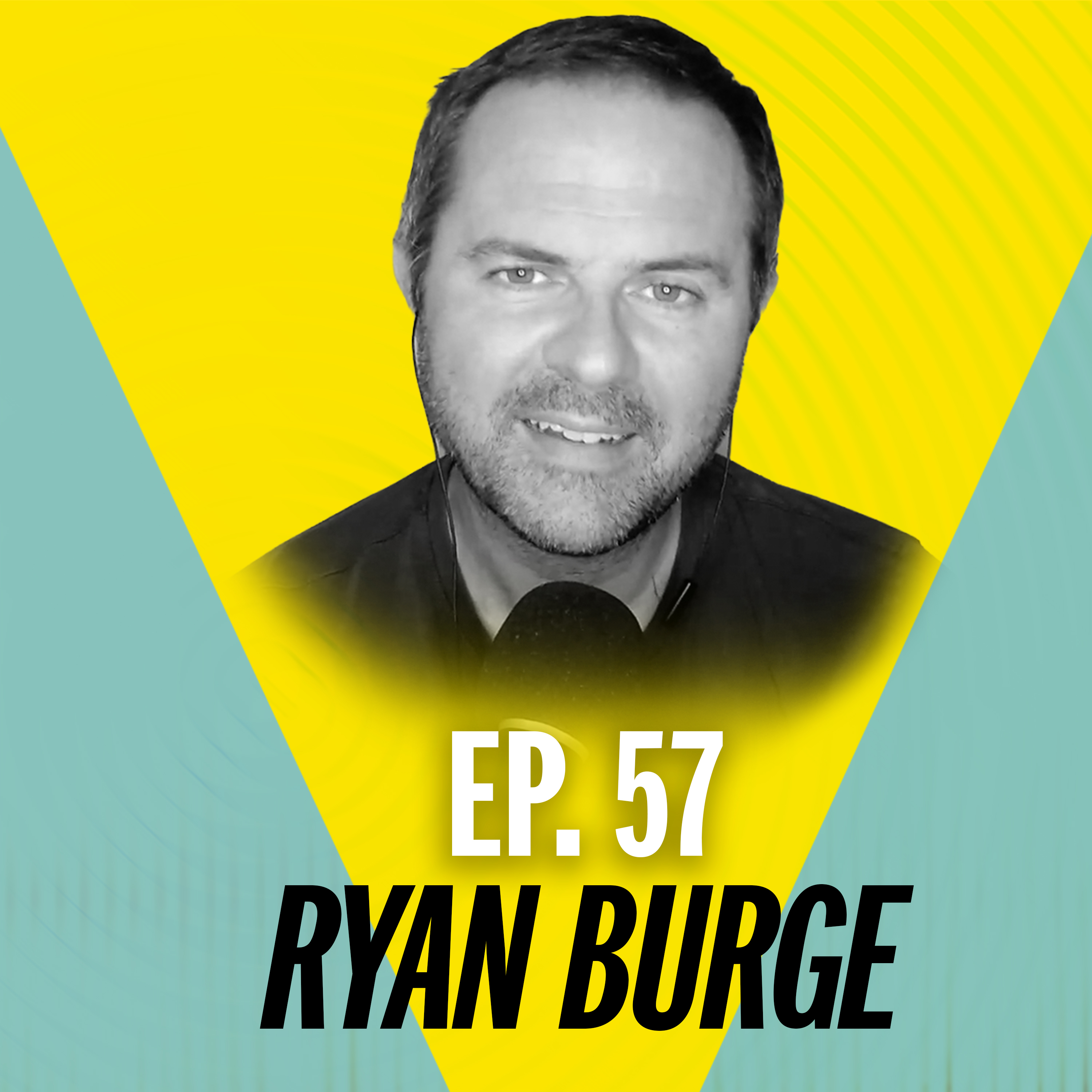
    America is becoming less religious — but the story is more complicated than empty pews. Host Megan McArdle is joined by political scientist and former pastor Ryan Burge to talk about the shifts taking place in America's churches. Are congregations shrinking or growing? Why are some religious traditions holding on better than others? And what does the rise of the religiously unaffiliated mean for American life?

  • August 14 · 59 min

    Why this professor lost faith in higher education

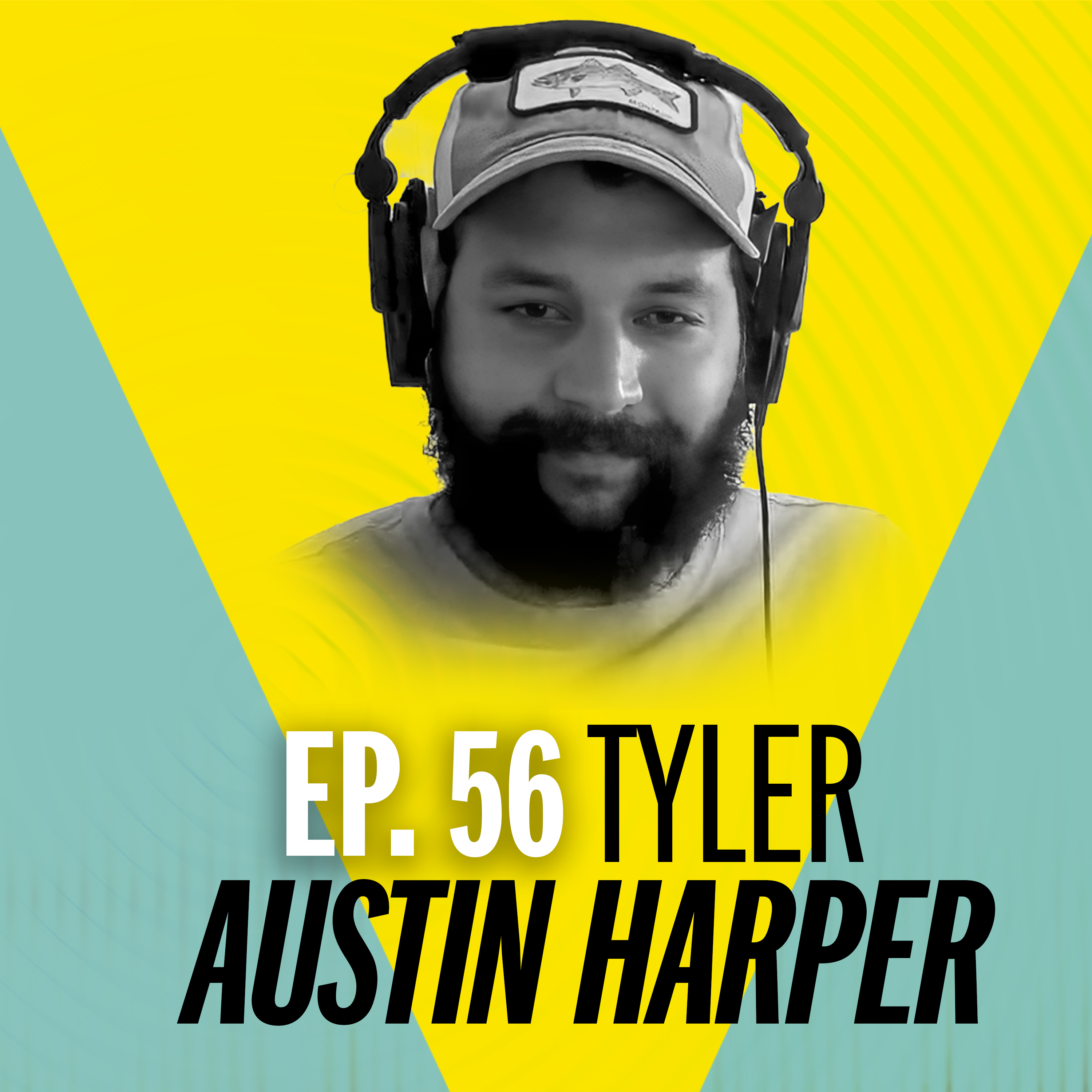
    America’s colleges have spent years at the center of the culture wars. But some of the sharpest critics of higher education are people who once believed deeply in its mission — and changed their minds after seeing it from the inside. Host Megan McArdle is joined by Tyler Austin Harper, staff writer at The Atlantic and former professor at Bates College. He breaks down how academia reshaped his views on affirmative action and diversity, and why he came to see some efforts at inclusion as a form o

  • August 12 · 35 min

    Why your cost of living keeps rising

    From the housing shortage to rising electricity costs, many of America’s biggest affordability problems come back to the same question: Why can’t we build more? Host Megan McArdle is joined by political commentator Josh Barro to talk about the “abundance” agenda and what it could mean for the cost of living, housing and energy prices, and economic growth. They discuss how both Democrats and Republicans stand in the way of building, whether increasing the supply of housing and energy can make ev

  • August 7 · 54 min

    Is TikTok rewiring childhood?

    As students head back to school, families and educators are facing a growing question: What should they do about smartphones? Host Megan McArdle is joined by social psychologist and author of “The Anxious Generation,” Jonathan Haidt, to talk about how TikTok, social media and constant digital stimulation may be changing the way children pay attention, stay motivated and cope emotionally. They discuss how childhood shifted from play-based to phone-based, how strong the evidence really is that so

  • August 5 · 34 min

    Stop cooking the ‘right’ way

    Dinner shouldn’t be stressful. But after a long day, even deciding what to cook can feel like one more exhausting task. Add the pressure to make meals healthy, affordable, interesting and Instagram-worthy, and home cooking can start to feel more like performance than pleasure. Host Megan McArdle talks with Caroline Chambers, author of "What to Cook When You Don’t Feel Like Cooking: Make It Fast," about how she turned a cookbook idea rejected by publishers into a cooking empire, why dinner has b

  • July 31 · 21 min

    How to fix higher education without destroying it

    Public confidence in higher education has been eroding for years. Rising costs, uncertain job prospects and political conflict have led many people to question whether colleges still serve the public. But trying to fix that by slashing research funding or putting campuses under tighter government control could destroy a lot of what makes them valuable. Host Megan McArdle argues that universities must confront their credibility crisis by recruiting a wider range of viewpoints, stepping back from

  • July 29 · 46 min

    A therapist on relationships, ghosting and realistic standards

    Relationships have always required compromise and patience. But dating apps, social media and therapy-speak can make ordinary human flaws feel like reasons to walk away. So, when is it right to leave and when are we giving up on people too quickly? Host Megan McArdle talks with psychotherapist, author and New York Times “Ask the Therapist” columnist Lori Gottlieb about ghosting, going no-contact, unrealistic dating standards and what actually makes relationships last. They also discuss how to t

Showing 1–20 of 38 episodes