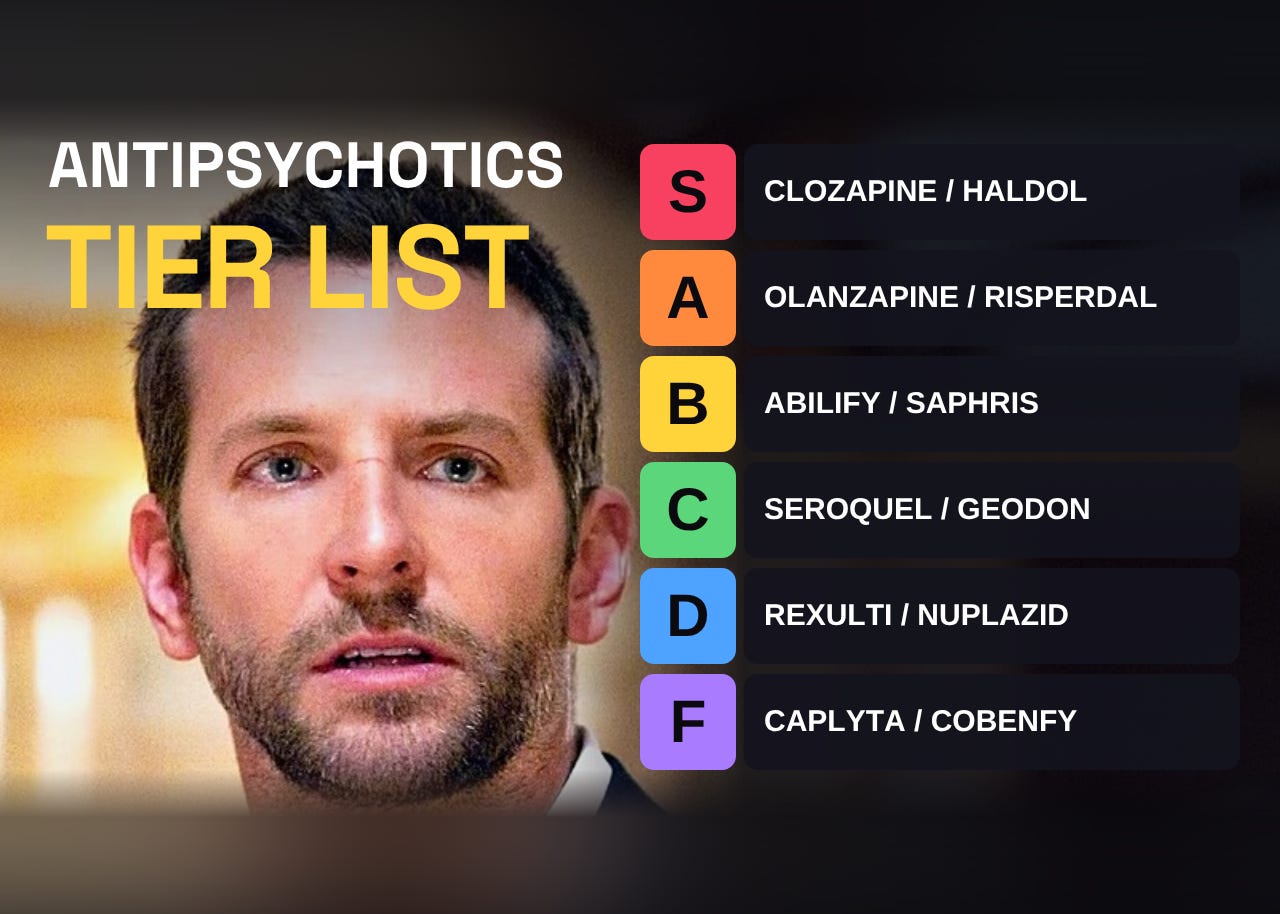
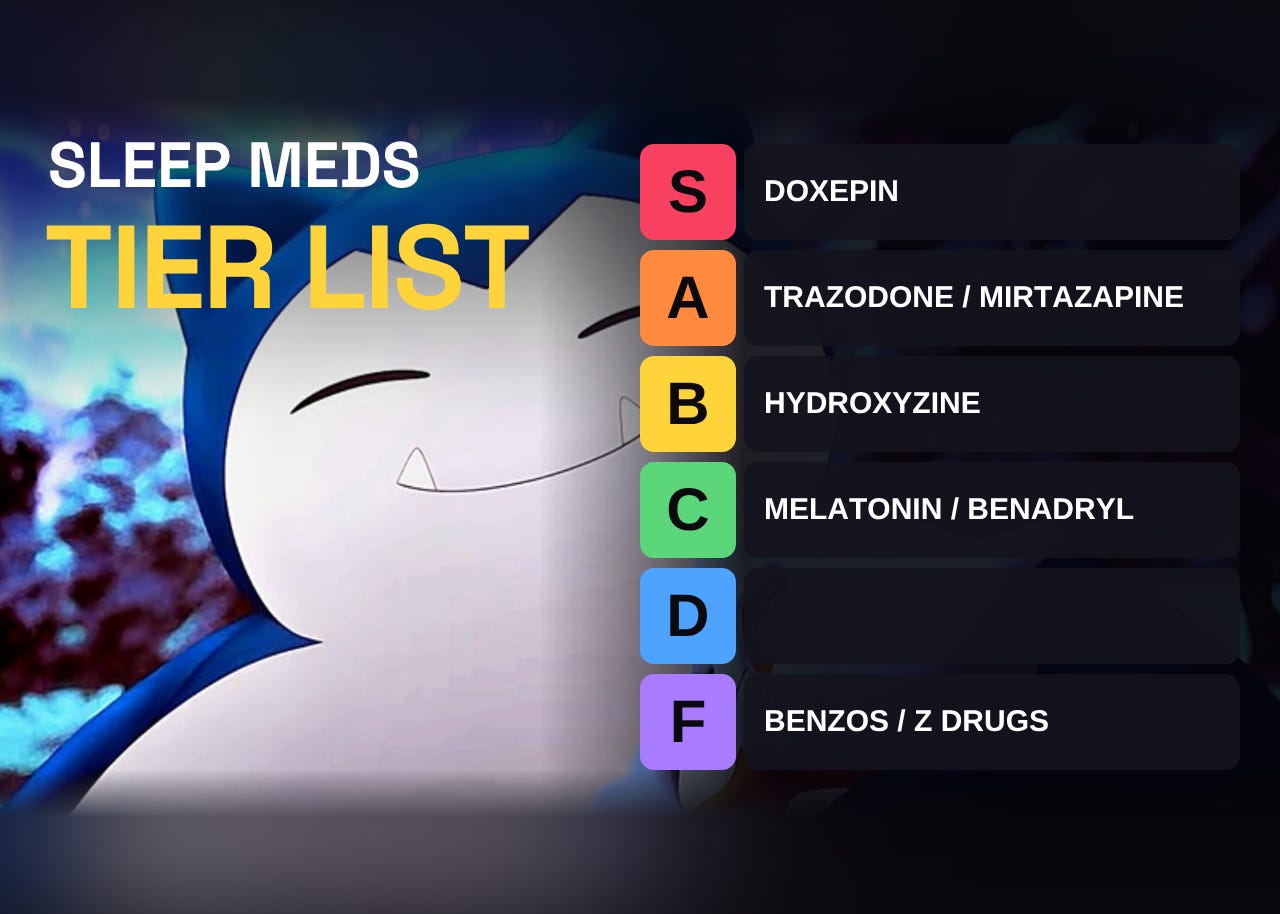
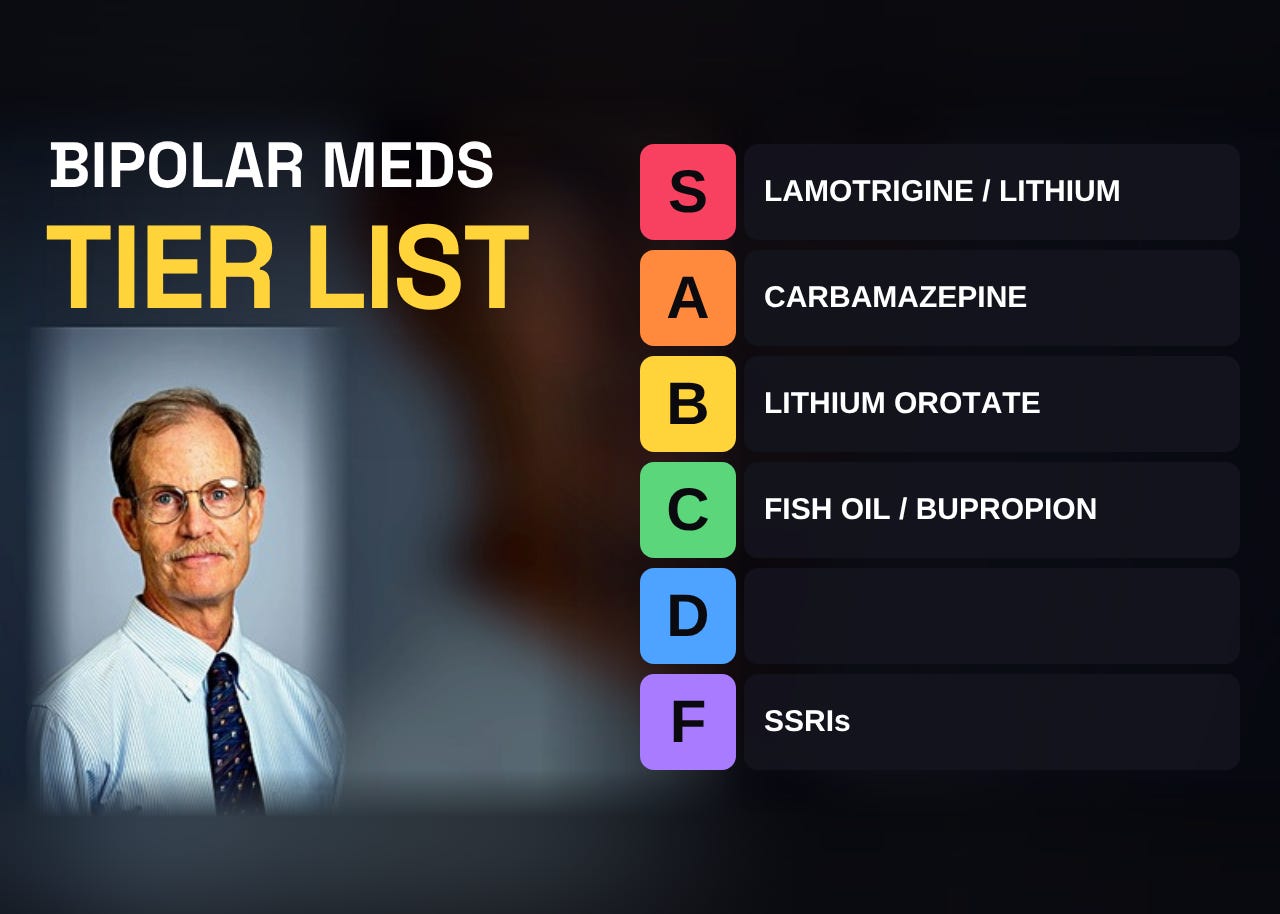
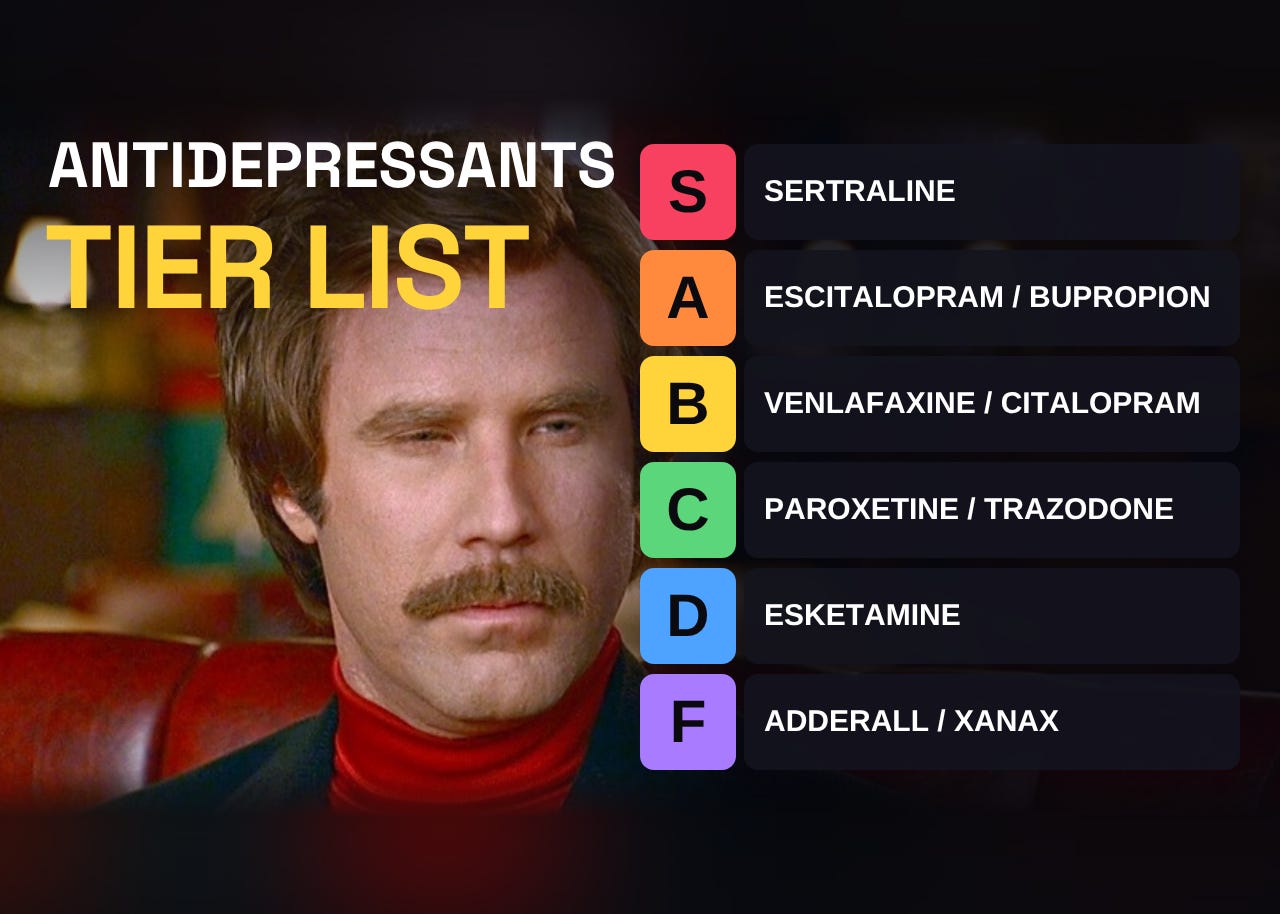
Mood stabilizers for bipolar disorder can be confusing because lithium, lamotrigine, Depakote, carbamazepine, and oxcarbazepine have very different strengths, risks, and clinical roles. In this episode, two psychiatrists break down how they think about maintenance treatment, lithium dosing and monitoring, common side effects, lab levels, toxicity counseling, and medication interactions. They also compare Depakote for mania, lamotrigine for bipolar depression, carbamazepine’s interaction burden, and the potential role of oxcarbazepine. Along the way, they discuss combination treatment, diagnostic uncertainty, pregnancy and fertility considerations, rash counseling, and why effective bipolar care requires focusing on long-term episode prevention rather than the symptom of the day.
What we cover
* Why 'mood stabilizer' is a loose label covering lithium, valproate, lamotrigine, carbamazepine and oxcarbazepine, how these differ from antipsychotics, and why maintenance and episode prevention drive outcomes in bipolar disorder.
* When polypharmacy is reasonable, the risk of stacking medications on a wrong diagnosis such as a personality disorder, and uses beyond bipolar I and II, including subthreshold presentations and adjunctive use in schizophrenia.
* Lithium: why prescribers avoid it, starting approach, counseling on hydration, salt, NSAIDs and interacting blood pressure drugs, kidney, thyroid and calcium monitoring, common side effects, and level ranges.
* Valproate: easier monitoring (platelets, ammonia, liver), the fertility and fetal risks, and the special cases the hosts consider, such as irritability, migraine and brain injury.
* Lamotrigine: its role in bipolar depression and maintenance, tolerability, Stevens-Johnson syndrome counseling, the slow titration, and the valproate interaction.
* Carbamazepine, oxcarbazepine, gabapentin and benzodiazepines: interactions, the debate over evidence, sodium checks, and the place of scheduled benzodiazepines in catatonia and as a last resort.
Clinical takeaways
* Confirm the diagnosis before adding agents. Polypharmacy is common in serious bipolar disorder, but the hosts warn against layering mood stabilizers onto a personality disorder or unaddressed comorbidity, and describe cases where the diagnosis had to be updated over time.
* For lithium, treat the patient rather than the number. Standard teaching puts maintenance at 0.6 to 0.8 and acute mania at 0.8 to 1.2, with lower levels sometimes enough for depression or adjunct use. Bring the level down once mania resolves.
* Counsel on stable hydration and salt intake, avoiding NSAIDs, and telling every prescriber about lithium. One host frames the lab monitoring as what makes lithium safer, and both suggest walking patients through a written sheet with their results.
* Be careful lowering or stopping lithium abruptly, since it may provoke mania. Onset takes at least two weeks and benefit builds over months, so set expectations early.
* Valproate needs platelet, ammonia and liver monitoring, and the hosts avoid it in people who could become pregnant. Lamotrigine needs the slow titration followed exactly.
* For lamotrigine, warn patients to stop it and seek urgent evaluation for any new rash. With valproate on board the lamotrigine dose is reduced, so check the prescribing information. The FDA label recommends HLA-B testing before carbamazepine in patients of Asian ancestry.
Read the full transcript
The complete transcript of this episode is on psycho.farm: Mood Stabilizers for Bipolar Disorder: Lithium, Lamotrigine, Depakote & More.
Related episodes
* Dr. Jim Phelps’ Bipolar Treatment Tier List: Lessons from 30+ Years in Psychiatry
* The Best Bipolar Medication Review From The Best Bipolar Expert
* How to Diagnose Bipolar Disorder with Dr. Phelps: Hypomania, Mixed States & the Clues DSM Misses
For education only. Not medical advice.
This is a public episode. If you would like to discuss this with other subscribers or get access to bonus episodes, visit psychofarm.substack.com