Principles of Homogeneous Catalysis
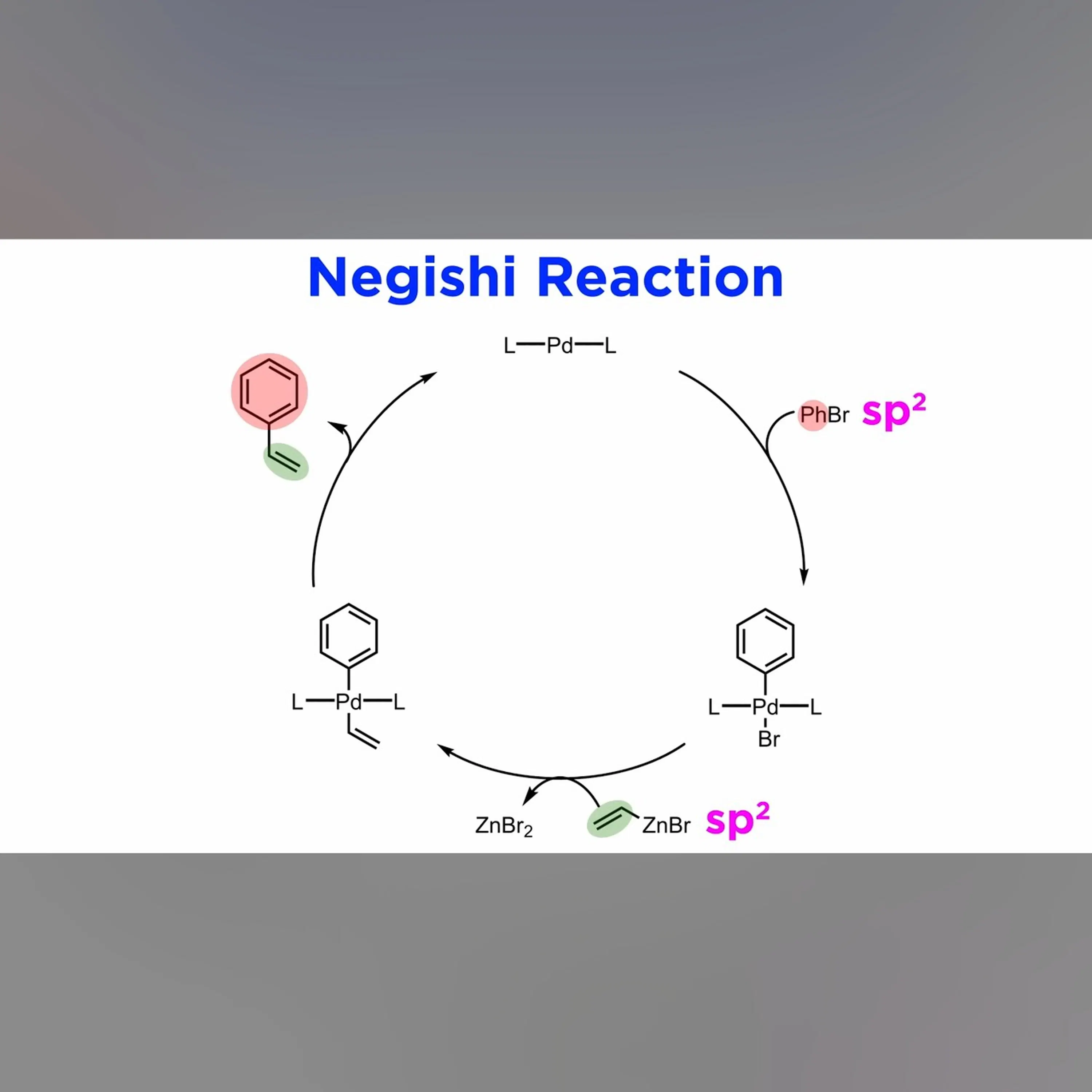
Now that we understand the goal of transition metal catalysis, it's time to look at the two main ways in which this is achieved. There is homogeneous catalysis and heterogeneous catalysis. Let's focus on homogeneous catalysis first, which has the catalyst and reactants in solution together. What are the benefits of this approach? What are the drawbacks? How does this work mechanistically? What is a catalytic cycle? Let's find out! Watch the whole Inorganic/Organometallic Chemistry playlist: http://bit.ly/ProfDaveInorganic General Chemistry Tutorials: http://bit.ly/ProfDaveGenChem Organic Chemistry Tutorials: http://bit.ly/ProfDaveOrgChem Biochemistry Tutorials: http://bit.ly/ProfDaveBiochem Biology Tutorials: http://bit.ly/ProfDaveBio Classical Physics Tutorials: http://bit.ly/ProfDavePhysics1 Modern Physics Tutorials: http://bit.ly/ProfDavePhysics2 Mathematics Tutorials: http://bit.ly/ProfDaveMath EMAIL► ProfessorDaveExplains@gmail.com PATREON► http://patreon.com/ProfessorDaveExplains Check out "Is This Wi-Fi Organic?", my book on disarming pseudoscience! Amazon: https://amzn.to/2HtNpVH Bookshop: https://bit.ly/39cKADM Barnes and Noble: https://bit.ly/3pUjmrn Book Depository: http://bit.ly/3aOVDlT Learn more about your ad choices. Visit megaphone.fm/adchoices