
Skip to content
Artwork for Product Management Tech Brief By HackerNoon
NewsTech NewsTechnology

Product Management Tech Brief By HackerNoon

HackerNoon

Learn the latest product management updates in the tech world.

Play
  • 20 episodes
  • Avg 13 min
  • English
  • Sunday · 14 min

    61 Blog Posts To Learn About Efficiency

    This story was originally published on HackerNoon at: https://hackernoon.com/61-blog-posts-to-learn-about-efficiency. Learn everything you need to know about Efficiency via these 61 free HackerNoon blog posts. Check more stories related to product-management at: https://hackernoon.com/c/product-management. You can also check exclusive content about #efficiency, #learn, #learn-efficiency, and more. This story was written by: @learn. Learn more about this writer by checking @learn's about page, and for more stories, please visit hackernoon.com.
  • September 22 · 18 min

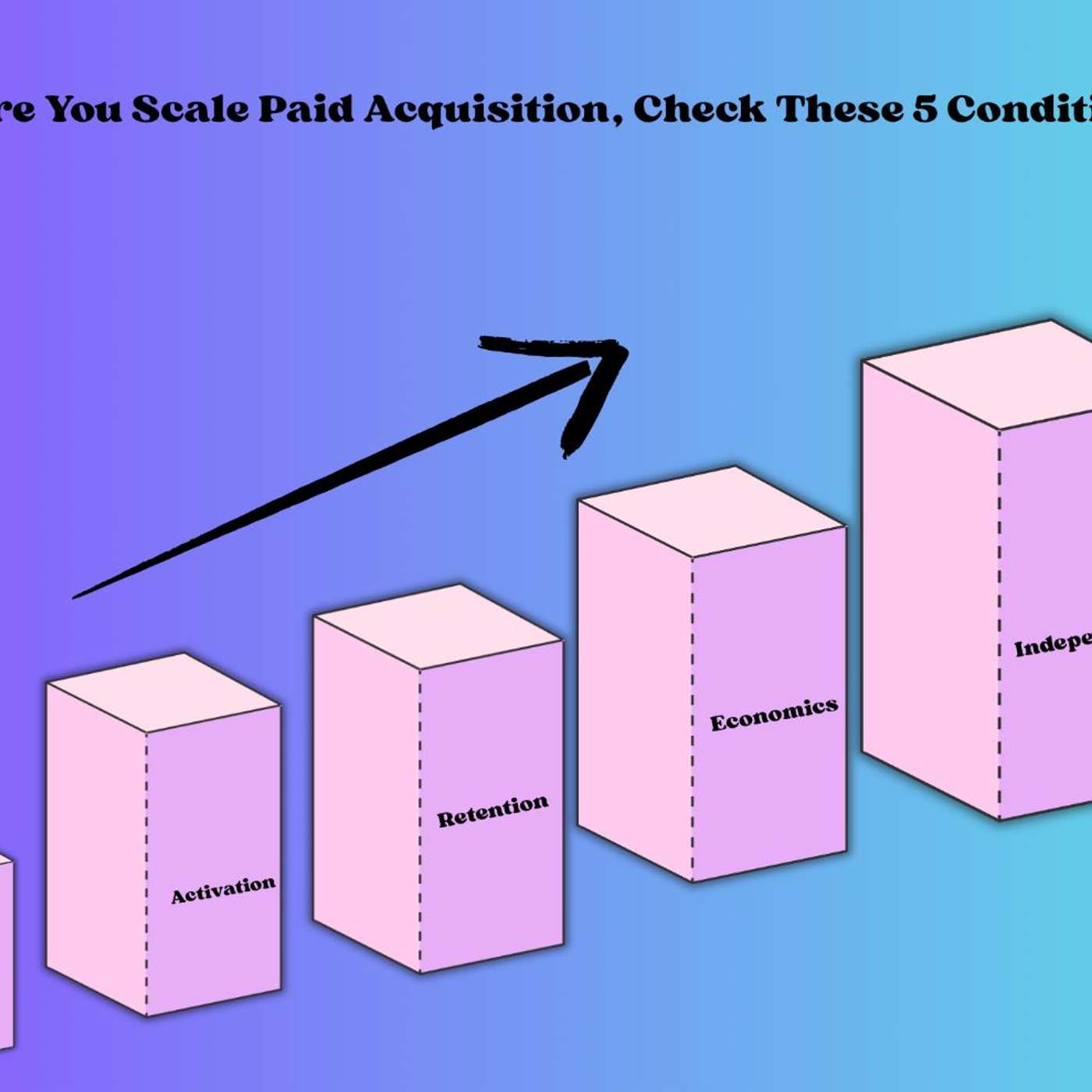
    The Growth Readiness Equation: 5 Conditions That Must Be True Before Paid Acquisition Makes Sense

    This story was originally published on HackerNoon at: https://hackernoon.com/the-growth-readiness-equation-5-conditions-that-must-be-true-before-paid-acquisition-makes-sense. Before scaling paid acquisition, assess your target customers, activation, retention, unit economics, and reliance on founder-led sales. Check more stories related to product-management at: https://hackernoon.com/c/product-management. You can also check exclusive content about #product-led-growth, #growth-readiness, #paid-acquisition-strategy, #customer-activation, #cohort-retention-analysis, #ideal-customer-profile, #customer-acquisition-cost, #product-market-fit, and more. This story was written by: @aleksandriuskaev. Learn more about this writer by checking @aleksandriuskaev's about page, and for more stories, please visit hackernoon.com. Paid acquisition should scale only when the product is ready for it. The Growth Readiness Framework checks five conditions: a clear Beachhead ICP, repeatable activation, stable retention, viable economics, and acquisition independence. If one is weak, more traffic usually amplifies the problem instead of fixing it.

  • September 13 · 9 min

    Where AI-Generated Design Breaks UX Laws

    This story was originally published on HackerNoon at: https://hackernoon.com/where-ai-generated-design-breaks-ux-laws. AI design generators rarely produce that code, and the people using them rarely know that this code is missing. Check more stories related to product-management at: https://hackernoon.com/c/product-management. You can also check exclusive content about #product-design, #ai-design-tools, #ai-in-design, #ai-design, #ux-design, #ui-design, #design-systems, #hackernoon-top-story, and more. This story was written by: @derzhaiev. Learn more about this writer by checking @derzhaiev's about page, and for more stories, please visit hackernoon.com. AI tools are good at producing credible-looking UI. But credible UI is not always good UX. This article examines failures in keyboard access, target sizing, visual distinction, and cognitive load through Fitts’s Law, the Von Restorff Effect, Miller’s Law, and recent research on AI-generated interfaces.

  • September 12 · 6 min

    5 Principles to Make Your Tech Product Hard to Ignore and Easy to Trust

    This story was originally published on HackerNoon at: https://hackernoon.com/5-principles-to-make-your-tech-product-hard-to-ignore-and-easy-to-trust. Most founders think their trust problem is that people don't believe them. Check more stories related to product-management at: https://hackernoon.com/c/product-management. You can also check exclusive content about #product-marketing, #product-strategy, #brand-marketing, #ai-marketing, #trust-and-credibility, #tech-marketing, #founder-advice, #hackernoon-top-story, and more. This story was written by: @dariavolkova. Learn more about this writer by checking @dariavolkova's about page, and for more stories, please visit hackernoon.com. Most founders think their trust problem is that people don't believe them.

  • August 16 · 7 min

    UX Unpacked: Using the Fogg Behavior Model to Diagnose Product Adoption

    This story was originally published on HackerNoon at: https://hackernoon.com/ux-unpacked-using-the-fogg-behavior-model-to-diagnose-product-adoption. Understand the Fogg Behavior Model (B=MAP). Learn how Motivation, Ability, and Prompt drive user actions. Part 1 of the UX Unpacked series by Ribin K Roy. Check more stories related to product-management at: https://hackernoon.com/c/product-management. You can also check exclusive content about #ux-design, #ux-psychology, #fogg-behavior-model, #behavioral-design, #product-adoption-metrics, #interaction-design, #ux-research-frameworks, #feature-adoption, and more. This story was written by: @ryson-theo. Learn more about this writer by checking @ryson-theo's about page, and for more stories, please visit hackernoon.com. The Fogg Behavior Model (B=MAP) explains why users act—or don't. Learn how Motivation, Ability, and Prompt converge to drive action in UX design. Free guide by Ribin K Roy.

  • August 15 · 6 min

    Don't Hire a Designer in 2026. Here's Who You Actually Need

    This story was originally published on HackerNoon at: https://hackernoon.com/dont-hire-a-designer-in-2026-heres-who-you-actually-need. The gap between design and code collapsed in 2026. Here's why you should hire a design engineer instead of a classic product designer. Check more stories related to product-management at: https://hackernoon.com/c/product-management. You can also check exclusive content about #ux-design, #ux, #product-design, #how-to-hire-ux-designers, #ai-tools, #design-engineering, #future-of-design, #figma, and more. This story was written by: @yurasamelyuk. Learn more about this writer by checking @yurasamelyuk's about page, and for more stories, please visit hackernoon.com. The classic product designer role was built around one assumption: building is hard, so designers hand work across a gap. That gap closed. AI tools made crossing from design into working code a matter of days, not years of training. What you should hire in 2026 is a design engineer — full product judgment plus the ability to ship the artifact themselves. No handoff, no translation tax, no unbuildable mockups. Filter for people who've actually shipped something, and pay them like the engineers they are.

  • August 6 · 4 min

    The Hidden Value Decay at the End of Every Sprint

    This story was originally published on HackerNoon at: https://hackernoon.com/the-hidden-value-decay-at-the-end-of-every-sprint. Theta decay does not only affect options. Learn how deadline pressure erodes sprint value, engineering quality, and team productivity. Check more stories related to product-management at: https://hackernoon.com/c/product-management. You can also check exclusive content about #agile, #business, #algorithms, #business-strategy, #company-culture, #performance, #engineering-sprints, #sprint-planning, and more. This story was written by: @lavkeshdwivedi. Learn more about this writer by checking @lavkeshdwivedi's about page, and for more stories, please visit hackernoon.com. Theta decay does not only affect options. Learn how deadline pressure erodes sprint value, engineering quality, and team productivity.

  • August 5 · 9 min

    AI Is Changing How We Ideate, Design, and Build User Interfaces

    This story was originally published on HackerNoon at: https://hackernoon.com/ai-is-changing-how-we-ideate-design-and-build-user-interfaces. Maybe the question isn't which tool is right anymore. Maybe it's time to rethink the workflow itself. Check more stories related to product-management at: https://hackernoon.com/c/product-management. You can also check exclusive content about #ui-design, #ai-design-tools, #ai, #product-design, #ux-design, #web-design, #design-systems, #design-tools, and more. This story was written by: @jinsonjohny. Learn more about this writer by checking @jinsonjohny's about page, and for more stories, please visit hackernoon.com. There is no longer a single workflow for designing user interfaces. AI has introduced multiple ways to ideate, design, and build, each with different trade-offs. Instead of asking which tool is best, we should start asking what the ideal design artifact looks like for a world where humans and AI collaborate.

  • July 24 · 2 min

    Cloud Spend Needs Regular Review

    This story was originally published on HackerNoon at: https://hackernoon.com/cloud-spend-needs-regular-review. Monthly SIP inflows in India hit 26,000 crore in March 2026, and this milestone has an unexpected parallel in cloud cost management. Check more stories related to product-management at: https://hackernoon.com/c/product-management. You can also check exclusive content about #agile, #automation, #business-strategy, #cloud-computing, #data-science, #finance, #cloud-spend, #review-cloud-spend, and more. This story was written by: @lavkeshdwivedi. Learn more about this writer by checking @lavkeshdwivedi's about page, and for more stories, please visit hackernoon.com. Monthly SIP inflows in India hit 26,000 crore in March 2026, and this milestone has an unexpected parallel in cloud cost management, where automatic budget alerts can lead to a lack of attention.

  • July 23 · 14 min

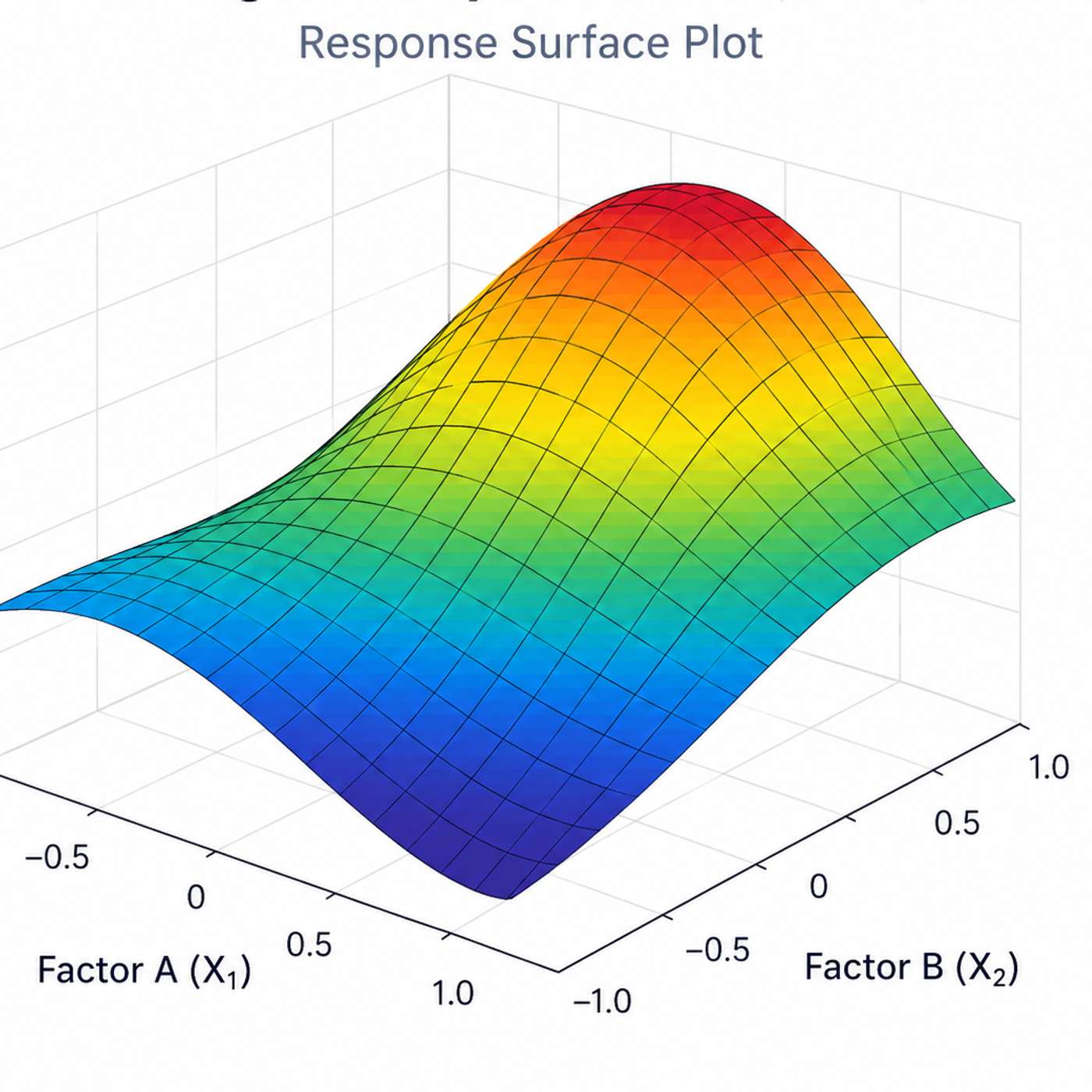
    Design of Experiments in the real world: Lessons from automotive and semiconductor industry

    This story was originally published on HackerNoon at: https://hackernoon.com/design-of-experiments-in-the-real-world-lessons-from-automotive-and-semiconductor-industry. From automotive connectors to semiconductor hardware, DOE turns simulation and testing into faster engineering decisions. Check more stories related to product-management at: https://hackernoon.com/c/product-management. You can also check exclusive content about #product-design, #design-of-experiments, #automotive-industry, #semiconductor-manufacturing, #product-development, #semiconductor-industry-trends, #automotive-experiments, #hackernoon-top-story, and more. This story was written by: @sahitinallagonda_33lhdsco. Learn more about this writer by checking @sahitinallagonda_33lhdsco's about page, and for more stories, please visit hackernoon.com. Design of Experiments (DOE) helps engineers optimize products faster by evaluating multiple design variables simultaneously instead of relying on trial-and-error or one-factor-at-a-time testing. Through real-world examples from the automotive and semiconductor industries, plus a simulation-driven FEA case study, this article demonstrates how DOE uncovers critical design factors, reveals hidden interactions, reduces development costs and enables data-driven engineering decisions that produce more robust and reliable products

  • July 22 · 9 min

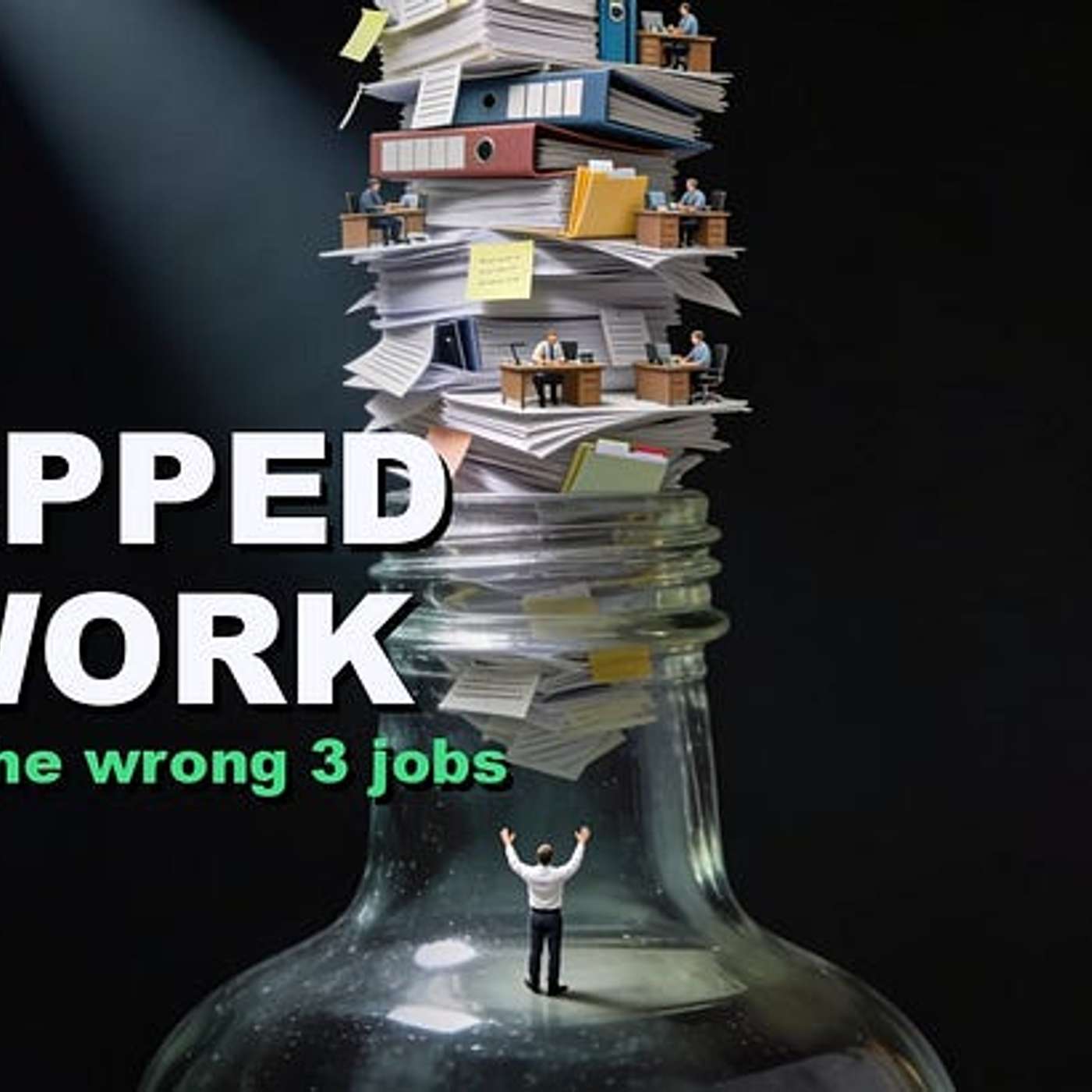
    You’re Still the Bottleneck Because You Kept the Wrong Three Jobs

    This story was originally published on HackerNoon at: https://hackernoon.com/youre-still-the-bottleneck-because-you-kept-the-wrong-three-jobs. Stop being the bottleneck” is only half the advice. Hand off the wrong things, and you don’t get your freedom back. Here are the three jobs to keep on purpose Check more stories related to product-management at: https://hackernoon.com/c/product-management. You can also check exclusive content about #product-management, #business, #career, #company-culture, #finance, #human-resources, #bottleneck-analysis, #leadership, and more. This story was written by: @nemock. Learn more about this writer by checking @nemock's about page, and for more stories, please visit hackernoon.com. Write down every approval that still runs through you. Every signature, every check-with-me-first. Go down the list with one honest question: if I were starting this company today, at exactly the size it is right now, would I hire myself to make this particular call? If the answer is no, you just found a bottleneck you’re keeping for you, not for the business.

  • July 18 · 10 min

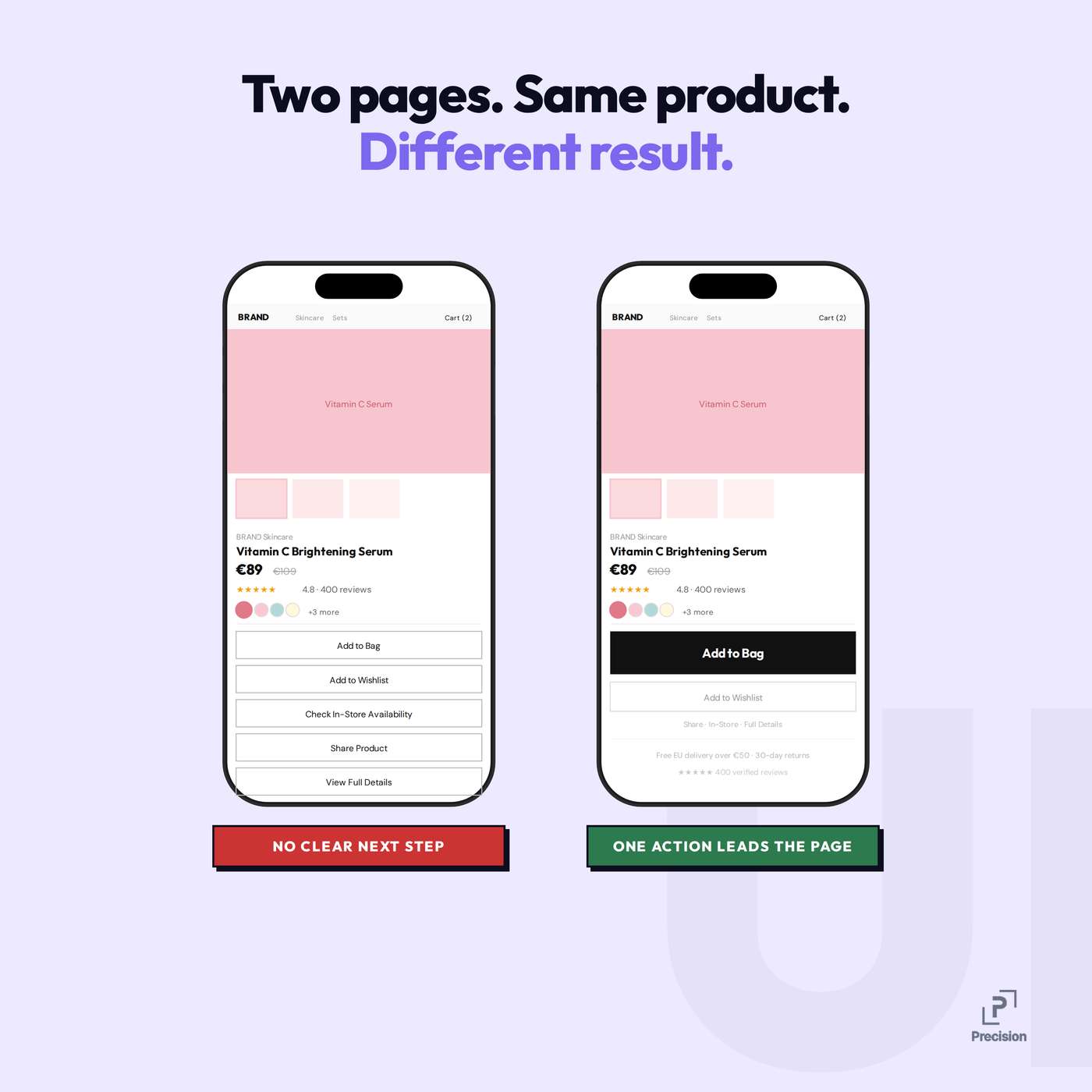
    8 Psychology Principles Behind Amazon, Costco, and Trader Joe's Biggest Wins

    This story was originally published on HackerNoon at: https://hackernoon.com/8-psychology-principles-behind-amazon-costco-and-trader-joes-biggest-wins. Anchoring, loss aversion, social proof, and five more psychology principles behind Amazon, Costco, and Trader Joe's biggest conversion wins. Check more stories related to product-management at: https://hackernoon.com/c/product-management. You can also check exclusive content about #product-design, #ux-design, #ui-ux, #website-design, #ecommerce, #startup-lessons, #behaviour-psychology, #product-psychology, and more. This story was written by: @goprecision. Learn more about this writer by checking @goprecision's about page, and for more stories, please visit hackernoon.com. Most CRO advice assumes customers weigh features and price like a spreadsheet. They don't. Real conversion wins come from psychology, not checklists. In this piece, we walk through eight principles: anchoring, the goal gradient effect, loss aversion, reciprocity, social proof, authority bias, the default effect, and Hick's Law, each tied to a real company: Amazon, Costco, Trader Joe's, Stripe, and more. Everyone comes with the mechanism behind it and a fix you can actually use.

  • July 14 · 5 min

    Model Framework for Fitness Trackers

    This story was originally published on HackerNoon at: https://hackernoon.com/model-framework-for-fitness-trackers. An excerpt from the book Variable Limits on interaction models used to design various types of fitness trackers for commercial and medical industry Check more stories related to product-management at: https://hackernoon.com/c/product-management. You can also check exclusive content about #product-design, #fitness-trackers, #wearable-technology, #books, #data-privacy, #data-analysis, #healthcare-industry, #data-ownership, and more. This story was written by: @id. Learn more about this writer by checking @id's about page, and for more stories, please visit hackernoon.com. The Variable Limits explores the future of personal health technology, reimagining fitness trackers as sophisticated companions that fulfill the full complexity of human life. Blending precise data insights with thoughtful design, it envisions wearables as essential everyday tools much like the personal computer that support both measurable health metrics and the rich, immeasurable dimensions of wellbeing. Essential reading for designers, technologists, and anyone shaping the next generation of wellness technology.

  • July 6 · 1 hr 26 min

    330 Blog Posts To Learn About Agile

    This story was originally published on HackerNoon at: https://hackernoon.com/330-blog-posts-to-learn-about-agile. Learn everything you need to know about Agile via these 330 free HackerNoon blog posts. Check more stories related to product-management at: https://hackernoon.com/c/product-management. You can also check exclusive content about #agile, #learn, #learn-agile, and more. This story was written by: @learn. Learn more about this writer by checking @learn's about page, and for more stories, please visit hackernoon.com.
  • July 5 · 10 min

    Are You Making Your Users Do the Backend Job? (B2B Perspective)

    This story was originally published on HackerNoon at: https://hackernoon.com/are-you-making-your-users-do-the-backend-job-b2b-perspective. Consumer apps feel effortless. B2B tools rarely do. Here's why it feels so much harder and how to design interfaces that match how experts think. Check more stories related to product-management at: https://hackernoon.com/c/product-management. You can also check exclusive content about #product-design, #ux-design, #design-thinking, #mental-models, #b2b, #saas, #b2b-tools, #hackernoon-top-story, and more. This story was written by: @anastasiachistova. Learn more about this writer by checking @anastasiachistova's about page, and for more stories, please visit hackernoon.com. A certain amount of complexity can never be removed from an interface; it can only be shifted between the user and the system (Tesler's Law). B2C products manage this well because designers share the user's everyday reality.

  • July 2 · 12 min

    AI Won't Replace Product Managers. It Will Call Out the Ones Who Were Coasting.

    This story was originally published on HackerNoon at: https://hackernoon.com/ai-wont-replace-product-managers-it-will-call-out-the-ones-who-were-coasting. Can AI replace PMs? After 10 years in regulated fintech, I built a framework that answers this. Spoiler: judgment still wins. Check more stories related to product-management at: https://hackernoon.com/c/product-management. You can also check exclusive content about #product-management, #artificial-intelligence, #ai-governance, #enterprise-software, #product-led-growth, #compliance, #fintech, #threat-to-product-management, and more. This story was written by: @niatoke. Learn more about this writer by checking @niatoke's about page, and for more stories, please visit hackernoon.com. AI is not the threat to product management. Complacency is. When execution becomes cheap and fast, the only thing that remains scarce is the quality of the decision that precedes it. The average PM will use AI to build more. The great PM will use AI to think better. That gap is where the next decade of product leadership gets decided.

  • July 1 · 23 min

    Your PM Can Now Ship Without a Designer. Here's When That's Stupid.

    This story was originally published on HackerNoon at: https://hackernoon.com/your-pm-can-now-ship-without-a-designer-heres-when-thats-stupid. From database-wired advisors to vibe-coded prototypes: the honest PM-design conversation about where AI helps, where it fails, and what judgment still costs. Check more stories related to product-management at: https://hackernoon.com/c/product-management. You can also check exclusive content about #product-management, #product-design, #design, #ai-tools, #ai-prototyping, #vibe-coding, #design-systems, #hackernoon-top-story, and more. This story was written by: @galtsev. Learn more about this writer by checking @galtsev's about page, and for more stories, please visit hackernoon.com. AI didn't make fractional product work faster. It made it deeper. Strategic Product Advisor Pavel Sikachev, formerly CPO at Jume Platform and Director of Product Management at Mars Petcare, talks with Design Director Sergey Galtsev about what changed in the product-design handoff, the six conditions when a PM must stop and call a designer, three failures, and what founders should now expect.

  • June 26 · 8 min

    There Are Two Ways To Make Something Better

    This story was originally published on HackerNoon at: https://hackernoon.com/there-are-two-ways-to-make-something-better. There are two opposing philosophies for improvement: incremental iteration and radical revolution. Explore the tension and trade-offs. Check more stories related to product-management at: https://hackernoon.com/c/product-management. You can also check exclusive content about #product-management, #work-culture, #career-development, #refiner, #rebuilder, #how-to-improve, #improvement-strategies, #hackernoon-top-story, and more. This story was written by: @mtrifiro. Learn more about this writer by checking @mtrifiro's about page, and for more stories, please visit hackernoon.com. This article argues that there are two fundamental, and often conflicting, ways to improve things: Refinement: Patiently making small, incremental improvements to an existing system. This is low-risk and how most progress happens. Rebuilding: Radically questioning the system itself and being willing to tear it down to build something better. This is high-risk, disruptive, and often seen as reckless.

  • June 24 · 9 min

    The Technical Foundations of Zapier's Product-Led Growth

    This story was originally published on HackerNoon at: https://hackernoon.com/the-technical-foundations-of-zapiers-product-led-growth. Learn how Zapier combined product-led growth, programmatic SEO, and automation to build one of the most scalable growth engines in SaaS. Check more stories related to product-management at: https://hackernoon.com/c/product-management. You can also check exclusive content about #product-led-growth, #zapier-launch-strategy, #zapier-case-study, #business-process-automation, #saas-integrations, #startup-validation, #growth-marketing, #bootstrapped-startups, and more. This story was written by: @khomichenko. Learn more about this writer by checking @khomichenko's about page, and for more stories, please visit hackernoon.com. Zapier succeeded by treating distribution as part of the product rather than a separate marketing function. Instead of relying on large funding rounds, the company focused on solving a widespread integration problem, building a scalable ecosystem of app connections, and creating a programmatic SEO engine that captured high-intent search traffic. Every new integration strengthened its growth flywheel by generating more discoverability, partnerships, and customer acquisition opportunities. Combined with relentless customer feedback, product-led growth, and early profitability, this strategy transformed Zapier from a hackathon project into one of the most influential automation platforms in the SaaS industry.

  • June 23 · 8 min

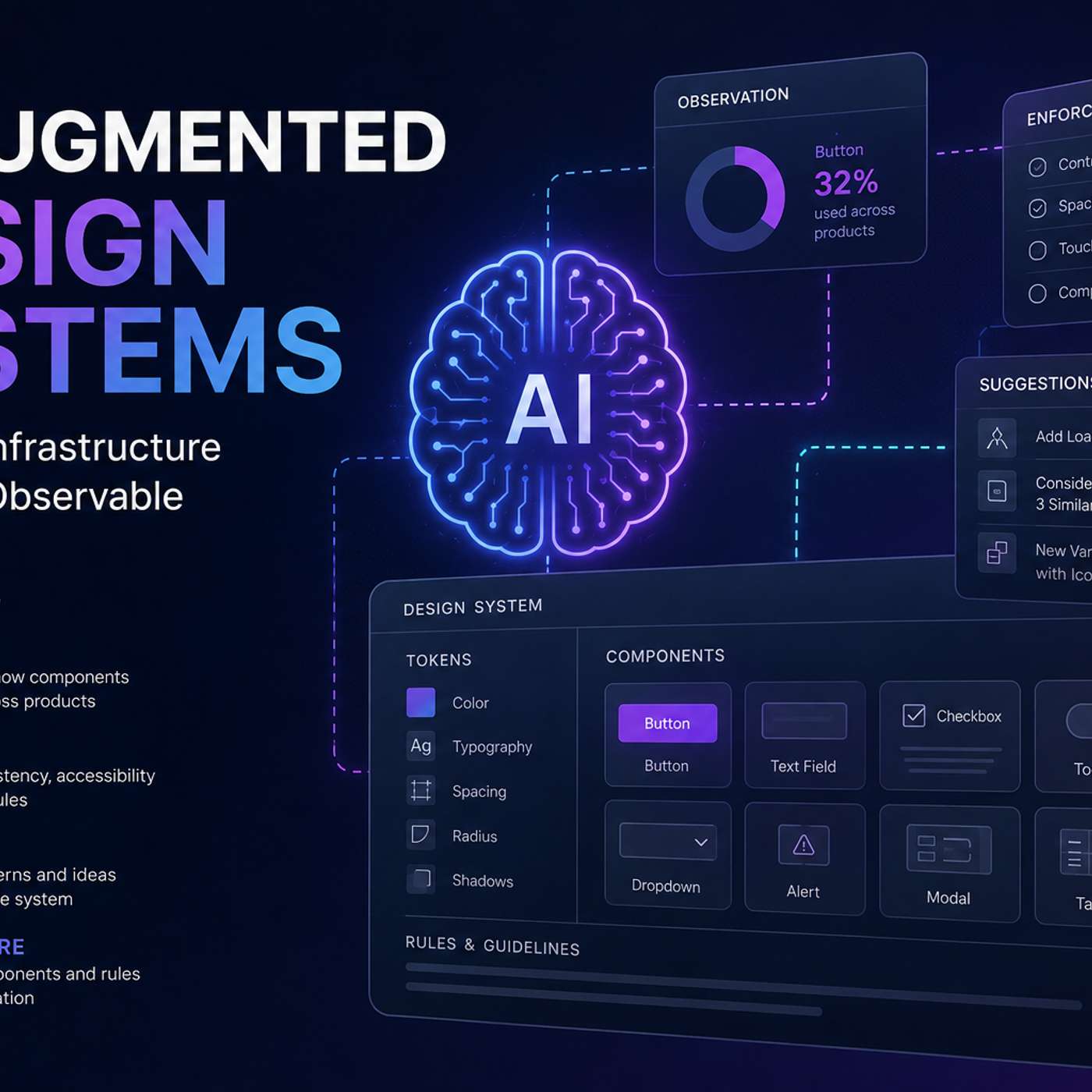
    AI-Augmented Design Systems: Building Intelligent UX Foundations

    This story was originally published on HackerNoon at: https://hackernoon.com/ai-augmented-design-systems-building-intelligent-ux-foundations. Design systems are evolving beyond documentation into observable UX infrastructure. Explore how AI can help product teams detect inconsistencies. Check more stories related to product-management at: https://hackernoon.com/c/product-management. You can also check exclusive content about #ux-design, #design-systems, #artificial-intelligence, #design-engineering, #human-computer-interaction, #system-design, #ai-augmented-design-systems, #intelligent-ux-infrastructure, and more. This story was written by: @hemmahos. Learn more about this writer by checking @hemmahos's about page, and for more stories, please visit hackernoon.com. Design systems rarely fail because of poor design—they fail because they lose visibility into how products evolve. This article explores how AI can augment design systems not by generating interfaces, but by observing usage, enforcing consistency, and surfacing emerging patterns. The key insight: AI only becomes valuable when design systems are structured enough to behave like measurable, queryable data systems.
Showing 1–20 of 20 episodes