Forecasting, Budgeting & Setting the Precept (and Lashings of Ginger Beer)
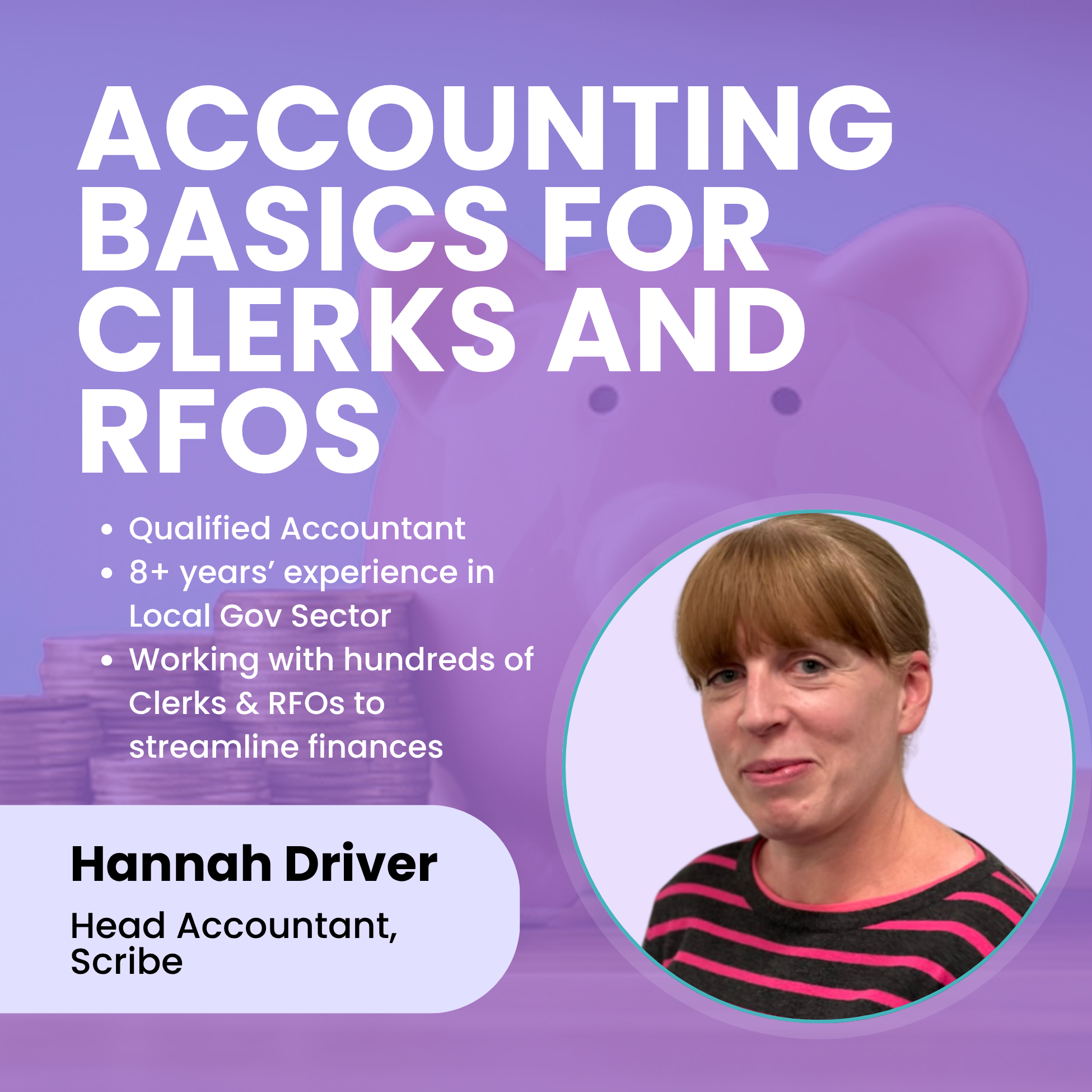
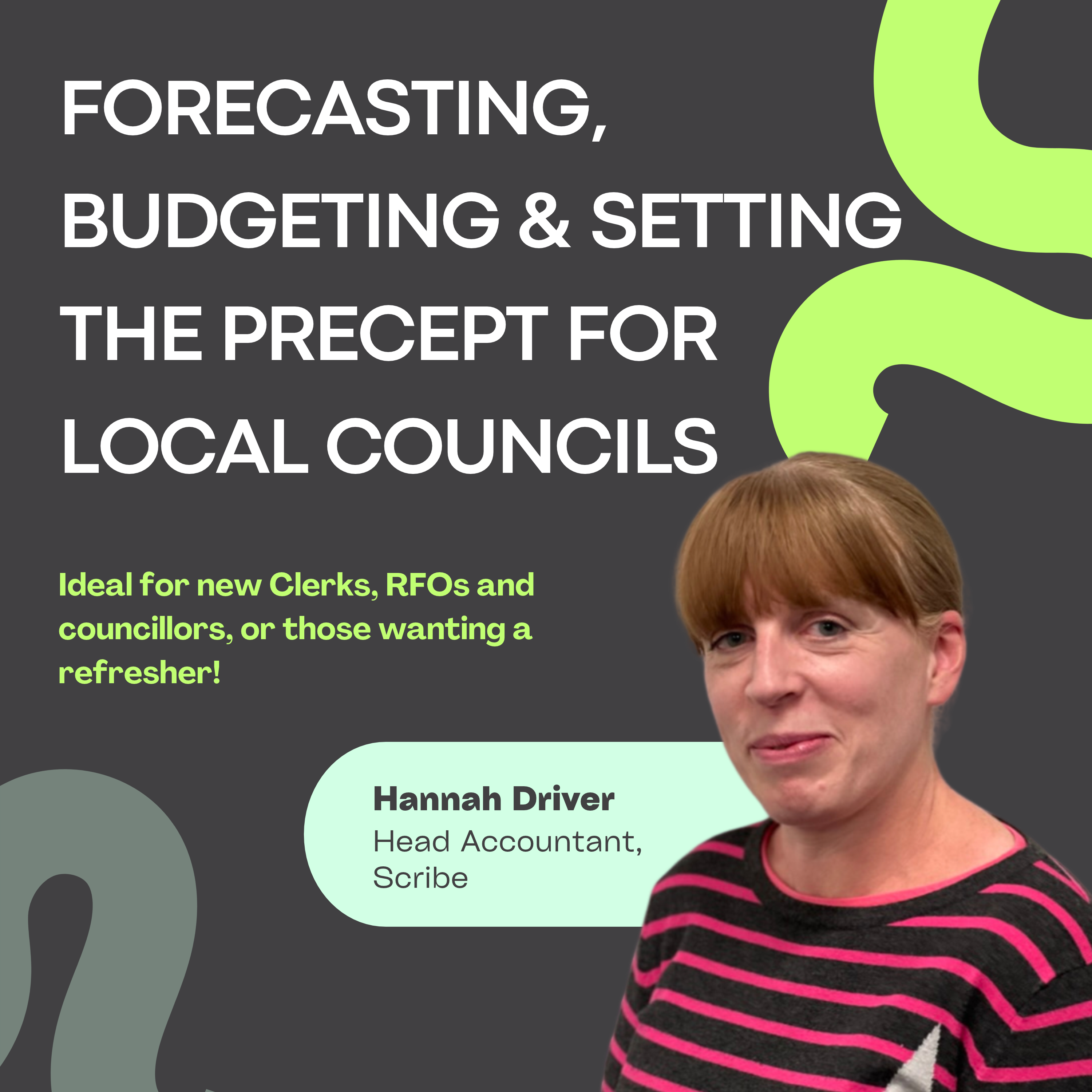
It's that time of year again. Budgets need drafting, committees need consulting, and the precept request has to reach the district council before its deadline. Hannah Driver thinks this is the hardest part of the clerk's year: at year end the figures are what they are, but a budget asks you to think about what is coming and make judgements about it. In this episode she takes the whole process back to basics, from forecasting where this year will land, through building next year's budget line by line, to calculating the precept and keeping an eye on it all once it is set. Hannah is Head Accountant at Scribe, where she has spent over eight years working with hundreds of parish and town councils on their finances. She was last on the podcast in Episode 11, covering accounting basics. This session is pitched at new clerks, RFOs and councillors, and at anyone who would like a refresher before precept-setting season. What Hannah covers: Why the budget matters. Every council, whatever its size, has a statutory duty to prepare and approve a budget before setting the precept and before the financial year starts. Every councillor should understand it, not line by line, but enough to know that a healthy bank balance is not the same as money that is free to spend. Working back from the deadline. Find out when your district needs the precept request (often January, sometimes December), then plan back: a draft budget in October, committee input in November, full council in December. Incremental or zero-based? If your budget structure works, build on it, but review each line rather than adding a blanket percentage. If it no longer reflects what the council does, start from a blank sheet. Zero-based budgeting is also the right tool for one-off projects. Forecasting. Take your actuals to date, predict the remaining months line by line, and compare the expected year-end position against the budget. Be realistic, and keep the forecast updated through the year. Building the budget. Start with expenditure: fixed costs with an inflationary uplift, then the harder-to-predict reactive costs. Work in net figures, because VAT you will reclaim is not a real cost and should not sit in your income budget either. Reserves. A general reserve of between three and twelve months' net revenue expenditure, earmarked reserves to smooth out regular big costs such as elections and asset renewals, and project reserves for one-off plans. Why freezing the precept year after year can store up a much bigger rise later. Calculating and checking the precept. Expenditure, less other income, adjusted for reserves. Then check the figure per Band D equivalent property and per household per week, and what to do if it comes out very different from last year. Monitoring and looking ahead. A cash book coded to your budget lines, budget-versus-actual reports through the year, good notes on how each figure was reached, and a three-to-five-year projection to show the council where costs and precept are heading. John and Hannah also talk about Scribe's new budget worksheet, which takes your Scribe data into a spreadsheet for trying out different scenarios and then imports the agreed budget back in for next year. Get the video and slides: Watch the full webinar recording and download the speaker's resources.
- Chapters