Skip to content
Artwork for Pet Acoustics: We're All Ears!
Kids & FamilyPets & AnimalsScienceNature

Pet Acoustics: We're All Ears!

Janet Marlow

Host: Janet Marlow, Sound Behaviorist & Founder of Pet Acoustics

Overview:
“We’re All Ears” is a series delving into the fascinating world of animal hearing and behavior. Each episode uncovers surprising insights about how animals experience sound—from the tiniest frequencies humans can’t detect to audible triggers that shape their moods, actions, and well‑being.

Play
  • 23 episodes
  • Avg 6 min
  • English
Counted on this page — what you have heard stays on this device, so it is not something the list can be paged by.
  • #54
    September 15 · 5 min

    Why Cats Don’t Show Us They’re Listening

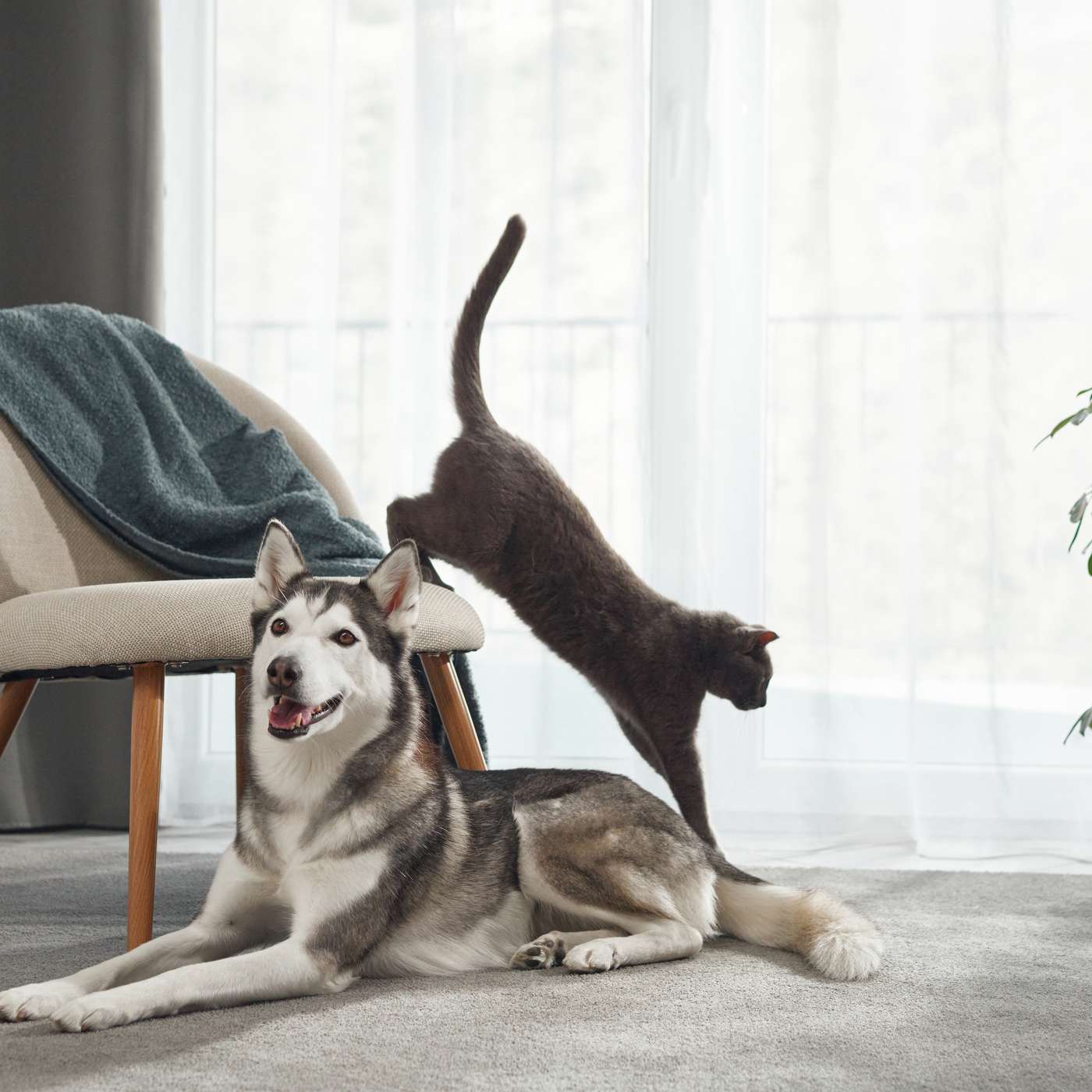
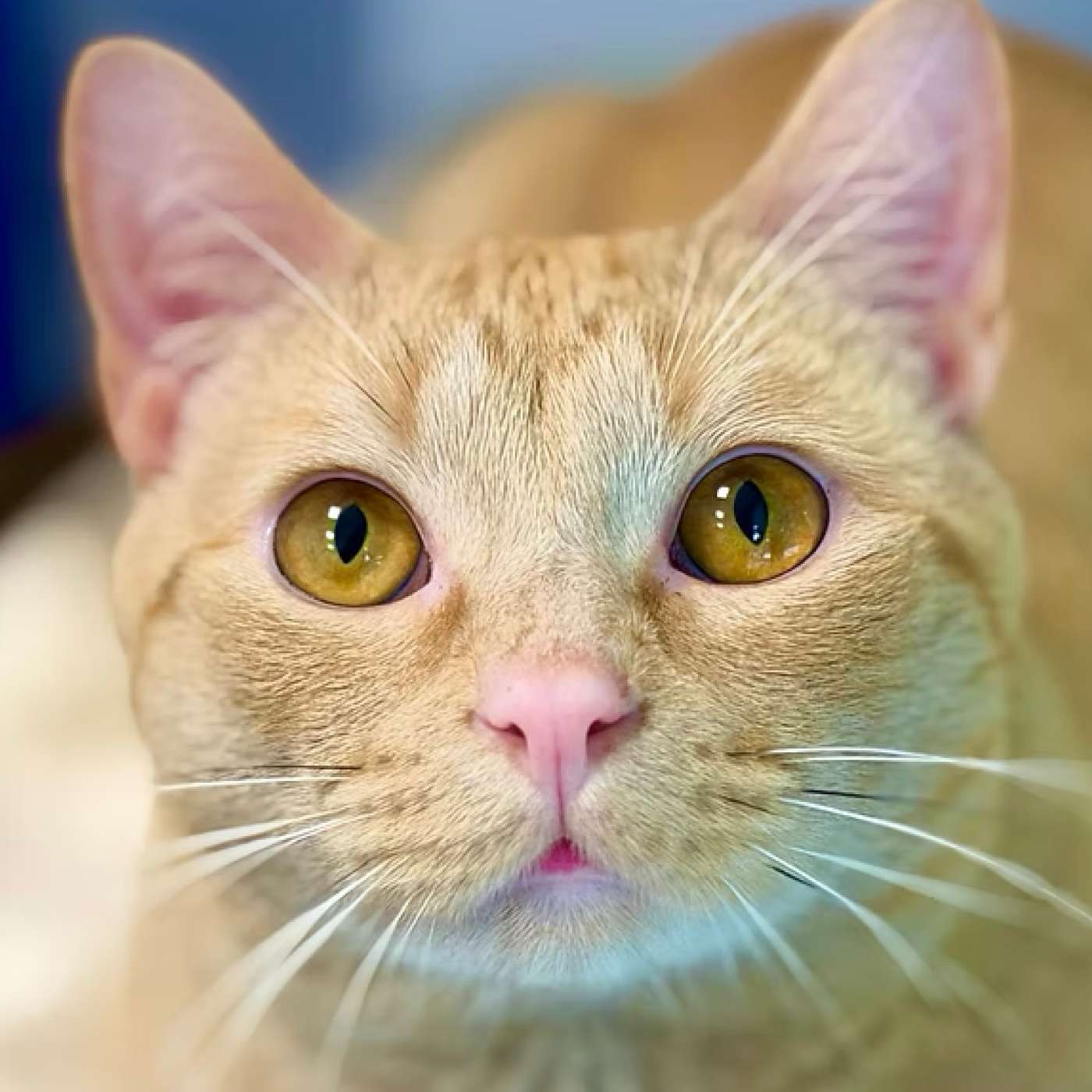
    Welcome to We’re All Ears, the podcast about the science of sound, hearing, and animal behavior. I’m Janet Marlow, founder of Pet Acoustics and a Certified Sound Behaviorist. Today I want to talk about something I’ve observed for years: Cats can be much harder to read than dogs when we introduce sound into their environment. And that matters, because sometimes we assume that if we don’t see a response, nothing is happening. With a dog, relaxation can be wonderfully obvious. A dog may stop pacing. Lie down. Rest its head. Sigh. Fall asleep. Within 20 minutes, a pet parent may be able to say, “Something has changed.” Cats are different. A cat may respond to its auditory environment with a slower blink. A subtle change in ear position. Less vigilance. More grooming. A different sleeping location. Choosing to remain in a room longer. Or perhaps a reduction in nighttime vocalization that becomes apparent only after several days. These are meaningful behavioral changes, but they’re easy to miss if you don’t know what you’re looking for. When a cat walks away, what does it mean? Here’s another behavior that can be misunderstood. You turn on a new sound source, and your cat leaves the room. The immediate reaction may be: “My cat doesn't like it.” Not necessarily.
  • #53
    August 28 · 10 min

    Back to School, Back to Work: Helping Pets Adjust to a Quieter Home

    Back to School, Back to Work: Helping Pets Adjust to a Quieter Home Hello, and welcome to We’re All Ears, the podcast devoted to understanding how sound affects the health, behavior, and well-being of the animals we love. I’m Janet Marlow, founder of Pet Acoustics, composer, researcher, and Certified Sound Behaviorist. Today, we’re talking about a seasonal transition that can be surprisingly difficult for dogs and cats: the return to school and work. After a summer filled with activity, voices, visitors, children, open doors, and changing schedules, the house may suddenly become very quiet. We think of quiet as peaceful—but to a pet who has grown accustomed to companionship and household activity, that new silence can feel unfamiliar and unsettling.

  • #52
    August 20 · 6 min

    Do Cats Experience Separation Anxiety?

    Do Cats Experience Separation Anxiety? Hello, and welcome to We’re All Ears, the podcast where we explore how sound influences the health, behavior, and emotional well-being of the animals we love. I’m Janet Marlow, founder of Pet Acoustics and a Certified Sound Behaviorist. Today’s question is one many cat parents ask: Do cats experience separation anxiety? The answer is yes. Although cats are often described as independent, they can form very strong emotional bonds with their people—and some experience genuine distress when left alone or separated from someone they depend on. Because cats often express stress subtly, separation-related anxiety can easily be overlooked or mistaken for bad behavior.

  • #51
    August 13 · 7 min

    How to Travel With Your Pet: Calmer Journeys With Pet Acoustics+

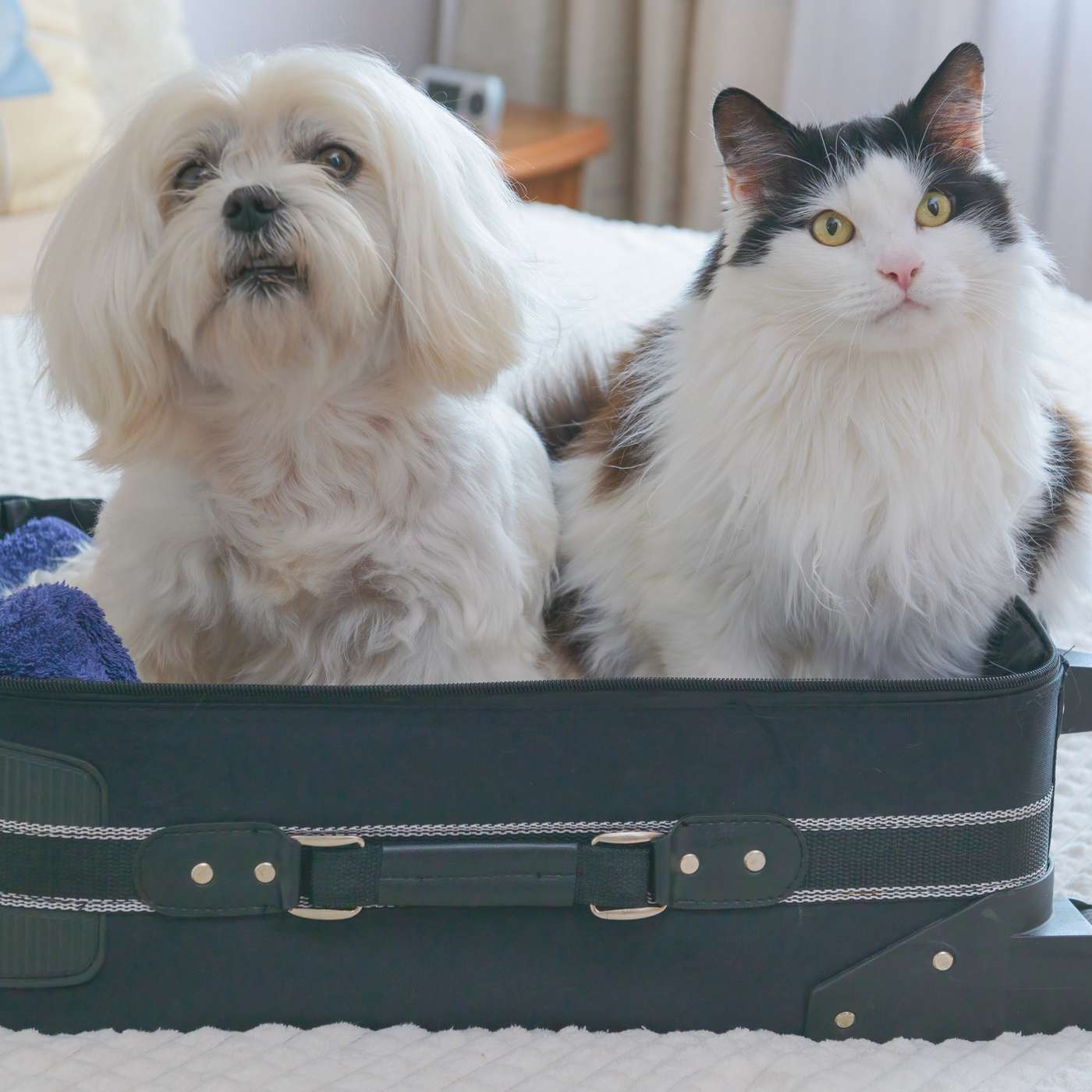
    How to Travel With Your Pet: Calmer Journeys With Pet Acoustics+ Hello, and welcome to We’re All Ears, the podcast devoted to helping you understand how sound affects your pet’s behavior, comfort and overall well-being. I’m Janet Marlow, founder of Pet Acoustics and a Certified Sound Behaviorist. Summer is a wonderful time for road trips, vacations and family visits. But for our pets, traveling can introduce an unfamiliar—and sometimes overwhelming—world of sounds. The car engine, road vibration, horns, traffic, airport announcements, hotel hallways and unfamiliar voices can all affect how safe and comfortable a dog or cat feels. Today, I’m going to share some simple ways to prepare your pet for travel and explain how species-specific sound therapy from the Pet Acoustics+ app can help create a familiar, calming sound environment wherever your journey takes you.

  • #50
    August 1 · 11 min

    The Hearing Screening Is Complete—Now What?

    Welcome to We’re All Ears, the podcast where we explore how animals experience sound—and why hearing wellness matters throughout every stage of their lives. I’m Janet Marlow, founder of Pet Acoustics, researcher in animal psychoacoustics, and creator of species-specific sound therapy for dogs and cats. Today, I want to begin with a simple question: How well does your pet hear? Most of us have never been asked that question during a veterinary visit. We routinely monitor our pets’ weight, teeth, mobility, heart health, and vision—but hearing is often overlooked unless there is an obvious problem. By the time a family realizes that a pet is no longer responding to a name, a familiar sound, or someone entering the room, hearing changes may have been developing gradually for quite some time. That is why we created the Pet Acoustics+ digital hearing screening for dogs and cats.

  • #49
    July 26 · 11 min

    Hearing Loss Is Hiding in Plain Sight

    Welcome to We’re All Ears, the podcast where we explore the science of sound, hearing, and animal well-being. I’m Janet Marlow, founder of Pet Acoustics and a lifelong researcher in how animals hear and how sound shapes their behavior, health, and relationship with us. Today, I want to begin with a question. What if the dog who suddenly seems stubborn is not ignoring you? What if the senior cat who cries at night is not simply becoming difficult? What if the pet who startles when touched, sleeps through familiar sounds, or no longer comes when called is not showing a behavior problem at all? What if the first change is happening in the ears? That question is at the heart of new research I published in the International Animal Health Journal. The study analyzed 10,615 completed behavioral hearing screenings of dogs and cats in 86 countries. And the findings point to something veterinary medicine and all of us who love animals can no longer afford to overlook.

  • #48
    July 23 · 6 min

    Epilepsy in Dogs: Creating a Safe Soundscape for Recovery

    Welcome to We're All Ears, the podcast where we explore hearing wellness, sensory health, and the remarkable ways sound influences the lives of animals. Today we're discussing a topic that affects thousands of dogs and their families: epilepsy. If you've ever witnessed a dog experiencing a seizure, you know how frightening it can be. While veterinary medicine provides important diagnostic and treatment options for epilepsy, pet parents are often left asking a different question: What can I do to help my dog feel safe and comfortable during recovery? At Pet Acoustics, we've worked with countless pet families over the years who have discovered that sound can play a meaningful role in creating a calming environment for dogs recovering from stressful events, including seizures.

  • #47
    June 12 · 6 min

    The Dog Who Followed His Best Friend

    Welcome to We're All Ears, where we explore the remarkable world of hearing wellness and the profound role sound plays in the lives of animals. Today's story begins with two dogs. One was thirteen years old. The other was seven. They had spent their lives together—eating together, walking together, sleeping near each other. The older dog was confident and independent. The younger dog followed his lead everywhere. To their pet parent, they seemed inseparable. Then one day, the older dog passed away. As the family grieved, something unexpected happened. The seven-year-old dog seemed lost. He wandered the house. He didn't come when called. He didn't respond when his name was spoken. At first, everyone assumed he was mourning the loss of his best friend. But as the days passed, something didn't add up.

  • #46
    May 6 · 3 min

    The Ones Who Know First: A Pet Mother’s Day Reflection

    Welcome to We’re All Ears—where we explore the world as animals experience it… through sound, behavior, and the subtle signals that shape their well-being. Today’s episode is a quiet one. A reflective one. Because this is about a kind of care that often goes unseen… but is deeply felt. To every woman who has sat on the floor with a sick animal at midnight… Not rushing. Not reacting. Just… present. Watching. Listening. Trying to understand what can’t be said. To the one who has driven to the veterinarian on a feeling— not because something was obvious… but because something was different. A shift. A hesitation. A change in how her animal responded to the world. She always knows first. Happy Mother's Day!

  • #45
    May 2 · 6 min

    Separation Anxiety: What Pets Feel, What We Feel, and How to Support Them

    Welcome to We’re All Ears, where we explore the emotional and sensory lives of animals—and how they experience the world around them. Today we’re talking about separation anxiety. Not just from the pet’s perspective, but from the pet parent’s as well. Because separation is never one-sided. When a dog or cat is left alone, it isn’t simply “quiet time.” It’s a sudden shift in their entire sensory world. The familiar sounds disappear. The subtle rhythms of the home change. The presence of their person—arguably their strongest sense of safety—is gone all at once. What remains can feel unpredictable. For many animals, this triggers a stress response. You may see pacing, vocalizing, destructive behavior, or even withdrawal. These responses are often misunderstood as disobedience or lack of training, but they’re not. They are biological. Animals are wired to stay connected to their environment, and especially to the sensory cues that signal safety.

  • #44
    April 29 · 6 min

    Why Cats Fear the Carrier and How to Change the Experience

    Hi everyone, I’m Janet Marlow, founder of Pet Acoustics, and welcome to We’re All Ears—where we explore the science of how sound shapes the emotional lives of animals. Let me start with a question. Why is it… that the moment a cat sees the carrier, everything changes? You can have the calmest cat… and suddenly they disappear. They hide. They resist. Sometimes they panic. And many people think… “My cat is being difficult.” But that’s not what’s happening. Your cat is responding to a prediction. Cats are highly sensitive prey animals. Their nervous systems are wired for survival, and their hearing is far more acute than ours. So when the carrier appears, it’s not just an object… It’s a signal. A signal of confinement. Loss of control. Unfamiliar environments. And critically… sound. The sound was unpredictable. The environment felt exposed. And their instincts said—don’t move forward.

  • #43
    April 20 · 5 min

    When One Dog Loses Another: Helping Your Dog Through Grief

    Hello, and welcome to We’re All Ears, where we explore the emotional lives of animals through the lens of sound, behavior, and connection. I’m Janet Marlow, Certified Sound Behaviorist and founder of Pet Acoustics. Today, we’re talking about something deeply emotional— and often overlooked… What happens when a dog loses their best friend? Dogs form profound bonds. Not just with us—but with each other. They share routines, energy, communication… even silence. So when one dog is no longer there, the other doesn’t just notice… They experience a real sense of loss.

  • #42
    April 16 · 5 min

    What 318 Veterinary Clinics Revealed About Hearing Health — And the Gap No One Saw

    Welcome to We’re All Ears, where we explore the science, the stories, and the unseen forces shaping animal wellbeing through sound and hearing. I’m Janet Marlow, founder of Pet Acoustics and a Certified Sound Behaviorist. Today’s episode is different. This is not a theory. This is not a future concept. This is what 318 veterinary clinics across the United States told us—without even realizing it. And what they revealed is one of the most important gaps in modern veterinary care.

  • #41
    March 25 · 6 min

    From Passion to Profession: Becoming a Certified Sound Behaviorist™

    Welcome to We’re All Ears, where we explore the science of sound, the emotional lives of animals, and how hearing health is transforming the way we care for pets. I’m Janet Marlow, founder of Pet Acoustics and Certified Sound Behaviorist™—and today’s episode is about something very close to my heart… Not just what pets hear… But how you can turn that understanding into a meaningful career path. We are at a turning point in animal care. For decades, we’ve focused on nutrition, mobility, and behavior—but we’ve overlooked one of the most powerful influences on an animal’s well-being… Sound. Hearing is the first sense animals rely on to interpret their environment. It shapes their stress levels, their behavior, their safety—and their emotional health. And yet… Until now, there has been no formal pathway for professionals to truly understand and apply this knowledge in a clinical or everyday setting. That’s exactly why I created the Certified Sound Behaviorist™ program. https://www.petacoustics.com/certified-sound-behaviorist

  • #40
    March 1 · 5 min

    Things Only Dog Parents Understand

    Welcome to We’re All Ears. I’m Janet Marlow, sound behaviorist, composer, and founder of Pet Acoustics and today we’re talking about something that makes dog parents smile immediately: The quiet, beautiful, slightly quirky things… that only dog parents truly understand. If you know, you know. Only a dog parent understands that you can identify your dog by the sound of their walk. The rhythm of their nails on hardwood. The soft shuffle on carpet. The excited gallop when you open the treat jar. You don’t even have to look up. You know whether it’s curiosity, play, or “I need to go out” just by the tempo. And here’s the deeper layer: Dogs are listening to us just as closely. They know our car engine. Our sighs. The difference between our “It’s okay” and our “It’s time.” Sound is relationship.

  • #39
    February 25 · 4 min

    Things Only Cat Owners Understand

    Welcome to We’re All Ears. Today’s episode is dedicated to a very special group of people…People who have lint rollers in every room. People who’ve accepted that black clothing is now a memory. People who say things like, “I can’t move, the cat is sleeping on me.” This episode is for cat owners. Because there are things only cat owners understand.

  • #38
    February 23 · 5 min

    Sound is Biological For Our Pets

    One of the most meaningful shifts happening right now in animal care is the recognition that sound is not just something animals hear—it is something their nervous system uses to regulate their body and behavior. For decades, veterinarians have observed changes in animals that could not always be explained by physical examination alone. Animals who appeared physically healthy, yet were vigilant. Animals who struggled to settle in clinical environments. Animals whose behavior shifted depending on their environment. What we now understand is that sound is one of the primary biological signals influencing the nervous system. And veterinarians are beginning to see this clearly.

  • #37
    February 3 · 7 min

    How to Scale Your Veterinary Service with Sound, Science, and Sensory Care

    Hello and welcome to We’re All Ears. I’m Janet Marlow—and today’s episode is especially for the veterinarians, technicians, practice owners, and mobile clinicians who are asking one very real question right now: How do we scale our veterinary services… without burning out our teams or compromising care? Today, I want to share how clinics are using sound therapy and hearing health—through Pet Acoustics Inc.—as a practical, workflow-friendly way to grow. Not as a “nice extra.” But as real clinical infrastructure. Why scaling today looks different When most people hear the word scale, they think: More rooms. More appointments. More staff. But in real clinics, the biggest barrier to growth isn’t space. It’s stress. Stress in the patient. Stress in the room. Stress in the team. An anxious animal slows everything down: handling takes longer, more people are needed in the room, safety risks increase, and emotionally… it’s exhausting.

  • #36
    February 1 · 7 min

    Press Play, Pet Parent! Fun Ways to Use Sound Therapy Everywhere Your Pet Goes

    Hello and welcome to We’re All Ears. I’m Janet Marlow—and today… we’re having a little fun. Because I get asked one question more than almost anything else: “Okay Janet… but when should I actually use sound therapy?” And my answer is always the same: More often than you think. So today’s episode is all about how to use sound therapy in as many real-life pet moments as possible— big moments, small moments, messy moments, adorable moments… and yes—sometimes very chaotic ones. We’re going to keep this simple. If your pet has ears… this episode is for you. And just so you know— you can use Pet Acoustics sound therapy anywhere, anytime. You can download Pet Acoustics+ on any device from the App Store or Google Play, and start listening right away with a subscription. Or—if you love a simple, ready-to-go solution—you can use one of our pre-loaded Pet Acoustics speakers, available at petacoustics.com/shop. So whether you’re at home, on the road, at the groomer, in a clinic, or curled up on the couch with your best friend… Let’s talk about how sound therapy fits into real life— the beautiful, unpredictable life you share with your pet. Let’s listen in.

  • #35
    January 10 · 8 min

    What Horses Hear: How Sound Shapes Equine Health, Performance, and Emotional Balance

    Welcome to "We're All Ears!". I'm Janet Marlow, Founder of Pet Acoustics. Horses are born listening. As prey animals, their survival has always depended on detecting sound before danger appears. Long before a horse reacts with movement, their nervous system has already scanned the environment acoustically. A distant footstep. The creak of a gate. Wind moving through trees. These aren’t background noises to a horse. They are signals—each one quietly asking: Is this safe? Should I stay? Or should I go?

Showing 1–20 of 23 episodes