Skip to content
Artwork for Persistence of Vision
TV & FilmFilm InterviewsBusinessCareers

Persistence of Vision

Clint Till

Personal stories from creative professionals about their career experiences and the lessons they learned along the way.

clinttill.substack.com
Play
  • 23 episodes
  • monthly
  • Avg 42 min
  • English
Counted on this page — what you have heard stays on this device, so it is not something the list can be paged by.
  • S2 · E18
    Wednesday · 1 hr 1 min

    He Rolled a Blunt With His Stimulus Check

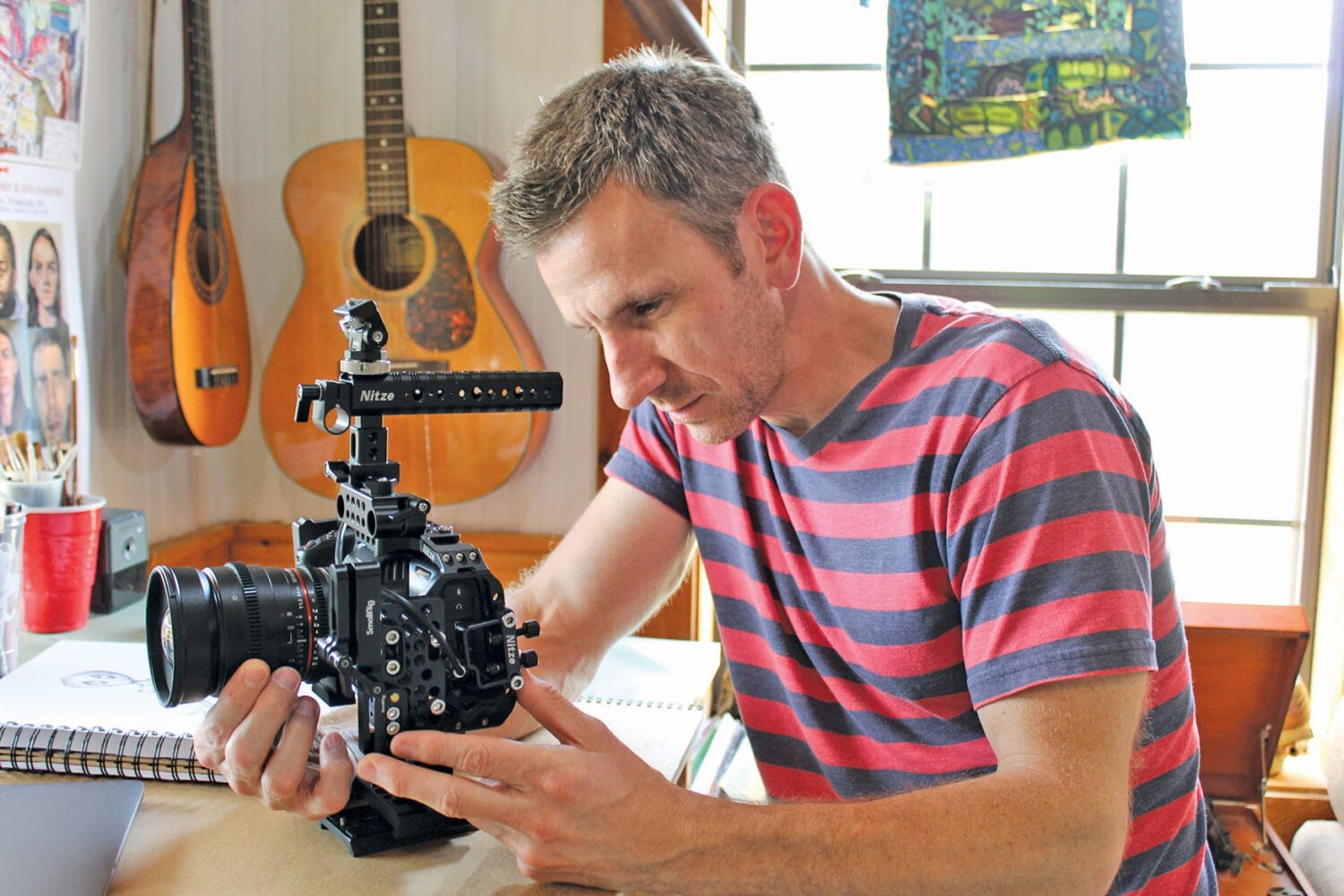
    In this episode of Persistence of Vision, Clint Till sits down with Baltimore-based cinematographer Jake Norris. The two catch up after meeting at Maine Media Workshops in Andy Day’s Creative Lighting for TV and Film course to discuss Jake’s rapid career trajectory since breaking into the industry in 2019. Jake shares how he transitioned from studying mathematics to becoming a full-time DP, lessons learned from starting out on Craigslist music videos, key technical insights on controlling set lighting, and the practical creative solutions used on his recent $30,000 feature film, Atlantic Avenue. SHOW NOTES 00:00:00 – Introduction to guest Jake Norris and Maine Media Workshops memory. 00:02:18 – Biggest takeaways from Andy Day’s lighting workshop: Light control vs. over-lighting. 00:07:36 – Simulating natural light, maintaining consistency, and managing lighting limitations on set. 00:11:03 – Pivoting from mathematics/AI to filmmaking in 2019. 00:12:12 – The early hustle: Craigslist music videos and learning by doing. 00:13:20 – Taking a leap into focus pulling on high-end sets. 00:15:00 – Advice for emerging filmmakers: Getting on set, reading gear manuals, and building genuine relationships. 00:20:00 – Why BTS photography can be a faster doorway into crew roles than production assisting. 00:21:24 – Dealing with pre-shoot anxiety, imposter syndrome, and setting on-set expectations. 00:24:33 – Mid-roll sponsor break. 00:25:34 – Navigating difficult client feedback and using pre-production to avoid post-production misalignments. 00:32:00 – Asking the right questions before a shoot: Deliverables and target audience. 00:35:00 – Treating everything as a light source and learning to observe natural light in daily life. 00:38:12 – Setting up interview lighting: Key-side shape vs. passive fill. 00:43:30 – Pushing back on unrealistic production schedules and offering constructive solutions. 00:47:19 – Knowing when to say no, avoiding burnout, and evaluating free or low-budget passion projects. 00:52:17 – Music video horror story: Hotel rooms, leopard print speedos, and reconsidering career choices. 00:53:20 – Deep dive into Atlantic Avenue: Lighting a micro-budget night scene under a boardwalk using battery LED tubes and structural slits. 00:59:14 – Project status for Atlantic Avenue and where to find Jake’s work. 01:00:55 – Wrap-up and podcast outro. RESOURCE LINKS & CONNECT Jake Norris's Website: jakenorrisdp.com Jake Norris on Instagram: @jakenorrisfilms Follow Atlantic Avenue: @atlanticavenuemovie on Instagram Podcast Home & Articles: clinttill.net Support the Podcast: Subscribe on Substack for bonus content and episode updates – https://clinttill.substack.com/subscribe This is a public episode. If you'd like to discuss this with other subscribers or get access to bonus episodes, visit clinttill.substack.com/subscribe
  • S2 · E16
    October 16 · 5 min

    Why your short film script isn't working

    I really enjoy writing and directing short films. * I've also read many short film scripts * I’ve seen dozens of shorts at various festivals and online * I've judged short film screenplay competitions The more I see, the more I read, and the more I create, the more I start to see and understand what makes for a strong short film. In this video I talk about the few common denominators I've seen among those short films (including my own) that weaken the overall film. I think that if you avoid these while writing your next script, the finished film will be a lot stronger.In this video I mention a quote I really like from Christopher McQuarrie, writer and director of the Mission: Impossible movies Rogue Nation, Fallout, Dead Reckoning, and Final Reckoning. If you would like to listen to the full interview, you can listen to this episode of the Q&A podcast with Jeff Goldsmith. This is a public episode. If you'd like to discuss this with other subscribers or get access to bonus episodes, visit clinttill.substack.com/subscribe
  • S2 · E16
    September 30 · 41 min

    Spaceships and Long Cold Nights

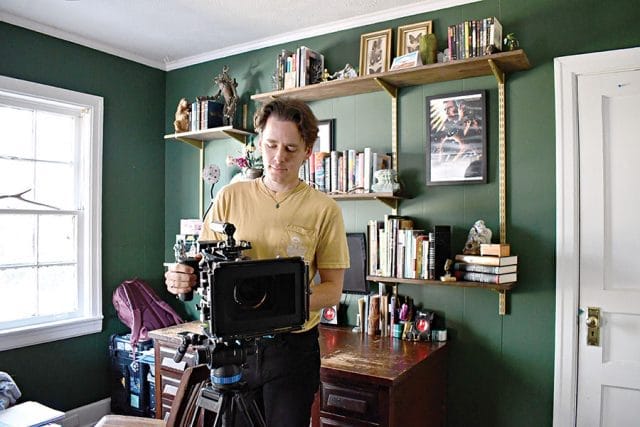
    Episode Overview In this episode of the Persistence of Vision podcast, host Clint Till sits down with Mississippi-based filmmaker, fine artist, and improv performer Glenn Payne. Clint and Glenn discuss the multi-faceted life of an independent regional creative. Timestamps 00:00 – Introduction to the Persistence of Vision podcast and guest Glenn Payne. 01:08 – Reminiscing on first meeting at the Tupelo Film Festival and Film Prize competitions. 02:05 – Who is Glenn Payne? Balancing filmmaking, fine arts, and improv comedy. 03:19 – Accidental beginnings: Making a dialog-free short film as a college final exam. 04:26 – Discovering improv art forms and training with Second City at the Chicago Improv Festival. 05:54 – How improv mechanics mirror the real-time writing, directing, and editing of screenplays. 07:33 – Learning the craft: DVD audio commentaries, studying film edits, and trial-by-error repetition. 10:28 – The value of early creative mistakes and acknowledging your growth as a director. 12:33 – Giving back to the next generation through youth film workshops and unexpected technical lessons. 14:58 – Making the leap from short films to feature films and adjusting to 90-page narrative pacing. 17:48 – Building a full spaceship interior inside a rented warehouse for the sci-fi feature Earthrise. 19:31 – The harsh reality of distribution curves and last-minute buyer rejections. 21:38 – Balancing creative freedom with marketability and keeping production budgets low. 23:49 – Turning town relationships into investors, crew, and extras for the upcoming indie feature Alien Eyes. 28:37 – Navigating creative burnout, taking intentional breaks, and changing artistic mediums to recharge. 31:07 – Pivoting to short documentaries: Investigating ghosts at the Lyric Theater in Tupelo. 32:59 – Surviving 10-degree shoot nights inside a single vehicle for the thriller Driven. 35:40 – Logistical illusions: Mapping streetlights and storyboarding every shot for a single-car location. 37:54 – Working with Supernatural star Richard Speight Jr. on an indie budget. 39:36 – Where to find Glenn Payne’s latest feature film releases and project updates. 41:22 – Episode wrap-up, subscription details, and Substack support. Featured Resources and Links Follow Glenn Payne: Connect across social media platforms via his handle @cinematicglenn. Watch the Documentary: Stream Glenn's paranormal investigation documentary, The Most Haunted Theater in America, on Amazon. Explore Feature Projects: Look out for Glenn's upcoming suspense thriller Safe and Sound and his sci-fi festival comedy Alien Eyes. Calls to Action Subscribe to the Podcast: Be sure to subscribe on Apple Podcasts, Spotify, or your favorite platform so you never miss a monthly conversation with creative professionals. Leave a Review: If you enjoyed this episode, please rate and review the show to help other filmmakers and artists discover the podcast. Connect with Clint: Visit clinttill.net to reach out, share your story, or apply to be a guest on an upcoming episode. Support on Substack: Upgrade to a paid subscription at clinttill.substack.com/subscribe to gain access to exclusive perks and directly support independent creative content. This is a public episode. If you'd like to discuss this with other subscribers or get access to bonus episodes, visit clinttill.substack.com/subscribe
  • S2 · E14
    August 26 · 54 min

    It might be time to take a break

    Overview This month’s episode of the podcast features a remarkably candid and vulnerable conversation with writer, director, and cinematographer Michael Williams—a brilliant independent filmmaker whom I first met through our shared history with the Magnolia Film Festival. Michael has directed the indie features Oz Land and the supernatural horror film The Atoning, and he brings a beautifully raw perspective to what it actually takes to survive a lifelong career in the arts. In this episode, we step away from the usual glossy success stories to dissect the heavy physical and psychological realities of severe creative burnout. Michael opens up about the borderline traumatizing nature of grueling indie film sets, the exhausting friction of navigating moving studio targets, and his conscious decision to step away from writing and directing for a bit. Timestamps 00:00 – Episode introduction, meeting through the Magnolia Film Festival, and the reality of the indie film hustle. 01:36 – Reconnecting with the early Mississippi filmmaking roots that shaped his career trajectory. 02:40 – The power of a mentor: How Pat Raspberry and the Tupelo Film Festival opened the first vital doors of opportunity. 06:05 – Set connections over cutthroat metrics: Why sincere relationships matter more than raw talent in southern film markets. 07:45 – Thrust into the fire: Surviving a chaotic first job as a college kid pulling focus on 17+ hour days. 14:15 – Learning the delicate art of collaboration and expanding the creative boundaries of an initial script. 18:00 – Communicating intention: Why directors should discuss deep character emotions and prop motivations rather than arbitrary choices. 21:00 – Dynamic camera movement vs. stagnant staging: Finding narrative inspiration in Steven Spielberg's blocking styles. 25:12 – The grueling timeline of The Atoning: Navigating intense creative friction and a rapid six-month production cycle. 28:51 – Confronting the fight-or-flight nervous system response that triggers severe filmmaker burnout. 33:18 – Pruning the Creative Tree: Stepping completely away from film sets to discover therapeutic healing in the garden. 35:35 – Transitioning to novels: How living life over the past four years unlocked a deeper, more authentic writing voice. 39:04 – Redefining the title of "Filmmaker" and shattering the artificial glass ceilings imposed by industry gatekeepers. 42:22 – Clout vs. Cash Flow: The sobering financial reality of a Hollywood theatrical release for Oz Land. 45:10 – The Redbox Deal: How a powerful poster and trailer layout ultimately saved The Atoning's bottom line. 46:17 – Looking forward: Defining the strict boundaries, resource requirements, and humane hours for his next feature. 52:20 – Where to connect with Michael online and tracking down the self-distributed 10th Anniversary Oz Land Blu-ray. Key Takeaways The Dream is Free, but the Hustle is Sold Separately: Surviving on the ultra-low-budget indie level means wearing five different hats simultaneously, enduring extreme physical strains, and figuring out how to deliver a million-dollar look on a $10,000 budget. Wide-eyed optimism is necessary to start, but you must find your voice and learn to establish firm professional boundaries before the industry takes complete financial and physical advantage of you. Indie Film Sets Can Mimic Trauma: Running a set with consistent 17 to 24-hour workdays while forcing actors and crews to live in heavy, artificial emotional spaces locks the human body into a perpetual state of fight-or-flight. Filmmakers frequently fail to realize their nervous systems are entirely fried until long-term burnout completely stalls their ability to generate original work. Prune Yourself to Bloom Bigger Later: Stepping away from your primary creative outlet is not a sign of failure or giving up. Much like an athlete resting an injury or a gardener pruning a plant, stepping back to explore alternative visual mediums—like drawing, poetry, or artisanal gardening—awakens dormant parts of the brain. It allows your subconscious to heal so you can eventually return to screenwriting with authentic life experience rather than simple imitation. Reject Artificial Industry Milestones: Do not let gatekeepers or external glass ceilings define your creative legitimacy. If you write, you are a writer; if you make a film, you are a filmmaker. The arbitrary expectation that a director must compound their momentum by churning out a feature film every two to three years is an unsustainable and illogical lifestyle for independent artists. Resources and Links Mentioned Film Distribution Partners: Look up past feature releases distributed through Gravitas Ventures. Independent Feature Projects: Rent or purchase the post-apocalyptic feature Oz Land (2015) or the supernatural horror follow-up The Atoning (2017) on Amazon. Michael's Production Banner: Explore commercial work and past short films via Shendopen Films. The Botanical Showcase: Follow Michael's real-world documentary-style gardening ecosystem via The Great Gatsby Herb Cartel on social channels. Exclusive Physical Media: Grab a copy of the completely self-distributed 10th Anniversary Oz Land Special Feature Blu-ray, available directly through The Great Gatsby Herb Cartel storefront. Calls to Action Subscribe to the Podcast: Tap the follow button on Apple Podcasts, Spotify, or your favorite directory to get deep-dive interview sessions with creative professionals delivered straight to your feed every single month. Rate and Review the Show: If you value the raw, unfiltered truth about independent filmmaking shared in this episode, please leave a 5-star rating and a brief review—it directly helps other multimedia creators discover our community! Join the Substack Newsletter: Head over to clinttill.substack.com to subscribe for weekly creative essays, filmmaking resources, and deep dives into production life. Connect with the Portfolio: Explore my complete commercial video production portfolio, directing reel, and active social channels anytime at linktr.ee/clinttill. This is a public episode. If you'd like to discuss this with other subscribers or get access to bonus episodes, visit clinttill.substack.com/subscribe

  • S2 · E12
    July 29 · 52 min

    Don't let words become your cage

    In this episode of The Persistence of Vision podcast, host Clint Till sits down with writer-director Marti King Young. Tracking her diverse 20-year creative path, Marti pulls back the curtain on discovering her calling as a visual storyteller. From auditing university screenwriting classes to prepping her upcoming 2027 feature film, Marti shares masterclass-level wisdom on handling brutal script notes, transforming transactional networking into real friendships, and completely shattering the limiting beliefs of ageism in the entertainment industry. Timestamps are approximate 00:00 – Episode introduction and Marti’s work with the DeSoto Arts Institute. 02:15 – The sudden midnight epiphany: Transitioning from an entirely different career to that of a screenwriter. 05:40 – Auditing Vanderbilt University film classes and connecting with mentor William Akers. 09:12 – The Olympian mindset: Treating the pain of harsh script revisions like physical training. 14:30 – Subjective vs. Objective notes: Knowing which critiques to execute and which to throw away. 19:15 – Flipping the script on networking: Ditching the transactions to make actual friends. 25:40 – Mid-show break: Elevating independent film aesthetics with Dehancer Film Emulation Plugin. 28:50 – Overcoming imposter syndrome and building a resilient, long-term production career. 34:15 – Breaking down the invisible barriers of ageism and owning your creative timeline at 50+. 41:10 – Exclusive Scoop: Pre-production details for Marti’s upcoming 2027 feature film debut. 46:25 – Protecting your mental space: Knowing when to say no and establishing professional boundaries. 50:12 – Closing reflections: Why you must refuse to let anyone else's words become your cage. Resources and Links Mentioned Featured Post-Production Tool: Dehancer Film Emulation Plugin (Get 10% off with promo code VISION). Recommended Reading: Your Screenplay Sucks: 100 Ways to Make It Great by William Akers. Educational Programs: Media and Screenwriting Departments at Vanderbilt University. Community & Non-Profit Work: Independent filmmaking initiatives at the DeSoto Arts Institute. Show Substack & Articles: Read weekly filmmaker profiles and behind-the-scenes essays at clinttill.substack.com. Connect Online: View Clint's complete directing portfolio and corporate video services at linktr.ee/clinttill. Calls to Action Subscribe to the Show: Tap the follow button on Spotify, Apple Podcasts, or your preferred player to get fresh, inspiring interview episodes delivered every month. Rate and Review: Love the insights from this conversation? Leave a 5-star rating and a brief review to help our indie film podcast climb the charts! Join the Paid Tier: Support independent media production by unlocking premium articles, bonus audio clips, and exclusive filmmaker resources on our Substack page. Share the Vision: Know a fellow director, writer, or editor wrestling with imposter syndrome? Send them a link to this episode to give them an extra boost of creative momentum today. This is a public episode. If you'd like to discuss this with other subscribers or get access to bonus episodes, visit clinttill.substack.com/subscribe

  • S2 · E10
    June 24 · 51 min

    Why Producers Shouldn't Be Happy

    Shownotes Timestamps are approximate 00:00 – Introduction and reconnecting after 30 years. 02:08 – VHS filmmaking roots and the evergreen power of practical, in-camera creative solutions. 05:32 – Moving to Los Angeles without a career plan and navigating the union art department. 06:53 – How a micro-budget of $6,000 birthed the independent horror feature Entrance. 09:40 – The danger of waiting for the stars to align versus building a daily creative writing habit. 15:15 – Are film festivals still worth it? Navigating FilmFreeway and setting submission budgets. 18:45 – Faking it until you make it: First days on set driving box trucks and working on Punk'd. 22:45 – Redefining "making it" in your 40s and managing creative anxieties. 26:03 – Mid-show break: Elevating your digital footage with Dehancer Film Emulation Plugin. 31:20 – The heartbreak of studio deals falling apart and major lessons learned directing The Pact II. 35:30 – Why a "perfectly happy" production can be a red flag for independent film directors. 41:55 – Handling the crushing uncertainty of the commercial video production and movie industry. 43:58 – Exclusive Scoop: Dallas announces his new horror movie Interaction and a distribution deal with Antenna Releasing. 47:08 – Quick hits: Reading Ross MacDonald’s Lew Archer detective novels and finding inspiration. 48:41 – Where to watch Entrance, The Pact II, and anthology horror film Southbound. Resources and Links Mentioned Featured Filmmaking Gear & Tools: Dehancer Film Emulation Plugin (Use promo code VISION for 10% off). Film Distribution Platforms: Film Hub, FilmFreeway. Distributor: Antenna Releasing. Books Mentioned: Lew Archer Detective Series by Ross MacDonald. Where to Watch Dallas Hallam's Work: The Pact II on Shudder Entrance on Apple TV / Amazon Southbound Anthology Feature Subscribe: Never miss an episode of creative deep dives by subscribing on your favorite podcast app. Leave a Review: Head over to Apple Podcasts or Spotify to rate the show and leave a review—it helps other filmmakers find us! Join the Newsletter: Subscribe to Clint's weekly articles and behind-the-scenes insights at clinttill.substack.com. Connect Online: Explore all of Clint's video production work and social media channels at linktr.ee/clinttill. This is a public episode. If you'd like to discuss this with other subscribers or get access to bonus episodes, visit clinttill.substack.com/subscribe

  • S2 · E7
    May 27 · 51 min

    Don't Die

    Persistence of Vision Podcast: Jeremy Burgess Episode SummaryScreenwriter, copywriter, and film critic Jeremy Burgess joins Clint to talk about building a creative career through persistence, collaboration, and learning not to be precious with your ideas. Jeremy shares how a Shakespeare parody unexpectedly launched his advertising career, how copywriting shaped his screenwriting discipline, and what it took to write and produce his first feature film, Don’t Die. Sponsor Add authentic film emulation to your footage with Dehancer. Use my promo code VISION on any Dehancer product and get 10% off your purchase. Timestamps & Topics 00:00 – Introduction & Jeremy’s background 02:49 – Sidewalk Film Festival & screenplay competition 06:11 – From Shakespeare parody to copywriting career 10:11 – Making your own opportunities as a writer 13:01 – Surviving tough notes and client feedback 16:30 – How copywriting improved Jeremy’s screenwriting 18:44 – Finding your voice and moving past imitation 25:38 – Outlining, note cards, and story structure 33:17 – Collaboration, conflict, and creative compromise 37:21 – Writing and producing the feature film Don’t Die 39:16 – Lessons from shooting a feature in 12 days 45:03 – Advice for first-time feature filmmakers 46:44 – Dust on the VCR and writing about classic films 49:26 – Where to watch Don’t Die & closing thoughts About the Film: Don’t DieA crime thriller about a desperate man seeking life‑saving medication who becomes trapped inside a dangerous black‑market pharmacy operation. Available on Amazon, Apple, Fandango, and Tubi (free with ads). DVD available via Amazon. Guest Links Don’t Die – Feature film Dust on the VCR – Jeremy Burgess’s Substack newsletter Enjoy the episode?Subscribe, leave a review, and share with a writer or filmmaker who needs encouragement. This is a public episode. If you'd like to discuss this with other subscribers or get access to bonus episodes, visit clinttill.substack.com/subscribe

  • S2 · E3
    April 29 · 54 min

    Mother Nature Has Something In Store For You

    Episode Summary Screenwriter, producer, and Page Craft Writing co-founder Heidi Hornbacher joins Clint to share her journey from UCLA to Los Angeles, founding writing retreats in Italy, and helping writers avoid common pitfalls. Heidi opens up about creative mistakes, the importance of mentorship, and why getting agreements in writing matters. This episode is packed with honest advice, memorable stories, and practical wisdom for anyone pursuing a creative path. Timestamps & Topics (Time is approximate) 00:00:02 – Introduction & Guest Overview 00:01:04 – Heidi’s Journey & Page Craft 00:04:00 – Italy Retreats & Creative Inspiration 00:05:57 – Lessons Learned & Writing Mistakes 00:08:41 – The Rewrite Process 00:10:32 – Breaking into Filmmaking 00:13:35 – Saying Yes & Learning on the Job 00:16:38 – Mentorship & Community 00:20:44 – Directing & Producing 00:24:00 – Production Mishaps & Problem Solving (“Washed Away”) 00:29:22 – Agreements, Credits & Professional Boundaries 00:35:04 – Navigating Low Points & Self-Doubt 00:45:12 – Community, Success & Validation 00:52:32 – Plugs & Contact Info Key Takeaways Mistakes are learning opportunities—embrace them! Always get agreements in writing to protect your work and relationships. Mentorship and community are crucial for creative growth. Resilience and adaptability are essential in the unpredictable film industry. Redefine success: it’s about community, learning, and persistence. Resources & Links Page Craft Writing: https://pagecraftwriting.com Slamdance Script Clinic “Washed Away” (short film) - https://youtu.be/OMi51zjil5c?si=E1aqpu2tVPreiVtd East Side Writers Meetup (Los Angeles) WGA West: https://www.wga.org/contracts/contracts/mba Heidi’s interview with Canvas Rebel - https://canvasrebel.com/meet-heidi-hornbacher/ Clint’s Newsletter: https://clinttill.substack.com/ Clint’s Linktree: https://linktree.com/clinttill Connect with Heidi Hornbacher X (Twitter), Blue Sky, Instagram, LinkedIn: @HeidiHornbacher Website: https://heidihornbacher.com Calls to Action Subscribe and leave a review! Share this episode with a friend in the creative industry. Join the East Side Writers Meetup if you’re in LA. Check out Page Craft’s Italy Retreat for immersive writing experiences. This is a public episode. If you'd like to discuss this with other subscribers or get access to bonus episodes, visit clinttill.substack.com/subscribe

  • S1 · E5
    March 18 · 21 min

    Empowering future filmmakers

    This week, Persistence of Vision is participating in Podcasthon—a global podcasting initiative where creators around the world dedicate one episode of their show to a nonprofit they care deeply about. For me, that organization is Desoto Arts Institute (DAI). DAI was founded by my friend and longtime collaborator Robb Rokk, and it exists to give young people something I wish I’d had at their age: a hands‑on, welcoming place to explore creativity. Filmmaking. Music. Writing. Acting. Storytelling. Real tools, real mentorship, and real responsibility. In this episode, Robb and I talk about how DAI started, why it exists, and what happens when you challenge young people to take their creativity, and their future, seriously. It’s an honest conversation about mentorship, access, and the long game of investing in the next generation. If this conversation resonates with you, I hope you’ll take a few minutes to learn more about Desoto Arts Institute. Whether that means donating, becoming a member, or simply sharing their work, every bit of support helps keep the doors open and the lights on for young creatives who need a place to start. This is a public episode. If you'd like to discuss this with other subscribers or get access to bonus episodes, visit clinttill.substack.com/subscribe

  • S2 · E3
    February 25 · 37 min

    Behind the Seams

    Summary This month on Persistence of Vision, I sit down with Augusta Rivera Campbell—better known as Goose—a costume designer for film and TV whose creative journey is anything but ordinary. From her accidental start in the industry to working on major network shows and heartfelt indie films, Goose shares how storytelling through costume shapes every production, no matter the budget. We dive into the challenges and triumphs of working behind the scenes, the lessons learned from on-set mistakes, and the importance of collaboration and kindness in the film community. Whether you’re a director, aspiring costume designer, or just curious about what really happens on set, this episode offers honest advice, memorable stories, and a fresh perspective on creative resilience. Join me as we explore Goose’s world—where every detail matters and every setback is a chance to grow. If you’ve ever wondered how costumes help tell the story, or how to thrive in a tough industry, you won’t want to miss this conversation. Timestamps Timestamps are approximate 00:00:00 – 00:01:03: Introduction & Guest RevealClint introduces the podcast and Augusta (“Goose”), a costume designer with a unique perspective on storytelling through wardrobe. 00:01:03 – 00:04:08: The Art of Costume DesignGoose discusses the importance of costume design, attention to detail, and collaboration with directors. 00:04:08 – 00:06:08: Low-Budget CreativityAdvice for filmmakers working with limited resources and how constraints can fuel creativity. 00:06:08 – 00:08:02: Goose’s Origin StoryGoose shares how she fell in love with film and entered the industry, influenced by family and serendipity. 00:09:17 – 00:12:18: Lessons Learned on SetGoose recounts her first big lesson on “Bluff City Law” and the realities of working in TV production. 00:17:20 – 00:21:06: On-Set Mistakes & GrowthStories of mistakes made on “Women of the Movement” and how personal perspective helps overcome challenges. 00:21:28 – 00:23:25: Perseverance Through Industry LowsGoose reflects on the impact of the writers’ strike and the importance of resilience. 00:25:13 – 00:27:32: Mentorship & CommunityThe value of mentors and supporting peers in the film industry. 00:28:11 – 00:30:31: Advice for DirectorsGoose offers guidance for both seasoned and new directors working with costume designers. 00:33:07 – 00:35:00: Favorite Projects & Set CultureGoose shares her love for indie films and the importance of camaraderie on set. 00:35:00 – 00:35:47: Current Work & PlugsGoose highlights recent projects. Key Takeaways Costume Design is Storytelling: Goose emphasizes that costumes are a vital part of character development and narrative, often speaking before the actor does. Collaboration is Crucial: Open communication between directors and costume designers leads to better results and smoother productions. Creativity Thrives Under Constraints: Low-budget projects challenge filmmakers to think outside the box and can be just as rewarding as big-budget productions. Resilience Matters: Perseverance through industry challenges, like strikes and setbacks, is essential for long-term success. Community & Mentorship: Building relationships and supporting peers is key to career growth and satisfaction. Resources & Links Mentioned Bluff City Law: NBC series filmed in Memphis. Women of the Movement: ABC series about Emmett Till. Calls to Action Subscribe to Persistence of Vision – https://clinttill.substack.com Connect at https://linktree.com/clinttill Leave a review on your favorite podcast platform to help others discover the show. Share this episode with friends in the film and creative industries. This is a public episode. If you'd like to discuss this with other subscribers or get access to bonus episodes, visit clinttill.substack.com/subscribe

  • S2 · E1
    January 28 · 59 min

    I Do It Because I Love It

    🎙 Episode Title “I Do It Because I Love It” 🧵 Episode Summary Actor, writer, producer, and mom of four Lauren Cox joins me for a conversation about navigating creative ambition, motherhood, and faith. From her early days in theater to on-set experiences while working on House of Cards, Lauren shares how she’s learned to balance her passion for storytelling with the realities of family life and the unpredictability of the entertainment industry. Whether you’re an aspiring actor or a creative juggling multiple roles, this episode offers insight, encouragement, and some awkward audition stories. ⏱ Timestamps are approximate 00:00 – 05:00 — Life as an NFL player’s wife 05:00 – 15:00 — Getting started in theater and transitioning to film 15:00 – 25:00 — Auditions, representation, and finding her voice 25:00 – 35:00 — Producing short films and learning on the fly 35:00 – 45:00 — Balancing motherhood and creative ambition 45:00 – 55:00 — Regret, resilience, and redefining success 55:00 – End — Writing for joy, staying humble, and trusting the process 🔑 Key Takeaways “Just do it because you love it.” Lauren’s mantra for staying grounded in a competitive industry. Faith and conviction play a central role in how she selects roles and writes stories. Motherhood reshaped her priorities, but not her passion. Audition nightmares can teach humility, resilience, and the power of preparation. 🔗 Resources & Mentions Lauren on Instagram: https://www.instagram.com/laurenbellcox Watch Lauren in my short film The Milky Way – https://clinttill.net/themilkywayfilm Connect with me at https://linktree.com/clinttill MTC (Formerly Actors, Models & Talent for Christ; Now Shine Talent Success) https://www.shine.us/ Traveling Soldier (short film by Lauren Cox) https://youtu.be/-HquPPjfkKc?feature=shared Bryan Cranston’s A Life in Parts (book) 📣 Calls to Action 🎧 Listen and subscribe to the podcast⭐️ Leave a review if you enjoyed the episode💬 Share this episode📩 Join the newsletter for behind-the-scenes extras and upcoming guests (https://clinttill.substack.com) This is a public episode. If you'd like to discuss this with other subscribers or get access to bonus episodes, visit clinttill.substack.com/subscribe

  • S1 · E12
    Dec 26, 2025 · 24 min

    This is your permission slip.

    Episode Overview In this special year-end episode, Clint reflects on the journey of the podcast, shares announcements about new subscription options, and offers encouragement and inspiration for creatives heading into 2026. Clint also reads from recent writing, discusses video content strategy, and highlights sources of inspiration from film, television, and podcasting. Major Segments & Timestamps 00:00:02 – 00:00:32: Introduction & Year-End ReflectionsClint welcomes listeners, reflects on the podcast’s first year, and sets the stage for a different format this month. 00:00:32 – 00:03:35: Announcements & Subscription PlansDetails about Substack subscriptions, benefits for free and paid members, bonus content, and patron perks. 00:03:35 – 00:04:06: Looking Ahead: Season Two & Listener ParticipationPreview of upcoming interviews and an invitation for listeners to share their stories. 00:04:09 – 00:09:25: Creative Encouragement & Personal StoryClint shares a personal story about making a short film over the holidays, emphasizing the importance of spontaneous creativity and using available resources. 00:09:26 – 00:14:58: Video Content Strategy for CreatorsAdvice on organizing video content into buckets: evergreen content, topical features, testimonials, timely “happening now” videos, human interest stories, pre-roll/post-roll ads, and infographic explainers. 00:14:58 – 00:16:13: Film Stack Community & Daily Inspiration ChallengeShoutout to the Film Stack community on Substack and reflections on participating in the Daily Inspiration Challenge. 00:16:13 – 00:18:03: Childhood Heroes & InspirationClint discusses the impact of childhood heroes, especially Benjamin Franklin, and the value of being a well-rounded creative. 00:18:03 – 00:23:10: Recent Sources of InspirationRecommendations for the film “Memories of Murder,” the YouTube channel “Every Frame a Painting,” the TV show “Your Honor,” and the podcast “Heavyweight.” Reflections on taking an acting class and following creative self-starters like Luke Barnett. 00:23:10 – End: Closing Thoughts & InvitationClint encourages listeners to persist in their creative pursuits, shares the mission of Persistence of Vision, and invites support and engagement for the coming year. Key Takeaways Creativity is for everyone: Don’t wait for permission—use what you have and make something, even if it’s just for yourself. Organize your video content: Use buckets like evergreen, topical, testimonials, timely, human interest, ads, and explainers to reach different audiences. Draw inspiration from everywhere: Films, TV, podcasts, and personal experiences all offer lessons and motivation. Community matters: Connect with other creatives, share your stories, and find encouragement in shared vulnerability. Persistence pays off: Mistakes and setbacks are part of the journey—keep going and keep creating. Resources & Links Mentioned Substack Subscription: https://clinttill.substack.com/ Film Stack Community: Substack group for film writers and creators - https://filmstackdailydigest.substack.com/ Exodus Road: https://clinttill.net/exodusroad ‘Memories of Murder’ Ensemble Staging: https://youtu.be/v4seDVfgwOg?si=eiR_SdJ655S9l6ia Every Frame a Painting: https://www.youtube.com/c/everyframeapainting Your Honor: TV show recommendation (streaming on Netflix) Heavyweight: https://www.pushkin.fm/podcasts/heavyweight Luke Barnett: Actor and filmmaker on X (Twitter) - https://x.com/LukeBarnett Contact Clint: https://clinttill.net/contact Calls to Action Subscribe to the podcast and newsletter for more creative insights. Become a paid subscriber for bonus content, extended episodes, and direct access – https://clinttill.substack.com/subscribe Share your story: Reach out if you want to be featured on the podcast – https://clinttill.net/contact Support Persistence of Vision: Financial support helps keep the podcast and writing going. Reflect and create: Use the new year as motivation to start or finish your creative projects. This is a public episode. If you'd like to discuss this with other subscribers or get access to bonus episodes, visit clinttill.substack.com/subscribe

  • S1 · E11
    Nov 19, 2025 · 1 hr 1 min

    I Call Myself 'The Crusher of Dreams'

    Karen Kizzire joins me for a conversation that starts with college theater memories and ends with real talk about the chaos and creativity of life as an ad agency producer. We talk about what it’s like to lead production at an ad agency, how theater shaped our careers, and why overcommunication is a survival skill. Karen shares stories from set, lessons from mentors, and what it means to be both the “Crusher of Dreams” and the calm in the storm. Timestamps: 00:00 – Cold opens, Bond girls, and college theater 05:00 – Falling into advertising and falling in love with production 15:00 – Mentorship, first big shoots, and learning to lead 25:00 – Mistakes, over communication, and the producer’s mindset 35:00 – Creative tension, collaboration, and bullhorns on set 45:00 – Budget shifts, iPhone myths, and the house of cards 55:00 – Pottery, parenting, and what inspires Karen today Key Takeaways: - “You can never overcommunicate.” Karen learned this the hard way—and now lives by it. - Theater teaches you how to pivot, collaborate, and think on your feet—skills that still serve her today. - Being a producer means balancing grace and grit, and sometimes crushing dreams with a smile. - The job isn’t glamorous, but it’s deeply rewarding when you love the people and the process. Resources & Mentions: - Luckie & Company: https://www.luckie.com Calls to Action: 🎧 Listen and subscribe to the podcast ⭐️ Leave a review if you enjoyed the episode 💬 Share this episode with someone who’s navigating the creative grind 📩 Join the newsletter at https://clinttill.substack.com If you have a story to share and want to be featured on a future episode, reach out at clinttill.net/contact and tell me about it. This is a public episode. If you'd like to discuss this with other subscribers or get access to bonus episodes, visit clinttill.substack.com/subscribe

  • S1 · E10
    Oct 29, 2025 · 57 min

    Never Compromise

    🎙️ Persistence of Vision: Mitchell Cole on DIY Filmmaking, First Features & Finding Your Voice Episode Summary In this episode, I reconnect with filmmaker Mitchell Cole, whose feature debut Against the Spread made waves at the Magnolia Film Festival. We dive into his journey from blue-collar work to indie filmmaking, the lessons learned from building a feature on a shoestring budget, and the importance of authenticity, regional storytelling, and creative resilience. Mitchell shares how he adapted Shakespeare’s The Merchant of Venice into a Southern-fried comedy, the value of mentorship, and how a chance encounter at a film festival changed everything. Whether you're a filmmaker just starting out or someone who’s been grinding for years, Mitchell’s story is a reminder that grit, community, and a little bit of luck can go a long way. ⏱️ Timestamps 00:00 – Introduction & Magnolia Film Festival recap 03:00 – Mitchell’s filmmaking origin story 08:30 – From acting to writing/directing 12:45 – Learning film without film school 17:00 – The “mom quote” and staying motivated 22:00 – Writing from regional experience 27:00 – Adapting Shakespeare for the Panhandle 31:00 – Meeting producer Tom Rondinella 37:00 – Lessons from producing Against the Spread 43:00 – Festival experiences and audience turnout 48:00 – Gear, grit, and DIY filmmaking 54:00 – Overcoming wardrobe and football scene challenges 01:01:00 – The next project: horror 01:04:00 – Final thoughts and where to follow Mitchell 🎯 Key Takeaways - Make what you know: Mitchell’s decision to set his film in the Florida Panhandle gave it authenticity and heart. - Don’t wait for permission: DIY filmmaking taught him to move fast, adapt, and create with what’s available. - Mentorship matters: Producer Tom Rondinella’s guidance helped Mitchell navigate his first feature with confidence. - Festivals are about connection: A chance meeting at a screening led to a life-changing collaboration. 🔗 Resources & Links 🎬 Watch Against the Spread: https://jackrabbitmedia.com or search on Amazon 📸 Follow Mitchell on Instagram: https://instagram.com/wakeupmistercole 🎥 Follow the film: https://instagram.com/againstthespreadfilm 📚 Learn more about public domain adaptations: https://www.gutenberg.org 📣 Calls to Action - Subscribe to Persistence of Vision on Apple Podcasts or Spotify - Leave a review to help others discover the show - Share this episode with a fellow filmmaker or creative - Find everything I'm doing online at https://linktree.com/clinttill This is a public episode. If you'd like to discuss this with other subscribers or get access to bonus episodes, visit clinttill.substack.com/subscribe

  • S1 · E9
    Sep 24, 2025 · 58 min

    The $6K film that launched a career

    Filmmaker Joshua Caldwell explores the resourceful path he’s carved through Hollywood. From childhood VHS adventures to directing a Netflix hit, Joshua shares how he’s built a career by embracing limitations and turning them into creative fuel. We dive into his $6,000 feature Layover, the philosophy behind his 6K Filmmaker course, and the mindset shifts that helped him transition from micro-budget indies to larger productions. Joshua doesn’t just talk theory—he shares war stories, including a wild encounter with federal agents while filming a trailer. In this episode of Persistence of Vision, I sit down with filmmaker Joshua Caldwell to explore the gritty, resourceful path he’s carved through Hollywood. From childhood VHS adventures to directing a Netflix hit, Joshua shares how he’s built a career by embracing limitations and turning them into creative fuel. We dive into his $6,000 feature Layover, the philosophy behind his SixK Filmmaker course, and the mindset shifts that helped him transition from micro-budget indies to larger productions. Joshua doesn’t just talk theory—he shares war stories, including a wild encounter with federal agents while filming on what turned out to be an Air Force base. Whether you're a seasoned filmmaker or just starting out, this episode is packed with practical insights, candid reflections, and a whole lot of inspiration. Tune in to hear how Joshua proves that you don’t need permission—or a massive budget—to make something great. Timestamps: - 00:00:00: Introduction - 00:01:37: Joshua Caldwell's Background - 00:05:49: Early Filmmaking Experiences - 00:12:33: Starting a Production Company - 00:16:54: Making Layover - 00:26:08: SixK Filmmaker Course - 00:33:41: Marketing Your Film - 00:38:28: Unexpected Outcomes - 00:41:42: On-Set Nightmare Stories - 00:49:37: Final Thoughts and Plugs Key Takeaways: - Embrace limitations and turn them into creative fuel. - You don’t need permission—or a massive budget—to make something great. - Modular storytelling allows you to produce scenes regardless of budget. - Live environment filmmaking can make your film feel bigger and more dynamic. Resources and Links: - 6K Filmmaker Course - Joshua Caldwell's Substack - Clint Till's links - Clint Till's Substack Calls to Action: - Subscribe to Persistence of Vision on Apple Podcasts. - Leave a review and let me know what you think This is a public episode. If you'd like to discuss this with other subscribers or get access to bonus episodes, visit clinttill.substack.com/subscribe

  • S1 · E8
    Aug 27, 2025 · 51 min

    Winds From the Left

    In this episode I talk with Anna Birkedahl, a seasoned content producer with a rich background in local news and public broadcasting. Anna shares her journey from studying opera and working as a classical radio music announcer to becoming a prominent figure in television production. She discusses the challenges and rewards of working in public broadcasting, the transition to commercial television, and the importance of maintaining authenticity in news reporting. Anna also reflects on the evolving landscape of journalism, emphasizing the need for dedication to storytelling and the impact of social media on the industry. Listen to this month’s episode and be sure to leave a rating on Apple Podcasts to help other find the show. If you like my work here, why not consider helping me keep my Internet connection active? That way, I can continue to deliver good stuff straight to your inbox. If you have a story to share and want to be a future guest on the podcast, let me know my leaving a comment. This is a public episode. If you'd like to discuss this with other subscribers or get access to bonus episodes, visit clinttill.substack.com/subscribe

  • S1 · E7
    Jul 30, 2025 · 1 hr 1 min

    My Jagged Mind

    In the latest episode of Persistence of Vision, I sat down with Allyson Morgan, a multifaceted creative professional with a strong background in theater. Allyson and I first met at the Magnolia Film Festival, where we bonded over our shared experiences in the film industry. During our conversation, Allyson shared her journey from acting to writing and filmmaking, emphasizing the importance of networking and making genuine connections at film festivals and industry events. Timestamps: 00:00:00 - Introduction by Clint Till 00:00:32 - Introduction of Allyson Morgan 00:01:21 - Allyson's background and meeting Clint at the Magnolia Film Festival 00:02:02 - Allyson's professional introduction and career journey 00:05:13 - Networking and making connections at film festivals 00:07:08 - Allyson's experience at the Tallgrass Film Festival 00:08:12 - Allyson's early career and transition from acting to writing and filmmaking 00:12:02 - Moving to New York and starting a theater company 00:15:02 - Working in TV casting and volunteering in film-related organizations 00:19:05 - Mentorship and advice from industry friends 00:23:29 - Significant career moments and booking roles on Law and Order SVU 00:31:18 - Overcoming challenges and staying motivated in the industry 00:35:06 - Auditioning for a play directed by Woody Harrelson 00:43:31 - Developing the short film "First Date" into the feature "Jagged Mind" 00:50:17 - Writing and receiving notes on "Jagged Mind" 00:54:40 - Directing the short film "The Ghost" and future aspirations 00:57:21 - On-set challenges and lessons learned 00:58:10 - Final thoughts and upcoming projects Key Takeaways: Networking and Connections: Allyson emphasizes the importance of networking and making genuine connections at film festivals and industry events. She shares how these connections have led to collaborations and opportunities in her career. Career Transition: Allyson discusses her journey from acting to writing and filmmaking, highlighting the importance of creating your own work and being adaptable in the industry. Challenges and Resilience: Throughout the conversation, Allyson shares various challenges she has faced, including auditions, rejections, and the difficulties of working in a competitive industry. She emphasizes the importance of resilience and tenacity. Directing and Filmmaking: Allyson talks about her experience directing her first short film, "The Ghost," and the lessons she learned from the process. She also discusses her aspirations to continue directing and creating her own work. Links: Allyson's website - allysonm.com Jagged Mind on Hulu - https://www.hulu.com/movie/27e89f53-355d-4459-9155-32e725ba85dd Find everything I'm doing online at linktree.com/clinttill This is a public episode. If you'd like to discuss this with other subscribers or get access to bonus episodes, visit clinttill.substack.com/subscribe

  • S1 · E6
    Jun 25, 2025 · 34 min

    Sleighing It: Let's Make a Christmas Movie

    (Timestamps are approximate) Timestamps: 00:00:00 - Introduction and Kate's background as a writer, producer, and actor with Chestnut Tree Films and Enchanted Valley Productions. 00:01:12 - Kate discusses her journey from middle school theater to becoming a producer of Christmas movies. 00:02:01 - The importance of pre-production and planning in filmmaking. 00:03:06 - Kate shares her experiences directing and producing films, and the lessons learned from acting. 00:04:02 - The significance of background actors and their impact on a scene. 00:09:05 - Kate's first Christmas movie, "Colorado Christmas," and working with notable actors. 00:12:12 - The importance of pre-production for feature films and understanding deliverables for distribution. 00:14:06 - Budget constraints and creative solutions in independent filmmaking. 00:16:16 - Lessons learned about hair, makeup, and wardrobe on set. 00:18:03 - Filming "A Merry Little Christmas" in seven days and the challenges faced. 00:20:00 - The importance of trust and collaboration on set. 00:22:17 - Kate's love for Christmas movies and the inspiration behind making them. 00:24:41 - The business side of filmmaking and deciding which films to greenlight. 00:26:12 - The importance of film incentives and finding investors. 00:31:00 - Future projects and where to find Kate's work online. Key Takeaways: Kate emphasizes the importance of pre-production and planning in filmmaking. She shares valuable lessons learned from acting, directing, and producing. Kate offers insights into the challenges of independent filmmaking, including budget constraints and creative solutions. This is a public episode. If you'd like to discuss this with other subscribers or get access to bonus episodes, visit clinttill.substack.com/subscribe

  • S1 · E5
    May 28, 2025 · 45 min

    I accidentally left the camera at home.

    Show Notes Host: Clint Till Guest: Jared Callan Timestamps (starting after the intro; timestamps are approximate): 00:00:01: Introduction and Jared Callan's background 00:01:06: Meeting and collaboration on "That's My House" 00:02:25: Importance of patience and collaboration on set 00:03:33: Continuous learning and building relationships in filmmaking 00:05:08: Relationship between DP and gaffer 00:07:54: Jared's journey from aspiring rock star to filmmaker 00:10:42: Attending Full Sail University 00:13:13: Importance of practical experience and continuous learning 00:17:19: Balancing freelance work with personal life 00:20:40: Challenges and rewards of filmmaking 00:25:00: Building relationships on set 00:32:13: Lessons learned from early freelancing experiences 00:39:05: Importance of contracts and professionalism 00:42:43: Jared's podcast and social media links Key Takeaways: Patience and Collaboration: Jared emphasizes the importance of patience and collaboration on set, noting that the process often speeds up as the shoot progresses. Continuous Learning: Jared reflects on his journey from aspiring rock star to filmmaker, highlighting the value of continuous learning and building strong relationships on set. Balancing Work and Passion Projects: Jared discusses the challenges of balancing corporate work with passion projects and the unpredictable yet rewarding nature of filmmaking. Professionalism and Contracts: Jared shares lessons learned from early freelancing experiences, emphasizing the importance of contracts and professionalism in the industry. Resources and Links: Jared Callan's podcast: The Movie Crew Podcast (@moviecrewpod on X) Jared Callan on Instagram: @checkthegate Calls to Action: Subscribe to the podcast for more insightful interviews. Leave a review and let us know what you think. Find me at linktree.com/clinttill If you have a story to share and want to be on a future episode of the podcast, email me at clinttill@substack.com This is a public episode. If you'd like to discuss this with other subscribers or get access to bonus episodes, visit clinttill.substack.com/subscribe

  • S1 · E4
    Apr 23, 2025 · 29 min

    I heard the nightmare stories ahead of time

    Shownotes (Timestamps are approximate) 00:00:00 - Introduction and Monica's approach to filmmaking. Clint and Monica discuss their long-standing collaboration and Monica's background in the Memphis film scene 00:01:55 - Monica talks about the importance of collaboration and the tight-knit nature of film crews 00:03:36 - Discussion on shared experiences and the sense of family among film crew members 00:06:21 - Monica shares her on-set nightmare stories, including a project with no script or shot list 00:10:15 - Monica discusses the challenges she faced while working as the 1st AD on a feature film whose director had no script or shot list. She talks about the issues this caused in maintaining the shooting schedule and the low morale among the crew 00:15:30 - Insights into the challenges of independent filmmaking, including problem-solving and dealing with negativity and a lack of respect. 00:20:45 – Monica talks about what she enjoys about her role as 1st AD, how she got into it, and how her own personal perseverance and dedication to networking helped her get into the industry. 00:25:00 - The importance of collaboration in the film industry and how diverse teams lead to innovative projects 00:30:10 - Monica's work with Radio Memphis and her excitement about being part of the Radio Memphis in the Morning show Key Takeaways: Monica emphasizes the importance of being open to others' ideas while maintaining a clear vision for her projects She shares some of her challenging experiences on set, providing valuable insights into the realities of filmmaking The conversation highlights the significance of collaboration and adaptability in the film industry Monica offers valuable advice for aspiring filmmakers, stressing the importance of perseverance and passion Links Listen to Monica's radio morning show at Radio Memphis (radio-memphis.com) Subscribe to my newsletter (clinttill.substack.com) Find everything I'm up to on Linktree (linktree.com/clinttill) This is a public episode. If you'd like to discuss this with other subscribers or get access to bonus episodes, visit clinttill.substack.com/subscribe

Showing 1–20 of 23 episodes