OO

Health & FitnessScience
OncLive® On Air
OncLive® On Air
In OncLive® On Air, you can expect to hear interviews with academic oncologists on the thought-provoking oncology presentations they give at the OncLive® State of the Science Summits. The topics in oncology vary, from systemic therapies, surgery, radiation therapy, to emerging therapeutic approaches in a particular type of cancer. This includes lung cancer, breast cancer, gastrointestinal cancers, hematologic malignancies, gynecologic cancers, genitourinary cancers, and more.
- 43 episodes
- Avg 19 min
- English
Counted on this page — what you have heard stays on this device, so it is not something the list can be paged by.
- OO
 S19 · E2Wednesday · 12 min
S19 Ep2: FDA Approval Insights: Daraxonrasib for Metastatic Pancreatic Ductal Adenocarcinoma
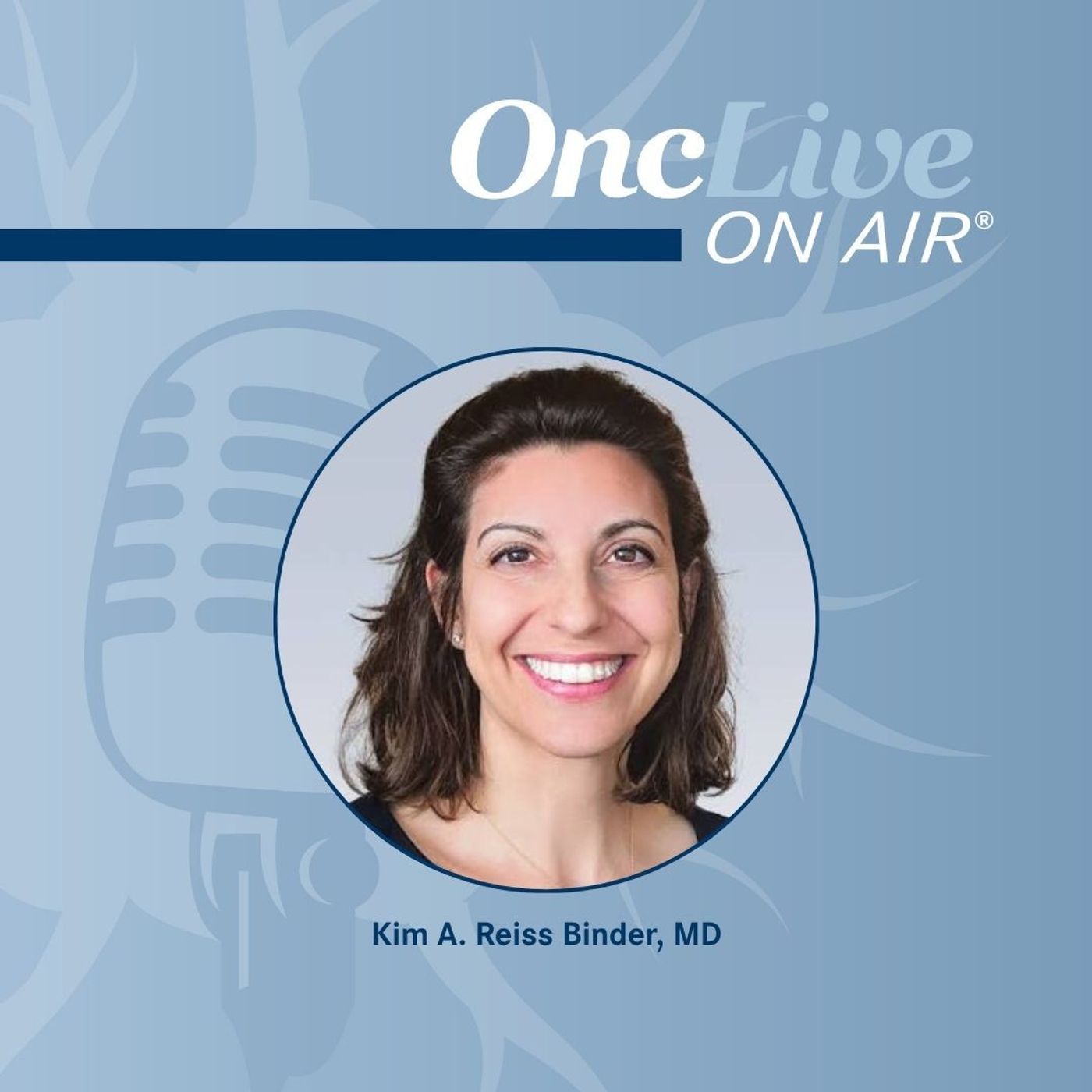
In today’s episode, we spoke with Kim A. Reiss Binder, MD, about the August 2026 FDA approval of daraxonrasib (Rasonque) for the treatment of adult patients with metastatic pancreatic adenocarcinoma who have received at least 1 prior systemic therapy or are not candidates for multi-agent systemic therapy. Dr Reiss Binder is the assistant program director of the Hematology/Oncology Fellowship Program and an associate professor of medicine (hematology-oncology) at the Hospital of the University of Pennsylvania in Philadelphia. In our exclusive interview, Dr Binder discussed the significance of this approval, key efficacy data from the pivotal phase 3 RASolute 302 trial (NCT06625320), and the importance of continuing to build off of treatment advances to drive clinical research and improve patient outcomes in this field.
- OO
 S19 · E2Wednesday · 16 min
S19 Ep2: Resistance Patterns Shape FGFR Inhibitor Sequencing in Cholangiocarcinoma
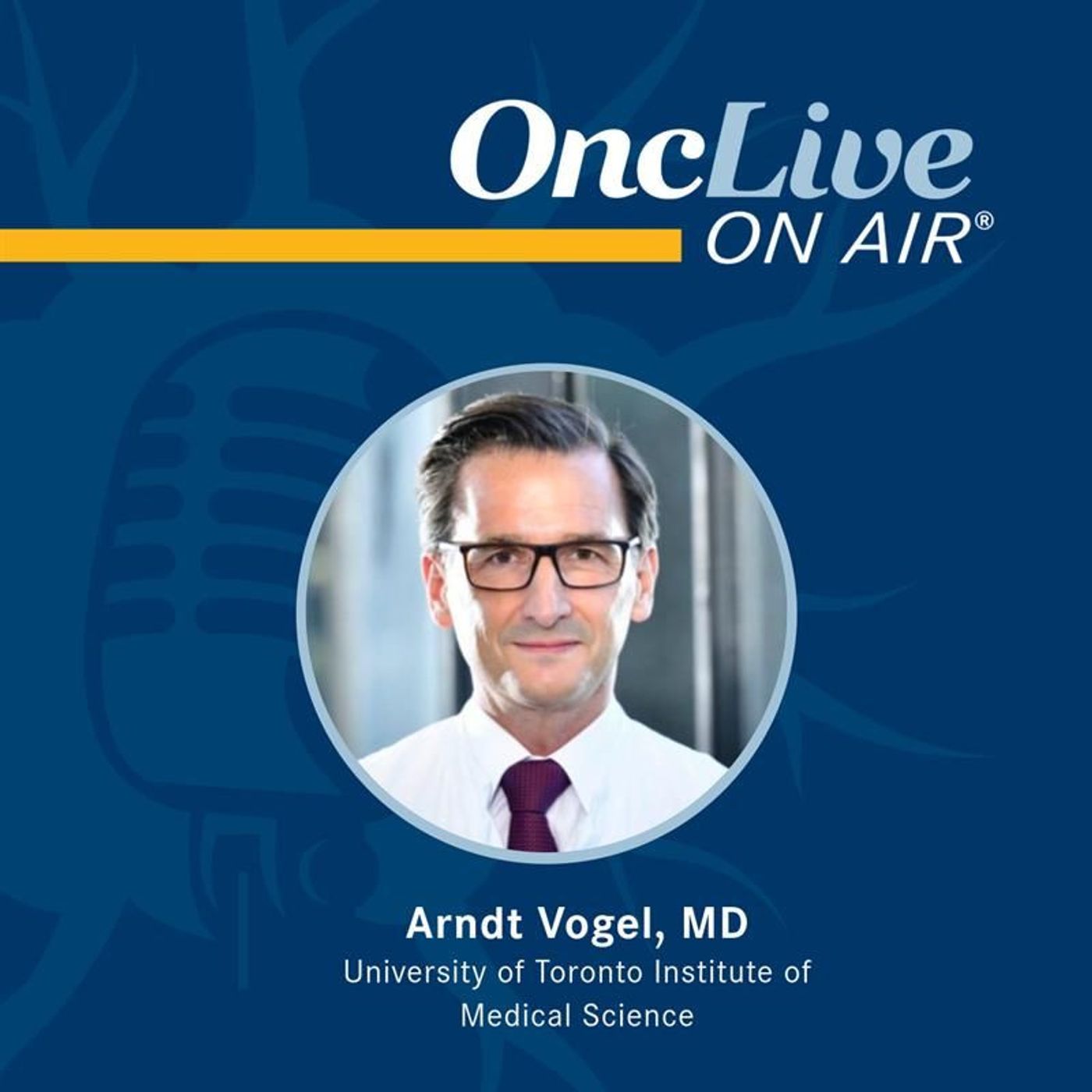
In this episode, we spoke with Arndt Vogel, MD, a faculty member at the University of Toronto Institute of Medical Science, a scientist at the Toronto General Hospital Research Institute, and a medical oncologist at the UHN–Princess Margaret Cancer Centre in Canada. In our exclusive interview, Dr Vogel highlighted the rationale and growing evidence for sequential FGFR inhibition in FGFR2 fusion–positive cholangiocarcinoma, explaining that on-target resistance mutations and the differing binding properties of agents like pemigatinib (Pemazyre), futibatinib (Lytgobi), and the more selective tinengotinib (TT-00420) support using these drugs in sequence, although he emphasized that treatment decisions remain biomarker-informed rather than biomarker-guided. He also stressed the importance of early, RNA-based next-generation sequencing, the emerging role of circulating tumor DNA in capturing polyclonal resistance, and his anticipation of forthcoming phase 3 tinengotinib data.
- OO
 S19 · E1Wednesday · 14 min
S19 Ep1: Subcutaneous Therapies Bolster Administration Options in Multiple Myeloma
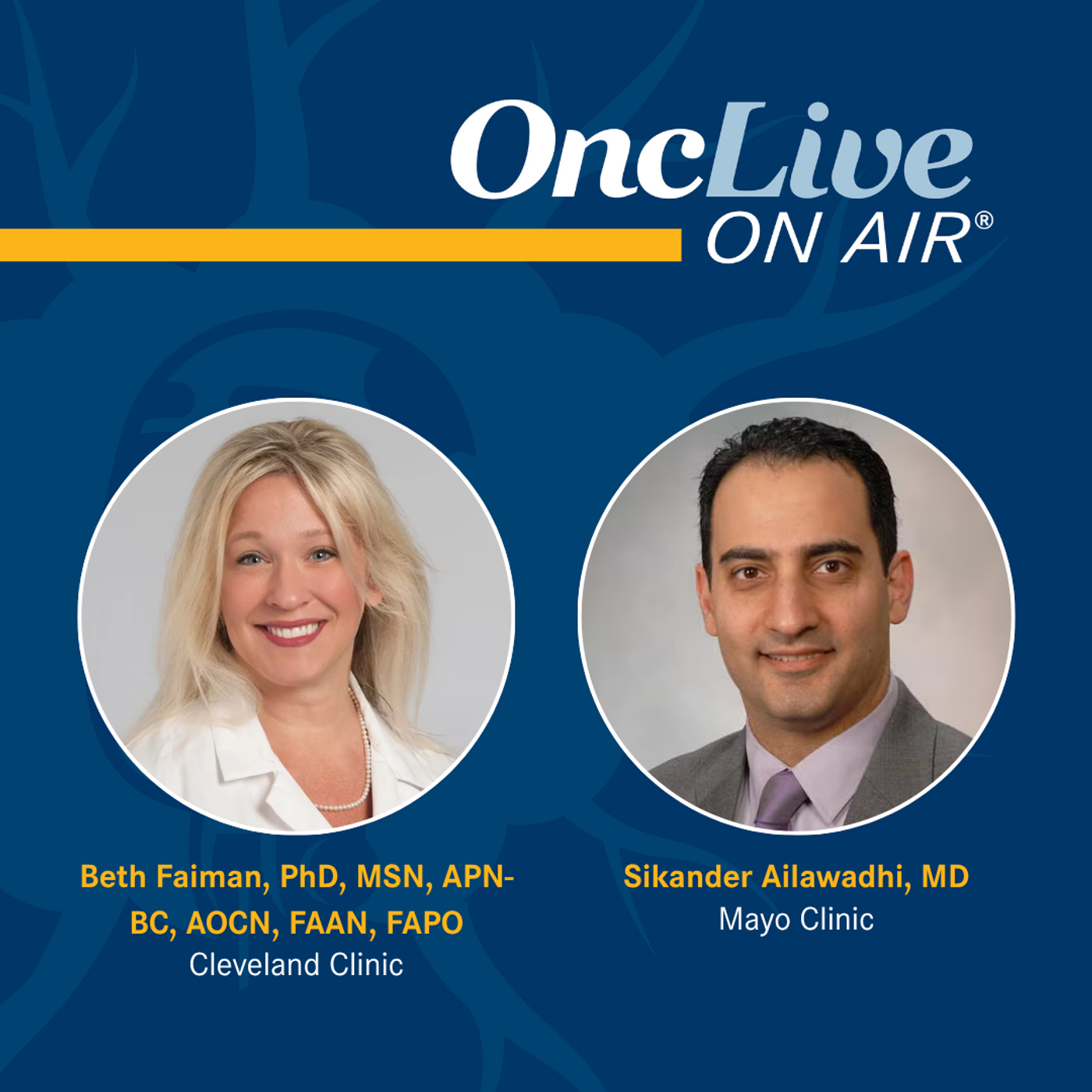
In this episode, produced in coordination with Oncology Nursing News®, Beth Faiman, PhD, MSN, APN-BC, AOCN, FAAN, FAPO, and Sikander Ailawadhi, MD, discussed evolving administration strategies for multiple myeloma therapies, primarily focusing on subcutaneous and on-body administration. Dr Faiman is an adult nurse practitioner in the Department of Hematology/Oncology at the Cleveland Clinic and a clinical member of the Cancer Prevention, Control and Population Research Program at Case Comprehensive Cancer Center in Ohio. Dr Ailawadhi is a consultant in the Division of Hematology/Oncology in the Department of Internal Medicine, a consultant in the Department of Cancer Biology, and a professor of medicine at Mayo Clinic in Rochester, Minnesota. In the first episode of a 3-part series, Drs Faiman and Ailawadhi outlined the transition to subcutaneous administration of anti-CD38 monoclonal antibodies in multiple myeloma management. They also highlighted the significance of the July 2026 FDA approval of satuximab-irfc (Sarclisa Escena) for subcutaneous injection for multiple myeloma indications, which includes administration with the CirCLIQ on-body delivery system.
- OO
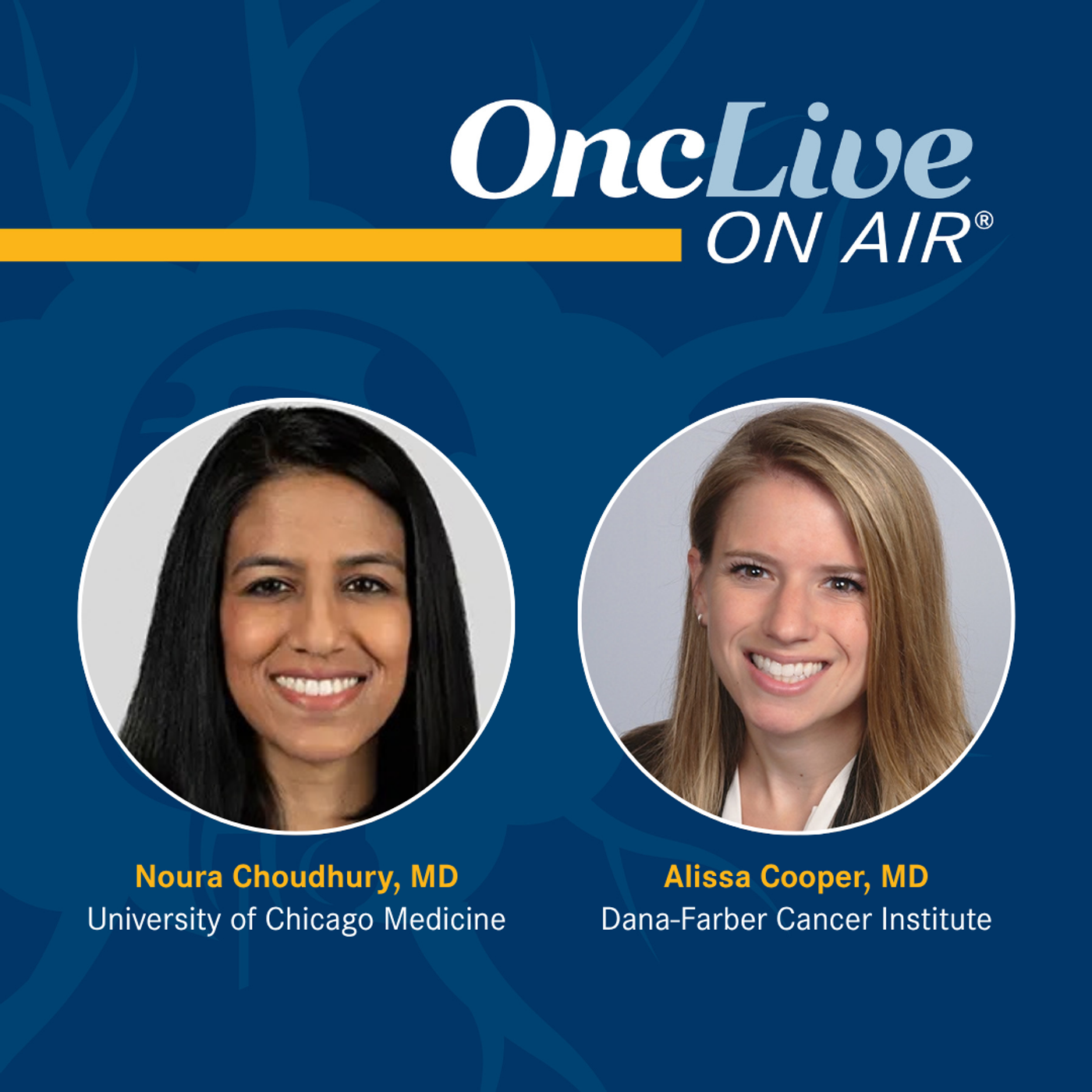 S18 · E50Wednesday · 17 min
S18 Ep50: Navigating DLL3-Targeting T-Cell Engagers and the Evolving Small Cell Lung Cancer Treatment Landscape
In today's episode, we spoke with Alissa Cooper, MD, and Noura Choudhury, MD. Dr Cooper is a physician at Dana-Farber Cancer Institute and instructor in medicine at Harvard Medical School in Boston, Massachusetts, and Dr Choudhury is an assistant professor of medicine at the University of Chicago in Illinois. In our exclusive interview, Drs Cooper and Choudhury discussed the evolving role of DLL3-targeting T-cell engagers in small cell lung cancer (SCLC), with a focus on tarlatamab-dlle (Imdelltra) and how emerging trial data may reshape the current treatment paradigm across lines of therapy. The discussion opened with the ongoing phase 3 DeLLphi-305 trial (NCT06211036), which is evaluating tarlatamab plus a PD-L1 inhibitor as first-line maintenance therapy following chemoimmunotherapy. Dr Choudhury noted that a positive readout from DeLLphi-305 could significantly diminish the future role of lurbinectedin (Zepzelca) in the maintenance setting, but emphasized that any adoption of tarlatamab as a standard maintenance strategy would require a clear and meaningful overall survival benefit, as well as a favorable toxicity profile compared with existing options. Dr Cooper added that a key outstanding question is whether tarlatamab will carry a different toxicity profile in the maintenance setting compared with the induction and maintenance setting, where higher disease burden may increase the risk of cytokine release syndrome (CRS). The conversation also addressed the investigational agent obrixtamig, another DLL3 x CD3 bispecific T-cell engager in early-phase development, and how clinicians should think about differentiating these agents as the field matures. Both physicians noted that cross-trial comparisons remain premature given differences in study populations and development stage, and expressed that DLL3 testing requirements for investigational agents are unlikely to carry over into a future approved label, consistent with tarlatamab's current FDA indication. On the question of DLL3 immunohistochemistry testing in routine practice, both physicians acknowledged a shifting perspective. While DLL3 is highly expressed in approximately 85% to 90% of SCLC tumors, real-world access to testing varies significantly, and logistical delays may outweigh the benefit of waiting for results before initiating treatment in a disease that can progress rapidly. Dr Choudhury noted that her viewpoint has evolved as emerging data suggest that certain molecular subtypes may derive little benefit from tarlatamab, making more informed patient selection increasingly important. Both agreed that an ideal solution would involve a rapid, commercially integrated assay, but cautioned that liquid biopsy approaches remain hypothesis-generating at this stage. Finally, Drs Cooper and Choudhury reflected on the growing body of real-world experience with tarlatamab since its FDA approval, highlighting ongoing efforts to better characterize who is at highest risk for serious toxicities such as high-grade CRS and immune effector cell–associated neurotoxicity syndrome. Dr Choudhury described a future vision of a risk stratification calculator that could guide decisions about which patients still warrant monitored inpatient administration even if the label is updated to allow outpatient use.
- OO
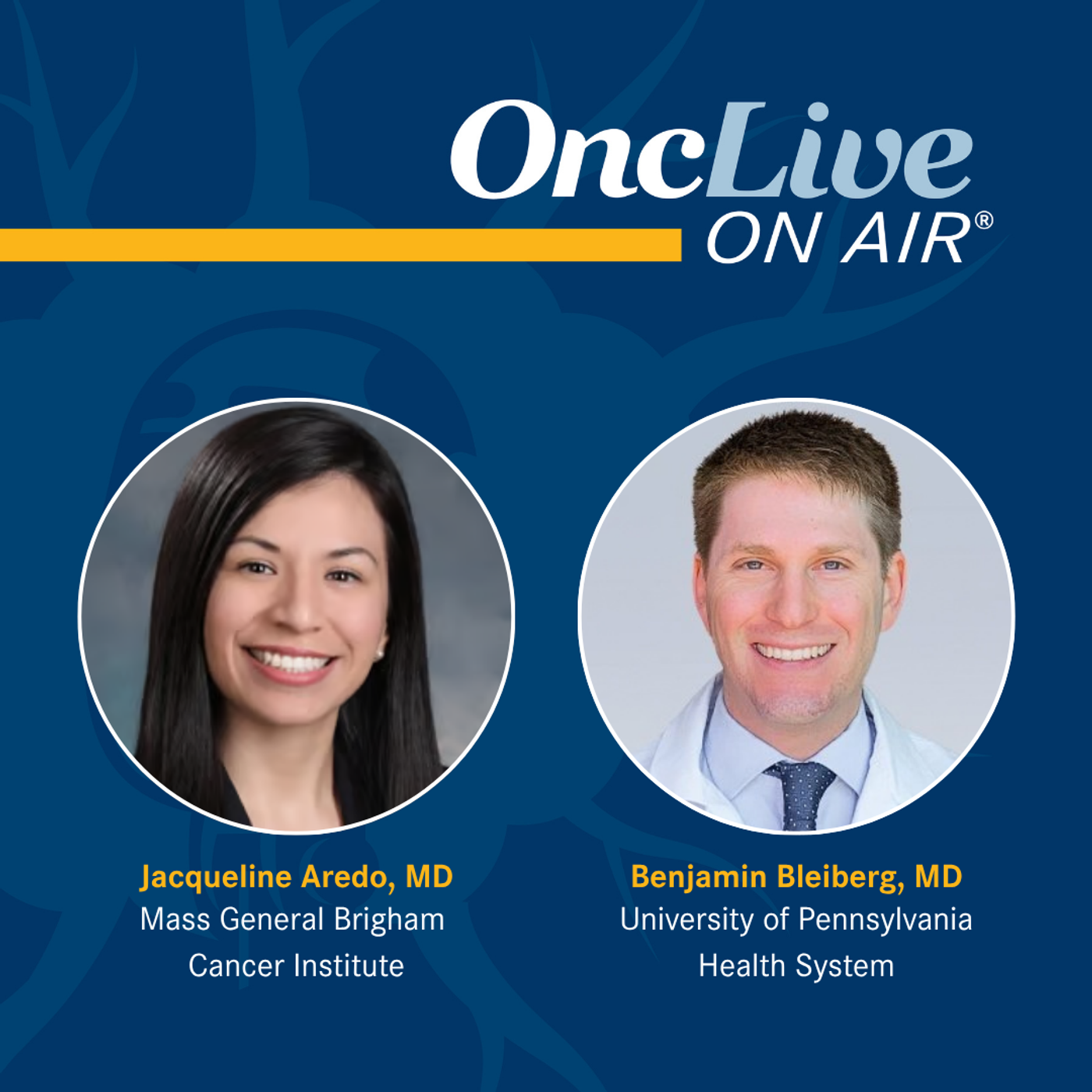 S18 · E49Wednesday · 24 min
S18 Ep49: Start Earlier and Find Your Community: Navigating the Fellowship-to-Faculty Transition Through Mentorship and Specialty-Focused Meetings
In today's episode, we spoke with Jacqueline Aredo, MD, and Benjamin Bleiberg, MD. Dr Aredo is a thoracic oncologist at Mass General Brigham Cancer Institute in Boston, Massachusetts, and Dr Bleiberg is an adjunct assistant professor of medicine at the University of Pennsylvania Perelman School of Medicine in Philadelphia. In our exclusive interview, Drs Aredo and Bleiberg reflected on the experiences and relationships that shaped their transitions from fellowship into their first faculty positions in thoracic oncology and on the role that smaller, specialty-focused meetings played in building the professional community that supported them along the way. Both physicians spoke to the value of the ASCO Fellows Forum, a one-day event held annually before the ASCO Annual Meeting, describing it as a low-stakes, high-value environment where fellows present research abstracts in small groups alongside peers from other institutions and senior mentors. They noted that beyond the opportunity to practice presentation skills and refine research projects, the forum serves as a catalyst for organic relationships that have extended well beyond the event itself. Dr Bleiberg noted that many of the colleagues he met through programs like this, individuals with shared research interests at the same career stage, became lasting professional connections he would not have encountered otherwise. Dr Aredo added that these forums created direct pathways to mentors at institutions she was actively exploring for her job search, with several going on to advocate for her and connect her with senior investigators in her area of focus. The discussion then broadened to the fellowship-to-faculty transition itself. Both physicians emphasized the importance of identifying priorities early and being transparent about those priorities throughout the interview process. Dr Aredo noted that the more non-negotiable parameters a fellow has, the narrower but clearer the search becomes. Dr Bleiberg highlighted the value of speaking candidly with junior faculty at prospective institutions to get an unfiltered view of institutional culture, and of presenting one's goals honestly so that the position that results is a genuine fit. Both physicians also acknowledged that the job search timeline is far more asynchronous than prior training milestones like the match, with opportunities presenting themselves on different schedules from different institutions. They encouraged current fellows not to be discouraged by the pace or uncertainty of the process, and advised having a polished CV and cover letter ready sooner than expected. Leaning on internal mentors, external advocates, and co-fellows were cited as essential strategies for navigating what both described as a marathon rather than a sprint. Finally, Drs Aredo and Bleiberg underscored that in a field where the world grows smaller the further along one progresses, investing early in community-building at specialty meetings pays dividends well beyond any single conference. Knowing one's research identity, following up on relationships consistently, and recognizing that today's co-fellows are tomorrow's collaborators and references were offered as the most lasting lessons from their own transitions into faculty life.
- OO
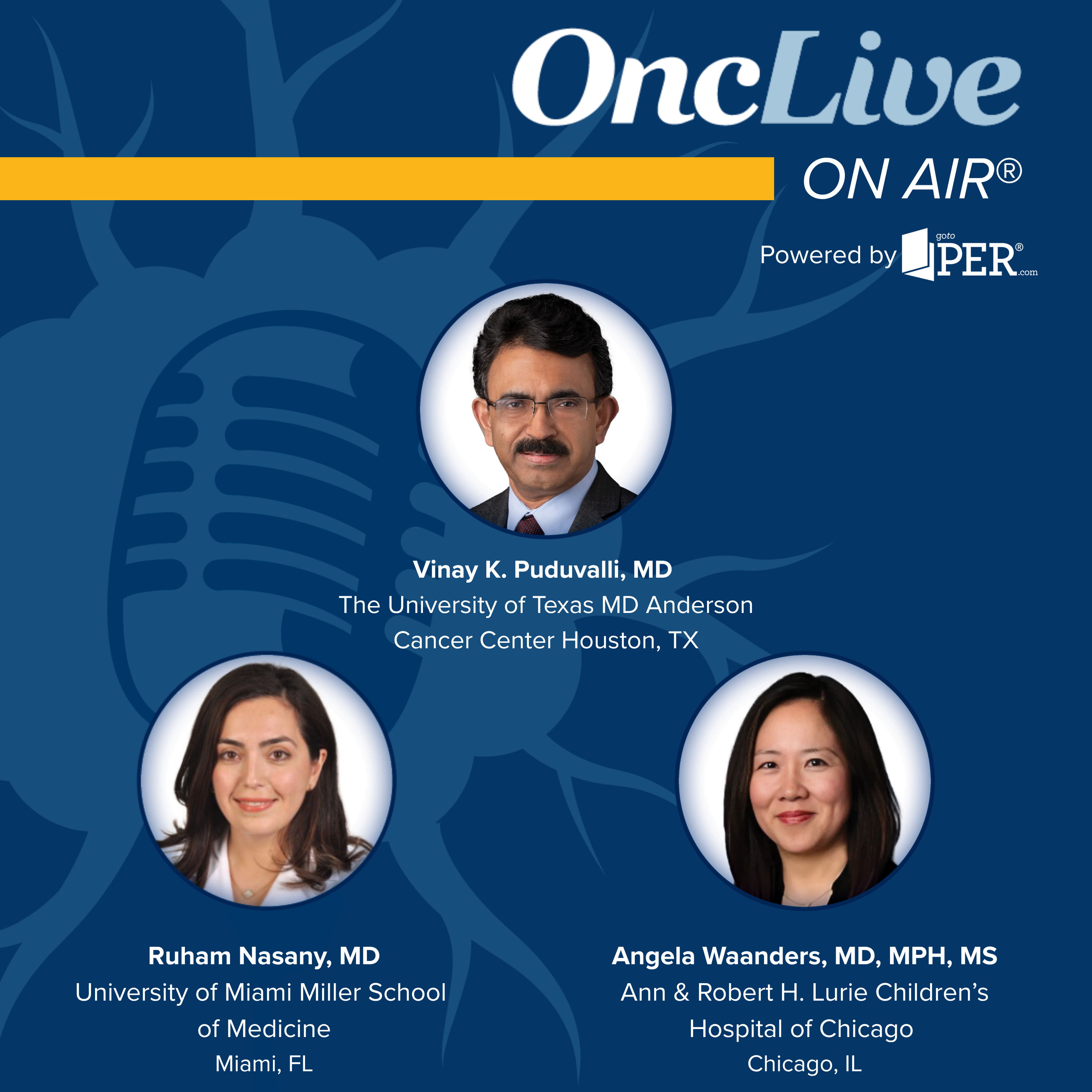 S18 · E48Wednesday · 29 min
S18 Ep48: OncoBytes Adaptive Learning Pathways™: Decoding Precision Diagnostics and Targeted Therapies in Glioma
Highlights from the PER® CME activity "OncoBytes Adaptive Learning Pathways™: Decoding Precision Diagnostics and Targeted Therapies in Glioma" — this podcast is not certified for credit. To participate in the full accredited activity and earn CME credit, use the link below. In this podcast, experts Vinay K. Puduvalli, MD; Ruham Nasany, MD; and Angela Waanders, MD, MPH, MS; discuss advances in molecular diagnostics and strategies to treat adults with low- and high-grade gliomas. Earn CME credit by completing the full accredited activity (available through September 1, 2027): https://www.gotoper.com/courses/oncobytes-adaptive-learning-pathways-decoding-precision-diagnostics-and-targeted-therapies-in-glioma This podcast, including the narration, was developed by PER® (Physicians’ Education Resource®, LLC) editorial staff from the full online CME activity developed with these faculty. The narration was voiced by a PER staff member or by an AI tool. The podcast contains no product advertising. The full activity is supported by an educational grant from Jazz Pharmaceuticals, Inc. This content is for educational purposes only and is not a substitute for the independent clinical judgment of a health care professional. Faculty may discuss investigational or off-label uses; consult prescribing information for any products discussed.
- OO
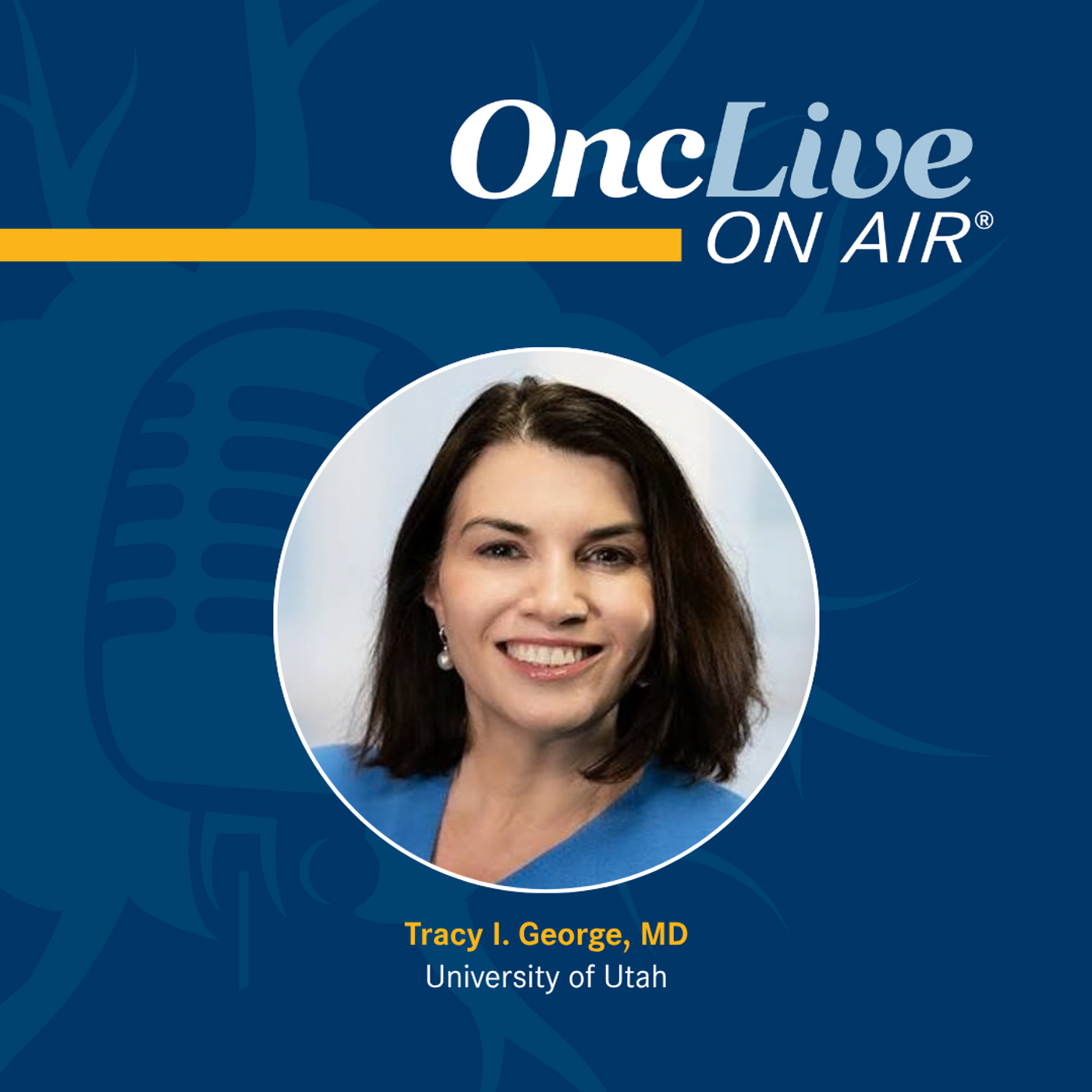 S18 · E47Tuesday · 22 min
S18 Ep47: Dissecting Diagnostic and Management Factors in Systemic Mastocytosis
In today’s episode, we welcomed Tracy I. George, MD, who provided a pathologist’s perspective on the diagnosis and evolving management considerations for systemic mastocytosis. Dr George is president of the Innovation Business Unit and chief scientific officer at ARUP Laboratories and a professor of pathology at the Spencer Fox Eccles School of Medicine at the University of Utah in Salt Lake City. In the exclusive interview, Dr George highlighted the key hallmarks of systemic mastocytosis that can inform diagnosis, detailed how pathologists collaborate with other multidisciplinary experts to care for patients with systemic mastocytosis, and explained how agents such as avapritinib (Ayvakit) and bezuclastinib (CGT9486) are transforming patient care.
- OO
 S18 · E46Tuesday · 11 min
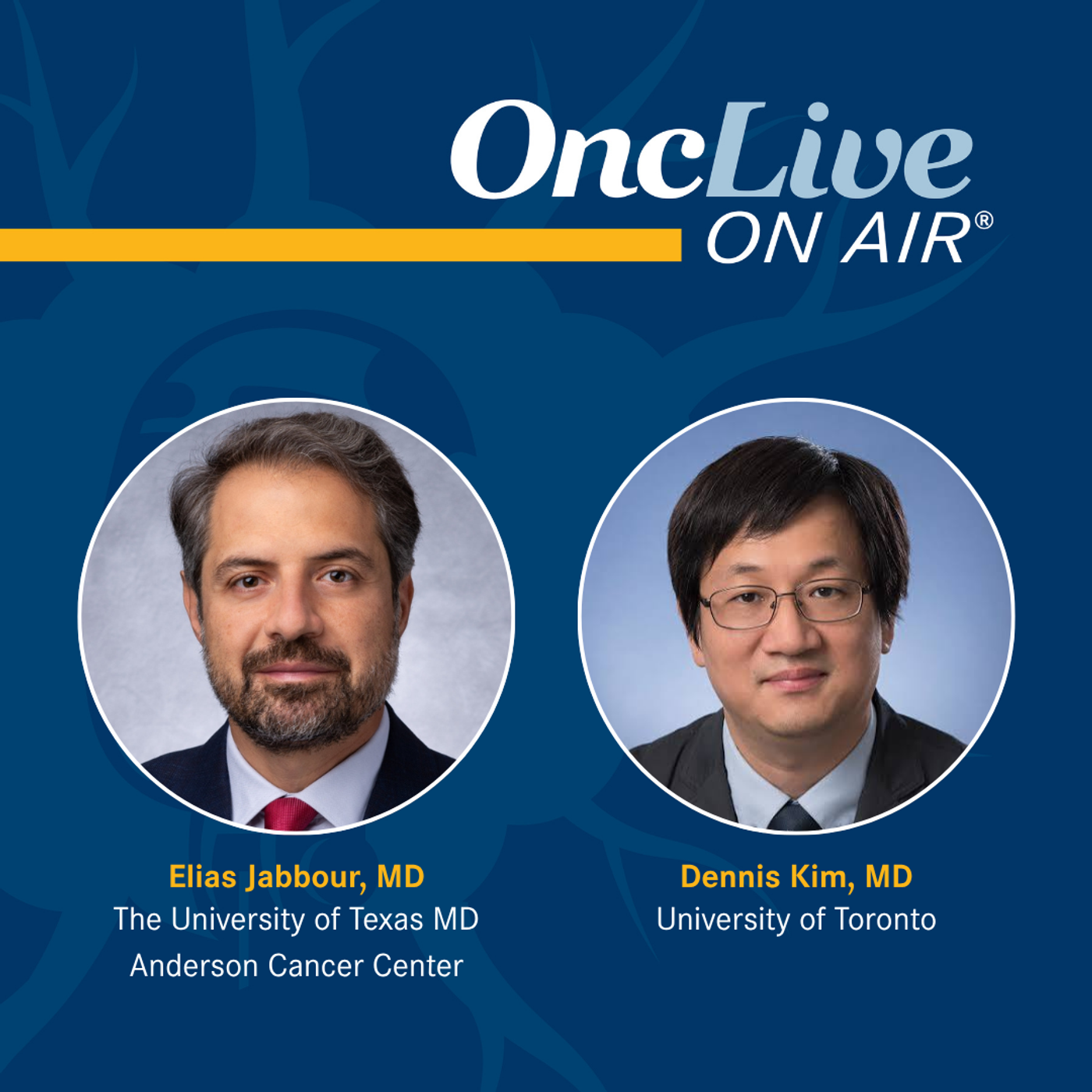
S18 Ep46: Unpacking Data and Upcoming Developments for Olverembatinib in CML
In today’s episode, we spoke with Elias Jabbour, MD, and Dennis Kim, MD. Dr Jabbour is a professor of Leukemia at The University of Texas MD Anderson Cancer Center in Houston. Dr Kim is an associate professor at the Institute of Medical Science at the University of Toronto in Canada. In our exclusive interview, Drs Jabbour and Kim discussed the third-generation TKI olverembatinib (HQP1351), how it works, and its advantages compared with other treatment options for chronic myeloid leukemia and acute lymphoblastic leukemia. Additionally, the 2 experts overviewed data for the investigational TKI that came out of the 2026 ASCO Annual Meeting like the phase 1b HQP1351CU101 trial (NCT04260022) and a single-arm, multicenter study (ChiCTR2200061655), as well as the next steps for olverembatinib like in the ongoing phase 3 POLARIS-2 (NCT06423911) trial.
- OO
 S18 · E45Monday · 40 min
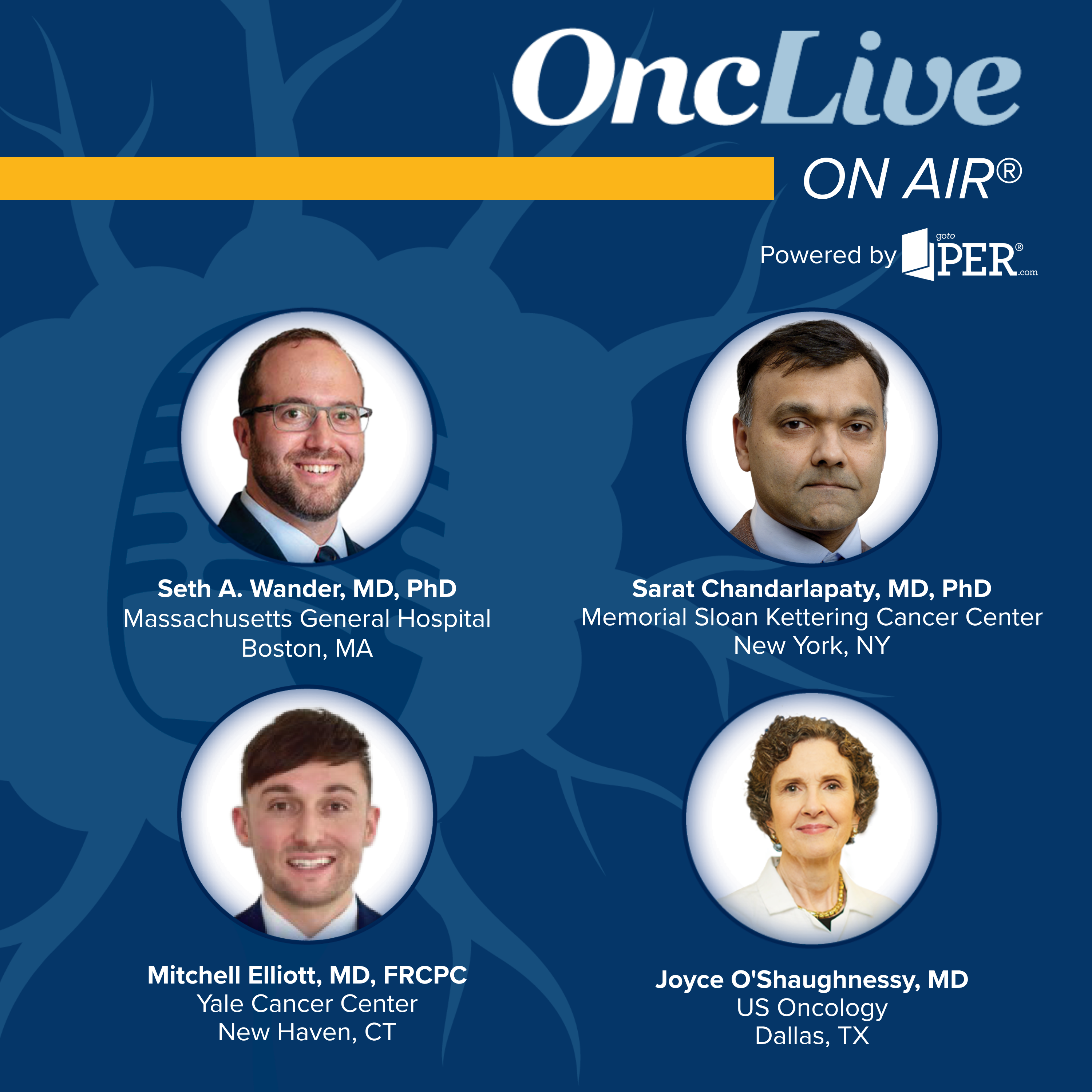
S18 Ep45: Advancing Targeted Therapy in HR+/HER2– Metastatic Breast Cancer: Integrating Next-Generation Endocrine and PAM-Pathway Strategies Into Practice
Highlights from the PER® CME activity "Advancing Targeted Therapy in HR+/HER2– Metastatic Breast Cancer: Integrating Next-Generation Endocrine and PAM-Pathway Strategies Into Practice " — this podcast is not certified for credit. To participate in the full accredited activity and earn CME credit, use the link below. In this podcast, experts Joyce O’Shaughnessy, MD, Sarat Chandarlapaty, MD, PhD, Mitchell Elliott, MD, FRCPC, and Seth A. Wander, MD, PhD, discuss how they are integrating recent data from pivotal clinical trials evaluating next-generation oral selective estrogen receptor degraders (SERDs) as well as inhibitors of the PI3K/AKT/mTOR signaling pathway into the management of patients with hormone receptor-positive, HER2-negative (HR+/HER2-) metastatic breast cancer (mBC), using a variety challenging clinical scenarios to draw out insights and clinical pearls. Earn CME credit by completing the full accredited activity (available through July 31, 2027): https://www.gotoper.com/courses/advancing-targeted-therapy-in-hrher2-metastatic-breast-cancer-integrating-next-generation-endocrine-and-pam-pathway-strategies-into-practice This podcast, including the narration, was developed by PER® (Physicians’ Education Resource®, LLC) editorial staff from the full online CME activity developed with these faculty. The narration was voiced by a PER staff member or by an AI tool. The podcast contains no product advertising. The full activity is supported by educational grants from Lilly; Rigel Pharmaceuticals; and Stemline Therapeutics, Inc. This content is for educational purposes only and is not a substitute for the independent clinical judgment of a health care professional. Faculty may discuss investigational or off-label uses; consult prescribing information for any products discussed.
- OO
 S18 · E44Monday · 11 min
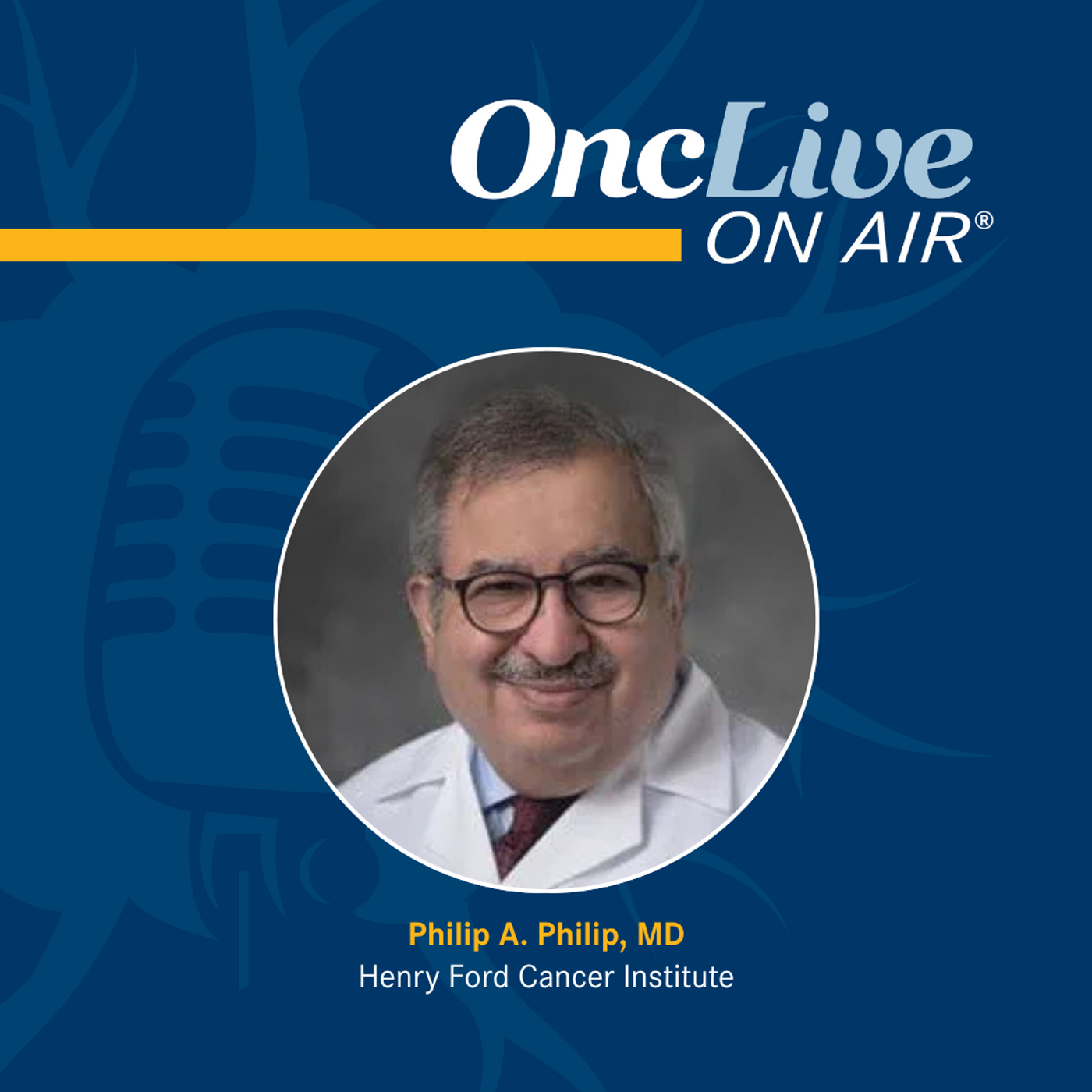
S18 Ep44: Exploring the FDA Approval of Optune Pax and What It Means for Locally Advanced Pancreatic Cancer
In today’s episode, we spoke with Philip A. Philip, MD. Dr Philip is the director of Gastrointestinal Oncology, co-director of the Pancreatic Cancer Center, and medical director of Research and Clinical Care Integration at the Henry Ford Cancer Institute in Detroit, Michigan. In our exclusive interview, Dr Philip discussed the February 2026 FDA approval of Optune Pax for lo cally advanced pancreatic cancer in addition to key data from the phase 3 PANOVA-3 trial (NCT03377491), which evaluated the modality in combination with gemcitabine and nab-paclitaxel (Abraxane) in this population. Philip looked ahead toward combination regimens with newly approved drugs like daraxonrasib (Rasonque).
- OO
 S18 · E43September 25 · 45 min
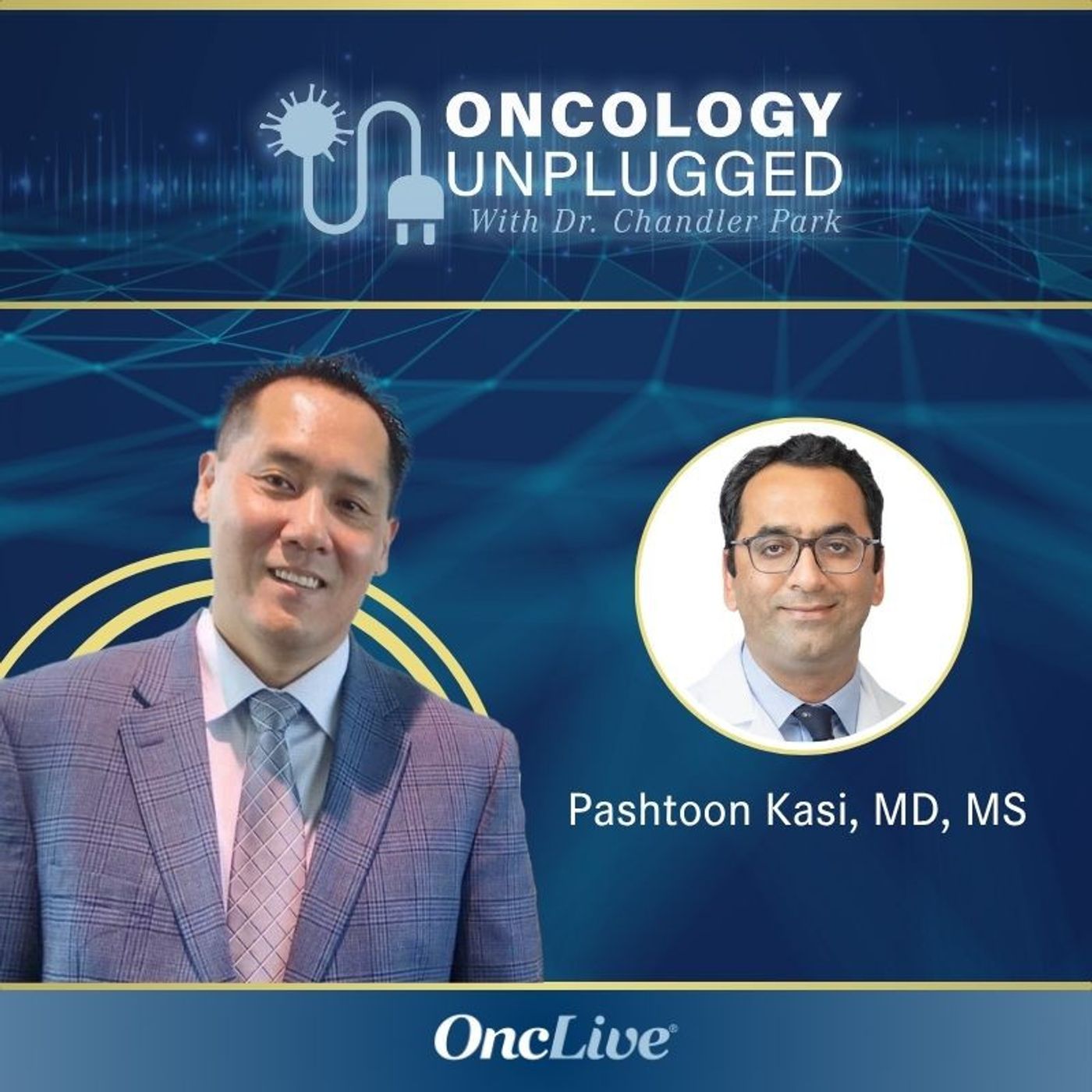
S18 Ep43: Neoadjuvant Immunotherapy and Short Treatment Courses Drive Paradigm Shifts in CRC Management
In this episode of Oncology Unplugged, host Chandler Park, MD, a medical oncologist at Norton Cancer Institute in Louisville, Kentucky, was joined by Pashtoon Kasi, MD, MS, the medical director of GI Medical Oncology, the Rad Family Chair in Gastrointestinal Oncology, and an associate clinical professor in the Department of Medical Oncology & Therapeutics Research at City of Hope Orange County in Irvine, California. Their discussion centered on the rapid rise of neoadjuvant immunotherapy in colorectal cancer (CRC) management, framing the shift in which immunotherapy is given upfront and surgery becomes the adjuvant step as a genuine paradigm change. Drs Park and Kasi grounded the conversation in the biology of mismatch repair–deficient (dMMR)/microsatellite instability–high tumors, which harbor a high neoantigen load, rendering them sensitive to checkpoint blockade. A major focus was the treatment evolution that stemmed from data from the phase 3 ATOMIC trial (NCT02912559), which added atezolizumab (Tecentriq) to FOLFOX (leucovorin, fluorouracil, oxaliplatin) in stage III dMMR disease, to the NICHE clinical trial series from the Netherlands, in which brief neoadjuvant nivolumab (Opdivo) plus 1 dose of ipilimumab (Yervoy) produced near-universal responses. Dr Kasi then detailed his own NEST trials, which replicated this short-course design using the Fc-enhanced CTLA-4 inhibitor botensilimab plus balstilimab, notably extending activity into the larger mismatch repair–proficient/microsatellite stable (MSS) population with sustained disease-free survival. Drs Park and Kasi explored mechanistic insights that have been seen with CRC drugs, including an "inside-out" serosal-to-mucosal response pattern, regulatory T cell depletion, and the rationale that an intact tumor and lymph nodes provide more antigens than the postsurgical setting. They also discussed circulating tumor DNA as an emerging surrogate end point, the implications of data from the phase 3 STELLAR-303 trial (NCT05425940) of an immunomodulatory TKI plus atezolizumab (Tecentriq) in patients with MSS disease, liver metastases as an immunosuppressive niche, and the alarming rise of early-onset CRC.
- OO
 S18 · E42September 24 · 11 min
S18 Ep42: Breaking Down the FDA Approval of Zanidatamab-Based Regimens in HER2+ Gastric Cancer
In today’s episode, we spoke with Nataliya Uboha, MD, PhD. Dr Uboha is an associate professor and researcher in the Department of Medicine at the University of Wisconsin School of Medicine in Madison. In our exclusive interview, Dr Uboha discussed the August 2026 FDA approval of zanidatamab (Ziihera)-based regimens for first-line HER2-positive locally advanced or metastatic gastric cancer, and unpacked data from the phase 3 HERIZON-GEA-01 trial (NCT05152147) that supported the regulatory decision. She also shed light on where zanidatamab fits in the gastric cancer treatment paradigm in combination with PD-1 inhibitors like tislelizumab (Tevimbra) and alongside other options like trastuzumab (Herceptin).
- OO
 S18 · E41September 24 · 19 min
S18 Ep41: Recent Data Readouts Help Untangle HER2 Overexpression and Mutation Implications in NSCLC
In today’s episode, Narjust Florez, MD, and Jonathan Wesley Riess, MD, MS, hosted a discussion about the distinction between HER2 overexpression and HER2 mutations in non–small cell lung cancer (NSCLC). Dr Florez is the associate medical director of the Cancer Care Access Program and a physician at Dana-Farber Cancer Institute, as well as an assistant professor of medicine and a faculty member at Harvard Medical School, both in Boston, Massachusetts. Dr Riess is the director of Thoracic Oncology and an associate professor of medicine in the Division of Hematology and Oncology at the University of California (UC) Davis Health Medical Center and the UC Davis Comprehensive Cancer Center in Sacramento. In our exclusive interview, Drs Florez and Riess clarified that HER2 mutations, commonly exon 20 insertions, are genomic drivers sensitive to TKIs, whereas HER2 overexpression is a protein finding identified by immunohistochemistry (IHC). They discussed the use of fam-trastuzumab deruxtecan-nxki (Enhertu) for the treatment of patients with HER2 IHC 3+ NSCLC, reviewed efficacy data from the DESTINY-Lung studies, and worked through a treatment sequencing case. Their conversation also addressed toxicity management, particularly aggressive nausea prophylaxis and vigilance for interstitial lung disease, and emphasized the importance of upfront HER2 testing to preserve tissue and save time.
- OO
 S18 · E40September 23 · 17 min
S18 Ep40: INCB161734 Holds Potential Significance for KRAS G12D–Mutated mPDAC Management
In today’s episode, we spoke with Davide Melisi, MD, PhD. Dr Melisi is an associate professor of medical oncology at the University of Verona in Italy. In our exclusive interview, Dr Melisi discussed the investigational oral KRAS G12D inhibitor INCB161734, its mechanism of action, what early data have shown with the agent, and the aims of the ongoing phase 3 DAWN-303 trial (NCT07522073) evaluating it in patients with KRAS G12D–mutated metastatic pancreatic ductal adenocarcinoma. He also explored how the agent could be integrated into treatment sequencing alongside the August 2026 FDA approval of daraxonrasib (Rasonque) for the treatment of patients with metastatic disease.
- OO
 S18 · E39September 21 · 11 min
S18 Ep39: Pancreatic Cancer Experts Map Treatment Sequencing With Liposomal Irinotecan and Beyond
In today’s episode, we spoke with Raji Shameem, MD, and Shubham Pant, MD, MBBS. Dr Shameem is a clinical assistant professor of medicine at the Orlando College of Osteopathic Medicine, an assistant professor of Medicine at the University of Central Florida, and a physician at Orlando Health. Dr Pant is a professor in the Department of Gastrointestinal Medical Oncology and the Department of Investigational Cancer Therapeutics, as well as the director of Clinical Research at The Sheikh Zayed Center For Pancreatic Cancer Research at The University of Texas MD Anderson Cancer Center in Houston. In our exclusive interview, Drs Shameem and Pant discussed the rapidly evolving pancreatic cancer treatment paradigm, going in-depth on topics like the role of liposomal irinotecan (Onivyde), the FDA approval of daraxonrasib (Rasonque) for patients with metastatic disease, and novel treatments that are in development. The 2 experts also covered which directions they see the pancreatic cancer field moving towards in the future.
- OO
 S18 · E34September 21 · 22 min
S18 Ep34: Integrating Precision Pathways in HER2+ Gastroesophageal Adenocarcinoma—Testing, Treatment, and Supportive Care
Highlights from the PER® CME activity "SimulatED: Integrating Precision Pathways in HER2+ Gastroesophageal Adenocarcinoma — Testing, Treatment, and Supportive Care" — this podcast is not certified for credit. To participate in the full accredited activity and earn CME credit, use the link below. In this podcast, experts Geoffrey Y. Ku, MD, and Sunnie Kim, MD, discuss essential biomarker testing for advanced gastroesophageal adenocarcinoma, first-line treatment selection for HER2-positive metastatic disease in light of data from HERIZON-GEA-01 (NCT05152147), management of treatment-related diarrhea and other adverse events, and HER2 retesting at disease progression. Earn CME credit by completing the full accredited activity (available through August 31, 2027): https://www.gotoper.com/courses/simulated-integrating-precision-pathways-in-her2-gastroesophageal-adenocarcinoma-testing-treatment-and-supportive-care This podcast, including the narration, was developed by PER® (Physicians’ Education Resource®, LLC) editorial staff from the full online CME activity developed with these faculty. The narration was voiced by a PER staff member or by an AI tool. The podcast contains no product advertising. The full activity is supported by an educational grant from Jazz Pharmaceuticals, Inc. This content is for educational purposes only and is not a substitute for the independent clinical judgment of a health care professional. Faculty may discuss investigational or off-label uses; consult prescribing information for any products discussed.
- OO
 S18 · E38September 17 · 24 min
S18 Ep38: Fast-Moving Treatment Advances Shape B-Cell Lymphoma Care
In this episode of Oncology Unplugged, host Chandler Park, MD, a medical oncologist at Norton Cancer Institute in Louisville, Kentucky, was joined by Joshua Brody, MD, the director of the Lymphoma Immunotherapy Program at the Mount Sinai Tisch Cancer Center and a faculty member of the Icahn Genomics Institute in New York, New York. Their discussion centered on the rapidly evolving treatment landscape for B-cell non-Hodgkin lymphomas, highlighting a wave of recent advances across frontline and relapsed diffuse large B-cell lymphoma (DLBCL) and mantle cell lymphoma (MCL) management. Drs Park and Brody framed this current era as one of unusually fast progress after decades of failed attempts to improve upon R-CHOP (rituximab [Rituxan], cyclophosphamide, doxorubicin, vincristine, and prednisone). A major focus was the phase 3 frontMIND trial (NCT04824092), which added tafasitamab-cxix (Monjuvi) and lenalidomide (Revlimid) to R-CHOP in patients with frontline DLBCL. Dr Brody discussed the significant progression-free survival benefit with the experimental combination that extended across patient subgroups rather than being confined to patients with activated B-cell–like or non–germinal center disease, with only a modest increase in the rate of high-grade febrile neutropenia. He contextualized this against earlier trials in the DLBCL space. The discussion then turned to relapsed disease, where Dr Brody described the benefits of CAR T-cell therapy over stem cell transplant and reviewed bispecific antibody/chemotherapy combinations, including glofitamab-gxbm (Columvi) and epcoritamab-bysp (Epkinly) plus gemcitabine and oxaliplatin. He also emphasized the importance of clinical trials. Drs Park and Brody also explored the evolving MCL treatment paradigm, highlighting glofitamab's complete remission rate and the FDA approval of the BCL-2 inhibitor sonrotoclax (Beqalzi), alongside strategies to mitigate cytokine release syndrome and tumor lysis syndrome. The conversation concluded with a look at emerging therapies, including CD19-directed bispecific antibodies and in vivo CAR T-cell therapy delivered via viral and mRNA lipid nanoparticle vectors.
- OO
 S18 · E37September 14 · 13 min
S18 Ep37: Metastatic Non-Small Cell Lung Cancer 2026 UPDATE
Two Onc Docs, hosted by Samantha A. Armstrong, MD, and Karine Tawagi, MD, is a podcast dedicated to providing current and future oncologists and hematologists with the knowledge they need to ace their boards and deliver quality patient care. Dr Armstrong is a hematologist/oncologist and assistant professor of clinical medicine at Indiana University Health in Indianapolis. Dr Tawagi is a hematologist/oncologist and assistant professor of clinical medicine at the University of Illinois in Chicago. In this episode, OncLive On Air® partnered with Two Onc Docs to deliver a comprehensive, board-focused review of metastatic non–small cell lung cancer (NSCLC) diagnosis and management for 2026, reflecting the rapidly expanding treatment landscape that is growing to include chemotherapy, immunotherapy, and targeted agents. The discussion began with molecular workup, emphasizing the importance of conducting upfront multigene next-generation sequencing plus PD-L1 testing by immunohistochemistry (IHC) for all nonsquamous disease, with HER2 and c-MET IHC now part of routine evaluation. Drs Armstrong and Tawagi stressed that circulating tumor DNA complements but does not replace tissue biospy, and that a targetable driver generally prompts the initiation of first-line targeted therapy, except in the case of KRAS G12C and NRG1 fusions. Regarding EGFR-mutated disease, they reviewed 3 category 1 first-line options: osimertinib (Tagrisso) monotherapy, osimertinib plus chemotherapy, and amivantamab (Rybrevant) plus lazertinib (Lazcluze), cautioning against overlapping immunotherapy. They detailed post-osimertinib resistance testing and EGFR exon 20 insertions, then addressed ALK, ROS1, BRAF V600E, RET, MET exon 14, NTRK, and NRG1 alterations, noting preferred agents and characteristic toxicities, such as lorlatinib (Lorbrena)–associated hyperlipidemia. Drs Armstrong and Tawagi also covered HER2-directed therapies, including fam-trastuzumab deruxtecan-nxki (Enhertu), as well as antibody-drug conjugates for EGFR-mutated and c-MET–high disease. For driver-negative disease, they stratified first-line therapy by PD-L1 status and histology, discussing immunotherapy monotherapy, chemoimmunotherapy, and dual checkpoint blockade, before reviewing second-line options for patients with or without prior immunotherapy.
- OO
 S18 · E36September 14 · 28 min
S18 Ep36: Precision Immunotherapy, PET-Adapted Regimens, and Novel Targets Are Redefining Hodgkin Lymphoma Care: With Chandler Park, MD; Joshua Brody, MD
In this episode of Oncology Unplugged, host Chandler Park, MD, a medical oncologist at Norton Cancer Institute in Louisville, Kentucky, was joined by Joshua Brody, MD, the director of the Lymphoma Immunotherapy Program at the Mount Sinai Tisch Cancer Center and a faculty member of the Icahn Genomics Institute in New York, New York. Their discussion centered on the evolving frontline and relapsed treatment landscape in Hodgkin lymphoma, highlighting the field’s decades-long shift away from intensive chemotherapy and radiation toward better-tolerated, biologically targeted regimens. Drs Park and Brody framed Hodgkin lymphoma as a rare success story in oncology, noting that a once-uniformly fatal disease is now curable in more than 90% of patients, and emphasized that the modern treatment goal has moved from maximizing efficacy at any cost to preserving efficacy and minimize long-term toxicity, particularly given the disease’s young patient population and correspondingly long survivorship horizon. A major focus of the conversation was the retirement of bleomycin from frontline regimens. Dr Brody explained that bleomycin carried substantial risk of pneumonitis and pulmonary fibrosis without strong single-agent antitumor activity and traced its decline to the phase 3 RATHL trial (NCT00678327), which established that patients with a clean interim PET scan after 2 cycles of doxorubicin, bleomycin, vinblastine, and dacarbazine (ABVD) could safely omit bleomycin from subsequent cycles. He noted that this PET-adapted approach helped set the stage for the 2 trials that have since reshaped frontline advanced-stage therapy: the phase 3 ECHELON-1 trial (NCT01712490), which showed that brentuximab vedotin (Adcetris) plus doxorubicin, vinblastine, and dacarbazine (AVD) outperformed standard ABVD, and the phase 3 SWOG S1826 (NCT03907488) trial, in which nivolumab (Opdivo) plus AVD produced a significantly lower relapse rate than brentuximab vedotin plus AVD, with durable benefit confirmed at the 2025 ASH Annual Meeting. Dr Brody described nivolumab plus AVD as the current standard of care for most patients with advanced-stage disease in the United States, citing both its efficacy and its more favorable toxicity profile relative to brentuximab vedotin, which carries a meaningful risk of peripheral neuropathy. The discussion then turned to the underlying biology that makes Hodgkin lymphoma so responsive to PD-1 blockade. Dr Brody explained that the malignant Reed-Sternberg cell relies heavily on PD-L1 overexpression, frequently driven by 9p24 amplifications or translocations, to evade T-cell surveillance, leaving the tumor unusually vulnerable once that mechanism is blocked pharmacologically. He noted that this single dominant immune-evasion pathway helps explain why response rates to anti–PD-1 therapy in Hodgkin lymphoma exceed those seen in melanoma and non–small cell lung cancer. Drs Park and Brody also explored treatment selection in early-stage disease, where Dr Brody noted that multiple regimens now achieve cure rates exceeding 90%, leaving no single clear standard. Options include traditional ABVD with low-dose radiation, radiation-free approaches with intensified chemotherapy, and emerging nivolumab-inclusive regimens, with selection often individualized based on disease location and patient-specific factors, such as the feasibility of giving radiation to sensitive anatomic sites. On relapsed disease, Dr Brody emphasized that outcomes remain favorable even after treatment failure, with second-line therapy typically incorporating whichever novel agent, anti–PD-1 or brentuximab vedotin, was not used in the frontline setting, often combined with chemotherapy. He noted that some patients achieve durable remission without proceeding to autologous stem cell transplant, though transplant remains an option for appropriate candidates, and flagged older patients as an ongoing unmet need given poorer transplant tolerability in this population. The conversation concluded with a look at emerging therapies beyond current CD30- and PD-1-targeted approaches, including CD70-directed antibody-drug conjugates and CD30-directed CAR T-cell therapy, both still early in development. Dr Brody highlighted new data presented at the 2026 ASCO Annual Meeting on an investigational PRMT5 inhibitor among heavily pretreated patients. He described the finding as unexpected and among the most promising developments on the horizon for relapsed and refractory disease.