The Life and Legacy of Steve Tshwete
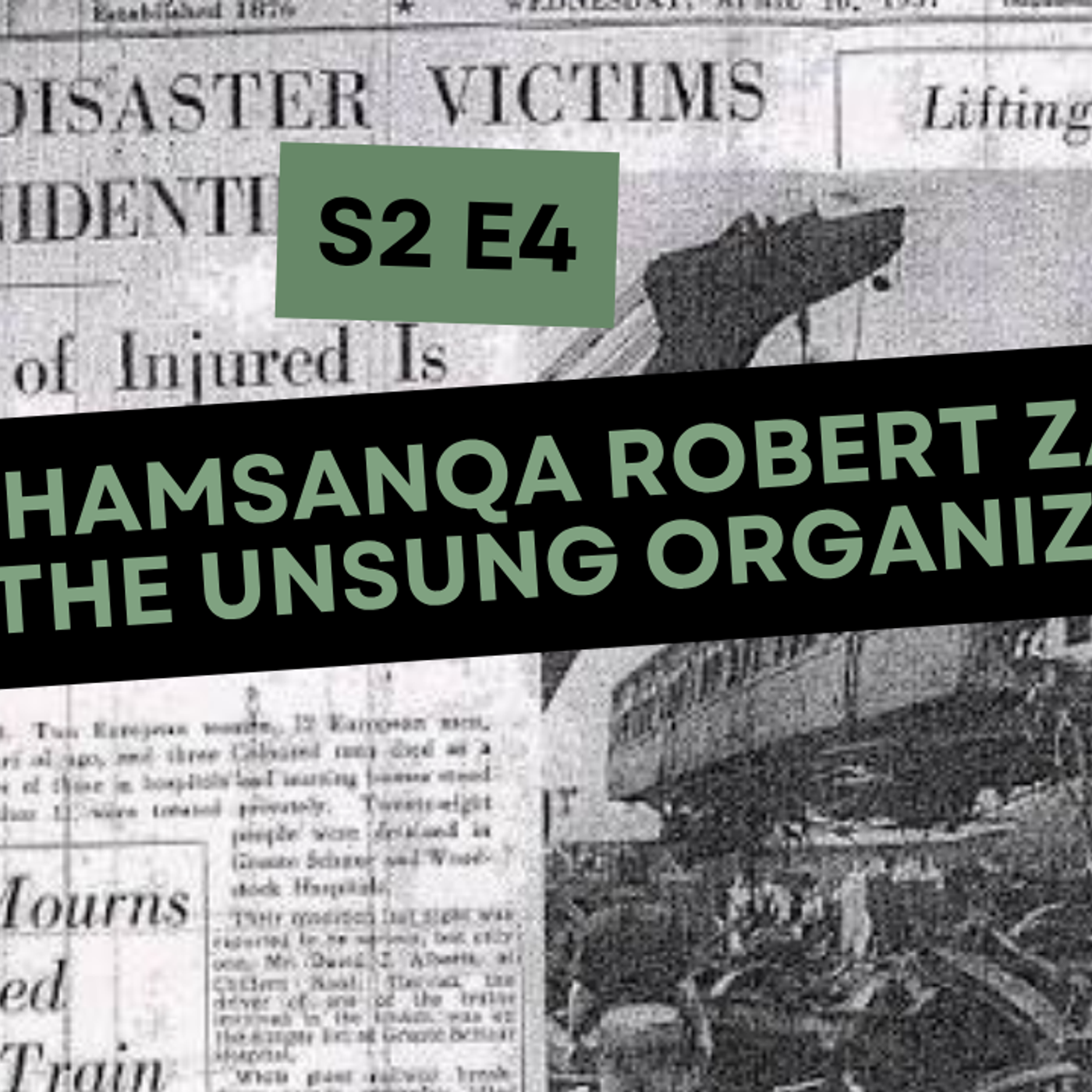
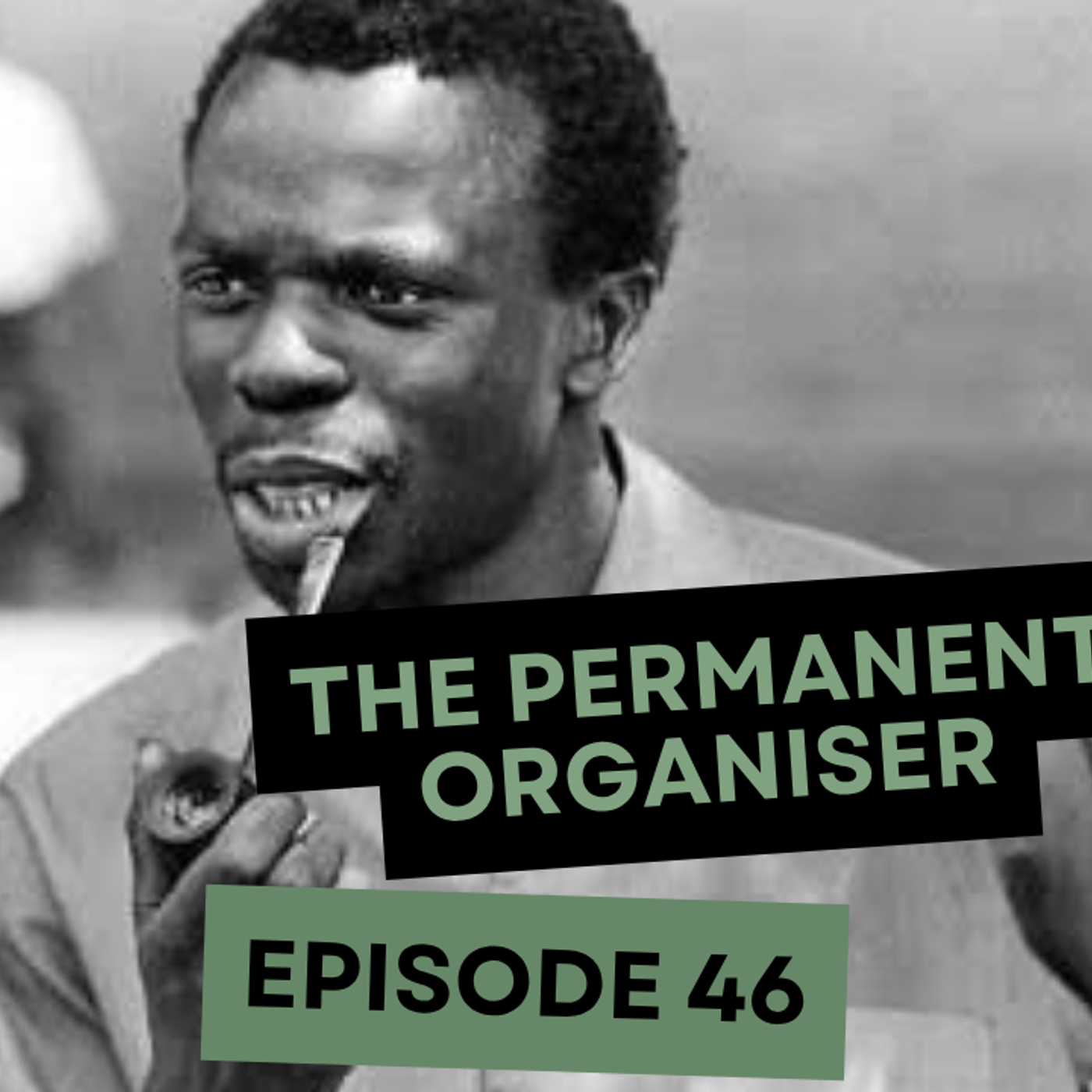
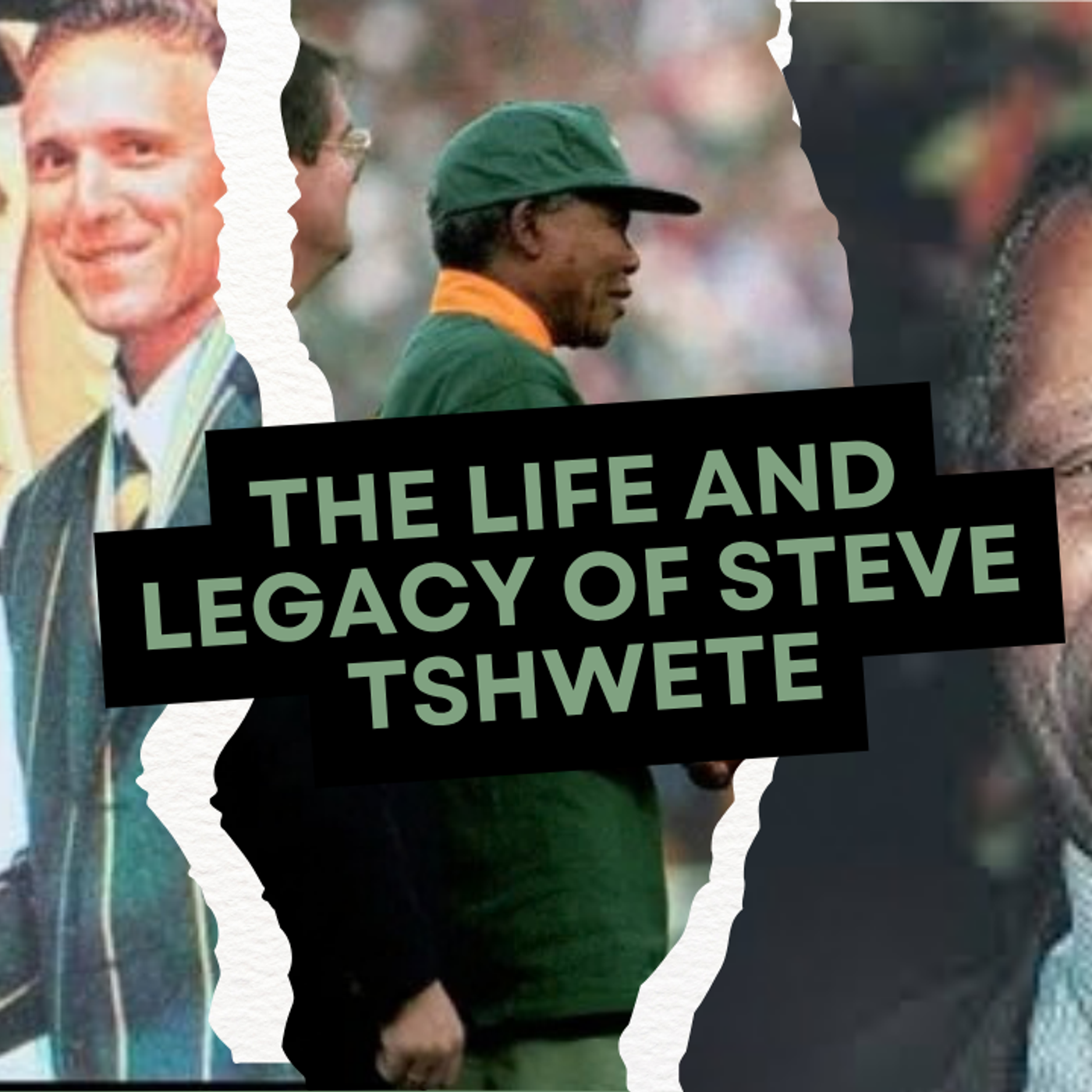
South Africa’s sporting unity did not happen by accident—it was built by a man who learned how to bridge seemingly impossible divides long before he held office. This episode explores how Steve Tshwete went from Robben Island prisoner and MK saboteur to a driving force behind non-racial sport and the reunification of South African sport. Rehana Levesque traces Tshwete’s journey from his childhood in Springs and early ANC organizing to 14 years on Robben Island. There, he helped build rugby leagues and bring Black Consciousness activists into conversation with the ANC through relationships, not force. Along the way, discover how sport became a political strategy, trust was built across ideological lines, and Tshwete earned the nickname “Mr Fix-It.” In this episode, you’ll hear: How Tshwete used rugby and athletics as tools of liberation—even inside Robben Island Why the Robben Island Rugby Board became an unexpected bridge between the ANC and the white sporting establishment How he helped open doors in cricket, rugby, and international sport during South Africa’s transition What made his leadership effective in moments of deep conflict How his work helped set the stage for Mandela’s iconic 1995 Springbok jersey moment This is a story about the work behind political transformation: years of patient negotiation, emotional intelligence, and the courage to make people across divides feel heard. Tshwete’s role reminds us that some of the most important victories aren’t won on the field, but through the difficult work of bringing people together.For anyone interested in South African history, the politics of sport, or the people behind national change, this is a powerful story of leadership, reconciliation, and the role sport can play in building a more united country. KEYWORDS South Africa, Steve Tshwete, sports diplomacy, liberation movement, apartheid, reconciliation, rugby, politics, history, leadership KEY TOPICS Steve Tshwete's role in South Africa's liberation The intersection of sport and politics during apartheid Building relationships across ideological divides The transformation of South African sports post-apartheid Tshwete's leadership in unifying racial sports organizations The significance of the 1995 Rugby World Cup Diplomacy through sport in international relations The role of personal warmth and emotional intelligence in leadership TAKEAWAYS Steve Tshwete's ability to build relationships was key to unifying South African sports. Sport was used as a diplomatic tool to foster national unity. Tshwete's leadership helped South Africa return to international sports after apartheid. Personal warmth and emotional intelligence are crucial in political leadership. The merger of different liberation movements was achieved through relationship building. Chapters 00:00 Introduction to Steve Tshwete's Impact 02:00 Tshwete's Early Life and Political Roots 03:58 Imprisonment and Building on Robben Island 06:52 Sport as a Tool for Resistance and Unity 12:05 Reintegration into South Africa and Political Leadership 16:05 Transforming South African Sports Post-Apartheid 20:07 The 1995 Rugby World Cup and Symbolic Reconciliation 22:05 Tshwete's Later Years and Legacy 23:01 Conclusion: The Man Who Made a Difference
- Transcript