Skip to content
Artwork for Occasional Digest
HistorySociety & CulturePlaces & Travel

Occasional Digest

Occasional Digest

Daily date-specific public/national holidays and observances: Short, informative captions announcing holidays in various countries, with brief explanations of their significance, history, or traditions. Examples from posts.

Play
  • 22 episodes
  • daily
  • Avg 2 min
  • English
Counted on this page — what you have heard stays on this device, so it is not something the list can be paged by.
  • Yesterday · 1 min

    Monday 21 September Founder’s Day (in lieu) in Ghana

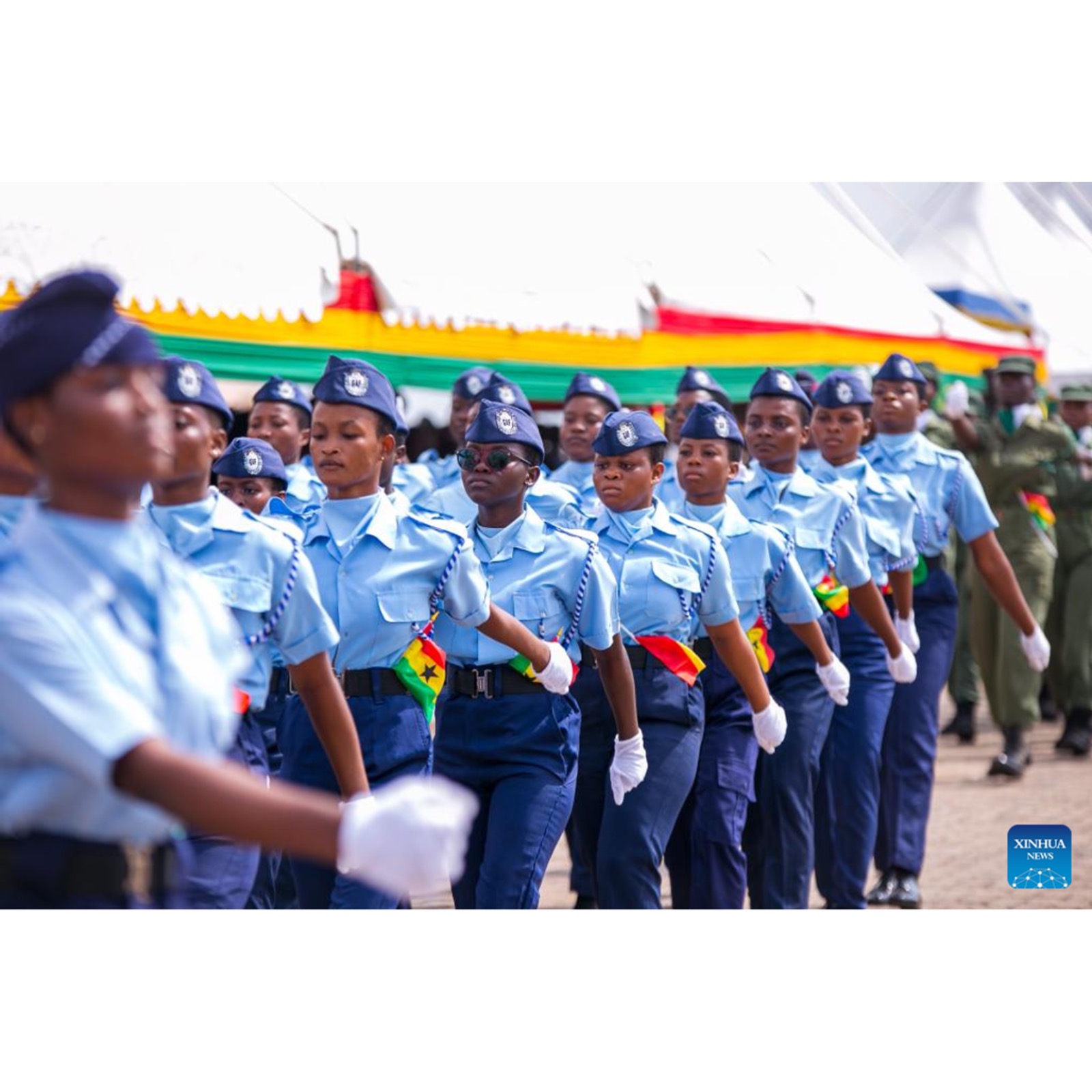
    This article highlights the historical significance of Founder's Day in Ghana, a public holiday established to honor the legacy of the nation's first president, Dr. Kwame Nkrumah. The text recounts Ghana's journey from a British colony known as the Gold Coast to becoming the first sub-Saharan African country to gain independence in 1957. It explains the symbolism of the national flag designed by Nkrumah and details his instrumental role in the country's liberation and early governance. Beyond historical analysis, the source provides contemporary updates on Ghanaian sports, including the reappointment of the national football coach. Finally, it situates these stories within a broader global news context, covering exchange rates and international political developments.

  • Sunday · 1 min

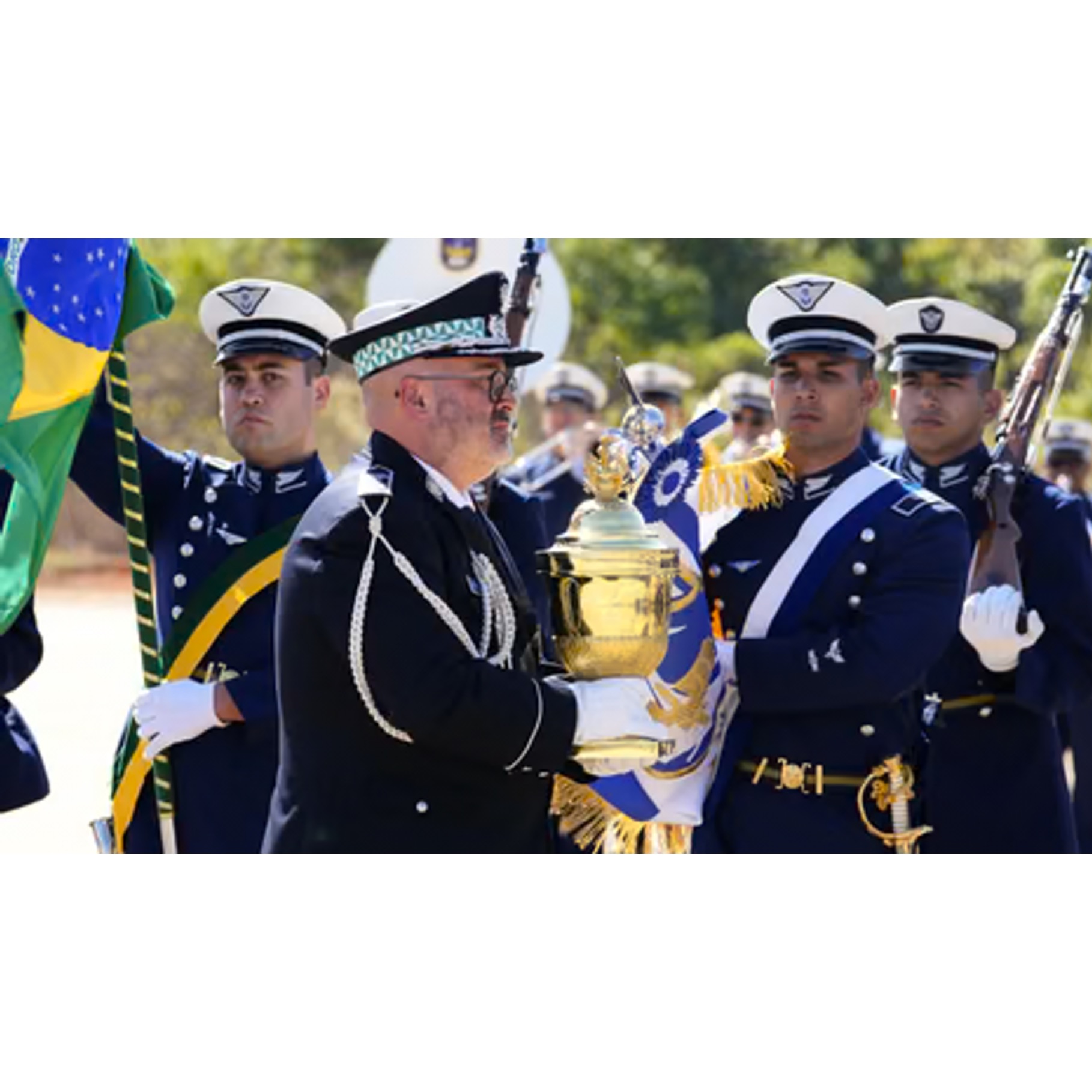
    Sunday 20 September Ragamuffin War Anniversary in Rio Grande do Sul

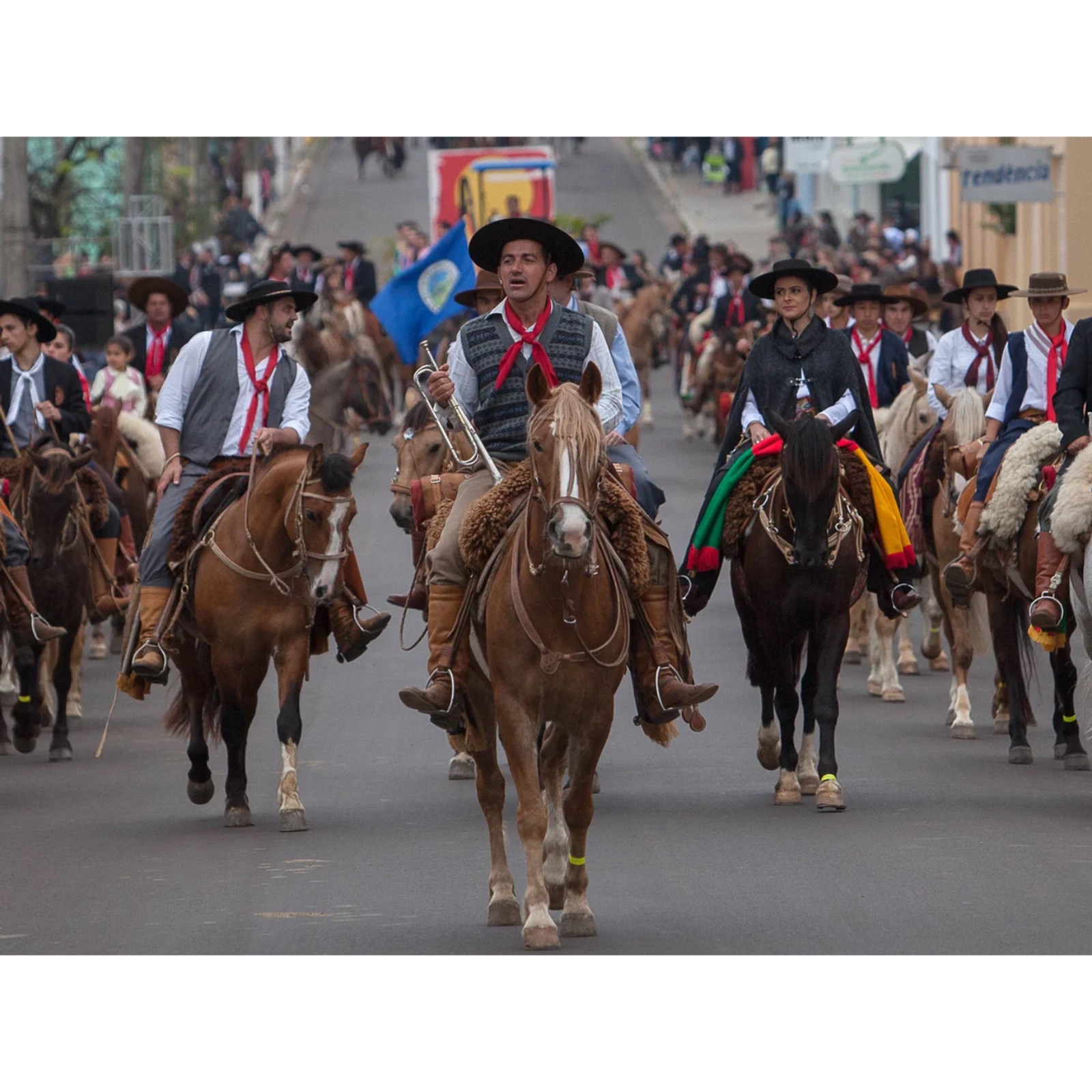
    Every September 20th, the Brazilian state of Rio Grande do Sul commemorates the Ragamuffin War, a historical decade-long struggle for independence that began in 1835. Although the separatist movement eventually failed, the conflict remains a massive point of regional pride and cultural identity for the local population. Modern celebrations involve extensive festivities, particularly in the capital of Porto Alegre, where residents set up traditional camps to honor gaucho customs. The provided text highlights how this anniversary serves as a major cultural holiday, overshadowed only by broader national events like Brazil's primary Independence Day. These excerpts from the Occasional Digest also provide a glimpse into other global news, including geopolitical tensions in the Middle East and additional historical milestones. In total, the source frames the Farroupilha Revolution as a defining moment that continues to shape the spirit of Southern Brazil.

  • Saturday · 1 min

    Saturday 19 September Day of the Glories of the Chilean Army in Chile

    The provided text details the history and significance of the Day of the Glories of the Chilean Army, a national holiday celebrated annually on September 19th. This observance originated from military parades that began in 1810 and was formally established as a holiday in 1915 to honor the bravery of soldiers throughout the nation's history. The source highlights key historical milestones, such as the creation of the National Army and the development of O’Higgins Park, which serves as the traditional site for modern military exercises. Additionally, the text clarifies that this event is distinct from the Chilean Navy's specific commemorative day held in May. Today, the holiday serves as a tribute to the professionalism and technological advancement of Chile's land forces.

  • Friday · 1 min

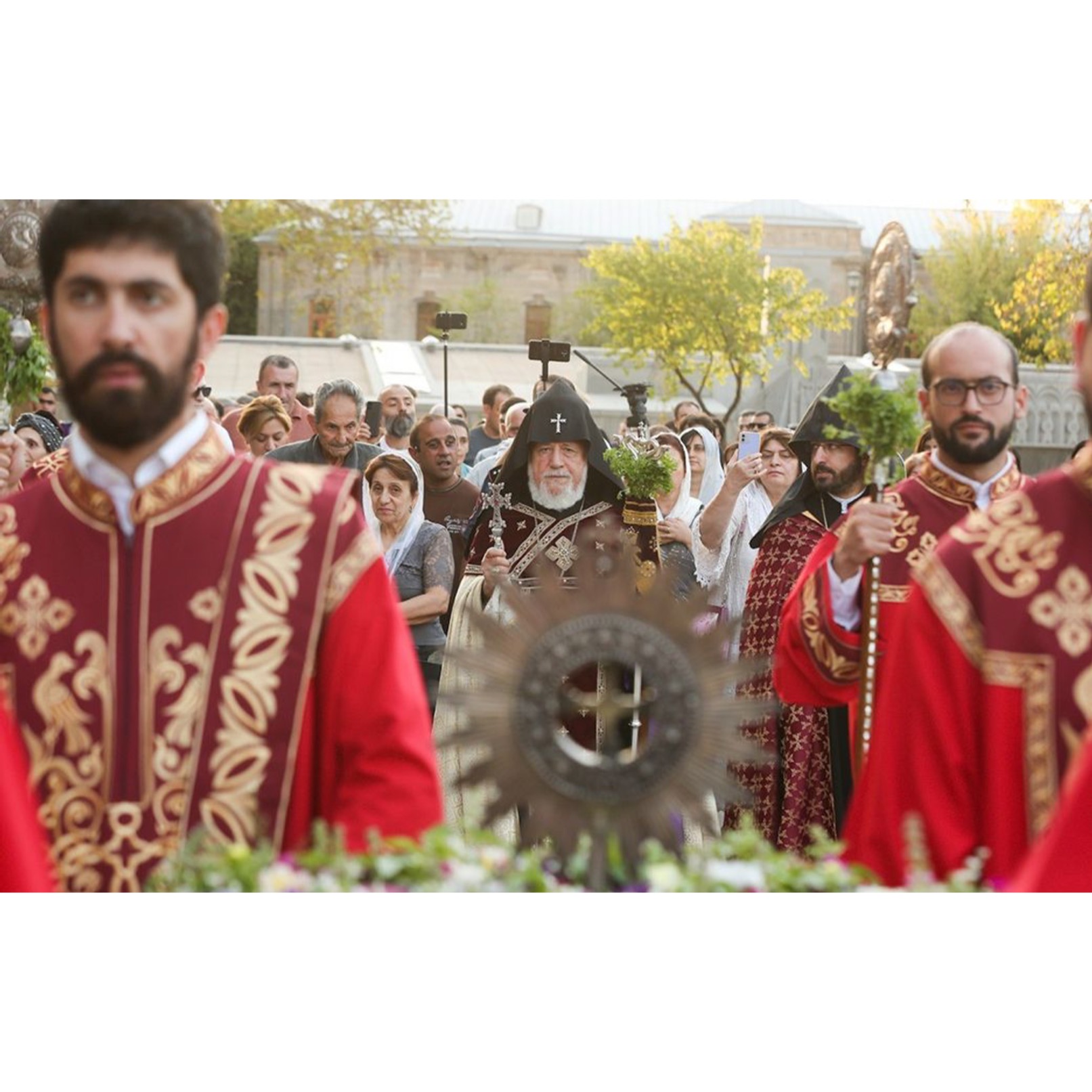
    Friday 18 September Exaltation of the Holy Cross in Armenia

    This article details the history and observance of the Exaltation of the Holy Cross within the Armenian Apostolic Church. It describes how the sacred relic was recovered from Persian forcesin the 7th century and carried through Armenia during its return to Jerusalem. The text emphasizes Armenia's status as the first nation to adopt Christianity and highlights the importance of Merelots, or Remembrance Days of the Dead. These memorial days occur following five major religious feasts, including the celebration of the Holy Cross. Beyond religious history, the source provides a snapshot of global news and current events from September 2026.

  • Friday · 1 min

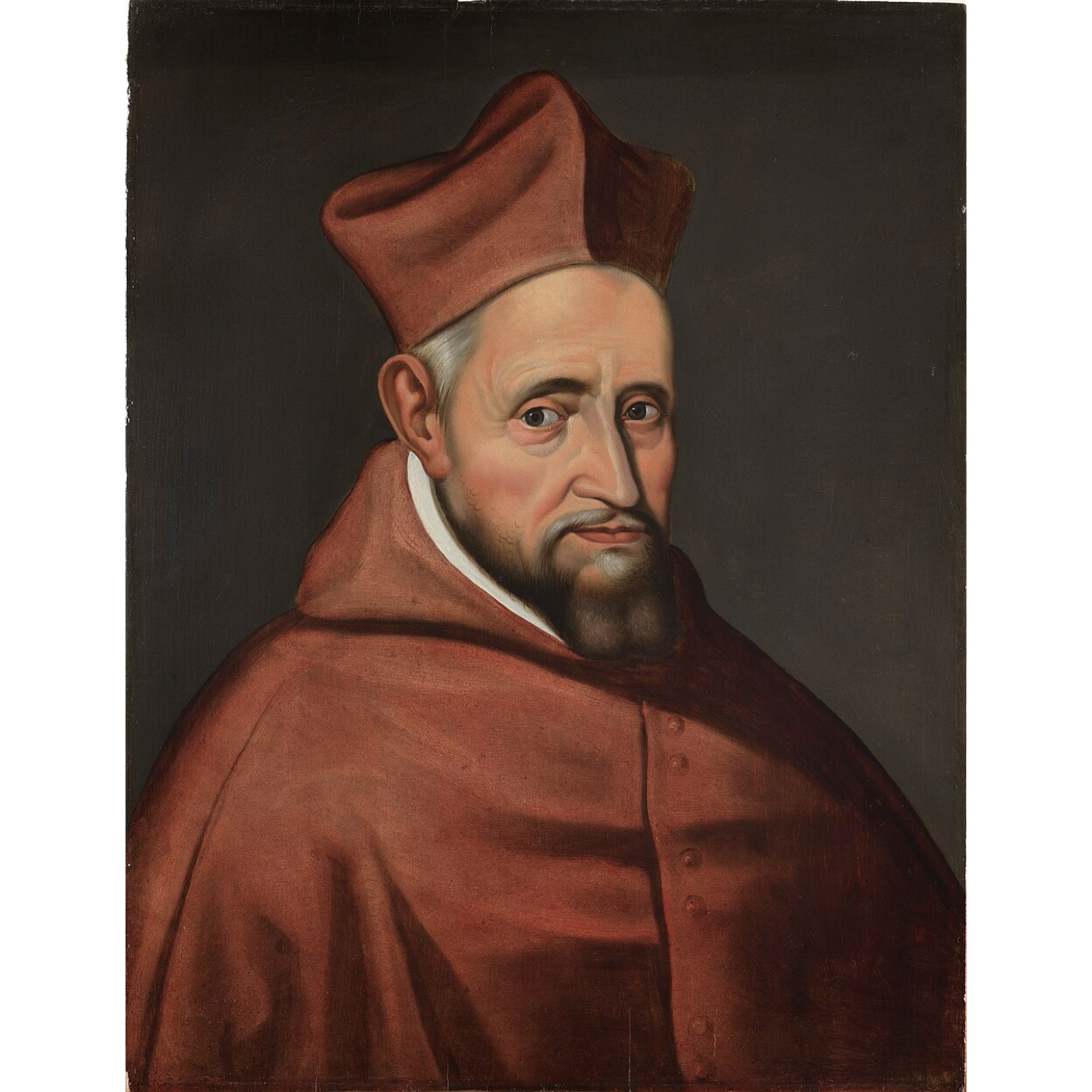
    Thursday 17 September St Robert Bellarmine’s Day in Vatican City

    The provided text from Occasional Digest explores the significance of St. Robert Bellarmine’s Day in Vatican City, specifically in the context of the fictional or future Pope Leo XIV. This new pontiff, formerly known as Robert Francis Prevost, shares a name day with the 16th-century Jesuit scholar and intellectual. The article details Bellarmine's historical contributions, such as his work on the Vulgate Bible and his role in the judicial proceedings against Galileo. Beyond religious history, the source functions as a news aggregator, displaying global exchange rates and weather for London. It also highlights various contemporary news snippets ranging from international diplomacy and political appointments to sports updates and celebrity gossip. In summary, the source blends theological history with a broad overview of global current eventsfrom September 2026.

  • Wednesday · 1 min

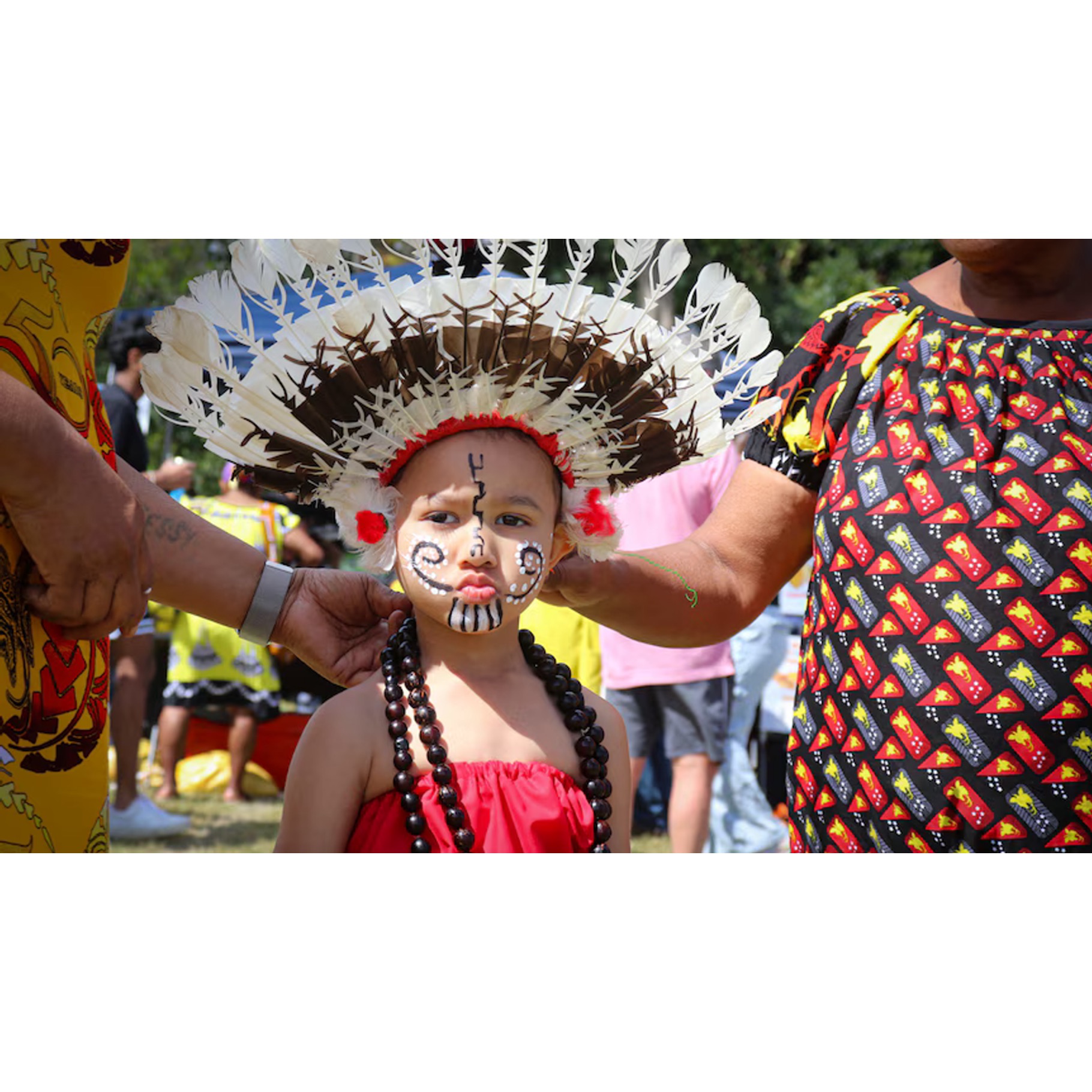
    Wednesday 16 September Independence Day in Papua New Guinea

    This text from Occasional Digest provides a historical and cultural overview of Papua New Guinea in honor of its Independence Day on September 16th. The article outlines the nation's journey from early European exploration and colonial division by Britain and Germany to its eventual administration by Australia. It highlights the country's unique identity as the world's most linguistically diverse nation, boasting 850 distinct languages and various official tongues. Additionally, the source notes significant milestones such as the unification of territories after World War II and the achievement of full sovereignty in 1975. Beyond history, the digest includes brief mentions of National Repentance Day, local wildlife, and global news headlines ranging from artificial intelligence to international sports.

  • September 15 · 1 min

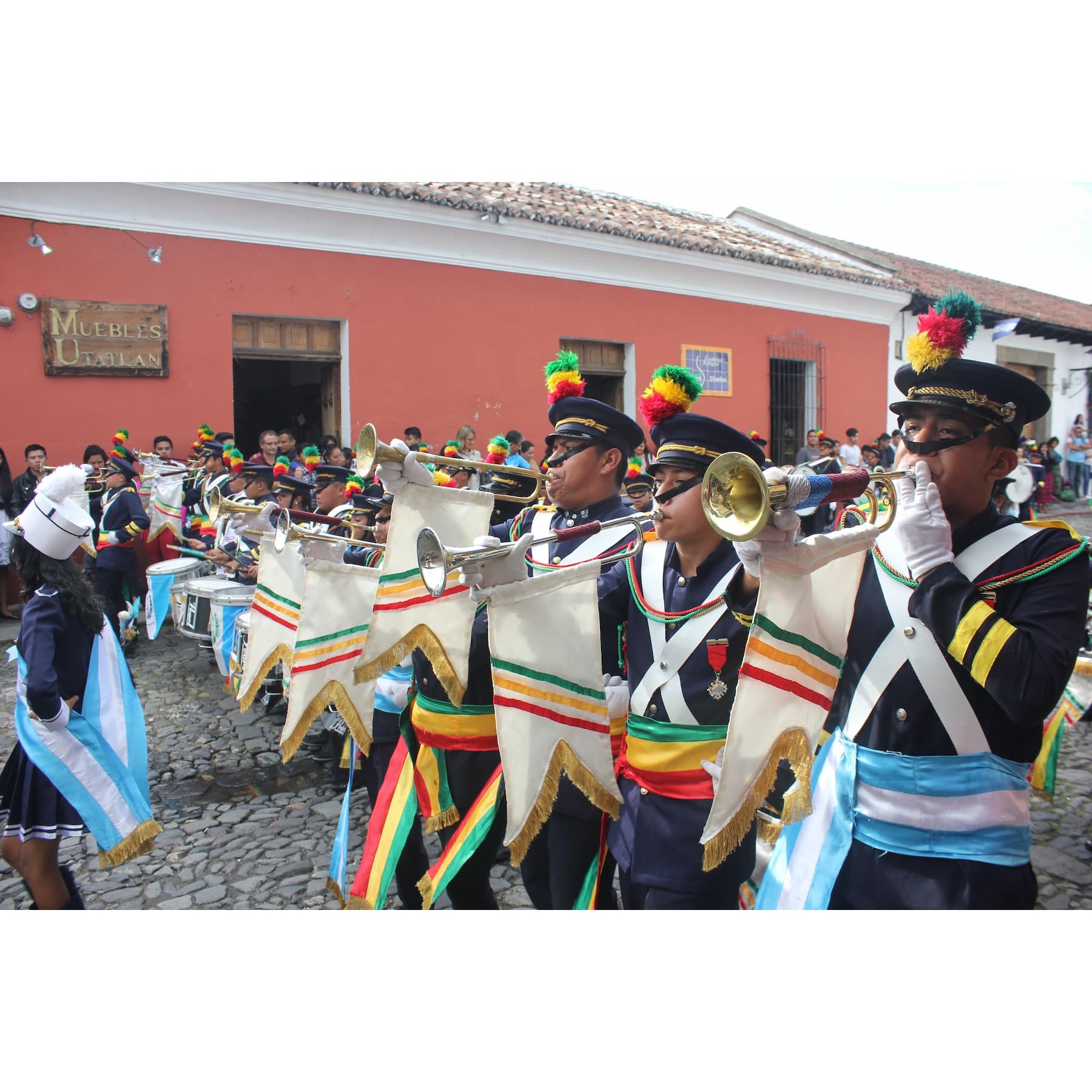
    Tuesday 15 September Independence Day in Guatemala

    This news digest provides a historical retrospective on Guatemala’s journey to sovereignty, marking its Independence Day on September 15. The text explores the nation’s pre-colonial rootsas the center of Maya civilization and its eventual Spanish conquest, alongside its contributions to global agriculture through crops like corn and avocados. It further explains how the weakening of the Spanish monarchy during the Napoleonic era paved the way for the 1821 Act of Independence. Beyond historical analysis, the source includes contemporary news updatesregarding immigration issues in Spain, deportation statistics in Central America, and international political developments. This compilation serves as both a cultural tribute to Guatemalan heritage and a brief report on current global affairs.
  • September 14 · 1 min

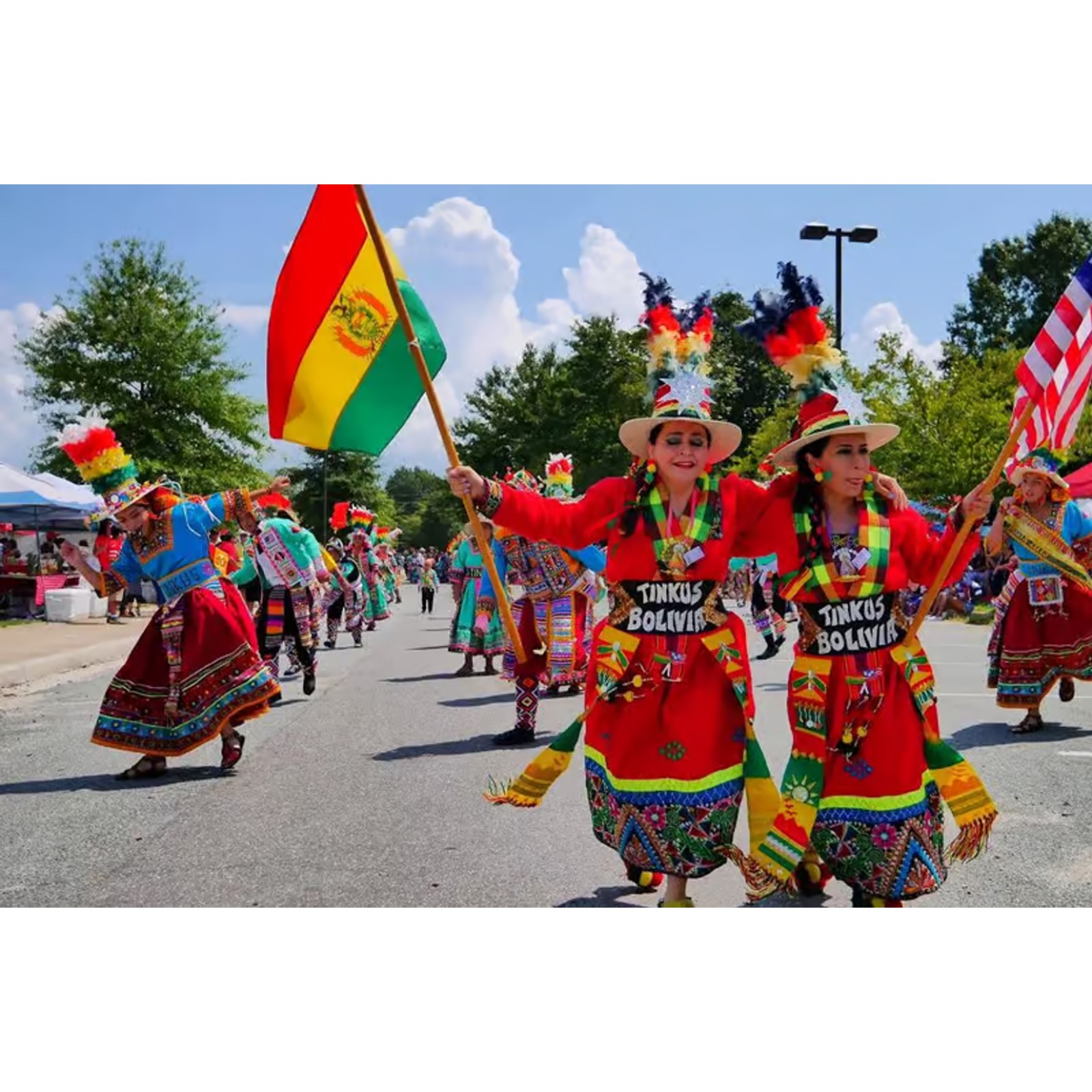
    Monday 14 September Cochabamba Day (in lieu) in Cochabamba

    The provided text outlines the historical origins and modern observance of Cochabamba Day, a significant regional holiday in Bolivia. It explains that while the settlement was first established as Villa de Oropesa in 1571, the official anniversary honors a second foundation that occurred on September 14, 1574. The city eventually reclaimed its original Incan name, which describes a landscape defined by small lakes, and was formally elevated to city status in the late 18th century. Today, this date remains a point of civic pride, commemorated through public holidays and the naming of the city’s central plaza. Additionally, the article notes that the broader Cochabamba Department was legally organized several decades after these colonial beginnings in 1826.

  • September 13 · 1 min

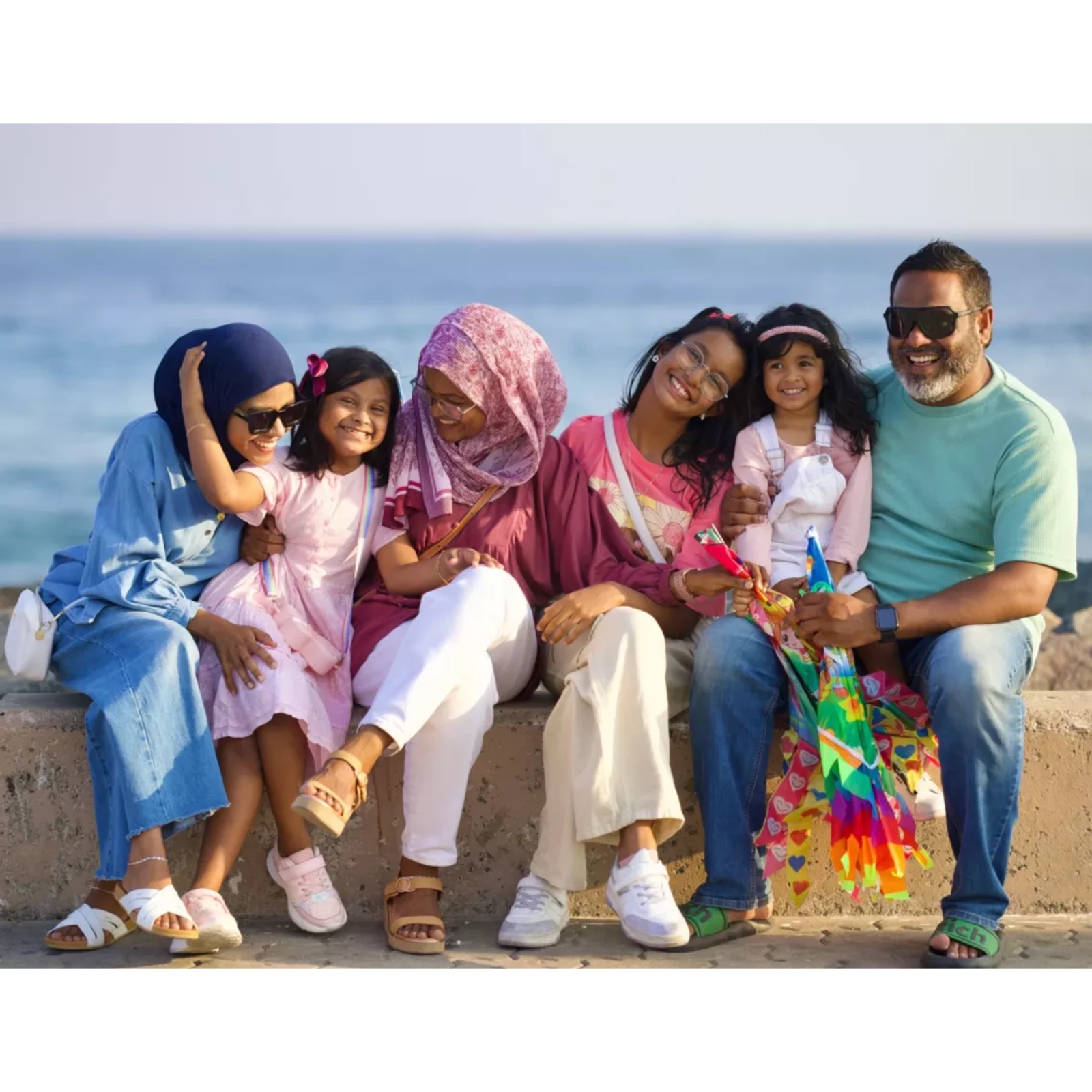
    Sunday 13 September The Day Maldives Embraced Islam in Maldives

    This text details the historical transition of the Maldives from Buddhism to Islam during the 12th century. According to the source, a Moroccan scholar named Abul Barakat Yoosuf Al Barbarysuccessfully converted the local monarch in 1153 AD, leading to the widespread adoption of the faith across the islands. The narrative highlights the importance of the Hukuru Mosque and the presence of the scholar’s tomb in the capital of Malé. It further explains that Islam is now the official state religion of the country, which is recognized as the world's smallest Muslim nation. Additionally, the article outlines the evolution of the national holiday known as The Day Maldives Embraced Islam, noting its formal establishment in 2001.

  • September 12 · 1 min

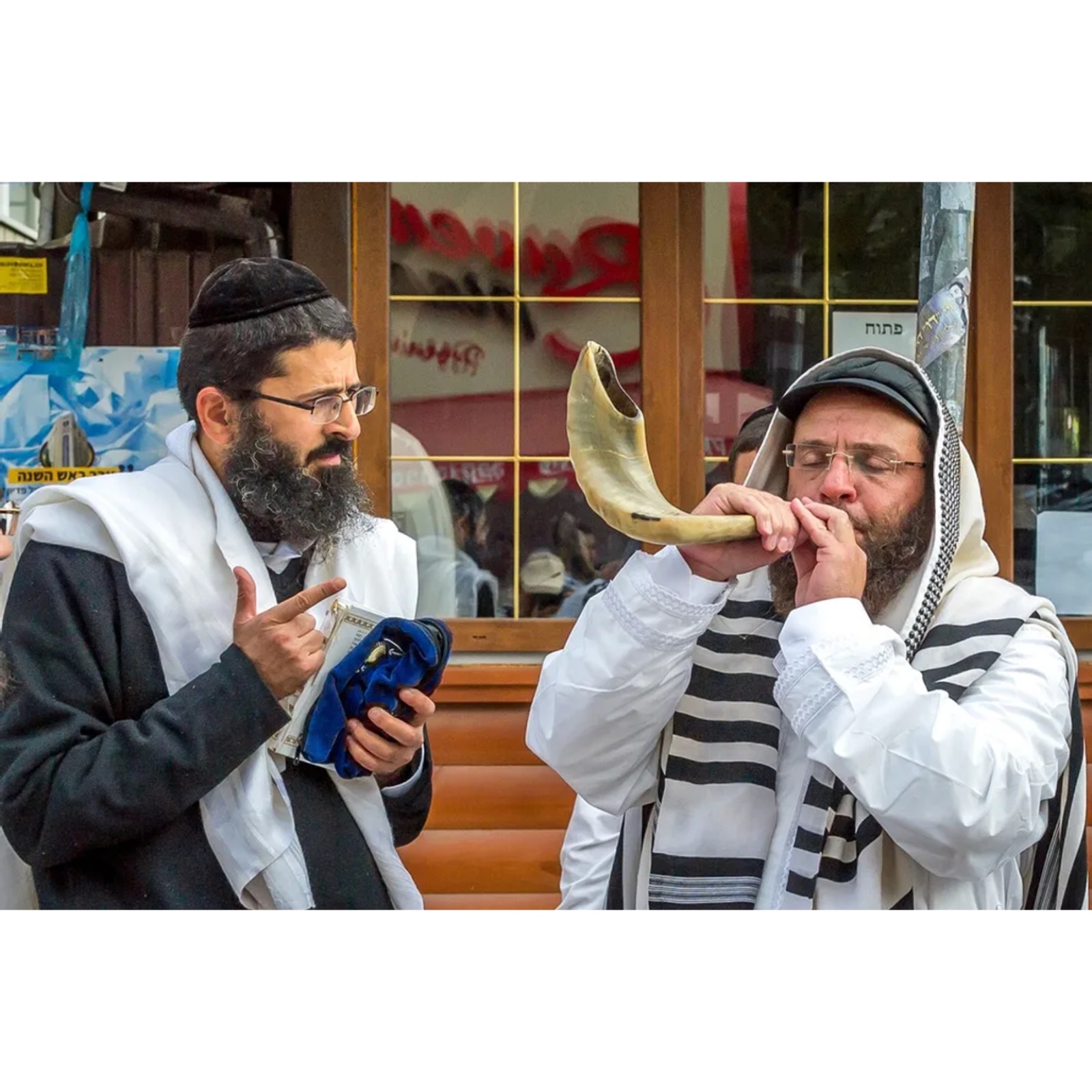
    Saturday 12 September Rosh Hashanah in Israel

    This source provides a comprehensive look at the Jewish holiday of Rosh Hashanah, highlighting its multifaceted significance as a time of judgment, remembrance, and celebration. It explains the traditional customs associated with the New Year, including the blowing of the shofar and the consumption of sweet foods to symbolize a positive year ahead. Beyond the festivities, the text emphasizes the Days of Awe, a period dedicated to introspection and repentance for past transgressions. Additionally, the digest includes brief mentions of current global events, such as geopolitical tensions in the Middle East and debates regarding Jewish identity and legislation. Overall, the document serves as both a cultural guide to a major religious observance and a summary of contemporary international news.

  • September 11 · 1 min

    Friday 11 September Ethiopian New Year around the world

    The provided source describes the unique structure and cultural significance of the Ethiopian calendar, which remains several years behind the standard Gregorian system. This specialized timekeeping method consists of thirteen months, including a final short month used to account for remaining days and leap year calculations. The text highlights Enkutatash, the Ethiopian New Year, explaining how the holiday commemorates both the legendary return of the Queen of Sheba and the arrival of vibrant yellow flowers at the end of the rainy season. To celebrate, families gather for a week of festivities that begin with the lighting of traditional wooden torches to welcome a period of sunshine. Collectively, the article serves as an overview of how historical traditions and solar cycles shape this distinct East African observance.

  • September 10 · 59 sec

    Thursday 10 September Jeûne genevois in Geneva

    The provided text details the history and modern observance of Jeûne genevois, a traditional public holiday in Geneva, Switzerland. Originally rooted in religious fasts to support persecuted Protestants during the 16th century, the occasion has evolved from a spiritual requirement into a recognized regional day of rest. Although the strict fasting practices of the past have largely faded, the local community continues to celebrate by consuming traditional plum pies. Beyond this cultural focus, the source functions as a broader news digest, featuring information on international exchange rates and diverse global headlines. These headlines cover topics ranging from political events in the United States and Ukraine to health technology regulations and international sports results.

  • September 9 · 1 min

    Wednesday 9 September Independence Day in Tajikistan

    This article outlines the historical journey of Tajikistan toward its official Independence Day on September 9th. It details how the nation transitioned from centuries of foreign rule and Russian conquest to its status as a Soviet republic. Despite decades of USSR administration, the Tajik people maintained a strong national identity, eventually declaring sovereignty in 1991 following a period of political unrest. Additionally, the text provides cultural context regarding the capital city, Dushanbe, while offering a broader snapshot of global news, travel tips, and economic datafrom the same period. This summary serves as both a historical record and a contemporary news digest for the Central Asian region.

  • September 8 · 1 min

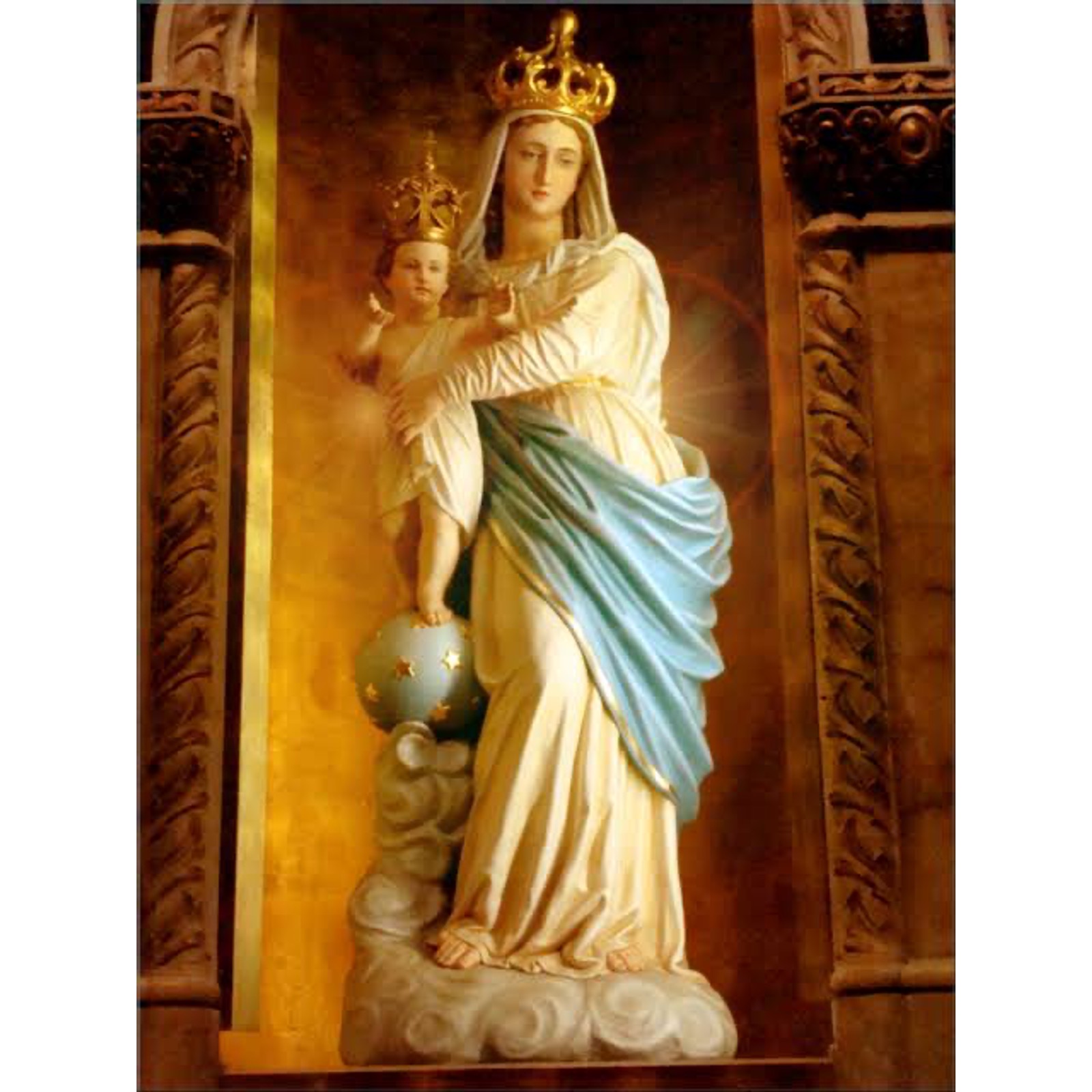
    Tuesday 8 September Feast of Our Lady of Victories around the world

    This article provides a historical and theological overview of the Nativity of Mary, a feast celebrated on September 8th. The author explains that while the Bible does not record Mary's birth, the tradition stems from second-century apocryphal writings detailing her parents, Joachim and Anne. The celebration began in fifth-century Jerusalem at the Basilica of Saint Anne and eventually spread through the Byzantine Empire to Rome and Western Europe. Notably, Mary is one of only three figures in Christianity whose actual birth is honored with a feast day because she was born without original sin. Although historically significant, the event is now sometimes overshadowed by the Feast of the Assumption in August. Additionally, the source mentions various contemporary global headlines spanning politics, military technology, and entertainment to provide a broader news context for the date.

  • September 7 · 1 min

    Monday 7 September Independence Day in Brazil

    This text provides a historical overview of Brazil’s Independence Day, which is celebrated annually on September 7th. It details how Dom Pedro I, the son of the Portuguese monarch, famously broke away from Portugal in 1822 by the Ipiranga River. The narrative explains that the Portuguese royal family had previously relocated to South America to escape a French invasion, eventually elevating Brazil's political status. Following the official declaration of sovereignty, Dom Pedro Itransitioned from a royal prince to the first emperor of the newly independent nation. The source also includes a broader snapshot of current events and global news headlines from the same date in 2026.

  • September 6 · 1 min

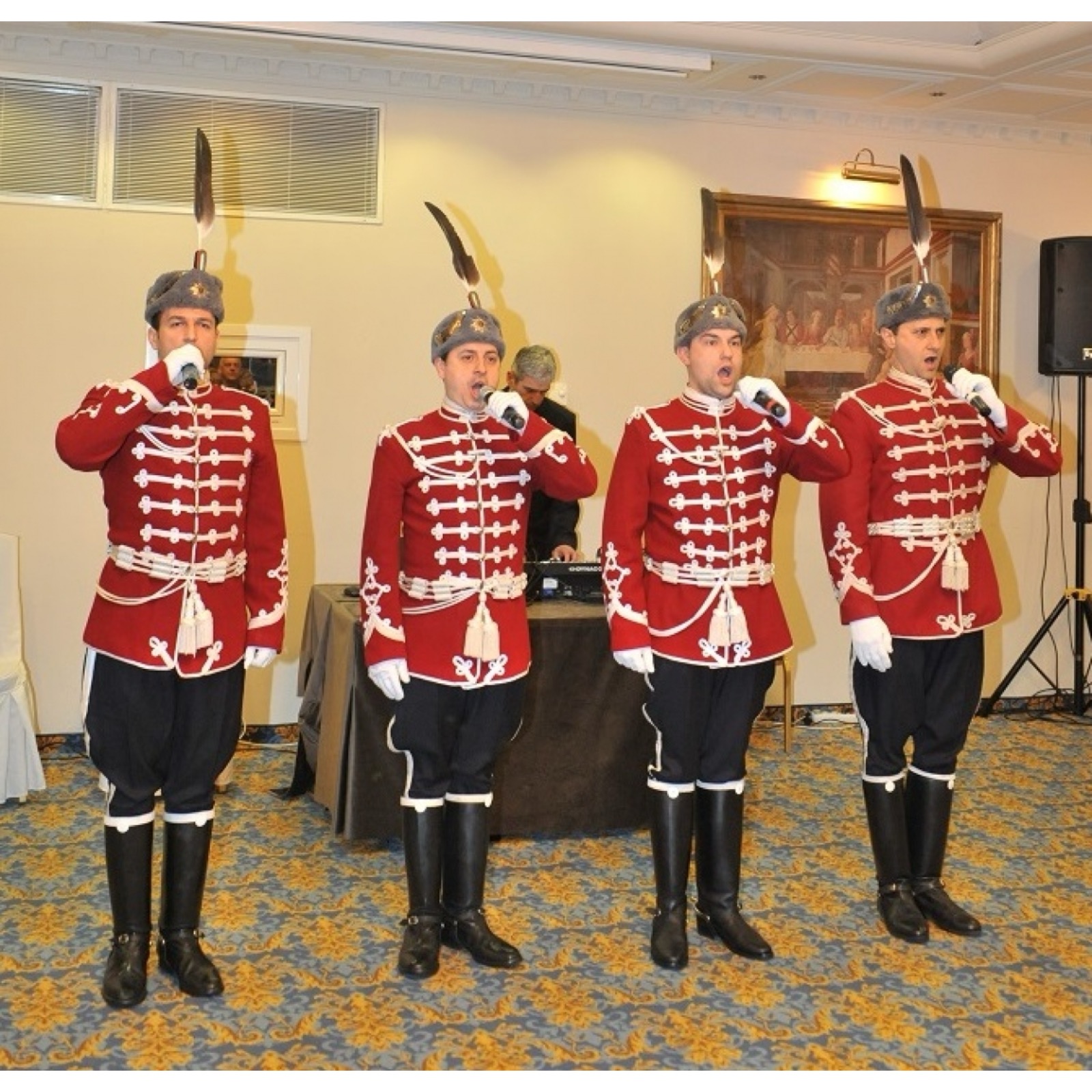
    Sunday 6 September Unification Day in Bulgaria

    This article outlines the historical significance of Unification Day in Bulgaria, a holiday celebrating the 1885 merger of the country with Eastern Rumelia. The source explains that after centuries of Ottoman rule, a peace treaty briefly established a large Bulgarian state before international powers divided the territory once again. This partition led to years of civil unrest and organized resistance against the decision to keep the southern region under foreign influence. The narrative culminates in the successful revolutionary actions in Plovdiv that joined the two regions together. Ultimately, the text highlights how this pivotal event remains a cornerstone of Bulgarian national identity and history.

  • September 5 · 1 min

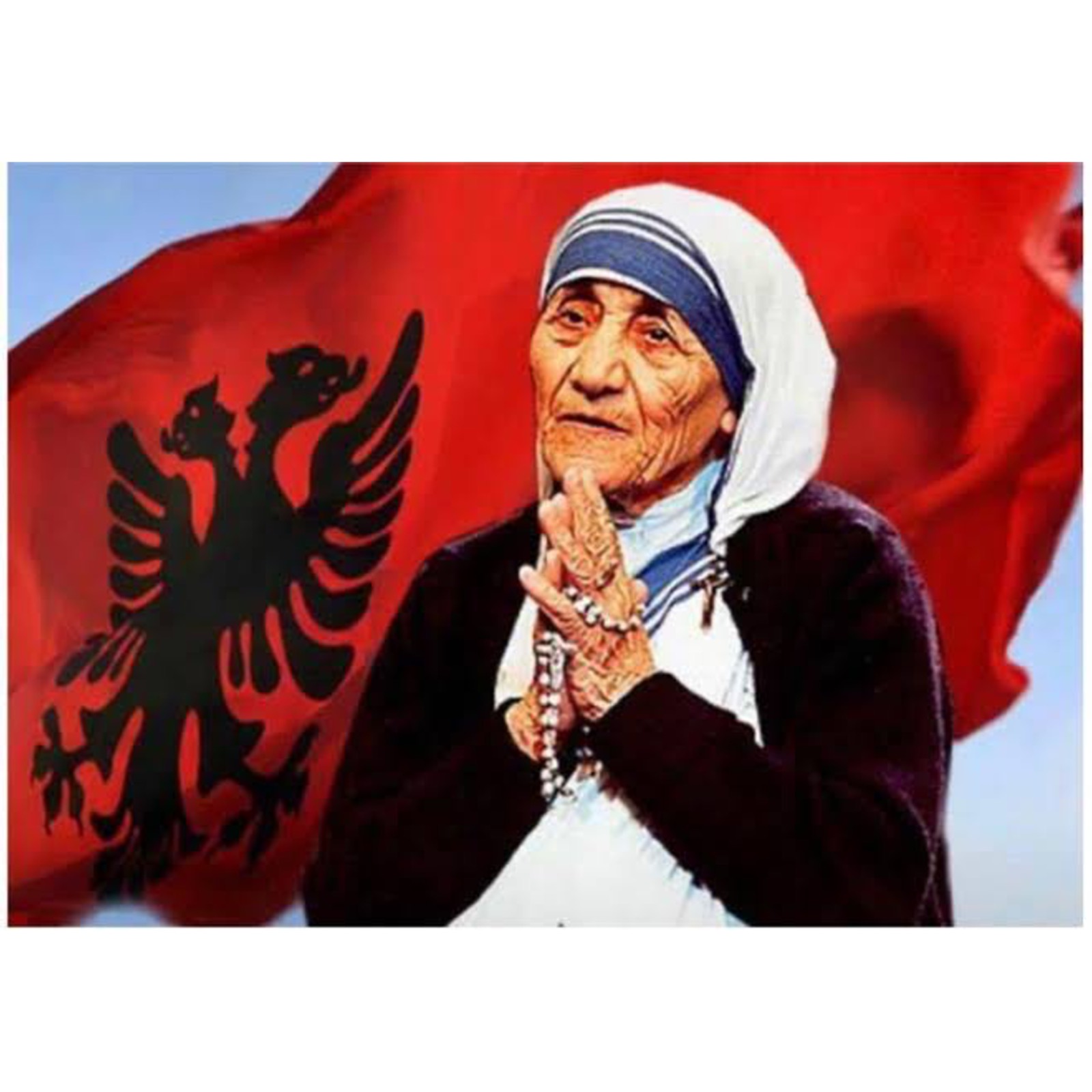
    Saturday 5 September Saint Teresa Canonisation Day in Albania

    This article commemorates Saint Teresa Canonisation Day in Albania, highlighting the life and global impact of the famous humanitarian. It tracks her journey from her Albanian heritage and birth in the Ottoman Empire to her transformative work in India where she founded the Missionaries of Charity. The text emphasizes her organization's dedication to serving the destitute and suffering across over one hundred countries through various medical and social programs. Recognized with the Nobel Peace Prize, her legacy is defined by a commitment to extreme poverty and religious devotion. Additionally, the source provides a snapshot of global news and financial data from early September 2026.

  • September 4 · 1 min

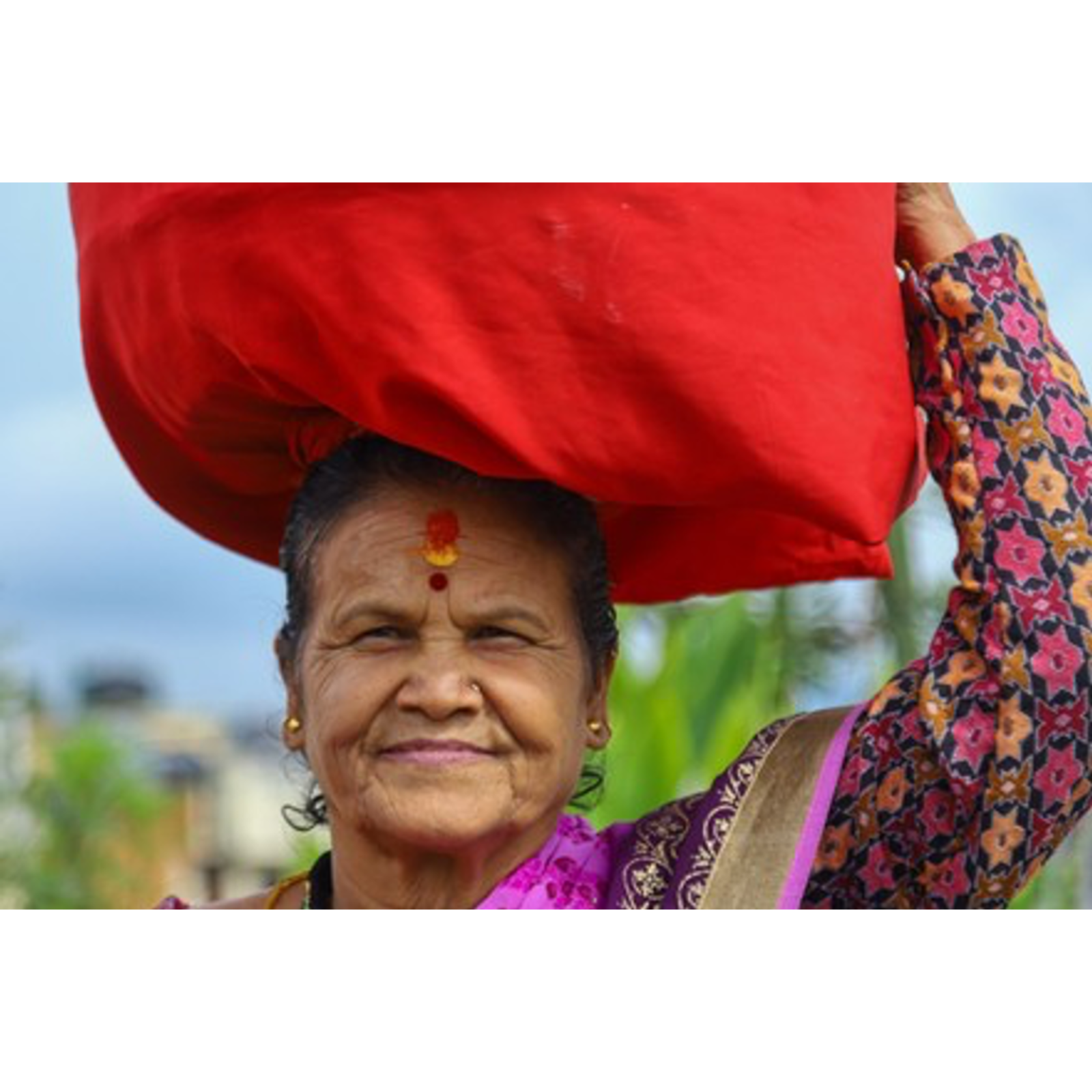
    Friday 4 September Gaura Festival in Nepal

    The Gaura Festival is a significant three-day Hindu celebration in Nepal that honors the deities Shiva and Gauri. Observed primarily in the western regions, the event begins on the birth anniversary of Lord Krishna and involves married women participating in specialized rituals. These women create grass idols, perform traditional songs, and observe fasts to seek longevity and health for their husbands. A central cultural highlight is the Deuda dance, where participants form a circle and move to rhythmic folk music. The festival serves as a tribute to divine reincarnationand remains a vital public holiday that preserves Nepalese spiritual heritage.

  • September 3 · 57 sec

    Thursday 3 September Foundation Day in San Marino

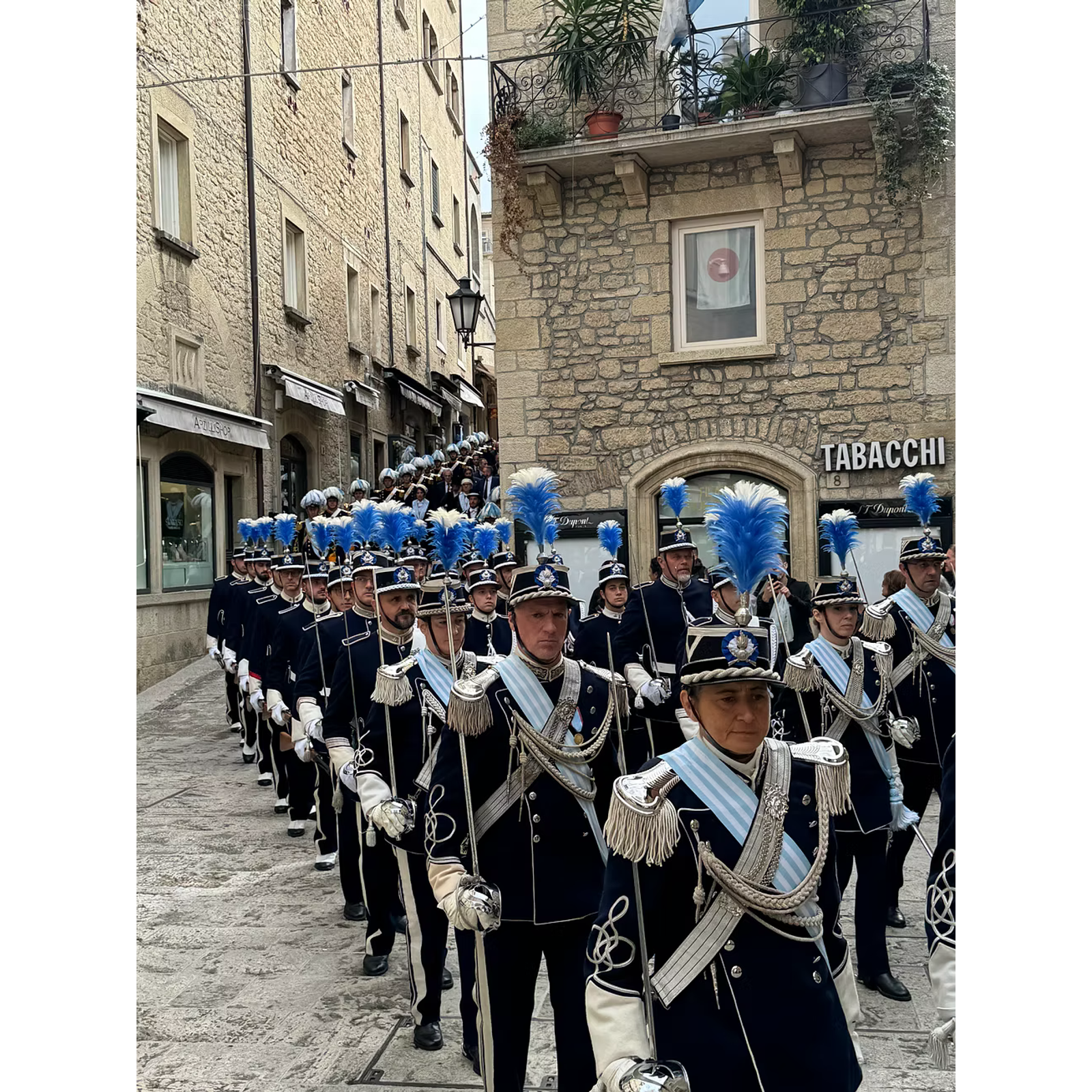
    This article provides a historical and cultural overview of San Marino, recognized as the oldest existing state in Europe and the world's smallest republic. It details the nation’s origins with Saint Marinus, a Christian stonemason who established a mountain sanctuary on Monte Titano to escape religious persecution by the Roman Empire. Beyond its foundational history, the text highlights the country’s unique status as a landlocked enclave completely surrounded by Italy. Practical travel insights are included, describing the region as a picturesque, lesser-known destination characterized by its medieval architecture and rolling hills. Additionally, the source notes contemporary facts, such as the high density of motor vehicles relative to its population. The compilation also touches on modern events, including sporting competitions and international news, to provide a broader context of the region's current affairs.

  • September 1 · 6 min

    Tuesday 1 September Ceuta Day in Ceuta

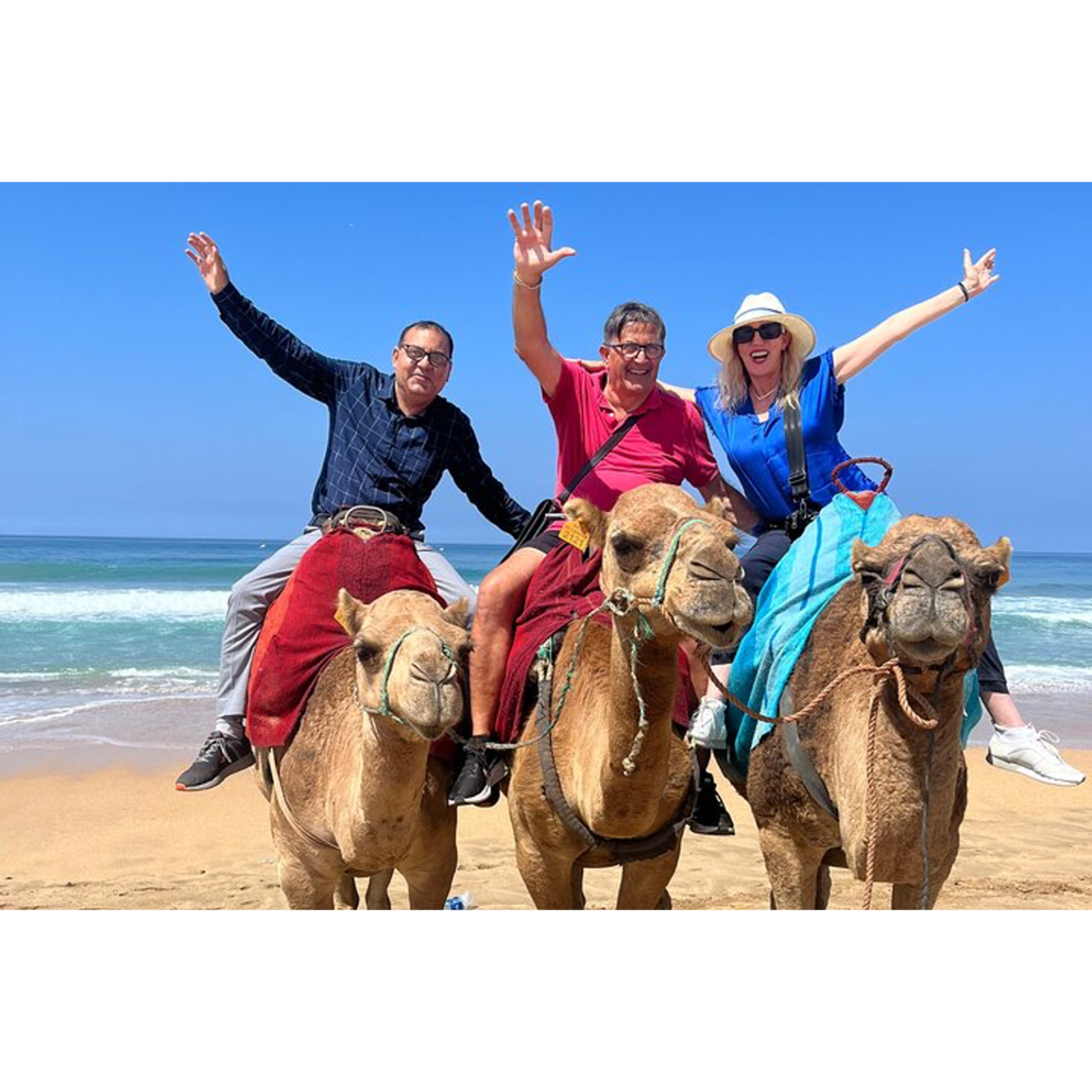
    The provided text explores the historical and geopolitical significance of Ceuta, a Spanish enclave on the North African coast. It highlights the city's complex colonial past, detailing how it transitioned from Portuguese conquest in 1415 to official Spanish rule via the 1668 Treaty of Lisbon. The source explains the origin of the region's local flag and why its official holiday, Ceuta Day, is observed annually in early September. Furthermore, the digest addresses modern challenges, reporting on the thousands of migrants attempting to enter the territory from Morocco to reach Europe. The publication also touches on global news and sports, including football updates and international currency exchange rates. Together, these excerpts provide a snapshot of Ceuta as a strategic cultural crossroads facing contemporary humanitarian pressures.

Showing 1–20 of 22 episodes