Skip to content
Artwork for KLASSIKOM=Innovations in classical music
MusicSociety & Culture

KLASSIKOM=Innovations in classical music

Rudolph Tang

By award-winning music critic Rudolph Tang direct from China. Salty maybe, boring never.

klassikom.substack.com
Play
  • 45 episodes
  • daily
  • Avg 9 min
  • English
Counted on this page — what you have heard stays on this device, so it is not something the list can be paged by.
  • Yesterday · 5 min

    Classical Music Is Not Romantic

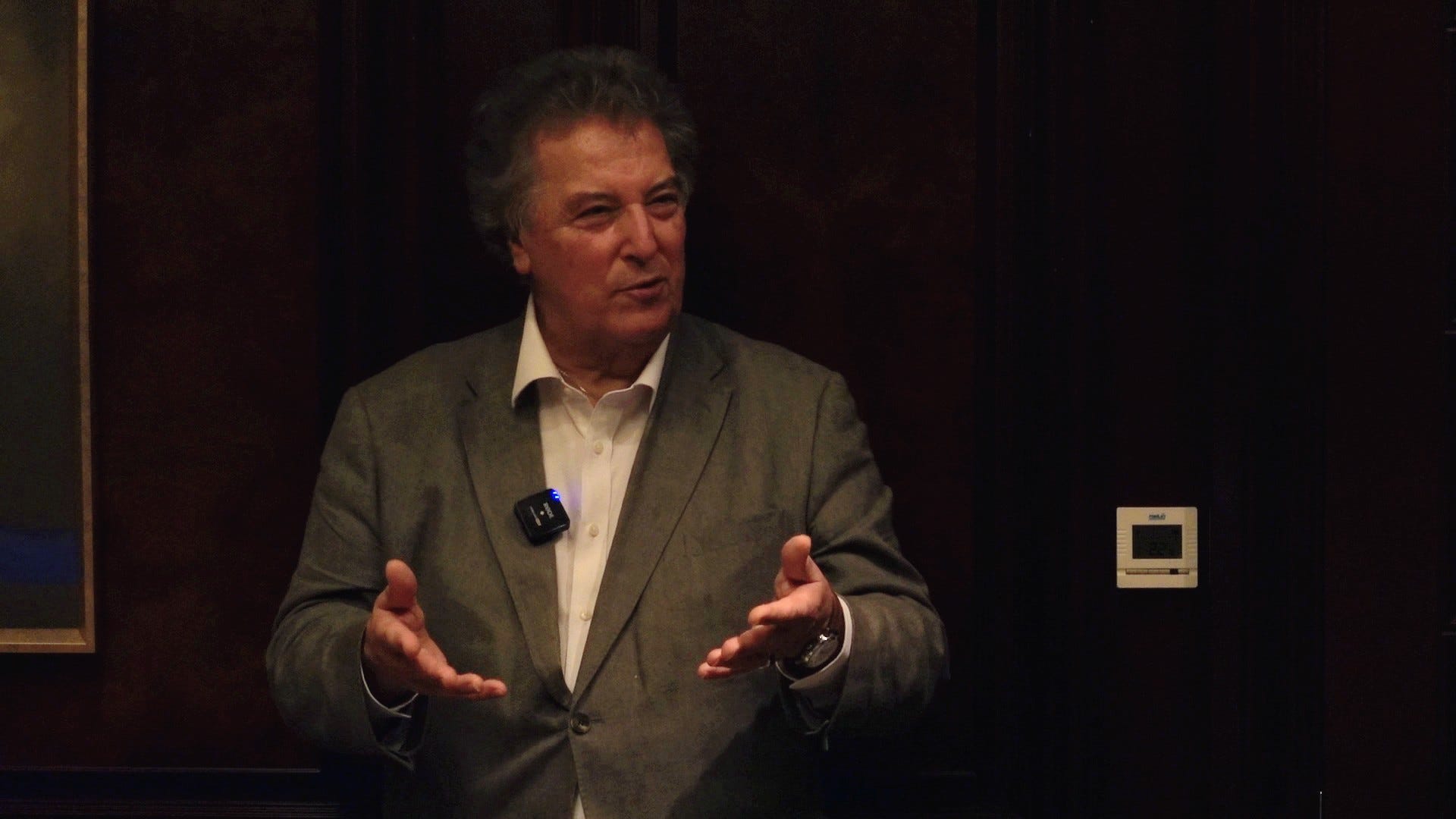
    Hosted by the Shanghai Philharmonic Orchestra, Swiss conductor Michel Tabachnik gave a lecture to members of the orchestra’s loyalty scheme last week, shortly before his appearance with SPO at Shanghai Symphony Hall in a programme of Haydn and Mahler. During the talk, which was live-streamed, he addressed a series of issues about music appreciation and the music he would conduct in Shanghai. Here’s in this video, he weighed in on the style of Haydn’s symphonies. Filmed on November 13, 2026 in Shanghai. This is a public episode. If you would like to discuss this with other subscribers or get access to bonus episodes, visit klassikom.substack.com

    • Transcript
  • Monday · 3 min

    China Needs Both Bel Canto Mastery and Homegrown Masterpieces

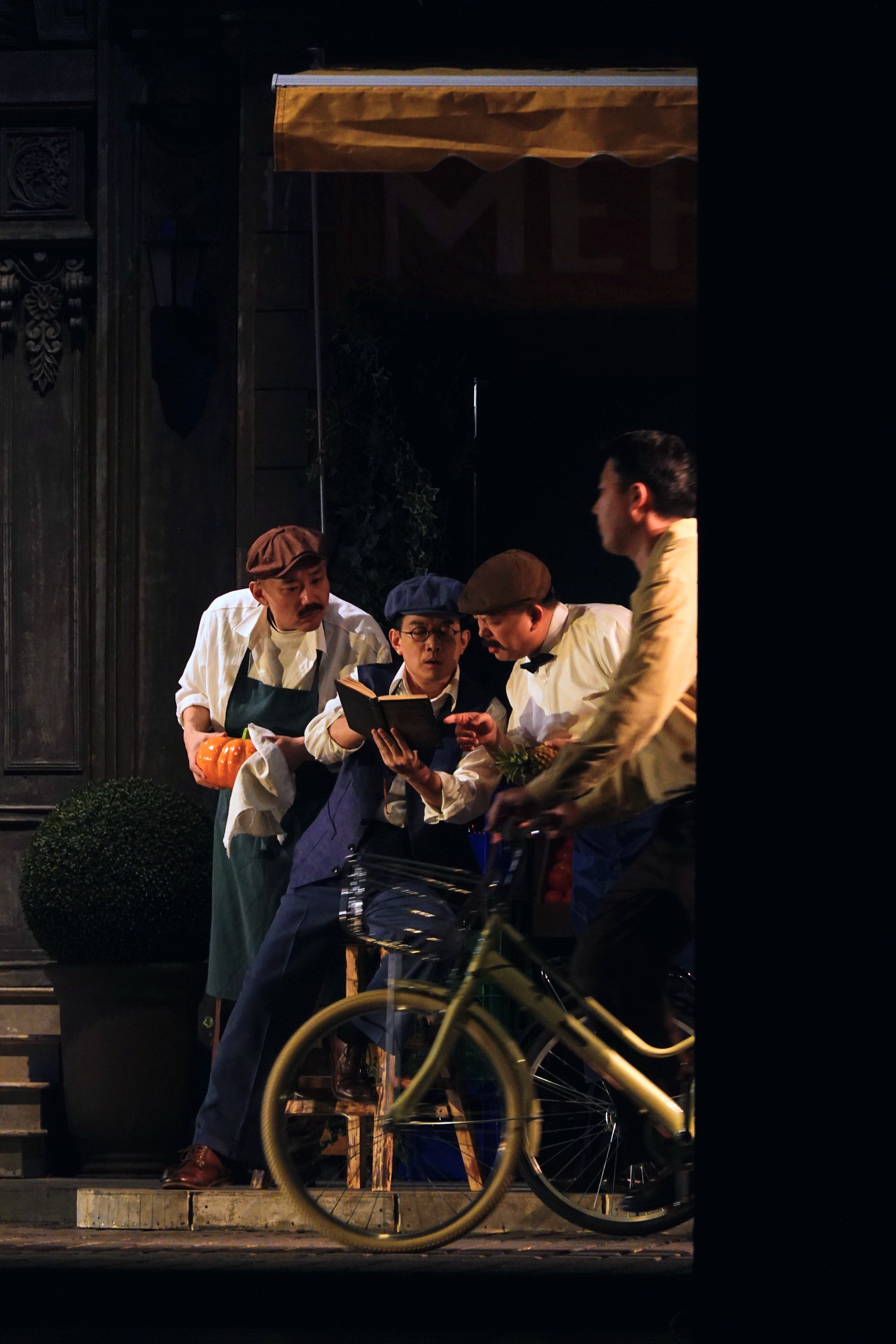
    It has been far too long since I last revisited a Gaetano Donizetti opera on a domestic stage—the previous occasion was all the way back at the New National Theatre in Tokyo. Operas representing the very roots and original spirit of Italian bel canto live and die by one quality: stylistic authenticity. Yesterday afternoon at the Shangyin Opera House, the Shanghai Opera House presented Donizetti’s beloved L’elisir d’amore (The Elixir of Love), led by Italian conductor Paolo Carignani. As one of the leading bel canto tenors of his generation, seeing Yijie Shi perform a complete Donizetti role live on a Chinese stage is no longer a distant wish. His bright, agile, and ringing timbre remains virtually unrivaled—a rare voice in today’s operatic landscape. That seemingly effortless projection is certainly backed by extraordinary natural gifts, yet it is equally sustained by supreme vocal technique. Equally impressive in terms of craft was Doctor Dulcamara, who stood out as the highlight of yesterday afternoon’s international cast including Nino Machaidze as Adina. While the voice itself shows signs of age—most noticeably during his duet with Nemorino, where he was nearly covered—he brought this notoriously difficult, portly comic role to vivid life through sheer stagecraft and theatrical command. His subtle micro-expressions and physical comedy were nothing short of a masterclass. Listening to Yijie Shi shine in Donizetti’s repertoire, however, couldn’t help but remind me that his artistic signature extends far beyond Italian bel canto. Composer Ye Xiaogang’s The Light of Himalaya practically feels tailor-made for Shi’s voice. Over the years, Shi has gone on to anchor the solo tenor roles in several of Ye’s monumental works, including Dufu’s Thatched Cottage, Seven Episodes of Lin’an, Symphony No. 5 “Lu Xun”, and the opera Song of Farewell. Ye Xiaogang’s deep cultural resonance and romantic lyricism have propelled Shi’s stellar trajectory, while Shi’s pure, luminous singing illuminates the unadorned sincerity at the heart of Ye’s music. Their collaboration is a true meeting of minds—an artistic and personal synergy in which each elevates the other. Now that we can hear Yijie Shi triumph in Donizetti right here in Shanghai, might we hope to see him bring his signature homegrown repertoire to the stage of the upcoming Grand Opera? Audiences everywhere rave about the iconic final trio of Richard Strauss’s Der Rosenkavalier, yet how many know that the closing trio of Song of Farewell is brimming with that same intoxicating blend of fantasy and trepidation? Ultimately, China’s stages must be saved for Chinese works. This is a public episode. If you would like to discuss this with other subscribers or get access to bonus episodes, visit klassikom.substack.com
    • Transcript
  • Sunday · 4 min

    Grand Opera for Local Talents

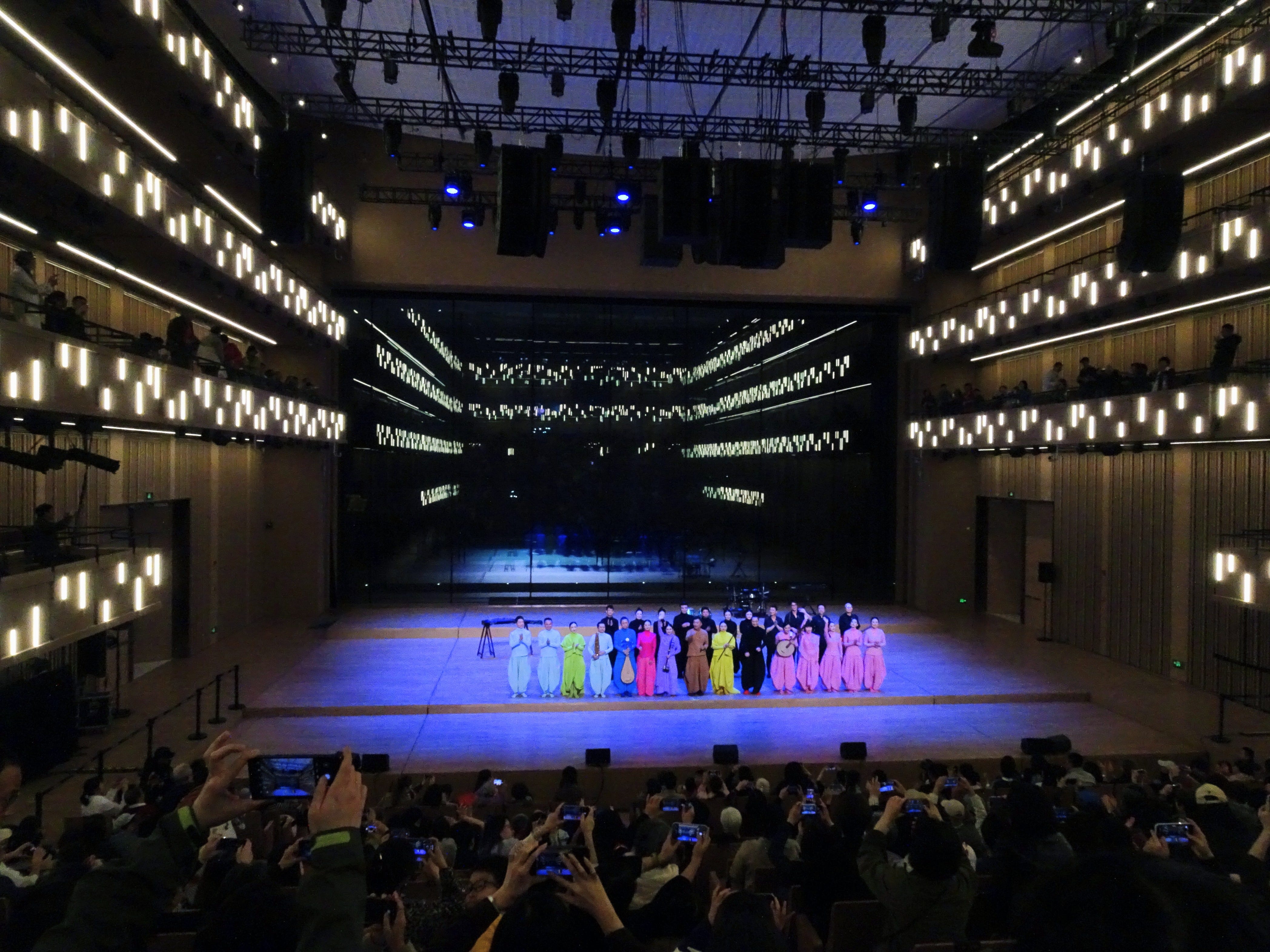
    Last night marked a turning point or the artistic trajectory of the Grand Opera in Shanghai as Digital Splendour, a 80-minute theme concert developed by the Shanghai Chinese Orchestra together with power AI tools by the Lyra Lab of the Tencent Music Entertainment, was staged at the Open Stage to a full house. Digital Splendour takes inspiration from colours rendered by ancient Chinese literatures and poetry. AI contributed to the creation of some of the music performed by the soloists of SHCO. Filmed on November 14, 2026 in Shanghai. This is a public episode. If you would like to discuss this with other subscribers or get access to bonus episodes, visit klassikom.substack.com
    • Transcript
  • November 11 · 7 min

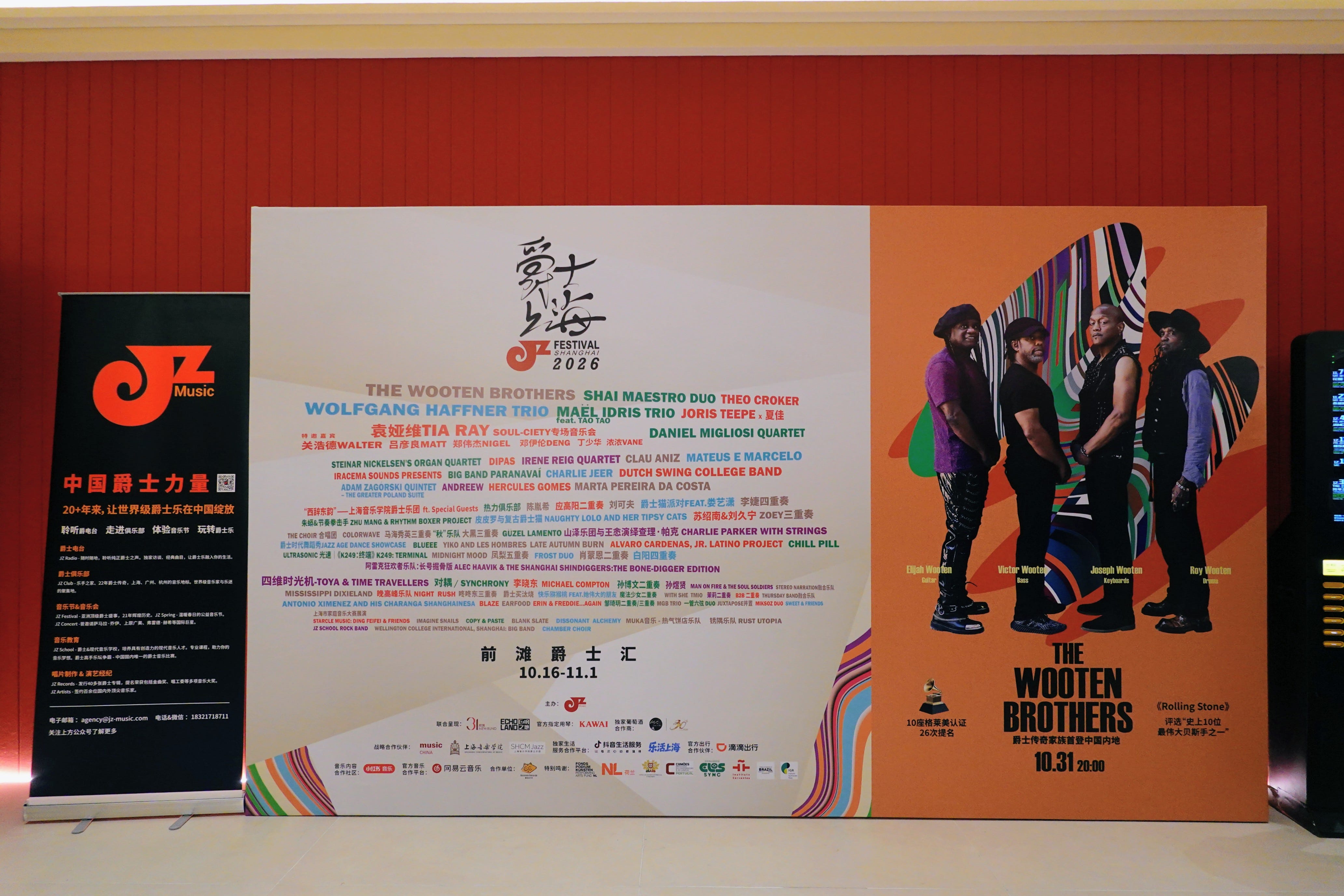
    Wooten Brothers Saved by Borrowed Guitar

    Originally five brothers, now four, the Wooten Brothers made their mainland China debut. The brothers arrived in Shanghai, but their guitar didn’t. On stage, Victor Wooten went out of his way to thank Frank, who had lent them electric guitars that were exactly the same as the ones they normally play. He kept saying that China was a “cool place”, “one of the coolest places”, and that Chinese people were “wonderful cool people”. The band certainly knew how to work the audience. For the encore, they launched into an explosive rhythmic game, punctuating the breaks with “Shanghai” to keep the crowd fired up. The concert paid tribute to John Coltrane, James Brown, video games, and even Mozart, Whitney Houston, banjo king Béla Fleck, and perhaps Herbie Hancock. When musicians reach this level, genres no longer seem to matter. Everything becomes part of the same musical language, and they can move effortlessly between them. What a way to wrap up my JZ Festival experience this year. I stood for more than two hours, but thankfully I had worn comfortable sneakers. Filmed on October 31st, 2026. This is a public episode. If you would like to discuss this with other subscribers or get access to bonus episodes, visit klassikom.substack.com
    • Transcript
  • November 10 · 2 min

    RPO Addresses Cultural Identities

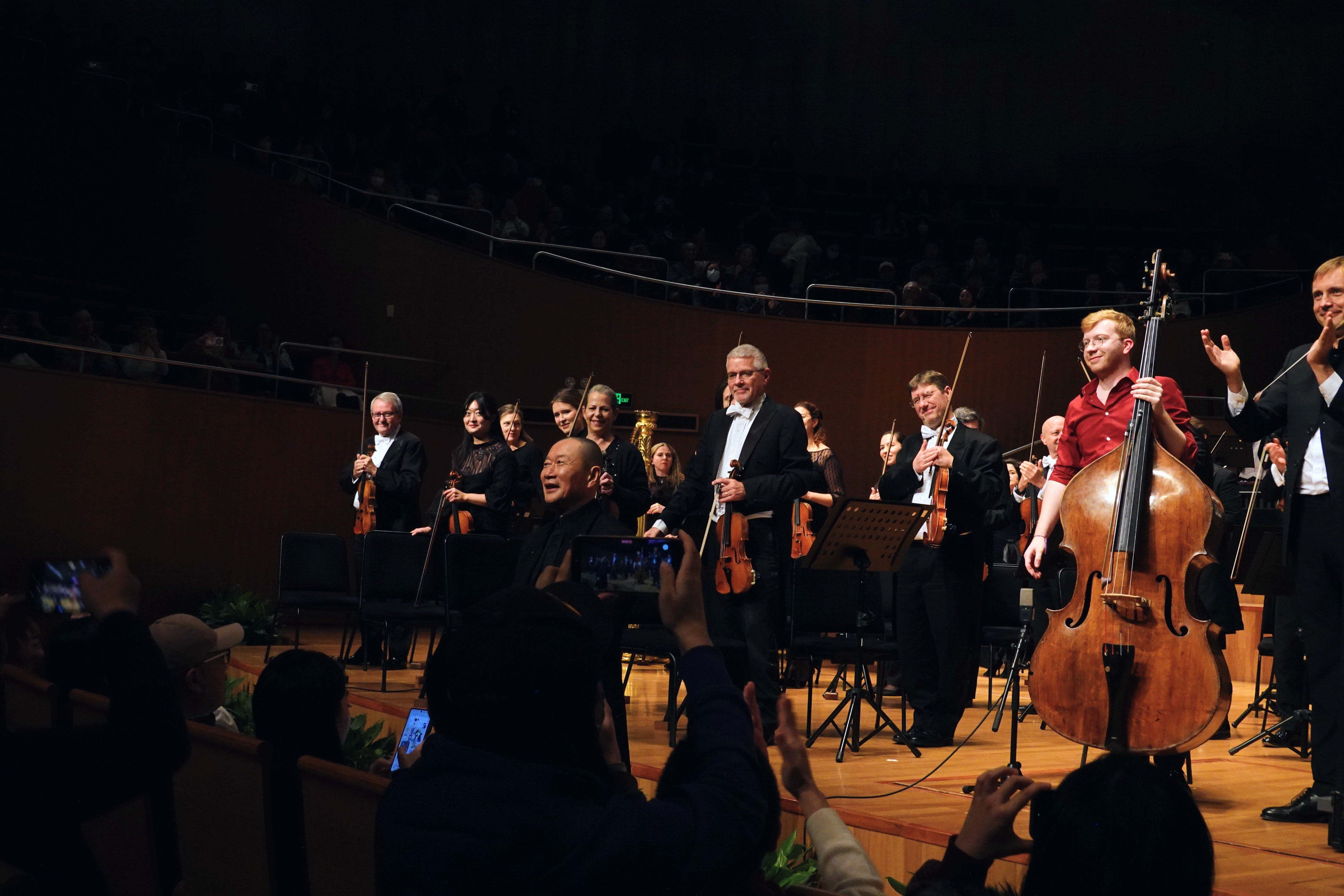
    How hard is it to get a visiting orchestra to feature Chinese music on a concert programme in China? Very hard, though far from impossible. Almost none of the overseas orchestras and opera houses passing through Shanghai’s trendsetting venue arrive with Chinese works in their luggage. That is what makes last night’s concert by the Royal Philharmonic Orchestra at the Shanghai Oriental Art Centre special. Of everything happening during the period of the China Shanghai International Arts Festival, it may be the one programme that holds the Chinese, the Shanghainese and the international in a single evening: an orchestra from London, in a Shanghai hall, rendering British and Russian composers and, more importantly, a Chinese one. Tan Dun’s double bass concerto Wolf Totem is a piece I had long wanted to hear live since its premiere in 2015 and never had the chance to, until a kind invitation made last night possible. Among Tan Dun’s works built on emblems of Chinese civilisation, including Nu Shu, Buddha Passion and the Martial Arts Trilogy, Wolf Totem adds something precious to the niche double bass repertoire. Catchy melodies and refined orchestration give both the solo instrument and the orchestra a rich regional and ethnic colour. The soloist was Jason Henery, principal bass of RPO. Vasily Petrenko brought the orchestra to Shanghai in 2024, when the programme also carried works by Tan Dun and Guan Xia, and he keeps Chinese music held high this time too. The British, Russian and Chinese pieces pay tribute to the native cultural identities of the orchestra, the conductor and the audience in turn. The Royal Philharmonic Orchestra’s programme is bold in design and generous in spirit, something I wish the Berliner Philharmoniker and Wiener Philharmoniker attend to. The RPO otherwise played Butterworth’s A Shropshire Lad as a starter and, in the second half, Stravinsky’s Petrushka (ver. 1947). This is a public episode. If you would like to discuss this with other subscribers or get access to bonus episodes, visit klassikom.substack.com
    • Transcript
  • November 9 · 11 min

    Battle of the Baritones

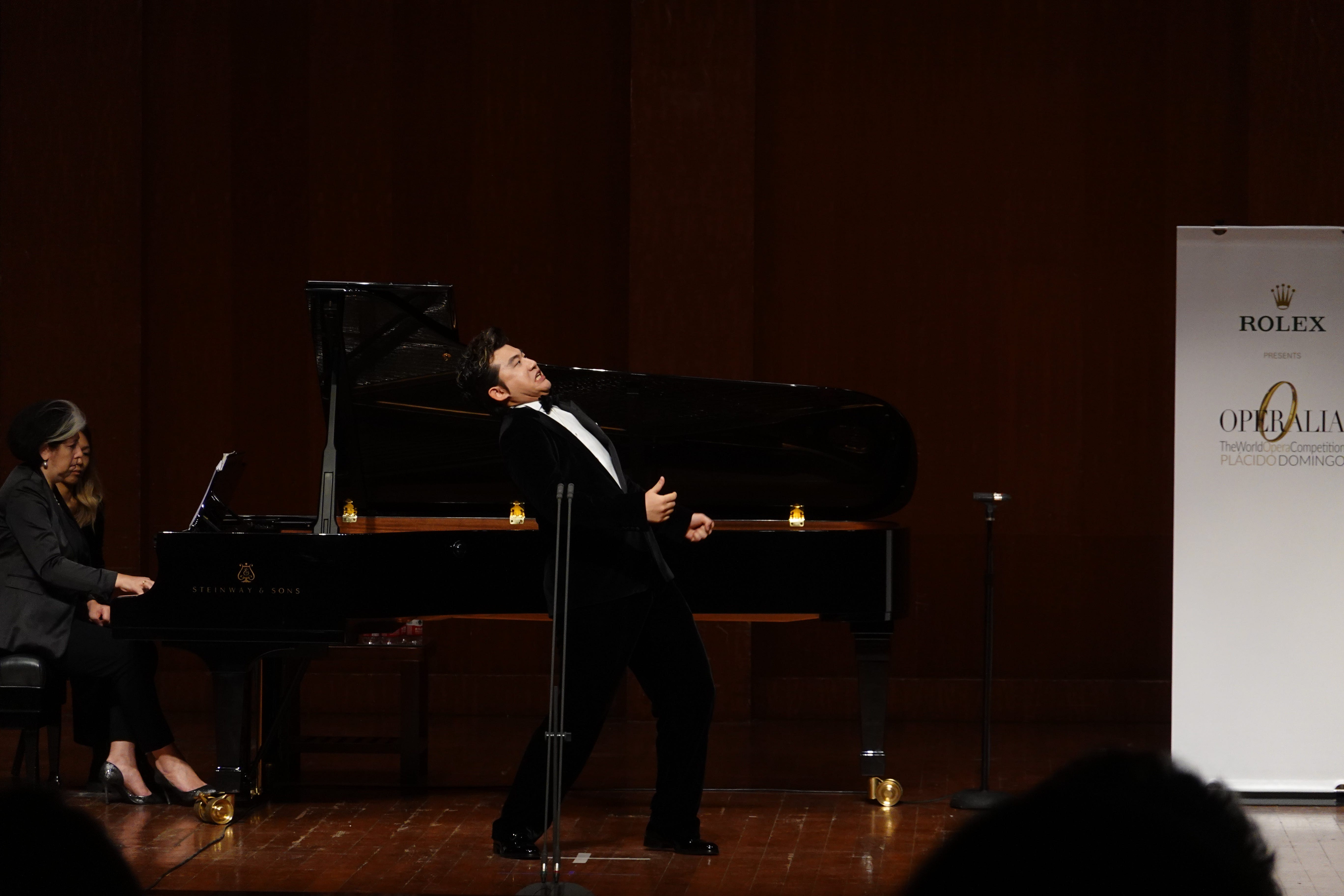
    The 2026 Operalia taking place at the Shangyin Opera House hosted by the Shanghai Conservatory of Music was indeed a battle of the baritones. Over half of the a dozen or so finalists are from the low male voices. We ask Peter Katona, casting director of the Royal Ballet and Opera, about what he listens for when he judges young singers at Operalia. Asked why so many baritones reached the finals, he sees no particular reason. What counts for him is a genuine personality. A polished aria or a few well rehearsed tricks is not enough, because the singer must carry a whole role in its dramatic context. He looks for mind, soul, warmth, strength and energy, joined to a voice. On operas by Chinese composers, he admits he had few chances to see them in Germany and Britain. New work at British houses, he says, is chosen for contemporary subjects and musical developments, with a focus on Central Europe. He is struck by how strong the interest in European music is in China, probably at the cost of homegrown cultures. He then recalls Mr Dai Yuqiang, a Chinese tenor promoted in London years ago as a possible successor to Pavarotti. At Covent Garden Dai sang Tosca and Calaf in Turandot superbly but stumbled over the musical detail of La Bohème. When they met again at Operalia in Beijing about twelve years ago, Dai said he was grateful for the experience but that Chinese singers then lacked sufficient education and detailed guidance in the West. Katona says the picture has changed greatly. This concludes the three-episode interview with Peter Katona in Shanghai during Operalia. This is a public episode. If you would like to discuss this with other subscribers or get access to bonus episodes, visit klassikom.substack.com
    • Transcript
  • November 8 · 14 min

    Points Taken, Points Talk

    Peter Katona, casting director of the Royal Ballet and Opera, has sat on the Operalia jury since the first edition in Puerto Rico in 1999 and has missed only a Covid year. In Shanghai he explains what sets Plácido Domingo’s travelling competition apart. Its finalists, and even its semifinalists, are still recognisable names ten, twenty or thirty years later. For a casting director, he says, the person he gets to know matters more than the person who wins. Asked about the new Shanghai Grand Opera House, which he visited a few days earlier, Katona calls the building extremely impressive. He singles out its three performance spaces, especially the hall facing the river with an open window. The challenge now, he says, is to give it life and quality. That takes a resident company, productions of its own, money, know how, talent and a public willing to fill the seats. Covent Garden would love to perform there, but the practical and financial hurdles are enormous. He also describes the jury room, which he says has no drama. Jurors do not discuss or haggle, and they vote independently. Each singer is scored from five to ten, the marks are added up, and nobody may ask a colleague to revise a score. One singer can receive a ten from one juror and a five from another, and the total simply stands. This year the baritones were the strongest group, and a few different votes could have changed the picture. To be continued... Interviewed on November 1st, 2026 at Ruijin Hotel Intercontinental in Shanghai. This is a public episode. If you would like to discuss this with other subscribers or get access to bonus episodes, visit klassikom.substack.com
    • Transcript
  • November 7 · 10 min

    Peter Katona on Planning for Miracles

    Peter Katona, casting director of the Royal Ballet and Opera in London, explains what his title covers at Covent Garden. Speaking in Shanghai, where he sits on the jury of Operalia on November 1st at Ruijin Hotel before the final, he describes a job that stretches from tonight’s performance to a schedule set years ahead: building seasons, sharing one stage with the ballet, choosing the repertoire and engaging conductors and singers.He recalls one of the worst afternoons in the Royal Opera House’s living memory, when a bank holiday matinee of Don Carlos by Verdi lost its soprano that morning and played three acts without her. He also tells of a La Traviata in which the Violetta stopped after Act Two. The conversation follows his path from a German opera family and a youth spent writing record reviews to Covent Garden, and explains why precise planning and sound casting must work together.To be continued... This is a public episode. If you would like to discuss this with other subscribers or get access to bonus episodes, visit klassikom.substack.com
    • Transcript
  • November 2 · 6 min

    Inside Operalia: A Singer and a Coach's Perspectives

    For American tenor Andrew Turner, Operalia is undoubtedly a high-pressure environment, but one in which the excitement of storytelling and the love of singing should ultimately prevail. Having recently completed his apprenticeship at the Wiener Staatsoper’s Opera Studio, Turner sees the competition as an opportunity to connect with some of the world’s leading opera professionals. He also has particular praise for pianist and coach Nino Sanikidze, whose warm, reassuring manner made him feel immediately welcome, relaxed and confident from their very first session. Even during the quarter-final audition, her encouraging words and supportive presence helped him feel at ease on stage. For Sanikidze, who has been working at Operalia since 2008, preparing singers for the competition is less about making last-minute artistic changes than understanding each individual’s needs. By the time they arrive, the contestants have already done extensive preparation with their own teachers and coaches. Her initial sessions are therefore designed to get acquainted with their voices, preferences and musical intentions, going through practical details such as tempi and cuts to ensure that she can provide the most effective support when they face the jury. The aim is to make each singer feel understood and musically supported at a particularly important moment in their career. What sets Operalia apart, Sanikidze believes, is its combination of artistic exposure and tangible career opportunities, reflecting the vision of its founder, Plácido Domingo. Beyond the prestige of competing and the possibility of winning prizes, the event brings together up to 40 outstanding young singers and gives them the rare opportunity to perform before an influential international jury. More importantly, it functions as an exceptionally practical audition for major opera houses and their young artist, ensemble and fest programmes, with opportunities suited to singers at different stages of professional development. Having known Plácido for nearly 25 years, dating back to her own time as a young artist in Washington, Sanikidze describes him as an exceptionally generous supporter of young singers. Remembering the limited opportunities available when he was starting out, Plácido has made it his mission to create opportunities for the next generation. This support extends beyond the artistic platform: once selected, all 40 participants have their travel and accommodation expenses covered by Operalia. In an industry where the costs of vocal lessons and international travel can be a considerable burden, this practical assistance is no small matter. As Sanikidze explains, Plácido’s intention is not simply to open doors for young artists, but also to help them walk through those doors without worrying about the financial obstacles, allowing them to concentrate fully on their craft and give their best. This is a public episode. If you would like to discuss this with other subscribers or get access to bonus episodes, visit klassikom.substack.com
    • Transcript
  • November 1 · 3 min

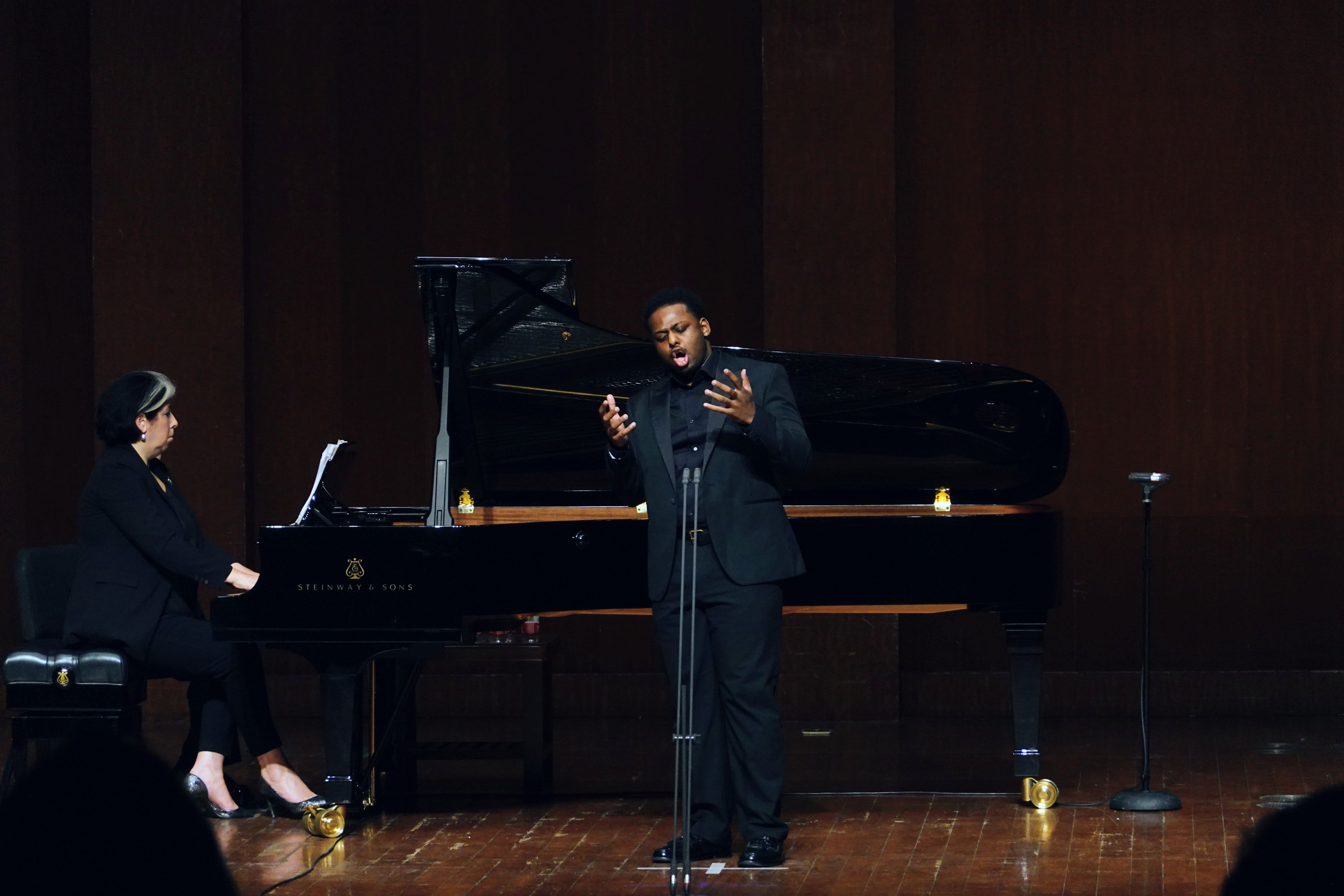
    The winner of Operalia is Emma Marhefka

    The winner of Operalia is, among others, Emma Marhefka from Pennsylvania, who bags home three trophies, a Rolex and loads of prize money from Shanghai tonight. Here’s the exclusive interview at the back stage. This is a public episode. If you would like to discuss this with other subscribers or get access to bonus episodes, visit klassikom.substack.com
  • October 31 · 2 min

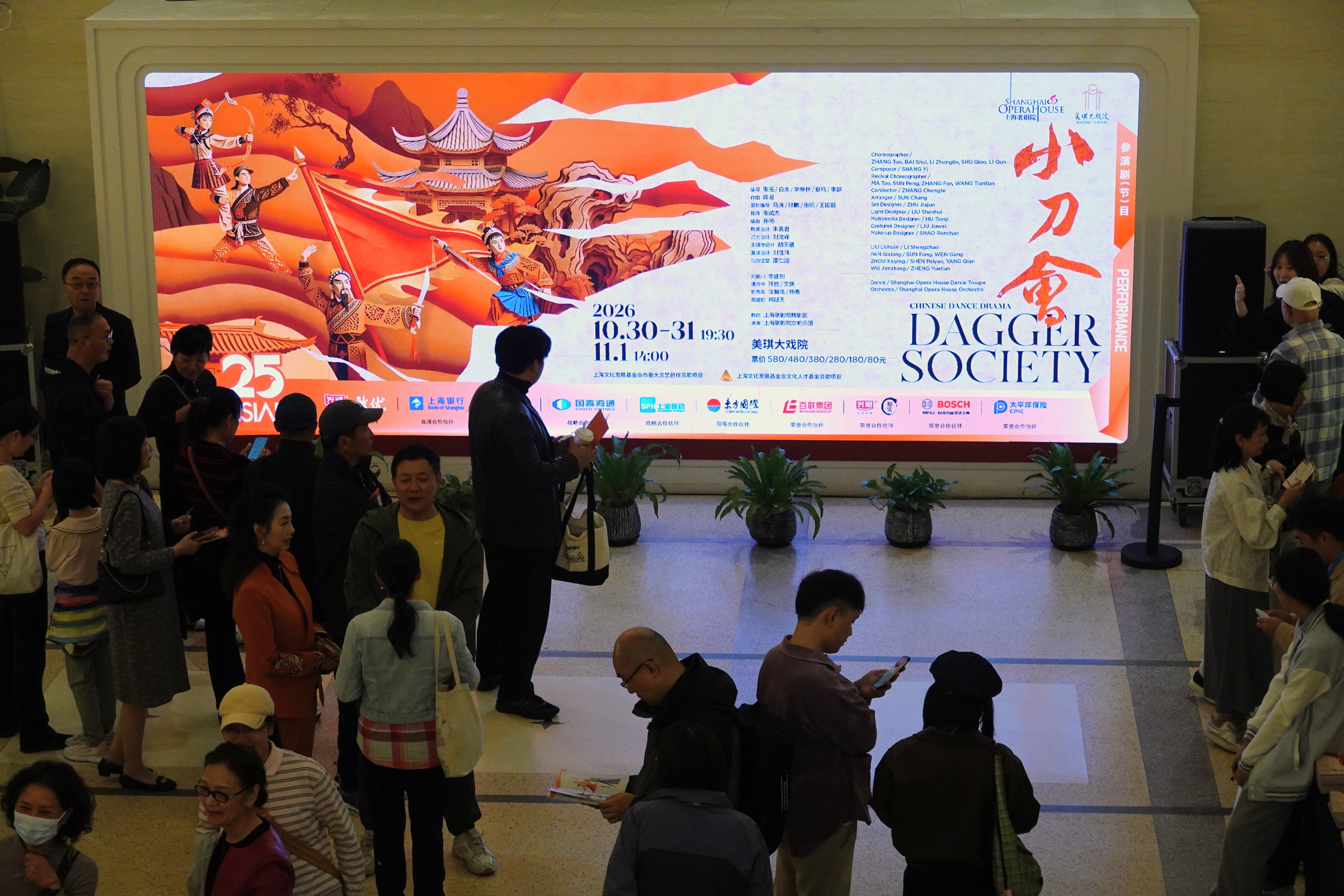
    Iconic Dance Returned to Stage

    The Dagger Society, an iconic blockbuster dance first performed in Shanghai in 1959, returned to its birthplace last night. The Dagger Society was a secret society with Triad roots. In 1853 its members under Liu Lichuan occupied Shanghai’s walled Chinese city and held it until 1855, with the Hall of Rising Spring in Yuyuan Garden as their headquarters. Qing forces and French troops besieged them, and the uprising ended in early 1855 after the French breached the city wall. Chinese histories describe it as a popular uprising against Qing rule and foreign aggression, and that is the story told by the 1959 ballet of the same name. The dance, with music by Shang Yi, returned to its birthplace on Friday night. The Shanghai Opera House, whose predecessor produced the work, staged a reimagined production at the Majestic Theatre as part of the 25th China Shanghai International Arts Festival. The work had been absent from the stage for 28 years, since its Hong Kong performances in 1998, and from mainland China since 1977. Zhang Chengjie conducted the Shanghai Opera House Orchestra from the pit. The new edition keeps Shang Yi’s core melodies, with a fresh arrangement for a symphony orchestra by Sun Chang that gives the Chinese orchestra writing extra fat. The overture, opened by the suona, has long outlived the stage. It became a fixture of Hong Kong martial arts films, from King Hu’s Dragon Inn in 1967 to Tsui Hark and Stephen Chow, and is often heard as a hero makes an eventful entrance. The Dance of Archers is the ballet’s signature number, captured in this reel. This is a public episode. If you would like to discuss this with other subscribers or get access to bonus episodes, visit klassikom.substack.com
    • Transcript
  • October 30 · 9 min

    Zhang Gonghao Sings Teacher’s Winning Aria

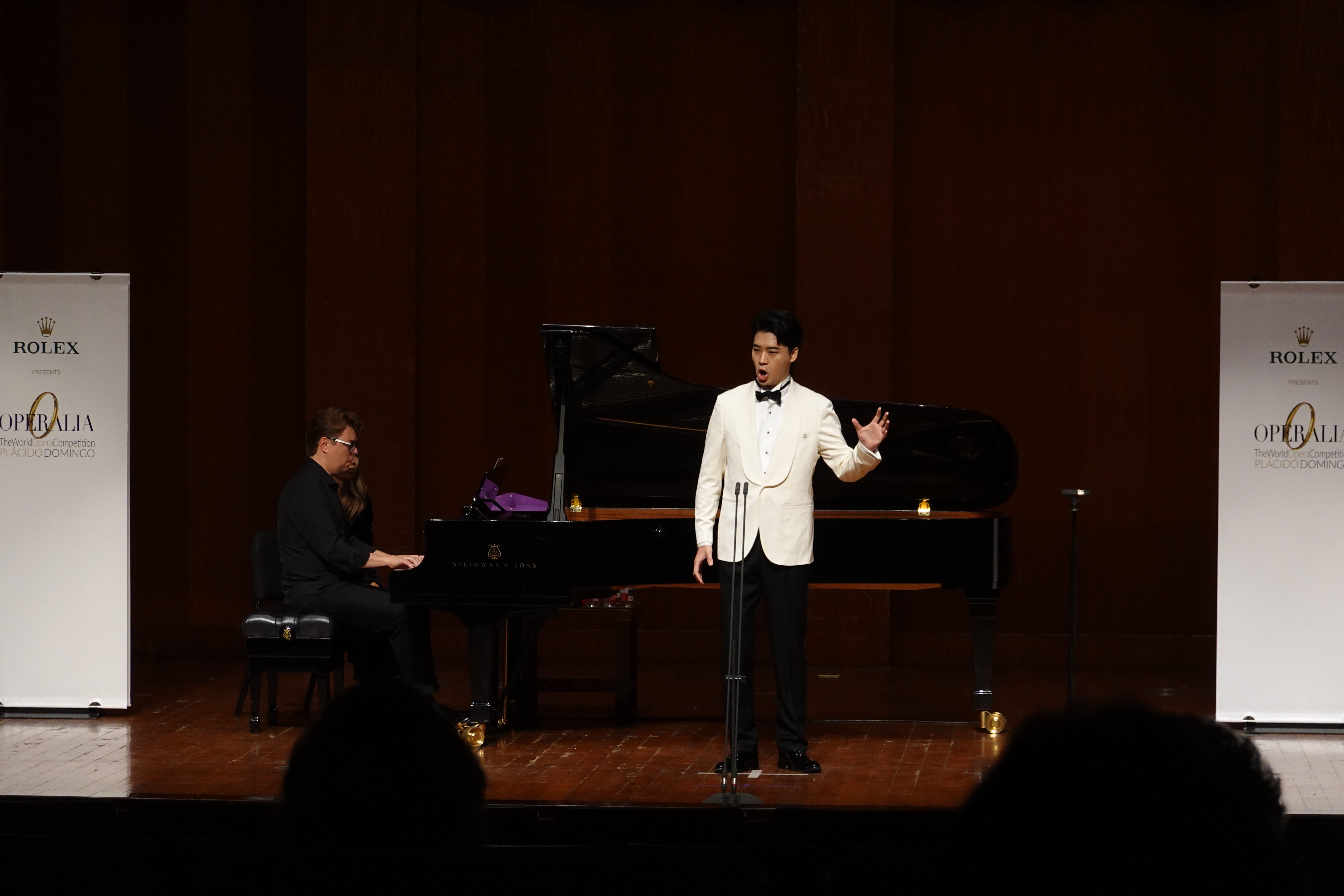
    This is a Chinese language programme with bilingual subtitles. Baritone Zhang Gonghao has just completed his doctorate at the Shanghai Conservatory of Music, where he studies with Liao Changyong. Liao is a member of this year’s jury and won Operalia in 1997. In this interview Zhang says the competition’s arrival in Shanghai matters greatly to students who see Liao as both a role model and a goal. He sang “Per me giunto” from Verdi’s Don Carlo, the aria Liao performed in the 1997 final, out of admiration. His second aria was “Mein Sehnen, mein Wähnen” from Korngold’s Die tote Stadt, one of his favourites, which Plácido Domingo selected. He was most nervous on learning he had been chosen, with a home audience in the hall and judges from around the world. Liao’s advice steadied him: enjoy the stage, because nerves or no nerves he would sing the same few minutes. Before going on, Zhang clears his mind, keeps his heart rate steady and imagines the practice room. He also credits his pianist, Artem, and the coaching he received on working with an orchestra. Away from competitions he prefers art songs, especially Chinese ones such as “Youlan Cao” and “In the Mountains”. He says watching Liao prepare at performances in Germany and elsewhere has taught him a great deal. After the interview, Zhang advanced to the semifinals and then to the final, which takes place on 1 November. He is one of three Chinese baritones among the 12 finalists, alongside Li Zihao and Wang Jiazhou. This is a public episode. If you would like to discuss this with other subscribers or get access to bonus episodes, visit klassikom.substack.com
    • Transcript
  • October 29 · 6 min

    Baritone Li Zihao on Zarzuela and Operalia

    This is a Chinese language programme with bilingual subtitles. Baritone Li Zihao is in the second year of a master’s in opera at the Central Academy of Drama in Beijing, where he studies with Sun Jian, best known for the opera The Savage Land by Jin Xiang, hailed at the best Chinese opera ever written. In this interview he traces his path from the piano at seven or eight, through children’s singing lessons, to the moment his changing voice led his teacher to say he would probably become a baritone. On Operalia, he describes the competition as very famous in China and explains that Plácido Domingo founded it to give young singers a place to grow and begin their careers. He mentions the final’s prize for zarzuela, which Domingo set up in memory of his parents. Li has studied Spanish pronunciation with Spanish teachers, and he finds that Spanish arias sit close to Spanish dance music in style. Singing them lets the body sway and drive the voice, which keeps a singer from going stiff on stage and, in his view, brings only benefits. After the interview, Li advanced to the semifinals and then to the final, which takes place on 1 November. He is one of three Chinese baritones among the 12 finalists, alongside Wang Jiazhou and ZhangGonghao. This is a public episode. If you would like to discuss this with other subscribers or get access to bonus episodes, visit klassikom.substack.com
    • Transcript
  • October 23 · 3 min

    Jasmine Chinese Orchestra plays crossover programme

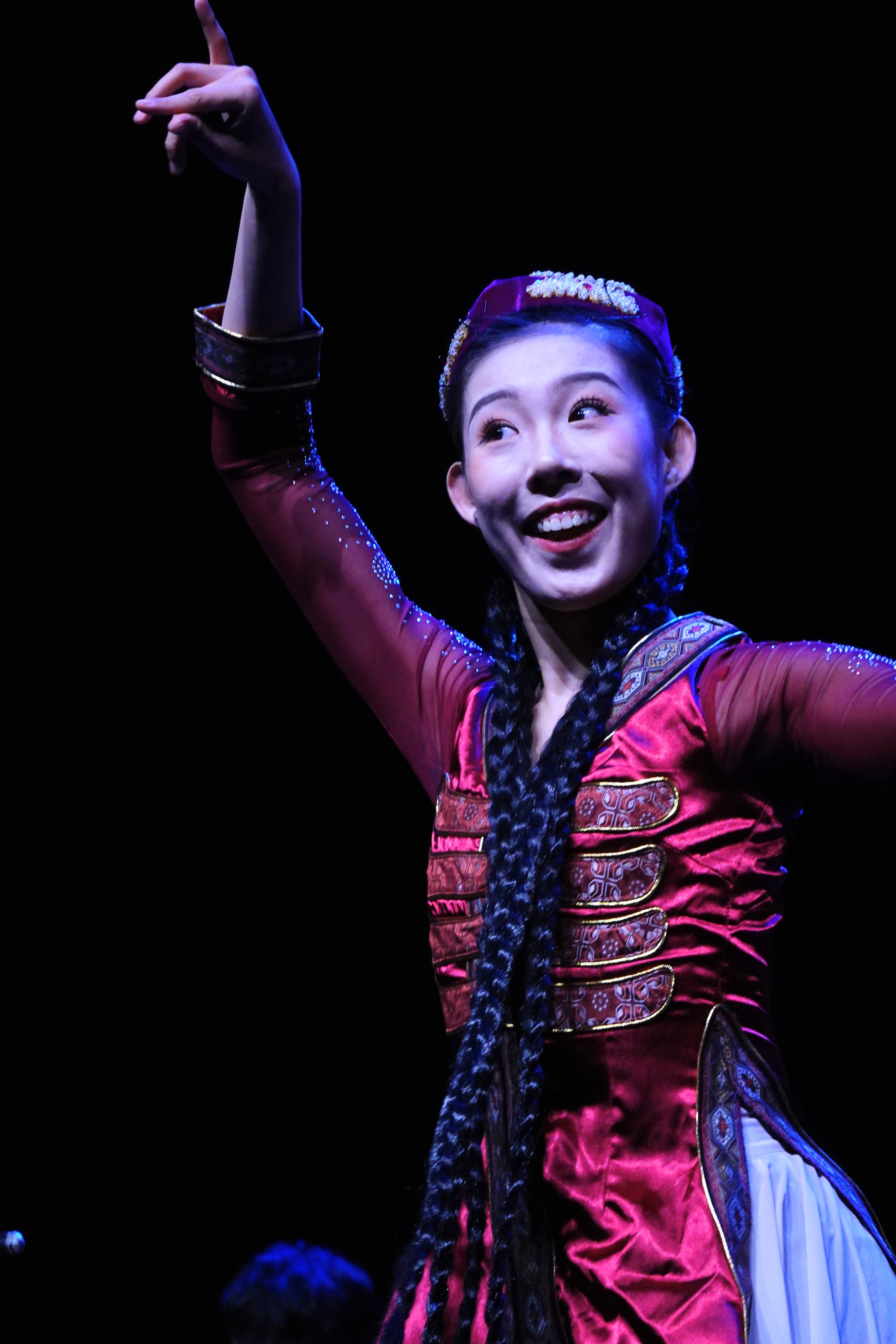
    Jasmine Chinese Orchestra presented a crossover programme last night at the Jasmine Theare, both affiliated with the Shanghai Workers’ Union. The ensemble played music of its own creation and arrangement. This is a public episode. If you would like to discuss this with other subscribers or get access to bonus episodes, visit klassikom.substack.com
    • Transcript
  • October 20 · 2 min

    Liszt in a Wine Bar

    Ever thought of wine tasting while listening to Liszt’s formidable Sonata in B minor in a pitch-dark cellar lit by nothing but two candles? This is not Napa Valley but a private subterranean wine club in downtown west Shanghai. On a cool autumn evening at EPM Vintage & Club, composer and pianist Sansui played Liszt’s Sonata in B minor on a baby grand Kawai transported to the basement by eight workers, in a programme entirely of her own choosing. Some say that given the steep stairs and narrow corridor, the piano might well stay there for good. Wine club owner Simon told me that the music series had been suspended for six months. It resumed last week, with the piano now in place and a pianist he had met at jam sessions at the Artist la Pie bakery. More and more businesses in Shanghai are embracing the concept of the “public piano,” encouraging music sharing and impromptu sessions from amateur musicians as a way to attract new customers and boost sales. This is a public episode. If you would like to discuss this with other subscribers or get access to bonus episodes, visit klassikom.substack.com
    • Transcript
  • October 19 · 4 min

    The ultimate Rossini tenor showdown

    World renowed Rossini tenor Juan Diego Flórez travelled to Shanghai last week. He sang in the opening gala at the inauguration of the Shanghai Grand Opera House yesterday, and then appeared tonight at the Expo Cultural Park in an open-air gala with guest tenor Shi Yijie, another brilliant Rossini tenor and President of the Shanghai Opera House. Diego Matheuz conducted the Shanghai Opera House Orchestra. Both tenors were impeccable in artistry and technique. In the final moment of showdown, the duo encored O Sole Mio, as captured in this video. Now who’s the better Rossini tenor? The video also captured how I got to the Park from the other side of Huangpu River. Yes I took a ferry and cycled there. Filmed on October 18, 2026 in Shanghai This is a public episode. If you would like to discuss this with other subscribers or get access to bonus episodes, visit klassikom.substack.com
    • Transcript
  • October 18 · 2 min

    From Rio to Shanghai

    Brazilian singer Lívia Nestrovski and composer/guitarist Frederico José Ferreira performed at BFC in Shanghai in a programme that mixed their own culture and what they’ve seen and heard along the way touring in China, including a vintage song from a film they picked up in Suzhou. Filmed on October 10, 2026 in Shanghai. This is a public episode. If you would like to discuss this with other subscribers or get access to bonus episodes, visit klassikom.substack.com
    • Transcript
  • October 17 · 3 min

    Jazz Age Carnival opened in Shanghai yesterday

    Presented by JZ, the annual jazz festival moved to the big lawn of a sports park in Pudong area of Shanghai for the first time and welcomed spectators with free entry and shows across four stages from 5 to 9pm, Sat to Fri. This is a public episode. If you would like to discuss this with other subscribers or get access to bonus episodes, visit klassikom.substack.com
    • Transcript
  • October 15 · 21 min

    Death, Resurrection, and the Meaning of Music

    When Maestro Muhai Tang arrived in Shenyang to conduct Mahler’s Symphony No. 2 Resurrection with the Shenyang Symphony Orchestra at Shengjing Grand Theatre on 11 October, he brought with him more than forty years of intimate familiarity with the score. What he found at the other end was an orchestra whose own story of survival lent the programme an unplanned resonance. The Shenyang Symphony Orchestra is not a state institution in the conventional sense. Founded thirteen years ago by a businessman who had played a little violin and decided that was enough reason to build a professional ensemble, it operates on a contract model and has survived largely on passion and modest funding — a fraction of what comparable provincial orchestras receive. News of its apparent dissolution circulated two years ago; what actually happened, and how it came back, remains somewhat mysterious even to those who follow Chinese orchestral life closely. Tang heard the rumours, felt sympathy, and then heard nothing more until he was asked to conduct Mahler’s Resurrection as the season’s closing concert. He accepted out of curiosity, sensing it had the character of a mission. Mahler was the right composer for the occasion, and not only for obvious reasons. Tang has spent a lifetime thinking about what it means that Mahler, born a Jew, converted to Catholicism in order to secure his appointment as director of the Vienna Court Opera, a position that would otherwise have remained beyond reach in an environment shaped by the anti-Semitism that would eventually erupt in the Holocaust. The conversion was a strategic surrender of identity, and it left Mahler permanently between worlds. Tang has made a recurring argument in his performances that this displacement drove Mahler toward the East: that a man who had abandoned one faith in the search for belonging eventually found something in Chinese poetry and Taoist thought that his adopted Christianity could not provide. Tang’s realisation of Das Lied von der Erde with the Shenzhen Symphony at Washington’s Kennedy Center incorporated Chinese folk instruments precisely on these grounds: replacing Mahler’s flute with a xiao in the quieter passages, a suona in the more combative ones, carrying the argument that Mahler had pointed the way himself. The Second Symphony is where the religious question meets the existential one most directly. Tang described the work as moving from suffering and funeral march to something approaching the tenderness of paradise — a span that maps onto the full range of human experience, from the most painful to the most blessed. But the Resurrection is not, for Tang, a specifically Christian proposition. What the chorus poses in the final movement — are you ready to die? — is a question that belongs to everyone. He told the Shenyang orchestra and chorus as much during rehearsals: connect it to your own experience, he said, to whatever in your own life has felt like an ending from which return seemed impossible. Bankruptcy, the collapse of a marriage, the kind of blow that stops a person in their tracks. The symphony’s movement from death toward resurrection is in that reading a universal metaphor for the capacity to continue. The question has particular urgency now, Tang observed. In a world where young people are sent to the front knowing they may not return, where the Ukraine war sends soldiers toward drone strikes from which families do not expect them back, Mahler’s blunt interrogation of mortality carries a contemporary weight. The contrast with the Holocaust dead is instructive: those people did not know they were going to die until the gas filled the chamber. Mahler asks the question in advance, which is a different and perhaps more demanding form of the confrontation with death. And then, immediately, he answers it: death is in the service of resurrection. The two are opposites that cannot be separated. That is the ambition of the work, and it is why Tang accepted what he calls a mission. An orchestra that has survived dissolution rumours, budget constraints, and institutional uncertainty performing a symphony whose subject is death overcome — the Shenyang concert was, in its way, exactly that. This is a Chinese language programme without dubbing.Interviewed on October 14th, 2026 in Shanghai. This is a public episode. If you would like to discuss this with other subscribers or get access to bonus episodes, visit klassikom.substack.com
    • Transcript
  • October 15 · 1 min

    Dance by Philip Glass

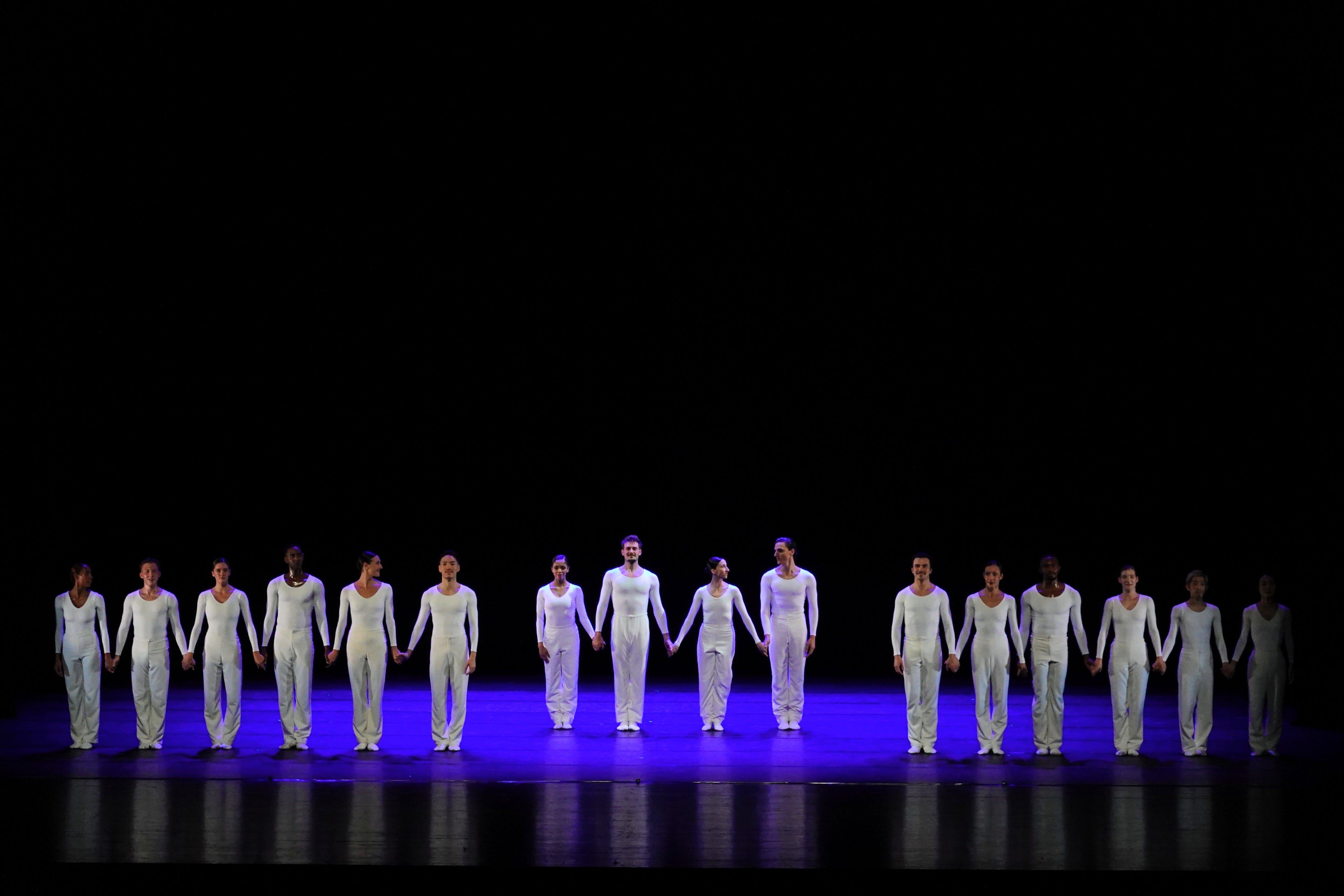
    Dance by Philip Glass was presented by Opera Lyon at Shangyin Opera House last night, the first run of a three-night programme. The show is a line-up of the CSIAF. It’s sponsored by Van Cleef & Arpels. This is a public episode. If you would like to discuss this with other subscribers or get access to bonus episodes, visit klassikom.substack.com
    • Transcript
Showing 1–20 of 45 episodes