Skip to content
Artwork for Jashn-e-Rekhta
ArtsPerforming Arts

Jashn-e-Rekhta

Rekhta Foundation

Jashn-e-Rekhta is the official Spotify destination for Urdu Poetry, Shayari, Ghazals, Podcasts, Interviews, Conversations, Music, and Cultural Performances from the Rekhta Foundation. Born from the world’s largest festival dedicated to Urdu, this show brings together exclusive audio and video content across poetry, spoken word, music, and storytelling. Follow Jashn-e-Rekhta to listen and watch the finest of Urdu culture, performance, and literary conversations, all in one place.

Play
  • 20 episodes
  • Avg 55 min
  • Urdu
  • August 30 · 37 min

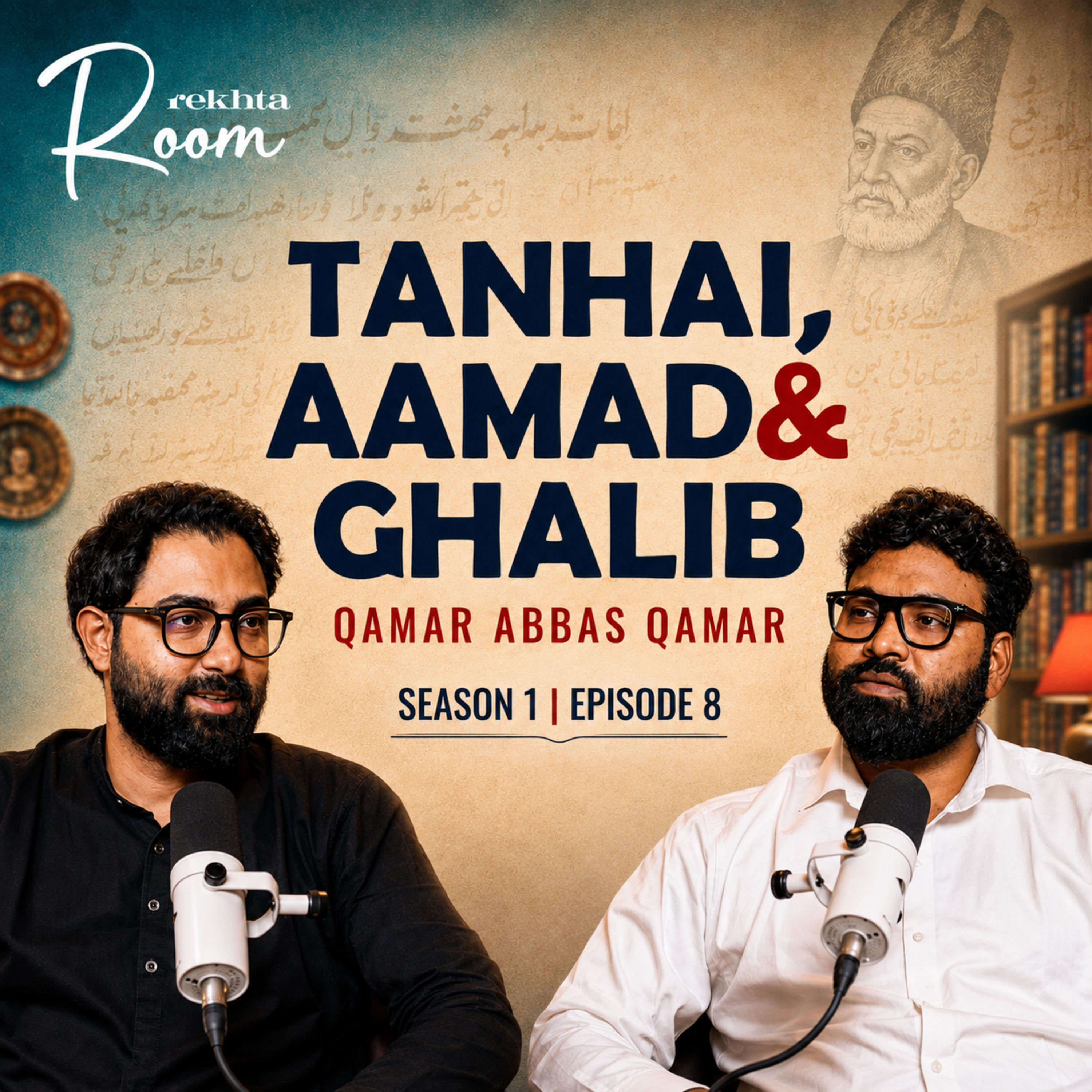
    Qamar Abbas Qamar on Aamad, Loneliness and Finding Poetry | Rekhta Room Season 1 Episode 8

    What happens when solitude becomes not loneliness, but a space for poetry? In this episode of Rekhta Room, poet Qamar Abbas Qamar joins Faisal Fehmi for an intimate conversation about language, solitude, memory and the mysterious ways in which a sher arrives. Qamar grew up in Ghosi, Mau, surrounded by Bhojpuri and Awadhi rather than Urdu. His relationship with Urdu began at home and through the Azaai tehzeeb of majlises, where he listened to marsiya, noha, salaam and manqabat from childhood. Long before he began writing, these traditions gave him an instinctive ear for the rhythm and rawani of the language. From studying at Madrasa Husainia to choosing Persian at Shia College, Lucknow, Qamar traces the influences that shaped his literary journey. He remembers discovering ghazals through radio and the voices of Jagjit Singh and Mehdi Hassan, before attempting his first lines around 2007. But at the heart of this conversation is his relationship with solitude. Every night, Qamar puts his phone away for an hour. It is his time for ehtesaab. To think about the people he has met, the people he has lost, and the life he has lived. Somewhere in that silence, poetry often finds him. He also opens up about aamad and aavard, recalling how a misra once arrived unexpectedly during a crowded metro journey. He reflects on what makes a sher stay with us, why love never really disappeared from poetry, and turns to Faiz Ahmed Faiz's "Raqeeb Se" to explain how love can simply change its form. There is also the story behind the two Qamars in his name, a rapid-fire journey through Jaun Elia, Parveen Shakir, Shamsur Rahman Faruqi, Momin, Mir, Noon Meem Rashid and Ahmad Faraz, and the poet from history he would most like to befriend. Mirza Ghalib. The episode closes, as it should, with Qamar Abbas Qamar reading one of his own ghazals.
  • S1 · E7
    August 23 · 34 min

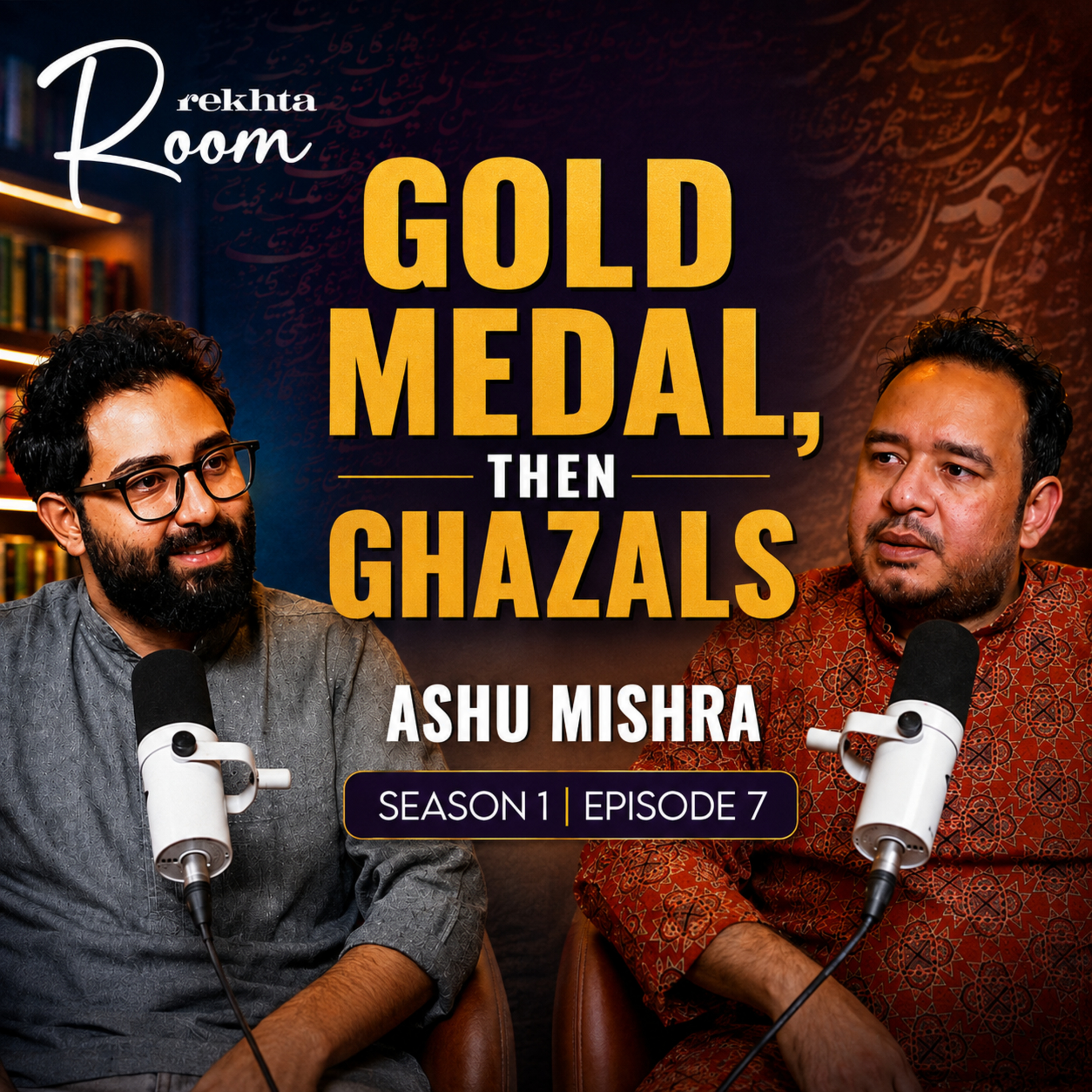
    The Mind Behind Ashu Mishra’s Heart-Touching Ghazals | Rekhta Room. Season 1 Episode 7

    What happens when philosophy finds its way into a ghazal? In Episode 7 of Rekhta Room, poet Ashu Mishra sits down with Faisal Fehmi to talk about his unusual journey from computer science and a gold medal in philosophy to writing Urdu poetry. Ashu traces his love for literature back to his school years, discovering Premchand, Renu and Agyeya on his journalist uncle’s bookshelf. He began writing in Hindi before finding his way to the Urdu ghazal around 2016. The conversation moves naturally between poetry and philosophy, creativity and craft, social media and the temptation to write for views. Ashu also challenges the romantic idea of aamad, arguing that a sher is not simply a divine gift. It grows from everything a poet has read, experienced and quietly absorbed. There are conversations about Dostoevsky and Premchand, Shoojit Sircar and Vishal Bhardwaj, the importance of chanchalpan in poetry, and what makes the great poets unforgettable. And before the episode ends, Ashu Mishra does what he does best. He recites one of his own ghazals. Rekhta Room is an intimate podcast from Rekhta Foundation, bringing together poets, writers, artists and new voices for unhurried conversations about Urdu, creativity, life and the stories behind their work.
  • S1 · E6
    August 16 · 45 min

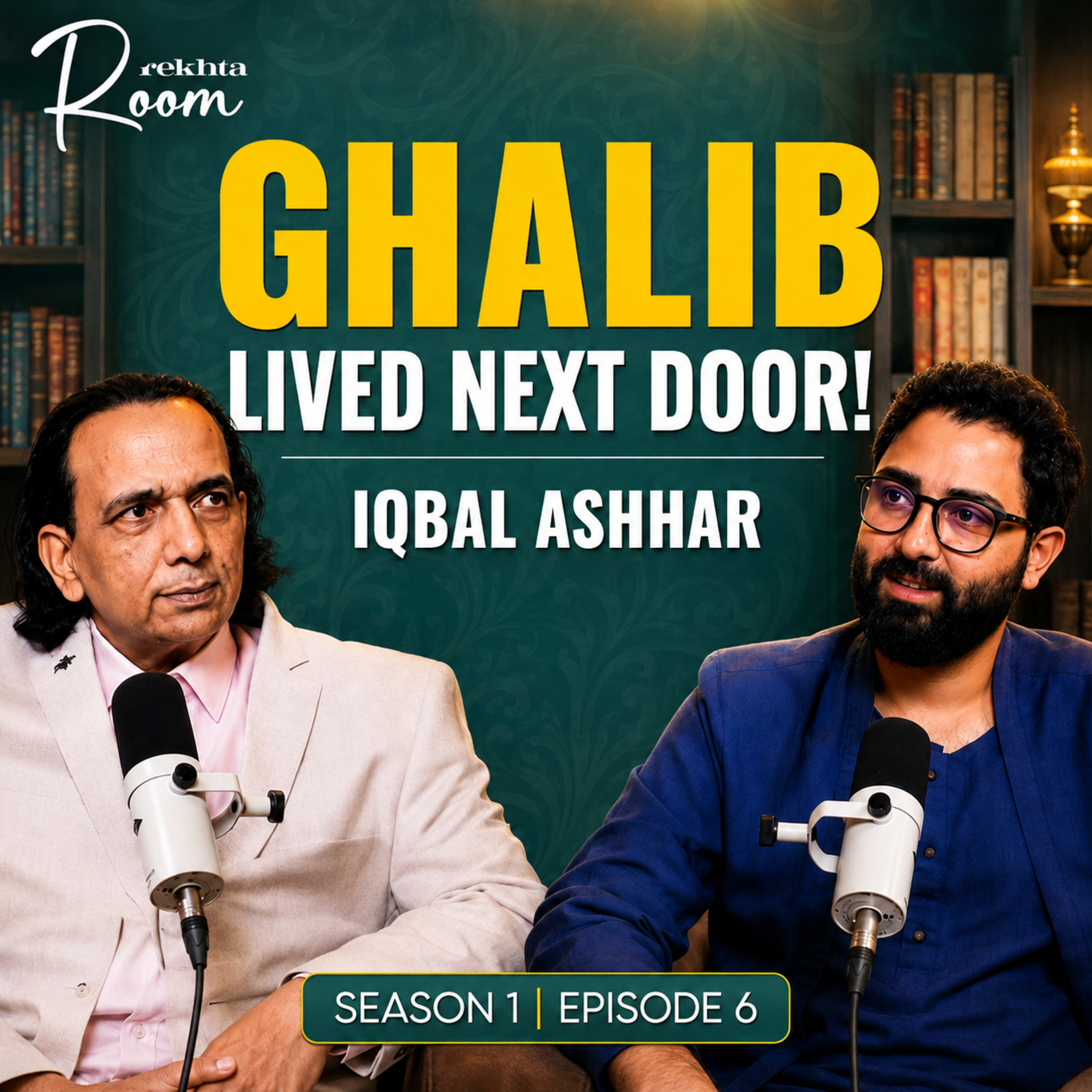
    Ghalib Lived Next Door: Iqbal Ashhar on Urdu, Poetry & AI | Rekhta Room S1E6

    What happens when you grow up walking the same streets as Ghalib, Momin and Mir Dard? Poet Iqbal Ashhar joins Faisal Fehmi for a fascinating conversation about growing up in Old Delhi, the beauty of correct Urdu diction, and how a ghazal truly comes to a poet. He breaks down aamad vs aavard, explains why rhythm and sound are at the heart of Urdu poetry, and asks a timely question: Can AI master the rules of poetry but still miss its soul? From Ghalib and Nasir Kazmi to Jaun Elia, Faraz and Parveen Shakir, the conversation moves through generations of Urdu greats before ending with a special reading from Ashhar’s Udaas Rehne Lage. Rekhta Room. Where Urdu finds its voice, one conversation at a time.

  • S1 · E5
    August 9 · 38 min

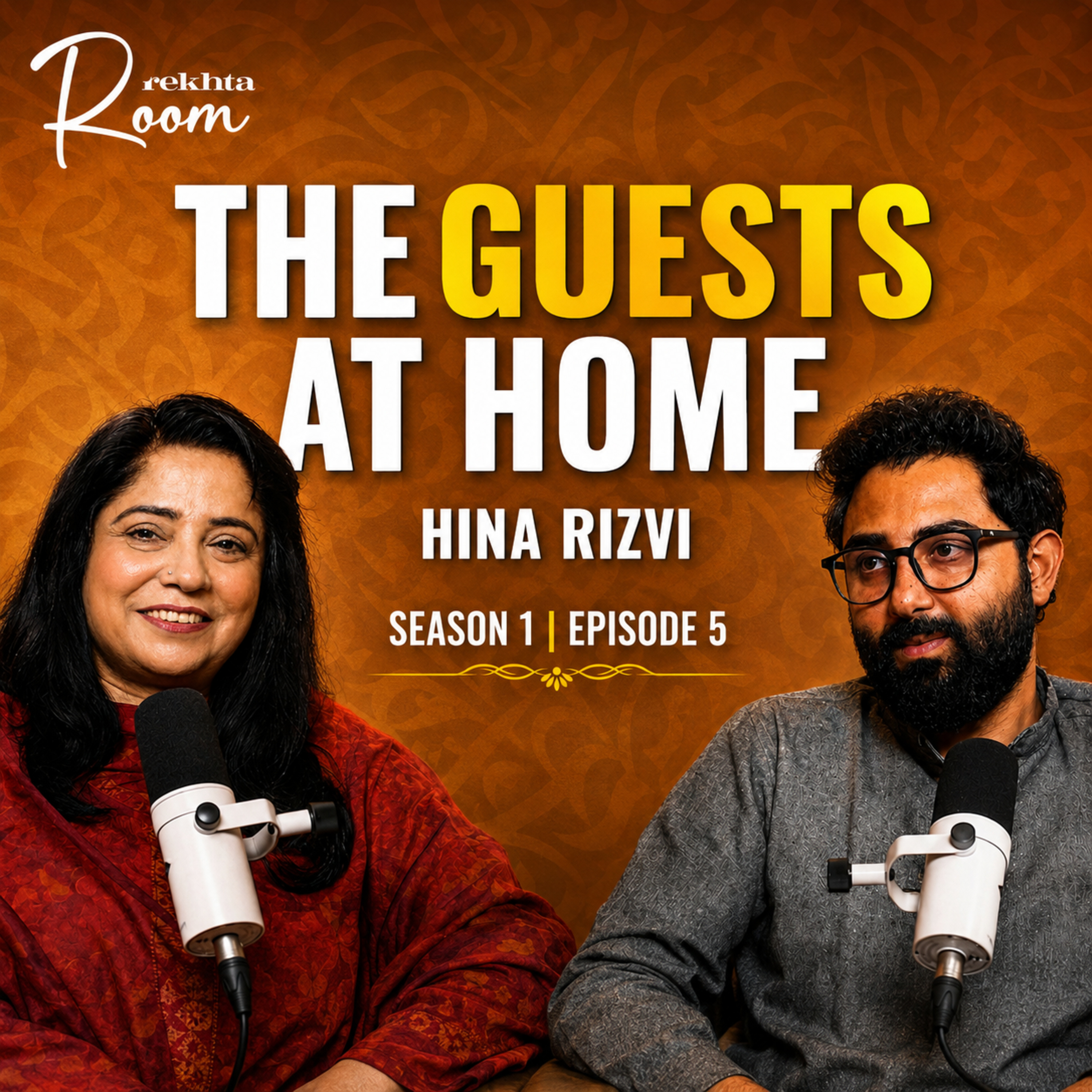
    Hina Rizvi on Rekhta Room Season 1 Episode 5 | Growing Up Around Rahat Indori & Waseem Barelvi

    Imagine growing up with poets like Rahat Indori and Waseem Barelvi dropping by your home. For Hina Rizvi, that was part of growing up in Lucknow. But her own poetry stayed hidden in private diaries for years. In this episode of Rekhta Room, Hina joins Faisal Fehmi to talk about finding the confidence to step onto the mushaira stage, the support that changed her journey, women finding space in poetry, and how social media is reshaping modern adab. Plus, Hina shares the influences behind her writing and closes the episode with a special ghazal recitation. From private pages to a public voice. This is Hina Rizvi’s story.

  • S1 · E4
    August 2 · 33 min

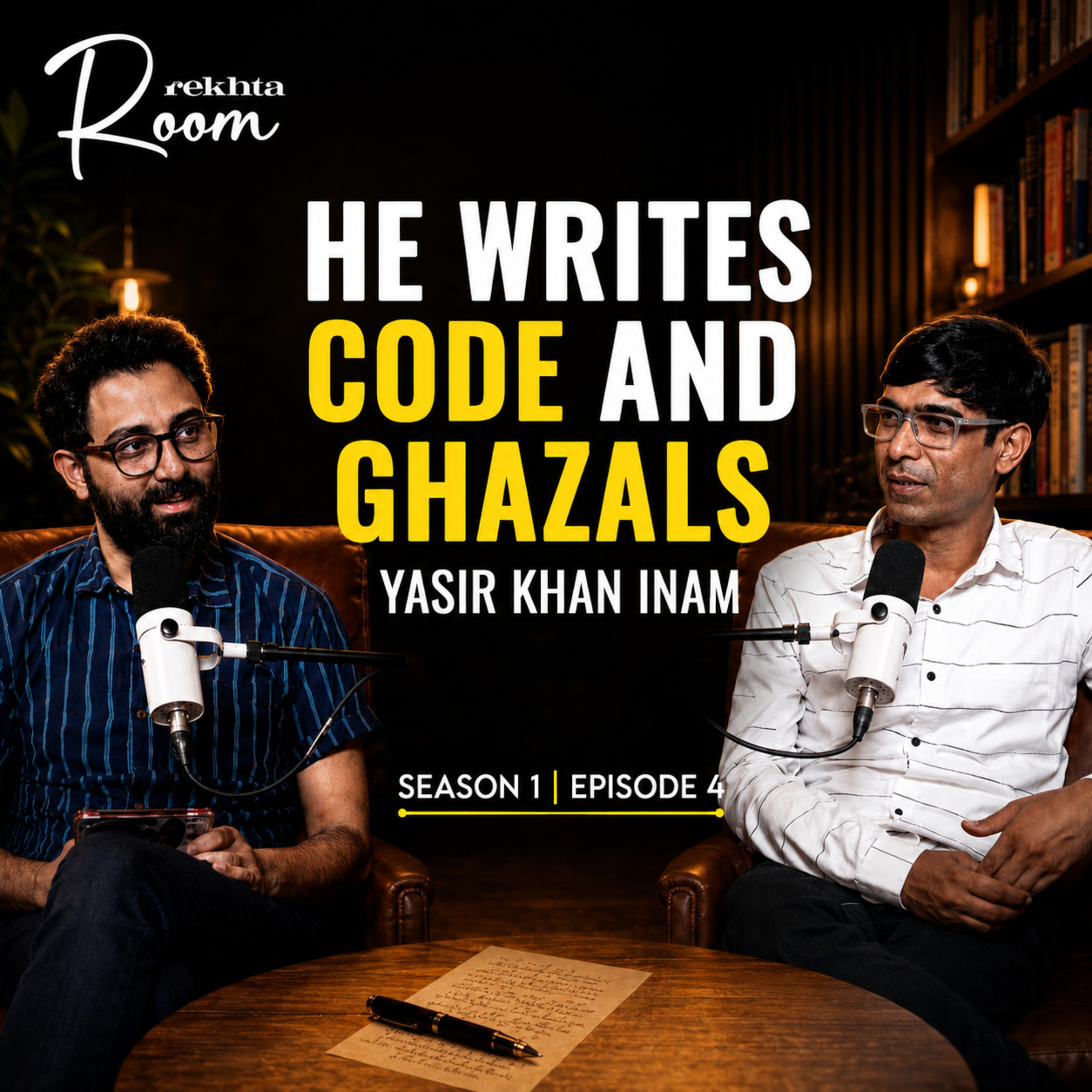
    Yasir Khan Inam on Whether AI is Killing Poetry? | Rekhta Room | Season 1 | Episode 4

    Can AI help poets write better, or is it taking the soul out of poetry? In Episode 4 of Rekhta Room, young poet and IT professional Yasir Khan Inam joins Faisal Fehmi to discuss his journey from Bulandshahr to Delhi, the influence of Sahir Ludhianvi, and why behr remains central to Urdu poetry. He also shares his perspective on ChatGPT, social media reels, self-editing and the future of shayari. The episode ends with a rapid-fire round and a special ghazal recitation, including “Yeh Aansu Toh Tumhare Baad Aaye.”

  • S1 · E3
    July 26 · 25 min

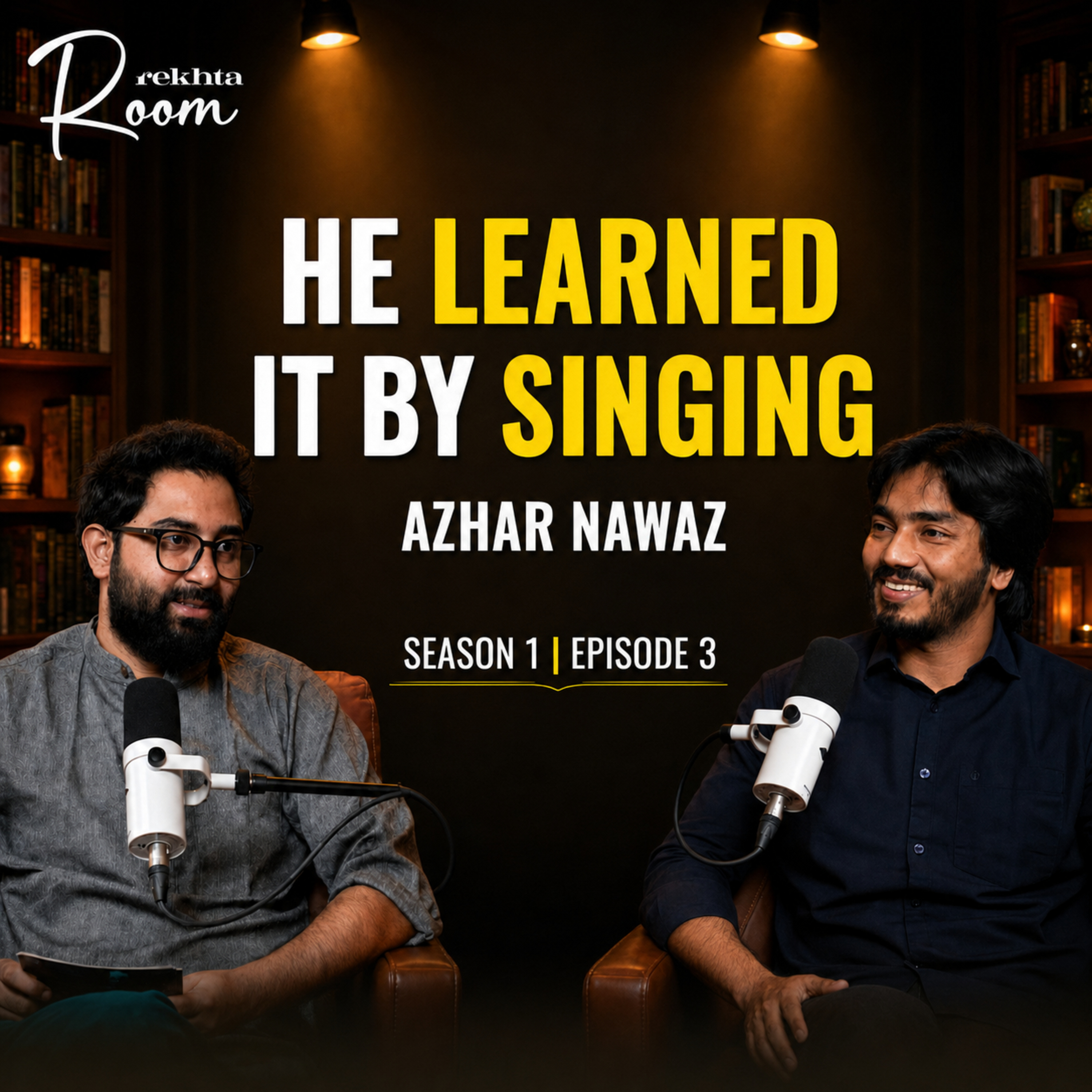
    Azhar Nawaz Wanted to Sing, but Became a Poet | Rekhta Room Season 1 Ep 3

    Azhar Nawaz never formally learnt the meter of poetry. He discovered its rhythm by singing ghazals as a boy. In Episode 3 of Rekhta Room Season 1, the young poet joins Faisal Fehmi to revisit his journey from Anjan Shaheed, a village in Azamgarh, to studying English Literature at Jamia Millia Islamia and completing his PhD at Aligarh Muslim University. Growing up in a home filled with Urdu and poetry, Azhar initially wanted to become a singer. Encouraged by his father to recite ghazals in tarannum, he developed a natural understanding of behar long before writing his own couplets. Azhar also opens up about his creative process. He does not wait for inspiration to strike. Instead, he observes paradoxes in everyday life, notes them down, and patiently shapes them into poetry. The conversation moves through his love for sketching, painting, music, mystery thrillers, and Korean and Japanese cinema. It concludes with a lively rapid-fire round on legendary poets and a memorable recitation featuring his celebrated couplet on Qissa-e-Taakhir, the story of delay.

  • S1 · E2
    July 19 · 30 min

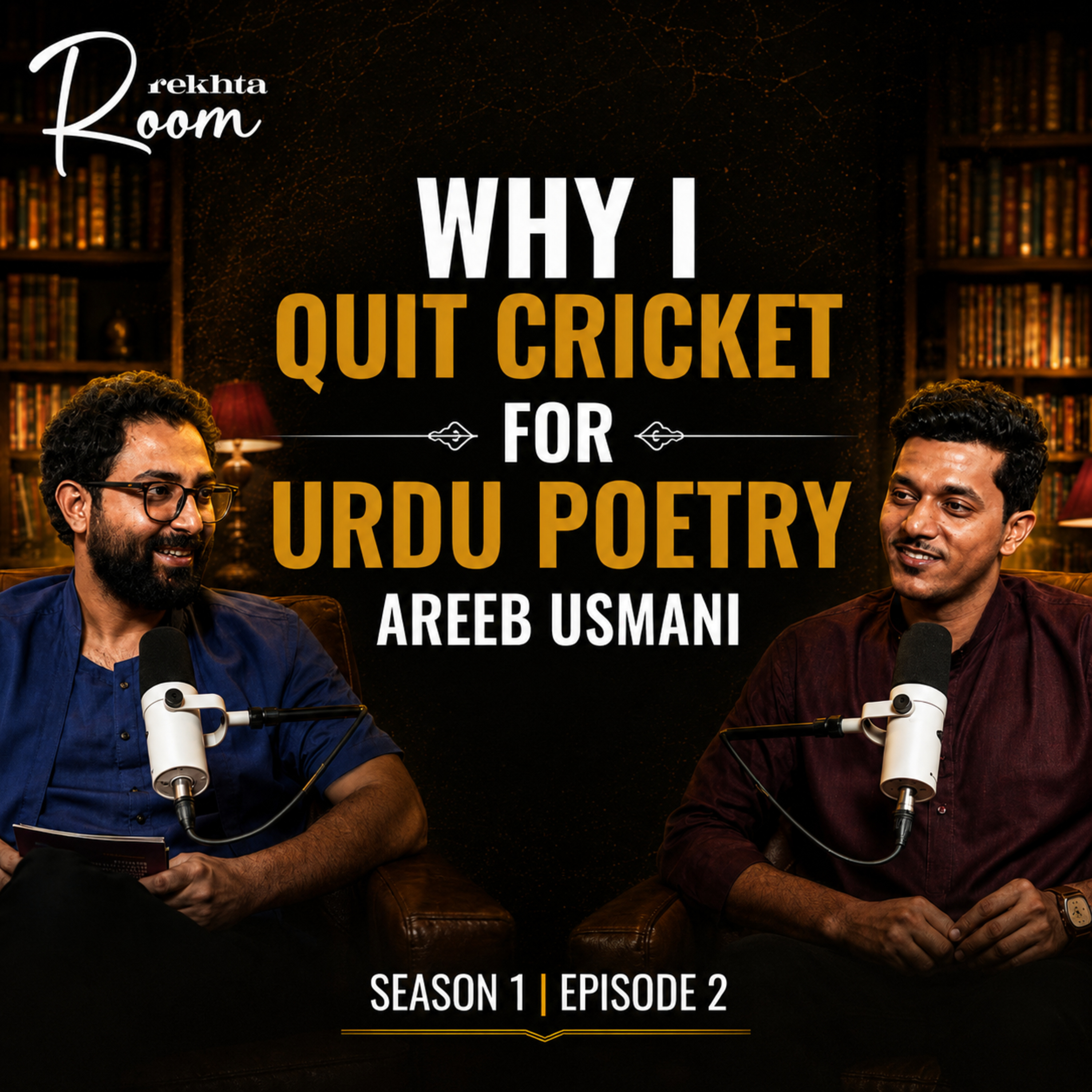
    From Fast Bowling to Urdu Poetry | Areeb Usmani | Rekhta Room, Season 1, Episode 2

    Areeb Usmani was building a career as a professional fast bowler when a serious ligament injury brought everything to an abrupt end. In the silence that followed, he found poetry. In this episode of Rekhta Room, Areeb joins Faisal Fehmi to talk about growing up in Mau and Azamgarh, the literary influences within his family, and the years he spent playing cricket in Lucknow and Mumbai. He recalls moving to Aligarh, discovering a community of writers at AMU, and gradually finding his own poetic voice. He also shares the amusing story of mistaking Jaun Elia for John Donne, reflects on reading more than 80 novels during lockdown, and speaks candidly about the effect of social media on contemporary poetry. The conversation moves through cricket, loss, prose, Faiz Ahmed Faiz and the friendships that shaped him, before concluding with a moving recitation of his poetry. Rekhta Room, Season 1, Episode 2. Featuring Areeb Usmani. Presented by Rekhta Foundation.

  • S1 · E1
    July 12 · 34 min

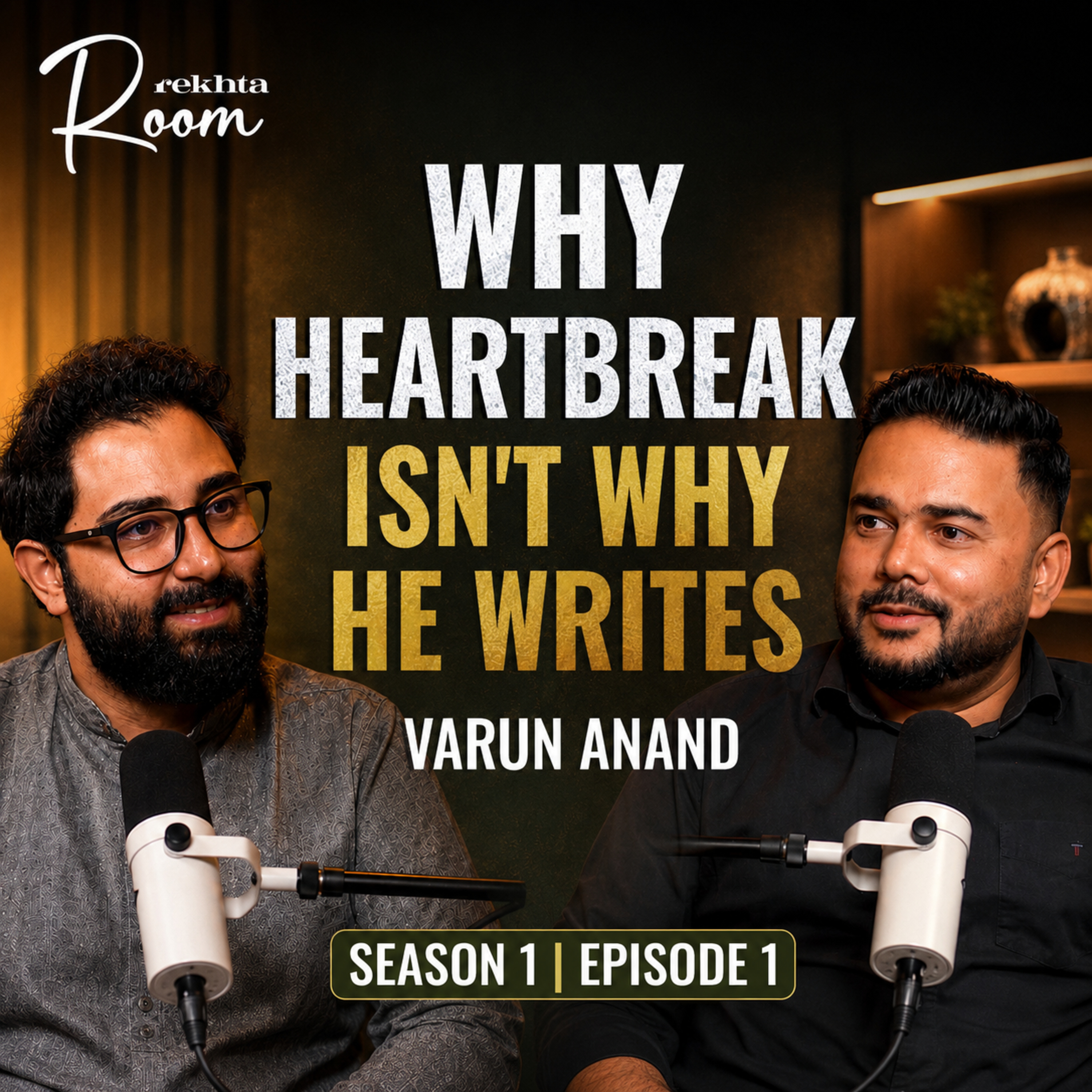
    Varun Anand: Why Heartbreak Did Not Make Him a Poet | Rekhta Room | Season 1 | Episode 1

    Does heartbreak really make a poet? For Varun Anand, poetry arrived much earlier. In the first episode of Rekhta Room, hosted by Faisal Fehmi, Varun Anand traces his journey from Yamunanagar and Ludhiana to the world of Urdu poetry. As the eldest son of a family facing financial hardship, he left school early and began working at a young age. It was while listening to Jagjit Singh on the radio that he discovered the poets behind the ghazals, including Bashir Badr, Nida Fazli and Qateel Shifai, and began writing himself. Varun speaks candidly about stepping away from poetry after his mother’s death, the person who brought him back, and the discipline behind writing a technically sound ghazal. He explains the importance of behr, why aamad may offer only the first line, and how the rest must be shaped through labour and craft. From writing amid the roar of garment factory machines to reflecting on social media, literary gatherings and his creative process, this is an honest conversation about language, loss and perseverance. The episode closes with Varun Anand reciting his celebrated ghazal, “Lahu Lagta Hai.” Rekhta Room is presented by Rekhta Foundation, the world’s largest platform for Urdu language and literature.

  • July 5 · 2 hr 8 min

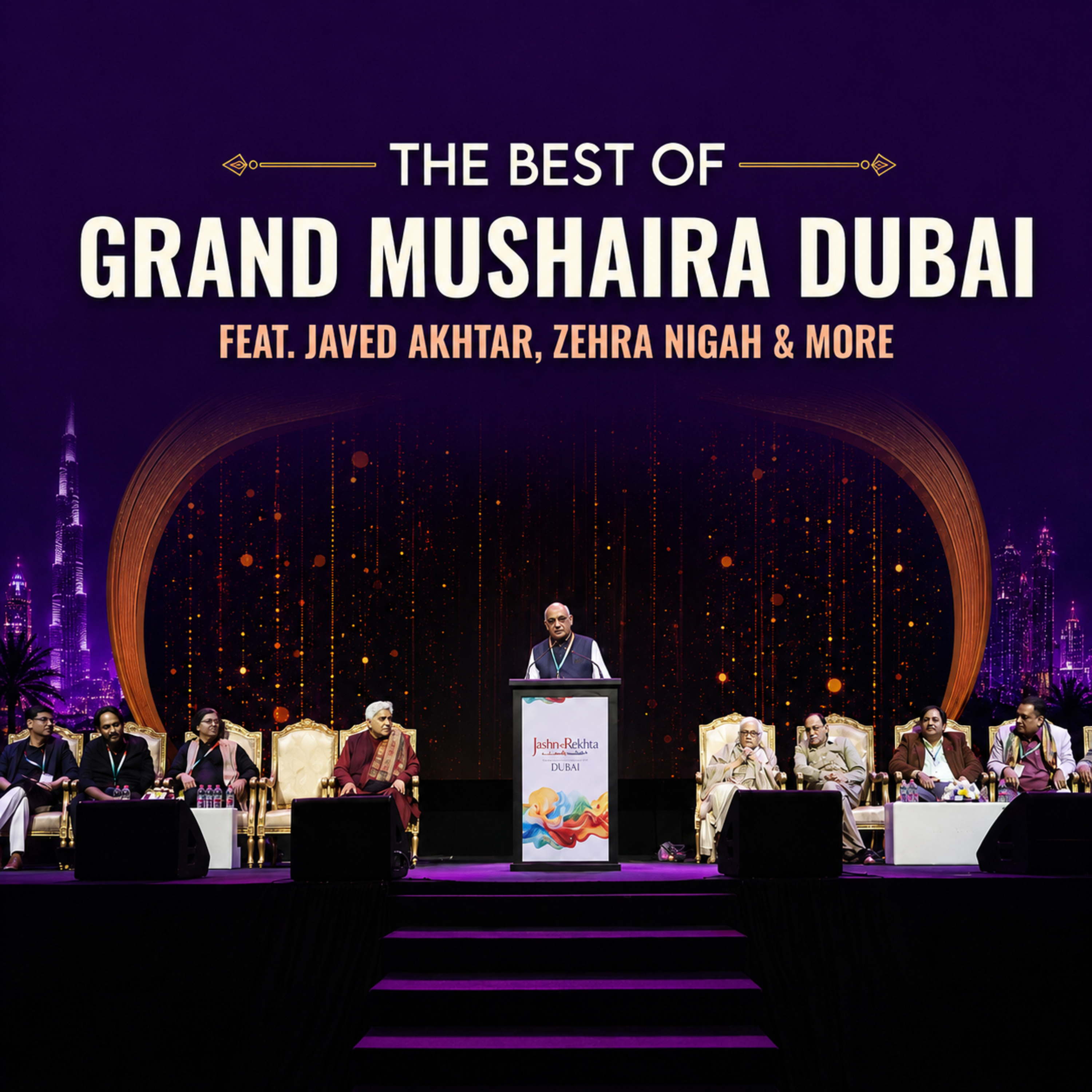
    Zehra Nigah, Javed Akhtar & Tehzeeb Hafi Live | Jashn-e-Rekhta Grand Mushaira

    Experience the Dubai Grand Mushaira 2024 from Jashn-e-Rekhta, featuring Javed Akhtar, Zehra Nigah, Tehzeeb Hafi, Shakeel Azmi, Abbas Tabish, Farhat Ehsas, Anwar Shaoor, Khalid Irfan, Asim Wasti, Manish Shukla and more. Presided over by the legendary Zehra Nigah and hosted by Ambreen Haseeb Amber, this special mehfil brings together some of the most celebrated voices of Urdu poetry. From ghazals on love, longing and relationships to nazms on society, cinema, memory, mothers, loneliness and satire, each poet brings a distinct mood to the stage. Listen to Tehzeeb Hafi’s contemporary shayari, Javed Akhtar’s reflections on time and silence, Shakeel Azmi’s moving tribute to unsung film workers, Abbas Tabish’s unforgettable poetry on mothers, and Zehra Nigah’s iconic Jungle Ka Kanoon. A must-listen for lovers of Urdu shayari, ghazal, mushaira, Rekhta, Jashn-e-Rekhta and timeless poetry.

  • June 28 · 57 min

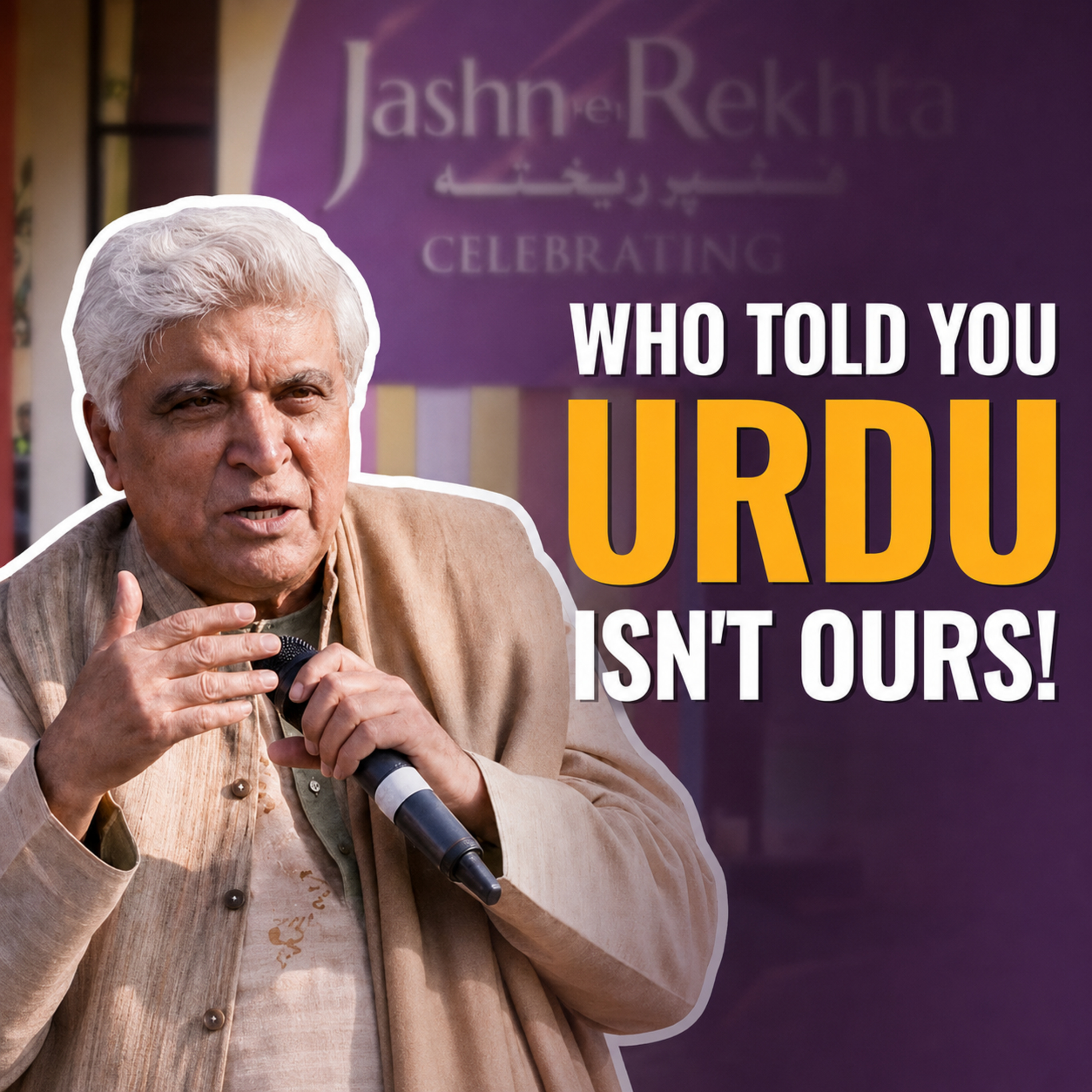
    Javed Akhtar & Pervaiz Alam on the Urdu Script Debate | Live at Jashn-e-Rekhta

    Javed Akhtar and Pervaiz Alam come together at Jashn-e-Rekhta for a sharp, necessary conversation on the Urdu script debate, Rasm-ul-Khat, and the relationship between Hindi and Urdu. Javed Akhtar begins with a clear argument. There is no problem with the Urdu script. The real confusion lies in mixing up script with language. Through examples from Punjabi, English, French and German, he explains how grammar, not script, defines a language. He also challenges the idea that Urdu is foreign or belongs to one religion, while reflecting on Bangladesh, Kazi Nazrul Islam, everyday Hindustani vocabulary, Bollywood’s shrinking language, and the class snobbery around speaking one’s own language well. The conversation also looks at Nastaliq, Devanagari and Roman scripts, the role of Rekhta in digital preservation, and the danger of losing access to literary heritage. The session closes with Javed Akhtar reciting his nazm “Zindagi.”

  • June 27 · 1 hr 24 min

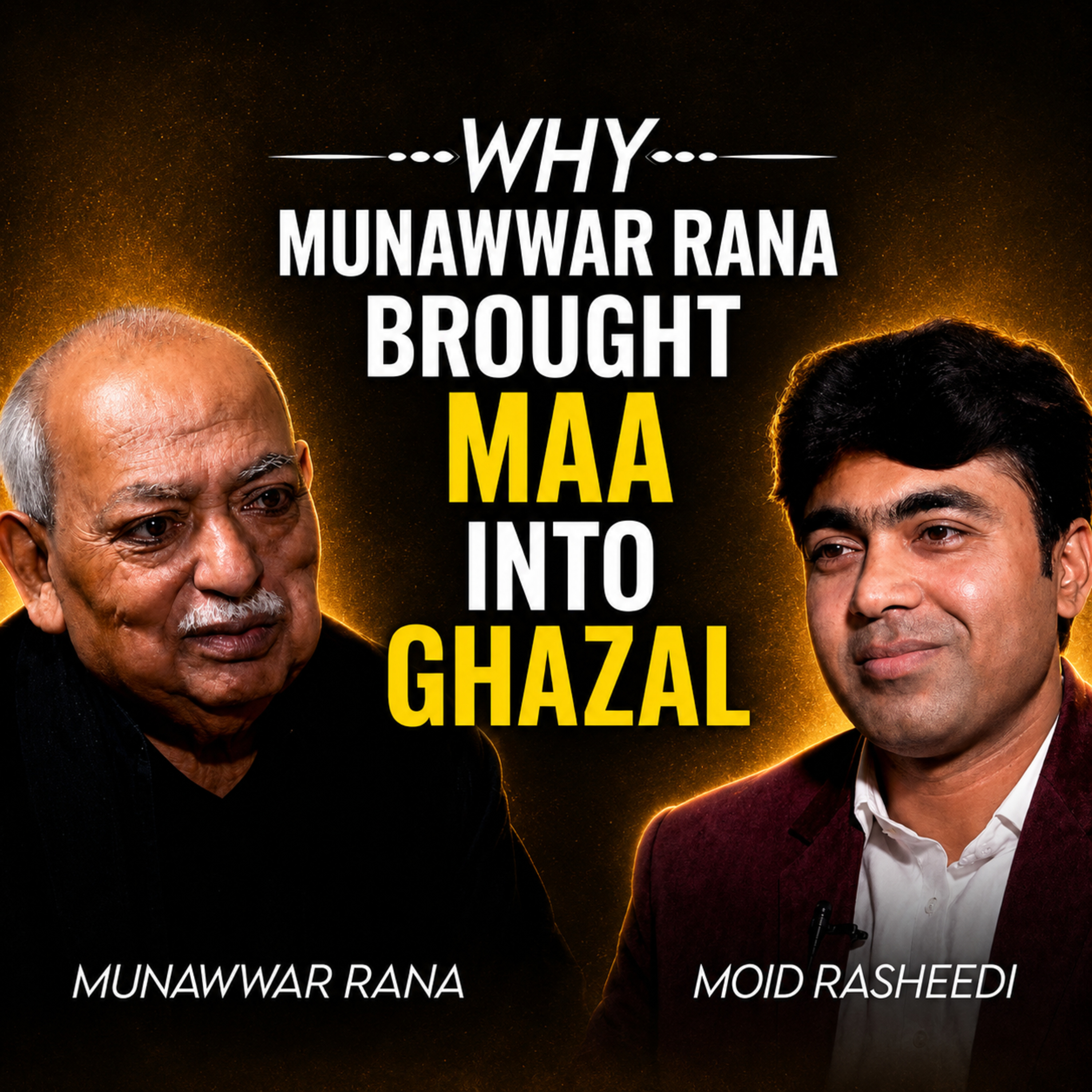
    Munawwar Rana: The Poet Who Brought Maa Into the Ghazal | Rekhta Rubaru

    In this rare and intimate episode of Rekhta Rubaru, legendary Urdu poet Munawwar Rana sits down with Moid Rasheedi for a deeply personal conversation about identity, Partition, poetry, rebellion and the memories that shaped his voice. Rana reflects on being Munawwar Ali before fame, his childhood as the son of a truck driver, and his father’s decision to stay in India after 1947 to protect the 500-year-old graves of their ancestors. He shares moving stories of failure, labour, loss and dignity, including the day his father sent him to work after he failed 6th grade. The conversation also explores his years in Kolkata during the Naxalite era, his rebellious phase, his return to family responsibilities, and the emotional force behind his most defining literary contribution. Bringing Maa to the centre of the Urdu ghazal. A powerful episode on memory, language, belonging and the poet who changed the emotional vocabulary of Urdu poetry.

  • June 21 · 2 hr 2 min

    Javed Akhtar, Waseem Barelvi & Legends of Urdu Poetry | Shaam-e-Rekhta Mumbai

    Experience the magic of a grand live Mushaira from Shaam-e-Rekhta Mumbai, hosted by the Rekhta Foundation. Two of the greatest living legends of Urdu poetry, Javed Akhtar and Waseem Barelvi, come together on one stage for an unforgettable evening of ghazal, shayari and powerful poetic expression. Javed Akhtar delivers deeply moving verses on integrity, self-respect, relationships and the many contradictions of life. His much-loved poem Shatranj stands out as a sharp metaphor for injustice, power and human vulnerability. Waseem Barelvi brings his iconic lehja, emotional depth and timeless couplets on trust, survival, love and the art of living. His presence turns the evening into a memorable celebration of Urdu poetry. The Mushaira also features Aslam Hasan, Charagh Sharma, Pooja Bhatia, Madan Mohan Danish, Vijendra Singh Parwaz, Rajesh Reddy and Shamim Abbas. Together, they bring poems on love, memory, society, humour, pain and the everyday emotions that connect us all. Listen to this complete Grand Mushaira from Shaam-e-Rekhta Mumbai and relive an evening where every strong line finds its echo in the audience. Featured Poets: Javed Akhtar, Waseem Barelvi, Aslam Hasan, Charagh Sharma, Pooja Bhatia, Madan Mohan Danish, Vijendra Singh Parwaz, Rajesh Reddy and Shamim Abbas.

  • June 13 · 1 hr 1 min

    Abbas Tabish on Fear, His Mother & the Soul of Urdu Ghazal | Rekhta Rubaru

    In this deeply moving episode of Rekhta Rubaru, host Rehman Faris sits down with legendary poet Abbas Tabish, celebrated as one of the most powerful voices of the modern Urdu ghazal. From childhood memories and poverty to the emotional force of a mother’s love, Tabish reflects on the fears, wounds, and turning points that shaped both his life and poetry. He shares the story behind one of his most iconic lines, “Ek Muddat Se Meri Maa Nahi Soi Tabish”, and opens up about how fear has remained a recurring presence in his creative journey. The conversation also explores his early poetic influences, his father’s role in introducing him to spiritual and romantic imagination through Tafsir Surah Yusuf, and the insult at a newspaper office that pushed him toward education and a lifelong commitment to poetry. Abbas Tabish also speaks about the craft of the ghazal, the need for poets to unlearn, the importance of lineage in poetry, the legacy of Mir and Sauda, mushaira culture, poetic ego, audience connection, and the digital future of Urdu literature through Rekhta. The episode closes with powerful recitations by Abbas Tabish, including his unforgettable verses on motherhood, longing, thirst, and the human condition. A soulful conversation on fear, memory, love, Urdu poetry, and the timeless world of the ghazal.

  • June 7 · 25 min

    The Unheard Jaun Elia: Javed Akhtar Launches Kyun & Shares Rare Memories | Live at Jashn-e-Rekhta

    A book of Jaun Elia's poems no one had read — until now. Javed Akhtar launches Kyun and opens up the poet's hidden world. On Jaun Elia's birth anniversary, Jashn-e-Rekhta hosts the launch of Kyun, a collection of the legendary Urdu poet's previously unpublished work, compiled by Khalid Akhtar Ansari and Adeel Zaidi and released by Javed Akhtar. In conversation with Moin Shadab, Javed Akhtar and Jaun's niece Rukhsar Amrohi open up a side of the poet few have heard. Javed Akhtar unpacks Jaun's craft like only he can explaining sahl-e-mumtana, the deceptively hard art of writing in simple, everyday language while carrying immense poetic weight, and why Jaun's simplicity was a choice born of mastery, not a shortage of words. He calls Jaun's poetry an emotional lava that turns prose into verse, and reflects on the blunder of Partition through the life of a man whose country was Pakistan but whose soul never left Amroha. Rukhsar Amrohi shares intimate memories: the heavy silence that settled over their Amroha home after his migration in 1957, and his return years later when he knelt at the station to kiss the soil and embraced the trees of his old home like a man overjoyed. She also recalls the wasiyat he left her: to carry the family's poetic tradition forward. Javed Akhtar closes by reciting and decoding some of Jaun Elia's most iconic couplets.

  • June 6 · 1 hr 13 min

    Irfan Habib on Urdu, Partition, Akbar, Amir Khusrau & 700 Years of Indian History | Rekhta Rubaru

    One historian. Seven centuries of India. One unforgettable conversation. In this episode of Rekhta Rubaru, legendary historian Professor Irfan Habib joins Moid Rasheedi for a sweeping conversation on the making of India’s cultural, political and linguistic history. From the memories of Partition and the Lahore Resolution to the atmosphere in Aligarh during a turning point in India’s history, Habib reflects on the dangers of allowing religion to shape the future of a nation. He also recalls Maulana Abul Kalam Azad’s 1949 AMU convocation speech and the promise that helped preserve the university’s character. The conversation moves through the world of Amir Khusrau, whom Habib describes as India’s first patriotic poet, and traces the evolution of Hindavi, Persian, Urdu and Hindi. He also speaks about Akbar’s vision, Gandhi’s idea of Hindustani, Dara Shikoh’s translation of the Upanishads, and Sir Syed Ahmed Khan’s complex legacy in education, archaeology and colonial India. A rich, thought-provoking episode for anyone interested in Urdu, Indian history, language, culture, Partition, Mughal history and the many ideas that shaped India.

  • May 31 · 49 min

    Mahira Khan & Samina Peerzada on Acting, Roles and Humsafar | Live at Jashn-e-Rekhta

    Recorded live at Jashn-e-Rekhta Dubai, this special conversation brings together Mahira Khan and Samina Peerzada with host Adeel Hashmi for a thoughtful, warm, and revealing session on acting, storytelling, and the journey from script to screen. Titled “Kahaani Se Kirdaar Tak”, the discussion explores how actors shape written characters into unforgettable performances. Mahira Khan reflects on her creative process, the emotional preparation behind complex roles, and the experience of becoming part of a cultural phenomenon through Humsafar. Samina Peerzada brings her years of experience as an actor, director, and storyteller, offering a deeper view of Pakistani cinema, television, and the changing place of women in performance. Beyond the craft, the conversation also looks at the real life behind fame, the pressure of public love, the discipline required to stay honest as an artist, and the quiet work that goes into making a role feel alive. For fans of Mahira Khan, Samina Peerzada, Pakistani dramas, cinema, theatre, and acting, this live session is part conversation, part masterclass, and part celebration of stories that stay with us.

  • May 27 · 58 min

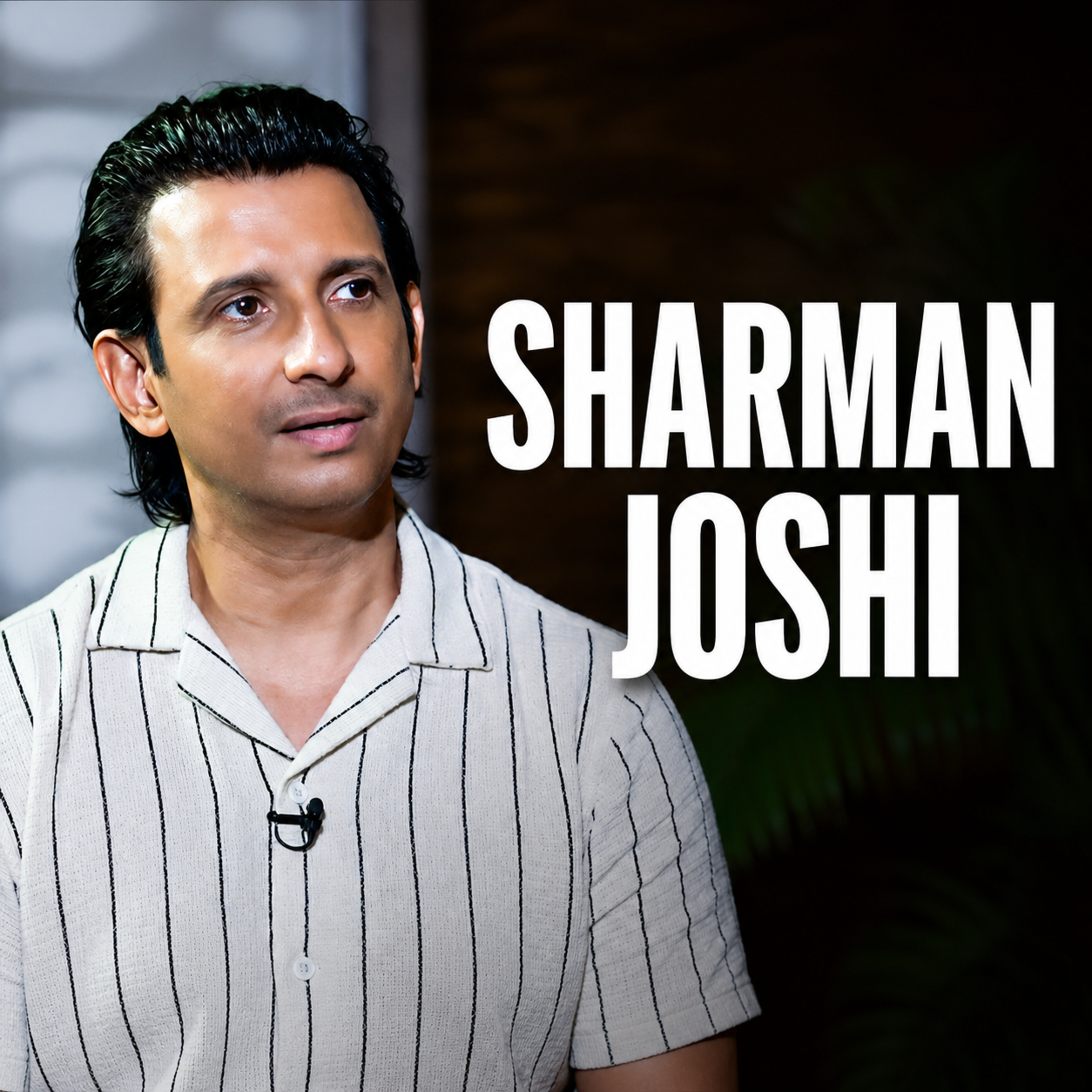
    The Real Sharman Joshi | Theatre, Family, Films & Acting Lessons at Rekhta Guftgu

    Sharman Joshi joins Rekhta Guftugu for a warm, honest conversation on theatre, cinema, family, craft, and the long journey of becoming an actor. Born into a family deeply connected with Gujarati theatre, Sharman looks back at the influence of his father Arvind Joshi, his uncle Praveen Joshi, and the world of modern Indian theatre that shaped his early years. He shares stories from college, his first play after graduation, the success of All the Best, and the unforgettable lessons he learnt from live audiences. The conversation moves from Gujarati theatre to Hindi cinema, from stage struggles to film roles, and from forgotten dialogues to the discipline of acting. Sharman also speaks about learning jazz dance and horse riding, his love for music, the languages he speaks, his siblings, reading habits, and the actors who continue to inspire him. From 3 Idiots, Rang De Basanti, Golmaal: Fun Unlimited, and Life in a Metro to his reflections on the kind of roles he now seeks, this episode offers a rare look at Sharman Joshi beyond the screen. Gentle, funny, thoughtful, and deeply rooted in theatre.

  • May 24 · 43 min

    Taapsee Pannu on Being Called Bad Luck and Choosing Her Own Path | Rekhta Guftgu

    Taapsee Pannu opens up in a warm, honest and deeply personal conversation on Rekhta Guftugu. From growing up in a middle-class Delhi household to studying engineering, modelling during college, entering South cinema, and eventually becoming one of the most distinct voices in Hindi films, Taapsee traces the journey that shaped her both as an actor and as a person. She speaks about her mother’s influence, her rebellious streak, her conflicts within a patriarchal family setup, and the everyday struggles women face across professions. Taapsee also reflects on the early mistakes she made in the film industry, being labelled “bad luck” after consecutive flops, and how she rebuilt her career by choosing films she herself would want to watch. The conversation moves through her work in South Indian cinema, her shift to Hindi films, her experience working with Amitabh Bachchan, her love for science, her lockdown learnings, and her belief in living truthfully. Known for films like Pink, Badla and Manmarziyaan, Taapsee brings the same clarity, courage and humour to this interview. An episode about ambition, independence, womanhood, cinema, self-belief and the strength it takes to choose love over hate.

  • May 20 · 40 min

    Ali Fazal Gets Brutally Honest About Acting, Failure & Success | Live at Jashn-e-Rekhta

    Ali Fazal comes to Jashn-e-Rekhta for a warm, candid, and deeply reflective conversation on cinema, Urdu, poetry, ambition, and the stories that shaped him. Opening with a nazm, Ali moves from the grace of Lucknow’s tehzeeb to his childhood memories of films, books, and language. He speaks about being born in Delhi and raised in Lucknow, the influence of his mother, his early connection with theatre and Shakespeare at Doon, and the difficult years that taught him fearlessness. The conversation also traces his journey from Bollywood to Hollywood, including Victoria and Abdul, Death on the Nile, and his work as a producer with Pushing Buttons Studios. Ali reflects on craft, ambition, plagiarism versus inspiration, Urdu pronunciation in cinema, the responsibility of artists, and why he still feels he has not “arrived.” From personal memories to sharp industry observations, this session brings together cinema, literature, language, and a rare honesty that stays with you long after the conversation ends.

    • Transcript
  • May 17 · 1 hr 21 min

    Javed Akhtar, Zehra Nigah, Abbas Tabish & More | Best of Jashn-e-Rekhta Mushaira

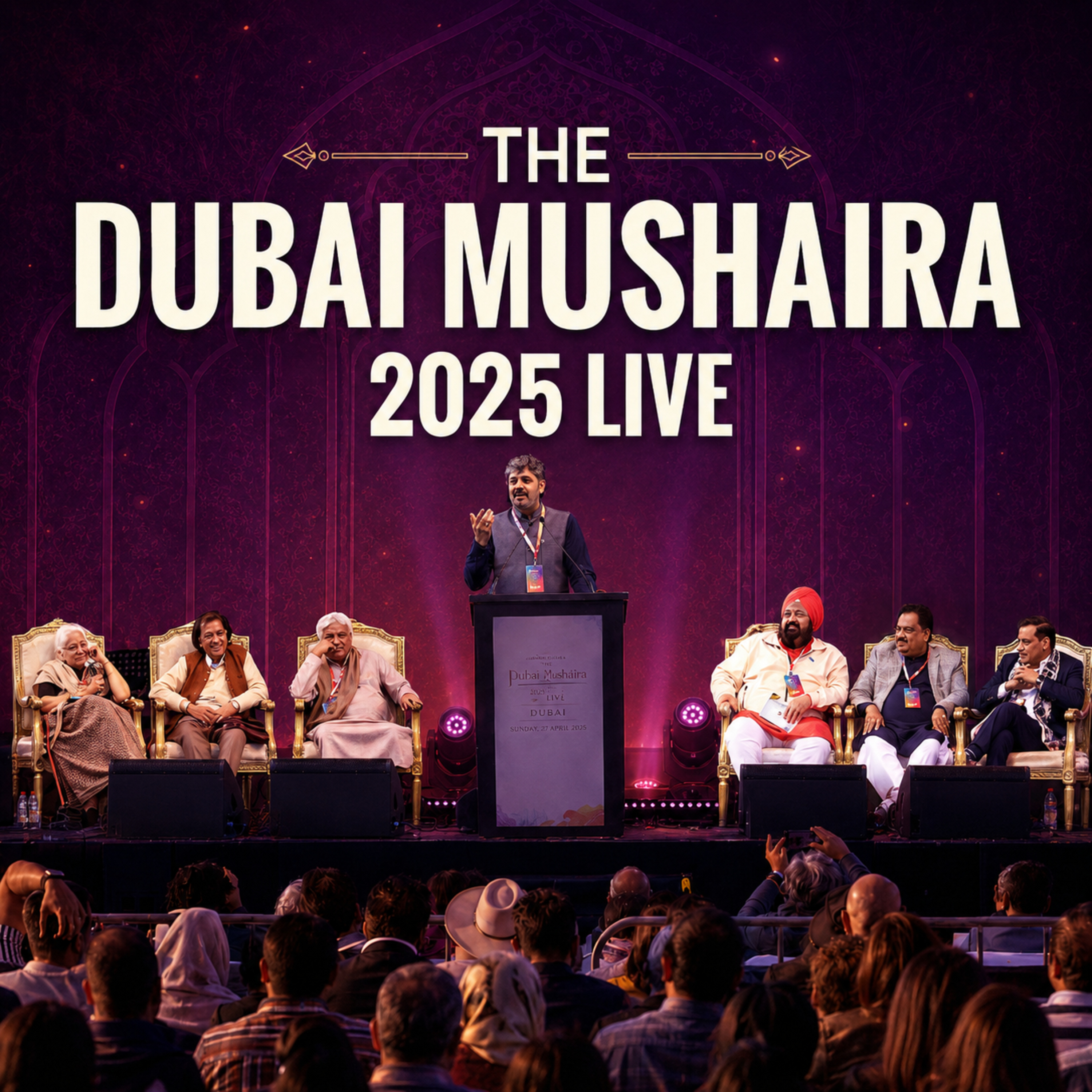
    A grand mushaira from Jashn-e-Rekhta Dubai, bringing some of Urdu poetry’s most loved voices together on one stage. This Sunday Special captures the best moments from Dubai Mushaira 2025, where Javed Akhtar, Zehra Nigah, Waseem Barelvi, Abbas Tabish, Khushbir Singh Shaad, Sarosh Asif and Shakeel Jazib fill the evening with nazm, ghazal, wit, silence, applause and that rare mehfil energy only a live mushaira can create. From Javed Akhtar’s sharp reflections to Zehra Nigah’s grace, from Waseem Barelvi’s emotional depth to Abbas Tabish’s lyrical command, each poet brings a different shade of Urdu to the mic. The audience listens, responds and becomes part of the poetry itself. An episode for those who love Urdu, shayari, live performances and the feeling of being inside a hall where every verse lands straight in the heart.

    • Transcript
Showing 1–20 of 20 episodes