Skip to content
Artwork for Human School
EducationSelf-Improvement

Human School

Miles Adcox

We’ve been taught everything except how to be human. In a world obsessed with output, Human School is where we study what happens within.

Hosted by Miles Adcox, this podcast was born from a journal entry during a breakdown –– a reminder that struggle isn’t weakness; it’s instruction. Through raw conversations with world-class experts, therapists, and thinkers, Human School reframes pain as purpose, productivity as presence, and leadership as inner clarity.

If you are navigating personal growth, emotional health, and self-discovery, you are in the right place.

Welcome to Human School.

Play
  • 31 episodes
  • weekly
  • Avg 1 hr 28 min
  • English
Counted on this page — what you have heard stays on this device, so it is not something the list can be paged by.
  • #54
    Tuesday · 1 hr 52 min

    Why You Keep Rescuing People Who Hurt You with Dr. Henry Cloud

    Dr. Henry Cloud, the psychologist behind Boundaries, on why loving people keep rescuing the people who hurt them, and what it takes to stop. Dr. Cloud and Miles talk about the habit so many caring people never question: keeping everyone around them calm at their own expense, and what it looks like to love someone without rescuing them, including at this year's holiday table. YOU'LL LEARN – Why placating someone buys a quiet dinner but never changes anything – Why the strongest leverage you have with someone you love is the relationship itself – Why giving up trying to change someone feels like hopelessness, and why it's actually the only path that has hope – How to prepare for Thanksgiving: role-play, ground rules, a wingman, and a boundary sandwich – The five steps from his new book, Your Desired Future, for getting from where you are to where you want to be EPISODE CHAPTERS 00:00 Welcome Dr. Cloud, Boundaries Expert 03:00 Why he wrote Boundaries 07:00 A boundary is a property line 16:00 "Thank you for giving me a father" 20:00 Interventions that lead with love 39:00 Why letting go feels like hopelessness 41:00 "You'll only have to do it again tomorrow" 59:00 "This is just human school" 1:19:00 Going home for the holidays 1:35:00 Your Desired Future If going home this season already has you bracing, that's worth paying attention to. Onsite offers a range of experiences to do life-changing work around your story and what your body might be holding onto. Learn more: ⁠https://hubs.la/Q04FdrFM0⁠ CONNECT WITH DR. HENRY CLOUD Instagram: ⁠https://instagram.com/drhenrycloudofficial⁠ Website: ⁠https://www.drcloud.com⁠ Your Desired Future: ⁠https://www.drcloud.com/your-desired-future⁠ STAY CONNECTED TO HUMAN SCHOOL Follow Miles on Instagram: ⁠https://hubs.la/Q04Fdrrj0⁠ Follow Human School on Instagram: ⁠https://hubs.la/Q04FdryG0⁠ Subscribe on Substack: ⁠https://hubs.la/Q04Fdr4J0⁠ Learn more about Onsite: ⁠https://hubs.la/Q04FdrFM0⁠

  • #53
    November 10 · 1 hr 53 min

    The Cost of Helping Everyone But Yourself with Harry Hudson

    Harry Hudson beat Hodgkin lymphoma at 20, lost his dad the week before his first album, toured the world and started a charity for teens with cancer, and spent most of those years staying busy so he wouldn't have to feel. If you're the funny one, the busy one or the one who helps everybody else, you'll hear yourself in this. Harry tells Miles about his dad, who was an addict and never missed a game, the stranger at his first chemo who changed how he lived, and the call that got him to ask for help. YOU'LL LEARN Why staying busy can be a way to escape Bonnie's two rules before his first chemo: put what you love ahead of the hard thing, and write your life down What to say to someone with cancer instead of "How are you feeling?" How Harry built a new relationship with his dad after he died Why asking for help is easier than the story in your head says EPISODE CHAPTERS 00:00 Intro 06:00 A dad who was an addict and never missed a game 34:00 Why staying busy was his escape 42:00 A record offer and cancer in the same week 51:00 Bonnie's question: "Would you die for music?" 58:00 What to ask someone with cancer instead of "How are you feeling?" 01:03:00 Losing his dad the week before his first album 01:24:00 When helping others becomes a mask 01:27:00 Asking for help from rock bottom 01:39:00 Making Don't Be Precious with Dylan Pace Onsite offers a range of experiences to do life-changing work around your story and what your body might be holding onto. Learn more: https://hubs.la/Q04Dr_0-0 If you're having thoughts of suicide, you can call or text 988 to reach the 988 Suicide & Crisis Lifeline (US). CONNECT WITH HARRY HUDSON Instagram: https://www.instagram.com/harryhudson/ Website: https://harryhudsonmusic.com Hey, I'm Here For You: https://heyimhereforyou.org New album Don't Be Precious, out January 2027. First single out now. STAY CONNECTED TO HUMAN SCHOOL Follow Miles on Instagram: https://hubs.la/Q04Dr-9v0 Follow Human School on Instagram: https://hubs.la/Q04Dr-zM0 Subscribe on Substack: https://hubs.la/Q04DrZZB0 Learn more about Onsite: https://hubs.la/Q04Dr_0-0

  • #52
    November 3 · 1 hr 17 min

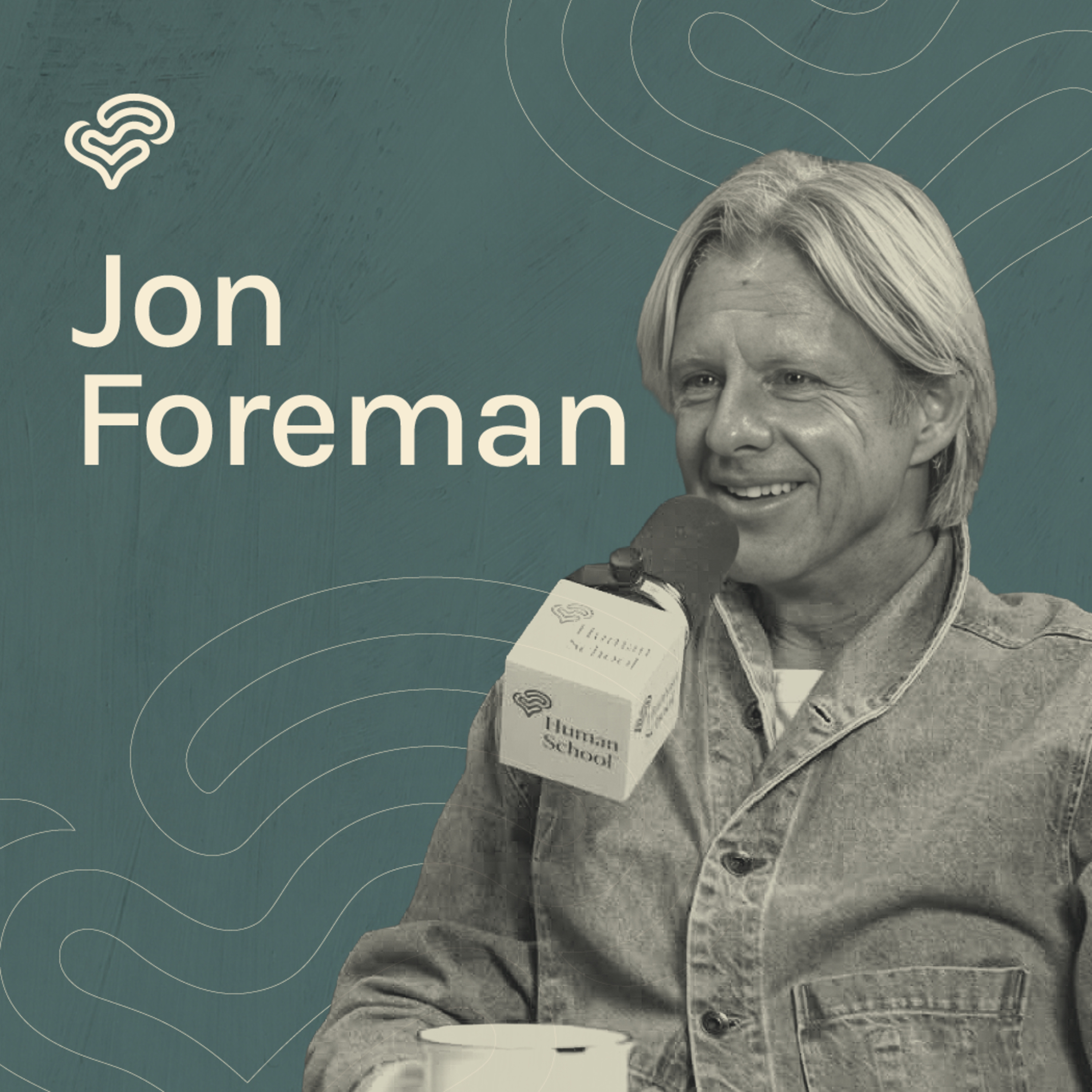
    How to Be Present When Life Feels Short with Switchfoot’s Jon Foreman

    Jon Foreman of Switchfoot says songs like "Meant to Live" are a huge part of him, but never the whole story. In this conversation, he tells Miles about the rest of it. In this episode, Jon and Miles talk about the gap between who we are in front of people and who we are at home: the parts of ourselves we keep out of view, what our kids reflect back to us, and how remembering that life is short changes what we reach for. YOU'LL HEAR "Part of me feels this" and the myth of the monolithic personality How we end up yelling at ourselves through our kids Why Jon “plays the music for free” and what he’s really paid for Why your worth is intrinsic, whether the applause comes from a crowd or a phone What your 14-year-old self would think of you Elliott Smith by candlelight, and what a broken string makes possible EPISODE CHAPTERS 00:00 Welcome Jon Foreman 08:00 The myth of the monolithic personality 14:00 The face of the band vs. who am I 28:00 The songs were more honest than I was 32:00 Yelling at ourselves through our kids 43:00 Would your 14-year-old self like it? 48:00 We're not around death enough 1:02:00 "I play the music for free" 1:05:00 "My job is to make people clap for me" 1:14:00 If today was your last day At Onsite, much of the work looks like what Miles and Jon describe here: meeting a younger part of yourself, before the world told it who to be. Onsite offers a range of experiences to do life-changing work around your story and what your body might be holding onto. Learn more: https://hubs.la/Q04CV_nX0 CONNECT WITH JON FOREMAN Instagram: https://www.instagram.com/jonforeman/ Website: https://jonforeman.com Switchfoot: https://switchfoot.com Forever Now is out now. The Forever Now Tour runs through November, with Europe in early 2027. STAY CONNECTED TO HUMAN SCHOOL Follow Miles on Instagram: https://hubs.la/Q04CV_Rv0 Follow Human School on Instagram: https://hubs.la/Q04CV_XZ0 Subscribe on Substack: https://hubs.la/Q04CV_JX0 Learn more about Onsite: https://hubs.la/Q04CV_nX0

  • #51
    October 27 · 1 hr 38 min

    MŌRIAH: Ten Years of Hearing No, Then Everything Changed

    “Suffering is inevitable, but I think misery is pretty self-inflicted.” From the outside, MŌRIAH looks like she has it all together: Grand Ole Opry performances, a role in The Chosen, a spot in CMT’s Next Women of Country. What you don’t see is the nearly ten years she spent feeling unseen, believing that if something wasn’t hard, it didn’t count. She tells Miles what finally changed: learning the difference between suffering and misery, building her music around her Mexican heritage and her family, walking into therapy convinced it was a joke, and how she and her husband stay close while both work in film and music. YOU’LL HEAR Why ambitious people mistake difficulty for value What building up resentment cost her, in time and relationships Coming home to her culture, her family, and herself Why she spent her last dollar on a short film From certified therapy skeptic to advocate The one thing she does to make sure someone feels seen EPISODE CHAPTERS 00:00 Welcome MŌRIAH 06:00 Finding her music in her own backyard 11:00 Suffering vs. misery 23:00 Family, heritage, and the strawberry photo shoot 36:00 Her dad, and spending her last dollar on Nice Life 48:00 Being invisible, then the spotlight 1:01:00 Therapy skeptic 1:20:00 Marriage as two sovereign nations 1:29:00 New film, JIMMY, and her last word MŌRIAH showed up to Onsite a 10 out of 10 on skepticism. If that’s where you are too, Onsite offers a range of experiences to do life-changing work around your story and what your body might be holding onto. Learn more: https://hubs.la/Q04C8B--0 CONNECT WITH MŌRIAH Instagram: https://www.instagram.com/holamoriah/ Website: https://www.moriahofficial.com/ “Home to Me” plays over the end credits of JIMMY, in theaters November 6. STAY CONNECTED TO HUMAN SCHOOL Follow Miles on Instagram: https://hubs.la/Q04C8CgT0 Follow Human School on Instagram: https://hubs.la/Q04C8CXV0 Subscribe on Substack: https://hubs.la/Q04C8Dtf0 Learn more about Onsite: https://hubs.la/Q04C8B--0

  • #50
    October 20 · 1 hr 42 min

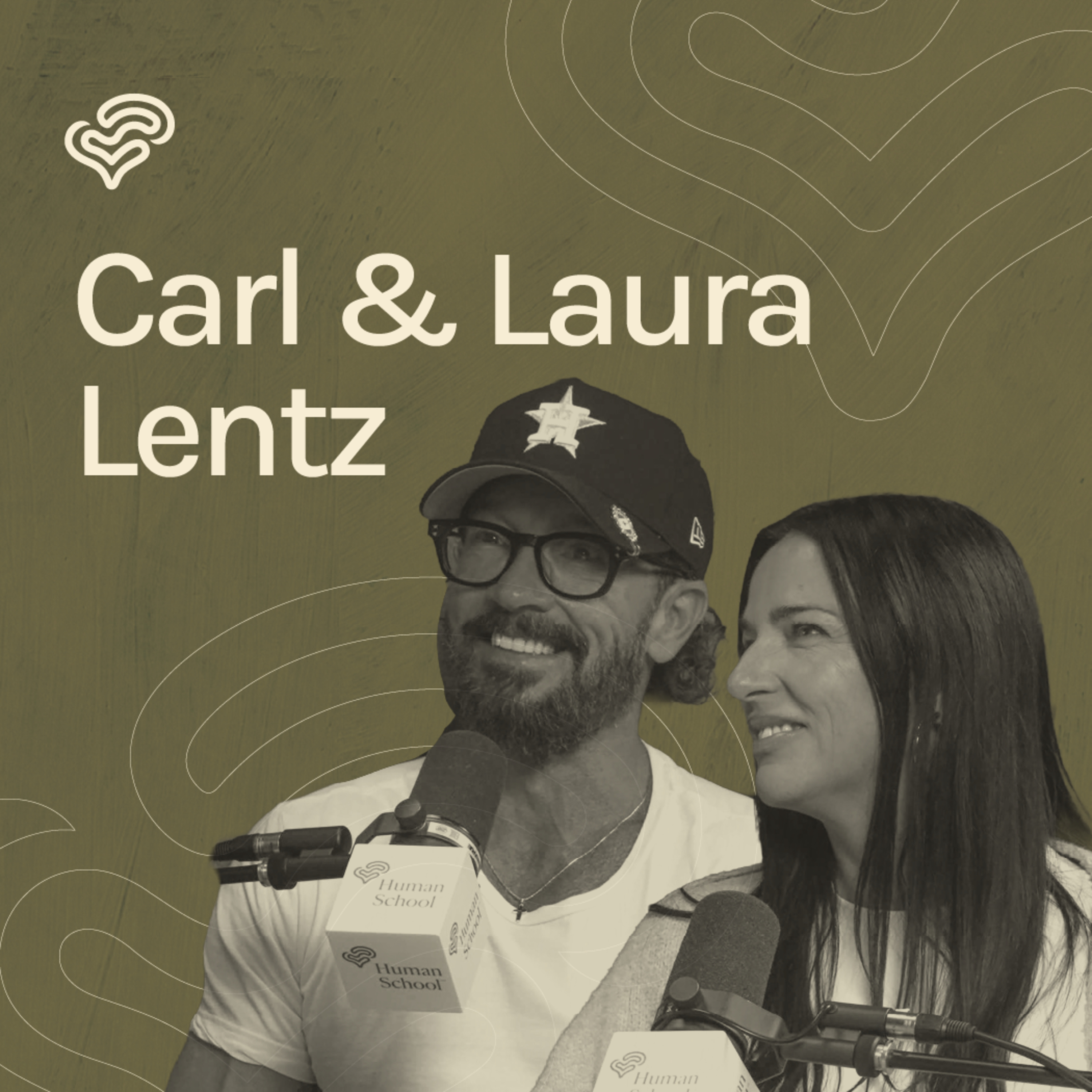
    Rebuilding After Betrayal: Infidelity, Codependency, and Radical Ownership with Carl & Laura Lentz

    How do you rebuild your life after the crushing wreckage of betrayal? In this powerful episode of Human School, Miles Adcox sits down with Carl and Laura Lentz to explore the raw reality of surviving infidelity, breaking free from codependency, and choosing radical personal ownership when your world falls apart. What You'll Learn: The profound, isolating loneliness of betrayal trauma and why finding safe, grounded support changes everything. How to break the cycle of codependency by choosing your own healing and health, regardless of your partner's choices. The critical psychological difference between staying trapped in the comfortable hiding place of shame versus taking total personal accountability. Practical emotional tools for managing triggers, shortening repair times after conflict, and navigating gut-wrenching family conversations with your children. Episode Chapters: 00:00 Welcome Carl & Laura Lentz 00:46 The Reality of Healing After Infidelity 07:05 Choosing Ownership Over Shame 15:47 The Loneliness of Betrayal 21:51 Seeking Help & Finding Hope 37:02 The Decision to Stay and Fight 42:18 Forgiveness vs. Safety 51:00 Eradicating Shame 1:15:58 Navigating Triggers & Practical Tools 1:31:32 Looking Back & Words of Wisdom Ready to take the next step in your own healing journey? Discover how Onsite's transformational therapeutic intensives and emotional health retreats can help you move from survival and betrayal into deep, lasting self-discovery. Learn more about Onsite here: https://hubs.la/Q04BhNwh0 CONNECT WITH CARL & LAURA Follow Carl on Instagram: https://www.instagram.com/carllentz/ Follow Laura on Instagram: https://www.instagram.com/lauralentz/ Get your copy of Overcoming Infidelity: https://www.simonandschuster.com/books/Overcoming-Infidelity/Carl-Lentz/9781668230497 STAY CONNECTED TO HUMAN SCHOOL Follow Miles on Instagram: https://hubs.la/Q04BhP9b0 Follow Human School on Instagram: https://hubs.la/Q04BhPlj0 Follow Human School on Substack: https://hubs.la/Q04BhFwQ0 Learn more about Onsite: https://hubs.la/Q04BhNwh0

  • #49
    October 13 · 1 hr 40 min

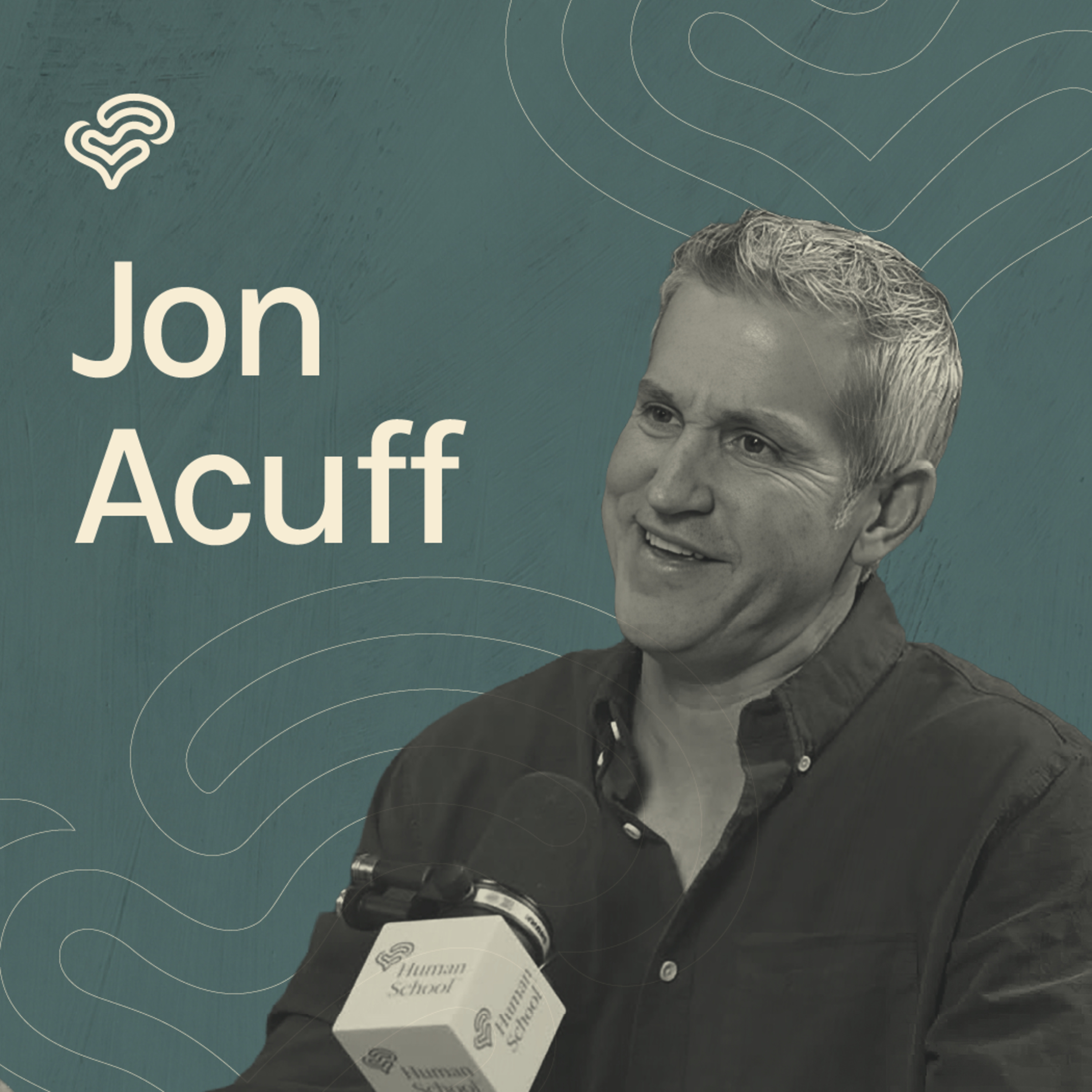
    How to Stop Self-Sabotaging and Finally Finish What You Start with Jon Acuff

    What is procrastination actually costing you? Turns out, almost everything. In this episode, Miles Adcox welcomes author and speaker Jon Acuff to Human School for an honest, practical, and deeply encouraging conversation about procrastination, overthinking, and the strange ways our minds block the lives we want to live. Jon opens up about his own struggles with anxiety, the danger of old "soundtracks," and why the hardest part of a new goal is often the weight of past failures. Packed with humor and tactical wisdom, Jon and Miles break down how to retire broken soundtracks and finally give yourself permission to be remarkable. Looking to shift the way you think? Onsite offers transformational experiences to help you live the life you deserve. Learn more: https://hubs.la/Q04zCzKf0⁠ In This Episode, You'll Learn: The real psychology behind why we avoid the things we want to do most. How to shift your internal soundtrack using the "Retire, Replace, Repeat" method. Why optimism is a daily practice, not a personality trait. How to separate fear from decision-making so you can finally cross your finish line. Learn more about Jon and grab a copy of Procrastination Proof: https://jonacuff.com/ Stay Connected to Human School: Human School on Instagram: https://hubs.la/Q04zCFsz0 Miles on Instagram: https://hubs.la/Q04zCBRJ0 Learn more about Onsite: https://hubs.la/Q04zCzKf0 Follow Human School on Substack: https://hubs.la/Q04zChTr0 Episode Chapters: 00:00 - Welcome Jon Acuff – Author of Procrastination Proof 02:00 - The 34-Year Delay 06:00 - Growing Up Anxious and Running Hot 09:30 - Scars as Lighthouses & The Power of Going First 13:30 - Mental Health, Rumination, and Mindset 16:00 - Live Coaching: Unpacking Miles' Book Goals & Resistance 22:00 - High Performers and Changing Your Fuel Source 27:00 - Repetition, Symbols, and Soundtrack Cards 31:00 - Experiential Healing, Empathy, and Feedback Loops 35:40 - Writing for Teenagers and Handle-Making 44:50 - Why We Procrastinate: The Bad Solution 49:30 - Jon's Corporate Exit & The Birth of His Blog 54:30 - The Internet, Online Anger, and Identity Follows Activity 58:45 - Finding Peace in the Storm & Practicing Optimism 01:04:00 - Tactical Tools: Paper Shrinks Fear & Owner's Manuals 01:08:50 - Success Hang-ups & The Fear of Being Remarkable 01:14:00 - Unpacking Money Scripts and Celebrating Wins 01:22:00 - Growth is Non-Linear: The Reality of Healing 01:26:40 - Writing Brave & Jon's Upcoming Book on Optimism 01:30:00 - Counseling, Faith, and Following Overreactions 01:36:30 - Writing vs. Rewriting & Fear Gets a Voice, Not a Vote

  • #48
    October 6 · 1 hr 39 min

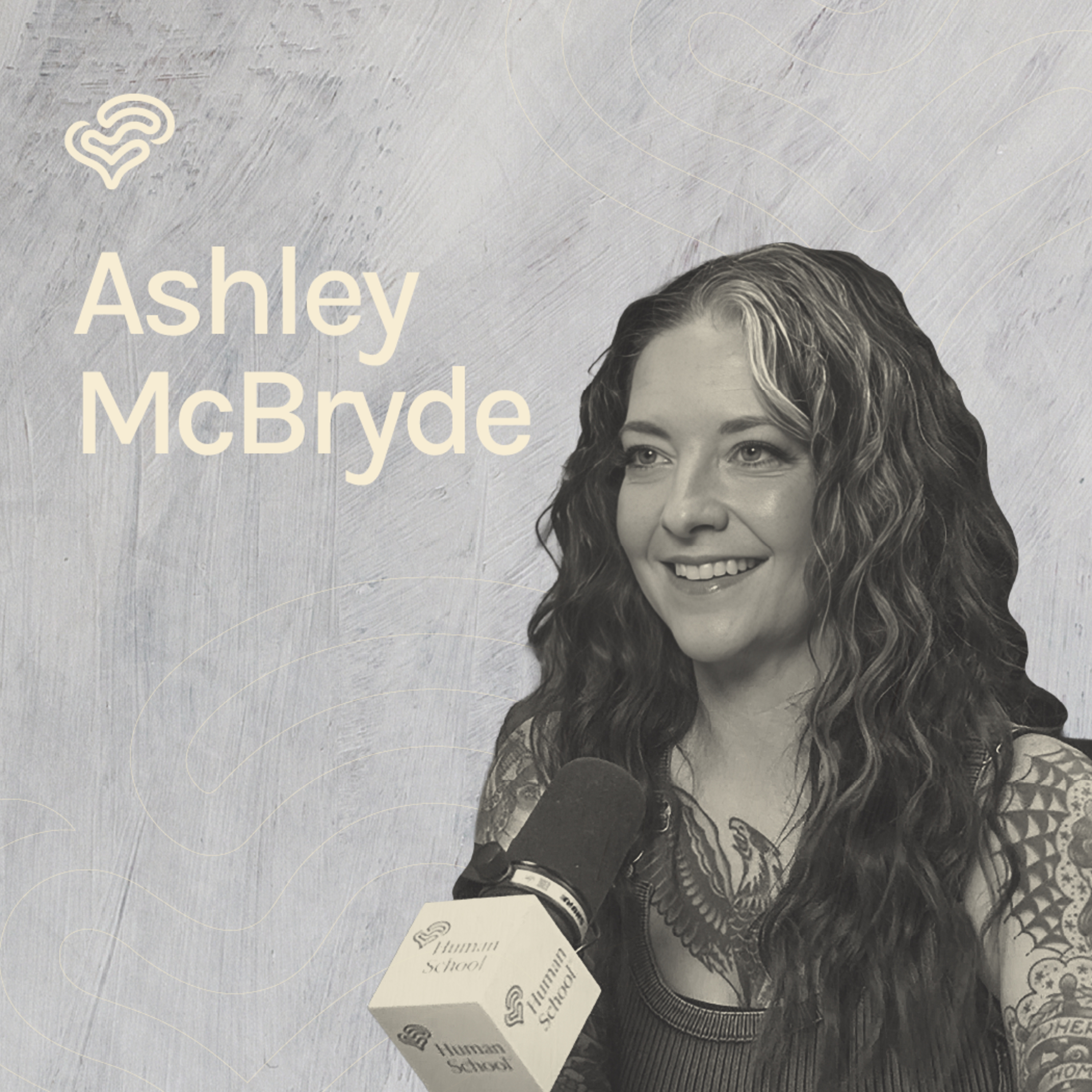
    Ashley McBryde on Sobriety, Generational Trauma, and Unlearning Survival

    "They said, 'We need you to stop.' And I said, 'I need me to stop, too.'" Grammy-winning country artist Ashley McBryde joins Miles for a deeply moving, unfiltered conversation as she reflects on her roots in the Ozarks, the complexities of generational trauma, and what it truly means to be seen. Ashley opens up about her long relationship with alcohol, the terrifying night that led her to treatment, and how getting sober allowed her to finally hear her own voice and recognize the person in the mirror. This is a powerful discussion on unlearning old programming, re-parenting your younger self, and why true art doesn't require a dark place. If you’re ready to begin a new chapter, Onsite offers transformational experiences to help you live the life you deserve. Learn more: https://hubs.la/Q04zdx0K0 Episode Chapters: 00:00 – Introducing Ashley McBryde 05:00 – Growing Up in the Ozarks & Early Musical Roots 17:00 – Nervous System Responses, Childhood Trauma, and Inner Child Work 44:00 – Generational Trauma, Religion, and Re-framing Family Dynamics 56:00 – The Reality of "High-Functioning" Addiction & Stepping Into Recovery 1:18:00 – Finding Pure Joy in Sobriety and Making Art Without Suffering Stay Connected to Human School Human School Instagram: https://hubs.la/Q04zdtB60 Miles Instagram: https://hubs.la/Q04zdw7Z0 Subscribe on Substack: https://hubs.la/Q04zdt6t0 Onsite: https://hubs.la/Q04zdx0K0

  • #47
    September 30 · 1 hr 5 min

    How to Find Peace When a Relationship Can't Be Fixed with Matthias Barker (Live from the Transform Trauma Conference)

    What happens when the mental health expert becomes the one navigating a family crisis? In this deep and deeply personal conversation, therapist and author Matthias Barker sits down with Miles at the Transform Trauma Conference –– Europe’s largest mental health and wellness conference in Oxford, England –– to open up about his own journey through family estrangement, grief, and reconciliation. Together, they break down the real-world stuff we all deal with: why healing must come before forgiveness, the difference between setting a healthy boundary and running away, the traps of modern pop psychology, and what it actually takes to find "peace with what's possible." Whether you're a mental health professional or just trying to navigate your own family system, this conversation offers real tools for real life. Learn more about Transform Trauma and other Master’s Events: https://mastersevents.com/ Are you unfurling your own stories around family, trauma, and mental health? Onsite offers transformational experiences to help you live the life you deserve. Learn more: https://hubs.la/Q04xQ6_l0 Episode Chapters: 00:00 - Welcome to Human School... LIVE! 01:45 - Meet Matthias Barker: From drama kid to building a platform 05:00 - The Family Crisis: Addiction, divorce, and estrangement 07:00 - Learning from Grief Expert David Kessler 11:00 - The Intersection of Trauma and Grief in Family Conflict 15:30 - Peace with What’s Possible: Rethinking reconciliation 26:30 - The Research on Contempt and Emotional Abuse 31:30 - Boundaries vs. Avoidance: When to engage and when to step back 39:30 - The Danger of Pop Psychology and Weaponized Therapy Speak 49:30 - The Trap of Rumination vs. True Psychological Healing 55:30 - The Hardest and Most Meaningful Parts of Being a Helper Stay connected to Human School Substack: https://hubs.ly/Q04xQ71f0 Miles on Instagram: https://hubs.ly/Q04xQ6Y40 Human School on Instagram: https://hubs.ly/Q04xQ71f0 Onsite: https://hubs.la/Q04xQ6_l0

  • #46
    September 22 · 1 hr 48 min

    The Selfish Reason to Be Generous with Philanthropy Expert Rondal Richardson

    What if the secret to improving your own life, health, and happiness had nothing to do with self-care and everything to do with giving back? In this episode of Human School, host Miles sits down with long-time music industry veteran and philanthropist Rondal Richardson to flip the script on how we think about generosity. Because you don't need millions of dollars or a massive platform to make a real impact. Today, Rondal shares remarkable behind-the-scenes stories from his 40-year journey in the music business—working alongside legends like The Judds, Garth Brooks, and Naomi Judd—and how an "almost Oprah moment" changed the trajectory of his life. You’ll also discover practical ways to get involved in charity, how to know which organizations and causes to align with, and why the best way to heal your own life is often to show up for someone else. If you're in middle Tennessee, join the Music Community Foundation for a Give Like Dolly event this weekend: https://www.giving9to5.com/ Stay Connected Follow Human School on Instagram: https://hubs.la/Q04xQ4Zt0 Follow Miles on Instagram: https://hubs.ly/Q04xQ50V0 Subscribe to Our Substack: https://hubs.ly/Q04xQ55q0 Looking to dive deeper into your own story? Onsite offers the opportunity to come back to yourself. Learn more here: https://hubs.ly/Q04xQ53Z0 In this episode: 00:00 – Introduction to Rondal Richardson and entertainment philanthropy 00:54 – Meet Rondal Richardson, founder and executive director of the Music Community Foundation 00:03:00 – The story of meeting Miles through Naomi Judd 00:15:30 – The Oprah Winfrey connection 00:23:40 – Rondal’s origin story: starting on the road at age 17 00:32:15 – Touring with Garth Brooks and country music history 00:40:50 – Making the pivot from the music industry to philanthropy 00:46:00 – The psychological and physical benefits of service 01:03:40 – Vetting charities: Charity Navigator, 990s, and finding your cause 01:17:40 – The impact: Raising $350M+ and the work of the Music Community Foundation 01:30:30 – Purpose through pain, community support, and looking forward

  • #45
    September 16 · 13 min

    What My Daughter Knows About Stress That I Forgot

    We spend an enormous amount of energy trying to learn how to be healthier, less stressed adults – but what if the answer isn't learning something new, but remembering what we knew before we got so complicated? In this special solo episode of The Human School Podcast, host Miles Adcox hands the microphone to his seven-year-old daughter, Birdie Rose. With zero media training and absolute honesty, Birdie shares her thoughts on art, missing teeth, strawberries and ketchup, and what makes her feel closest to the people she loves. In this conversation and reflection, Miles unpacks four unexpected lessons on stress, curiosity, presence, and connection that children carry naturally — lessons that adults spend a lifetime trying to find their way back to. In this episode: 00:00 - Introducing Birdie Rose: The 7-Year-Old Podcast Guest 01:20 - Lesson 1: Curiosity Over Certainty (The Power of "I Don't Know") 04:00 - Lesson 2: Presence Over Productivity (Why Play Doesn't Need a Reason) 05:50 - Lesson 3: Expression Over Impression (Strawberries in Ketchup and PR Filters) 07:45 - Lesson 4: Relationship Over Performance (What Kids Actually Want From Us) 09:40 - Finding Courage: How We Regulate Fear Inside Relationships 11:45 - Final Encouragement from Birdie (And How to Keep Showing Up) If you’re looking for ways to connect back to yourself, Onsite can help. Learn more about our experiences: https://hubs.la/Q04xcj150 Follow Human School: https://hubs.la/Q04xcj450 Follow Miles: https://hubs.la/Q04xch_N0 Subscribe to Substack: https://hubs.la/Q04xcj3y0

  • #44
    September 8 · 1 hr 47 min

    How to Rewire Your Brain for Peace, Creativity, and Purpose with Dr. Martha Beck

    Are you living the life you actually want, or are you just trying to please everyone around you? In this episode of Human School, Miles sits down with world-renowned author, sociologist, and life coach Dr. Martha Beck for an exceptionally honest and deep conversation on human nature, breaking free from anxiety, and finding your true path. Martha shares her personal journey — from her time writing for Oprah’s Magazine and earning degrees from Harvard, to radically transforming her life by committing to a full year of total honesty. Together, Miles and Martha explore the biological roots of anxiety, how societal expectations force us to sell out our true nature at an early age, and how simple creative acts can serve as a direct antidote to mental distress. In this episode, you’ll discover: The Root of Modern Anxiety: Why our current educational and social systems conflict with human evolution. The "Visual Cliff" Study: How children learn to judge their own worth by watching the adults around them. The Power of Caving Early: Why learning to apologize quickly and drop ego heals relationships faster than anything else. Creativity vs. Anxiety: How engaging the creative parts of your brain actively shuts down panic and stress. The "One-Degree Turn": How making tiny, honest shifts in your day-to-day choices can completely realign your life. The K.I.S.T. Method: A practical, step-by-step tool using Kind Internal Self-Talk to navigate intense panic attacks and internal conflict. Whether you’re feeling burned out, stuck in people-pleasing patterns, or simply searching for more peace in your daily routine, this episode provides a compassionate roadmap back to your whole self. Onsite offers a range of experiences to do life-changing work around your story and what your body might be holding onto. Learn more at www.experienceonsite.com Episode Chapters: 00:00:00 Welcome Martha Beck 00:02:46 What Comfort Means Today 00:04:41 Root Causes of Modern Anxiety 00:07:08 How Kids Learn Self-Worth 00:13:21 The "Cave Early" Practice 00:15:53 Left-Brain vs. Right-Brain 00:21:05 The Real Curriculum of Life 00:24:00 Ancestral Wisdom & Magic 00:28:13 African Hospitality & Ubuntu 00:34:52 Finite vs. Infinite Games 00:44:03 Using Art to Fight Anxiety 00:47:38 Guided Visualization Exercise 00:54:02 Finding Magic in Technology 01:00:52 Humanizing High Performers 01:08:18 Living One Year Without Lies Connect with Human School: YouTube: https://hubs.la/Q04wFHGz0 Human School on Instagram: https://hubs.la/Q04wFHPK0 Miles on Instagram: https://hubs.la/Q04wFJHn0 Follow Human School on Substack: https://hubs.la/Q04wFJZt0

  • #43
    September 3 · 1 hr 48 min

    "I Had to Learn to Live Again" — Amy Grant on Starting Over at 65

    What happens when life completely rewires your timeline overnight? Six-time Grammy winner Amy Grant joins the show for an exceptionally raw and vulnerable conversation about navigating back-to-back life-altering health crises — from emergency open-heart surgery to a traumatic brain injury that forced her to pause everything. Amy candidly opens up about the physical reality of memory loss, the emotional weight of starting over at 65, and why she ultimately decided to write a eulogy to her younger self. She also breaks down the worst advice she received early in her career, and how letting go of control allowed her to finally embrace the gift of unplanned interruptions. Whether you are navigating your own unexpected life shift, recovering from trauma, or searching for margin in a chaotic world, this episode is a masterclass in grace, resilience, and true freedom. Key Takeaways from This Episode Interruptions are often invitations. Real growth happens when you stop viewing life's disruptions as obstacles and start viewing them as redirections. Release past versions of yourself. Holding onto who you used to be prevents you from accepting and healing who you are right now. Margin isn't extra time — it's intentional space. Recovery and peace require actively protecting your energy from external expectations. Are you looking for support after your own season of change? Onsite offers a range of experiences to do life-changing work around your story and what your body might be holding onto. Learn more at www.experienceonsite.com Episode Chapters: 00:00 - Dragging Old Suitcases: Amy Grant’s New Season 00:38 - "Don't Talk So Much, Just Sing" 06:01 - The First Recording at Age 15 08:24 - Overcoming Limits 12:22 - The "River of Life" & Facing the Waterfall 20:56 - Health Scares: Open-Heart Surgery & the Bike Accident 27:17 - Living with a Traumatic Brain Injury (TBI) 31:02 - The Assignment: Writing a Eulogy to Her Younger Self 35:57 - Undoing Childhood Scripts and Deconstructing the Past 40:15 - Finding "Margin" and the Story of the Good Samaritan 45:24 - Morning Rituals: Unplugging from Autopilot 50:13 - Turning Pain into Grace and Finding Identity 01:10:53 - Rewiring the Brain: Neuroplasticity and Healing 01:12:24 - "Lead Me to Those I Need": Surplus and Need 01:19:00 - Post-Traumatic Growth and Repurposing Your Story 01:24:24 - Navigating Fame, Criticism, and Living off the Screen 01:31:17 - Collaborative Music and Embracing a Life Reset 01:37:19 Breathwork 01:40:09 Marriage is the Great Rock Tumbler 01:47:59 Closing Prayer Sendoff Connect with Human School: YouTube: https://hubs.la/Q04vZlYs0 Human School on Instagram: https://hubs.la/Q04vB96T0 Miles on Instagram: https://hubs.la/Q04vB9CJ0

  • #42
    August 25 · 1 hr 31 min

    Overcoming Self-Judgment and Walking Through Grief with Judah & the Lion

    When life throws loss, grief, and change your way, how do you allow the pain to transform you rather than destroy you? In this episode of Human School, host Miles Adcox sits down with Judah Akers and Brian Macdonald of the alt-folk band Judah & the Lion on the release day of their album, Process. Together, they walk through a raw and vulnerable conversation about what it truly takes to heal. Judah opens up about losing family members to mental health struggles, navigating divorce, and working through addiction while performing on major stages around the world. Brian shares his perspective on stepping into fatherhood while on tour, keeping the band's brotherhood intact through dark seasons, and learning to redefine identity. From the metaphor of a caterpillar in a cocoon to learning how to stop harsh self-judgment, this conversation is a grounded reminder that transformation is messy, but hope is always available. In this episode, we discuss: The Cocoon Metaphor: Why real emotional growth requires letting go of who you were. Grief & Mental Health: Processing tragic loss, addressing addiction, and separating the symptom from the disease. Self-Compassion: Overcoming shame, letting go of control, and learning to speak kindly to yourself. Parenting & Growth: Navigating big life transitions and raising kids while working through your own past. Behind the Songs: The spontaneous origin story behind their track "Prism". Memorable Quotes: "The caterpillar has no memory of wings." — Judah Akers "We're not through the pain, but we're in it together, and there's hope." — Brian Macdonald "Addiction is a symptom. Shame, guilt, and not knowing yourself... are the disease." — Judah Akers "It's okay to be scared and brave at the same time. You can actually do both." — Miles Adcox Episode Timestamps: 00:00:00 – Meet Judah & The Lion 00:04:42 – The Metaphor of Transformation 00:11:42 – Fatherhood & Evolving Identity 00:15:39 – Unpacking Rock Bottom & Vulnerability 00:21:44 – Growing Up & Early Influences 00:36:34 – The Band’s Origins & Personal Loss 00:47:31 – Brotherhood & Supporting Each Other Through the Storm 00:50:23 – Addressing Addiction, Shame, and Grief 00:00:21 – Mentors, Support Systems, & Encouraging Voices 01:07:33 – The Meaning Behind "Prism" 01:11:46 – "Open Your Eyes, Kid" 01:24:20 – "Scared and Brave at the Same Time" Links & Resources: Stream Judah & the Lion's Music Learn more about emotional wellness intensives at Onsite Workshops If you loved this episode, please rate and review Human School on Apple Podcasts or Spotify to help us reach more people who need these conversations! Follow Human School Instagram: https://hubs.la/Q04v8Q7K0 Follow Miles: https://hubs.la/Q04v8QcZ0 Human School YouTube: https://hubs.la/Q04v8Qdh0

  • #41
    August 18 · 9 min

    Stress Is Trying to Protect You — Here's How to Listen

    It seems like everyone is talking about stress. How to manage it. How to get rid of it. How to avoid it at all costs. But maybe in our journey to eradicate stress from our lives, we’re losing something far more valuable. In this solo conversation, Miles Adcox reframes our entire relationship with stress. Instead of treating stress like an opponent to beat, what if we treated it like a system trying to protect us? Join Miles as he shares the importance of building capacity over elimination, why meaningful living requires being stretched, and how to become a trusted partner to your own nervous system. In this episode, we explore: ​Why "trauma" can feel clinical, but stress is universal ​ Stress as the body's brilliant system for adaptation The difference between removing stress and building capacity ​ How curiosity replaces shame when looking at our nervous systems Looking to go deeper into your personal growth journey? The conversations on Human School are shaped by the work happening at Onsite Workshops. If you're looking to slow down, break patterns, and do the inner work, visit experienceonsite.com Episode chapters: 00:00 Intro: Is stress really the enemy? 00:40 The room that changed how I view trauma vs. stress 01:45 How burnout and emotional exhaustion actually begin 02:35 Why modern wellness tools miss the mark 03:15 Stress is an adaptation system, not a design flaw 04:15 Every meaningful thing in life asks something stressful of you 05:10 Increasing capacity vs. eliminating stress 05:55 Everyday pressure vs. profound adversity 06:45 Stress is an experience, not an identity 07:20 Why modern nervous systems are carrying more than ever before 07:50 Swap shame for curiosity: Becoming a student of your nervous system 08:35 Stop playing tug-of-war with your body Follow Human School on Instagram: https://hubs.la/Q04tfRwT0

  • #40
    August 11 · 2 hr 9 min

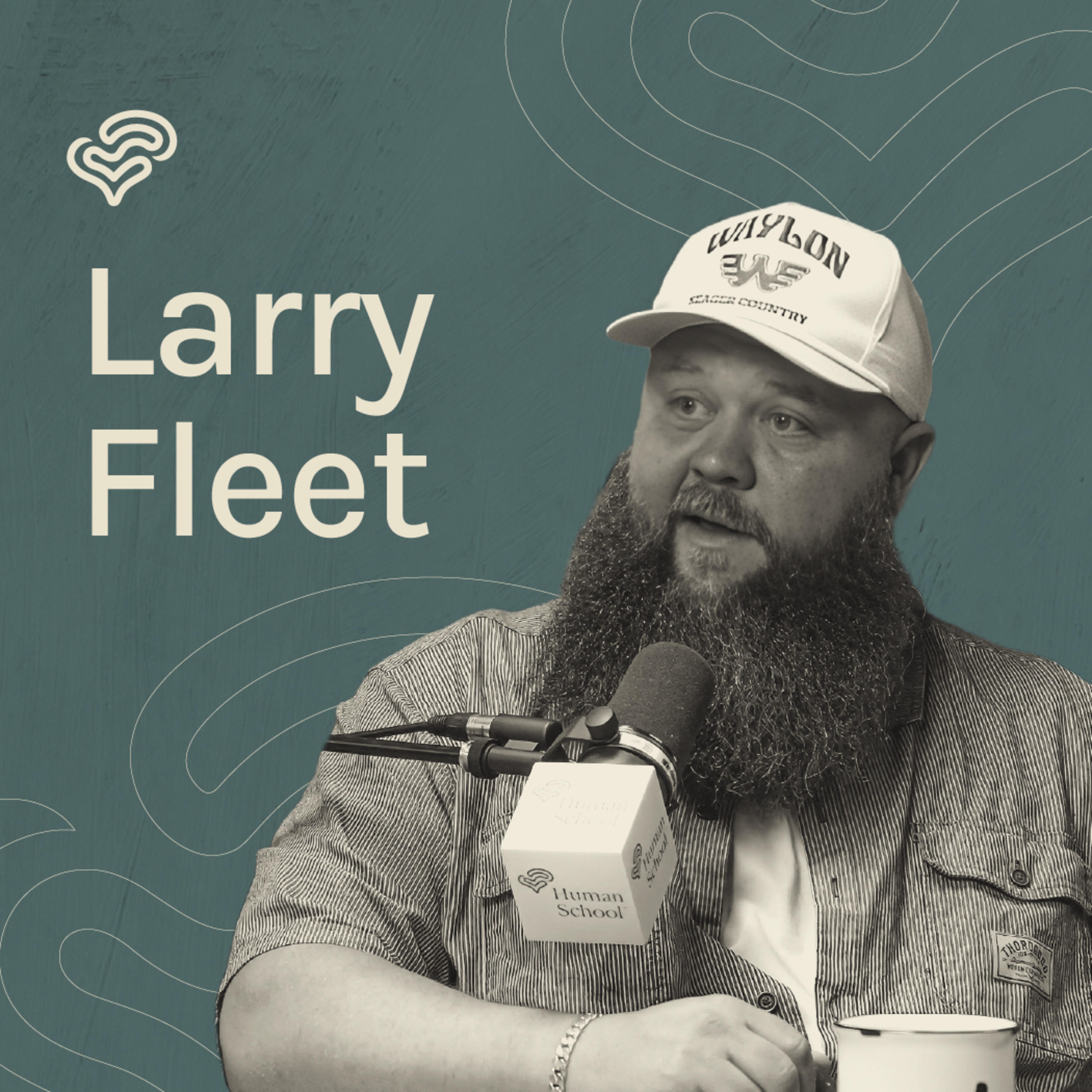
    Finding Success Without Losing Yourself: Larry Fleet on Fame, Fatherhood, and Staying Grounded

    What do you do when you go from singing at local bars to millions of video views, playing at Madison Square Garden with Morgan Wallen, and hearing 20,000 people sing your lyrics back to you? If you’re Larry Fleet, you still shop at Ace Hardware. Larry Fleet writes the kind of country songs that feel like your own memories — jumping railroad tracks in a truck bed, learning how to tell stories in a barbershop chair, the sound of truck tires in the gravel. In this conversation, Larry opens up about the “simple” mistakes we’re making in modern storytelling, what fatherhood has changed in his songwriting, and how he's managed to tour and write with Willie Nelson, Morgan Wallen, and other heroes of the genre without losing the guy from White Bluff, Tennessee. The conversations we have on Human School are shaped by the work happening every day at Onsite. If you feel stuck in the same patterns, Onsite's Living Centered Program helps you slow down, go deeper, and do the inner work that changes things. If you’d like to learn more about Onsite, visit us –– experienceonsite.com In this conversation: Why “clutter” might be the enemy of great storytelling The $5-a-head night Larry still keeps close, and why he never lets himself forget it Why he built his newest record with zero radio in mind — and what happened when it hit anyway The ways fatherhood has changed him, including teaching him new ways to communicate with others The surprising place his storytelling voice actually comes from What it actually takes to stay a person instead of becoming a product once people start paying attention How to build a songwriting career one bad song (then a hundred more) at a time How to stay "a normal dude" while touring arenas with Willie Nelson and Morgan Wallen Why simple, honest storytelling can reach people that polished products can't Episode timestamps: 00:00:00 — Welcome to Human School 00:06:30 — Small-town origins 00:25:30 — Another Year Older — the new record 01:01:30 — The true story behind "5:25" 01:04:00 — Why Larry stopped writing for the radio 01:07:30 — What We Can Learn from Kids 01:15:00 — $5 a head in North Georgia 01:19:30 — The Radio Said "No" to "Where I Find God" 01:20:30 — The call from Morgan Wallen, and Madison Square Garden 01:38:30 — What it means to stay human when you're a "product" 01:47:00 — The barbershop that taught him how to tell a story 01:51:30 — What "Where I Find God" means to the people who needed it 01:59:00 — Scotland, and the tears neither of them expected 02:07:30 — Larry on prison ministry and San Quentin Follow Human School YouTube: @humanschoolofficial Instagram: @humanschoolofficial TikTok: @humanschoolofficial

  • #39
    August 4 · 17 min

    Is Certainty Making Us Lonely? with Miles Adcox

    Why does being right feel so much better than being curious? And is our obsession with certainty the cause of our greatest divides? This episode breaks down the psychology behind certainty — why our brains default to it, what it costs us in our relationships, and why curiosity might be the more reliable path to actually feeling connected to other people. What you'll learn How confirmation bias shapes what we believe is true, without us noticing it happening What the illusory truth effect is, and why repetition can make an opinion feel like fact How to tell the difference between healthy disagreement and contempt Why algorithms and media incentives reward certainty over nuance — and what that does to us over time A mindset shift for staying curious under pressure, borrowed from an unlikely place: horsemanship Why feeling understood does more for anxiety than winning an argument ever does How to hold strong beliefs without needing everyone around you to agree Building your curiosity muscles? Onsite offers a range of experiences to do life-changing work around your story and what your body might be holding onto. Learn more here. Timestamps 00:00 — This might be why you're feeling lonely 02:30 — Illusory truth effect and confirmation bias 05:30 — Making content in the age of outrage 07:00 — The real product is Identity 09:45 — A horse changed everything 13:00 — Understanding vs. "winning" 15:00 — Becoming harder to recruit Stay connected with Human School: YouTube - https://hubs.la/Q04rLNLl0 Instagram - https://hubs.la/Q04rLNVX0 Threads - https://hubs.la/Q04rLP6D0 TikTok - https://hubs.la/Q04rLPfY0

  • #38
    July 28 · 1 hr 40 min

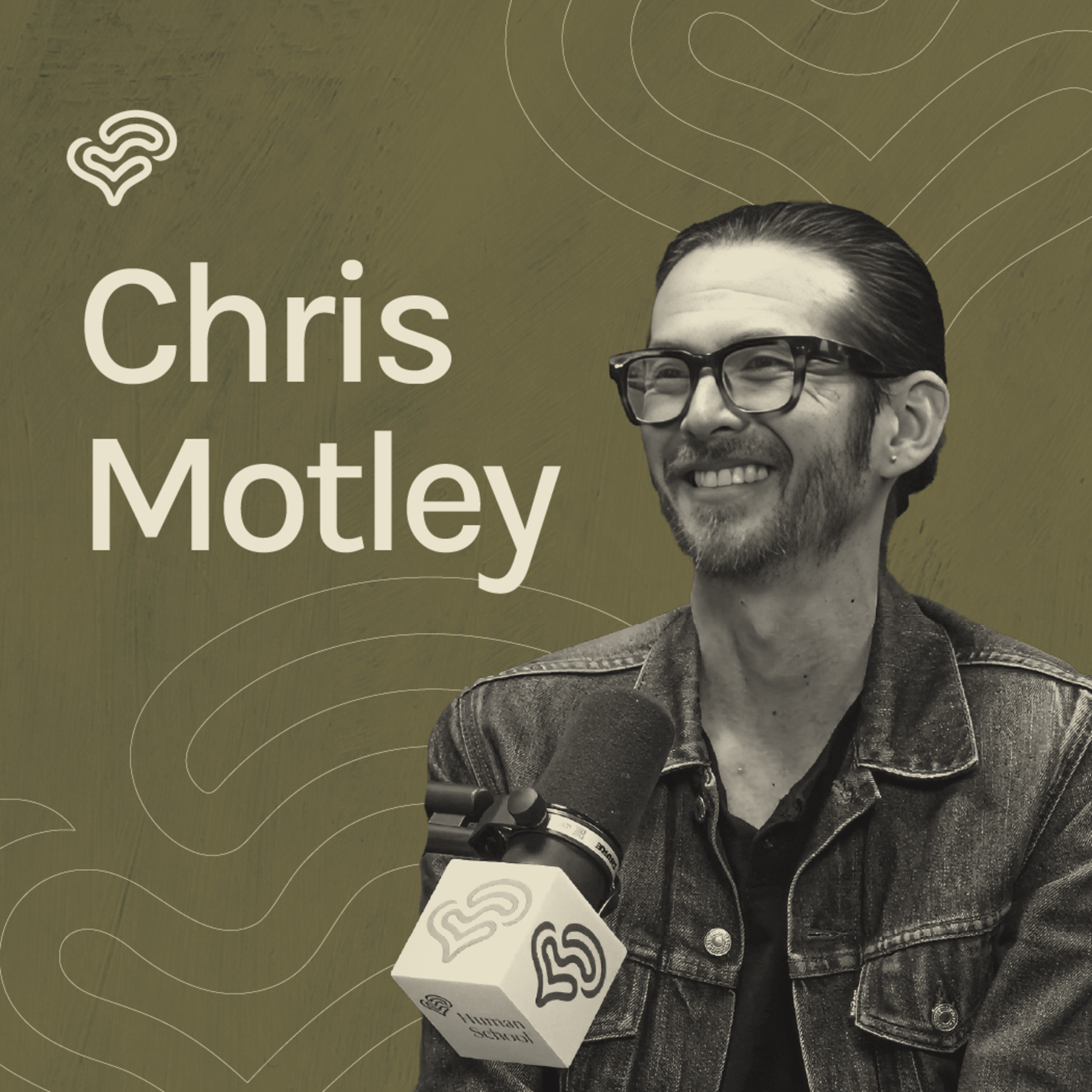
    Is Your Gut Connected to Your Mental Health? with Funcitonal Medicine Practitioner, Dr. Chris Motley

    Have you ever gotten a clean bill of health and still felt like something was wrong? What if the anxiety, the brain fog, the thing you can't explain isn't in your head, but a story your body inherited? Dr. Chris Motley is a functional medicine practitioner and acupuncturist based in Nashville, and the host of the Ancient Health Podcast. For over 22 years, he's blended Chinese medicine, kinesiology, and biofeedback with Western diagnostics to find what standard testing misses — the chronic weaknesses that don't show up on a bloodwork panel but show up in how we sleep, how we digest, and how we carry stress in our bodies. In this episode, Dr. Motley and Miles talk about how inflammation from food can weaken the blood-brain barrier and surface in surprising ways — and why the weakest organ in your body often maps straight back to how your parents and grandparents lived. Today, you'll learn how to read your body's own signals, why curiosity heals faster than fear, and what it actually looks like to get to the root of a problem instead of managing its symptoms. In this conversation, you'll learn: How chronic inflammation from food can weaken the blood-brain barrier and show up as anxiety, depression, or brain fog How to read your body's own signals — sleep patterns, digestion, even facial features — the way a functional medicine practitioner does How your weakest organ can map directly back to how your parents and grandparents lived Why processed food, not just screens, may be driving the rise in childhood behavioral changes How the gut-brain axis connects what you eat to how you feel within hours Why getting curious about a weakness — instead of afraid of it — is the first step to healing it Simple, low-cost first steps to a more fulfilled, healthier life anyone can start today If this stirred something in you, Onsite offers a range of experiences to do life-changing work around your story and stored trauma that your body is asking for. Learn more at experienceonsite.com Follow Human School: YouTube - Human School Podcast Instagram - @humanschoolofficial Threads - @humanschoolofficial TikTok - @humanschoolofficial What We Discuss: 00:00:00 – Meet Dr. Chris Motley 00:02:41 – Why He Left a Growing Practice 00:08:19 – The Danger of Expertise Without Curiosity 00:12:04 – Meeting Overwhelmed Patients with Optimism 00:13:50 – How Motley Found His Interest in Medicine 00:17:51 – Motley’s Story Through His Gallbladder 00:23:30 – Where He Starts with Every New Patient 00:28:00 – Are Emotions Hiding Inside Our Organs? 00:33:54 – The Benefits of Integrated Medicine: Treating Mind & Body 00:42:36 – The Anxious Patient 00:47:51 – "What You Eat Is What You Think" 00:52:44 – The Health Goal Every Day 00:55:06 – Your Gut is Your Second Brain: Explaining Gut-Brain Axis 01:01:06 – Drivers of the Mental Health Crisis Happening Now 01:05:54 – Why Do We Have So Many Food Allergies? 01:06:45 – People, Food, & the ADD and ADHD Rise 01:08:51 – The Habit Change to Reset Your System 01:11:58 – Motley’s “Basic” Steps Towards Physical Wellness 01:14:01 – Miles’s Steps Toward Emotional Wellness 01:16:47 – What is behind Chronic Constipation? 01:17:54 – Getting Back into Your Body 01:25:22 – What Your Face Reveals About Your Story 01:27:50 – Ancient Practices over Modern Technology 01:33:06 – Motley Outside of Medicine 01:35:41 – The Lesson Weaving Throughout 22 Years Practicing This episode is a conversation between practitioners sharing personal experience and professional perspective — it is not medical advice. Please consult your own physician or healthcare provider before making any changes to your health, diet, or treatment plan.

  • #37
    July 17 · 1 hr 14 min

    Building Self Worth Without Approval with Tori Kelly

    Have you ever believed you're only worthy of attention when you're performing and perfect? What if the thing you fear your kid will inherit is the exact thing you've never worked through yourself? Tori Kelly, a Grammy-winning vocalist who's been sharing her voice with the world since she was a kid, sits down with Miles for a conversation about identity, motherhood, and what happens when the performance stops. Tori opens up about growing up in a mixed-race householdwhere she often felt othered, getting signed at 12 and "shelved" before she'd lived enough life to have something to say, and the lie she quietly believed for years: that she wasn't worthy of attention unless she was singing. She talks about touring stadiums with Ed Sheeran while pregnant, writing her new album, God Must Really Love Me, in two weeks while holding her newborn son, and why his first cry made the record. Tori and Miles go deep into the perfectionism she traces back to her earliest days on stage, the phone cleanses she uses to fight comparison, and why motherhood has made her want her son to see her mess up, say sorry, and be human. Miles shares a mentor's metaphor about gratitude that reframes how you see whatever you're circling right now, and Tori tells the story of the drive where the phrase "God must really love me" came out of her mouth before it became an album title. Ever notice the pattern you're trying to protect your kids from is usually the one you haven't fully worked through yourself? Onsite's Living Centered Program for parents and adults ready to finally do their own work, not just manage everyone else's. It's not about becoming a perfect parent; It's about becoming an honest one. Learn more at experienceonsite.com In this conversation, you'll learn: How to Trace Perfectionism Back to the Stage Instead of the Story You Tell Yourself How to Stop Performing for Approval and Start ActuallyFeeling It How Becoming a Parent Can Break a Pattern You Didn't Know You Were Repeating How to Use a Phone Cleanse to Get Your Voice Back FromComparison How to Write an Album in Two Weeks Once You Stop Editing Yourself How to Let Your Kids Watch You Mess Up on Purpose How to Reframe a Career "Setback" as the Setup for Something Better How Growing Up Feeling "Othered" Shapes the Way You Tell the Truth Later How to Turn Gratitude Into a Practice Instead of a Mood How to Know the Difference Between Being a Vocalist andBeing Yourself Follow Human School: YouTube - Human School Podcast Instagram - @humanschoolofficial Threads - @humanschoolofficial TikTok - @humanschoolofficial What We Discuss: 00:00:00 – Meet Tori Kelly 00:01:51 – Her Grand Ole Opry Debut, One Night Before ThisConversation 00:05:34 – Genre-less on Purpose 00:08:41 – The Vocalist Everyone Expects, the Storyteller She's Becoming 00:10:51 – The Soundtrack of Her Childhood 00:12:43 – Signed at 12 & Promised the World 00:23:05 – A Career Built on Slow Builds, Not Big Breaks 00:28:24 – How Becoming a Mom Rewired Her as an Artist 00:29:24 – Touring Stadiums With Ed Sheeran While Pregnant 00:31:13 – What Motherhood Cracked Open 00:36:29 – She Doesn't Want Her Son Thinking He Has to BePerfect 00:38:46 – Tracing Her Perfectionism Back to the Root 00:40:59 – How Approval Got Tangled Up With Her Voice 00:47:31 – The Phone Cleanse That Gave Her Mind Back 00:56:06 – The Story Behind "God Must Really Love Me" 01:01:46 – The Vulture Metaphor: Reframing Gratitude 01:04:41 – Congruence, Not Perfection 01:09:25 – Her Husband and Life on Tour 01:13:34 – Ending on the Only Line That Fits

  • #36
    July 9 · 1 hr 31 min

    Raising Capable Kids in the Anxious Generation with Sissy Goff & David Thomas

    How do you help an anxious child build real confidence instead of just managing their fear? What if the very thing keeping your kid unsafe is how hard you're working to protect them? Sissy Goff and David Thomas are two of the most trusted voices in child and adolescent mental health today, counselors at Daystar Counseling Ministries and hosts of the popular Raising Boys and Girls podcast. With more than three decades combined sitting across from kids and their families, they've become go-to resources for parents navigating anxiety, emotional development, and resilience in childhood. Their new New York Times Bestselling book, Capable, just carried them through a national press tour, including a stop on the Today Show, and for good reason: it takes on one of the most urgent questions facing parents right now. In this conversation, Sissy, David, and Miles unpack why so many kids today aren't just anxious; they're increasingly unwilling to try, and what parents can actually do to build resilience instead of just managing symptoms. They talk through the difference between attunement and over-protection, why "trust your gut" might be the most important piece of parenting advice out there, and how to set healthy boundaries around technology and social media without shutting your kids out of the world they're growing up in. It's a grounded, hopeful conversation about childhood anxiety, parenting under pressure, and what it actually takes to raise capable, confident kids in an overwhelmed world. Your kids are watching you more closely than they're listening to you. Onsite's Living Centered Program is a place for parents ready to do their own work, so the patterns they pass down are worth passing on. Learn more at experienceonsite.com. Follow Human School: YouTube - Human School Podcast Instagram - @humanschoolofficial Threads - @humanschoolofficial TikTok - @humanschoolofficial For more resources and tools from Sissy Goff & David Thomas, visit raisingboysandgirls.com or follow along on Instagram @raisingboysandgirls. In this conversation, you'll learn: How to Tell Attunement From Rescuing Your Kid How to Read the Emergency Behind Their Anxiety How to Stop Outsourcing Instincts to Strangers Online How to Decide When They Get a Phone or Social Account How to Turn a Hard No Into a Creative Yes How to Use "Trust the Process" in Their Hardest Stretch How to Spot a Problem They Should Solve Themselves How to Rebuild Your Resilience Before Teaching It How to Hold Grief and Purpose at the Same Time How to Give Your Kids a Front-Row Seat to Your Growth How to Raise a Capable Kid Without Raising an Anxious One How to Pick Two Parenting Voices You Actually Trust What We Discuss: 00:00:00 – Meet Sissy Goff and David Thomas 00:04:21 – Over-Correction: the Field's New Blind Spot 00:05:35 – Catching Up & Life After the Capable Press Tour 00:08:31 – The Soap Opera Character & Camp Job that Shaped Careers 00:14:02 – A Working 32-Year Partnership 00:17:09 – Sissy’s Dog Who Came to Work & Comforted Teen's Tears 00:20:20 – Sammy, Onsite’s Beagle Who Escorted Every New Guest 00:30:15 – Backstage at the Today Show 00:36:58 – What This Work Taught Them About Being Human 00:41:55 – A National State of Emergency Hiding in Plain Sight 00:49:32 – Escape and Avoidance Feel Like Good Parenting 00:53:29 – What Attunement Actually Looks Like 00:59:25 – “Go in the Strength You Already Have” 01:03:22 – What's Really Underneath a Lack of Confidence 01:10:56 – Trust the Process, Even in Their Hardest Stretch 01:18:25 – Is my child ready for technology? 01:26:18 – Doing Your Own Work Is the Greatest Gift to Your Kids 01:27:16 – A Look Inside Daystar Counseling Ministries

  • #35
    July 2 · 1 hr 15 min

    How to Talk to Anyone with Bobby Bones

    What's the real difference between showing up for someone and rescuing them? Can a single pair of socks undo years of not letting yourself feel anything? Bobby Bones went from a campus radio station in Arkansas to the National Radio Hall of Fame, two #1 New York Times bestsellers, and a syndicated morning show heard by millions, turning his own story into a reason other people feel less alone in theirs. He sits down with Miles Adcox eight weeks into fatherhood, in a season that's forced him to slow down after two decades of never having to. Bobby opens up about being raised by a 16-year-old motherwho struggled with addiction his whole childhood, the trailer he bought her the first time he made real money, and the hard lesson in what enabling actually looks like when you love someone who's sick. He reveals the moment a stranger's kindness at a therapy intensive at Onsite finally broke him open, and shares the four-letter word his mother never said but it’s the one his grandmother said so consistently it became the only safety he knew. Miles and Bobby go deep into being triggered by both praise and criticism, why Bobby only checks hiscomments on Tuesdays, and the grief of having a daughter who'll never meet the grandmother who shaped him most. In this conversation, you'll learn: How to Turn Your Own Insecurities Into a Bridge for Someone Else's How to Tell the Difference Between Supporting Someone in Addiction and Enabling Them How to Stay Consistent With Someone Even When It Feels Like Nothing Is Changing How to Recognize When Both Praise and Criticism Are Actuallya Threat How to Build Boundaries So Social Media Doesn't Run YourNervous System How to Respond Instead of React When You Feel Challenged How to Find Safety in a Relationship After a ChildhoodWithout It How to Let a Stranger's Small Act of Kindness Actually Land How to Talk to Your Kids About the Parts of Your Story ThatStill Hurt How to Know You Were Consistent Enough, Even When Nothing Else Felt Certain Feeling stuck in patterns you can't quite name? Onsite'sLiving Centered Program is built for people ready to slow down and do the deeper work that creates real change. Learn more at experienceonsite.com. Follow Human School: YouTube - Human School Podcast Instagram - @humanschoolofficial Threads - @humanschoolofficial TikTok - @humanschoolofficial What We Discuss: 00:00:00 – Meet Bobby Bones 00:03:47 – Why every performer is secretly insecure 00:05:09 – The secret to connecting with people in interviews 00:15:47 – Finding the line between public and private life 00:17:56 – Getting rejected to 2 Bestsellers 00:22:32 – Bobby’s Mom: 16 years old, no support, and anaddiction that never let go 00:31:57 – What to say to someone who is supporting an addict 00:38:06 – "I wish our baby could meet my mom" 00:39:33 – The four-letter word his grandma never stoppedsaying 00:47:11 – Why compliments feel like threats to him 00:50:29 – The boundaries that keep him from spiraling online 00:53:35 – Property and therapy: the two best investments he'smade 00:58:27 – His Onsite story he's never told quite like this 01:07:03 – The TEDx talk that flopped & the one that gothim back on stage 01:11:06 – What watching his wife become a mom taught himabout love 01:13:43 – His message to his daughter, twenty years from now

Showing 1–20 of 31 episodes