Skip to content
Artwork for Fugitive Chefs
ArtsFood

Fugitive Chefs

Furqan Meerza

I’m Furqan Meerza, a chef who worked in some of the world’s top kitchens, including Mugaritz and Noma.

Like a lot of chefs, I hit burnout. And I realized I needed a different way to stay connected to food; one that didn’t cost me my health or identity.

Fugitive Chefs is a podcast for chefs and food creatives who still love this craft, but need change.

Each episode features honest conversations with those who’ve stepped away from the traditional kitchen and into something new, from fermentation and R&D to storytelling, drinks, food culture, and more.

Play
  • 32 episodes
  • weekly
  • Avg 39 min
  • English
Counted on this page — what you have heard stays on this device, so it is not something the list can be paged by.
  • June 16 · 47 min

    The Chef Who Turned Food Tours Into a Global Business | Karl Wilder

    Most chefs spend years trying to move up. A better restaurant. A bigger title. A more prestigious kitchen. But what if the biggest opportunities aren’t above you? What if they’re somewhere you weren’t even looking? Karl Wilder never planned to build a food tourism company. He didn’t plan to spend years cooking across Italy after a translation mistake landed him in a kitchen. He didn’t plan to raise $1.4 million to buy a country club. And he certainly didn’t plan to help chefs around the world build businesses outside traditional restaurant careers. Yet that’s exactly where he ended up. In this episode of Fugitive Chefs, Karl shares a career that moved from kitchens to entrepreneurship, hospitality, food journalism, consulting, tourism, and back again, while never really leaving food behind. We explore : • How a simple misunderstanding in Italy changed the course of his career • Why some of the most valuable chef skills have nothing to do with cooking • What Karl learned from running restaurants and hospitality businesses • How food tourism became his next chapter • Why chef-led experiences are growing around the world • The difference between expertise and credentials • What Karl actually looks for when evaluating chefs • Why communication is often a chef’s most underrated skill • How chefs can create opportunities before leaving their day job • The problem with following the “standard” chef career path • Why many chefs struggle to imagine careers beyond kitchens • What happens when you start looking sideways instead of upwards One line from Karl stuck with me: “When you’re on a treadmill, you only see what’s in front of you. You can’t see what’s to the side.” This conversation is about looking to the side. 🌐 The Chef Tours https://thecheftours.com 🎧 Fugitive Chefs explores what happens when chefs step outside the traditional kitchen path. 🌐 Website: www.fugitivechefs.com 📸 Furqan’s Instagram: https://bit.ly/4dtiyTv 🎧 Podcast Instagram: https://bit.ly/43ndATO 🎵 Spotify: https://spoti.fi/3F6j25A 🍏 Apple Podcasts: https://apple.co/43vBtbT ▶️ YouTube: https://www.youtube.com/@fugitivechefs
  • June 9 · 50 min

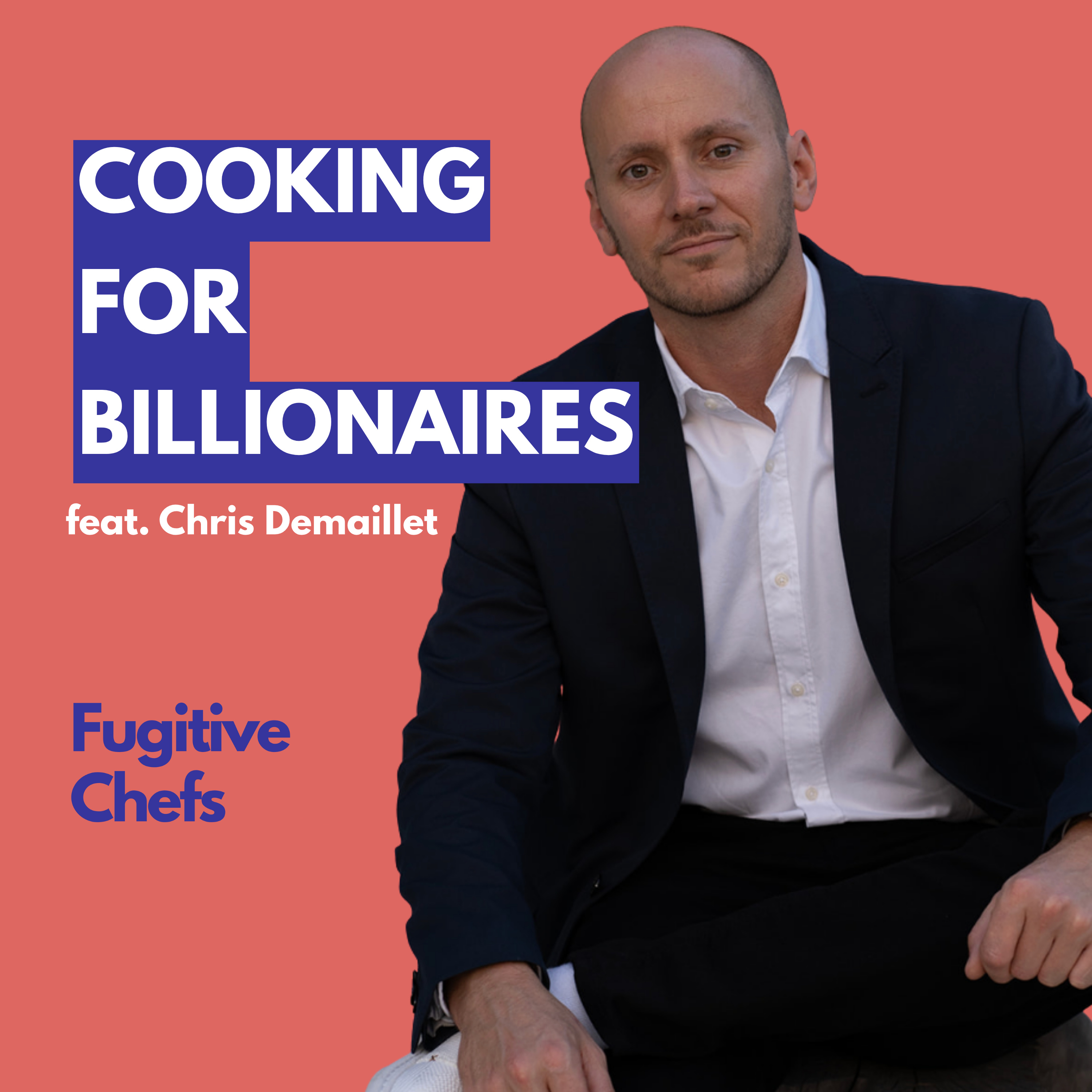
    From Michelin Kitchens to Billionaires: The World of Private Chefs | Chris Demaillet

    What if one of the most attractive chef careers isn’t in restaurants at all? In this episode of Fugitive Chefs, I speak with Chris Demaillet, founder of Montclair Chef Agency and former Michelin-star, yacht, and private chef. Chris shares his journey from a 3 Michelin Star kitchen to working on superyachts and eventually cooking for ultra-high-net-worth families around the world. Along the way we explore an industry most chefs rarely get exposed to: Private chefs. We discuss: • How Chris went from a 3 Michelin Star restaurant to a superyacht • Why the salary was nearly triple what he earned in restaurants • The reality of cooking for billionaires and high-profile families • The difference between yacht chefs and private chefs • What chefs underestimate about this career path • The communication skills most chefs never develop• How private chefs get hired • Common mistakes chefs make during trials• Why personality matters as much as cooking ability • How Chris built Montclair Chef Agency • The size of the private chef industry today • Practical advice for chefs wanting to enter the fieldIf you've ever wondered what exists beyond restaurants, this episode offers a rare look inside one of the least visible career paths in the food world. 📖 Resources mentioned: The Private Chef Guide https://www.amazon.com/dp/B0GQQCD8KN 🌐 Montclair Chef Agency https://montclairchef.com 🎧 Fugitive Chefs explores what happens when chefs step outside the traditional kitchen path. 🌐 Website: www.fugitivechefs.com 📸 Furqan's Instagram: https://bit.ly/4dtiyTv🎧 Podcast Instagram: https://bit.ly/43ndATO 🎵 Spotify: https://spoti.fi/3F6j25A 🍏 Apple Podcasts: https://apple.co/43vBtbT ▶️ YouTube: https://www.youtube.com/@fugitivechefs
  • June 2 · 15 min

    Why So Many Chefs Start Doubting Themselves After Leaving Restaurants

    Many chefs think the hardest part of leaving restaurants is getting into the food industry. I increasingly think the harder challenge begins after they arrive. In this solo episode of Fugitive Chefs, I explore why so many experienced chefs start doubting themselves after moving into food companies, innovation teams, R&D departments, consultancies, startups, and corporate environments. Inspired by a recent article I published called The Internship Trap, this conversation looks beyond internships and asks a deeper question: What happens when a chef enters an environment where their competence is no longer immediately visible? We discuss: • Why kitchens and companies measure competence differently • The psychological impact of losing familiar feedback loops • What I call a “collapse of professional framing” • Why internships aren't always the real issue • How organizations struggle to recognize culinary capability • Why chefs often mistake invisibility for inadequacy • The difference between capability and recognition • What the future of culinary careers might require from both chefs and organizations This episode isn't about getting out of restaurants. It's about understanding what happens after you do. 📖 Read the original article: https://beyondthepass.substack.com/p/the-internship-trap 🎧 Fugitive Chefs is your window into how culinary work and chef identity are evolving beyond traditional kitchens. 🌐 Website: www.fugitivechefs.com 📸 Furqan’s Instagram: https://bit.ly/4dtiyTv 🎧 Podcast Instagram: https://bit.ly/43ndATO 🎵 Spotify: https://spoti.fi/3F6j25A 🍏 Apple Podcasts: https://apple.co/43vBtbT ▶️ YouTube: https://www.youtube.com/@fugitivechef

  • May 26 · 51 min

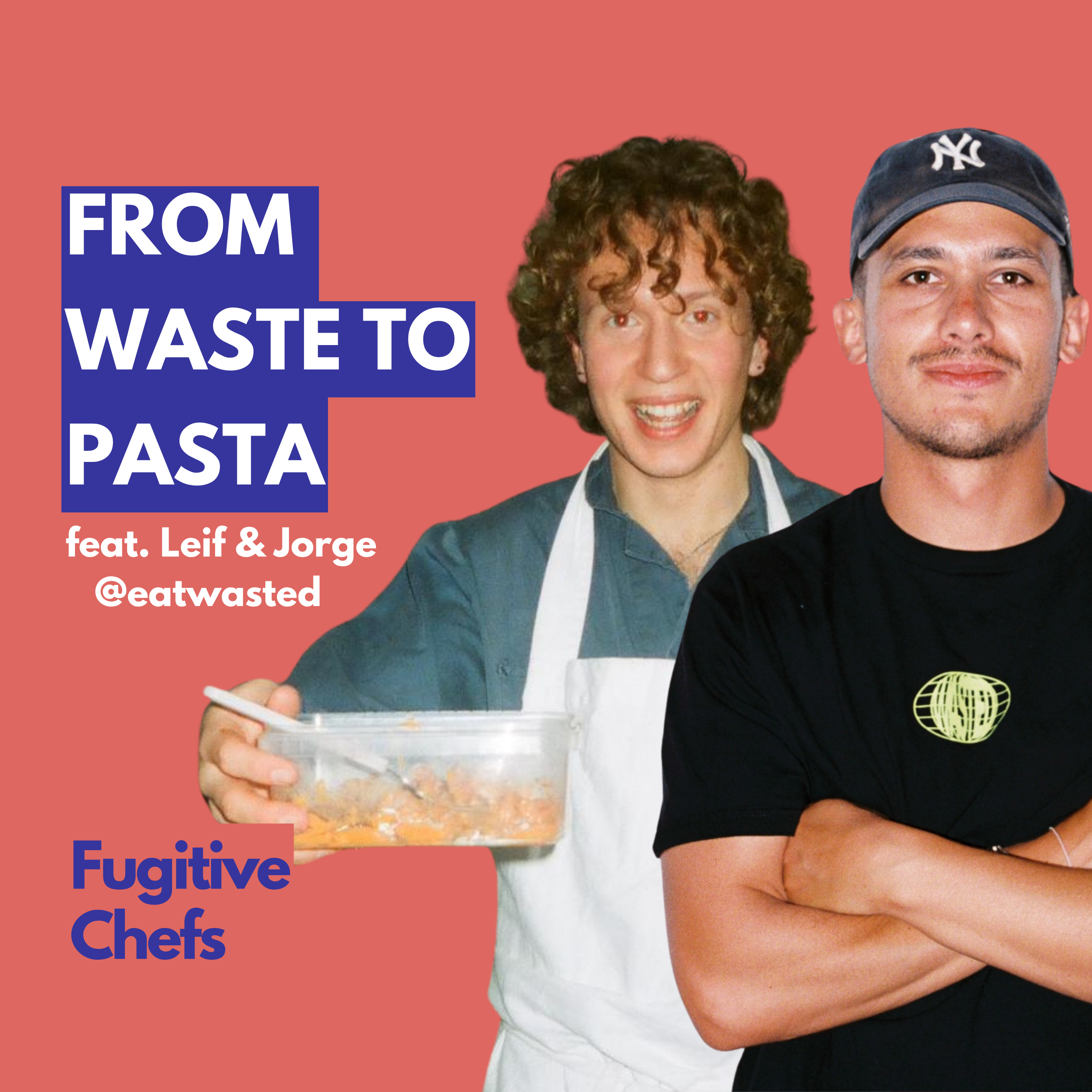
    The Startup Turning Bread Waste Into Pasta | Eat Wasted

    Most chefs are trained to think in dishes. But what happens when culinary thinking becomes a product, a company, and eventually an entire system? In this episode of Fugitive Chefs, I speak with Leif Friedmann and Jorge Aguilar from Eat Wasted — a startup turning surplus bread into pasta. What began as frustration around food waste inside restaurant kitchens slowly evolved into a broader conversation around entrepreneurship, product development, branding, manufacturing, and how chefs create value outside traditional restaurant systems. We talk about: • Why food waste pushed Leif beyond restaurants • The transition from chef to startup founder • Building a scalable food product • Sustainability vs desirability in branding • Why chefs underestimate their transferable skills • The tension between craftsmanship and scale • How culinary thinking translates into startups • What modern food entrepreneurship actually looks like This conversation is not really about pasta. It’s about what happens when chefs stop thinking only like cooks and start thinking like builders. 👤 Connect with Eat Wasted: Website:https://www.eatwasted.com/ Instagram: https://www.instagram.com/eatwasted/ 🎧 Fugitive Chefs is your window into how culinary work and chef identity are evolving beyond traditional kitchens. New episodes every Tuesday. 👉 Follow, rate us on Spotify, subscribe & comment on YouTube, and share with someone questioning what a culinary career can become. 🌐 Website: www.fugitivechefs.com 📸 Furqan’s Instagram:https://bit.ly/4dtiyTv 🎧 Podcast Instagram: https://bit.ly/43ndATO 🍏 Apple Podcasts: https://apple.co/43vBtbT ▶️ YouTube: https://www.youtube.com/@fugitivechef

    • Transcript
  • May 19 · 48 min

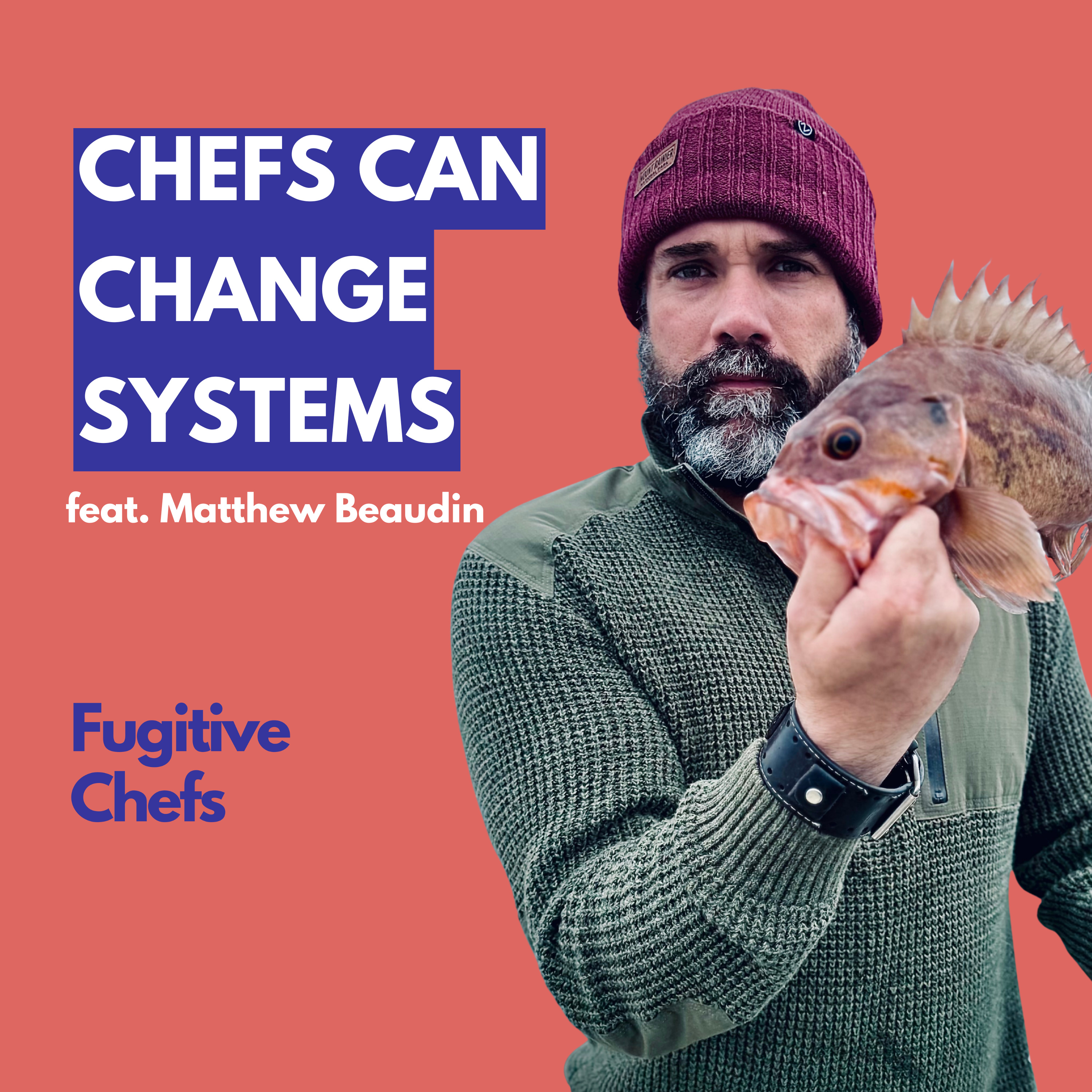
    From Fine Dining to Food Systems — How Chefs Can Influence the World | Matthew Beaudin

    Most chefs think their impact stops at the plate. But what happens when a chef starts influencing systems, supply chains, and how thousands of people are fed every day? In this episode of Fugitive Chefs, I speak with Chef Matthew Beaudin — a chef whose career has moved far beyond the traditional kitchen. From leading culinary initiatives at the Monterey Bay Aquarium to working across education, sustainability, and global food systems, Mathieu’s work shows what happens when a chef stops thinking in dishes and starts thinking in impact. We talk about: Why chasing fine dining success didn’t feel enough The moment that changed his perspective on sustainability (in Rwanda) Why chefs underestimate (and sometimes overestimate) their influence How food connects to systems, culture, and global inequality Why storytelling matters more than ever in food What young chefs should focus on early in their careers And how to start building a path beyond restaurants This conversation isn’t about leaving kitchens. It’s about expanding what being a chef can mean. 👤 Connect with Matthew: LinkedIn: https://www.linkedin.com/in/matthew-beaudin-83424b14/ 🎧 Fugitive Chefs is your window into alternative culinary careers and bold food innovation. New episodes every Tuesday.👉 Follow, rate us on Spotify, subscribe & comment on YouTube, and share with someone who’s questioning their place in the kitchen. 🌐 Website: www.fugitivechefs.com 📸 Furqan’s Instagram: https://bit.ly/4dtiyTv 🎧 Podcast Instagram: https://bit.ly/43ndATO 🎵 Spotify: https://spoti.fi/3F6j25A 🍏 Apple Podcasts: https://apple.co/43vBtbT ▶️ YouTube: / @fugitivechefs Chapters 00:00 – Why chefs think too small 01:00 – What Matthew does today 03:30 – Starting in kitchens (ego → meaning) 07:45 – The Rwanda moment that changed everything 13:00 – Why chefs don’t see their real impact 17:30 – Breaking out of the “chef box” 22:00 – Why this generation can actually change food systems 24:30 – Sustainability is not one definition 28:00 – Role of education (CIA, new generation) 32:30 – The responsibility of chefs 38:00 – Why most chefs avoid the hard truths 40:30 – Advice for young chefs 43:00 – Why chasing awards is empty 45:30 – How to actually start a different path

    • Transcript
  • May 12 · 7 min

    Why Kitchen Work Feels So Exhausting (It’s Not What You Think)

    Why do kitchens feel chaotic in ways that go beyond long hours or physical pressure? In this solo episode, Furqan explores how many of the frustrations chefs experience daily are not just caused by intensity, but by badly designed systems. From unclear prep lists to inconsistent recipes and constant last-minute fixes, this episode looks at how confusion often gets mistaken for pressure inside professional kitchens. A reflective conversation about restaurant culture, systems, burnout, and why many chefs blame themselves for environments that were never designed properly in the first place. 🎧 Fugitive Chefs is your window into alternative culinary careers and bold food innovation. New episodes every Tuesday.👉 Follow, rate us on Spotify, subscribe & comment on YouTube, and share with someone who’s questioning their place in the kitchen. 🌐 Website: www.fugitivechefs.com 📸 Furqan’s Instagram: https://bit.ly/4dtiyTv 🎧 Podcast Instagram: https://bit.ly/43ndATO 🎵 Spotify: https://spoti.fi/3F6j25A 🍏 Apple Podcasts: https://apple.co/43vBtbT ▶️ YouTube: / @fugitivechefs

    • Transcript
  • May 5 · 35 min

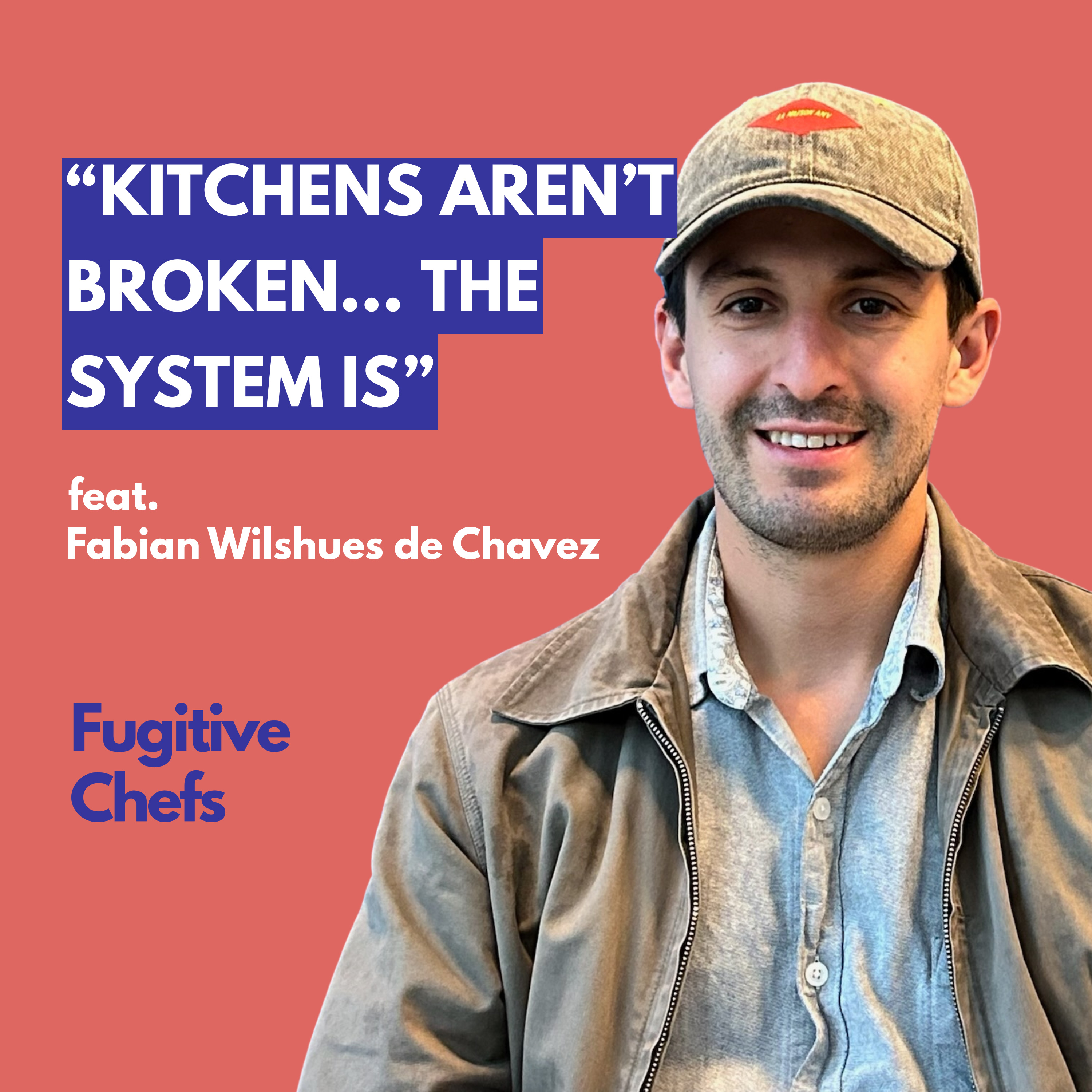
    Kitchens Aren’t Just Stressful. They’re Poorly Designed Systems.

    Most chefs think kitchens are hard because of the pressure. Long hours. Fast pace. Physical work. But what if the real problem isn’t the work, it’s the system behind it? In this episode, I speak with Fabian Wilshues de Chavez, who moved from kitchens into building a startup focused on improving kitchen operations. We talk about: Why kitchen work feels harder than it should The hidden role of bad systems in daily stress Why technology struggles to enter kitchens What’s actually broken behind the scenes And what the future of kitchens could look like This is not just about leaving kitchens. It’s about understanding them better. 👤 Connect with Fabian: LinkedIn: https://www.linkedin.com/in/fabian-wilshues-de-chavez-8072aa146/ Remi : https://www.thisisremi.com/ 🎧 Fugitive Chefs is your window into alternative culinary careers and bold food innovation. New episodes every Tuesday.👉 Follow, rate us on Spotify, subscribe & comment on YouTube, and share with someone who’s questioning their place in the kitchen. 🌐 Website: www.fugitivechefs.com 📸 Furqan’s Instagram: https://bit.ly/4dtiyTv 🎧 Podcast Instagram: https://bit.ly/43ndATO 🎵 Spotify: https://spoti.fi/3F6j25A 🍏 Apple Podcasts: https://apple.co/43vBtbT ▶️ YouTube: / @fugitivechefs Chapters : 00:00 — Kitchens aren’t just stressful 01:07 — Fabian’s path from kitchens to startups 03:00 — Why most BCC students don’t become chefs 05:00 — The moment everything clicked 07:00 — What’s actually broken in kitchens 09:30 — What Remy is (simple explanation) 12:00 — Stress vs bad systems 14:30 — Why tech alone won’t fix kitchens 16:00 — The reality of building a startup 18:30 — Why no one is solving this problem 20:00 — Why kitchens resist change 23:00 — How to introduce new tools in kitchens 25:30 — The future of kitchens (2 directions) 29:00 — Sustainable careers in kitchens 32:00 — What to do when something feels off kitchen systems, chef stress, restaurant operations, kitchen workflow, chef burnout, hospitality innovation, food tech, restaurant management tools, kitchen efficiency, fugitive chefs

    • Transcript
  • April 28 · 12 min

    There Is No One Way to Be a Chef

    Most chefs think there’s only one path. Culinary school → restaurant → head chef → maybe your own place. But what if that story is incomplete? In this solo episode, I break down something I wish I understood much earlier: There is no single way to be a chef. From R&D and food innovation to private dining, education, and building businesses — some of the most impactful chefs today don’t work in restaurants at all. This episode is about: Why most chefs feel stuck even in “good” kitchens How lack of exposure limits your career decisions The different paths that actually exist in the industry How to start exploring without quitting everything If you’ve ever questioned your path in food, this one is for you. Keywords : chef careers, life after kitchen, culinary careers, chef burnout, food industry jobs, R&D chef, private chef, food entrepreneurship, alternative chef careers, fugitive chefs

    • Transcript
  • April 21 · 1 hr

    From Chef to Food Systems: Why Kitchens Need to Think Beyond the Plate

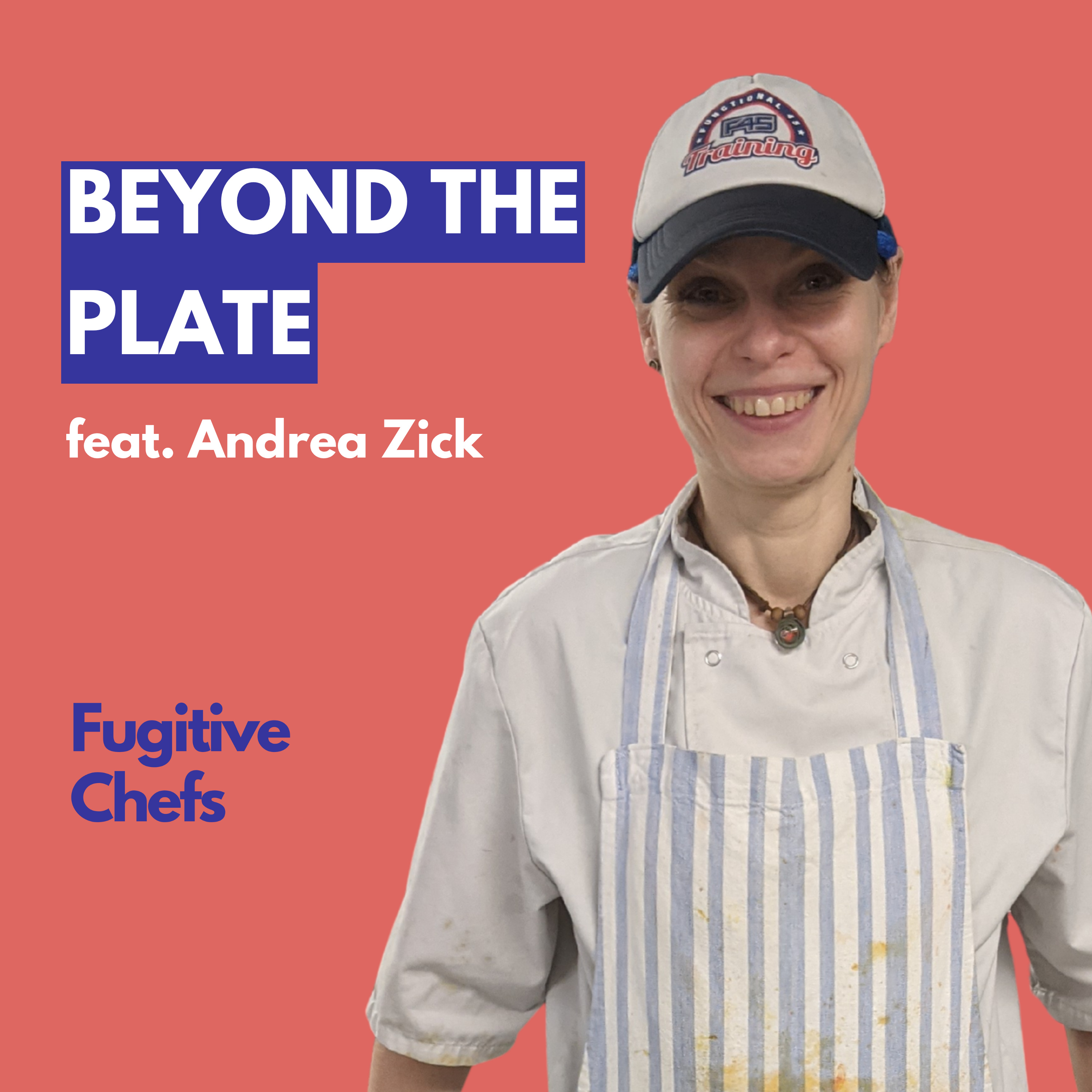
    Most chefs think impact happens on the plate. In this episode, Andrea Zick shares why the real impact starts before it. From working in professional kitchens to leading sustainability research and coaching chefs, Andrea explains how menus, systems, and education shape the future of food. If you’ve ever wondered what exists beyond the kitchen — this one’s for you. Join the community: 🌐 Website: ⁠www.fugitivechefs.com⁠ 📸 Furqan’s Instagram: ⁠https://bit.ly/4dtiyTv⁠ 🎧 Podcast Instagram: ⁠https://bit.ly/43ndATO⁠ 🎵 Spotify: ⁠https://spoti.fi/3F6j25A⁠ 🍏 Apple Podcasts: ⁠https://apple.co/43vBtbT⁠ ▶️ YouTube: ⁠https://www.youtube.com/@fugitivechefs⁠

    • Transcript
  • April 14 · 13 min

    No One Tells Chefs What Comes After Burnout

    Most chefs don’t leave because they hate cooking. They leave because something stops making sense. In this solo episode, I talk about what no one explains — what actually happens after burnout. The quiet moment where you start questioning everything. If you’ve ever felt stuck in a kitchen that looks right from the outside… this episode is for you. 🎙️ Topics: • Why burnout isn’t the real problem • The identity crisis of being a chef • What options exist beyond restaurants • How to start figuring out what’s next Join the community: 🌐 Website: ⁠www.fugitivechefs.com⁠ 📸 Furqan’s Instagram: ⁠https://bit.ly/4dtiyTv⁠ 🎧 Podcast Instagram: ⁠https://bit.ly/43ndATO⁠ 🎵 Spotify: ⁠https://spoti.fi/3F6j25A⁠ 🍏 Apple Podcasts: ⁠https://apple.co/43vBtbT⁠ ▶️ YouTube: ⁠https://www.youtube.com/@fugitivechefs⁠

    • Transcript
  • April 7 · 39 min

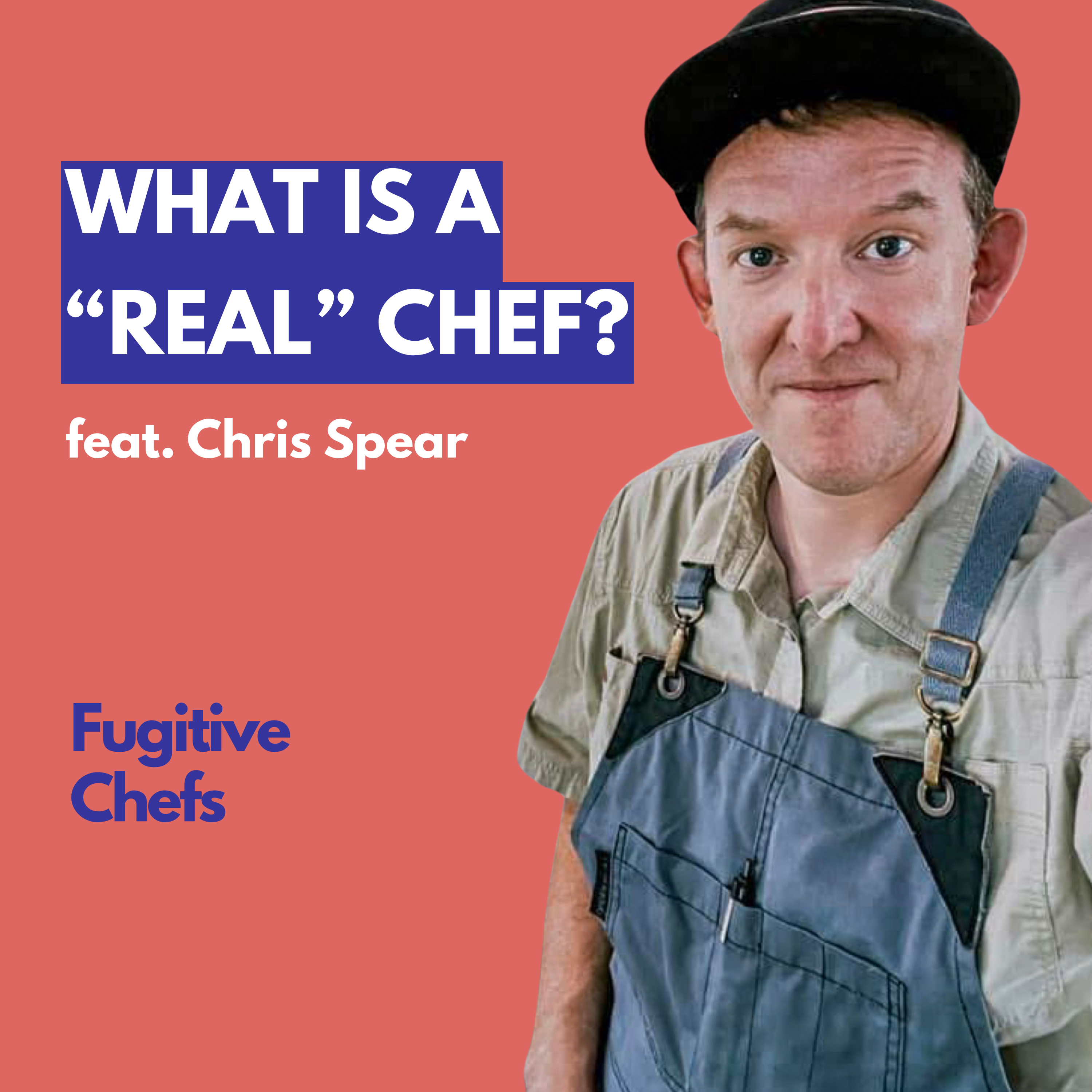
    Chefs Without Restaurants: Building a Career Beyond the Kitchen | Chris Spear

    Chris Spear has spent over 20 years building a career outside traditional restaurant kitchens — from hospitals to catering to running a personal chef business. He’s also the host of Chefs Without Restaurants, a podcast and community that explores exactly what its name suggests. In this conversation, we talk about: • Why culinary school still shows only one path • What “freedom” actually looks like outside restaurants • The reality of running a one-person food business • Identity, status, and what it means to be a “real chef” • How to start without going all in This isn’t theory. It’s someone who’s done it for years. If you’ve ever felt stuck in kitchens, this one’s for you. 🎧 Fugitive Chefs is your window into alternative culinary careers and bold food innovation. New episodes every Tuesday. 👉 Follow, rate us on Spotify, subscribe & comment on YouTube, and share with someone who’s questioning their place in the kitchen. 🌐 Website: www.fugitivechefs.com 📸 Furqan’s Instagram: https://bit.ly/4dtiyTv 🎧 Podcast Instagram: https://bit.ly/43ndATO 🎵 Spotify: https://spoti.fi/3F6j25A 🍏 Apple Podcasts: https://apple.co/43vBtbT ▶️ YouTube: https://www.youtube.com/@fugitivechefs
    • Transcript
  • March 31 · 38 min

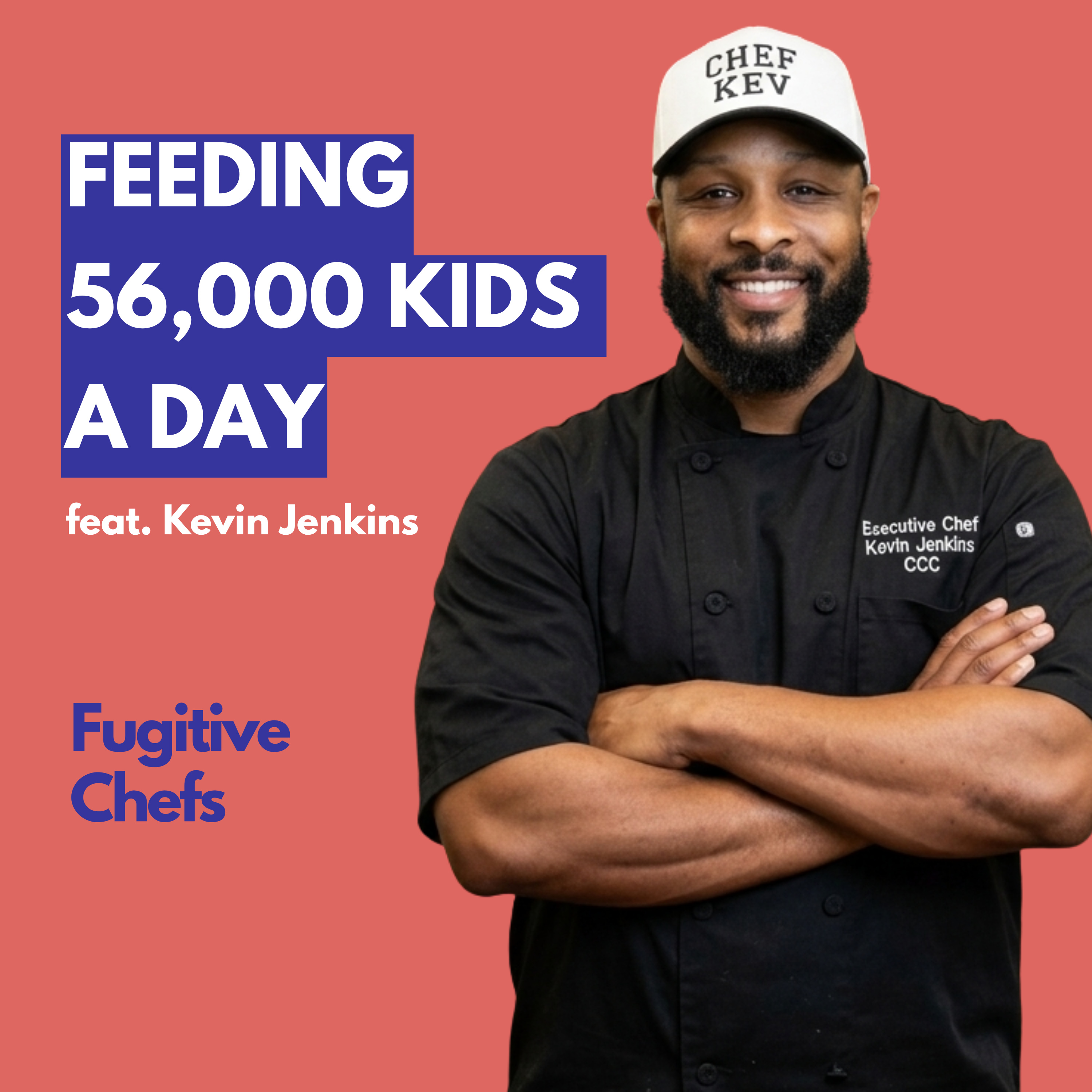
    From US Navy to School Kitchens: Feeding 56,000 Kids a Day

    Most chefs chase stars. Kevin Jenkins chose something else. After 10 years as a culinary specialist in the US Navy, Kevin now leads school nutrition across Garland ISD in Dallas — helping feed nearly 56,000 students every day. For many of those kids, school meals aren’t just food. They’re the most reliable meal of the day. In this episode, we talk about: What cooking at scale really looks like (and why it’s harder than you think) Why systems matter more than talent The hidden impact of school food on health, culture, and dignity How to make food taste great within strict nutrition guidelines Why this might be one of the most important jobs in food today This is a conversation the chef world rarely has — but probably should. If you’ve ever thought impact only happens in restaurants, this episode might change your mind. 🎧 Fugitive Chefs is your window into alternative culinary careers and bold food innovation. New episodes every Tuesday. 👉 Follow, rate us on Spotify, subscribe & comment on YouTube, and share with someone who’s questioning their place in the kitchen. 🌐 Website: www.fugitivechefs.com 📸 Furqan’s Instagram: https://bit.ly/4dtiyTv 🎧 Podcast Instagram: https://bit.ly/43ndATO 🎵 Spotify: https://spoti.fi/3F6j25A 🍏 Apple Podcasts: https://apple.co/43vBtbT ▶️ YouTube: https://www.youtube.com/@fugitivechefs
    • Transcript
Showing 21–32 of 32 episodes