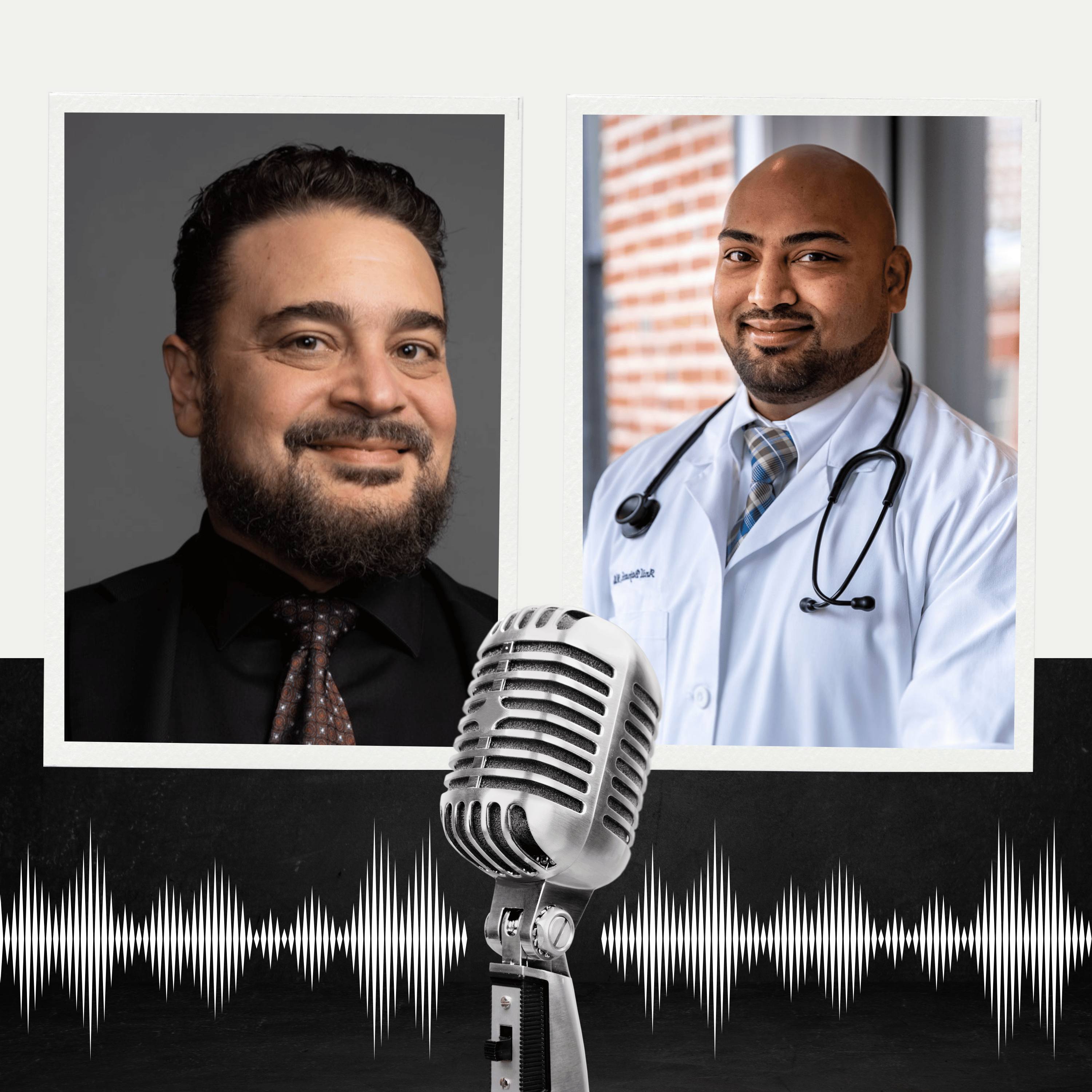
Functional Medicine Approach to Low Testosterone in Men with Dr. Yousef Elyaman
Episode Description In this FMP Essentials episode on low testosterone in men and functional medicine, Dr. Yousef Elyaman explores why testosterone levels should not be interpreted in isolation and what practitioners should investigate before considering testosterone replacement. Low energy, decreased libido, erectile dysfunction, changes in mood, increased body fat, reduced muscle mass, and poor exercise response may point toward low testosterone. But Dr. Elyaman explains why symptoms and a total testosterone result are only the beginning of the clinical investigation. From total and free testosterone to SHBG, LH, FSH, estrogen, inflammation, insulin resistance, vitamin D, and PSA, this episode walks through the broader clinical picture. Dr. Elyaman explains how metabolic dysfunction, excess estrogen, inflammation, sleep apnea, and other underlying factors may influence testosterone levels and why identifying those drivers matters. The conversation also explores lifestyle and supplementation considerations, testosterone creams, injections and pellets, monitoring, prostate considerations, and what practitioners should investigate when a patient receives testosterone but still does not feel better. The central principle is simple: don't just treat the number. Find out why the number is abnormal. Key Questions We're Answering What are the potential root causes of low testosterone in men? Why can total testosterone alone give an incomplete clinical picture? Which labs can help practitioners investigate low testosterone more comprehensively? How are insulin resistance, estrogen, inflammation, and sleep apnea connected to testosterone? When should testosterone replacement be considered, and what should practitioners continue monitoring? Why You Can't Miss This Episode Low testosterone may be more than a hormone problem. It can be a signal of a deeper metabolic imbalance. Dr. Elyaman explains that some of the underlying factors associated with low testosterone are also associated with cardiovascular disease. His clinical emphasis is therefore not simply on replacing testosterone, but on investigating and addressing the underlying imbalances contributing to the patient's overall health picture. For practitioners, this episode provides a framework for thinking beyond a single lab value. For patients and functional medicine champions, it explains why finding the "why" behind low testosterone can matter just as much as identifying the low level itself. What Listeners Will Learn Key Insight: "Don't just treat the number. Look at the patient, get to the root of disease." Top Takeaways: Symptoms matter alongside labs. Dr. Elyaman questions diagnosing low testosterone solely from a low laboratory result when the patient does not have corresponding symptoms. Total testosterone isn't the entire story. SHBG can affect how much testosterone is actually available to the body, which is why free or bioavailable testosterone deserves consideration. Investigate the hormonal signaling system. LH, FSH, estradiol, and estrone can provide additional clues about why testosterone production may be altered. Look beyond reproductive hormones. Insulin resistance, inflammation, vitamin D status, metabolic health, and other clinical markers can contribute to the broader picture. Replacement doesn't end the investigation. If a patient receives testosterone and still doesn't improve, Dr. Elyaman recommends revisiting factors including insulin resistance, estrogen levels, SHBG, and the patient's presenting symptoms. Bonus Clinical Insight For younger men concerned about fertility, Dr. Elyaman discusses HCG as a clinical consideration because exogenous testosterone can decrease sperm production and testicular size. He describes situations in which HCG may be considered either before or alongside testosterone replacement based on clinical judgment. Shareable Quotes "Low testosterone is more of an alert that there's a deeper imbalance." "Don't just treat the number. Look at the patient." "More is not always better. You start low, you go slow." This Episode’s Sponsors FMP Essentials – The #1 Resource for Functional Medicine Practitioners www.fmpessentials.com Practitioners: Want to level up your functional medicine game? Sign up for our Bronze Mastermind: https://www.fmpessentials.com/mastermind-founders-launch Connect with Us FMP Essentials Instagram: https://instagram.com/fmpessentialshq Website: https://www.fmpessentials.com Dr. Yousef Elyaman Instagram: https://instagram.com/drelyaman Disclaimers This podcast is for educational purposes only and does not constitute medical advice. No doctor-patient relationship is established by watching. Supplement discussion is educational and not intended to diagnose, treat, cure, or prevent disease. Always consult a qualified healthcare provider before making changes to your care plan. Don’t Just Listen—Transform Your Practice Share This Episode – Forward it to a colleague or friend Leave a Review – Tell us your biggest takeaway Subscribe for More – Get exclusive resources inside the FMP Essentials Mastermind Music Credit: "Heroes Approaching - Extended" by tunes2go The FMP Essentials Show – Where Functional Medicine Meets Mastery