Skip to content
Artwork for First Mold Insight: Custom Injection Molding & Tooling Guide

First Mold Insight: Custom Injection Molding & Tooling Guide

First Mold

First Mold Insight is your go-to resource for expert knowledge on custom injection molding, CNC machining, and rapid prototyping. From complex mold design to high-volume production, we break down the technical nuances of manufacturing to help product designers and engineers bring their ideas to life.

Proudly powered by FirstMold (https://firstmold.com), a leader in precision tooling and plastic manufacturing. Join us as we explore the future of manufacturing technology and supply chain optimization.

Play
  • 32 episodes
  • a few times a week
  • Avg 10 min
  • English
Counted on this page — what you have heard stays on this device, so it is not something the list can be paged by.
  • Friday · 9 min

    Solving Ejector Pin Marks in Plastic Parts

    Ejector pin marks are common defects in plastic injection molded parts, affecting both appearance and structural integrity. This episode breaks down their causes, from design flaws to molding process issues, and offers comprehensive solutions to eliminate them. Key Highlights: Product Design Factors: Unreasonable wall thickness, small draft angles, or multiple rib positions can increase demolding resistance and cause marks. Mold Design Optimization: Issues like narrow runners, improper gate size, or insufficient ejector pins contribute to uneven ejection forces and defects. Material & Process: Incorrect material selection, lack of lubricants, or excessive ejection speed can lead to parts sticking or deforming during demolding. Cavity & Surface: Uneven mold cooling, vacuum effects, or poor mold surface polishing increase adhesion and the likelihood of ejector marks. 🔗 Read the Full Technical Guide: https://firstmold.com/tips/ejector-pin-marks/ 🛠️ Instant Quote for Your Project: https://firstmold.com/quote/ #FirstMold #Manufacturing #EjectorPinMarks #InjectionMolding #MoldDesign #PlasticParts #QualityControl
  • Wednesday · 9 min

    Eliminating Uneven Color in Injection Molding

    Uneven color and color differences can plague injection molded parts, leading to significant scrap rates and visual inconsistencies. This episode breaks down the root causes of these common defects and offers practical solutions for achieving consistent color. Key Highlights: Color Difference Detection: Learn the nuances of detecting color variations, from visual inspection challenges to the precise measurements provided by colorimeters using the △E value. Material & Colorant Factors: Discover how raw material quality, proper drying, and the dispersibility or thermal stability of colorants critically impact final part coloration. Equipment & Process Causes: Understand how issues like damaged heating elements, accumulated charred material, and incorrect injection parameters can lead to color inconsistencies. Mold & Venting Solutions: Explore the role of mold design, effective venting, and precise temperature control in achieving uniform cooling and consistent surface coloration. 🔗 Read the Full Technical Guide: https://firstmold.com/tips/uneven-color-and-color-difference/ 🛠️ Instant Quote for Your Project: https://firstmold.com/quote/ #FirstMold #Manufacturing #InjectionMolding #ColorControl #QualityControl #PlasticDefects #Troubleshooting

  • Monday · 12 min

    Solving Weld Line Defects in Plastic Parts

    Weld lines are a common and critical defect in plastic injection molded parts, compromising both aesthetics and mechanical strength. This episode explains their formation mechanisms and offers practical strategies for mitigation through process adjustments, mold design optimization, and material selection. Key Highlights: Weld Line Formation: Weld lines appear as linear marks where two plastic melt streams meet, often around features or from multiple gates. Fountain Flow Mechanism: Weld lines form due to fountain flow, where cooler melt fronts meet, creating a V-shaped groove often exacerbated by trapped air or low temperature. Process Parameter Control: Adjusting injection pressure and speed, increasing mold and melt temperatures, and thorough material drying can significantly reduce weld line severity. Mold Design Strategies: Optimizing gate systems, using sequential gating, and strategically arranging cooling channels are key mold design approaches to mitigate weld lines. 🔗 Read the Full Technical Guide: https://firstmold.com/tips/weld-lines/ 🛠️ Instant Quote for Your Project: https://firstmold.com/quote/ #FirstMold #Manufacturing #WeldLines #InjectionMolding #PlasticParts #MoldDesign #DefectPrevention

  • September 23 · 8 min

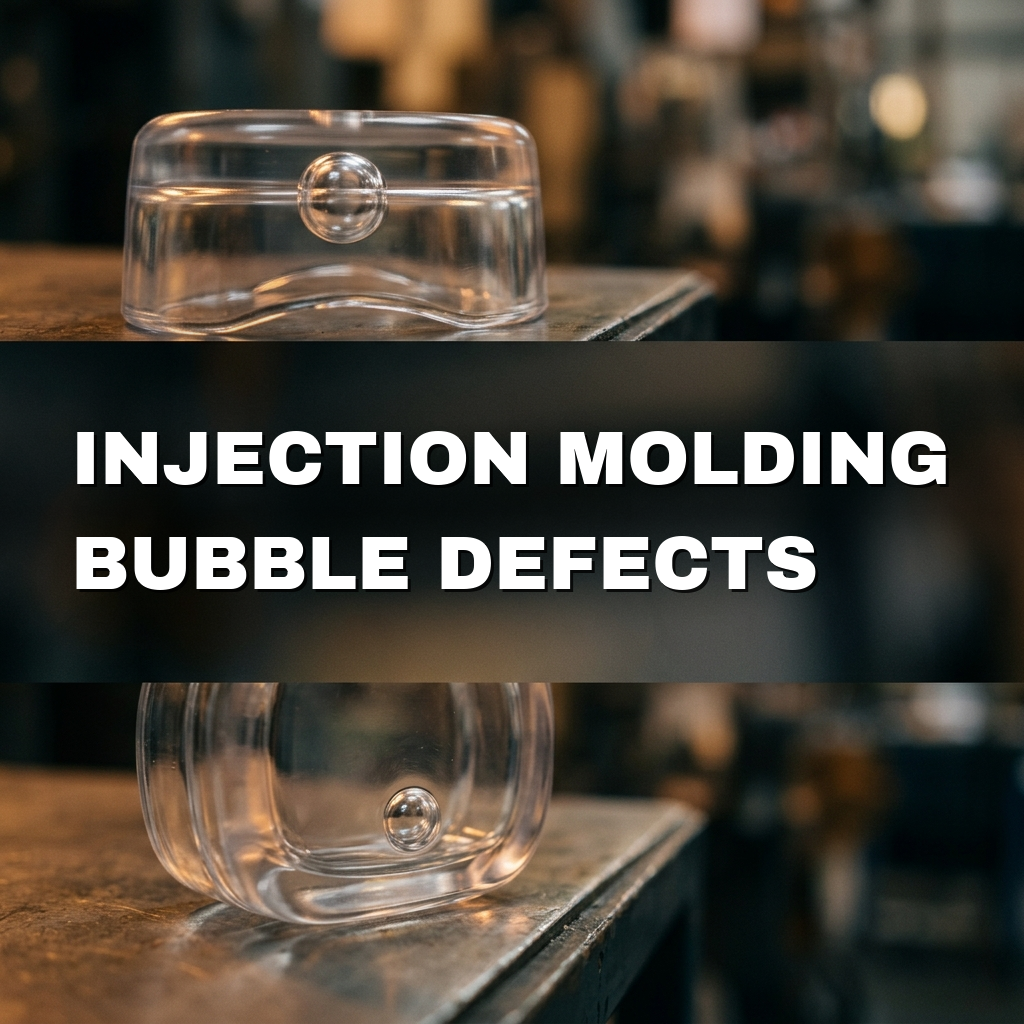
    Injection Molding Bubbles: Pinpointing Causes & Practical Fixes

    Bubbles in injection molded parts, especially transparent ones, pose a unique and challenging defect for manufacturers. They result from trapped gases, impacting product quality significantly. This episode breaks down the root causes of these elusive bubbles and offers practical solutions to eliminate them from your production. Key Highlights: Screw Plasticizing: Learn how improper screw speed or back pressure during plasticizing can trap air, leading to bubble formation in the melt. Material Moisture: Discover why excessive moisture in hygroscopic materials or insufficient drying can cause gas release and bubbles during molding. Thermal Degradation: Understand how high barrel temperatures, long melt residence times, or shear heat can degrade plastic, creating unwanted gases. Mold Venting: Explore the critical role of proper mold venting, gate design, and surface finish in preventing gas entrapment and bubbles. 🔗 Read the Full Technical Guide: https://firstmold.com/tips/bubbles/ 🛠️ Instant Quote for Your Project: https://firstmold.com/quote/ #FirstMold #Manufacturing #InjectionMolding #MoldingDefects #PlasticProcessing #Troubleshooting #MoldDesign

  • September 21 · 8 min

    Mastering Injection Molding: Preventing Wave & Jetting Flow Marks

    Surface defects can plague injection molded parts, with wave and jetting marks being particularly common and frustrating. This episode uncovers the root causes of these undesirable patterns and provides practical solutions for their prevention, ensuring smoother, higher-quality plastic components. Key Highlights: Wave Mark Causes: Small gates, improper cooling, and poor material fluidity are common culprits behind the appearance of wavy patterns on part surfaces. Jetting Mark Origins: Poor gate-to-mold wall transitions, undersized gates, and excessively fast injection speeds frequently lead to jetting defects. Process Condition Fixes: Adjusting injection speed and pressure, along with optimizing mold and melt temperatures, are key strategies to mitigate flow marks. Mold Design Solutions: Enlarging gate areas, improving cold slug wells, and smoothing mold core edges can prevent flow mark formation and improve quality. 🔗 Read the Full Technical Guide: https://firstmold.com/tips/flow-marks/ 🛠️ Instant Quote for Your Project: https://firstmold.com/quote/ #FirstMold #Manufacturing #InjectionMolding #FlowMarks #PlasticDefects #MoldDesign #QualityControl

  • September 19 · 7 min

    Injection Molding Black Spots: Root Causes and Remediation

    Black spots and specks are common, costly defects in injection molded parts, leading to significant losses if not controlled. This episode breaks down how to identify these imperfections, explores their primary causes like carbonization and contamination, and outlines effective prevention strategies to save costs. Key Highlights: Black Spot Standards: Learn the crucial standards from raw material suppliers and customer acceptance criteria for accurately identifying and controlling black spot defects. Material Carbonization: Discover how factors like screw wear, residual melt, long cycles, and adhesion contribute to material degradation and black spot formation. Contamination Sources: Explore how external environment, dust, and impurities in raw materials introduce foreign particles, leading to black spots in production. Remediation & Maintenance: Understand effective cleaning methods for screw barrels, proper shutdown procedures, and the use of special washing materials to prevent recurring defects. 🔗 Read the Full Technical Guide: https://firstmold.com/tips/black-spots-and-black-specks/ 🛠️ Instant Quote for Your Project: https://firstmold.com/quote/ #FirstMold #Manufacturing #InjectionMolding #PlasticDefects #QualityControl #Carbonization #Troubleshooting

  • September 17 · 13 min

    Splay Marks in Injection Molding: Diagnosing & Solving Common Defects

    Splay marks, or silver streaks, are a common yet often elusive defect in injection molding, causing significant waste and production delays. This episode breaks down the root causes—from material moisture to design flaws—and offers practical solutions to effectively resolve them on the shop floor. Key Highlights: Material Moisture Control: Learn how excessive moisture in plastic pellets leads to hydrolytic splay marks and the critical drying conditions needed to prevent them. Thermal Degradation Issues: Understand how overheating resin in the barrel, prolonged residence time, or high back pressure causes thermal silver streaks and color changes. Part Design Impact: Explore how uneven wall thickness or abrupt section changes in part design can trap air, leading to fixed-pattern structural silver streaks. Gate & Runner Design: Discover how irrational gate and runner designs, including small cross-sections or cold material, cause localized splay marks near the gate. 🔗 Read the Full Technical Guide: https://firstmold.com/tips/splay-marks-silver-streaks-in-injeciton-molding/ 🛠️ Instant Quote for Your Project: https://firstmold.com/quote/ #FirstMold #Manufacturing #InjectionMolding #SplayMarks #SilverStreaks #DefectAnalysis

  • September 15 · 10 min

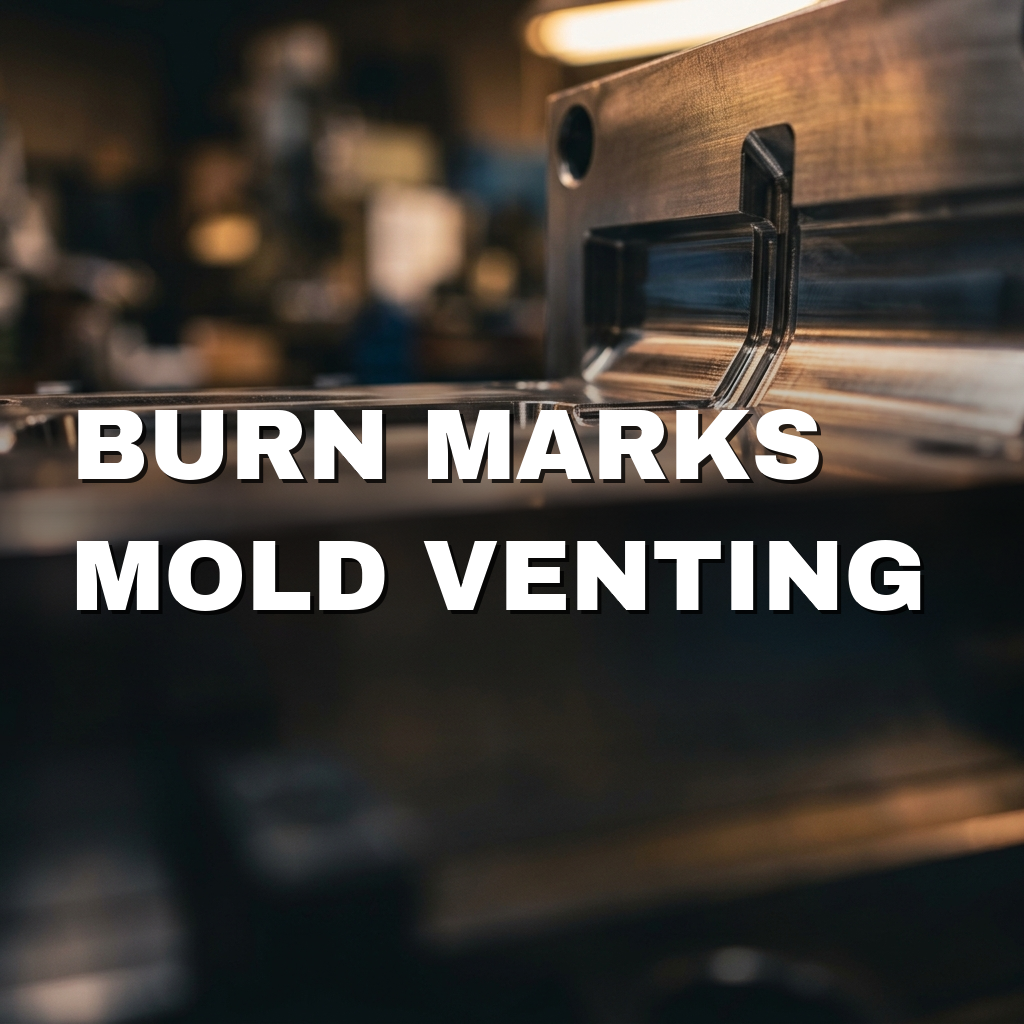
    Burn Marks in Injection Molding: Causes, Effects, and Solutions

    Burn marks are an often-overlooked defect in injection molding, impacting both aesthetics and product performance. This episode delves into the specific causes, from equipment and mold design to process parameters and raw materials, and offers practical strategies for prevention and resolution. Key Highlights: Defect Definition: Understand what burn marks are, how they form from trapped, superheated air, and where they typically appear on molded parts. Product Impact: Explore how burn marks affect product appearance, quality, and reliability, potentially reducing strength, heat resistance, and increasing production costs. Root Causes: Identify the primary causes, including equipment malfunctions, poor mold venting, incorrect gate design, and issues with raw materials. Improvement Strategies: Discover practical solutions for addressing burn marks, focusing on adjusting injection speed, optimizing mold venting, and checking material properties. 🔗 Read the Full Technical Guide: https://firstmold.com/tips/burn-marks/ 🛠️ Instant Quote for Your Project: https://firstmold.com/quote/ #FirstMold #Manufacturing #InjectionMolding #MoldDefects #ProcessOptimization #PlasticMolding #DFM

  • September 13 · 12 min

    Stop Warpage: Mastering Injection Molding Deformation

    Warpage is a common, frustrating defect in injection molding that impacts part quality and function. This episode breaks down the root causes of warpage—from mold design to material choice—and outlines practical strategies to prevent it. Key Highlights: UNIFORM WALL THICKNESS: Maintaining uniform wall thickness prevents uneven cooling shrinkage and reduces deformation in injection molded parts. REINFORCING RIBS: Properly designed ribs and support structures enhance rigidity, stability, and resist warpage in thin-walled areas. GEOMETRIC DESIGN: Curved shapes and rounded transitions in product geometry effectively disperse stress and minimize deformation risk. GATE AND RUNNER LAYOUT: Strategic gate placement, number, and size ensure uniform plastic filling, preventing internal stress and warpage. 🔗 Read the Full Technical Guide: https://firstmold.com/tips/warpage-in-injection-molding/ 🛠️ Instant Quote for Your Project: https://firstmold.com/quote/ #FirstMold #Manufacturing #InjectionMolding #Warpage #MoldDesign #PlasticDefects #DFM

  • September 11 · 10 min

    Mastering Sink Marks: Design, Mold, and Machine Solutions

    Sink marks are a pervasive challenge in injection molding, marring product appearance and affecting functionality. This episode explores the root causes—from material and part design to mold and machine parameters—and outlines a comprehensive prevention strategy. Key Highlights: SINK MARK DEFINITION: Understand sink marks as surface depressions or shrink marks on plastic parts, severely impacting appearance and potentially affecting assembly. PART DESIGN IMPACT: Explore how uneven wall thickness, excessive rib or gate designs, and screw column placement contribute to sink marks. MOLD AND MACHINE: Learn how mold issues like insufficient cooling or gate size, and machine problems like low pressure or worn components, cause defects. PREVENTION IS KEY: Discover why addressing sink marks early in part design, with team collaboration and mold flow analysis, is most effective. 🔗 Read the Full Technical Guide: https://firstmold.com/tips/sink-marks/ 🛠️ Instant Quote for Your Project: https://firstmold.com/quote/ #FirstMold #Manufacturing #InjectionMolding #SinkMarks #PlasticDefects #ProductDesign #DFM

  • September 9 · 9 min

    Mastering Short Shots: Solving Incomplete Fills in Injection Molding

    Short shots plague injection molding, leaving parts incomplete and production stalled. This episode dives into the root causes and offers practical troubleshooting strategies to ensure perfect part filling every time. Key Highlights: Gating System Design: Unbalanced gates and runners cause pressure loss, leading to incomplete filling, especially in multi-cavity molds. Mold Ventilation: Trapped gas due to poor ventilation or excessive material moisture can prevent the melt from fully filling cavities. Temperature Control: Low mold, melt, or nozzle temperatures cause premature solidification, hindering complete cavity filling and flow. Injection Parameters: Insufficient injection pressure or slow speed can prevent the melt from reaching all corners of the mold cavity. 🔗 Read the Full Technical Guide: https://firstmold.com/tips/short-shot-in-injection-molding/ 🛠️ Instant Quote for Your Project: https://firstmold.com/quote/ #FirstMold #Manufacturing #InjectionMolding #ShortShot #MoldDefects #Troubleshooting #ProcessOptimization

  • September 7 · 13 min

    Solving Flash: Key to Quality Injection Molded Parts

    Flash, a common injection molding defect, can severely impact part quality, performance, and tooling lifespan. This episode breaks down the root causes of flash, from material and mold factors to process and machine issues, offering actionable solutions to achieve defect-free parts. Key Highlights: Flash Definition: Explains what flash is—excess material at mold gaps—and its detrimental effects on part quality, function, and even mold integrity. Material Factors: Discusses how plastic flowability, uneven granularity, or high water absorption in raw materials can contribute to flash formation. Mold Design Issues: Covers how poor mold precision, misalignment of components, or unbalanced runner systems lead to plastic overflow and flash. Process & Machine: Examines how injection pressure, temperature, holding time, or insufficient machine clamping force can directly cause flash defects. 🔗 Read the Full Technical Guide: https://firstmold.com/tips/flash-in-injection-molding/ 🛠️ Instant Quote for Your Project: https://firstmold.com/quote/ #FirstMold #Manufacturing #InjectionMolding #FlashDefect #MoldDesign #QualityControl #PlasticParts

  • September 5 · 8 min

    Additive vs. Subtractive: The Future of Manufacturing Synergy

    Choosing between additive and subtractive manufacturing methods can define a product's success. We break down the historical progression, core advantages, and surprising synergy of 3D printing and CNC machining to help you make informed production decisions. Key Highlights: PRODUCTION SCALABILITY: Subtractive manufacturing excels in high-efficiency mass production, while additive manufacturing is ideal for personalized customization and low-volume runs. MATERIAL EFFICIENCY: Additive manufacturing uses only necessary material, reducing waste, whereas subtractive methods generate significant offcuts and chips. DESIGN FREEDOM: Additive manufacturing allows for complex geometries and internal structures, overcoming limitations of traditional material removal processes. PROTOTYPING & REPAIR: 3D printing enables rapid, low-cost prototyping and offers unique capabilities for repairing existing components, extending product life. 🔗 Read the Full Technical Guide: https://firstmold.com/guides/additive-manufacturing-vs-subtractive-manufacturing/ 🛠️ Instant Quote for Your Project: https://firstmold.com/quote/ #FirstMold #Manufacturing #AdditiveManufacturing #SubtractiveManufacturing #3DPrinting #CNCMachining #Prototyping

  • September 3 · 1 min

    Mold Trials: The Critical Step to Flawless Injection Molding

    After a new injection mold is complete, it's not ready for mass production without a crucial test. This episode breaks down why mold trials are essential for identifying and resolving defects, ensuring stable, high-quality output before full-scale manufacturing begins. Key Highlights: Trial Purpose: Mold trials optimize design and process parameters, ensuring stable and continuous mass production, not just a single good sample. Key Parameters: Essential parameters like barrel temperature, mold temperature, injection pressure, speed, and cooling time must be carefully set and optimized. Defect Resolution: Mold trials identify and address common issues like sticking, warping, sink marks, and delamination through systematic adjustments and analysis. Trial Efficiency: Reducing trial runs depends on comprehensive mold design evaluation, precise processing, and effective scientific trials to avoid costly rework. 🔗 Read the Full Technical Guide: https://firstmold.com/guides/what-is-mold-trial/ 🛠️ Instant Quote for Your Project: https://firstmold.com/quote/ #FirstMold #Manufacturing #MoldTrial #InjectionMolding #ProcessOptimization #QualityControl #ToolingStrategy

  • September 1 · 15 min

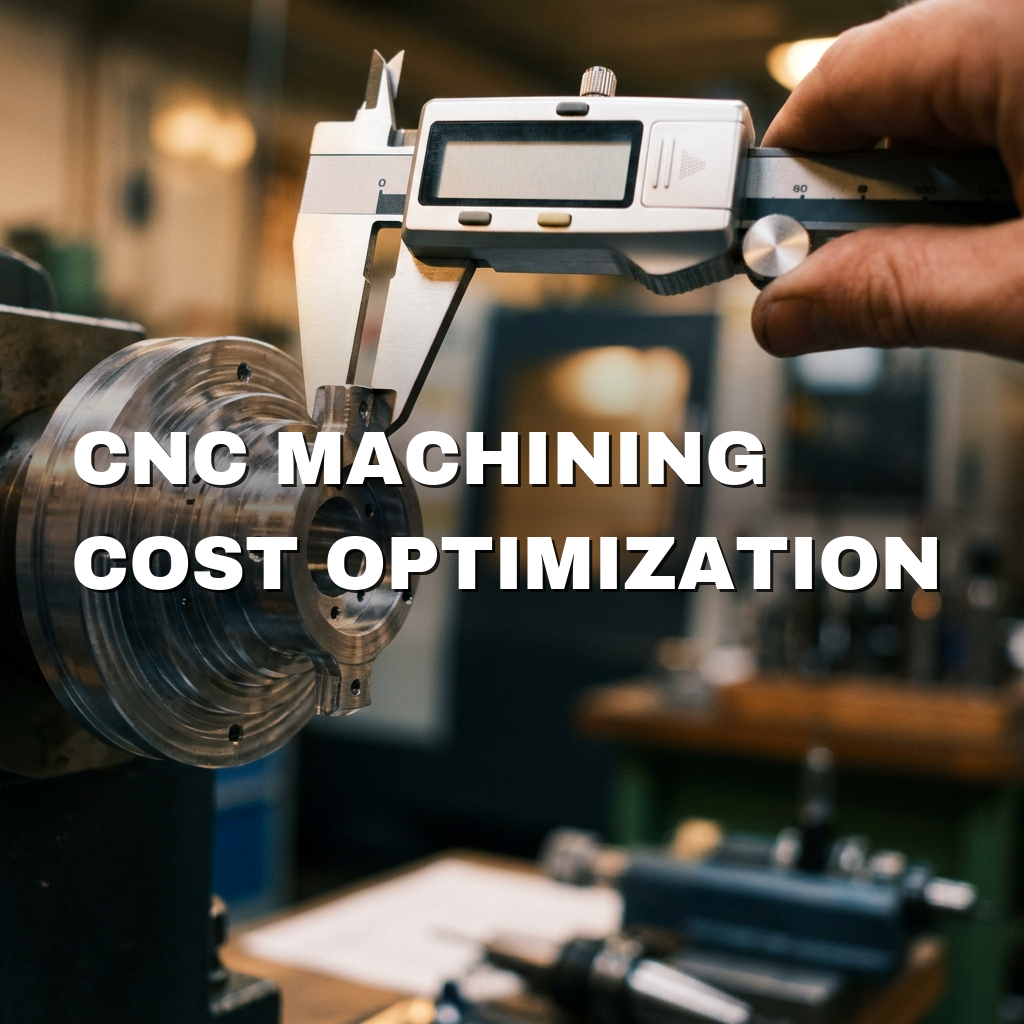
    Unlock CNC Savings: Design for Cost-Effective Machining

    CNC machining quotes vary wildly, often due to complex process arrangements and hidden costs. This episode breaks down the major factors influencing CNC expenses and reveals critical design strategies to significantly reduce manufacturing costs. Key Highlights: Material Selection: Choosing machinable, low-cost raw materials significantly impacts overall part expense, especially for prototyping and small batches. Design Tolerances: Over-specifying precision requirements for non-critical dimensions dramatically increases machining time, inspection, and tooling costs. Feature Geometry: Complex internal fillets, deep slots, and thin walls demand specialized tools and longer machining cycles, driving up part prices. Production Volume: Mass production leverages economies of scale, drastically lowering per-part setup costs compared to small batch or single-piece orders. 🔗 Read the Full Technical Guide: https://firstmold.com/tips/cnc-machining-costs/ 🛠️ Instant Quote for Your Project: https://firstmold.com/quote/ #FirstMold #Manufacturing #CNCMachining #CostReduction #DFM #ProductDesign #Tooling

  • August 30 · 13 min

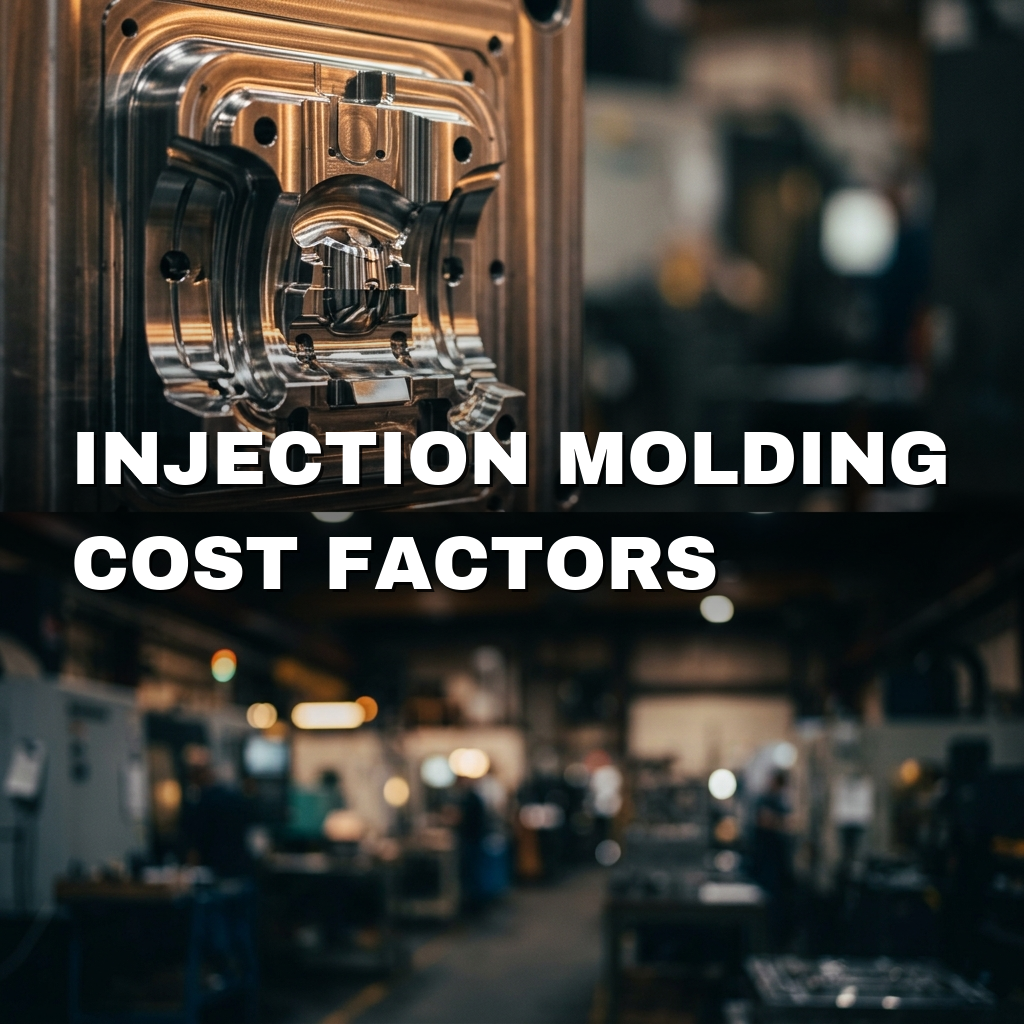
    Injection Molding Costs: Navigating the 6 Key Factors

    Evaluating plastic injection molded part costs can be a confusing challenge for product teams and outsourcers. This episode demystifies the 6 major cost drivers and provides actionable strategies to control your production budget efficiently. Key Highlights: Plastic Mold Investment: Mold costs vary significantly based on complexity, size, number of cavities, and required tolerances, often being a major upfront expense. Raw Material Expenses: Material costs depend on plastic type, market prices, and part weight, including accounting for any cold runner system waste. Molding Process Costs: These costs are driven by injection machine size, molding cycle time, and setup requirements, impacting overall unit price. Cost Control Strategies: Effective cost control involves optimizing mold design, selecting energy-efficient machines, and choosing appropriate materials and processing techniques. 🔗 Read the Full Technical Guide: https://firstmold.com/tips/injection-molding-costs/ 🛠️ Instant Quote for Your Project: https://firstmold.com/quote/ #FirstMold #Manufacturing #InjectionMolding #PlasticParts #MoldMaking #CostControl #ProductDesign

  • August 28 · 13 min

    Injection Mold Costs: Unpacking Explicit and Implicit Factors

    Buyers often face vastly different quotes for the same injection mold project, making procurement confusing. This episode breaks down the explicit and implicit components of mold pricing, helping you choose the best supplier and understand true value. Key Highlights: Explicit vs. Implicit Costs: Learn the difference between direct, visible costs and the hidden, long-term costs that impact a mold's total value. Material Cost Drivers: Discover how mold base quality, hot runner systems, and the grade of mold steel significantly influence overall material expenses. Processing Fees Explained: Understand how part design complexity, required precision, and advanced equipment choices drive up processing fees and labor hours. Design for Manufacturability: Explore how rational part design, like proper fillets and uniform wall thickness, can drastically reduce mold development costs. 🔗 Read the Full Technical Guide: https://firstmold.com/tips/composition-of-injection-mold-cost/ 🛠️ Instant Quote for Your Project: https://firstmold.com/quote/ #FirstMold #Manufacturing #InjectionMold #MoldCost #Tooling #DFM #SupplyChain

  • August 26 · 5 min

    Mastering CNC Part Acceptance Criteria

    Defining acceptance standards for CNC machined products is complex due to diverse machine types and product functions. This episode breaks down the key inspection areas, from dimensional accuracy to material quality, helping you establish rigorous criteria for your specific needs. Key Highlights: Dimensional Accuracy: Learn how calipers, micrometers, and height gauges are used to verify lengths, widths, heights, and apertures against drawing tolerances. Geometric Tolerance: Explore inspection methods for straightness, flatness, roundness, and cylindricity, ensuring shape and position meet design requirements with tools like CMMs. Surface Quality: Understand how visual inspection for defects and surface roughness meters ensure the product's finish meets both aesthetic and functional demands. Material Inspection: Discover the importance of analyzing chemical composition and testing mechanical properties to confirm the correct material and its performance. 🔗 Read the Full Technical Guide: https://firstmold.com/tips/acceptance-standards-for-cnc-machined-products/ 🛠️ Instant Quote for Your Project: https://firstmold.com/quote/ #FirstMold #Manufacturing #CNCMachining #QualityControl #Inspection #ProductDevelopment #Tolerances

  • August 24 · 7 min

    Injection Mold Sliders: Mastering Undercuts for Smooth Demolding

    Dealing with undercuts, grooves, or holes in injection molded parts can make demolding a nightmare. This episode breaks down how injection mold sliders provide the essential horizontal movement to clear these features, detailing their components and critical design principles for effective part ejection. Key Highlights: Slider Components: Explore the essential parts of a slider, including the slider base, insert, press block, wedge, and the crucial angle pin that drives its motion. Working Principle: Understand how the angle pin converts the mold's vertical opening motion into the horizontal movement needed for the slider to clear undercuts. Design Considerations: Learn about critical design principles such as manufacturability, ensuring sufficient strength and stiffness, and managing slider motion to prevent interference. Lifespan & Positioning: Discover how proper guide slot design, material hardness, lubrication, and reliable positioning devices contribute to a slider's long service life. 🔗 Read the Full Technical Guide: https://firstmold.com/guides/what-is-an-injection-mold-slider/ 🛠️ Instant Quote for Your Project: https://firstmold.com/quote/ #FirstMold #Manufacturing #InjectionMolding #MoldDesign #Undercuts #Demolding #Tooling

  • August 21 · 6 min

    Mastering Mold Acceptance: The Key to Consistent Part Quality

    Many product teams overlook crucial mold acceptance standards, assuming the mold manufacturer handles everything. This episode reveals why understanding these detailed criteria is vital for ensuring reliable part production, preventing costly delays, and achieving consistent product quality. Key Highlights: Mold Appearance: Check nameplate details, datum symbols, and component numbers for clarity and correct positioning on the mold surface. Cooling Water Nozzles: Verify nozzle specifications, proper protrusion, relief hole diameters, and clear IN/OUT markings for efficient operation. Ejection & Demolding: Ensure smooth ejection, correct lifter and ejector rod positioning, and reliable return mechanisms for consistent part quality. Hot Runner System: Confirm reasonable wiring layout, safety tests, proper sealing, and precise temperature control for consistent part production. 🔗 Read the Full Technical Guide: https://firstmold.com/tips/injection-mold-acceptance-standards-guide/ 🛠️ Instant Quote for Your Project: https://firstmold.com/quote/ #FirstMold #Manufacturing #InjectionMolding #MoldQuality #Tooling #AcceptanceStandards #DFM

Showing 1–20 of 32 episodes