Skip to content
Artwork for FACTS

FACTS

Stephen Boyce

FACTS is a podcast that was started by Dr. Stephen Boyce from Greenville, South Carolina. The primary focus of this program is to cover historical content about the early church Fathers, the Apocryphal accounts, the canon, textual criticism, and the scripture itself. Most episodes are co-hosted by Pat May, among other special guests who are invited on the program.

For those who would like to donate to our podcast, here is the link. All donations are tax deductible. Thank you for your all of your support. Grace and Peace https://give.tithe.ly/?formId=6381a2ee-b82f-42a7-809e-6b733cec05a7

Play
  • 32 episodes
  • weekly
  • Avg 1 hr 20 min
  • English
Counted on this page — what you have heard stays on this device, so it is not something the list can be paged by.
  • July 3 · 1 hr

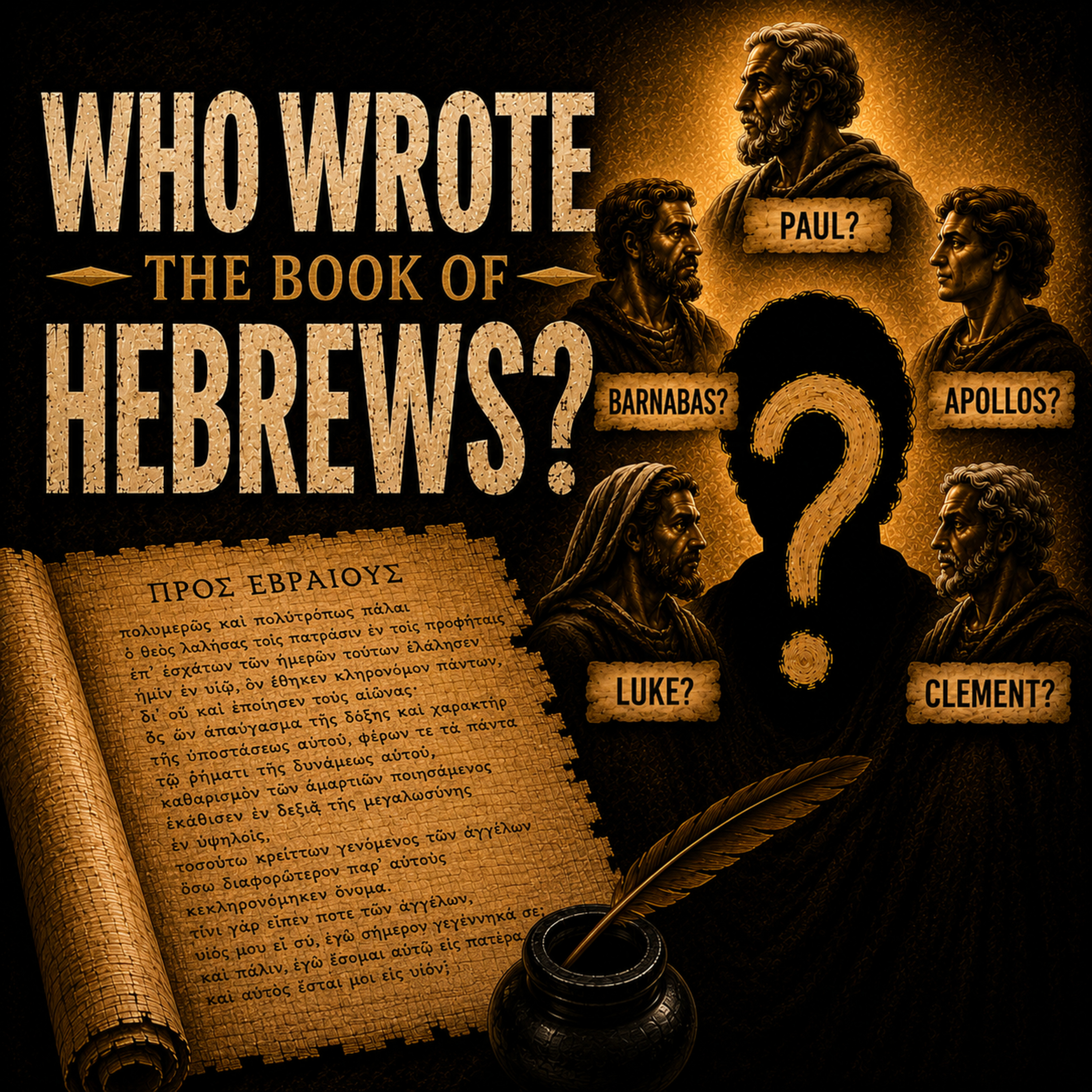
    Who Wrote the Book of Hebrews?

    Who wrote the Book of Hebrews? Few books in the New Testament have generated more discussion than Hebrews. Unlike Paul’s letters, the author never identifies himself, leaving Christians for centuries to debate its origin.In this episode, we examine the earliest historical testimony from the Church, the internal evidence of the letter itself, and the leading candidates—including Paul, Luke, Clement of Rome, Barnabas, and others. We’ll look at what Clement of Alexandria, Origen, and Jerome had to say, while comparing those traditions with the text of Hebrews itself.We’ll also explore:* Why Hebrews is considered Scripture despite its anonymous authorship.* The evidence for its audience and historical setting.* Whether it was written before or after the destruction of the Temple in AD 70.* The central message of Hebrews: Jesus is greater—greater than the angels, Moses, the Levitical priesthood, the sacrificial system, and the old covenant.Whether you’re new to Hebrews or have studied it for years, this episode will help you understand why this remarkable book has remained one of the Church’s most treasured writings despite the mystery surrounding its human author.If you enjoyed this episode, be sure to like, subscribe, and share it with someone interested in biblical history, the early Church, and the New Testament.If you'd like to donate to our ministry or be a monthly partner that receives newsletters and one on one discussions with Dr. Stephen Boyce, here's a link: https://give.tithe.ly/?formId=6381a2ee-b82f-42a7-809e-6b733cec05a7#Hebrews #BibleStudy #ChurchHistory #NewTestament #BiblicalStudies #EarlyChurch #Christianity #Paul #Apologetics #theFACTSPodcast
  • June 27 · 1 hr 7 min

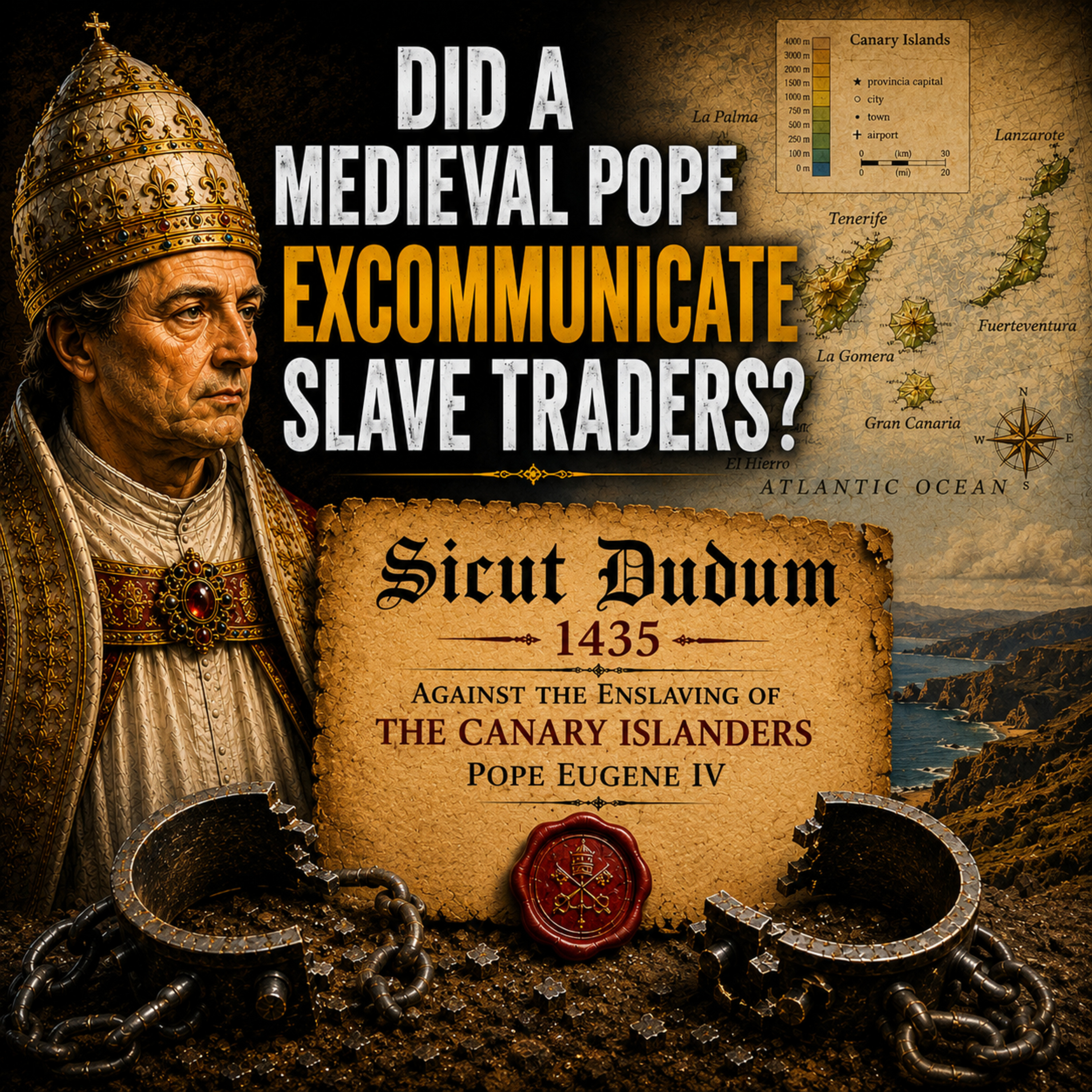
    Did a Medieval Pope Excommunicate Slave Traders?

    For centuries, critics have claimed that the Catholic Church either supported slavery or remained silent in the face of it. But what does the historical evidence actually say?In this episode, we examine Sicut Dudum, the 1435 papal bull of Pope Eugene IV, issued nearly sixty years before Columbus reached the Americas. In response to the enslavement of the inhabitants of the Canary Islands, Eugene IV ordered that those unjustly enslaved be restored to their freedom and threatened those who refused with excommunication.We’ll examine:* The historical context of the conquest of the Canary Islands.* What Sicut Dudum actually says.* Whether Pope Eugene IV truly excommunicated slave traders.* How this document fits into the broader history of Catholic teaching on slavery.* Common misconceptions about the Church’s historical position.Rather than relying on modern talking points, we’ll read the primary source itself and place it within its proper historical context.Primary Source:https://www.papalencyclicals.net/eugene04/eugene04sicut.htmIf you enjoy historically grounded discussions on Church history, theology, and primary sources, be sure to subscribe.If you'd like to donate to our ministry or be a monthly partner that receives newsletters and one on one discussions with Dr. Stephen Boyce, here's a link: https://give.tithe.ly/?formId=6381a2ee-b82f-42a7-809e-6b733cec05a7#Catholic #ChurchHistory #Slavery #PopeEugeneIV #SicutDudum #History #CatholicAnswers #Apologetics #MedievalHistory #FACTSPodcast

  • June 20 · 1 hr 3 min

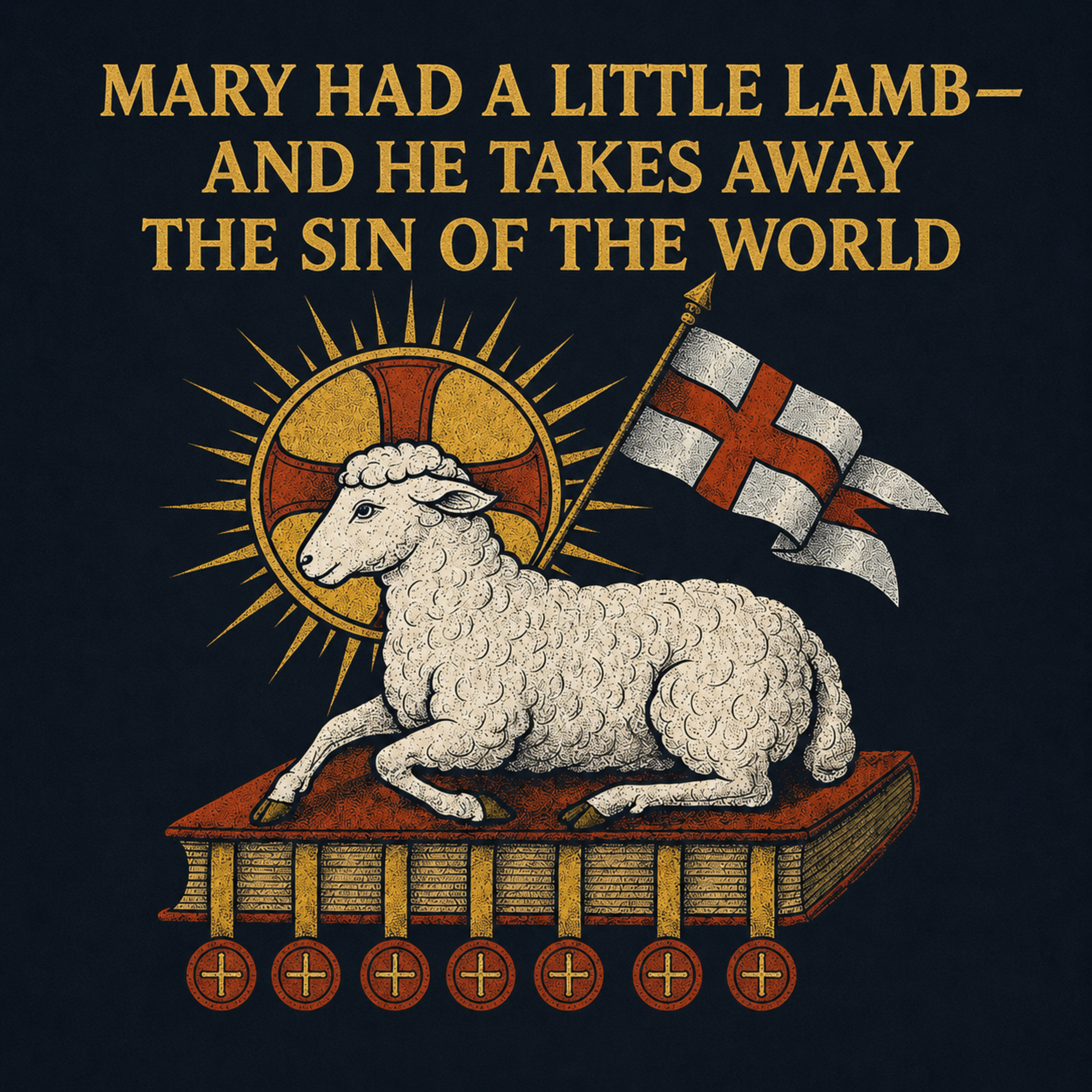
    Mary Had a Little Lamb—And He Takes Away the Sin of the World

    Why does Scripture call Jesus the Lamb of God? Was it merely a metaphor, or is it the key that unlocks the entire story of redemption? In this episode, we trace the biblical theology of the Lamb from Genesis to Revelation. Beginning with the first sacrifices after the Fall, we follow the thread through Abel, Noah, Abraham, the Passover, the Tabernacle, the Temple, and the prophets, showing that biblical worship has always been sacrificial at its core. We then examine John the Baptist’s declaration: “Behold, the Lamb of God who takes away the sin of the world!” Why did he identify Jesus this way? How does Christ fulfill the Passover? Why does John’s Gospel carefully structure the Passion around the slaughter of the Passover lambs? And what does Revelation’s vision of the Lamb standing as though slain reveal about worship in heaven? Along the way, we’ll explore the testimony of the Church Fathers, including Melito of Sardis, Irenaeus, Cyprian, Chrysostom, and Leo the Great, who all saw Christ as the fulfillment of every sacrificial type in Scripture. Most importantly, we’ll consider what Revelation 5 reveals about the heavenly liturgy and how the worship of heaven centers forever upon the Lamb who was slain and now reigns. The Lamb is not merely part of the Christian story—He is its center. From Cain and Abel to the heavenly throne room, Scripture points to one reality: The Lamb who was slain now stands forever, receiving the worship of all creation. If you'd like to donate to our ministry or be a monthly partner that receives newsletters and one on one discussions with Dr. Stephen Boyce, here's a link: https://give.tithe.ly/?formId=6381a2ee-b82f-42a7-809e-6b733cec05a7 #AgnusDei #LambOfGod #Catholic #Eucharist #Mass #BookOfRevelation #Passover #JesusChrist #ChurchFathers #BiblicalTheology #Christianity #CatholicPodcast #FACTSwithStephenBoyce #JohnTheBaptist #Revelation5 #HeavenlyLiturgy #Sacrifice #Worship #BibleStudy #CatholicFaith

  • June 14 · 1 hr 12 min

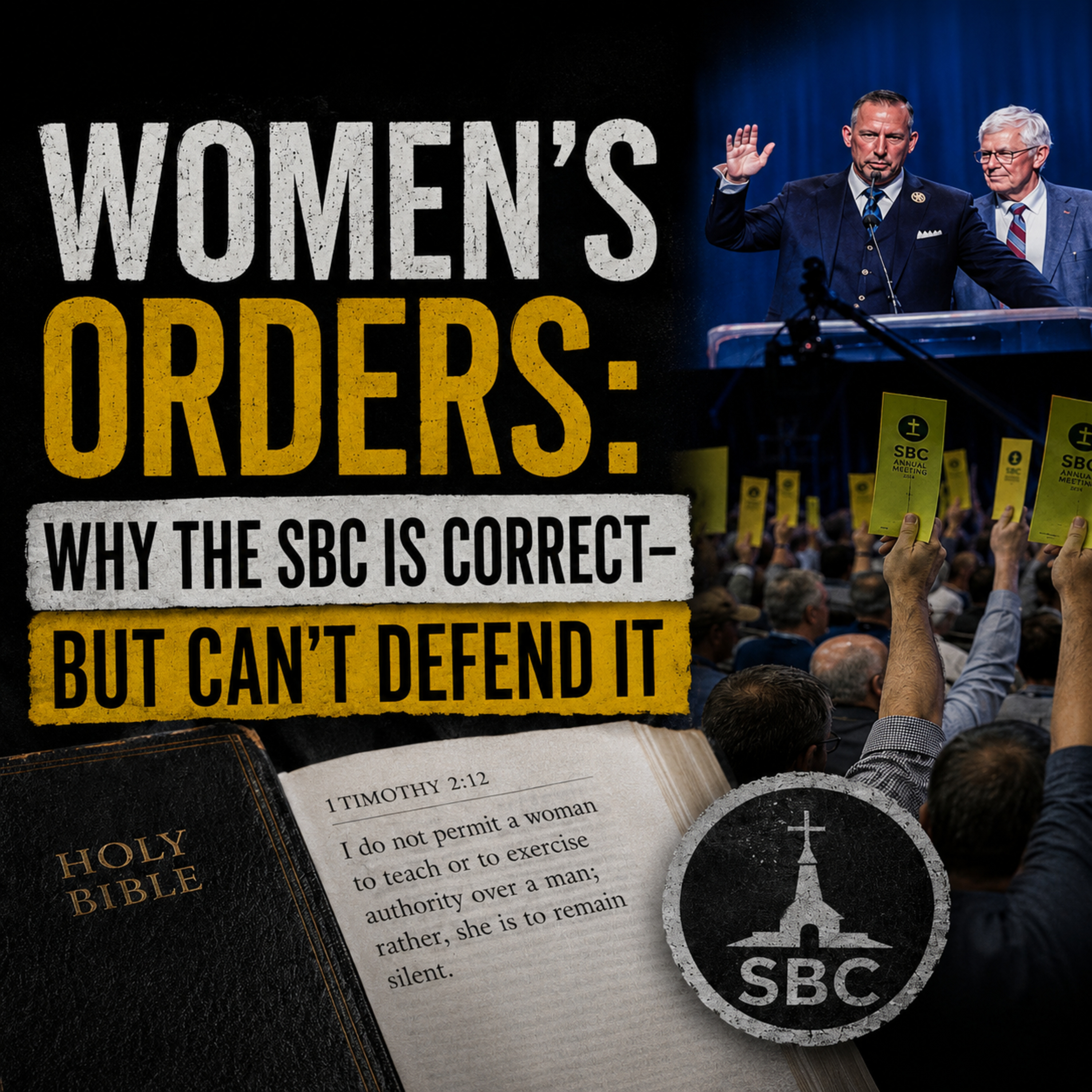
    Women’s Orders: Why the SBC is Correct—But Can’t Defend It

    The Southern Baptist Convention recently voted to move forward with a constitutional amendment formally prohibiting women from serving as pastors. In this episode, I examine the SBC’s decision, the reaction it sparked, and why I believe they arrived at the correct conclusion—but for the wrong reasons. Using the SBC article and Pope St. John Paul II’s Ordinatio Sacerdotalis as a point of comparison, I explore a much deeper question: What is the nature of the ministerial office in the Church, and who has the authority to define it? The problem with the SBC’s position is not necessarily its conclusion regarding women’s ordination. The problem is that within a Baptist framework, the debate ultimately becomes an issue of biblical interpretation. If Scripture alone is the final authority, and individual churches or denominations possess the authority to interpret it differently, then the argument over women’s ordination becomes difficult to settle in any lasting way. Historically, the Church’s rejection of women’s ordination was not based solely on isolated proof texts. It was rooted in a sacramental understanding of the priesthood, apostolic succession, ecclesiastical authority, and a consistent tradition maintained throughout Christian history in both East and West. The early Church Fathers, the historic episcopate, and the universal practice of Christianity all provide a much broader framework than a simple appeal to competing interpretations of Scripture. In this episode, we’ll examine the SBC vote, the theological assumptions behind it, what Ordinatio Sacerdotalis actually argues, and why the larger issue is not women’s ordination itself—but the authority of the Church to define and preserve the offices Christ established. If you'd like to donate to our ministry or be a monthly partner that receives newsletters and one on one discussions with Dr. Stephen Boyce, here's a link: https://give.tithe.ly/?formId=6381a2ee-b82f-42a7-809e-6b733cec05a7 #SouthernBaptistConvention #WomensOrdination #WomenPastors #OrdinatioSacerdotalis #CatholicChurch #ChurchHistory #ChurchFathers #ApostolicSuccession #Ecclesiology #FACTSPodcast

  • June 6 · 1 hr 1 min

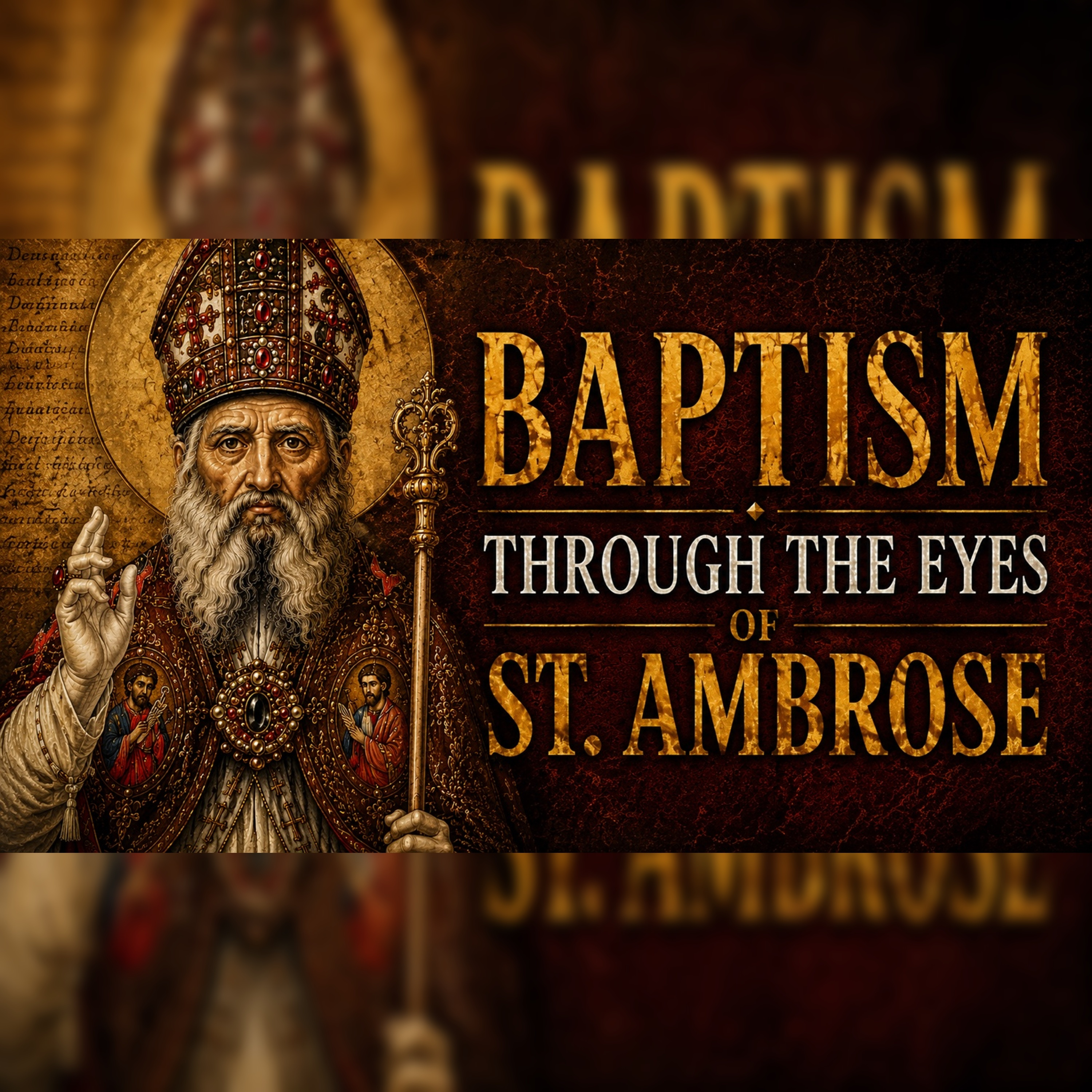
    Baptism Through the Eyes of St. Ambrose

    In this episode of FACTS, we step into the fourth century and examine one of the most important witnesses to early Christian baptism: St. Ambrose of Milan. Drawing directly from Chapters 2–4 of On the Mysteries, Ambrose takes us inside the baptismal rites of the ancient Church and explains what newly baptized Christians experienced as they entered the waters of regeneration. Far from viewing baptism as a mere symbol, Ambrose presents it as a sacrament through which God truly acts—washing away sins, imparting new life, and incorporating believers into Christ. In this study, Stephen Boyce and Pat May explore: • Why Ambrose compares baptism to the crossing of the Red Sea • The significance of renouncing Satan before entering the waters • How Ambrose interprets Old Testament events as foreshadowing Christian baptism • The connection between baptism, forgiveness of sins, and spiritual rebirth • Why Ambrose believed baptism accomplished something real, not merely symbolic • What his testimony reveals about the faith and practice of the fourth-century Church Whether you are Catholic, Orthodox, Protestant, or simply interested in the history of Christianity, Ambrose’s words provide a remarkable window into how the early Church understood the sacrament of baptism. If you'd like to donate to our ministry or be a monthly partner that receives newsletters and one on one discussions with Dr. Stephen Boyce, here's a link: https://give.tithe.ly/?formId=6381a2ee-b82f-42a7-809e-6b733cec05a7 Here is a link to the Mysteries:https://ccel.org/ccel/schaff/npnf210/npnf210.iv.v.iii.html #StAmbrose #Baptism #ChurchFathers #EarlyChurch #Catholic #Orthodox #ChristianHistory #Patristics #AncientChristianity #FACTSPodcast

  • May 30 · 1 hr 13 min

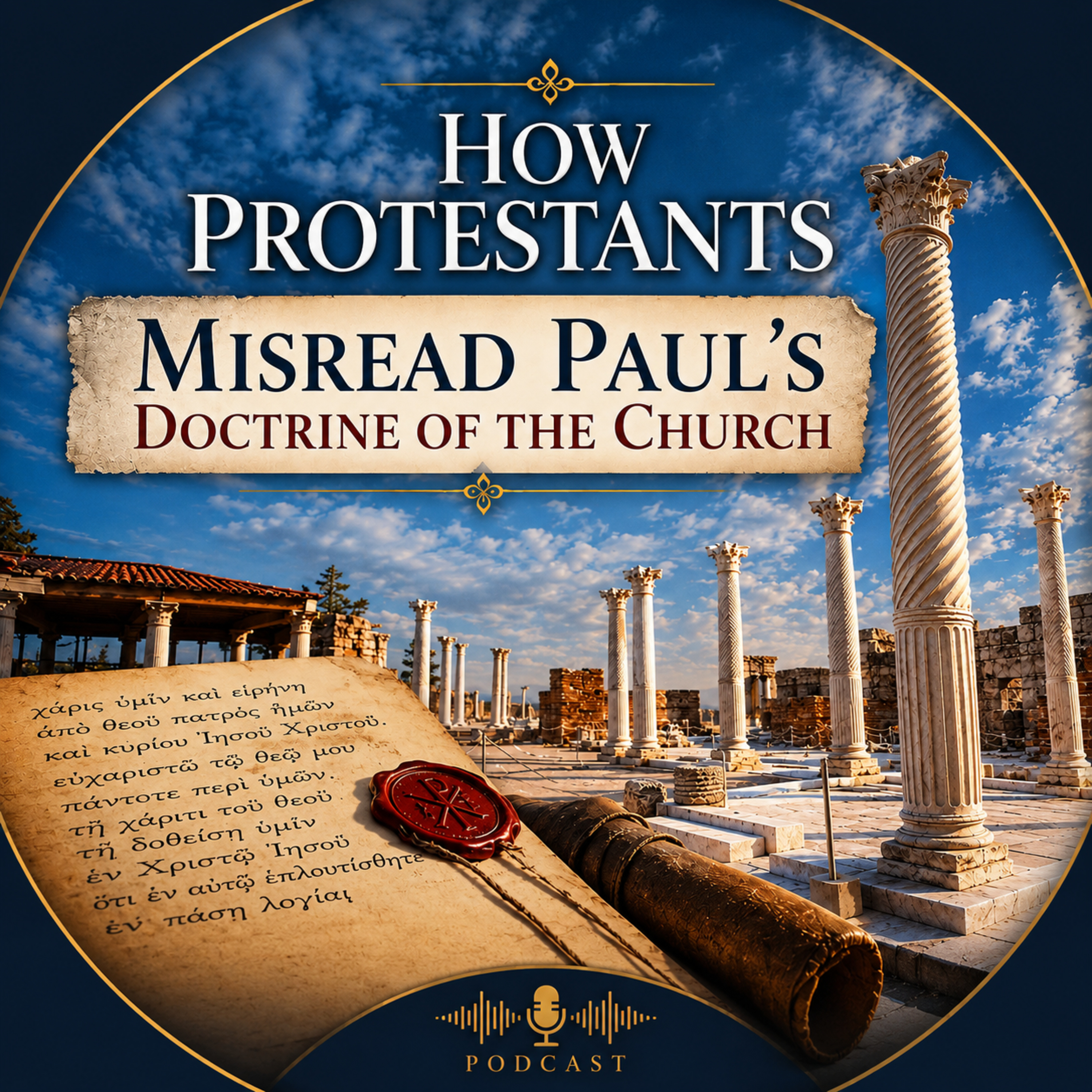
    How Protestants Misread Paul's Doctrine of the Church

    Paul’s doctrine of the Church was never built on modern religious individualism. In this episode, we examine how many Protestants misunderstand Paul’s ecclesiology by reducing the Church to a voluntary gathering of believers rather than the visible, apostolic, and sacramental Body of Christ. Drawing from key Pauline texts such as 1 Corinthians 12, Ephesians 1–2, and 1 Timothy 3:15, we explore Paul’s repeated “in Christ” language and why it points to incorporation into a corporate reality rather than merely a private relationship with Jesus. We also examine the apostolic foundation of the Church, the meaning of the Body of Christ, and why Paul’s theology cannot be reduced to “just me and my Bible” Christianity. In this episode, Stephen Boyce and Pat May challenge modern assumptions about the Church and asks an important question: does the ecclesiology taught by Paul actually resemble modern Protestant individualism? If you'd like to donate to our ministry or be a monthly partner that receives newsletters and one on one discussions with Dr. Stephen Boyce, here's a link: https://give.tithe.ly/?formId=6381a2ee-b82f-42a7-809e-6b733cec05a7 #Paul #ChurchHistory #Christianity #Bible #Catholic #Protestant #Ecclesiology #EarlyChurch #Theology #FACTSPodcast

    • Transcript
  • May 23 · 1 hr 21 min

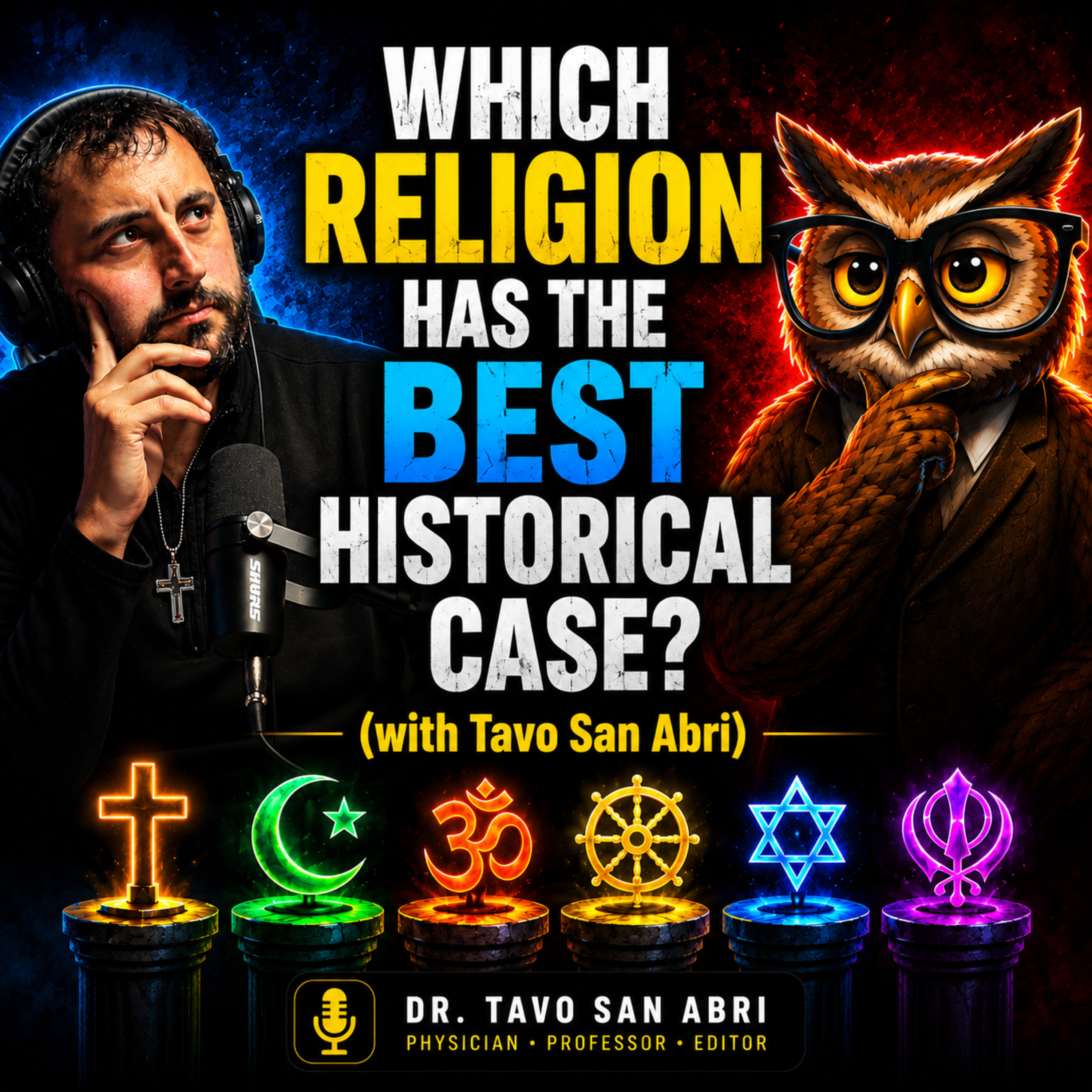
    Which Religion Has the Best Historical Case?

    Join us for a fascinating discussion with Dr. Tavo San Abri as we explore one of the biggest questions in theology, philosophy, and history: Which religion has the best historical case? In this episode, we walk through Tavo’s Comparative Theological Framework (CTF), a massive evidential approach that compares major world religions across categories such as attestation lags, witness density, archaeological verification, codicological speed, hostile source testimony, intellectual legacy, and cross-traditional recognition. Rather than arguing from emotion or personal background, the framework asks what a rational and culturally neutral observer would conclude when weighing the historical evidence comparatively. We discuss why Christianity stands apart in areas such as early creedal development, archaeological grounding, hostile attestation, enemy conversions, and the rapid spread of the early Christian movement. We also examine how the standards used to dismiss Christianity would often undermine accepted ancient history itself. Whether you agree or disagree, this conversation challenges listeners to think carefully about evidence, historical methodology, and the origins of religious belief. Follow Dr. Tavo San Abri: https://www.instagram.com/tavosanabri https://www.youtube.com/@tavosanabri Discord: @tavosanabri https://www.facebook.com/tavosanabri Here's a link to the slide deck on slideshare.net: https://www.slideshare.net/slideshow/the-comparative-theological-framework-ctf-argument-evaluating-christianity-s-evidential-strength-across-religions/287715449 #Christianity #Apologetics #History #Jesus #Religion #Debate #Theology #HistoricalEvidence #CTF #TavoSanAbri

    • Transcript
  • May 17 · 1 hr 8 min

    How Protestants Misunderstand Paul

    We are launching a brand new series on how Protestants misunderstand Paul. In this first episode, we cover Romans 1–3 and one of the most misunderstood phrases in Pauline theology: “works of the law.” Many modern Christians read Paul as though he were condemning all forms of obedience, good works, or cooperation with grace, but is that actually what Paul meant in his first-century Jewish context?In this episode, we examine Romans 1–3 in context, the meaning of “works of the law” (ἔργα νόμου), the Dead Sea Scroll document 4QMMT, covenant identity and Torah observance, boasting and justification, and the relationship between Jew and Gentile in Romans. We also look at how the early Church Fathers interpreted Paul, including Irenaeus and John Chrysostom. Was Paul opposing obedience itself, or was he opposing boasting in the Law apart from Christ? This episode challenges many modern assumptions about justification, grace, faith, and the Law.If you'd like to donate to our ministry or be a monthly partner that receives newsletters and one on one discussions with Dr. Stephen Boyce, here's a link: https://give.tithe.ly/?formId=6381a2ee-b82f-42a7-809e-6b733cec05a7#Romans #Paul #BibleStudy #ChurchHistory #Catholic #Protestant #DeadSeaScrolls #Justification #FACTSPodcast

    • Transcript
  • May 14 · 1 hr 17 min

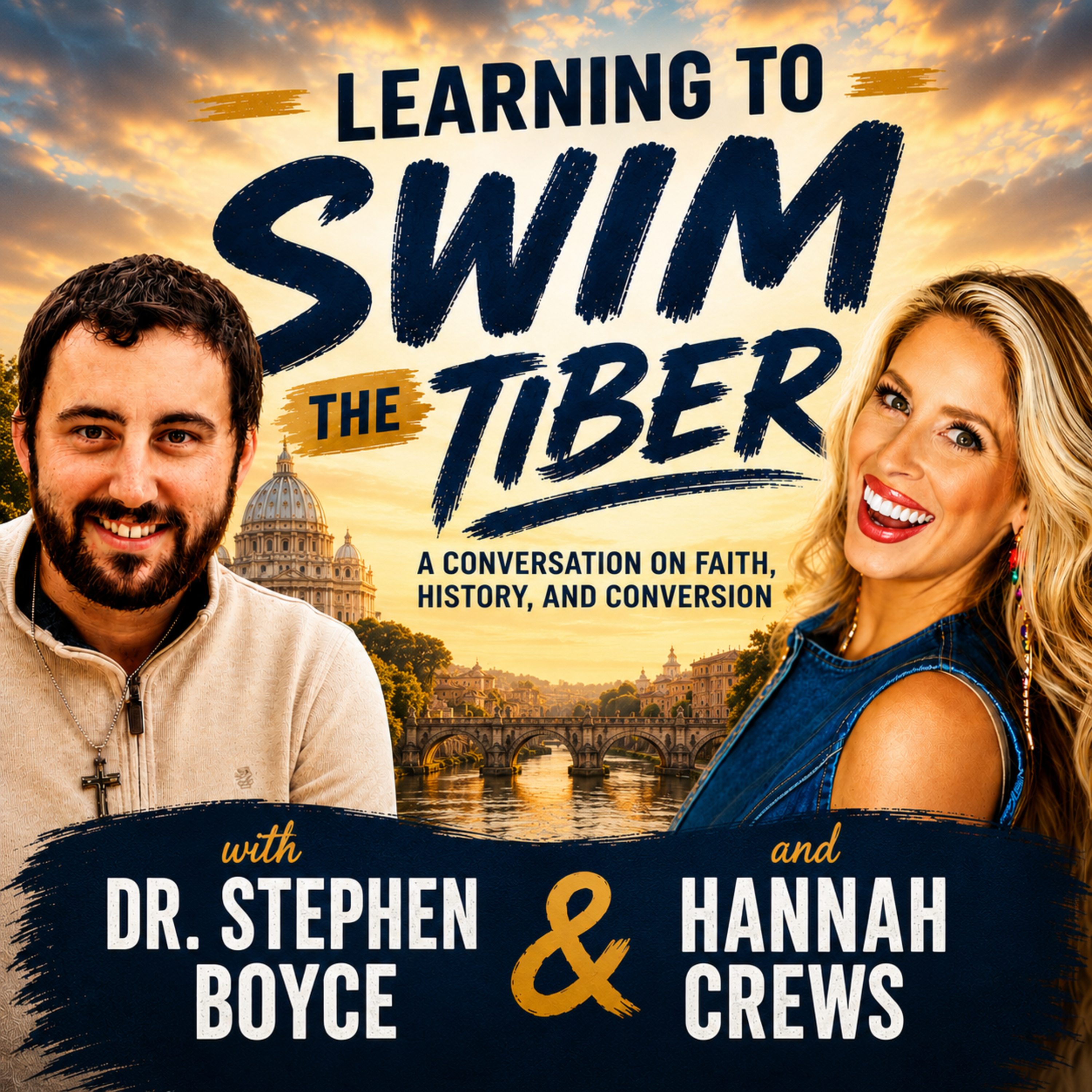
    Learning to Swim the Tiber

    Tonight on the FACTS Podcast, Dr. Stephen Boyce sits down with author and podcast host Hannah Crews for a conversation on faith, history, conversion, and what it means to begin “learning to swim the Tiber.” From wrestling with Protestant assumptions to discovering the depth of the early Church, this discussion dives into the personal and theological questions that often reshape a person’s understanding of Christianity. Hannah Crews is an author, social media personality, and the host of The Lighten Up Podcast. As a former journalist and a lover of Jesus Christ, she has spent the last eight months researching early Church history. That journey has led her to a deep interest in and reverence for the Catholic Church. She now creates content focused on addressing Protestant misconceptions and interviews converts to Catholicism on her podcast. Here's how to follow Hannah: https://m.youtube.com/@hannahcrewsblog?ra=m https://www.amazon.com/shop/hannahcrews.blog/list/2PB2I38GARM1E?ref_=aipsflist If you'd like to donate to our ministry or be a monthly partner that receives newsletters and one on one discussions with Dr. Stephen Boyce, here's a link: https://give.tithe.ly/?formId=6381a2ee-b82f-42a7-809e-6b733cec05a7 #Catholic #ConversionStory #ChurchHistory #FACTSPodcast #HannahCrews #StephenBoyce #Catholicism #Protestant #EarlyChurch #SwimTheTiber Music in the intro: https://youtu.be/N3c8JAK1u2A?si=wcPiycnAnczeexrT

    • Transcript
  • May 9 · 55 min

    Was the Pope Hidden in Ignatius’ Letter to Rome?

    Did Ignatius of Antioch believe there was a bishop in Rome? One of the most common arguments against early Roman primacy is that Ignatius never explicitly mentions a bishop in his Letter to the Romans while repeatedly emphasizing bishops everywhere else. But is the argument really that simple? In this episode, Stephen Boyce examines the historical context surrounding Ignatius’ journey to Rome under arrest during the reign of Trajan, the unique language Ignatius uses for the Roman Church, and whether the silence surrounding the bishop of Rome may actually reflect the dangerous political realities facing Christians in the imperial capital. We will also examine: • Ignatius’ famous “presiding” language • The significance of Peter and Paul in Romans 4 • Whether Rome already possessed a recognized authority distinct from other churches • The possible identity of the bishop of Rome during Ignatius’ imprisonment • Why Ignatius treats the Roman Church differently from every other church in his corpus • Whether the “no bishop mentioned” argument creates more problems than it solves Was the pope hidden in Ignatius’ Letter to Rome? Or does the letter actually undermine later claims about Roman primacy? Join us as we walk carefully through the historical, textual, and theological evidence surrounding one of the most debated letters in early Christianity. If you'd like to donate to our ministry or be a monthly partner that receives newsletters and one on one discussions with Dr. Stephen Boyce, here's a link: https://give.tithe.ly/?formId=6381a2ee-b82f-42a7-809e-6b733cec05a7 My paper on Ignatius: https://www.academia.edu/129081682/The_Quest_for_Ignatius_of_Antioch_Untangling_History_and_Tradition #IgnatiusOfAntioch #ChurchHistory #JamesWhite #JoeHeschmeyer #Papacy #EarlyChurch #ChristianHistory #Catholic #Orthodox #Patristics #Episcopacy #Rome

    • Transcript
  • May 2 · 1 hr 10 min

    The Making of the Rosary

    What is the Rosary—and where did it actually come from? In this episode of FACTS, Stephen Boyce and Pat May break down the real history behind one of the most misunderstood devotions in Christianity. Was the Rosary invented in the Middle Ages? Did Saint Dominic really receive it in a vision? And how do the The Gospel According to Luke, early monastic prayer, and centuries of Christian tradition all come together to form what we know today? We walk through the development step-by-step—from the Desert Fathers and repetitive prayer, to the formation of the Hail Mary, to the rise of the mysteries, and the global spread of the Rosary through figures like Pope Pius V and Saint Louis de Montfort. This isn’t surface-level history. This is the making of the Rosary. If you'd like to donate to our ministry or be a monthly partner that receives newsletters and one on one discussions with Dr. Stephen Boyce, here's a link: https://give.tithe.ly/?formId=6381a2ee-b82f-42a7-809e-6b733cec05a7 #Rosary #ChurchHistory #Catholic #FACTSPodcast #StephenBoyce #PatMay

    • Transcript
  • April 25 · 1 hr 13 min

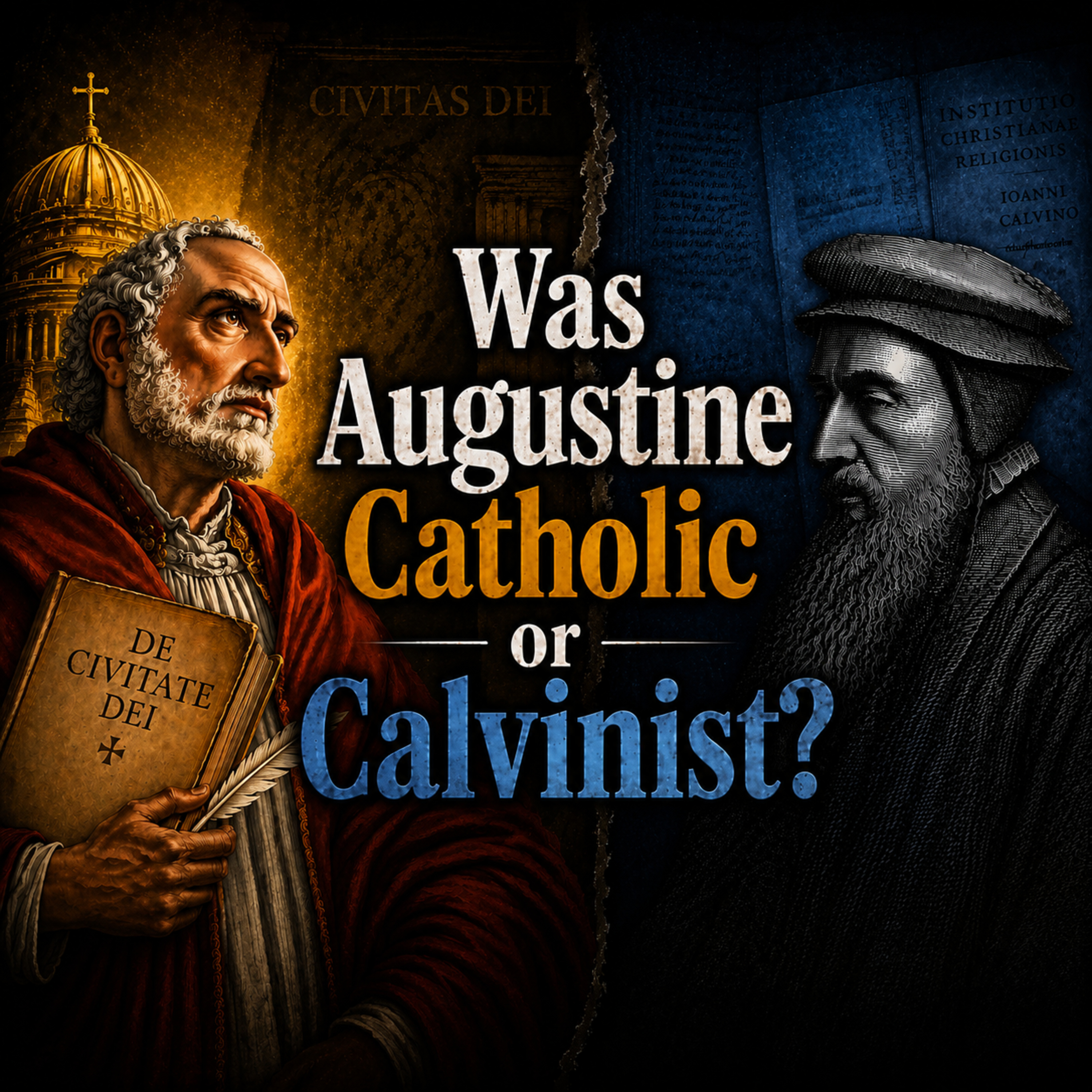
    Was Augustine Catholic or Calvinist?

    Did John Calvin faithfully follow Augustine of Hippo, or did he selectively use him for Reformation purposes? In this episode of FACTS, we examine the real historical relationship between Calvin and Augustine on grace, justification, the Church, apostolic succession, the Eucharist, prayer for the dead, and purgatory. Many claim Augustine was basically Protestant before the Reformation. But is that anachronistic? The better question may be whether Calvin was truly a good Augustinian. We walk through direct quotations, historical context, and where Calvin aligns with Augustine—and where he sharply departs. Topics include: Augustine on grace and free will Calvin on predestination and human inability Justification: made righteous or counted righteous Authority of the Catholic Church The Eucharist and sacramental realism Prayer for the dead Purgatorial purification Was Augustine closer to Catholicism or Calvinism? If you'd like to donate to our ministry or be a monthly partner that receives newsletters and one on one discussions with Dr. Stephen Boyce, here's a link: https://give.tithe.ly/?formId=6381a2ee-b82f-42a7-809e-6b733cec05a7 #Augustine #JohnCalvin #Reformation #ChurchHistory #Catholic #Protestant #Calvinism #Theology #Eucharist #Purgatory #EarlyChurch #FACTSPodcast

    • Transcript
Showing 21–32 of 32 episodes