Skip to content
Artwork for The Executive Function Podcast for Student Success | Untapped Learning
EducationKids & FamilyParenting

The Executive Function Podcast for Student Success | Untapped Learning

Untapped Learning

The Executive Function Podcast for Student Success helps parents and educators better understand the skills behind how students learn, manage responsibilities, and become more independent.

Hosted by Untapped Learning, the podcast explores executive function through practical strategies, expert conversations, and real-world experiences. We cover planning, organization, time management, task initiation, focus, emotional regulation, self-advocacy, and the other skills students rely on every day.

Many of our conversations focus on ADHD, neurodivergence, and learning differences, but executive function skills matter for every student. We look beyond grades to understand why capable students get stuck, what actually helps, and how adults can support students without doing everything for them.

The goal isn't just success in school. It's helping students build the confidence, skills, and independence they can carry into college, work, and life.

New episodes feature educators, clinicians, researchers, and others whose expertise and experiences can help us better understand what students need to succeed in school and life.

Let's untap your students potential together.

Learn more about Untapped Learning and executive function coaching at untappedlearning.com

Play
  • 24 episodes
  • fortnightly
  • Avg 29 min
  • English
Counted on this page — what you have heard stays on this device, so it is not something the list can be paged by.
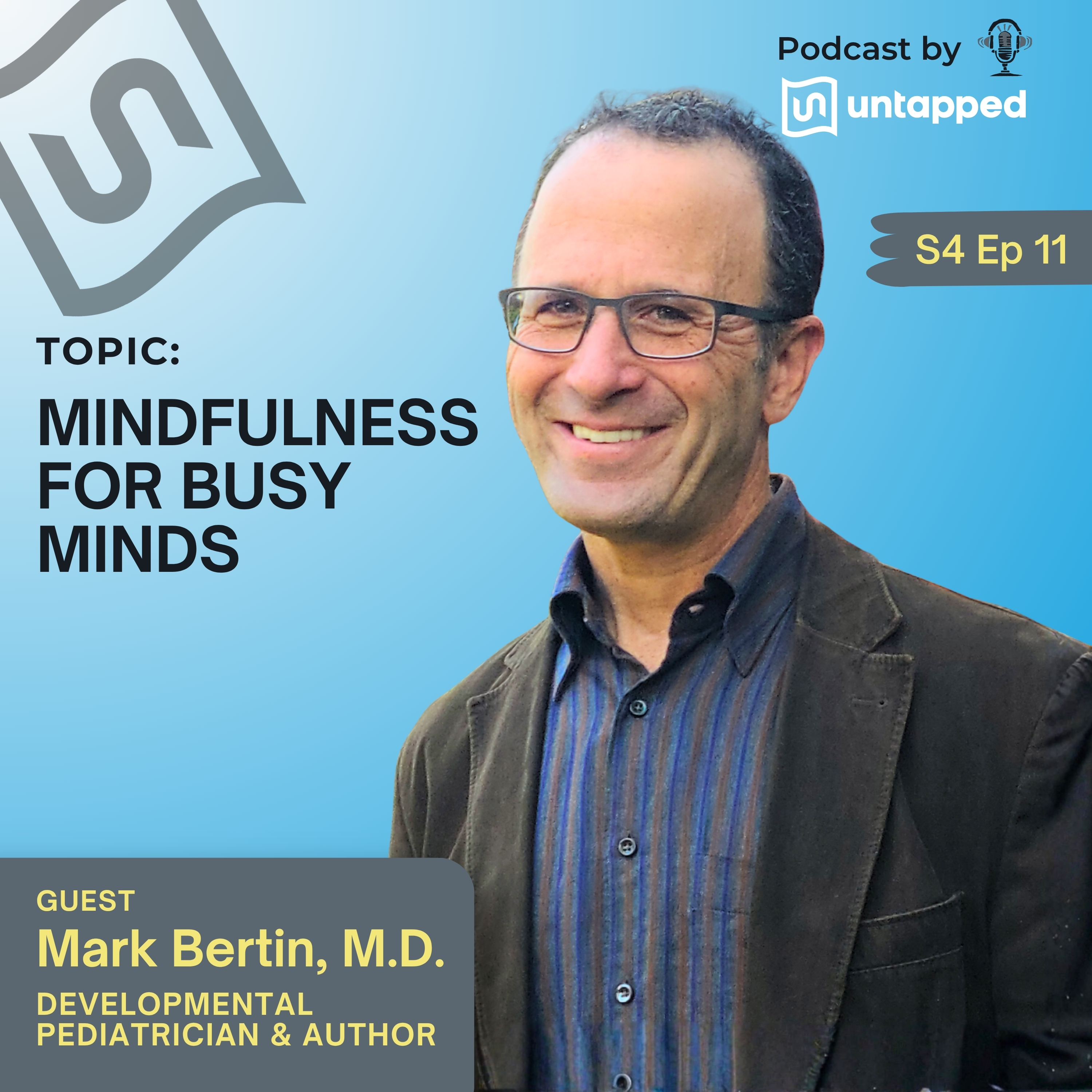
  • S4 · E11
    October 9 · 20 min

    Rethinking ADHD with Mindfulness | Mark Bertin, M.D.

    Managing ADHD involves more than keeping track of tasks. Overwhelm, frustration, and harsh self-talk can make getting started and following through even harder. In this episode of Executive Function for All, developmental pediatrician and author Dr. Mark Bertin joins Brandon Slade to explore how mindfulness can support emotional regulation, self-compassion, and the everyday work of managing ADHD. They discuss the emotional side of procrastination, responding to the inner critic, and noticing positive moments that can get overshadowed by difficult ones. Dr. Bertin also shares practical ways to build a mindfulness habit through small steps, scheduling, reminders, and accountability, including how to restart when things don’t go perfectly. The conversation explains the benefits and limits of mindfulness and how it can complement other ADHD supports. At Untapped Learning, we help students build executive function skills, confidence, and independence through personalized coaching. Resources: Dr. Mark Bertin: https://developmentaldoctor.com/ Kristin Neff’s self-compassion resources: https://self-compassion.org/ Free Untapped downloads: https://untappedlearning.com/resource-type/downloads/ Executive function coaching: https://untappedlearning.com/ Please subscribe, leave a rating and share it with someone who could benefit!
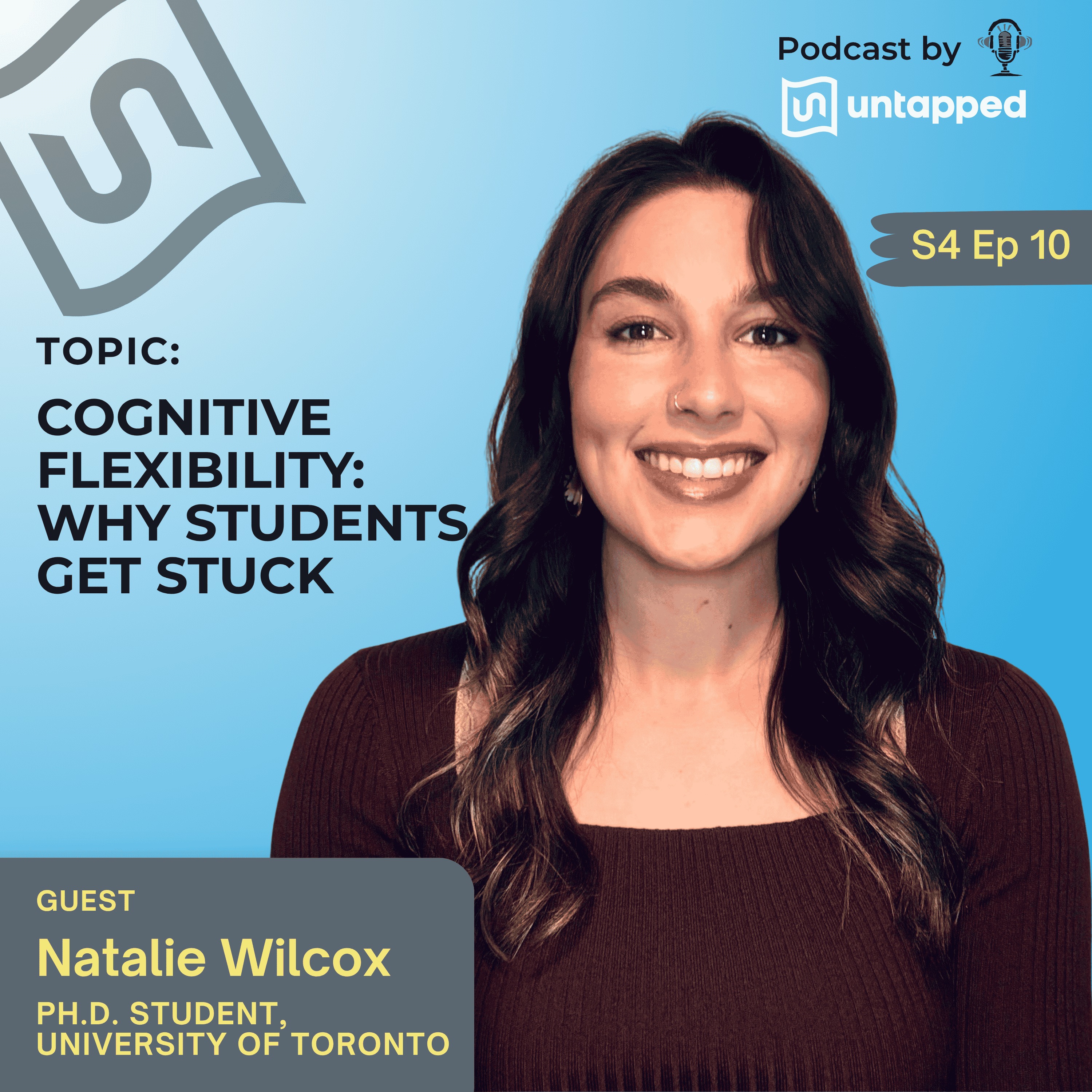
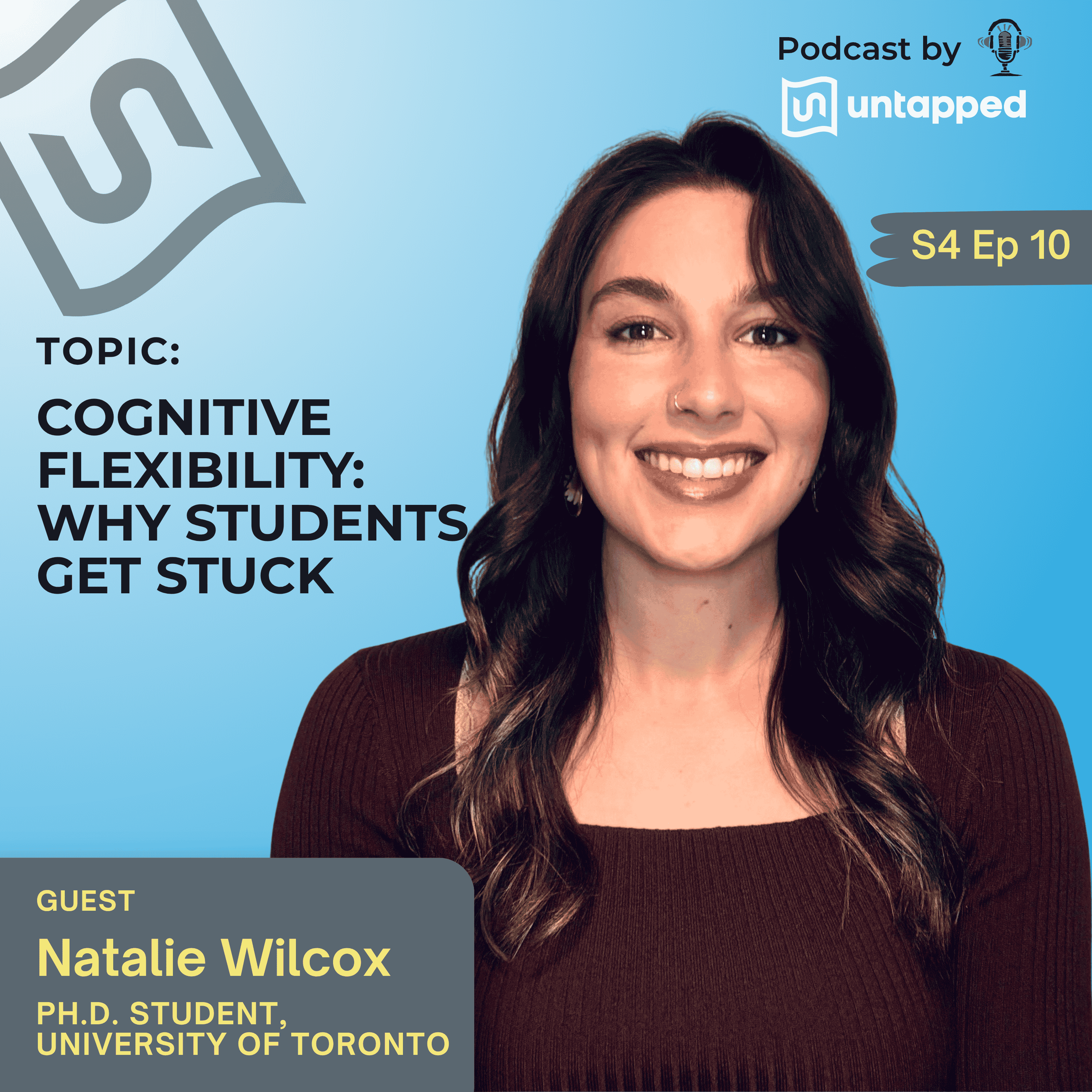
  • S4 · E10
    October 5 · 31 min

    Creating a Stronger Mind with Cognitive Flexibility | Natalie Wilcox

    As education becomes more “frictionless”, students are often less challenged, leaving them to struggle when challenges arrive in education, especially at the college level. This discomfort, though, is a learning experience that helps stimulate cognitive flexibility. In this podcast, Natalie Wilcox, Neuroimmunology PhD student at the University of Toronto, and Brandon Slade, Founder of Untapped Learning, discuss the strength that comes with cognitive flexibility, including stronger self-reflection and the ability to navigate high-stress situations with ease. Learn how you can use cognitive flexibility in your own work to stay ahead and adapt to any situation that comes your way. At Untapped Learning, we help students find their stride by helping them get ahead of the curve by teaching them developmental skills to plan forward, rather than catching up. Teaching students long-term independence and success lets our students learn better and helps the parents focus on being there for their children. Want to learn more about how we help students build executive function skills? Subscribe to our YouTube channel and explore our 1-on-1 mentoring, workshops, and free resources at: untappedlearning.com 📥 Free Downloads: https://untappedlearning.com/resource-type/downloads/ 📸 Instagram: https://instagram.com/untappedlearning #ExecutiveFunction #ADHD #Neurodivergent #ExecutiveFunctionCoaching #College #StudentSupport Chapters: 0:00 - Why Students Stick With Routines That Stop Working 0:16 - What Cognitive Flexibility Actually Means 3:12 - Why We Keep Using Strategies That Aren’t Working 5:34 - The Difference Between Routines and Rigid Thinking 8:02 - How to Help Students Try One Small Change 11:05 Why Students Don’t Ask for the Help They Need 14:33 How Fear of Failure Stops Students From Trying 19:49 Why Progress Matters Before the Problem Is Solved 22:18 How Adults Can Practice Cognitive Flexibility 27:02 ADHD, Negative Feedback, and Reflecting Without Shame

  • S4 · E10
    September 25 · 31 min

    Creating a Stronger Mind with Cognitive Flexibility | Natalie Wilcox

    As education becomes more “frictionless”, students are often less challenged, leaving them to struggle when challenges arrive in education, especially at the college level. This discomfort, though, is a learning experience that helps stimulate cognitive flexibility. In this podcast, Natalie Wilcox, Neuroimmunology PhD student at the University of Toronto, and Brandon Slade, Founder of Untapped Learning, discuss the strength that comes with cognitive flexibility, including stronger self-reflection and the ability to navigate high-stress situations with ease. Learn how you can use cognitive flexibility in your own work to stay ahead and adapt to any situation that comes your way. At Untapped Learning, we help students find their stride by helping them get ahead of the curve by teaching them developmental skills to plan forward, rather than catching up. Teaching students long-term independence and success lets our students learn better and helps the parents focus on being there for their children. Want to learn more about how we help students build executive function skills? Subscribe to our YouTube channel and explore our 1-on-1 mentoring, workshops, and free resources at: untappedlearning.com 📥 Free Downloads: https://untappedlearning.com/resource-type/downloads/ 📸 Instagram: https://instagram.com/untappedlearning #ExecutiveFunction #ADHD #Neurodivergent #ExecutiveFunctionCoaching #College #StudentSupport Chapters: 0:00 Why Students Stick With Routines That Stop Working 0:16 What Cognitive Flexibility Actually Means 3:12 Why We Keep Using Strategies That Aren’t Working 5:34 The Difference Between Routines and Rigid Thinking 8:02 How to Help Students Try One Small Change 11:05 Why Students Don’t Ask for the Help They Need 14:33 How Fear of Failure Stops Students From Trying 19:49 Why Progress Matters Before the Problem Is Solved 22:18 How Adults Can Practice Cognitive Flexibility 27:02 ADHD, Negative Feedback, and Reflecting Without Shame

    • Transcript
  • S4 · E9
    September 11 · 27 min

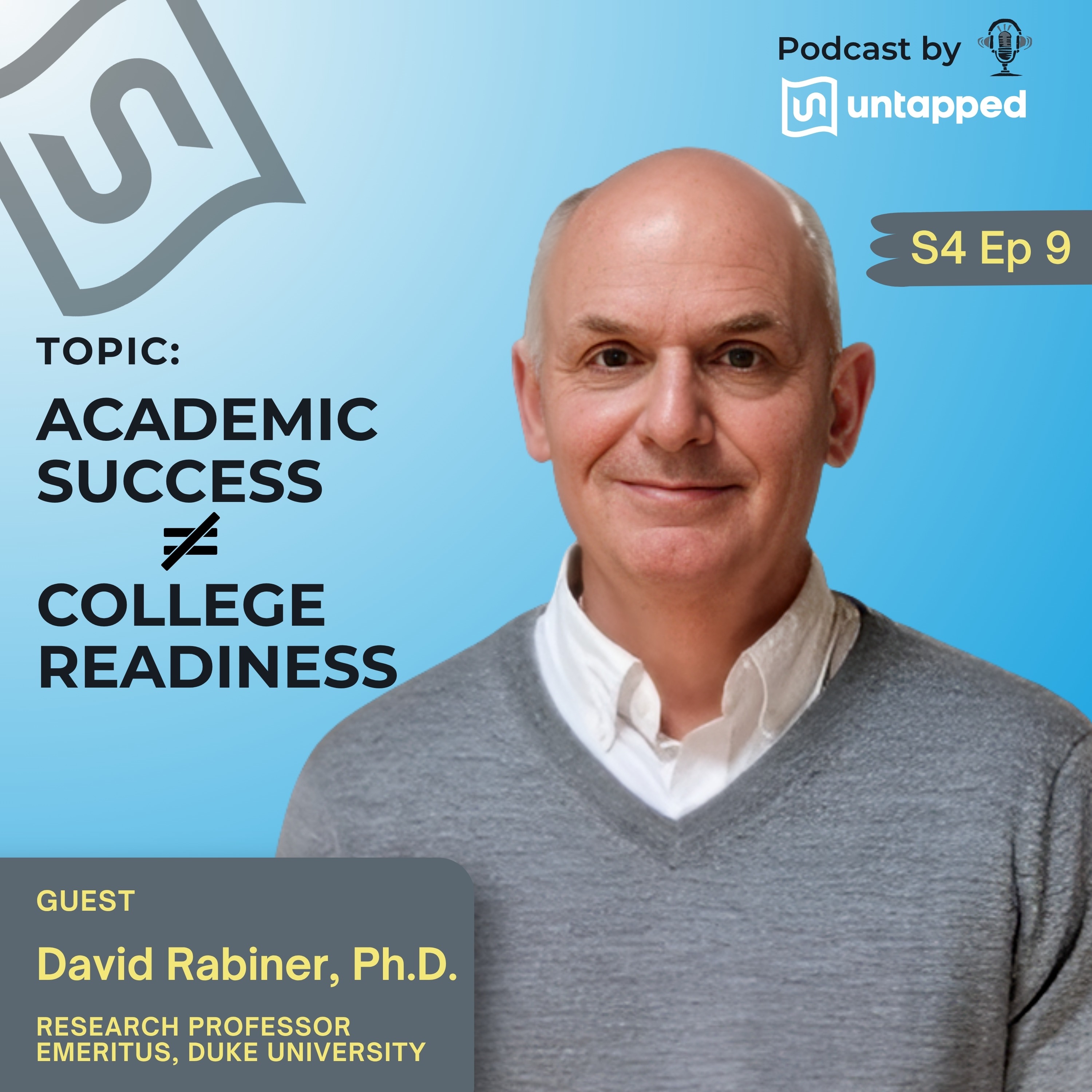
    Why High-Achieving Students Struggle in College | David Rabiner, Ph.D.

    Why do some highly successful students begin struggling as soon as they reach college? David Rabiner, Ph.D., a recently retired Duke University professor, psychologist, and former director of Duke’s Academic Advising Center, joins Brandon Slade to explain why academic success in high school does not always translate into college readiness. They discuss what happens when students lose the structure and accountability built into high school, why high achievers may resist seeking academic support, and how ADHD can affect time management, task initiation, motivation, and long-term planning. David also shares how parents can gradually pull back before college, allowing students to practice independence while the stakes are still relatively low. The conversation also explores why procrastination is not simply laziness or a lack of willpower—and how consistent external accountability can help students follow through on the goals they already have. David Rabiner is Research Professor Emeritus of Psychology and Neuroscience at Duke University. His work has focused extensively on ADHD, attention difficulties, academic performance, and improving the quality of care children with ADHD receive. Learn about David’s free ADHD Monitoring System and subscribe to his Attention Research Update: helpforadd.com. The system helps families gather regular teacher feedback and monitor how effectively a child’s ADHD treatment is working at school. Want to learn more about how we help students build executive function skills? Subscribe to our YouTube channel and explore our 1-on-1 mentoring, workshops, and free resources at untappedlearning.com 📥 Free Downloads: https://untappedlearning.com/resource-type/downloads/ 📸 Instagram: https://instagram.com/untappedlearning Chapters 00:00 - Introduction 01:25 - Why High-Achieving Students Struggle in College 06:14 - Helping College Students Manage Their Time 09:14 - Preparing High School Students for Independence 12:00 - Low-Stakes Ways Parents Can Pull Back 15:44 - ADHD and High Achievement 17:33 - Executive Function Challenges Beyond Time Management 20:07 - Why Procrastination Is More Than Willpower 23:15 - David Rabiner’s Free ADHD Monitoring Tool 26:46 - Conclusion #ExecutiveFunction #ADHD #CollegeReadiness #HighAchievingStudents #DukeUniversity

  • S4 · E8
    August 26 · 35 min

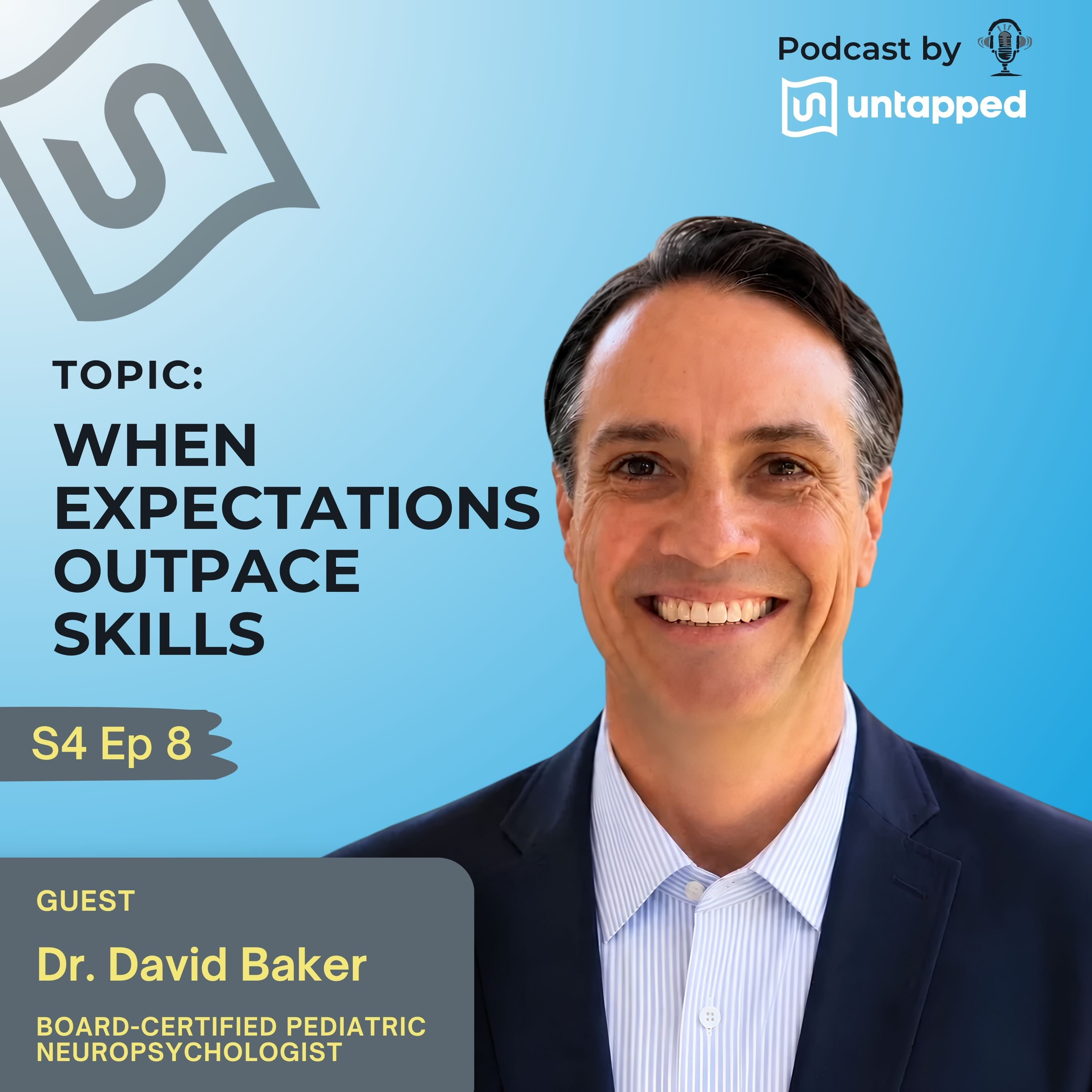
    The Balance Between Transitions, Expectations, and Executive Function | David Baker

    Why can a bright, capable child manage well for years and then suddenly struggle in middle school, high school, or college? Executive function challenges rarely appear out of nowhere. As academic demands increase and outside structure decreases, weaknesses in planning, organization, task initiation, time management, working memory, and emotional regulation can become much more visible. In this episode of Executive Function for All, Brandon Slade speaks with Dr. David Baker, a board-certified pediatric neuropsychologist and founder of Baker Neuropsychology and Learning Center. Dr. Baker explains why school transitions can reveal executive function challenges that were previously difficult to see and how parents can support independence without taking over. They also discuss: • Why bright kids can have uneven skill development • How ADHD can affect brain development • How frustration and unstructured play build self-regulation • What college students need when external structure falls away • How parents can model healthy responses to stress • What families should know about neuropsychological evaluations At Untapped Learning, we help middle school, high school, and college students build practical executive function skills through personalized coaching focused on planning, organization, task initiation, time management, and long-term independence. Learn more about Dr. Baker: https://bakernlc.com/ Want to learn more about how we support students? 🌐 https://untappedlearning.com/ 📥 https://untappedlearning.com/resource-type/downloads/ 📸 https://instagram.com/untappedlearning #ExecutiveFunction #ADHD #ADHDParenting #ExecutiveFunctionCoaching #StudentSupport Chapters: 0:37 – Do Executive Function Challenges Appear Out of Nowhere? 3:18 – Building Executive Function in Elementary School 4:34 – Screens, Emotional Regulation, and Executive Function 6:20 – Building Executive Function in Middle and High School 8:41 – The “Should” Mentality: Intelligence vs. Executive Function 10:12 – ADHD Brain Development: Is It Years Behind? 13:11 – Supporting Executive Function in College 14:14 – Why Overscheduling Hurts College Readiness 18:59 – The Neuroscience of Unstructured Play 22:06 - IS ADHD Hereditary? 22:55 – Advice for Overwhelmed Parents 24:31 – Teens Watch How Parents Handle Stress 26:39 – Scaffolding Executive Function at Home 27:45 – Why “Clean Your Room” Is Too Vague 30:53 – What to Know Before a Neuropsychological Evaluation 34:28 – Connect With Dr. David Baker

  • S4 · E7
    July 22 · 24 min

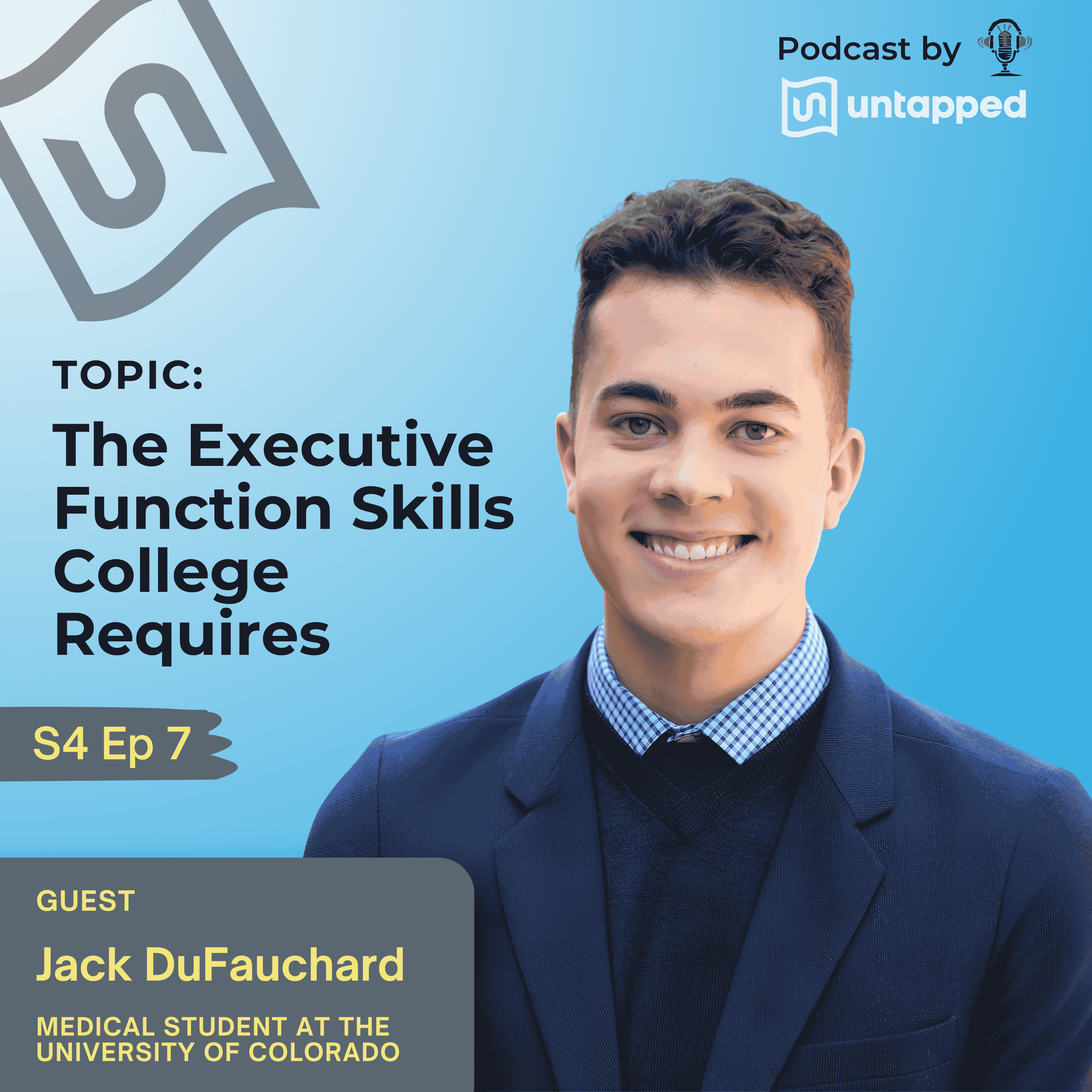
    How to Start Your College Journey | Jack DuFauchard

    Starting college is a journey like no other; however, it’s often difficult to figure out what that “first step” is going to be, especially for some kids with executive function challenges. Through self-awareness, active learning, prioritization, and organizing a schedule, students can overcome these challenges and achieve ambitious goals. In this podcast, Jack DuFauchard, an incoming student at the University of Colorado School of Medicine, goes into greater detail about the struggles upon entering college, and how saying yes to too many things can lead to a procrastination trap. Together, we go into greater detail about the idea of essentialism, organizational systems, and the importance of balancing a schedule, even with all the freedom the university provides to the students. At Untapped Learning, we help students find their stride by helping them get ahead of the curve by teaching them developmental skills to plan forward, rather than catching up. Teaching the students long-term independence and success lets our students learn better and helps the parents focus on being there for their children. Want to learn more about how we help students build executive function skills? Subscribe to our YouTube channel and explore our 1-on-1 mentoring, workshops, and free resources at untappedlearning.com. 📥 Free Downloads: https://untappedlearning.com/resource-type/downloads/ 📸 Instagram: https://instagram.com/untappedlearning #ExecutiveFunction #ADHD #Neurodivergent #ExecutiveFunctionCoaching #College #StudentSupport

    • Chapters
  • S4 · E6
    July 8 · 26 min

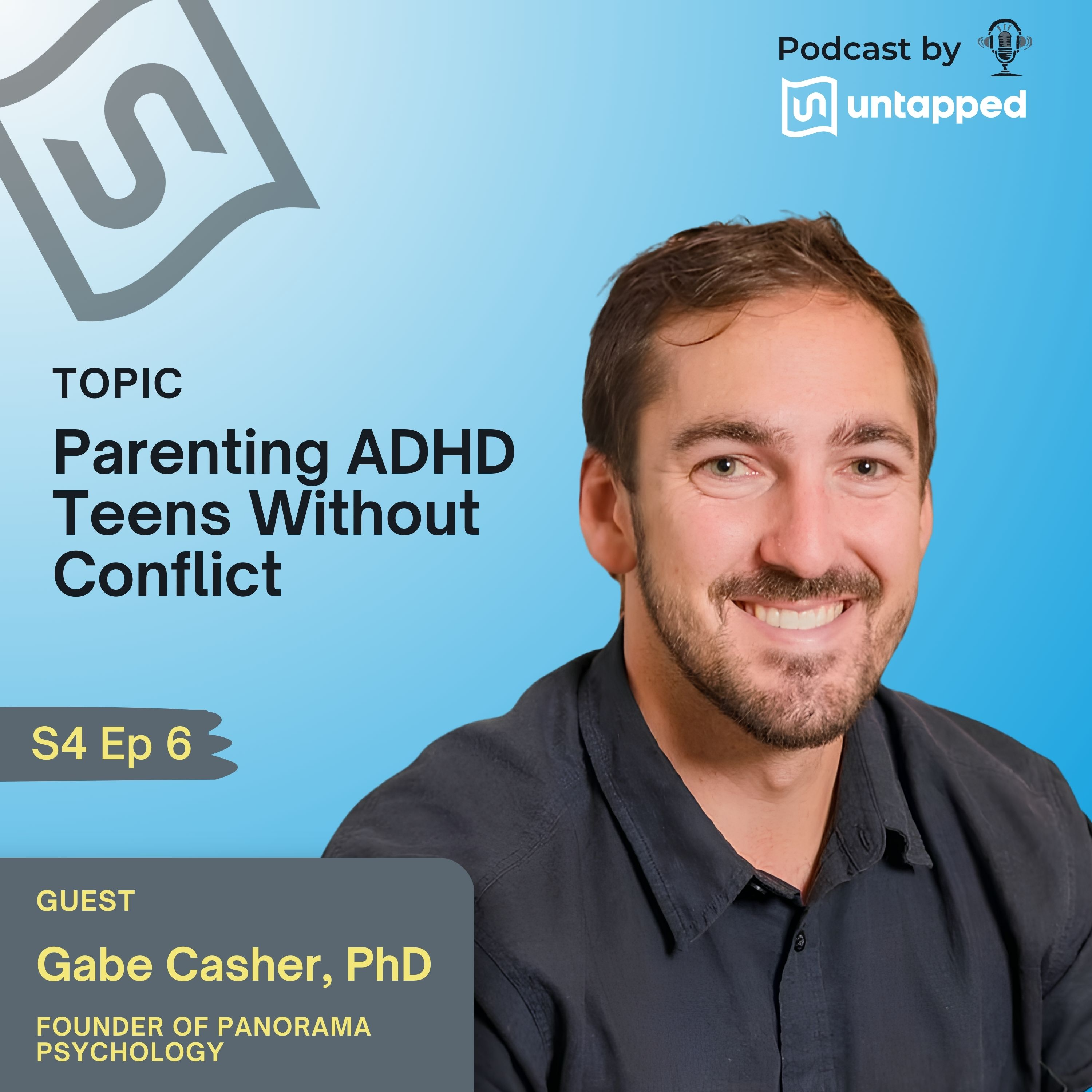
    How Parents Can Support Teens with ADHD Without Constant Conflict | Gabe Casher, Ph.D.

    When discussing homework, why does it suddenly become a fight between students and parents? When discussing a child’s success, it can be anxiety-inducing for both the child and the parent. For parents, it’s much more difficult to identify/resonate with their children when there isn't any proof to back up a child’s progress, while for children, it's difficult when parents get too involved. It creates a cycle of fear, shame, and anxiety through a family's relationship. In today’s podcast, Dr. Gabe Casher, Founder of Panorama Psychology, dives deeper into the relationship between a child with Executive Dysfunction and parents and how a lack of clear results or communication can lead to distancing between parents and students. Together, we discuss ADHD, executive functioning, emotional regulation, parenting strategies, teen mental health, and how families can break cycles of conflict. Learn why strengthening your relationship with your child often produces better long-term benefits than focusing directly on results. At Untapped Learning, we help students find their stride by helping them learn and developing the skills necessary to succeed. Teaching the students long-term independence and success lets our students learn better and helps the parents to focus on parenting. Want to learn more about how we help students build executive function skills? Subscribe to our YouTube channel and explore our 1-on-1 mentoring, workshops, and free resources at untappedlearning.com. 📥 Free Downloads: https://untappedlearning.com/resource-type/downloads/ 📸 Instagram: https://instagram.com/untappedlearning Learn more about Gabe Casher and Panorama Psychology here: (https://www.panoramapsychology.com/) #ExecutiveFunction #ADHD #Neurodivergent #ExecutiveFunctionCoaching #Family #StudentSupport

  • S4 · E5
    June 24 · 29 min

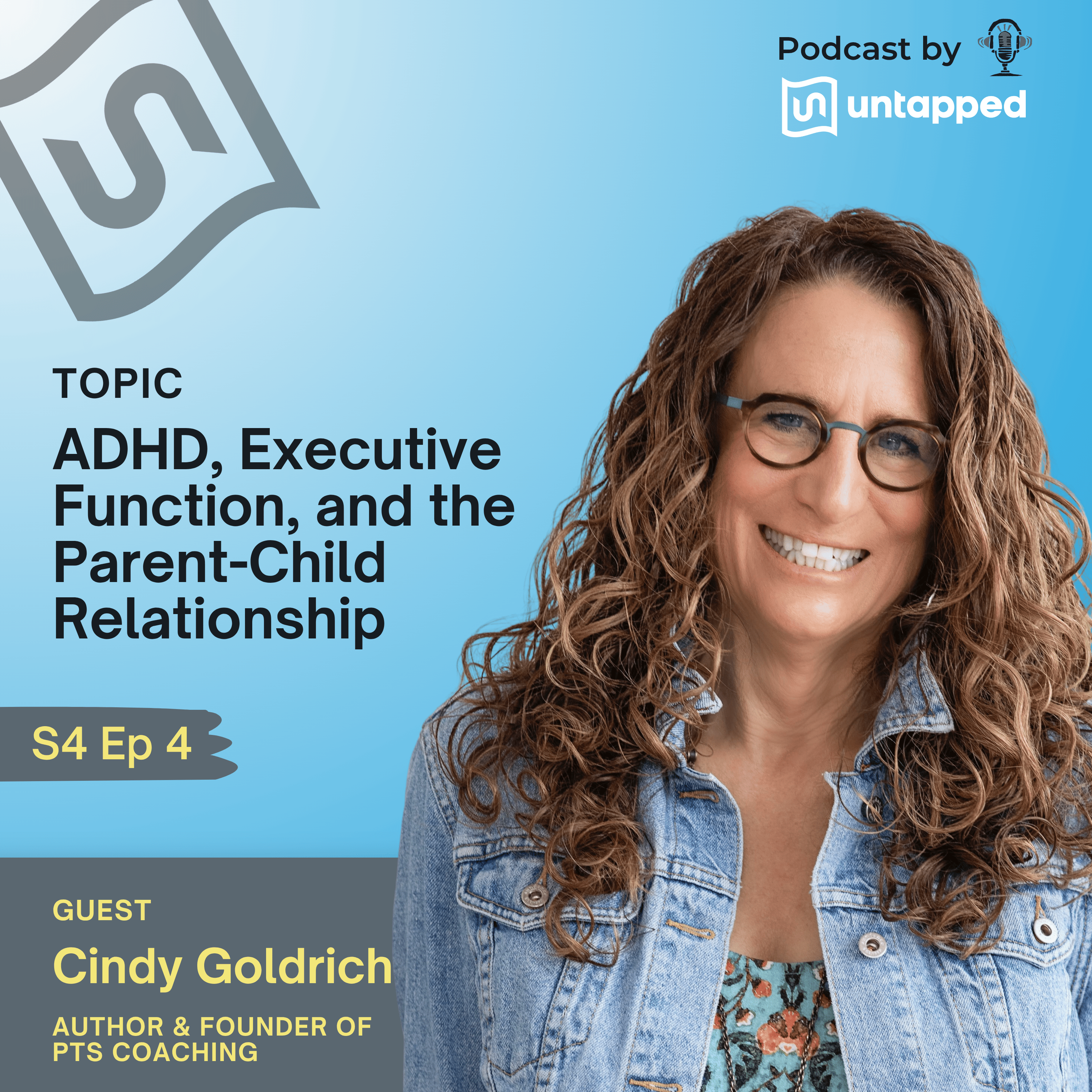
    Keeping a good relationship with a child with executive function challenges | Cindy Goldrich

    In the earliest stages of school, a lot of changes happen, especially towards a student’s learning, their development, and even their relationship with their family. In this engaging work, Cindy Goldrich, founder of PTS Coaching and ADHD/Executive Function Parent Coach, provides a deeper insight into how students and parents can communicate what needs to be done, without sacrificing effective communication. At Untapped Learning, we align heavily with helping students and figuring out methods that help them learn and prioritize their daily tasks while being able to fully understand what results they want to accomplish. If you are a parent of a student who struggles with ADHD or executive dysfunction, this episode is worth a listen. Want to learn more about how we help students build executive function skills? Subscribe to our YouTube channel and explore our 1-on-1 mentoring, workshops, and free resources at untappedlearning.com 📥 Free Downloads: https://untappedlearning.com/resource-type/downloads/ 📸 Instagram: https://instagram.com/untappedlearning Learn more about Cindy Goldrich and PTS Coaching here: (https://ptscoaching.com)

    • Chapters
  • S4 · E4
    June 12 · 28 min

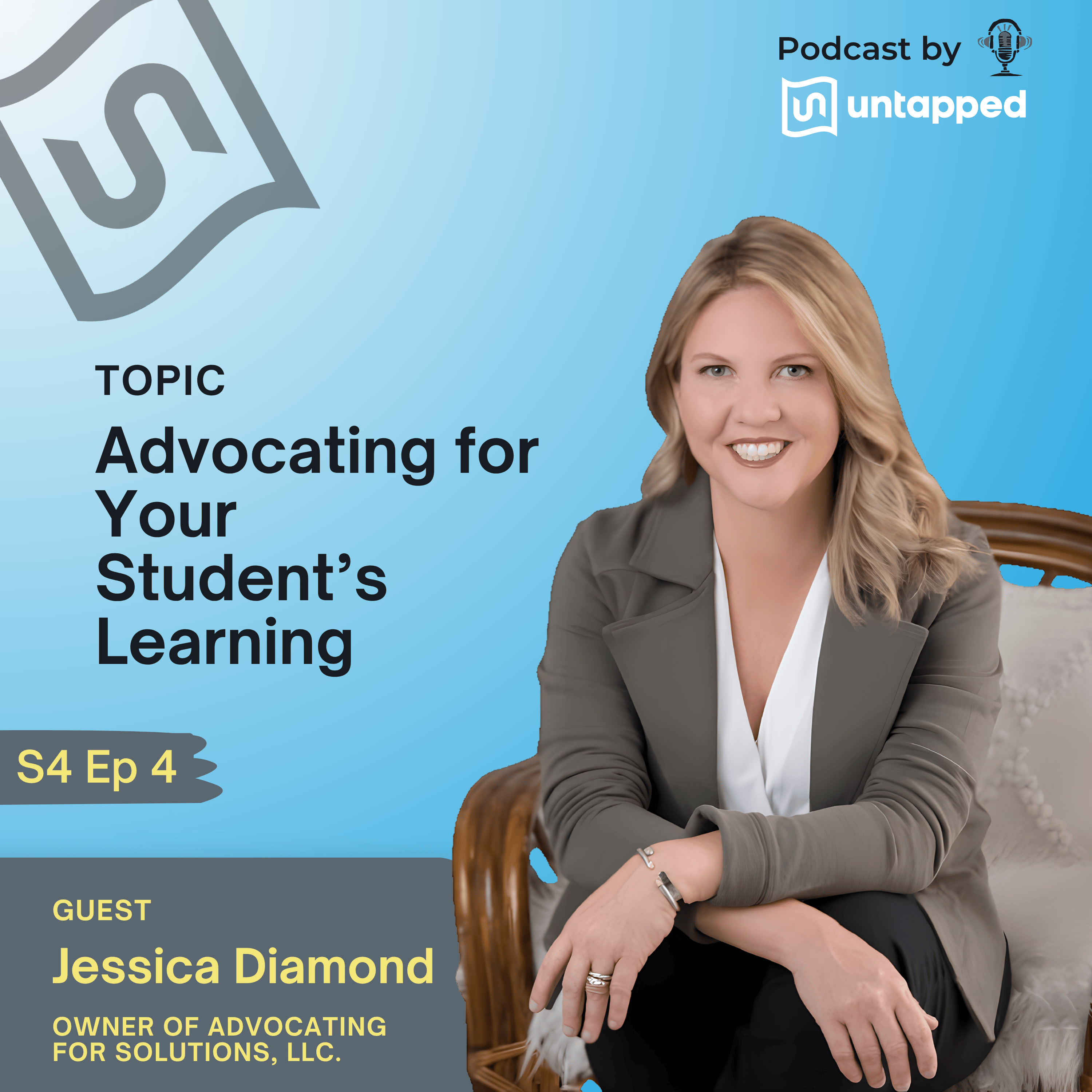
    How to Advocate for Your Student’s Learning | Jessica Diamond

    Advocating for students is already difficult for many parents, even more so when the student in question has ADHD, Dyslexia, or executive functioning struggles. However, there are processes to help not only advocate, but to keep a good relationship between parents and the students. In this podcast, Jessica Diamond, a professional Special Education Advocate, demonstrates an emphasis on the importance of advocacy. In the podcast, we explain how to properly advocate for your student at school using tools such as 504 plans, while also ensuring not to sacrifice that personal communication with your student. At Untapped Learning, we help middle school, high school, and college students build systems that create long-term independence and success. Want to learn more about how we help students build executive function skills? Subscribe to our YouTube channel and explore our 1-on-1 mentoring, workshops, and free resources at untappedlearning.com (http://untappedlearning.com). 📥 Free Downloads: https://untappedlearning.com/resource-type/downloads/ 📸 Instagram: https://instagram.com/untappedlearning Learn more: www.untappedlearning.com (http://www.untappedlearning.com) Learn more about Jessica Diamond here: (https://www.advocatingforsolutions.com) #ExecutiveFunction #ADHD #Neurodivergent #ExecutiveFunctionCoaching #504Plan #StudentSupport

    • Chapters
  • June 3 · 18 min

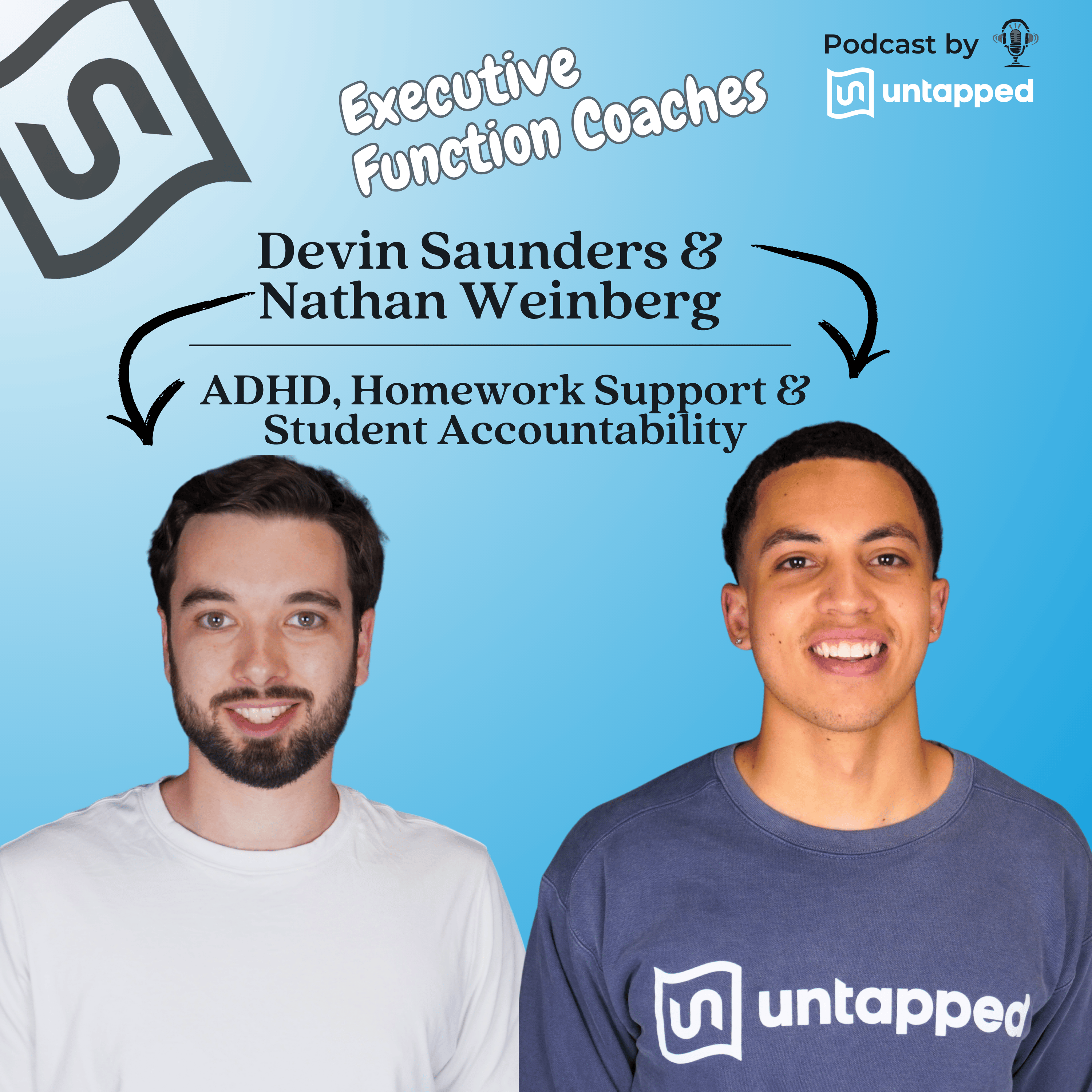
    Executive Function Coaches on ADHD, Homework Support & Student Accountability

    ADHD, executive function challenges, procrastination, missing assignments, and academic overwhelm can make school frustrating for both students and parents. In this conversation, Nathan sits down with Untapped Learning Homework Center Coordinator and executive function coach Devin Saunders to break down how our Homework Center helps neurodivergent students build accountability, organization, emotional regulation, and long-term academic confidence through mentorship and executive function coaching rather than traditional tutoring alone. Nathan and Devin discuss why intelligent students often struggle academically, how relationship-based coaching helps students stay engaged, what a Homework Center session actually looks like, how AI can be used responsibly to support learning, and how strong communication between coaches and families helps reduce stress at home. At Untapped Learning, we help middle school, high school, and college students build systems that create long-term independence and success. Want to learn more about how we help students build executive function skills? Subscribe to our YouTube channel and explore our 1-on-1 mentoring, workshops, and free resources at untappedlearning.com. 📥 Free Downloads: https://untappedlearning.com/resource-type/downloads/ 📸 Instagram: https://instagram.com/untappedlearning Learn more: www.untappedlearning.com #ExecutiveFunction #ADHD #Neurodivergent #ExecutiveFunctionCoaching #HomeworkHelp #StudentSupport

  • S4 · E3
    May 27 · 33 min

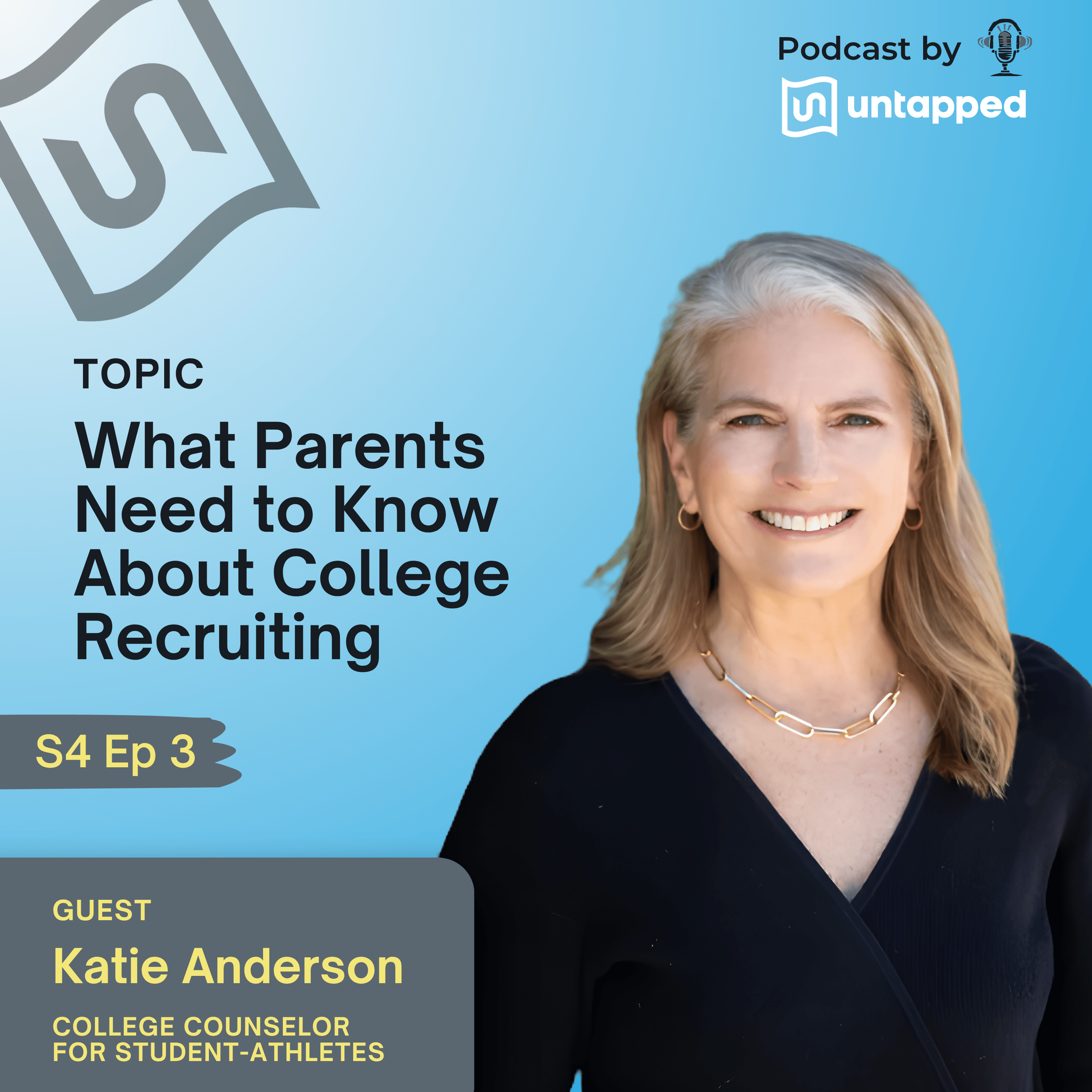
    College Recruiting for Student Athletes with ADHD | Katie Anderson

    In this episode, we sat down with Katie Anderson, a former Duke soccer player and college advisor who specializes in helping student athletes and families navigate both college admissions and athletic recruiting. Katie breaks down what parents need to understand before the process becomes stressful: why talent alone is not enough, how students can stay organized when communicating with coaches, what role parents should play without taking over, and why the right college fit matters more than chasing the biggest name. We also discuss how ADHD can impact recruiting, when and why disclosure may matter, and how families can help student athletes build the systems they will need long before they step on campus. If you are a parent of a high school athlete, this conversation is a practical guide to helping your student move through recruiting with more clarity, ownership, and confidence. Learn more about Katie’s work: https://www.thestudentathleteadvisors.com/ http://www.collegefitoc.com/about.html Want to learn more about how we help students build executive function skills? Subscribe to our YouTube channel and explore our 1-on-1 mentoring, workshops, and free resources at untappedlearning.com. 🌐 Website: https://untappedlearning.com 📥 Free Downloads: https://untappedlearning.com/resource-type/downloads/ 📸 Instagram: https://instagram.com/untappedlearning

  • S4 · E2
    May 6 · 29 min

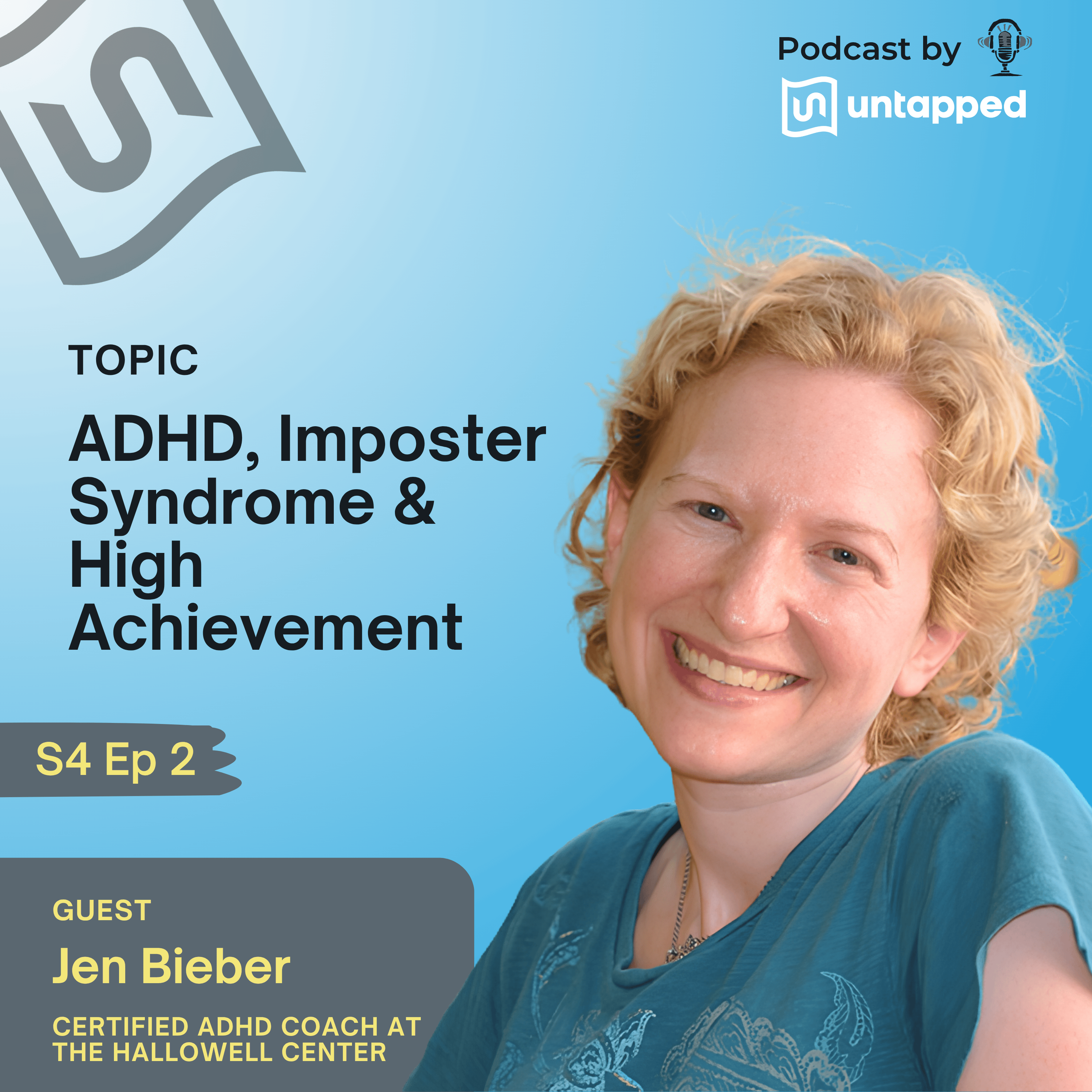
    Why High Achievers with ADHD Feel Like Imposters | Jen Zobel Bieber

    Jen Zobel Bieber is a certified ADHD coach at the Hallowell Center who specializes in helping high-achieving adults with ADHD better understand their brains, reduce shame, and build systems that actually work. Jen graduated as valedictorian from Columbia University, received her coaching certification from NYU, and has been featured in The New York Times, Forbes, The Financial Times, and The Today Show for her work helping individuals navigate ADHD, executive function challenges, and performance anxiety. In this episode, Brandon and Jen explore: • Why high achievers with ADHD often struggle with imposter syndrome • How hyperfocus can become both a strength and a liability• Why routines and habits are harder for ADHD brains to maintain • The connection between executive function, anxiety, and inconsistent performance • Practical ways to reduce overwhelm and create clarity that leads to action This conversation is packed with practical insight for students, parents, professionals, and anyone trying to better understand the ADHD brain. Learn more about Jen and the Hallowell Center: https://drhallowell.com/ Untapped Learning helps students build executive function skills like planning, organization, time management, and self-advocacy through personalized 1-on-1 mentoring and coaching. Want to learn more about how Untapped Learning helps students build executive function skills? 🌐 Website: https://untappedlearning.com/ 📥 FREE downloadable resources: https://untappedlearning.com/resource-type/downloads/ 📸 Instagram: https://www.instagram.com/untappedlearning This podcast is hosted by Brandon Slade, Founder of Untapped Learning.

  • S4 · E1
    May 1 · 24 min

    Supporting Teens After Treatment | Dave Herz, Founder of Wonder

    In this episode, we’re joined by Dave Herz, Founder of Wonder and a leader in young adult transition support with over 25 years of experience working with teens, young adults, and their families. Dave has been a pioneer in aftercare and wraparound support, founding one of the first non-residential programs for young adults returning home from treatment. His work has helped shape best practices in supporting families through some of the most challenging transitions. In this conversation, Dave shares how to help young adults rebuild confidence after setbacks, why relationships must come before strategy, and how small wins create the foundation for long-term independence. We also explore the role of executive function in recovery, the connection between ADHD and higher-risk behaviors, and what parents should look for as signs of real progress. This episode is especially valuable for parents, educators, and professionals supporting students navigating anxiety, executive function challenges, or the transition back from treatment. Learn more about Dave Herz's work at: https://www.teamwonder.org/dave-herz Want to learn more about how Untapped Learning helps students (and their families) build executive function skills? Explore our 1-on-1 mentoring, workshops, and free resources at 🌐 Website: https://untappedlearning.com 📥 Free Downloads: https://untappedlearning.com/resource-type/downloads/ 📸 Instagram: https://instagram.com/untappedlearning

  • S3 · E25
    April 22 · 33 min

    Keeping Ahead of the College Transition | Ryan Palm, Executive Director of Neurodiversity at Mercyhurst University

    Ryan Palm, Executive Director of the Brad McGarry Center for Neurodiversity at Mercyhurst University, joins the podcast to break down what really happens to students when they transition from high school to college. Drawing from his work supporting neurodiverse students, Ryan explains why executive function challenges become more visible in college and why planning, organization, and follow-through often break down when structure disappears. This conversation highlights the gap between intelligence and execution, how colleges are adapting to support neurodiverse learners better, and what students and families need to understand before making the transition. If your student is heading to college or already struggling to keep up, this episode will give you a clearer lens on what is actually going on and how to better support it. Learn more about Ryan’s work and the Brad McGarry Center for Neurodiversity: https://www.mercyhurst.edu/student-services/center-neurodiversityNeurodiversity https://podcasts.apple.com/us/podcast/neurodiversity-and-higher-education/id1846224970 FREE downloadable resources: https://untappedlearning.com/resource-type/downloads/ If you or your student are interested in learning more about what Untapped Learning has to offer, visit us at: Website: https://untappedlearning.com/ Instagram: https://www.instagram.com/untappedlearning YouTube: https://www.youtube.com/@untappedlearning

  • S3 · E24
    April 15 · 27 min

    Why ADHD, Anxiety & Autism Get Misdiagnosed | Dr. Jennifer Paz Ryan

    Dr. Jennifer Paz Ryan is a licensed clinical psychologist and co-founder of Elevated Insights Assessment, specializing in complex learning profiles and co-occurring conditions across the lifespan. In this episode, we dive into what happens when challenges like ADHD, anxiety, autism, and learning disabilities show up together and how often they mask one another. Dr. Paz Ryan breaks down why many students are misunderstood, misdiagnosed, or only partially supported, and how comprehensive, culturally responsive evaluations can completely change the trajectory for both students and families. We also explore what “co-occurring conditions” actually mean, why getting the full picture matters more than any single diagnosis, and how parents can better understand what’s really going on beneath the surface. If you’ve ever felt like your child doesn’t fit neatly into one box or that something is being missed, this conversation will give you clarity, language, and direction. Learn more about Dr. Jennifer Paz Ryan and her work: https://elevatedinsights.org FREE downloadable resources: https://untappedlearning.com/resource-type/downloads/ If you or your student are interested in learning more about what Untapped Learning has to offer, visit us at: Website: https://untappedlearning.com/ Instagram: https://www.instagram.com/untappedlearning YouTube: https://www.youtube.com/@untappedlearning

  • S3 · E23
    April 8 · 30 min

    How to Prepare Your Student for College Success | Laura Barr

    Laura Barr is a high-level college consultant and the Founder and CEO of Emerging Consulting, where she helps students and families navigate the college process with clarity, strategy, and purpose. With a background in student-centered coaching, Laura brings a unique perspective to college planning. Her work is grounded in a simple yet powerful mission: to help raise and launch good humans through the power of education. In this episode, Laura breaks down how the college application process is about much more than getting accepted. It is one of the first real-world opportunities students have to develop executive function skills like planning, time management, organization, and self-advocacy. We cover: 🗓️Why the college process should be treated like a long-term project, not a last-minute task 👪How parents can support without overstepping, and when to step back 🎓What students with ADHD and executive function challenges need to succeed in college 🏫How to build independence before stepping onto campus 📃What actually matters when choosing the right college If you are a parent of a high school student or a student preparing for college, this episode will give you a clearer framework for approaching the process in a way that builds real-life skills, not just outcomes. Learn more about Laura Barr and her work: emergingconsulting.com/ laurabarr@emergingconsulting.com

  • S3 · E22
    April 3 · 32 min

    The Parent Trap: Breaking the Cycle of Conflict at Home | Katie Blakey

    If it feels like every conversation with your child turns into a battle, you’re not alone. In this episode, Brandon sits down with Katie Blakeley, an executive function and parent coach who works closely with neurodiverse students and families, to unpack a pattern many parents find themselves stuck in but don’t know how to name. You try to help. They resist. You step in more. They shut down or push back even harder. Katie explains why this cycle happens, how it connects to emotional regulation and executive function, and why the instinct to “fix” often backfires even when it comes from a good place. This conversation gives parents a clearer way to respond in the moment, reduce conflict at home, and build a stronger connection with their child without lowering expectations. If your child gets overwhelmed easily, avoids tasks, or reacts strongly when you step in, this episode will help you understand what’s really going on and what to do differently. Learn more about Katie’s work: https://www.blakeywellness.com/ If this episode resonates, subscribe, leave a review, and share it with a parent who needs this perspective. For more support building executive function skills in students, visit untappedlarning.com or explore more episodes on our channel.

  • S3 · E21
    March 20 · 33 min

    The 5 Pillars of a Successful Transition to College | Hannah Bookbinder

    The transition from high school to college is one of the most significant and often underestimated shifts in a student’s life. While many students leave home academically prepared, far fewer are equipped with the executive function skills required to manage their time, advocate for themselves, and navigate the independence that college demands. In this episode, Brandon sits down with Hannah Bookbinder, academic coach and founder of AcademicAlly, to break down the five pillars of a successful transition to college. With over 25 years of experience working with students, Hannah shares a practical and deeply human framework for helping students build the skills they actually need before they leave home. This conversation explores what changes when external structure disappears, why so many capable students struggle during their first year, and how parents can support the transition without creating dependence. You’ll hear insights on: • The five pillars that support a successful transition to college • Why time management becomes a challenge without structure • How students can develop self-advocacy and accountability • The role of routines, planning, and follow-through in college success • What parents can do to prepare their child for independence This episode is especially valuable for students with ADHD or executive function challenges, but the principles apply to any student preparing to take ownership of their academic and personal life. If your child is approaching college or already feeling overwhelmed by the transition, this conversation will give you a clearer understanding of what they need and how to support them in building it. This conversation is especially valuable for students with ADHD, executive function challenges, or learning differences, but the principles apply to any student preparing for independence in college. Learn more about Hannah's work: https://mytoadapp.com/ https://www.linkedin.com/in/my-toad-llc-099450368/ https://www.youtube.com/@MyTOADCoach https://www.facebook.com/mytoadapp https://www.instagram.com/mytoad_llc/ My TOAD App & Book: Special Offer for Listeners Use code SLADE10 for a discount on the My TOAD app and book. App: Sign up at health.clickmedix.com/toad or download on iOS at ios.mytoadapp.com Book (audio or hardcopy): Purchase at mytoadapp.com/shop and enter code SLADE10 at checkout

  • S3 · E20
    March 11 · 26 min

    Rejection Sensitivity Dysphoria (RSD) & ADHD | Dr. Bill Dodson

    ADHD isn’t a deficit… it's a different nervous system. In this conversation, board-certified psychiatrist Dr. William Dodson shares decades of clinical insight on ADHD, Rejection Sensitivity Dysphoria (RSD), medication optimization, and what he calls the “interest-based nervous system. We discuss: • Why importance doesn’t motivate the ADHD brain • The 5 things that reliably create engagement • How untreated ADHD damages self-esteem• Why medication alone is never enough • The power of having one adult who “gets it” At Untapped Learning, this aligns deeply with our belief that executive function is the foundation. When we stop trying to “fix” students and instead understand how their brain works, everything changes. Listen to the full episode and rethink ADHD. Learn more about Dr. Dodson's work here: https://www.dodsonadhdtreatment.com/https://www.additudemag.com/author/william-dodson-m-d/

  • S3 · E19
    March 4 · 27 min

    How Dungeons & Dragons Builds Executive Function Skills with Rhina Guzmán

    What if executive function skills weren’t taught through worksheets, but through adventure? In this episode, we sit down with Rhina Guzman, executive function coach at Untapped Learning and creator of our Dungeons & Dragons Executive Function Program. Rhina explains how a tabletop role-playing game becomes a powerful tool for building organization, emotional regulation, task initiation, planning, and social problem-solving. Students manage character sheets, navigate uncertainty, regulate emotions under pressure, collaborate in group decisions, and initiate problem-solving—all in a fully screen-free, high-engagement environment. This is executive function development through experience, not lectures. If you’re a parent looking for creative, real-world ways to help your child build independence and confidence, this episode will shift how you think about skill development. Learn more about Untapped Learning: 🌐 https://untappedlearning.com 📥 Free resources: https://untappedlearning.com/resource-type/downloads/ 📸 Instagram: https://instagram.com/untappedlearning Hosted by Brandon Slade. Produced by Nathan Weinberg.

Showing 1–20 of 24 episodes