Puoi toccarlo. Basta che non significhi niente.
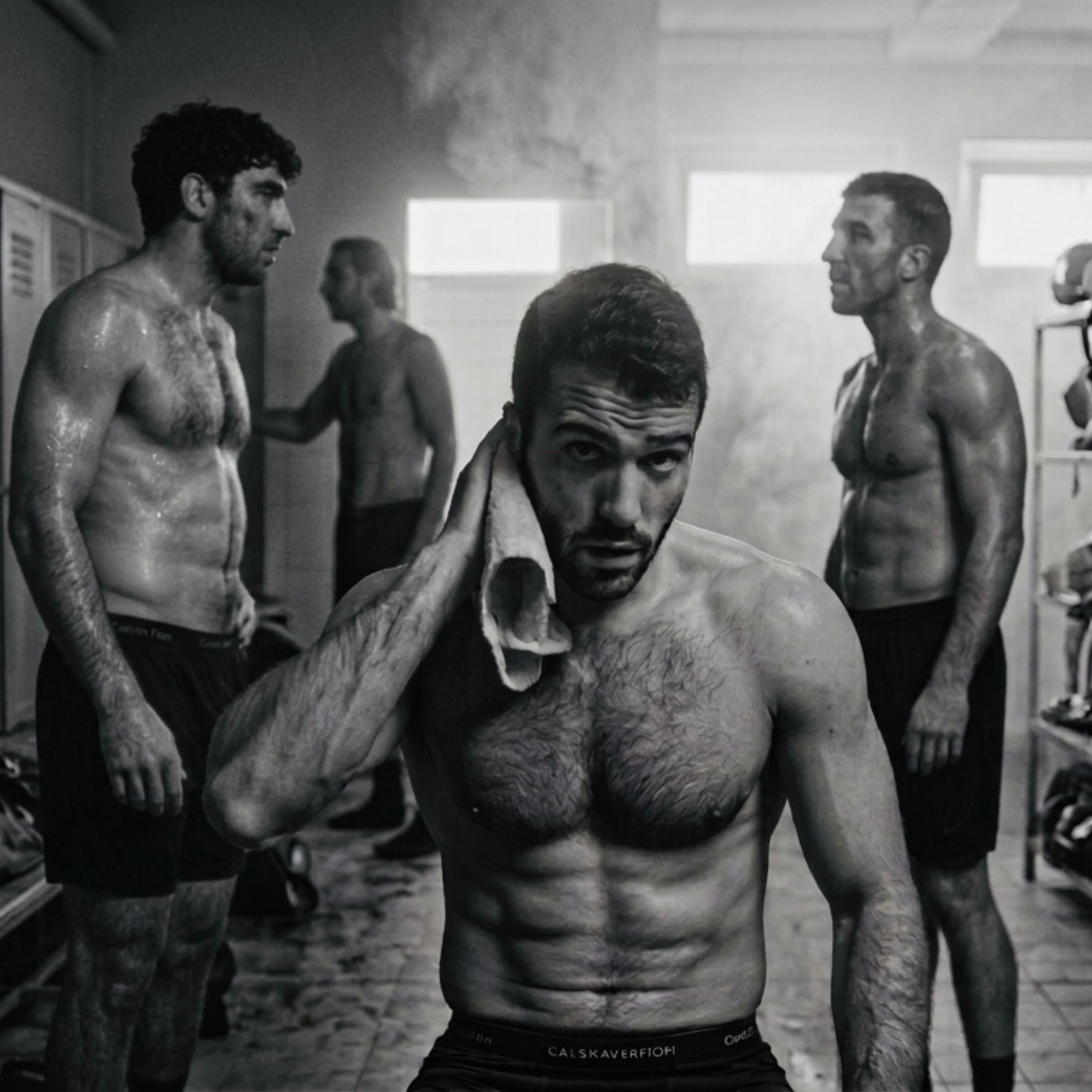
“Hai voglia?” Corea del Sud, 2017. Un soldato gay legge questo messaggio sotto le coperte. Chi l'ha scritto invece ha un investigatore alle sue spalle. È il paese del K-pop, quello che ha insegnato al mondo che un uomo può truccarsi, abbracciare l’amico, dormirgli sulla spalla. Quel contatto tra uomini lo chiamano skinship. Sul palco ai ragazzi e’ permesso di toccarsi tra di loro davanti a uno stadio che li acclama. Poi c’è la leva obbligatoria. Ogni uomo sano entra in caserma con la testa rasata: docce accanto a decine di altri uomini, brande vicine, un corpo che per un anno e mezzo appartiene allo Stato. E l’articolo 92-6, che prevede fino a due anni di carcere per “qualsiasi atto indecente” tra soldati. Nel 2017, un’associazione per i diritti dei militari, afferma che l’esercito usa le app per trovare i soldati gay. Un capitano, nello stesso periodo, viene condannato per essere andato a letto con un altro soldato, in una casa privata. Nel 2020, dopo un focolaio di Covid nei club di Itaewon (Seoul), più della metà dei frequentatori non risponde alle autorità. Ma lo Stato li cerca lo stesso: il tuo telefono sa esattamente dove sei stato. Infine, c'è un soldato che subisce una violenza da un altro uomo. Per lo Stato, il colpevole è anche lui. E se quella dolcezza maschile ostentata dal K-pop, esistesse proprio grazie alla caserma? Lì il contatto tra uomini è permesso a una sola condizione: Puoi toccarlo. Basta che non significhi niente. [ENG SUB] "Are you up for it?" South Korea, 2017. A gay soldier reads this message under the covers. The person who wrote it has an investigator standing behind them. This is the country of K-pop, the one that taught the world that a man can wear makeup, hug a friend, fall asleep on his shoulder. They call that contact between men skinship. On stage, the boys are allowed to touch each other in front of a stadium that cheers them on. Then there’s mandatory conscription. Every able-bodied man enters the barracks with a shaved head: showers next to dozens of other men, bunks side by side, a body that belongs to the State for a year and a half. And then there’s Article 92-6, which provides for up to two years in prison for “any indecent act” between soldiers. In 2017, a military rights association claimed that the army was using apps to track down gay soldiers. A captain, around the same time, was convicted for sleeping with another soldier in a private home. In 2020, after a Covid outbreak in the clubs of Itaewon (Seoul), more than half of the patrons did not respond to the authorities. But the State went looking for them anyway: your phone knows exactly where you’ve been. Finally, there’s a soldier who is assaulted by another man. In the eyes of the State, the perpetrator is guilty, and so is he. And what if the tenderness between men that K-pop puts on display existed precisely because of the barracks? There, contact between men is allowed on one condition: You can touch him. As long as it doesn’t mean anything.