The Missing Step in Prompt Tracking Was Written Down in 1995
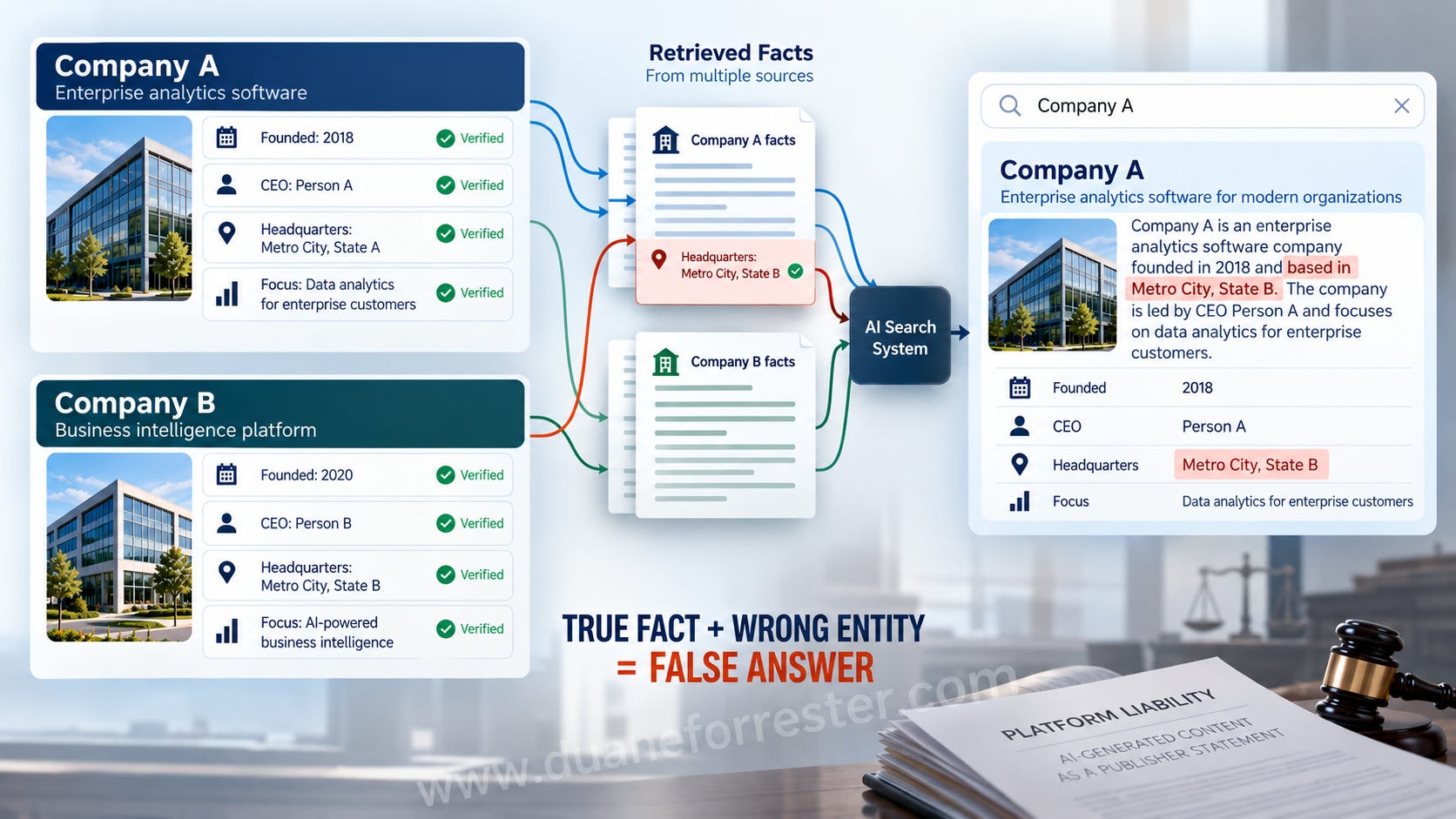
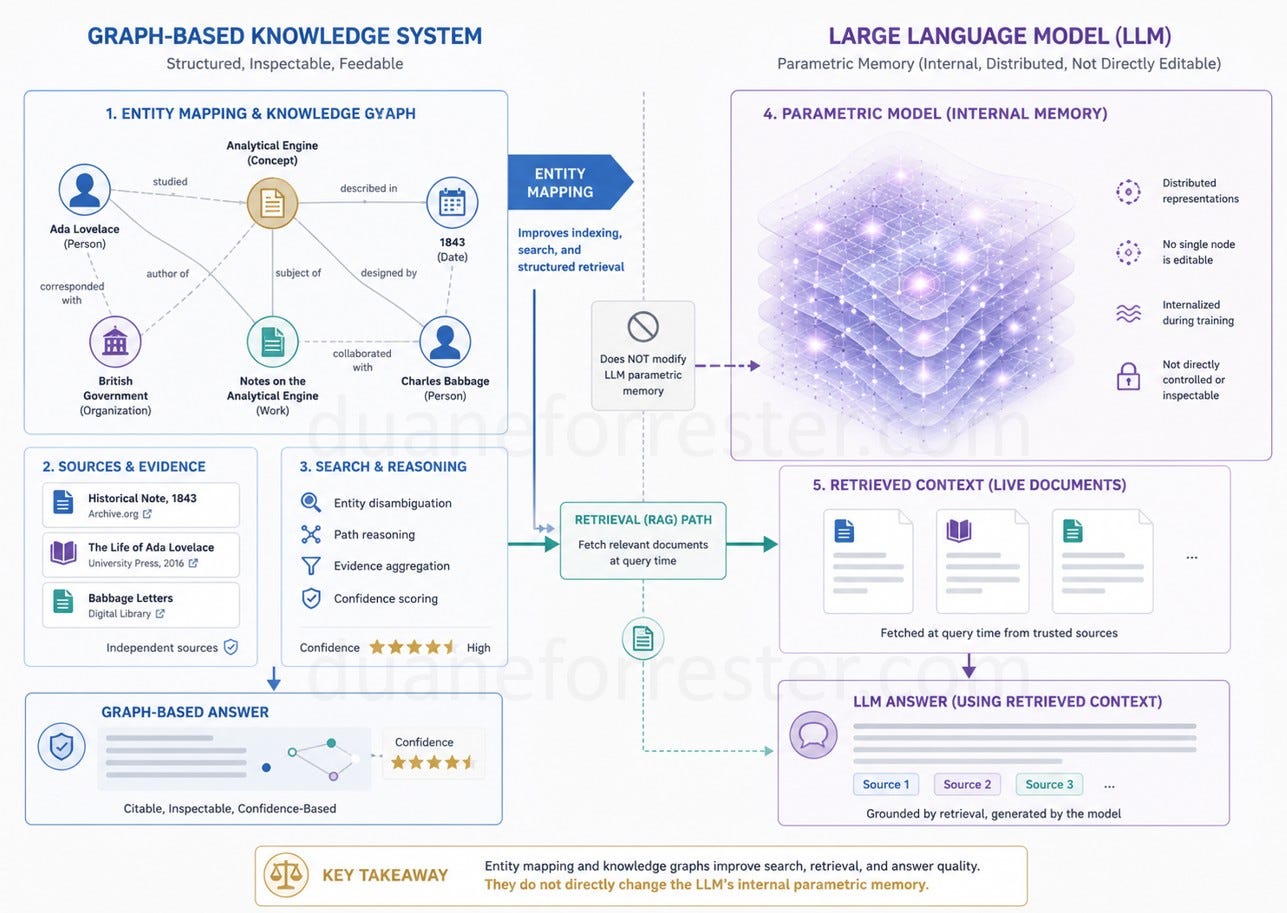
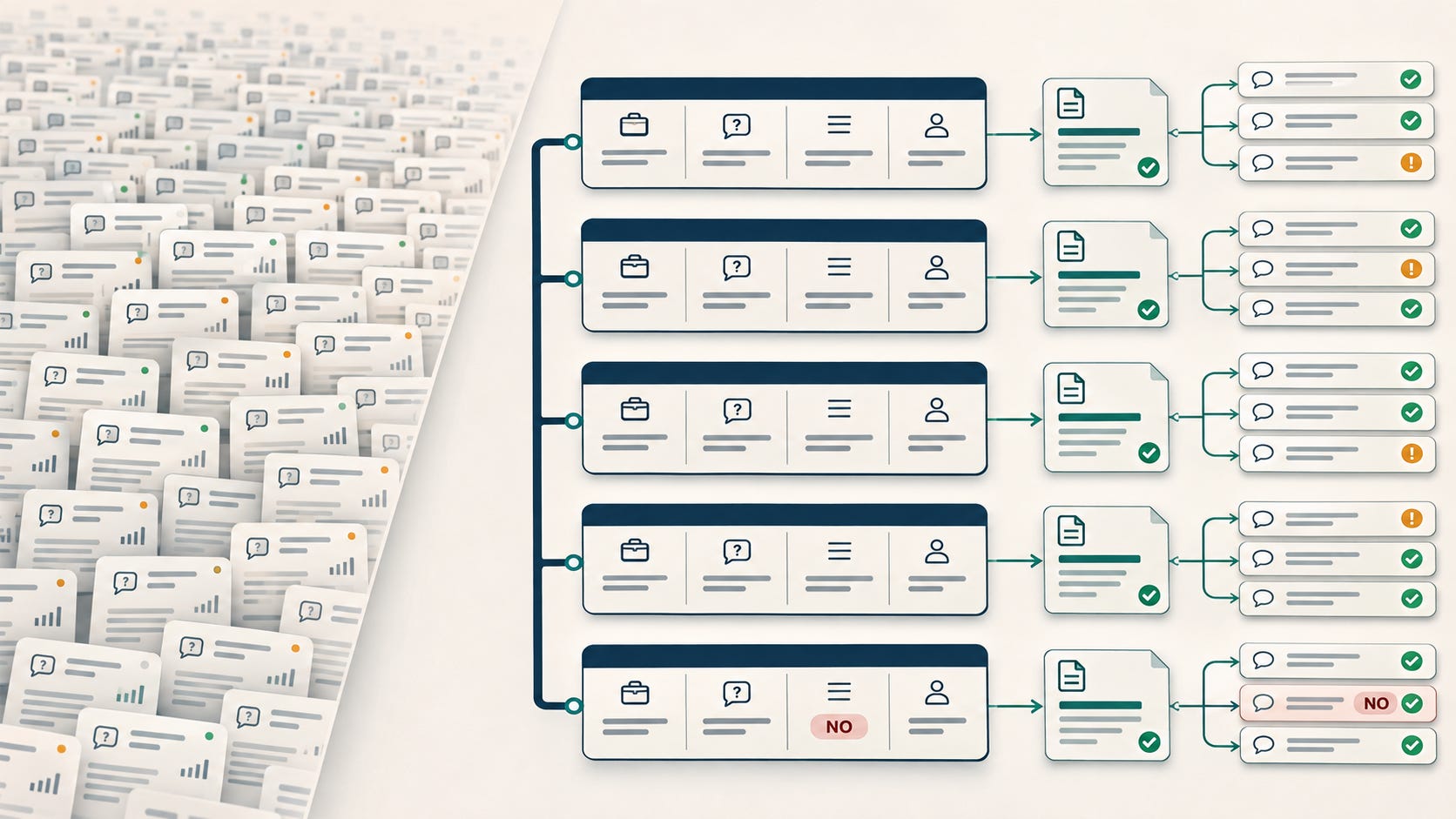
Show Notes: The Missing Step in Prompt Tracking Was Written Down in 1995 Referenced in this episode: Quantifying Language Models' Sensitivity to Spurious Features in Prompt Design (Sclar et al., ICLR 2024) The peer-reviewed study behind the 76-point accuracy swing from formatting changes alone. Measuring brands in machine answers: A scoping review and validity framework (Ibrahim, 2026 preprint) The review of 38 brand-visibility studies: five with a defensible prompt sample, 19 with commercial ties. Measuring GEO Visibility: Prompt Corpora Define the Answer Market (Martinez, 2026 preprint) The survey arguing that the prompts you choose and weight define the market your score describes. Enterprise Modelling Methodology (Enterprise Integration Laboratory, University of Toronto) Grüninger and Fox's 1995 method, where competency questions were introduced. Six-stage summary of the Grüninger and Fox method (University of Liverpool) An academic overview that lays out all six stages, including the completeness step. Test-Driven Development of Ontologies (Keet and Ławrynowicz) The test-first approach borrowed from software engineering. Use of Competency Questions in Ontology Engineering: A Survey (Monfardini, Salamon, and Barcellos, 2023) The survey of 63 ontology engineers and the difficulties they reported. Investigating Open Source LLMs to Retrofit Competency Questions in Ontology Engineering (Alharbi et al.) Source for the point that question sets are rarely published with the finished model. Discerning and Characterising Types of Competency Questions for Ontologies (Keet and Khan) The classification that separates scoping questions from validating questions. Optimizing Visibility in Generative Engines: A Critical Survey of GEO, 2023-2026 (Martinez, 2026 preprint) Source for the three-to-five phrasings per information need. Stop Treating AI Visibility as One Problem. It's Actually Three, on Three Different Layers. (Duane Forrester Decodes) The earlier three-layer piece the two-step test connects to. Accurate Facts Can Still Produce a False AI Answer, and Courts Are Starting to Hold the Platform Responsible (Duane Forrester Decodes) The German court rulings piece referenced in the negative-question discussion. When AI outputs become documents: Documentation activity in human-AI dialogue (Donner, JASIST, 2026) The paper on testimonial grounding behind the idea that every expected answer needs a witness. Large Language Models Assisting Ontology Evaluation (Lippolis et al.) The study using 1,393 competency questions, including the drop in human performance under wrong AI guidance. The Machine Layer (Amazon) My book, for more on how machines read, weigh, and repeat what brands publish. Get full access to Duane Forrester Decodes at duaneforresterdecodes.substack.com/subscribe
- Transcript