Skip to content
Artwork for Dam Parenting
Kids & FamilyParenting

Dam Parenting

Dam Parenting Podcast

Nobody hands you a map when you have a baby in a country that isn't your own.

DAM Parenting is a weekly English-language podcast for international parents in the Netherlands: pregnancy and birth in the Dutch system, kraamzorg, postpartum, matrescence, relationships after kids, bilingual families, ADHD assessments, Dutch schools, and finding your people far from home.

Hosted by Eva, an Irish parent in Amsterdam. Honest, warm, non-judgemental. 200+ episodes with midwives, psychologists and parents telling the truth about how it actually went.

Browse every episode by topic at damparenting.nl

Play
  • 45 episodes
  • a few times a week
  • Avg 29 min
  • English
Counted on this page — what you have heard stays on this device, so it is not something the list can be paged by.
  • Wednesday · 32 min

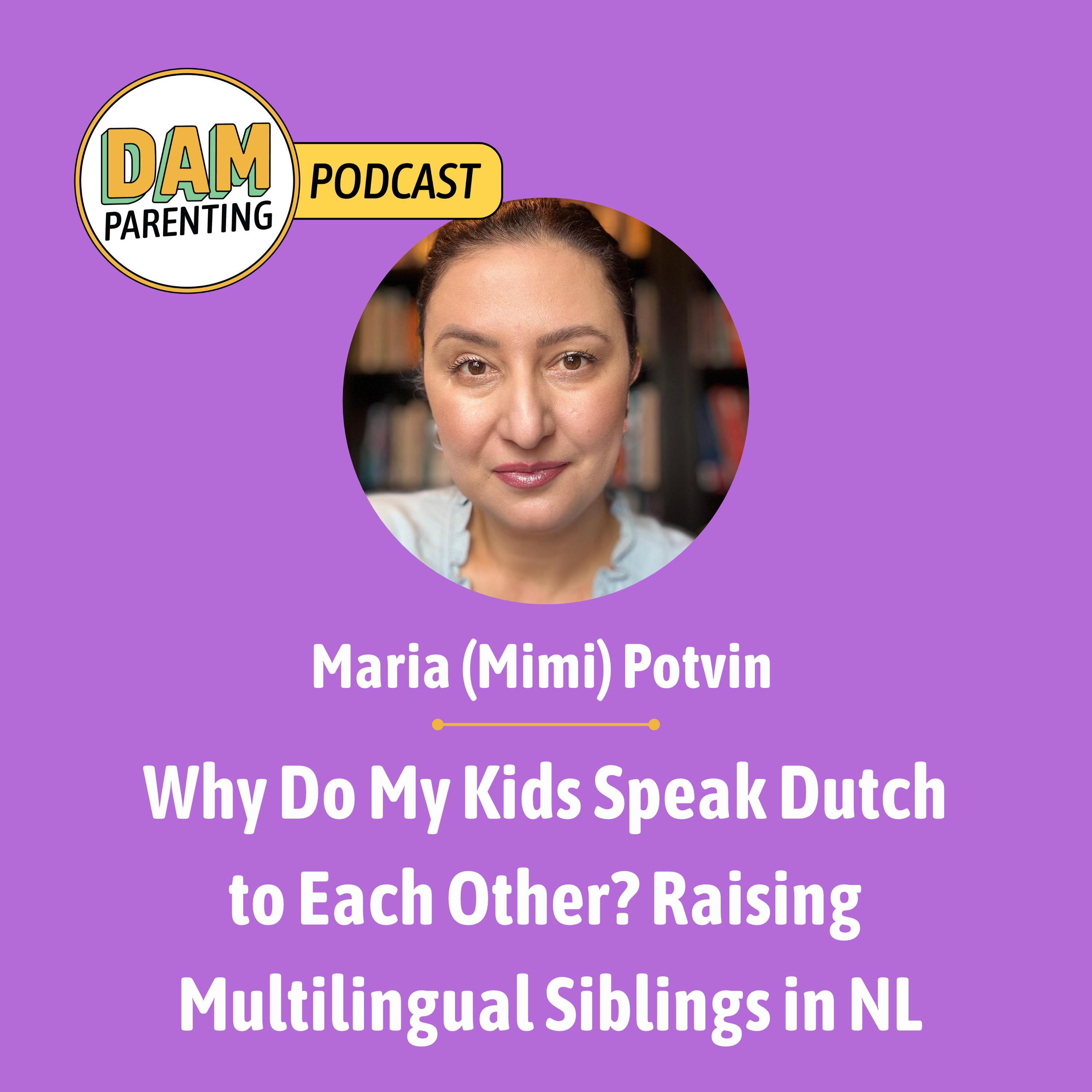
    Why Do My Kids Speak Dutch to Each Other? Raising Multilingual Siblings in the Netherlands

    Why do multilingual siblings start speaking Dutch to each other — even when they understand and speak their parents’ home language? If you’re an international family raising multilingual children in the Netherlands, you may know the moment: you’ve spent years speaking your home language with your children, and then one day you realise your kids are chatting away to each other entirely in Dutch. So… what happened? In this episode of DAM Parenting, Eva talks to multilingualism expert Mimi from Growing Up Multilingual about why siblings can develop their own language habits — and why the majority language often becomes the language of their relationship. We talk about: Why siblings may choose Dutch with each other even when they speak another language with their parents Why the second child grows up in a completely different linguistic environment from the first Whether parents should intervene when children speak Dutch together Why you cannot prescribe the language of play How to encourage your home or heritage language without turning family life into a constant language lesson What to do when siblings have different strongest languages How older siblings can support a younger child’s home-language development without becoming an unpaid language tutor Practical ways to make your home language part of the things your children already love doing together And perhaps most importantly: does your child speaking Dutch with their sibling mean they are losing your home language? Mimi’s answer may change the way you look at the whole situation. For international parents in the Netherlands, this episode is a reminder that multilingual family life isn't about controlling every language choice. It’s about creating meaningful reasons for your children to keep returning to the languages that matter to your family. You can’t prescribe the language of a sibling relationship — but you can help make your home language somewhere they want to be. Listen to more DAM Parenting episodes about raising multilingual children in the Netherlands, and find Mimi at Growing Up Multilingual.

    • Transcript
  • Sunday · 1 hr 2 min

    Stay-at-Home Dads in the Netherlands: Finding Your Place in Fatherhood

    What is it like to become a stay-at-home dad in a world where fatherhood is still often expected to look a certain way? In this episode of DAM Parenting, Mike shares his experience of becoming the parent at home in Amsterdam — navigating changing family roles, the everyday reality of being the default parent, and the sometimes unexpected feelings that come with a different kind of fatherhood. We talk about identity, the mental load, isolation, the assumptions people make about dads who stay at home, and what it means to find your place when your life doesn't follow the path you imagined. Later in the conversation, Liam joins us to share how meeting other stay-at-home dads helped shift his own perspective. Together, they talk about the importance of finding your people, being open about the experience, and building a community where fathers can feel understood rather than having to fit a particular mould. We also hear how the SAHD Dads Club came about — a small Amsterdam community showing that stay-at-home dads aren't as alone as they might sometimes feel. Whether you're a stay-at-home dad, sharing parenting responsibilities with a partner, or simply interested in how family roles are changing, this is a conversation about making space for different versions of fatherhood. Because parenting isn't a mum job that dads help with. It's just the job, whoever's doing it today. In this episode: Becoming a stay-at-home dad in the Netherlands What happens when Dad becomes the default parent Fatherhood, identity and changing family roles The mental load and the everyday reality of caring for children Why stay-at-home dads can feel isolated Finding community and connecting with other fathers The SAHD Dads Club in Amsterdam Resources mentioned: Look out for the SAHD Dads Club and Amsterdam Parent Project details in the show notes. DAM Parenting is an English-language podcast for international parents raising families in the Netherlands. You are seen. You are not alone.

    • Transcript
  • November 18 · 37 min

    Paternity Leave in the Netherlands: 6 Weeks & 26 Weeks Explained

    Having a baby in the Netherlands? Do you know how much paternity leave, partner leave and parental leave you can actually take? Most fathers and partners know about the first week after a baby is born. But did you know there are up to five additional weeks of birth leave, followed by 26 weeks of parental leave available to each eligible parent? And what do all those Dutch employment terms actually mean? In this episode of DAM Parenting, host Eva speaks with Ferline van Laerhoven, employment lawspecalist and founder of Fair Line Law, about paternity leave and parental leave in the Netherlands. Whether you're expecting a baby, already have young children, or are an international employee trying to understand the Dutch employment system, this conversation breaks down the rules in plain English. We cover: Understanding the different types of leave Your rights at work The questions families don't always think to ask Making parental leave work for your family We also explore different ways fathers use their parental leave: taking one day off every week, saving time for the summer, or using it during school holidays. Because parental leave doesn't have to look the same in every family. We discuss why some fathers still feel uncomfortable taking leave, how workplace culture can influence those decisions and why understanding your rights matters. Guest: Ferline van Laerhoven Employment law specalist and founder of Fair Line Law. Website: https://fairlinelaw.nl Ferline's ebook, Navigating Pregnancy at Work in the Netherlands, helps employees understand their workplace rights during pregnancy. Use code DAMFAIR26 for the agreed discount during the two-week promotional period. Get the ebook: here Related DAM Parenting episodes ⁠Maternity rights in the Netherlands – 29 April 2026⁠ Keep learning with DAM Parenting DAM Parenting is an English-language parenting podcast for international, expat and immigrant families living in the Netherlands. We bring together qualified professionals, lived experiences and practical information to help families navigate pregnancy, birth, parenting, relationships and Dutch systems. You are seen. You are not alone. Listen to more episodes: https://damparenting.nl/listen Subscribe to the monthly newsletter: https://damparenting.subscribepage.io Disclaimer: This episode provides general information and is not individual legal advice. Employment rights and eligibility can depend on your circumstances, employment contract and applicable collective labour agreement (CAO). Check the latest official guidance or seek individual legal advice.

  • November 15 · 1 hr 10 min

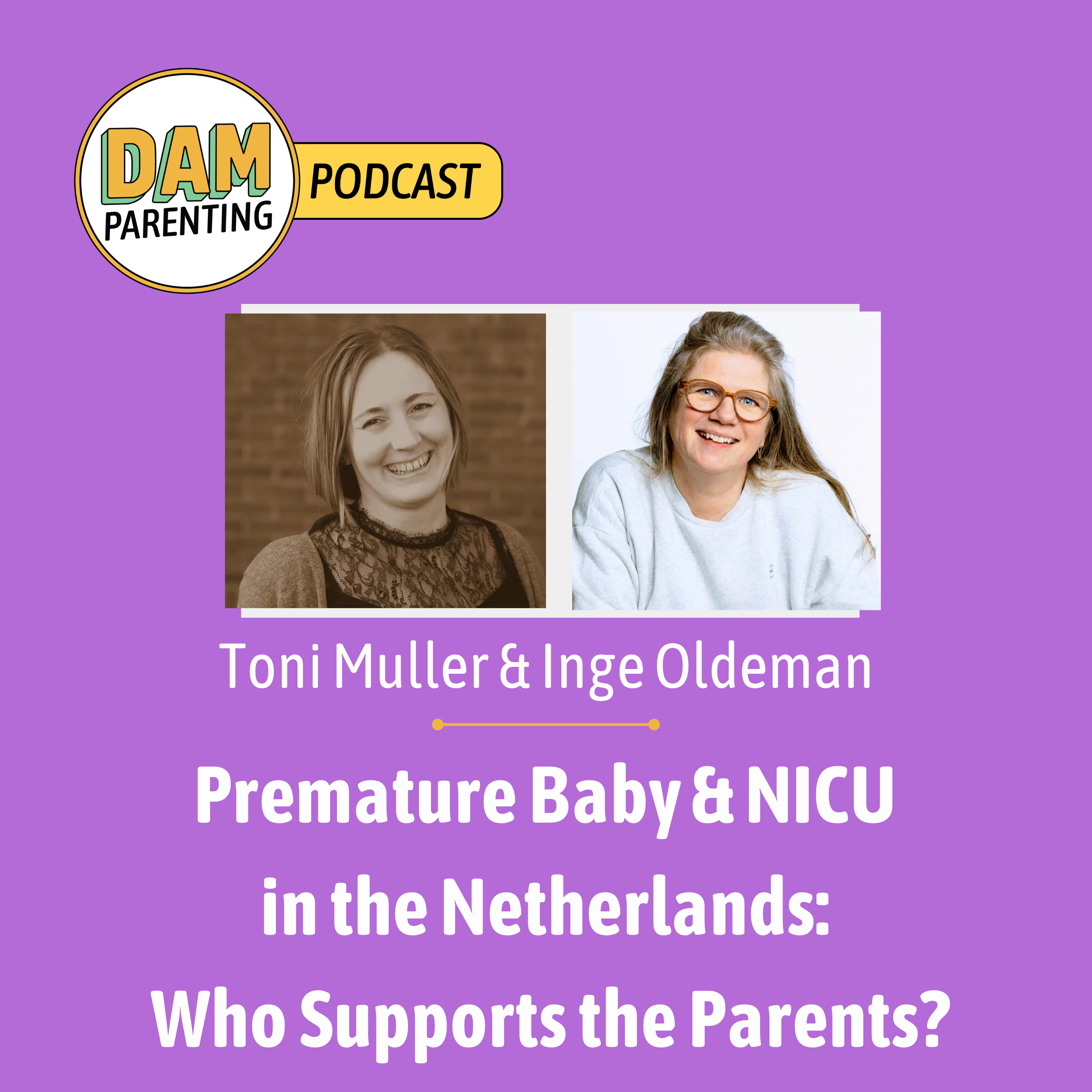
    Premature Baby & NICU in the Netherlands: Who Supports the Parents?

    What happens when your premature baby finally comes home from the NICU, but the fear, exhaustion and uncertainty don't go away? For World Prematurity Day, DAM Parenting brings together birth and postpartum doula and NICU peer parent Toni Muller, and paediatric physiotherapist and infant mental health specialist Inge Oldeman, to talk about the experience of having a premature baby and what happens to parents during and after a neonatal intensive care stay. A baby may be discharged from hospital, but the parents are still processing what happened. We talk about navigating neonatal care in the Netherlands, understanding medical conversations when Dutch isn't your first language, the transition home without monitors and nurses, and why parental wellbeing deserves attention too. We also explore how to recognise your baby's signals, find support and help parents feel less alone. And what can friends, family, colleagues and employers actually do to support a family after NICU? In this episode: Having a premature baby and navigating the NICU experience What international parents may find challenging about neonatal care in the Netherlands The transition home after neonatal intensive care Parental wellbeing after a premature birth Understanding your baby's signals and individual development Peer support and finding your people What to say (and what not to say) to parents after NICU How friends, family, colleagues and employers can make a difference A conversation for: Parents currently experiencing a NICU journey, families who have been through premature birth, expectant parents, healthcare professionals and anyone supporting a family with a premature baby. Toni Muller – Birth and postpartum doula, NICU-informed doula and peer parent connected with Care4Neo. Website: https://tonimuller.com Inge Oldeman – Paediatric physiotherapist and infant mental health specialist, bringing both professional knowledge and personal experience as a parent of a premature baby. Website: https://ingeoldeman.com Care4Neo – Information, support and connection for families affected by neonatal care: https://www.care4neo.nl/ DAM Parenting – Parenting information and professional conversations for international families in the Netherlands: https://damparenting.nl/listen Toni's earlier birth and NICU story on DAM Parenting: May 2024 Get the DAM Parenting monthly newsletter for new episodes, useful resources and conversations about raising a family in the Netherlands. https://damparenting.subscribepage.io You are seen. You are not alone. This episode is for information and support and is not a substitute for individual medical advice.

  • November 11 · 34 min

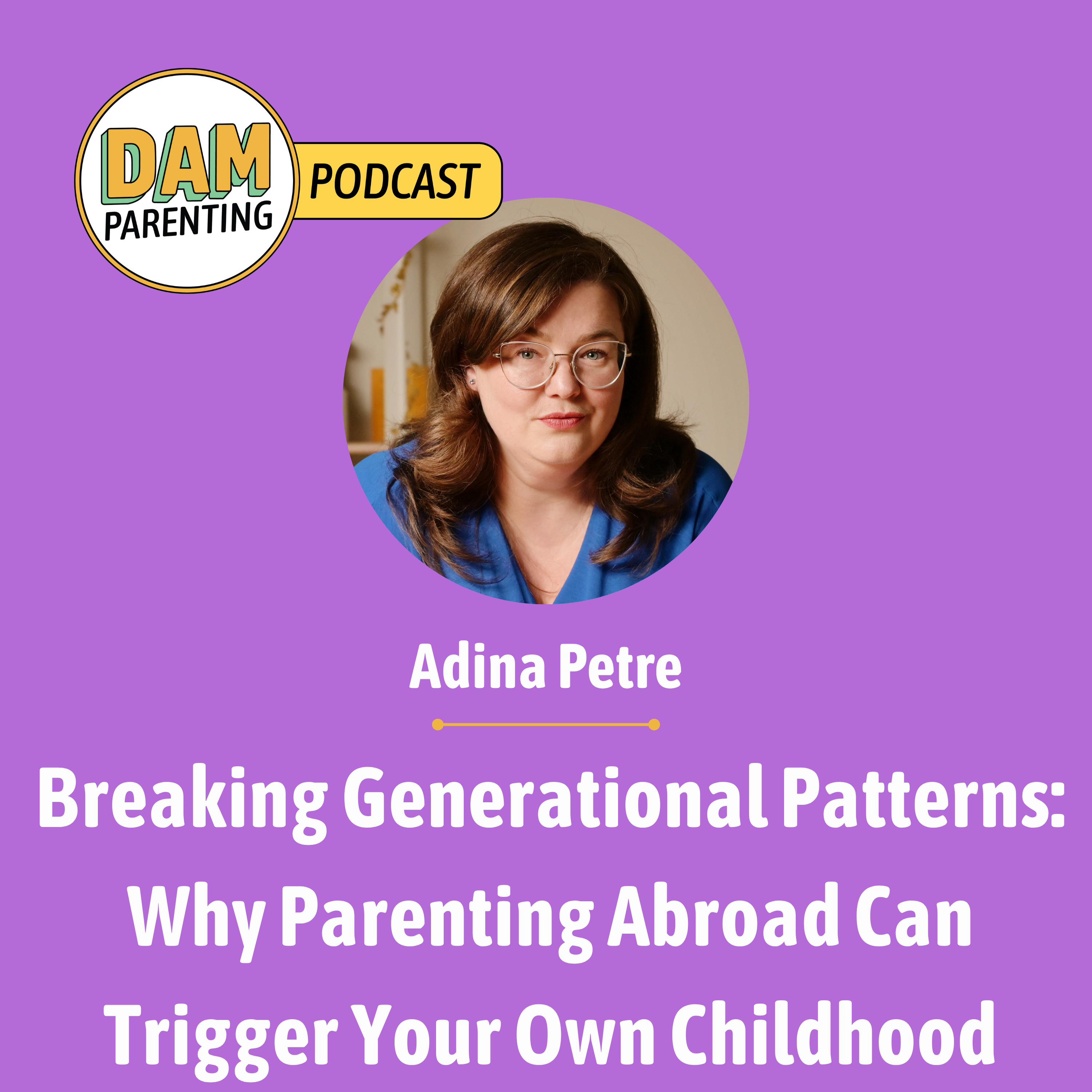
    Breaking Generational Patterns: Why Parenting Abroad Can Trigger Your Own Childhood

    Becoming a parent can bring parts of your own childhood back to the surface. Sometimes it's a reaction you don't understand. Sometimes it's the anger that comes out over something small. Sometimes it's the silence, the withdrawal, or the guilt afterwards. You promised yourself you'd parent differently. So why do familiar patterns sometimes show up when you're raising your own children? In this episode of DAM Parenting, Eva is joined by trauma therapist Adina Petre to explore how becoming a parent can reconnect us with our own childhood experiences, and how those experiences can shape the way we respond to our children. We talk about inherited parenting patterns, childhood trauma, emotional triggers, anger, and why telling yourself to simply be more patient isn't always the answer. For international parents raising children in the Netherlands, there's another layer: navigating Dutch parenting norms while carrying expectations from the country and family you grew up in. What happens when your family back home questions your parenting? How do you decide what to carry forward, what to leave behind, and what you want to create together with your partner? We also explore: ​Why your child's behaviour can trigger reactions that feel bigger than the situation. ​Why some parents shout, while others shut down or withdraw. ​The difference between breaking a cycle and simply doing the opposite of your parents. ​Why repairing a relationship matters more than being a perfect parent. ​The grief of realising you didn't receive the same care you're now trying to give your child. ​Navigating grandparents, family expectations and holiday visits. And perhaps the most reassuring reminder of all: a difficult parenting moment doesn't have to define your relationship with your child. What happens afterwards matters. A thoughtful conversation for international and expat parents raising children in the Netherlands, especially as family visits and the festive season bring different expectations, emotions and old family dynamics into the mix. Guest: Adina, trauma therapist. Sign up to Adina’s boundaries event on Saturday 21st November You are seen. You are not alone. Listen to DAM Parenting: https://damparenting.nl/listen

  • November 7 · 13 min

    Sinterklaas in the Netherlands: A Guide for International Parents & Kids

    New to Sinterklaas in the Netherlands? Or is your young child just old enough to start discovering the magic? For international parents, Sinterklaas can raise a LOT of questions: Why does he arrive from Spain by boat? Who is the white horse? Why are children putting shoes out with carrots? What is the Sinterklaasjournaal? And why does everyone suddenly seem to be eating kruidnoten? In this episode of DAM Parenting, Eva explores Sinterklaas in the Netherlands — not just the traditions, but the magic behind them. From the November arrival and the Sinterklaasjournaal to putting out shoes, pakjesavond on 5 December, presents, songs and chocolate letters, we look at what makes this Dutch tradition so exciting for children. There's also the history behind Sinterklaas, the connection to the Santa Claus many international parents grew up with, and the question of how to bring Sinterklaas into an international family alongside your own Christmas traditions. If you're raising children in the Netherlands and Sinterklaas is new to you, you don't need to know every rule or recreate someone else's childhood. You can simply join in, create your own traditions and let your child discover the magic. In this episode: What Sinterklaas is and where the tradition comes from The Sinterklaas arrival in the Netherlands Sinterklaasjournaal and why children take it so seriously Putting out shoes, carrots, kruidnoten and small presents Pakjesavond and the 5 December tradition Sinterklaas and Christmas in international families How to create your own family traditions in the Netherlands Perfect for international, expat and immigrant parents raising young children in the Netherlands — especially if this is your family's first Sinterklaas season. You are seen. You are not alone.

  • November 4 · 19 min

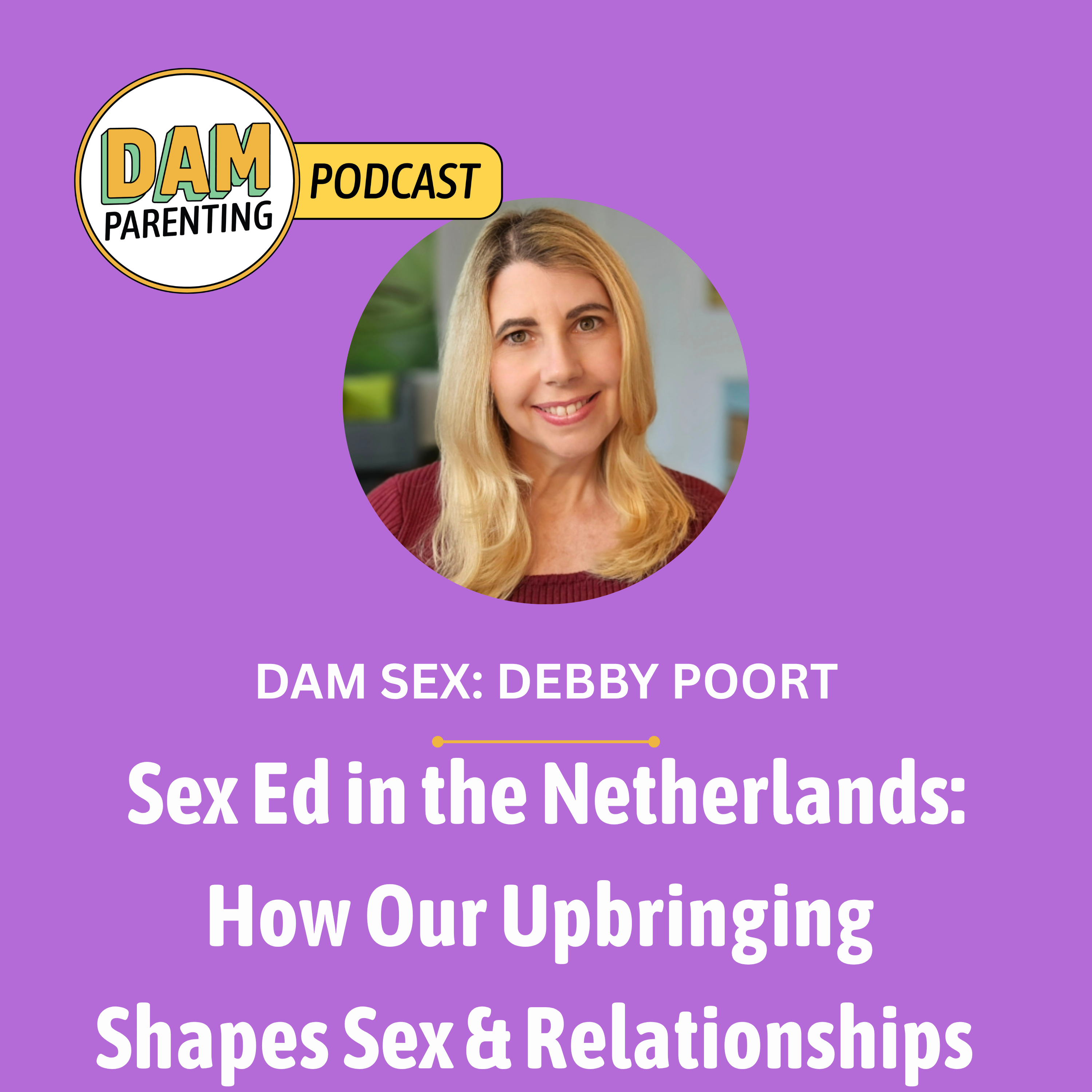
    How Our Upbringing Shapes Sex & Relationships : Sex Ed in the Netherlands

    You and your partner might love each other, share a home and be raising children together — but when it comes to sex, you could be working from two completely different rulebooks. Why? Because what we learn about sex starts long before our first relationship. Family, culture, religion, school and all the things nobody talks about can shape how we think about desire, pleasure, intimacy and what we're supposed to expect from each other. In this November episode of DAMSex, Eva sits down with Debby Poort from Yellow Wood, a sex and intimacy counsellor working with international couples in the Netherlands, to explore how those unspoken lessons follow us into adult relationships. What happens when two different sexual rulebooks meet? We explore the messages we grow up with about sex, the assumptions we carry into relationships, and what happens when partners finally compare notes. Because sometimes, what feels like a relationship problem is actually two people who were taught very different things about what sex should be. And does the Netherlands actually get sex education right? The Netherlands has a reputation for being open and progressive about sex. But what does that really mean when it comes to what children learn, what adults understand, and how prepared we are for real-life intimacy? Whether you're in an international relationship, navigating different cultural expectations, or simply curious about how your upbringing shaped your sex life, this conversation is an invitation to get curious rather than judgemental — about yourself, your partner and the things neither of you may have realised you learned. Because you can't compare notes if you don't know there were different rulebooks in the first place. ABOUT DEBBY POORT Debby Poort is a sex and intimacy counsellor at Yellow Wood, an integrative psychotherapy practice supporting expats in the Netherlands, based in Amstelveen and offering online sessions. Find Debby and learn more about her work: https://www.yellowwood.nl/ Explore her sex and intimacy counselling resources: https://www.sexandintimacycounseling.nl/podcast THIS EPISODE IS BROUGHT TO YOU BY MAMASOCIAL MamaSocial creates welcoming opportunities for mums to meet, connect and build friendships across the Netherlands. And while some conversations are easier to have in person, others can start right here, privately, while you listen. Find a MamaSocial meetup near you: https://www.mamasocialofficial.com/ KEEP EXPLORING DAM PARENTING Browse episodes by topic and find the conversations most relevant to your family: https://damparenting.nl/listen Find DAM Parenting on Spotify, Apple Podcasts, YouTube and more: https://pod.link/1714151581 Have a question you'd like us to explore in a future DAMSex episode? Email Eva at ask@damparenting.nl DAMSex is part of DAM Parenting, the English-language podcast for international parents navigating family life in the Netherlands. Follow the show for more honest conversations about sex, intimacy, relationships and the realities of raising a family far from home.

  • October 31 · 20 min

    What Dutch Parents Know About Cough Syrup That Expat Parents Don't

    Your child has a cough for three weeks already. You're in the Netherlands. The Dutch huisarts has told you this is completely normal and will last six to eight weeks. You've been to the Etos and Kruidvat and you have no idea what to buy. You've stood in front of a wall of bottles with names you don't recognise, from brands you've never heard of, for types of cough that — according to a Dutch ENT doctor — aren't really different types of cough at all. In this episode of DAM Parenting's translating Dutch consumer investigations for our international parents — Eva breaks down what Keuringsdienst van Waarde found when they put cough syrup in a lab. The answer will surprise you. And save you money. This episode covers: what cough syrup is actually made of, the expat experience of navigating an unfamiliar pharmacy, what the RIVM says to expect this autumn/winter, how often kids actually get sick (the numbers are genuinely wild), the science of why parental presence and rest matter more than any syrup, and what old wives' remedies are backed by evidence. Plus: how to survive the six-to-eight-week cough as a parent without losing your mind — and why going to bed at 8pm is actually a completely reasonable strategy. Sources: Keuringsdienst van Waarde Season 26 (Jan 2026), KNO-arts Emilie Dronkers, KNMP, RIVM 2026 respiratory season data. Find the full archive at damparenting.nl

  • October 28 · 31 min

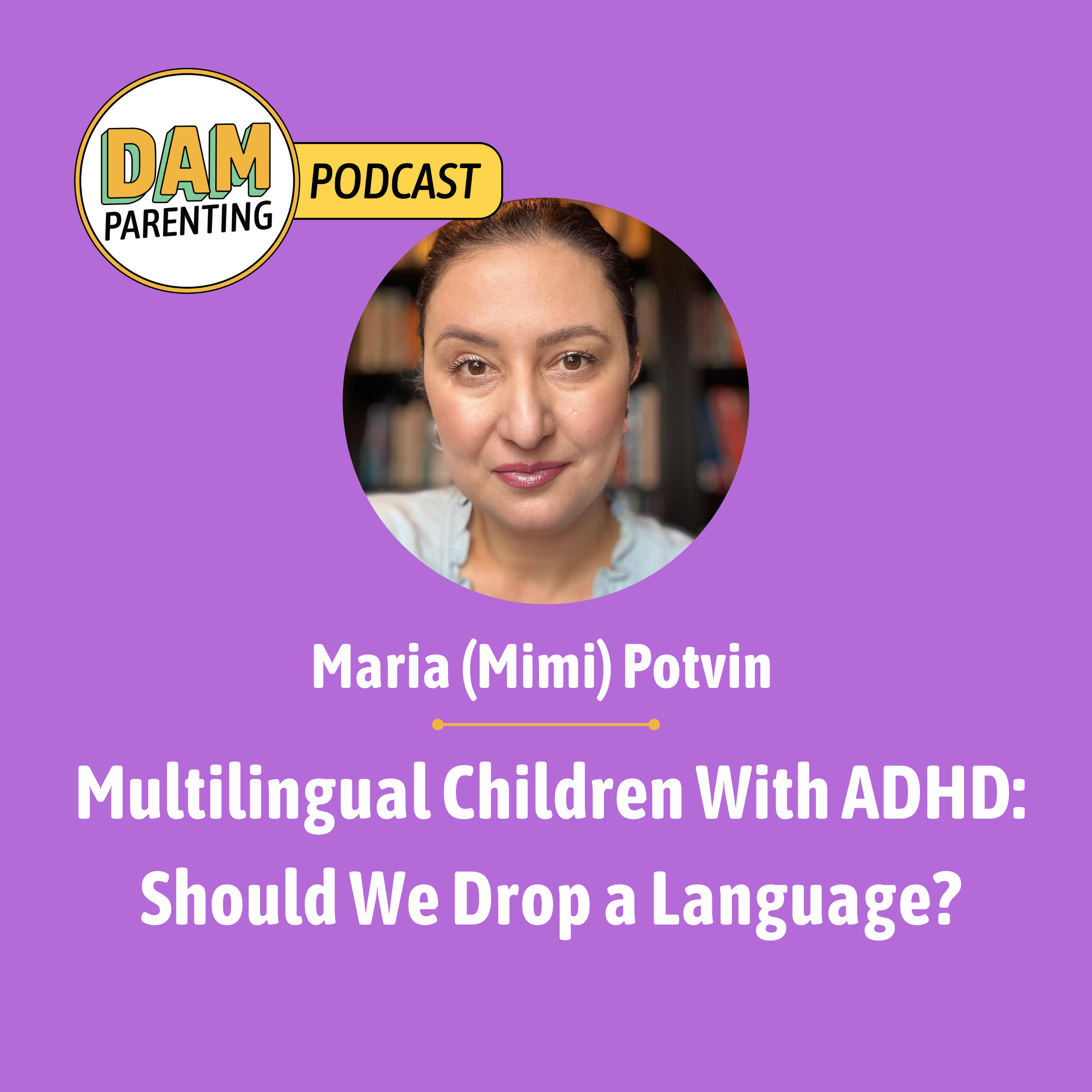
    Multilingual Children With ADHD: Should We Drop a Language?

    Does ADHD make learning two languages harder? And should you drop your home language if your child has ADHD? Multilingualism specialist Mimi Potvin closes ADHD Awareness Month with what the research actually says, and why ADHD, a language delay and simply being new to Dutch can look the same from the outside. We also get into the school advice to “speak more Dutch at home”, whether Dutch screen time helps, and what happens to your family language plan when it’s the parent who has ADHD. For parents raising bilingual and multilingual children in the Netherlands. Mimi Potvin, multilingualism specialist, Growing Up Multilingual Instagram @growing_up_multilingual Get the monthly newsletter: HERE

  • October 24 · 35 min

    ADHD Parenting Hacks: What Actually Works? Tips for Parents in the Netherlands

    ADHD parenting hacks: what actually works when you're already overwhelmed? If you have ADHD and you're raising kids, you probably don't need another person telling you to wake up at 5 a.m., buy a planner or just be more disciplined. You need things that actually work for your brain. In this ADHD Awareness Month episode of DAM Parenting, Eva sits down with Liam from Dads do Art, for an honest, funny and very real conversation about parenting with ADHD. Between them, they've tried the planners, timers, routines and productivity tricks. Some help. Others end up in the ADHD hack graveyard. So they're putting the popular ADHD hacks to the test, giving them honest scores out of ten and talking about what it's really like to use them while raising young children. In this episode, we talk about: Why planners, time blocking and endless phone reminders don't always work. Preparing for the school morning Habit stacking and making boring tasks a little easier to start. Visual timers Dopamine snacks Body doubling: Sensory kit Sleep, emotional regulation, ADHD paralysis and the pressure to be a more disciplined parent. But this conversation is about more than lunchboxes, forgotten appointments and getting everyone out of the door. It's also about the shame that comes with feeling as though you should be able to do things that seem easy for everyone else. It's about understanding your own brain, finding the support that works for you, and learning that being kinder to yourself is not the same as giving up. Because ADHD is not one-size-fits-all. A hack that transforms one person's morning might become another person's abandoned purchase. The goal isn't to become a perfectly organised parent. It's to build the support and systems that make your own life a little easier. Parenting with ADHD in the Netherlands? Whether you're raising children in Amsterdam, Utrecht, Rotterdam, Haarlem or elsewhere in the Netherlands, doing family life far from your original support network can make the hard days feel even harder. You deserve practical support and a community where you don't have to pretend you've got it all together. This episode is for parents with diagnosed or suspected ADHD, and for partners who want to understand what life can look like alongside it. 🎧 Listen, find the hacks that work for you, and leave the rest in the graveyard. DAM Parenting: You are seen. You are not alone. Find more about DAM Parenting and listen on your preferred platform at https://damparenting.nl/listen

  • October 21 · 32 min

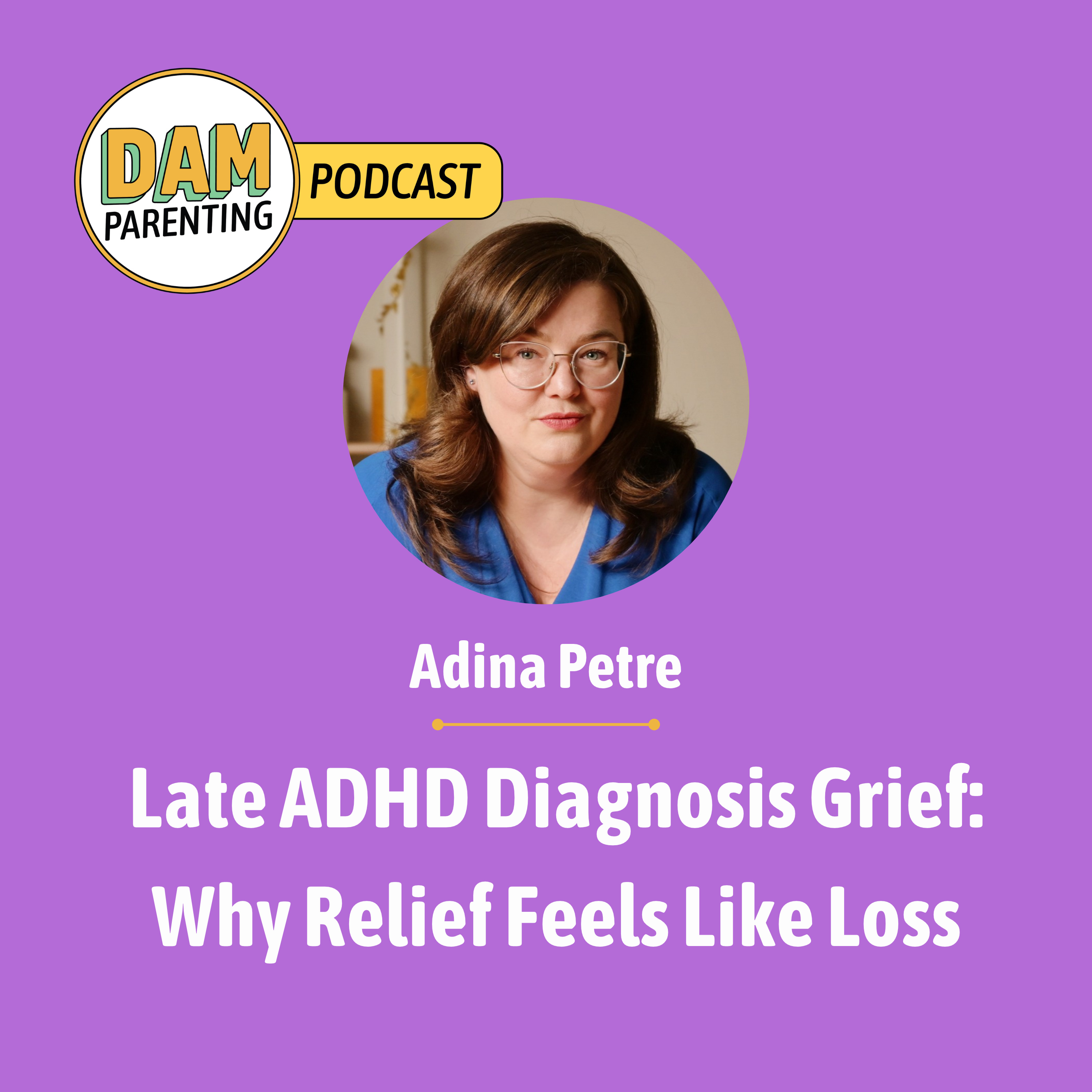
    Late ADHD Diagnosis Grief: Why Relief Feels Like Loss

    You finally got the ADHD diagnosis. So why do you feel wrecked? DAM Trauma, episode 4, for ADHD Awareness Month. Trauma therapist Adina Petre, who was diagnosed late herself, on the grief nobody warns you about: rereading old school reports, the anger at the people who missed it, the shame that decades of being called lazy leaves behind, and finding out about yourself because your child was assessed first. Plus the first thing she works on when a newly diagnosed client walks in. Guest: Adina Petre, trauma therapist based in Amsterdam working with international clients. This episode is not a diagnosis or medical advice. If it brings up more than a podcast can hold, talk to your huisarts or a therapist. Get the monthly newsletter: https://damparenting.subscribepage.io More on this topic: https://damparenting.nl/ late ADHD diagnosis · adult ADHD diagnosis · ADHD grief · diagnosed with ADHD as an adult · ADHD in women · ADHD shame · ADHD and trauma · parent with ADHD · child diagnosed first · neurodivergent parent · ADHD in the Netherlands · parenting in the Netherlands #ADHD #LateDiagnosis #DAMTrauma

  • October 19 · 29 min

    Breast Cancer Support in the Netherlands: Help in English

    Cancer Support in the Netherlands: Help in English Where can you find English-speaking cancer support in the Netherlands? A cancer diagnosis is difficult anywhere — but navigating treatment, family life and an unfamiliar healthcare system far from home can make it even harder. In this conversation, Katherine, founder of Cancer Support Netherlands, shares her experience as a two-time breast cancer survivor, a mother of two and an international resident who turned her own need for support into a community. We talk about receiving a cancer diagnosis abroad, trusting your instincts when something doesn’t feel right, explaining cancer to your children, supporting a partner through illness, and finding people who understand what you’re going through. What began with a Facebook post asking for a cup of tea grew into English-language peer support for people affected by cancer. Cancer Support Netherlands is a Dutch nonprofit offering English-language peer support to people living with cancer, survivors, partners, family members and carers. Find support: https://cancersupportnetherlands.nl Instagram: @cancer_netherlands 📩 Get the DAM Parenting monthly newsletter: https://damparenting.subscribepage.io 🌍 Explore more resources for international families in the Netherlands: https://damparenting.nl You are seen. You are not alone.

  • October 15 · 24 min

    Miscarriage in the Netherlands: Pregnancy Loss, Grief & What Actually Helps

    TW: this episode talks about miscarriage and pregnancy loss. Skip it if today isn't the day. It will be here. Released on Pregnancy and Infant Loss Awareness Day 15 October 2026, this episode is for anyone who has lost a pregnancy or a baby while living in the Netherlands, and for anyone supporting someone who has. Melissa, an American living in Rotterdam, went through three pregnancy losses in the Dutch system before having her two children. She talks honestly about a missed miscarriage at her first midwife (verloskundige) appointment, deciding between medical management and a D&C (curettage), a second loss alone during Covid, a termination for medical reasons, and a near-sepsis emergency at Erasmus MC. We cover: Going through miscarriage as an expat, in a second language and an unfamiliar healthcare system Why grief after early pregnancy loss is normal, and why it can last months What to say (and not say) to a friend after a miscarriage Sibyl, the app Melissa built for pregnancy loss support Sibyl is a private companion app for pregnancy loss, built from lived experience with gynaecologists, fertility specialists and a reproductive mental health psychologist. It's for any kind of loss, from failed fertility treatment to stillbirth, whether it happened yesterday or months ago. OFFER: One month free with code DAM2026 Website: https://www.sibyl.care App Store: https://apps.apple.com/app/id6787125952 Instagram: @sibyl_app Support in the Netherlands: your huisarts (GP) or verloskundige can refer you to a psychologist, including English-speaking ones. If you're here for someone else, send this to them, or just message them that you're thinking of them. Get DAM Parenting in your inbox once a month: SUBSCRIBE HERE Follow: @damparentingpodcast · damparenting.nl DAM Parenting is an English-language podcast for international and expat parents in the Netherlands. We arrived without a village, but we built one anyway. The village is for the hard days too.

  • October 14 · 39 min

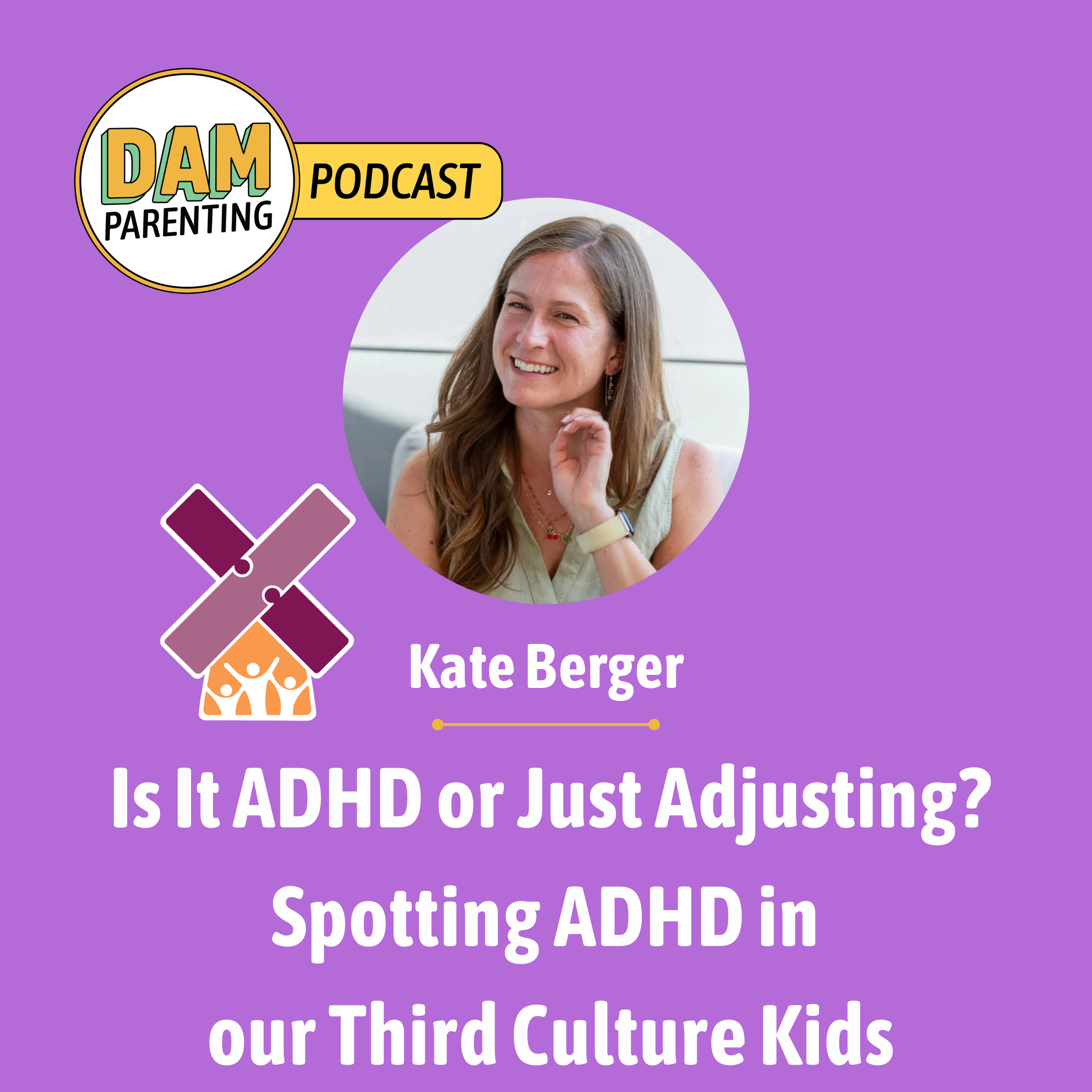
    Is It ADHD or Just Adjusting? Spotting ADHD in our Third Culture Kids

    Is it ADHD, or is your child just exhausted from a new school, a new language and a new country? It's #ADHDAwarenessMonth. Child psychologist Kate Berger from the Expat Kids Club on why some kids hold it together all day and fall apart at the front door, what a Dutch teacher really means by "druk", and how to get from a first worry to an assessment. Plus the one thing she says parents nearly always know first. Guest: Kate Berger, child psychologist and founder of The Expat Kids Club, supporting families in the Netherlands for over 18 years. Mentioned on the episode: -https://www.amsterdam.nl/en/health-care-support/personal-budget/ - Tilt Parenting -The Expat Kids Club provides psychoeducational assessments and screenings for many neurodevelopment conditions, including ADHD and ASD. We do not formally diagnose, but use standardised assessment measures that yield information to provide reports that include diagnostic indication (if relevant), as well as tailored recommendations for access to academic accommodations (aligned with IB-standards), and additional (mental) health services in supports in NL and abroad. We also, of course, offer therapeutic intervention. For more information about our services please see expatkidsclub.com Get the monthly newsletter: HERE More on this topic: https://damparenting.nl/

  • October 7 · 28 min

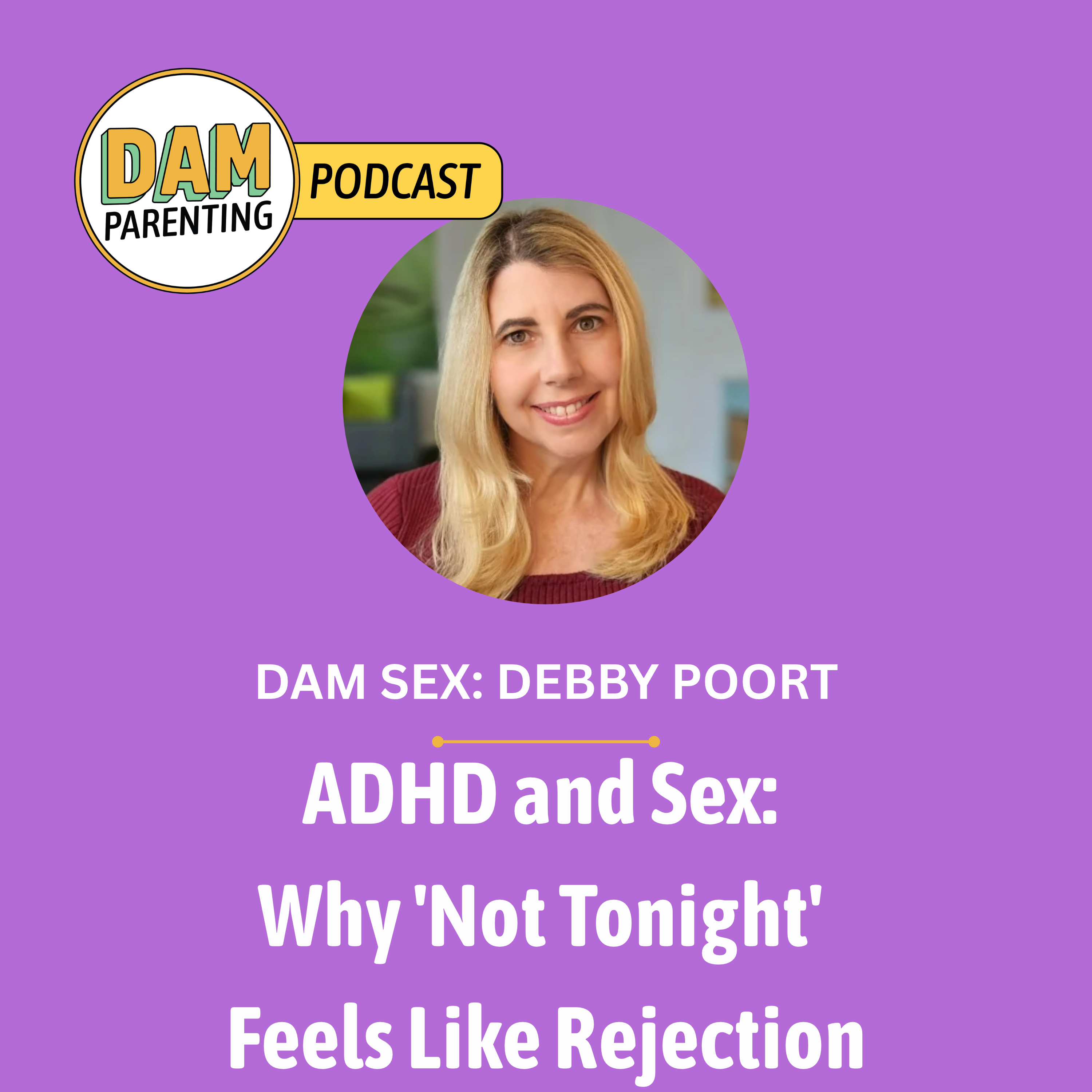
    ADHD and Sex: Why 'Not Tonight' Feels Like Rejection

    Does ADHD affect your sex life? If you or your partner has ADHD, "not tonight" can land like a door slamming, and nobody has told either of you why. It's ADHD Awareness Month, and DAM ex goes there. Sex and intimacy counsellor Debby Poort explains why the intense early spark shifts, what rejection sensitivity does in the bedroom, and why so many couples end up feeling more like parent and child than partners. Plus the medication conversation almost nobody has with their doctor. For the partner with ADHD and the one who loves them. Neither of you is the problem. Guest: Debby Poort, sex and intimacy counsellor at Yellow Wood. Her free welcome course: sexandintimacycounseling.nl. Get the monthly newsletter HERE More on this topic on DAMParenting.nl

  • October 1 · 9 min

    ADHD Awareness Month: (Recorded Nine Hours Before It Airing)

    Kicking off ADHD Awareness Month with the least polished episode I've ever made. Recorded nine hours before it went out, at my kitchen table, in one take. The deadline is the only thing that has ever made me do anything. I was diagnosed in my forties — the same month this podcast launched. Three medications in three months, none of which worked, and then I was told I'd maxed out my dose. And what I felt wasn't "the system failed me." It was "I've failed. Again." In this one: – What a late ADHD diagnosis actually feels like as a parent – Why ADHD medication not working can feel like a personal failure – New University of Warwick research linking ADHD to gut problems, IBS and constipation – Why calling it a deficit of attention was always a con — it's regulation, not concentration – Why neurodivergent mothers burn out more than everyone else – And why "just rest" is the most useless advice ever given to a working parent All of October is ADHD on DAM Parenting — for you, your partner, your kids. Debby on sex and intimacy when your brain won't settle. Adina on the grief nobody warns you about after a late diagnosis. Kate on raising neurodivergent children here. Mimi on languages. And Liam and me on a Saturday, going through everything we've tried that didn't work. New here? There are 200+ episodes, all sorted by theme at damparenting.nl 📩 Newsletter Sign up here 🎧 Last month's episode on regulation with Adina Petre

  • September 30 · 29 min

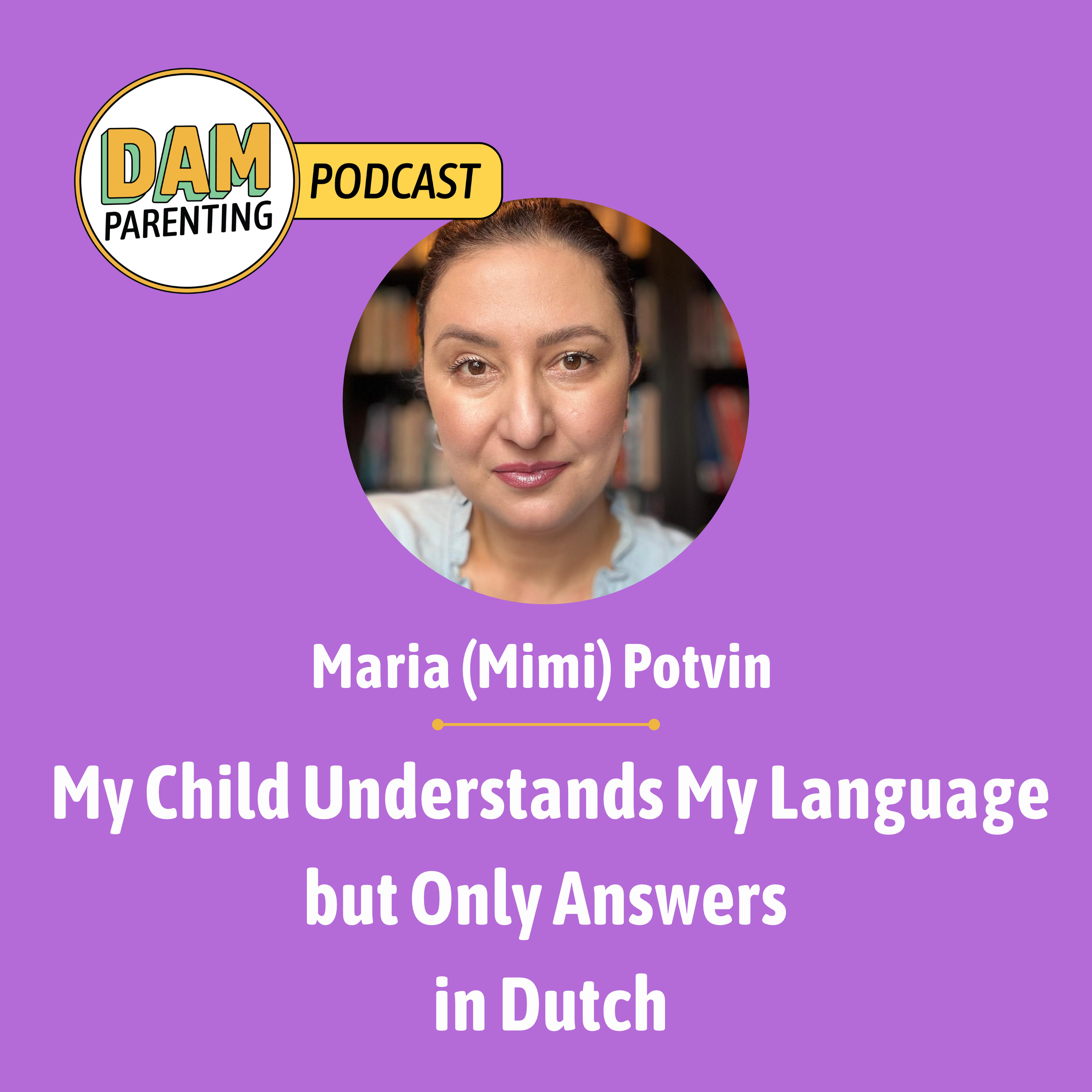
    My Child Understands My Language but Only Answers in Dutch

    Your child understands every word of your home language, and answers you in Dutch. Every time. If it started when school or daycare went back, you're not imagining it. Why does my bilingual child only answer in Dutch? Mimi from Growing Up Multilingual explains why the school language takes over so fast, whether you should insist on a reply in your language, and why she'd retire one very popular piece of bilingual parenting advice. We also get into the child who seems embarrassed by the home language, one easy thing to try this week, and what to do if you feel you've already lost ground. For international parents raising bilingual and multilingual children in the Netherlands, where Dutch at school can quickly become Dutch at home too. Get the free Multilingual Cheat Sheet when you join the DAM Parenting newsletter Check out our website: damparenting.nl

  • September 28 · 16 min

    Taalparade: A Free Multilingual Family Event in Amstelveen on 7 November

    The Dutch and English langauges are everywhere. The language your child speaks with their grandmother? Almost nowhere outside your front door. And kids notice. Mimi joins me for a short one about Taalparade, a free multilingual family day for children aged 0–12. We talk about why seeing your home language out in the world matters more than any lesson about diversity, and why asking a bilingual child to "say something" in their language can backfire. For international families raising multilingual children in the Netherlands. Taalparade: Saturday 7 November, 11:00–16:00, Library Amstelveen (next to the shopping centre). It's Free. Whether your family speaks one language or five, you're invited.

  • September 26 · 31 min

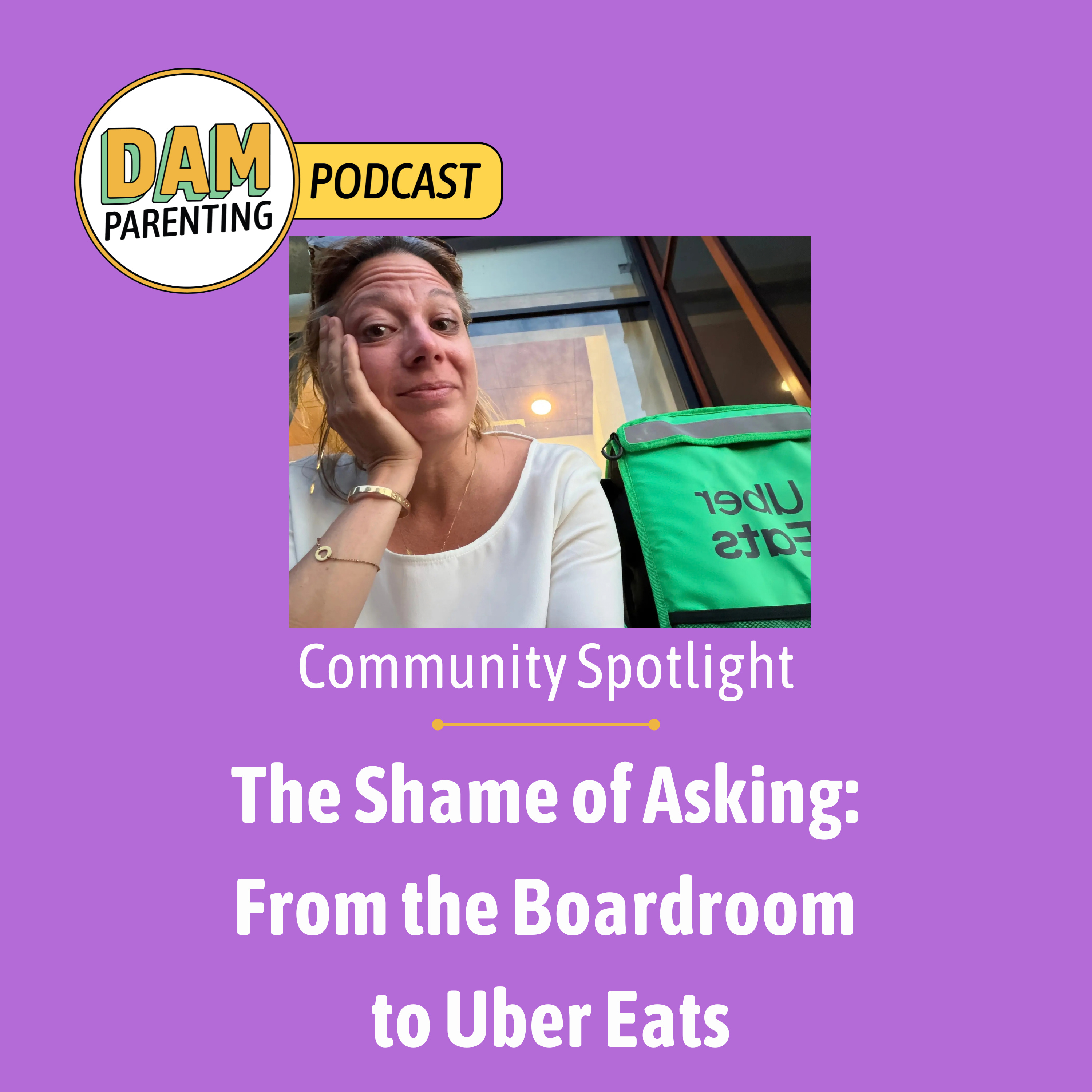
    The Shame of Asking: From the Boardroom to Food Delivery Driver

    Camila moved here for love straight out of university, spent sixteen years climbing at a big media company, and quickly built Joy In Organizing a business with 77,000 followers and a book deal. Then came burnout, a divorce that ate €45,000 in legal fees, and nine months of job applications that went nowhere. This summer she got on a bike with an Uber Eats bag. The reel she made about it has over a million views now. This episode is about shame. The kind that makes you go quiet instead of asking for help — and what happened the day she messaged every single person she knew, including a man she once rented a bike from. We talk about carrying a household financially for years, what divorce costs when you have no family in the country, why supermarket and restaurant shifts don't work if you're the only adult in the house, and why she says you should never confuse needing help with failing. For anyone raising children in a country they didn't grow up in, working a system nobody explained to them, and wondering how they'd survive doing it alone. Newsletter, once a month: Sign up here

  • September 23 · 1 hr

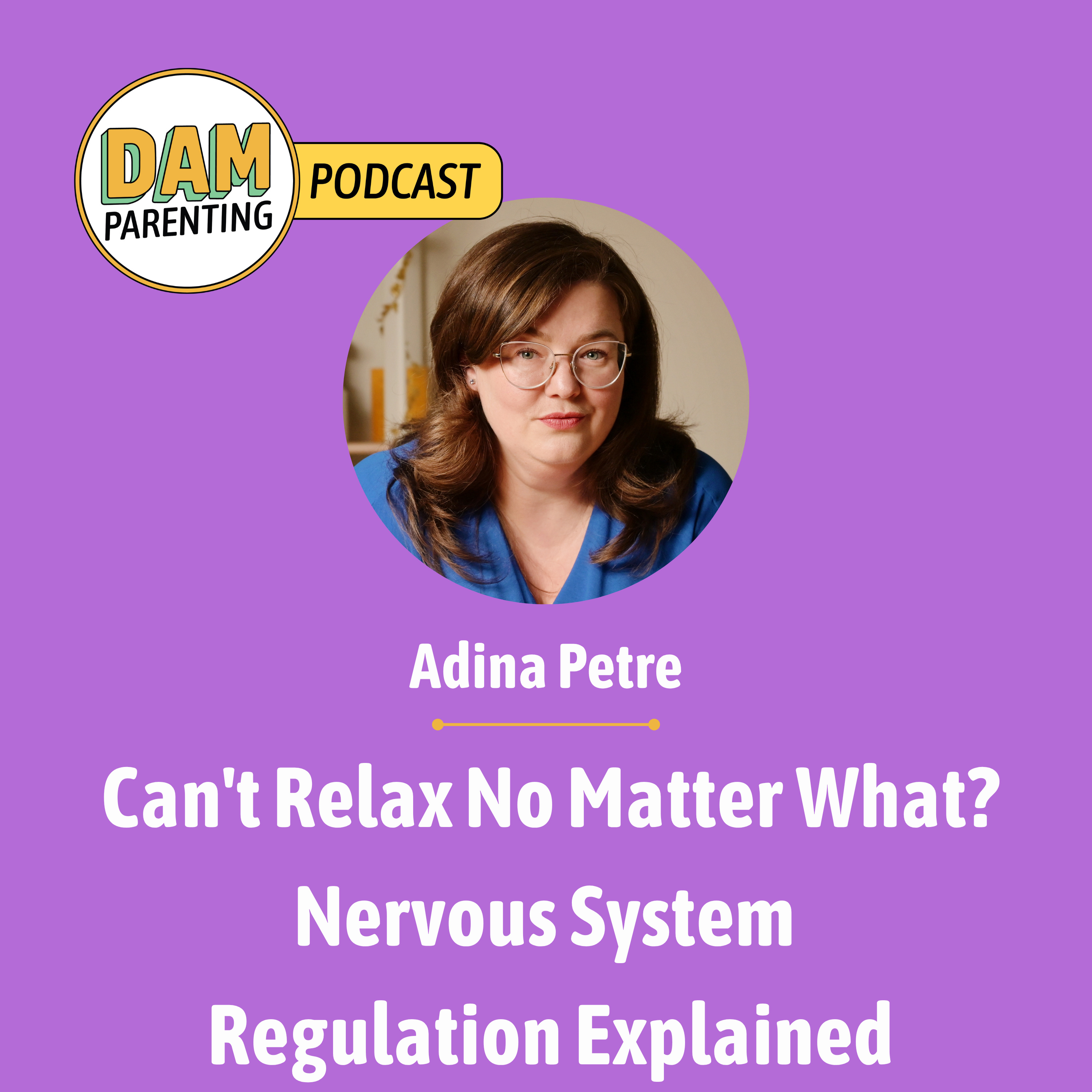
    Can't Relax No Matter What You Try? Nervous System Regulation Explained

    Tried breathwork, silent retreats, sound baths and every calming app going, and still can't relax? You're not bad at it. Your nervous system might just need something different. In episode 3 of DAM Trauma, trauma therapist Adina Petre explains nervous system regulation in plain English. No Latin, no diagrams, no pressure. In this episode: – What regulation actually means (it isn't feeling calm all the time) – The window of tolerance, hyperarousal and hypoarousal, for parents running on empty – Why fight, flight and freeze are automatic, not a willpower problem – Co-regulation when your support network is a plane ride away – What constantly adapting to a new country does to your nervous system – The one thing Adina says doesn't exist at all – A simple, slightly playful tool you can build tonight from an old shoebox For international, expat and immigrant parents in the Netherlands dealing with parental burnout, brain fog, the mental load and the everyday stress of raising a family abroad. If this episode brings up something bigger than a podcast can hold, talk to your huisarts or contact Adina directly. Adina Petre: Instagram Get the DAM Parenting newsletter: once a month, plus early access to the last-Wednesday episode. Find episodes by topic: damparenting.nl

Showing 1–20 of 45 episodes