CyberCode Academy · Today · 24 min
Course 47 - SCADA Security Architect (CSSA) | Episode 10: System Controls & Physical Security Essentials
0:00-24:16
transcript
show notes
System Controls & Physical Security EssentialsEpisode OverviewThis episode explores the foundations of information security controls and physical protection, explaining how organizations safeguard systems, facilities, and critical assets through layered defenses. It examines control classifications, the CIA triad, common security misconceptions, physical security zones, and mechanisms for preventing, detecting, and responding to security incidents.Key Topics Covered1. Security Control Frameworks
You can listen and download our episodes for free on more than 10 different platforms:
https://linktr.ee/cybercode_academy
Get the books of the CyberCode Academy podcast:
📚 The book series: 416 lessons, 12 books, hundreds of original diagrams: security, networking and programming.
https://cybercodeacademy.gumroad.com/
- Control Types: Administrative controls, such as policies and training; technical controls, such as firewalls and access management; and physical controls, such as locks and barriers.
- Control Functions: Preventive, detective, corrective, and compensating controls, each serving a distinct security purpose.
- The CIA Triad: Protecting confidentiality, maintaining data integrity, and ensuring availability.
- Security Misconceptions: Understanding why no single product or control guarantees complete protection and why effective security requires continuous management and layered safeguards.
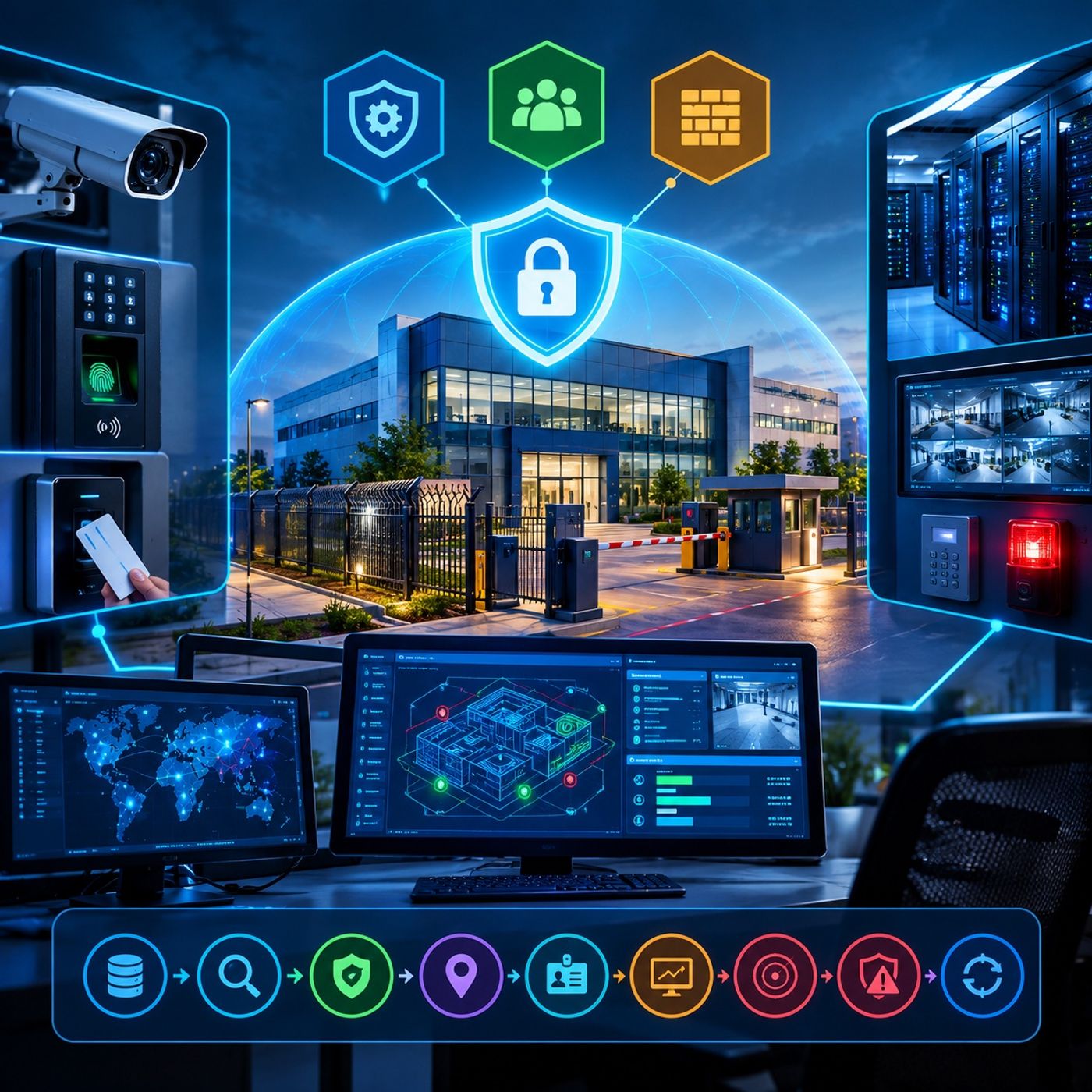
- Core Physical Security Goals: Deterring threats, delaying unauthorized access, detecting incidents, assessing the situation, and responding appropriately.
- Security Zones and Perimeters: Establishing layered boundaries around facilities, restricted areas, server rooms, and critical infrastructure.
- Access Control Mechanisms: Using security guards, locks, keycards, biometric systems, and RFID technologies to manage facility access.
- Monitoring and Response: Combining surveillance, alarms, access logs, and incident response procedures to improve physical security.
- Integrated Protection: Coordinating physical safeguards with cybersecurity controls to protect systems against unauthorized access, tampering, theft, and service disruption.
- Effective security combines administrative, technical, and physical controls.
- Preventive, detective, corrective, and compensating controls provide complementary protection.
- The CIA triad establishes fundamental information security objectives.
- Physical security requires layered barriers, controlled access, monitoring, and an effective response capability.
- Defense in depth reduces reliance on any single security mechanism.
- Physical and cybersecurity teams should coordinate to protect critical assets and maintain operational continuity.
You can listen and download our episodes for free on more than 10 different platforms:
https://linktr.ee/cybercode_academy
Get the books of the CyberCode Academy podcast:
📚 The book series: 416 lessons, 12 books, hundreds of original diagrams: security, networking and programming.
https://cybercodeacademy.gumroad.com/
links2