Little Women, an excerpt
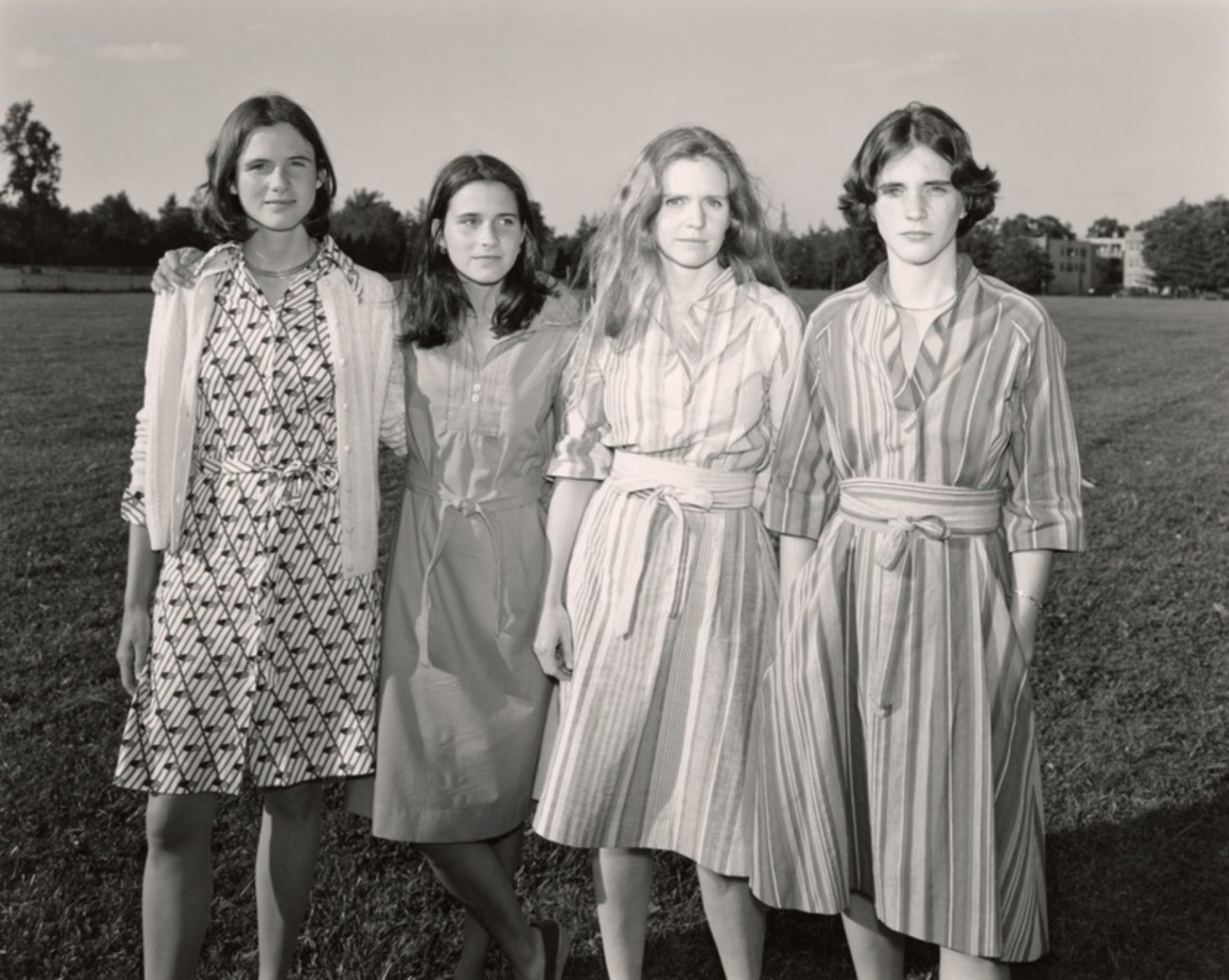
“Four little chests all in a row,Dim with dust, and worn by time,Four women, taught by weal and woe,To love and labor in their prime.” Louisa May Alcott’s bestseller, Little Women, has been a cherished favorite of readers young and old, rich and poor, optimistic and cynical. The only dichotomy that may not be confidently claimed is male and female. Perhaps we’ll break the mold with this reading, given the largely male proportion of Classics Read Aloud subscribers. I do hope so, for Alcott’s sincere tale of deep, hearty familial love and loyalty can be a tonic for any human soul… and I suspect perhaps men could relate to Alcott more than they might realize. Her driving sense of responsibility to provide for her family, sacrificing her own preferences, made her, in a sense, a pragmatic and tireless rower of her family’s canoe. Alcott was the second daughter of four, born to parents of respected lineage and obvious intellect. While not of high society, it was a hardworking family defined by dignity and civic duty. As Ednah D. Cheney remarks in Louisa May Alcott: Her Life, Letters, and Journals, “…the uncommon powers of mind and heart that distinguished her were not accidental, but the accumulated result of the lives of generations of strong and noble men and women. She was well born.” The labors of those prior generations, paired with her upbringing on a diet of clear and confident moral certitude, practically glow from the pages of her most popular work. Readers at any phase of life can find among the comings and goings of the four March sisters, guided by the sagacious counsel of Marmee and Papa March, just the right perspective for facing life’s quandaries with grace and grit. Their lifestyle is so foreign to today’s culture that it can easily be written off as idealistic and pat; however, even the most superficial perusal of Alcott’s letters and those of her family members would quickly contradict such a conclusion. The work was one of realism, born of her own family life. Alcott’s success with the book rather took her by surprise, as she had grudgingly brought it to fruition at the request, repeated many times over until forced to ultimatum, of her publisher, Thomas Niles. At the time, Alcott’s father Bronson was trying to publish a manuscript of philosophical writings. Niles made Alcott’s submission of “a girls’ story” the condition for moving ahead with Bronson’s work. Well, in the words of a woman who cherished her father and his work, “that settled it,” and home libraries around the world are the better for it. Please enjoy… This is a public episode. If you would like to discuss this with other subscribers or get access to bonus episodes, visit classicsreadaloud.substack.com