Skip to content
Artwork for Cinema Callback
TV & FilmFilm ReviewsExplicit

Cinema Callback

Cinema Callback

Cinema Callback — the film podcast made entirely through WhatsApp voice notes

Cinema Callback is a voicemail-based film podcast hosted by Andy and Michael, two lifelong movie lovers from Ireland . Each week they exchange voice messages dissecting cult classics, hidden gems, and new releases. From horror to noir, indie to blockbusters, it’s an honest, playful take on cinema’s best. New episodes weekly.

Play
  • 34 episodes
  • weekly
  • Avg 1 hr 21 min
  • English
Counted on this page — what you have heard stays on this device, so it is not something the list can be paged by.
  • July 1 · 1 hr 40 min

    The Blob (1988)

    In this episode of Cinema Callback, Andy and Michael discuss The Blob (1988), Chuck Russell's gloriously gruesome remake that transformed a 1950s sci-fi B movie into one of the defining horror films of the practical effects era. Through the show's signature voice note conversation format, the hosts respond to each other's ideas over time, exploring not only the film itself but what it reveals about the different ways audiences experience horror. Across a series of voice note exchanges, they debate whether The Blob is a joyous celebration of practical effects, inventive body horror, and classic teen cinema, or whether its relentless focus on gore and spectacle leaves it feeling more like a disposable creature feature. The conversation becomes a wider discussion about horror as a genre, examining why some viewers chase the adrenaline and "genre endorphins" of films like this while others struggle to connect with their appeal. They also explore Frank Darabont's uncompromising screenplay, where no character feels safe, Chuck Russell's effects driven direction, and the film's remarkable practical effects that continue to impress decades later. Along the way, they discuss the difference between laughing at camp cinema and laughing with it, using films beyond the horror genre to examine why certain styles of filmmaking resonate so differently with different audiences. Whether you are a lifelong horror fan, a practical effects enthusiast, or someone still searching for an entry point into body horror, this episode is a deep dive into slime, gore, genre expectations, and why The Blob remains one of the rare remakes widely regarded as surpassing its original.
  • June 21 · 1 hr 2 min

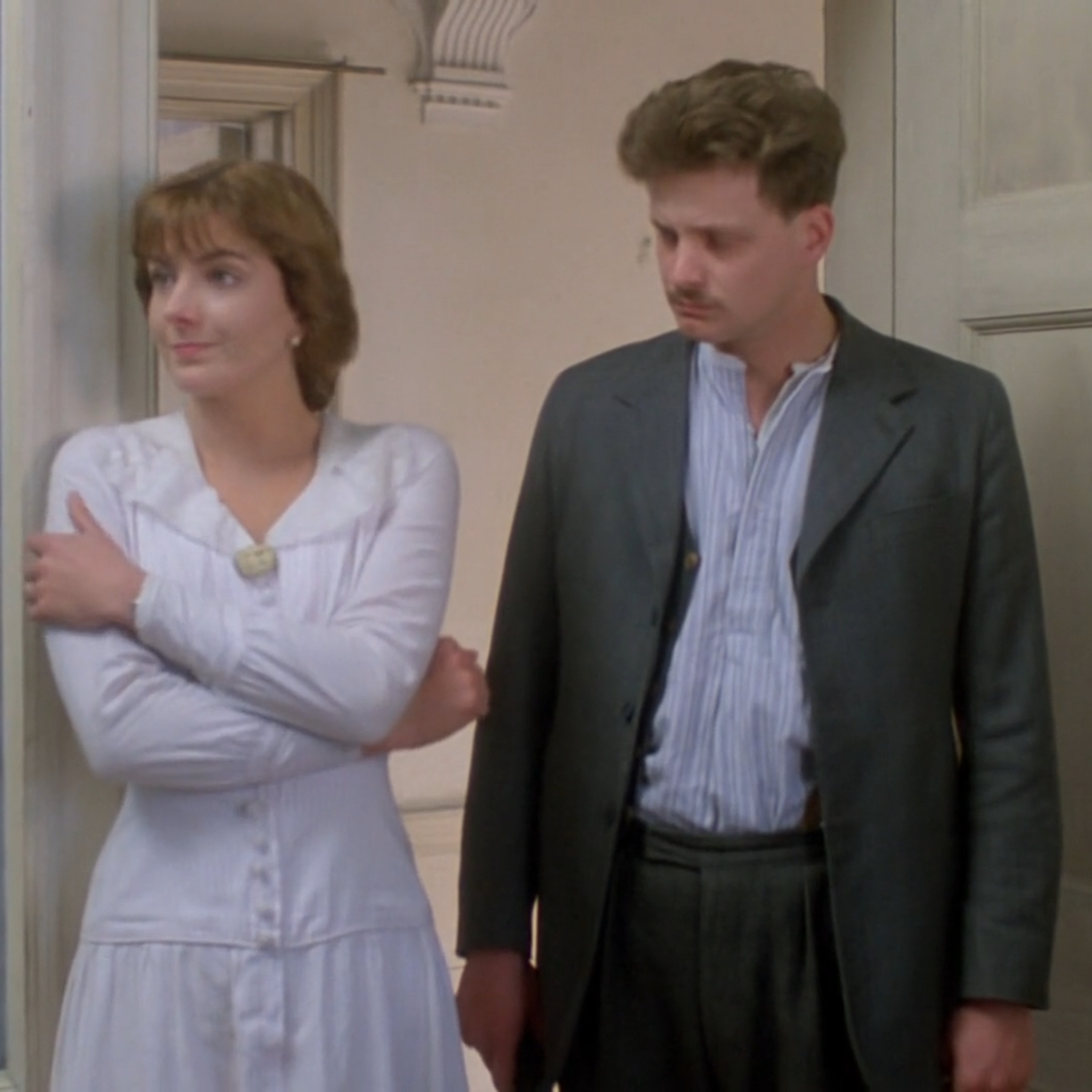
    A Month in the Country (1987) — A Father’s Day Special

    For this special Father’s Day episode of Cinema Callback, Andy is joined by his dad, Jim , to discuss Jim’s favourite film, A Month in the Country (1987). Using the show’s signature voice note format, father and son reflect on a film that means a great deal to one of them and is being experienced for the first time by the other, creating a unique conversation about cinema, memory, and the ways stories shape our understanding of ourselves. Set in a quiet English village in the aftermath of the First World War, A Month in the Country follows two veterans, played by a young Colin Firth and Kenneth Branagh, as they attempt to rebuild their lives in a society that has little understanding of the psychological wounds they carry. Through a series of thoughtful voice note exchanges, Andy and Jim explore the film’s themes of trauma, healing, and the act of uncovering the past, both literally and emotionally. The discussion examines how the film’s central acts of discovery—a medieval church mural and an ancient archaeological site—mirror the characters’ attempts to confront, process, or bury their own experiences. They also explore the film’s portrayal of art, craft, and ordinary village life as a form of therapy long before such language existed, and discuss how meaning can be found in quiet routines, human connection, and shared purpose. Along the way, they delve into questions of memory, identity, symbolism, and spirituality, considering how our relationship with films changes as we age and why certain stories continue to resonate across generations. The episode also reflects on the film’s deeply moving treatment of time, loss, and the feeling of returning to a place—or a memory—with a completely different understanding of who we once were. Whether you are a fan of J. L. Carr’s novel, a lover of understated British cinema, or simply interested in how films connect families across generations, this Father’s Day special offers a heartfelt and deeply personal conversation about one of Britain’s most quietly powerful films.

  • June 17 · 1 hr 31 min

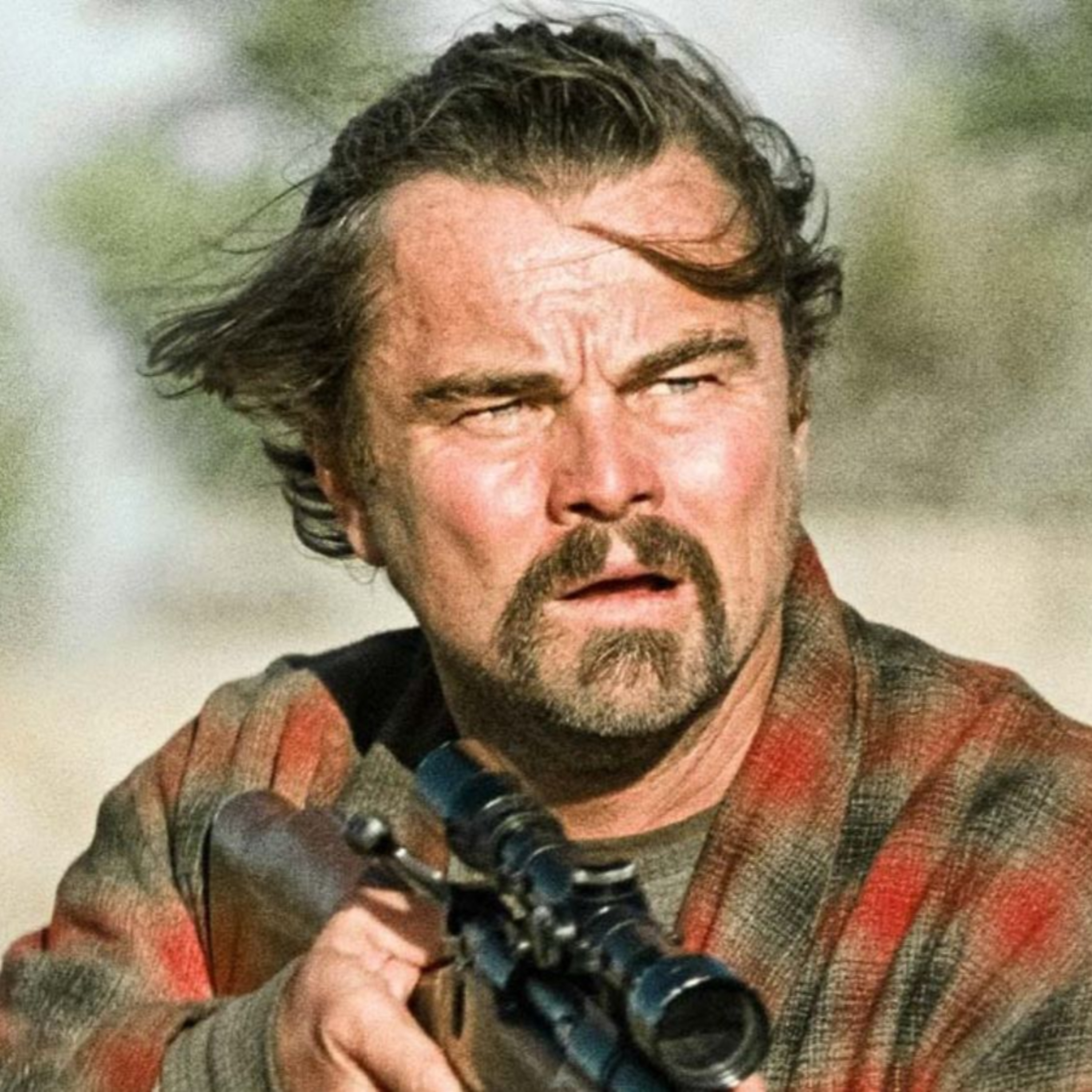
    One Battle After Another (2025)

    In this episode of Cinema Callback, Andy and Michael dive headfirst into Paul Thomas Anderson’s latest cinematic whirlwind, One Battle After Another. Told through the show’s signature voice note format, the conversation unfolds organically over time, with the hosts responding to each other’s ideas, challenging interpretations, and gradually building a picture of the film rather than delivering a conventional review. The result is a discussion that feels closer to an ongoing conversation than a verdict. Across a series of back and forth voice notes, they unpack the film’s kinetic, high octane energy and debate whether it recaptures the spirit of PTA’s early masterpieces like Boogie Nights and Magnolia, or whether it plays more like a deliberately chaotic remix of the director’s greatest themes. Key Discussion PointsThe Last Movie Star: Leonardo DiCaprio’s performance as a seemingly washed up, deadbeat protagonist. Is he perfectly cast as the centrepiece needed to get a film this ambitious made, or does the role deliberately strip away too much of his natural charisma? The Teyana Taylor Factor: Why her magnetic, scene stealing performance creates a vacuum once her character exits the narrative, and how that absence reshapes the film. The Great Revolution Debate: One host sees a timely, pro revolutionary fable, while the other reads the film as a darkly comic satire about the way ideology, bureaucracy, and endless "admin" doom political movements from within. Cinematic Highlights: From the geography and staging of the breathtaking car chase to the unsettling propulsion of Jonny Greenwood’s score, the episode digs into the craft behind some of the film’s most memorable moments. Whether you are here for Benicio Del Toro’s effortlessly brilliant supporting turn, to untangle the film’s politics, or just to find out whether we ever located that elusive Modelo in the beer aisle, this is a deep dive into one of the year’s most energetic, ambitious, and hotly debated films.

  • June 10 · 1 hr 13 min

    Smile 2 (2024)

    In this episode of Cinema Callback, Andy and Michael discuss Smile 2 (2024), Parker Finn’s ambitious follow up to the surprise horror hit, expanding the franchise’s central curse into the world of celebrity, performance, and public scrutiny. Through the show’s voice note conversation format, the hosts talk about the film’s heightened scale, its striking visual set pieces, and how it transforms psychological horror into a commentary on fame and self destruction. They explore the pressures facing its pop star protagonist, the blurred line between reality and perception, and how the film uses spectacle to reflect a mind in crisis. They also discuss the film’s relationship to the original, its blend of mainstream horror and surreal imagery, and whether Smile 2 succeeds in deepening the mythology while retaining the personal terror that made the first film so effective.

  • June 3 · 1 hr 15 min

    Soft & Quiet (2022)

    In this episode of Cinema Callback, Andy and Michael discuss Soft & Quiet (2022), Beth de Araújo’s tense and deeply unsettling thriller that follows a group of women over the course of a single afternoon as casual prejudice spirals into something far darker. Through the show’s voice note conversation format, the hosts talk about the film’s real time structure, its use of a continuous take aesthetic, and how it builds dread through conversation rather than conventional horror mechanics. They explore the banality of extremism, the dangers of group reinforcement, and how ordinary social interactions gradually reveal more disturbing beliefs and intentions. They also discuss the film’s refusal to provide easy distance from its characters, its portrayal of radicalisation and complicity, and why Soft & Quiet is so effective at turning everyday settings into a source of mounting discomfort and terror.

  • May 27 · 53 min

    Together (2025)

    In this episode of Cinema Callback, Andy and Michael discuss Together (2025), a relationship horror film that turns emotional closeness into something increasingly physical, disturbing, and inescapable. Through the show’s voice note conversation format, the hosts talk about the film’s blend of body horror and relationship drama, and how it uses genre to explore codependency, identity, and the fear of emotional dissolution. They examine the shifting power dynamics between the central couple, the film’s uncomfortable intimacy, and the way ordinary relationship anxieties are pushed into grotesque territory. They also discuss the film’s tonal balancing act between horror and dark humour, its use of transformation as metaphor, and why Together feels less interested in monsters than in the terrifying possibility of disappearing completely into another person.

  • May 20 · 1 hr 29 min

    Weapons (2025)

    In this episode of Cinema Callback, Andy and Michael discuss Weapons (2025), the mysterious and deeply unsettling horror film that transforms a single unexplained event into a wider portrait of paranoia, grief, and social collapse. Through the show’s voice note conversation format, the hosts talk about the film’s fragmented storytelling, its atmosphere of creeping dread, and how it uses absence rather than spectacle to generate fear. They explore the way the film shifts between perspectives and communities, gradually revealing how trauma spreads outward through rumour, suspicion, and desperation. They also discuss the film’s relationship to modern horror, its balance between ambiguity and emotional realism, and whether Weapons is ultimately less interested in solving its mystery than in examining what people become when confronted with something they cannot understand.

  • May 13 · 1 hr 11 min

    Hiroshima, Mon Amour (1959)

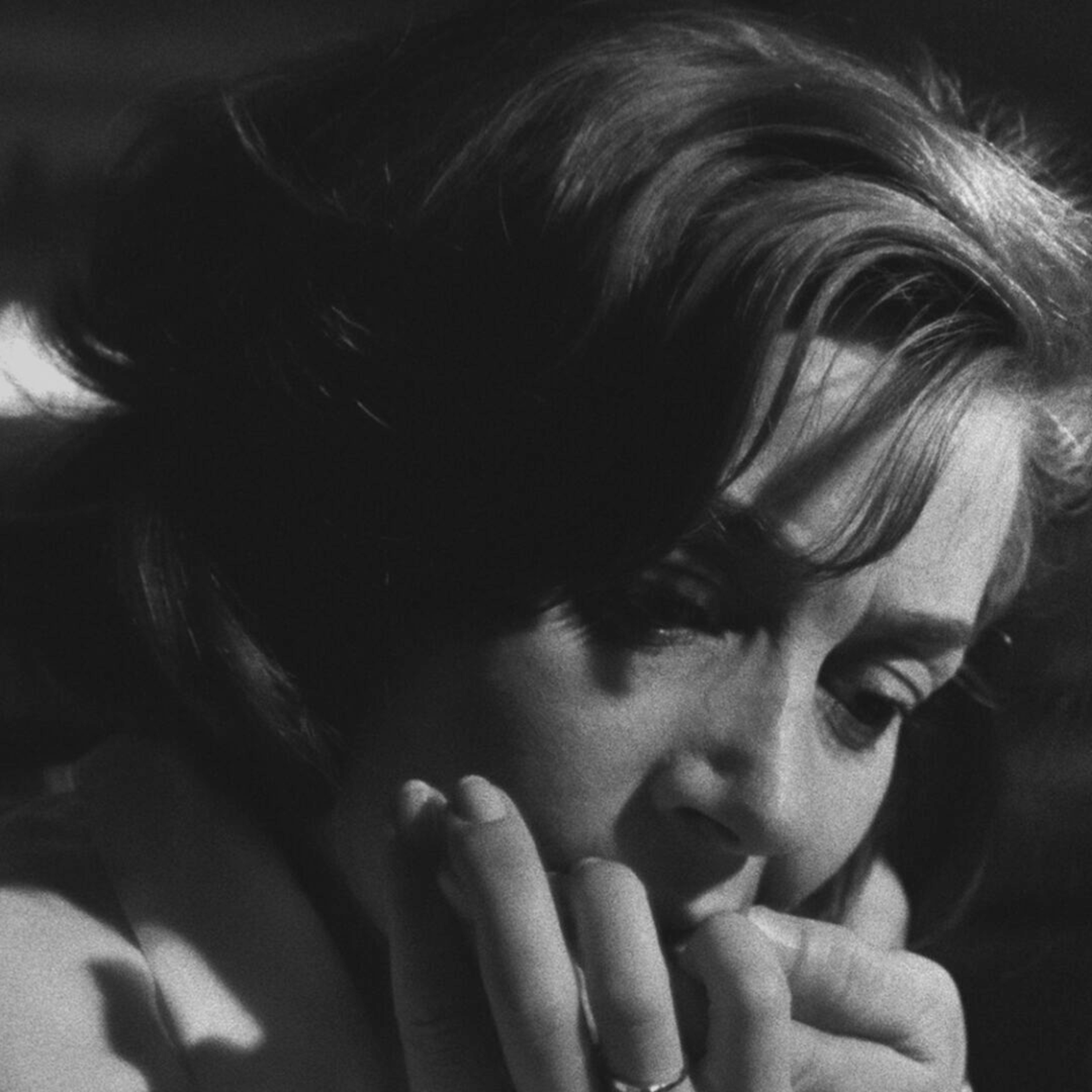
    In this episode of Cinema Callback, Andy and Michael discuss Hiroshima, Mon Amour (1959), Alain Resnais’s landmark exploration of memory, grief, and intimacy in the shadow of historical catastrophe. Through the show’s voice note conversation format, the hosts talk about the film’s fragmented structure, its blending of past and present, and how personal memory becomes inseparable from collective trauma. They explore the relationship at the centre of the film, not as a conventional romance, but as a space where confession, repression, and historical guilt collide. They also discuss Marguerite Duras’s screenplay, the film’s influence on modern art cinema, and why Hiroshima mon amour remains so emotionally and intellectually powerful in its attempt to express experiences that resist language, representation, and closure.

  • May 6 · 1 hr 2 min

    The Novelist's Film (2022)

    In this episode of Cinema Callback, Andy and Michael discuss The Novelist’s Film (2022), Hong Sang-soo’s quietly reflective drama about artistic frustration, creative renewal, and the fragile connections between people who make art. Through the show’s voice note conversation format, the hosts talk about Hong’s minimalist style, his use of repetition and conversation, and how the film blurs the line between casual interaction and philosophical reflection. They explore the figure of the novelist herself, the film’s thoughts on artistic sincerity, and the tension between creating meaningful work and escaping self consciousness. They also discuss the film’s deceptively simple structure, its moments of humour and awkwardness, and why The Novelist’s Film feels less concerned with narrative resolution than with the small, uncertain moments that lead someone back toward creativity.

  • April 29 · 1 hr 45 min

    Bob le Flambeur (1956)

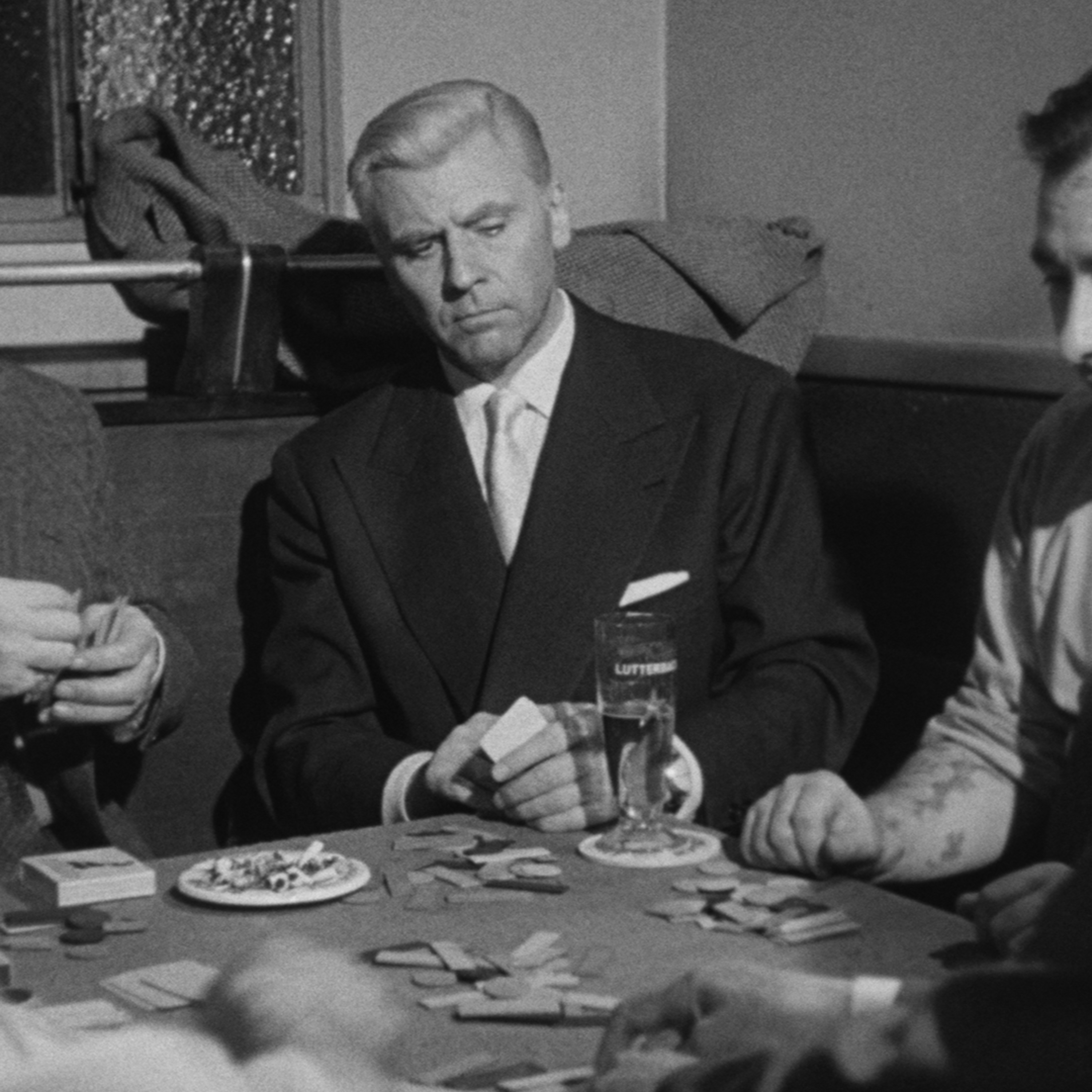
    In this episode of Cinema Callback, Andy and Michael discuss Bob le Flambeur (1956), Jean-Pierre Melville’s quietly influential crime film that blends American noir cool with a distinctly French sense of looseness and chance. Through the show’s voice note conversation format, the hosts talk about the film’s relaxed, almost drifting structure, and how its casual tone masks a precise understanding of character and fate. They explore Bob as a gambler shaped as much by habit as by desire, and how the film treats planning and luck as inseparable forces. They also discuss Melville’s stripped back style, the film’s place as a precursor to the French New Wave, and why Bob le Flambeur feels less like a traditional heist film and more like a study of routine, ritual, and the quiet pull of risk.

  • April 22 · 2 hr 50 min

    High and Low (1963) & Highest 2 Lowest (2025)

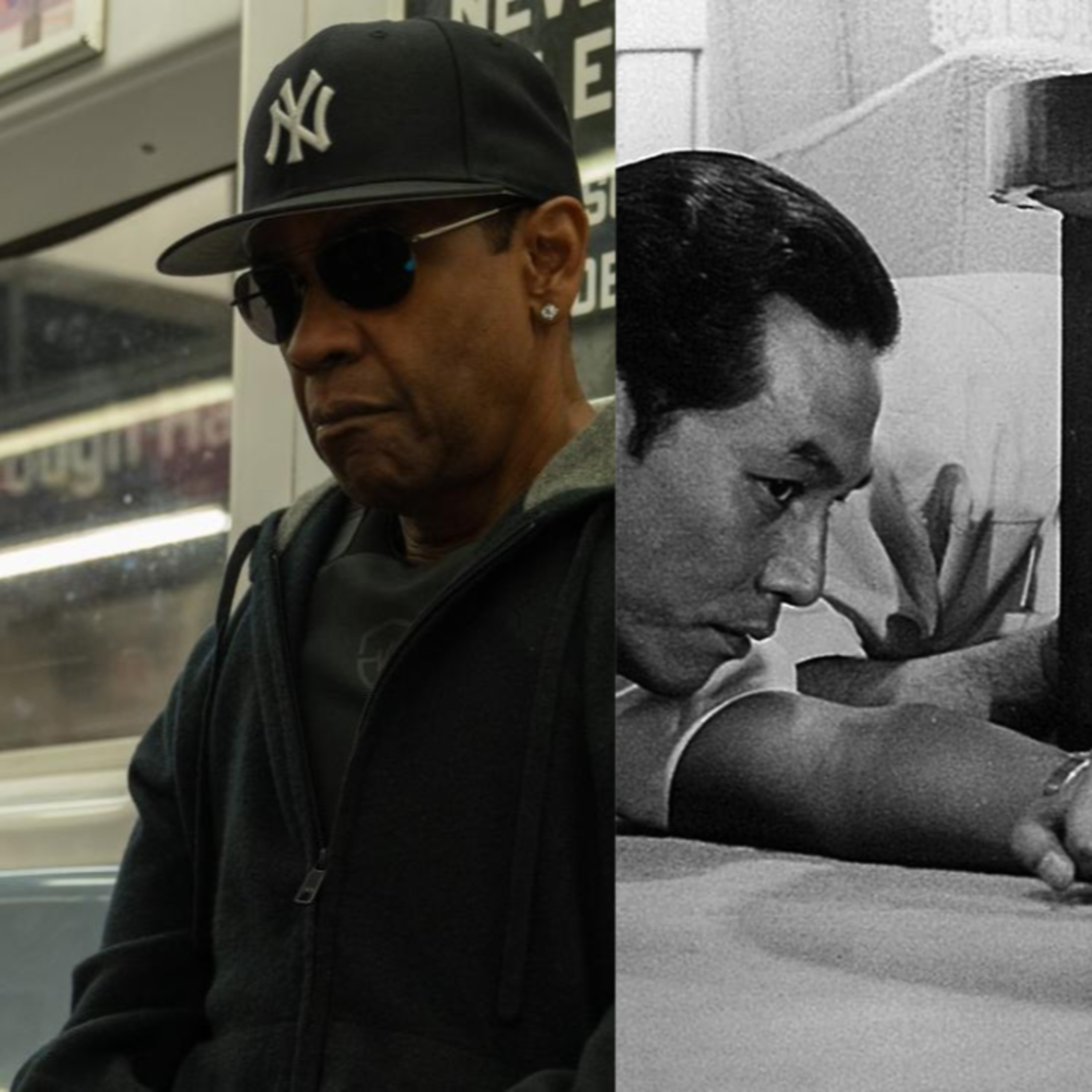
    In this episode of Cinema Callback, Andy and Michael discuss High and Low (1963) and Spike Lee’s Highest 2 Lowest (2025, exploring how the same core premise can be reinterpreted across time, culture, and filmmaking style. Through the show’s voice note conversation format, the hosts talk about Akira Kurosawa’s precise, methodical construction, where moral tension unfolds through space, hierarchy, and procedure, and contrast it with Spike Lee’s more contemporary, stylised approach, examining how themes of class, power, and responsibility are reframed for a modern context. They explore how both films centre on a life altering decision that exposes the divide between wealth and vulnerability, and how each director uses tone, pacing, and perspective to shape the audience’s moral alignment. They also discuss adaptation versus reinterpretation, what is lost or gained in translation, and why the story continues to resonate as a study of status, ethics, and the cost of control.

  • April 15 · 59 min

    Strange Darling (2023)

    In this episode of Cinema Callback, Andy and Michael discuss Strange Darling (2023), a sharply constructed thriller that plays with perspective, chronology, and audience expectation to constantly shift the ground beneath its story. Through the show’s voice note conversation format, the hosts talk about the film’s fragmented structure, its deliberate withholding of information, and how it invites the viewer to make assumptions before quietly pulling them apart. They explore how the film engages with genre conventions, particularly around power, control, and victimhood, and how those ideas are reframed as the narrative unfolds. They also discuss the film’s stylisation, its use of tension and misdirection, and whether its structural ambition enhances or distances the emotional impact, leaving the audience to question not just what they are seeing, but how they are choosing to interpret it.

  • April 8 · 1 hr 14 min

    After Hours (1985)

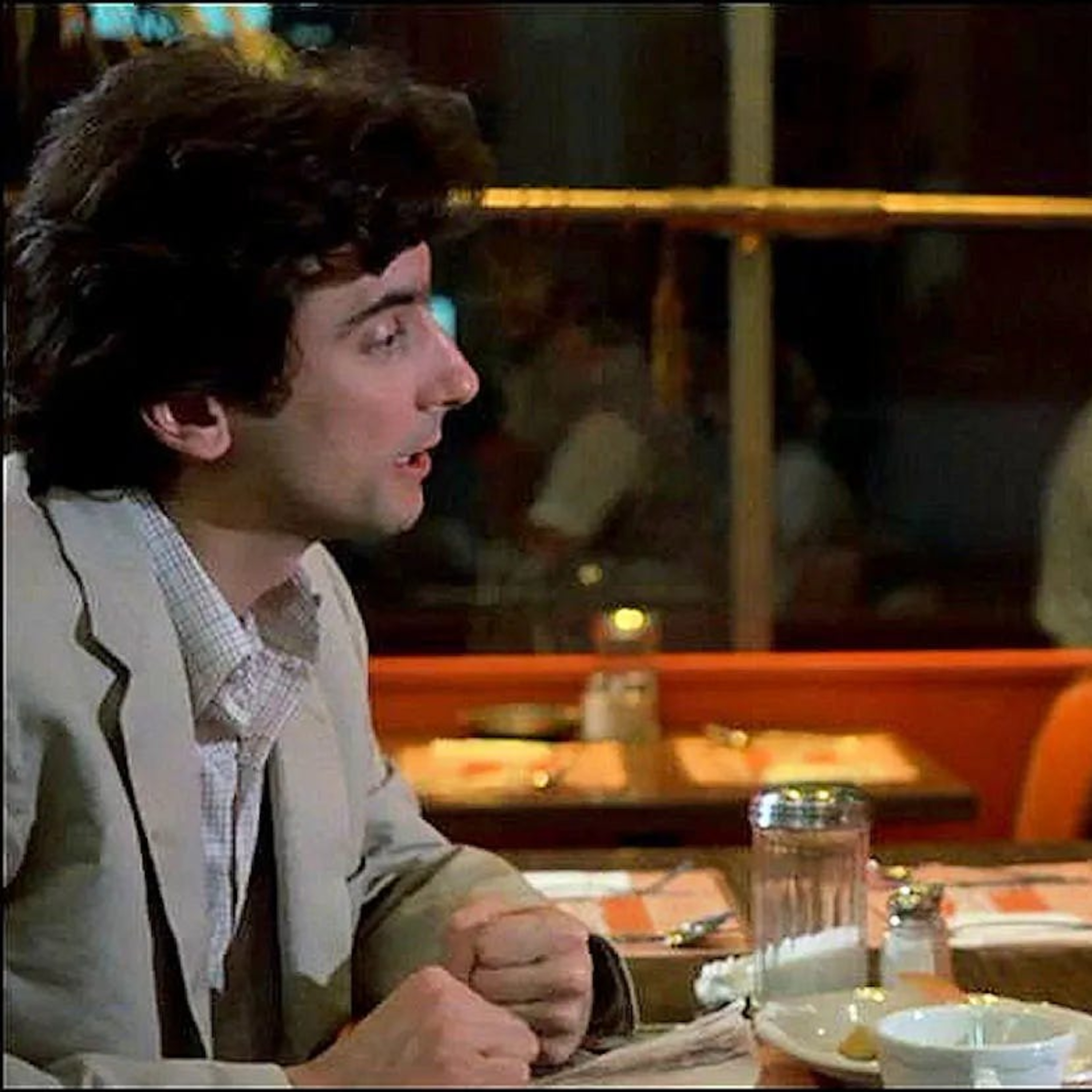
    In this episode of Cinema Callback, Andy and Michael discuss After Hours (1985), Martin Scorsese’s darkly comic odyssey through nocturnal New York, where a simple late night outing spirals into a surreal chain of misfortune and escalating paranoia. Through the show’s voice note conversation format, the hosts talk about the film’s relentless momentum, its nightmare logic, and how ordinary social anxieties transform into existential panic as the night unfolds. They explore Scorsese’s departure from his crime film persona, the film’s precise comic timing, and the way coincidence becomes both narrative engine and psychological trap. They also discuss the film’s portrait of urban alienation, its blend of absurdity and dread, and why After Hours feels less like a comedy of errors and more like a prolonged anxiety dream from which its protagonist cannot wake.

  • April 1 · 1 min

    🎬 Coming Soon on Cinema Callback

    Here’s what’s next on the podcast… We’re heading from 90s indie relationship chaos to one of Scorsese’s wildest nights, a modern thriller full of surprises, and a special double-feature exploring how one story can evolve across filmmakers and generations. Upcoming episodes: • The Daytrippers (1996) — a sharp, funny indie road trip about love, suspicion, and family dynamics. • After Hours (1985) — Martin Scorsese’s cult classic descent into a surreal New York night that refuses to end. • Strange Darling (2023) — a bold, unpredictable thriller that plays with perspective and expectations. • Double Watch: High and Low (1963) & Highest 2 Lowest — Akira Kurosawa’s masterpiece alongside Spike Lee’s reinterpretation. Watch along and subscribe so you’re ready when the episodes drop. 🎧 Cinema Callback — movies worth calling back.

Showing 21–34 of 34 episodes