Skip to content
Artwork for Beyond the Mic with Sean Dillon
ArtsNewsEntertainment NewsLeisure

Beyond the Mic with Sean Dillon

Sean Dillon | Beyond the Mic

I believe every person has value. Behind every headline, hustle, hard-earned moment, and family tales there’s a story worth sharing. That’s why I built Beyond the Mic.

I talk with artists, athletes, authors, icons and people you need to know. I don’t do puff pieces. I ask questions that get to the real stuff: the doubts, wins, detours, and moments that shaped them. The stories that you normally don't get to hear.

Some stories make you laugh. Some hit you in the gut. All of them remind you: people matter, you matter.

I’m not here to be famous. I’m here helping others be heard. I want curiosity to run free, connect communities, and make something that sticks with you long after the mic is off.

Because in a world full of noise, real stories still cut through. Remarkable stories from people you know—and people you should. That's my mission. Let's go #BeyondTheMic.

New Episodes Weekly! A Dog Drool Holdings production — dogdroolholdings.com

This podcast uses the following third-party services for analysis:

OP3 - https://op3.dev/privacy
Podtrac - https://analytics.podtrac.com/privacy-policy-gdrp

Play
  • 30 episodes
  • Avg 16 min
  • English

Support the show

Goes straight to the publisher. podnod takes nothing.

Counted on this page — what you have heard stays on this device, so it is not something the list can be paged by.
  • S9 · E897
    Friday · 5 min

    James McAvoy: Rookie Director at 45, Sweating Blood for It

    James McAvoy was 45 and a rookie. "I'm a rookie director. It's like being 22 as an actor." He directed his first film, "CALIFORNIA SCHEMIN'". What did it feel like to him? Anxiety. Pressure. And the energy that came with both. It could have crippled him. It didn't. Who is harder on you, the actor or the director? The director. He is sweating blood for it. As an actor, "I've made my peace with the fact that people won't like everything I do." He still does good work. In between he does some bad stuff. He's fine with that. Outstanding answer. The film is about two Scottish rappers. Their heroes are Eminem and D12. Label executives laugh at them and call them the rapping Proclaimers. Nobody weighs the talent or the work ethic. They get reduced to an accent. They get told they aren't allowed to do hip hop. Tragedy. That scene is why James wanted in. He also plays the record boss who signs them. He wants you to see a danger and a threat. Then he wants you to understand the logic, even when it comes out wrathful. Then the Rockin' 8. A pina colada snow leopard cake. James says it won him the celebrity Great British Bake Off. He made sure I knew he won. The coldest he has ever been was a night in a New Zealand ravine. Soaked. Freezing. His first London flat had a smell. The deposit never came back. The landlord said they changed too much. All they did was fix the holes in the floor. Fixed the holes. His first paycheck was 130 pounds from two shifts as a trainee confectioner. He bought Nike Air Max. His rap name would be The Director. He picks sunrise over sunset. His grandparents' best dish was steak pie. Then the One Big Question. Four months after James thanked a director for a talk at his school, that director called him to audition. What would he be doing today if that call never came? Two plans. A mid-level university. Or the Navy. "I was probably going to join the Navy." One phone call. That's the distance between James McAvoy and the Navy. James wants you to see "CALIFORNIA SCHEMIN'". Press play first. This podcast uses the following third-party services for analysis: OP3 - https://op3.dev/privacy Podtrac - https://analytics.podtrac.com/privacy-policy-gdrp

  • S9 · E896
    Wednesday · 7 min

    Jimmy Brown of UB40 Hates Airports, So the Band Takes the Bus

    "We've been together since we were kids. So we like each other's company." Jimmy Brown Growing up every teacher tried to make Jimmy Brown stop tapping. Even his mom tried. All of them failed. He is still doing it. I asked who tried hardest to get him to stop: "All of them." Jimmy is a founding member of UB40, the band that took its name off an unemployment form. Why they take a bus on tour instead of flying? Simple, he hates airports. America was designed for being on the road, with truck stops and wide roads. A big comfortable bus beats a terminal hands down every time. These are old friends riding the bus, together since they were kids, and they sincerely like spending these bus rides together. Who picks the movies on the bus? HE DOES! He is the film buff and the range of what they watch is immense. He did laugh when I asked him who had the worst taste in movies. "I'm the film buff and I made them watch obscure stuff, weird shit." When asked whether any film has ever gotten drumming right. His answer was definitive. What about Whiplash?? "they annoy me. All drumming movies annoy me." "...playing slower is a lot harder than playing really fast." That idea comes back in the One Big Question. Reggae asks a drummer to hold back. Jimmy lays the drums down first, along with the bass, and he says you have to give space to other people to do their thing. He calls it discipline. "if you want to play reggae, you've got to be disciplined because you're not going to do much" but what you do has to be perfect. The Rockin' 8 turned up some nuggets of gold including the best place to eat in Birmingham and the first thing he does after a tour is finding, well you'll have to listen to hear what. It's a Beyond the Mic Short Cut. It is short on purpose. A good drummer knows when to leave space. This podcast uses the following third-party services for analysis: OP3 - https://op3.dev/privacy Podtrac - https://analytics.podtrac.com/privacy-policy-gdrp

  • S9 · E895
    September 29 · 9 min

    Michael Epstein - Truths of "Fault Line: Haditha"

    Twenty years ago, Michael Epstein made a film about a Marine Reserve unit out of Columbus, Ohio. That film put him inside the Haditha case, and he never left it. The staff sergeant charged with 18 counts of murder, told his lawyers for years he couldn't remember what happened, which is a bad defense friends. Epstein took him back into House 2, the room where the government said he killed a family. The camera was rolling, to see if his memory would come back. He was behind the camera and asking the questions with no lawyers in the room. What Epstein found going deeper wasn't just one man's memory. It was a government that charged an innocent Marine as the fall guy, gave immunity to Marines they knew were guilty. What was worse, they put witnesses on the stand they'd been told were lying, and withheld eyewitness testimony from its own investigators. He took the finished film to Tribeca. Nobody would distribute it. He got angry at what he calls the gatekeepers, the people who told him nobody out there cared about this story. He didn't believe that, and he didn't let it go. He says there are millions of people, thousands of people, who care about stories like this one, they just needed someone to put it in front of them. Twenty years later, Fault Line: Haditha is a 13-episode podcast with a companion documentary film for every episode, the raw footage he couldn't get anyone to release now going straight to YouTube, no editing, no gatekeeper. Last year, working with the BBC, Epstein brought two decades of forensic evidence and testimony back to Safa, the sole surviving witness of House 2, and gave her the truth the government had withheld from her for decades. Her new testimony is the final piece of the puzzle, and it's in his podcast. Michael Epstein joins Sean for the Rockin' 8: the last Michigan football game he saw live, his favorite restaurant in Brooklyn, what teaching screenwriting at SVA has taught him about his students, and the album he'll defend to anyone who calls it overlooked. He talks about his mentor Bill Moyers, his daughter's own reporting career, and the promise he made himself the day this whole thing started, one he says he's kept, because he's still here talking about it. Just another Beyond the Mic Short Cut with Sean Dillon. Fault Line: Haditha is out now, wherever you find podcasts, with companion films on YouTube. This podcast uses the following third-party services for analysis: OP3 - https://op3.dev/privacy Podtrac - https://analytics.podtrac.com/privacy-policy-gdrp

  • S9 · E894
    September 28 · 31 min

    Jack Stewart Sent Jack Ryan Jr. Underwater Instead of Back Into a Cockpit

    Scariest environment you haven't written about yet... "The halls of Congress." - Jack Stewart Jack Stewart spent 23 years landing fighter jets on aircraft carriers at night. He says landing on a carrier never really gets easy, and it never gets enjoyable either. That's the same discipline he brought into taking over Tom Clancy's Jack Ryan Jr. series. Instead of writing another cockpit story, Stewart sent his first outing 600 feet underwater instead. The choice traces back to years after he left active duty, when he managed a dive operation for an undersea construction company. He watched deep sea divers up close and decided they were crazier than pilots. To write about them honestly, he went and got scuba certified himself, and came away with a fact that still surprises him: a diver 600 feet down is technically farther from breathable air than an astronaut on the space station. Stewart also opens up about the people who shaped him. A wing commander once pointed him toward an open F-18 slot in the reserves, a conversation Stewart says changed the direction of his entire career. On the Rockin' 8, he tells the story of reenlisting a family friend as the man made master chief, the same person Stewart had sworn into the Navy years earlier as a young lieutenant. He talks candidly about writing Master Diver Carla Bennett, a character built to make his lead cede control to someone else entirely, something Stewart says a lot of men in the military still struggle with. And he gets honest about writing inside a franchise this size. He still doesn't feel like he belongs in the same category as the writers who came before him in the Ryanverse, and says that discomfort is exactly what keeps his stories sharp. Stewart also talks about restlessness. After 23 years of always chasing the next mission, he says he's still learning what it means to sit still. His go-to fix when a scene gets heavy is a playlist full of Sublime and Slightly Stupid, which he says keeps him calm enough to actually get the words out. None of this happens without his family. He's been married 22 years, weathered deployments and airline schedules together, and now juggles book tours around flying full time for Southwest and visiting his sons at the Air Force Academy and Texas A&M. Tom Clancy Pressure Depth is out now, wherever books are sold and at jackstewartbooks.com. This podcast uses the following third-party services for analysis: OP3 - https://op3.dev/privacy Podtrac - https://analytics.podtrac.com/privacy-policy-gdrp

  • S9 · E893
    September 24 · 13 min

    Ali Siddiq Explains Why Custom Fit Tour Isn't About Clothes

    "I have no need for a bell-bottom, double-breasted yellow suit at this point." - Ali Siddiq Welcome Ali Siddiq We’re joined on the Starline by a comedian who turned down Netflix, bet on himself, and just won the first NAACP Image Award ever given to an independently released special. His special My Father is streaming now. We welcome Ali Siddiq. Ali, let’s go Beyond the Mic You've put out more than fifteen specials, and My Father only came out this year. Why did that one take this long to be ready to make, when it's a story you've been carrying your whole career? Custom Fit Tour is your first real run through arenas. How do the different size rooms feel on the road compared to the Houston stages you learned on? Three Webbys and that NAACP Image Award. Which one actually caught you off guard? The Rockin' 8: Ali Siddiq’s Custom Fit Tour is on the road and Ali joins us for the Rockin’ 8, 8 random questions, just trust your first instinct. There is no Pressure. 1. The tour's called Custom Fit. Who or what actually got measured for that name, the show, the audience, or you? 2. You grew up in Third Ward. Is there one block or corner in that stretch that still means something every time you drive past it? 3. Between boxing and Muay Thai at the gym and running Tom Bass Park, sometimes three miles, sometimes the full six and a half, what decides which kind of exercise you need on a given day? 4. You've hosted Jive Turkeys every November since 2009, raising money for the Houston Food Bank, longer than most of your specials have existed. What keeps that one on the calendar every year when everything else about your career has changed around it? 5. What's one skill from live radio you still use on stage or in the writers' room that people wouldn't expect came from your history? 6. Speaking of hustling, with your daughter a chef, what's the one thing you like cooking yourself? 7. What's one house rule that applies to all your kids, no exceptions, no matter their age? 8. Fans yell out for classic bits like "Mexicans Got on Boots," but you actively refuse to lean on crutches. How do you know when a joke has truly reached its "Sell By" date? Sneaking in a Couple More: You'll give us fifteen minutes today. Somewhere else this week you probably said no to twenty. What actually decides which room or person gets your time? A lot of comics chase the network pilot pipeline as the holy grail. What made you decide that the stage and the independent route were the only acceptable compromises for your art? With the heavy, dramatic, and real-life emotional weight your stories carry, how do you personally measure whether a show was a success for you on stage? One Big Question: What would you want your grand kids to think of the growth and resiliency that you have found in your life? The Wrap: He loves cooking for himself, demands his kids to wash their face and brush their teeth and wants you to see the Custom Fit Tour today. Ali Siddiq, thanks for taking the time to talk with us today. And that my friends is Beyond the Mic. This podcast uses the following third-party services for analysis: OP3 - https://op3.dev/privacy Podtrac - https://analytics.podtrac.com/privacy-policy-gdrp

  • S9 · E892
    September 20 · 9 min

    James Paxton on Finally Sharing a Screen With Malcolm McDowell

    "The cool thing about this story is they both teach each other something throughout the film... That's one of my favorite elements of the film, book smart versus street smart." - James Paxton Welcome James Paxton: We're joined on the Starline by an actor and musician who's built his own lane in Hollywood. He's trading gunslinger banter with Malcolm McDowell in “Last Train to Fortune”. We welcome James Paxton. It’s been a big week for you... James, let's go Beyond the Mic. More than 10 years ago, you posted a photo of you and the inimitable Malcolm McDowell on social media. Did you ever think the two of you would actually work together, and why was Last Train to Fortune the perfect film for it? The whole movie rides on you and Malcolm having a specific kind of chemistry, a guy who can't read stuck with a guy who won't stop reading. What did building that with him actually look like on day one? This story is basically an argument that not knowing how to read can get you killed out there. What part of Dooley did you recognize in yourself when you first read this script? The Rockin' 8: Last Train to Fortune is the film and James Paxton joins us for the Rockin’ 8, 8 random questions, just trust your first instinct. There is no Pressure. 1. Malcolm McDowell's been doing this over 60 years, James. What's one habit or ritual of his on set that you've already started stealing for yourself? 2. You've done crime drama on Eyewitness, horror in BIT, big studio action in Twisters, and now a Western. Which of these was the one you walked onto set the most nervous about getting right? 3. First thing you look for at a farmers market? 4. You went from wanting to cover other people's stories to being the one interviewed constantly. Is there a question reporters keep asking you that you think misses the actual story? 5. You have to get rid of one forever: modeling, playing music, or acting. Which one gives the heave ho? 6. Is there someone outside music entirely, a filmmaker or writer, who's shaped the Love, Pax sound more than any actual musician has? 7. Between acting, music, and everything else, what's the one thing you do purely because you're bad at it and don't care? 8. What was the first guitar you ever got, and who got it for you? Sneaking In A Couple More: Before any of this, before Twisters, before your last name meant anything in this business, Dan Gilroy gave you your first real job in Hollywood at nineteen. What's your best memory of him? What did he see in you that day that you don't think you saw in yourself yet? One Big Question: If you walked into every room in this industry under a different last name, one nobody recognized, what do you think would be the first thing people actually noticed about you? The Wrap: He wants to be better at basketball, got his 1st guitar from his 4th grade teacher and wants you to see Last Train to Fortune. James Paxton thanks for taking the time to talk with us today. And that my friends is a Beyond the Mic Short Cut. This podcast uses the following third-party services for analysis: OP3 - https://op3.dev/privacy Podtrac - https://analytics.podtrac.com/privacy-policy-gdrp

  • S9 · E891
    September 11 · 10 min

    Eriq La Salle on Writing Solomon, and Finding His Own Compassion in a Killer

    "Solomon, I always envisioned him as the African version of Luca Brasi from The Godfather.", Eriq La Salle Welcome Eriq La Salle: We're joined on the Starline by the actor and director who spent nine seasons on ER, directing your favorite shows and just published his most personal thriller yet, “Laws of Solomon”. We welcome Eriq La Salle. Eriq, let's go Beyond the Mic. As an author, it's your job to get the reader invested in the main character's journey. Why is Solomon's road to peace necessary? "Solomon kept his eyes closed until he finally mustered the strength to speak the two words that he never imagined having to say, even under such unimaginable circumstances. “I’m…I’m sorry.” Have you written your own compassion into Solomon? The Rockin' 8: Laws of Solomon is the book, and Eriq La Salle joins us for the Rockin' 8, 8 random questions, first thought, no pressure. But you only have 10 words. 1. You've directed across pretty much the entire Dick Wolf universe at this point. Which character intrigues you the most? 2. You've said a villain who feels justified makes for the best storytelling. Which movie villain would you actually want to sit down and get to know? 3. What's the one movie you'll watch to the end, no matter where you pick it up? 4. What's your favorite breed of dog? 5. Best UConn basketball game you've ever seen live? 6. You kicked off this book tour in Harlem, at Friendship Baptist Church. What went through you that day? 7. Three words that describe your friend Michael Beach? 8. What's your biggest failure, and how did it change you, and Solomon's journey? Sneaking in A Couple More: "Revenge was much more for the living than the dead." Why do you believe in Solomon's redemption, as well as for people in general? Instant follow up : Do people want redemption? Why? Have you found redemption? You've said you might have undiagnosed ADHD, and that you write for people like you. How has the way you write changed from when you started to now? So what are you working on now? One Big Question: Who is the forgotten character in your life? The Wrap: He’ll always watch The Godfather till the end, Michael Beach is loyal and he wants you to read his book “Laws of Solomon”. Eriq LaSalle, thanks for taking the time to talk with us today. And that my friends is Beyond the Mic Short Cut. This podcast uses the following third-party services for analysis: OP3 - https://op3.dev/privacy Podtrac - https://analytics.podtrac.com/privacy-policy-gdrp

  • S9 · E890
    September 3 · 8 min

    The Attic Artifact That Led Katie Sanders to Her Grandfather's Rescuer

    "...(Ortiz) never went back to Centron", Katie Sanders Welcome Nick Reynolds and Katie Sanders We’re joined on the Starline by a journalist, who chased a 1949 recording to the Marine who saved her grandfather in Nazi-occupied France, and a historian, who kept that Marine's photo on his CIA desk for years. o-authors of “Ortiz's War: The Allies' Secret Weapon Against the Nazis in France”. We welcome Katie Sanders and Nick Reynolds. Friends, let’s go Beyond the Mic. Katie, you found a scratchy old recording of your own grandfather's voice completely by accident. What did chasing that down actually cost you, across nine years, to see this through? Nick, you'd already written a prize-winning history of American WWII intelligence. What made Peter Ortiz specifically the guy whose photo stayed on your desk, not somebody else out of that same story? The Rockin' 8: Ortiz's War is the book, and Katie Sanders and Nick Reynolds join us for the Rockin' 8, 8 random questions, just trust your first instinct. There is no Pressure. Since we have two guests we’ll alternate questions but you only have 10 words to answer. 1. Katie, favorite course at UPenn? 2. Nick, what section of the Library of Congress feels like home to you? 3. Katie, one word to describe Peter Ortiz, first thing that comes to mind? 4. Nick, will the Kryptos cipher key for K4 ever be produced? 5. Katie, the one place on the Jewish Book Council tour you're most looking forward to? 6. Nick, best Marine Corps Birthday Ball you've ever attended, where was it? 7. Katie, most unexpected artifact you found during research? 8. Nick, actor, living or dead, who should play Ortiz in a movie? Sneaking in Couple More: You both live with dogs. Since we're on the record, what makes your dog the best? Katie, between Google, Harry's, and Condé Nast, which office had the best snacks? Nick, between farming, writing a novel, and mountain climbing, which "detour" did you actually take most seriously? One Big Question: Ortiz surrendered himself twice, once to spare a village, and years later, in a way, to spare himself the fight of trying to explain a war nobody back home really understood. If he walked into this room today and heard what his one choice at Centron actually built, a family that exists three generations later because of him, what do you think he'd say? The Wrap: She loved driving a van to prison, he thinks Jacob Elordi should play Peter Ortiz in a Movie. They want you to read “Ortiz's War: The Allies' Secret Weapon Against the Nazis in France”. Katie Sanders, Nick Reynolds thanks for taking the time to talk with us today. And that my friends is a Beyond the Mic Short Cut. This podcast uses the following third-party services for analysis: OP3 - https://op3.dev/privacy Podtrac - https://analytics.podtrac.com/privacy-policy-gdrp

  • S9 · E889
    August 30 · 8 min

    Joe Amodei on "Cold War in Philly: Flyers vs. Russia 1976"

    "I made a decision very early on to just let the Flyers tell the story." Welcome Joe Amodei We're joined on the Starline by a guy who's spent forty years deciding which movies get made and how they get sold and never once his own. That changes now. "Cold War in Philly: Flyers vs. Russia 1976" is his first film in the director's chair, and it's out now. We welcome Joe Amodei. Joe, let’s go Beyond the Mic. Every one of these players is going to be gone within a generation or two, and this film is what's left. Is there a question you wish you'd asked one of them, that you didn't realize you'd missed until the interview was already over? You've watched thousands of documentaries as a distributor. What's the cliché you were most afraid of accidentally making with this one and was there a moment in the final cut where you caught yourself doing it anyway? What made this game so special for you? The Rockin' 8: "Cold War in Philly: Flyers vs. Russia 1976" is the film, director Joe Amodei joins us for the Rockin’ 8, 8 random questions, just trust your first instinct. 1. You've been distributing films since the VHS era. What's the one title you distributed that you still feel never got the love it deserved? 2. What was the first Flyers game you ever saw live? 3. How do you actually eat a Reese's cup: nibble around the edge, or one big bite? 4. You're a Turner Classic Movies fan. What's your actual favorite film that plays on TCM? 5. What's your real favorite Bruce Springsteen song? 6. Sunsets or sunrises? 7. Out of everything you've collected across forty years and dozens of films, is there one object that isn’t an award or family member you'd grab first if the house was on fire? 8. You lost a few of these players while you were still making this film. Was there a specific day when you got the call or text and do you remember exactly who had passed? One Big Question: You've spent forty years deciding which movies were worth someone else's time. Is there one thread connecting every film you've ever put your name behind and did making your own tell you what it is? The Wrap: He eats Reese’s cup in one big bite to his wife’s dismay and loves Chaplain’s “City Lights”. He wants you to check out "Cold War in Philly: Flyers vs. Russia 1976," in theaters now... Joe Amodei, thanks for taking the time to talk with us today. And that my friends is a Beyond the Mic Short Cut. This podcast uses the following third-party services for analysis: OP3 - https://op3.dev/privacy Podtrac - https://analytics.podtrac.com/privacy-policy-gdrp

  • S9 · E888
    August 27 · 29 min

    Director Andy Billman Found His Dick Allen Film in an Audio Tape Nobody Was Looking For

    "What's ironic, Sean, is it's not video, it's audio." Welcome Andy Billman We're joined on the Starline by the director who spent four years turning one baseball injustice into a five-part series, “My Father, Dick Allen”. Two Emmys, a Peabody, and a lifelong Cleveland kid at heart. We welcome Andy Billman. Andy, let's go Beyond the Mic. This started as a one-hour film and became a five-part series over four years. What was the moment you realized one hour wasn't going to hold this story? What was the exact piece of footage, that made you say this isn't just a baseball story, this is the one I have to make next? Working this closely with Dick Allen's own family, specifically his son, changes the shape of a biography. How did that relationship set the boundaries of what you were willing to put on screen? The Rockin' 8: “My Father, Dick Allen” is the series and Andy Billman joins us for the Rockin' 8, 8 random questions, first thought, no pressure. 1. At either Big Met or Little Met, what's the best round you ever put together? 2. Of every 30 for 30 you've cut, which one nearly broke you in the edit bay? 3. Is there one person you wanted for this film and just couldn't land? 4. The one thing you always tell your public speaking students at New Haven? 5. Toughest interview you ever sat across from. Who was it? 6. Best Stuart Scott memory. Go. 7. Time machine, any sports story ever. Which one are you directing? 8. First Cleveland memory. The one that made you fall in love with this city, or broke your heart? The Back Half: “My Father, Dick Allen” is the series and Andy Billman joins us for the Back Half. You've spent your whole career telling other people's hardest stories. What did four years inside Dick Allen's story cost you personally? How has storytelling changed you? What’s the one story you wanted to tell but you can’t. So what is story that you got from your parents? Justice: “My Father, Dick Allen” is the series and Andy Billman joins us Beyond the Mic. You've made films about a city that lost for fifty years and a man who waited fifty years to get in. Why are you drawn to stories about people who have to wait too long for justice? Andy, what's the thing about making this film you almost didn't survive, creatively, emotionally, or logistically? You were a deer in headlights writing for Stuart Scott at 22. What would that version of you think of the guy directing his own five-part series now and all the things you’ve done? Andy, what’s the 1st thing you bought with 1st paycheck from ESPN? Four years is a long time to live inside one man's story. What do you know about your own father, or your own family, that you didn't know before you made this? And how did this change the way you are with your boys? Don Reiber believed in you before you'd done anything to earn it. Who else in your life did that, and did you ever get to tell them it mattered? What’s your thoughts on the media world right now? One Big Question: You spent four years making sure history finally got Dick Allen right. When you look at your own life outside the editing room, who is the person you’re still working to truly understand? The Wrap: “Youngstown Boys” nearly died in the edit bay, Jim Brown was scary and director Andy Billman wants you to see “My Father, Dick Allen”. Andy thanks for taking the time to talk with us today. And that my friends is Beyond the Mic. This podcast uses the following third-party services for analysis: OP3 - https://op3.dev/privacy Podtrac - https://analytics.podtrac.com/privacy-policy-gdrp

  • S9 · E887
    August 22 · 32 min

    Tom Provost on Young Washington: Decades as a Ghostwriter, Now a Name on the Poster

    "You're going to die and nobody's going to remember you 50 years after that." — Tom Provost Welcome Tom Provost: We’re joined on the Starline by a true Hollywood polymath. Writer, director, actor, teacher, and part time charity CEO. Hollywood’s go to script is in the spotlight now with his film “Young Washington”. We welcome Tom Provost. Tom, let’s go Beyond the Mic. Every version of Washington we've had is the marble statue. What made you want to write him at his most unfinished? He was young, unsure, capable of a mistake that could've ended everything? How has your views of Washington failures changed since researching and writing this? The film has an icy river sequence too dangerous to actually shoot. But a pool in Ireland stretched into a frozen death trap with the assistance of AI. What was it like watching a scene you wrote on paper become something so dangerous that technology had to invent it? What's the one scene in this movie you fought hardest to keep true, even when an easier version could've played safer? The Rockin' 8: Young Washington is the film and Tom Provost joins us for the Rockin' 8. 8 random questions, just trust your first instinct. There is no Pressure. 1. You played Ensign Filie on SeaQuest DSV right as the network was retooling it into the ground. What did that teach a young actor about how Hollywood actually works? 2. A friend of mine once drank 32 oz of blue cheese dressing on a dare. Could you? What’s the secret of your blue cheese? 3. When you're at the movies, what snacks do you buy and if it's popcorn, how do you treat it? 4. If you had to build the perfect menu for a night watching Young Washington, what's on it? 5. Ten years waiting tables: Is there one shift or one table you still think about today? 6. After the fire took 1,832 of your books, what was the one you went looking for first to replace? 7. Is there a smell that means home to you? 8. What's a piece of advice from a parents that didn't actually land until years later? The Impossible Question: If you could hand the script of your own life to a 21-year-old Tom Provost, what's the one scene you’d let him edit? And if he chose to fix it, would you still be the man who made “Young Washington”? The Back Half: Tom Provost from “Young Washington” join us Beyond the Mic. Four years at UT Austin studying English lit, film production, and criticism. How did those years actually prepare you for the life you're living now? You co-wrote “Under Suspicion” decades ago, then years as a script doctor and consultant before your name went back on a poster with “Young Washington”. What made these two projects worth stepping out from behind the curtain for? How have your thoughts on respect changed? This film leaned on AI to build shots too dangerous or expensive to shoot for real. Has working with AI changed how you think about your own process as a writer? There's a line in the film: "The world is often an unfair place, and you must take what it gives you and make it yours." What have you taken from the world and made it yours? Tom, you are a giver, as the founder and CEO of Bags and Grace, how does surviving your own house fire change what you think people actually need when they've lost everything? Teaching: Tom Provost from “Young Washington” join us Beyond the Mic. You teach film making and acting to students who want the career you have. What's the one lesson you didn't actually understand yourself until you'd already failed at it? Who challenges you now? You had early success with a produced, Edgar-nominated screenplay, a directed feature that won festival awards. Then years as a script doctor and consultant, other people's names on the poster. Was there a point you thought your own name might not go back on one? What’s on your list now? Tom, what did you get from your dad that's different from what you got from your mom? When was the last time you lost your temper? One Big Question: Your mother is a historian of the American Revolution. She handed you this country's story before anyone else did. If she watched this film sitting right next to you, what's the one moment you'd most want to see land on her face? So the best vacation was where? Your best memory of family is… The Wrap: He likes milk duds in his popcorn, waited once on Robin Williams and wants you to watch “Young Washington” now. Tom Provost, thanks for taking the time to talk with us today. And that my friends is a Beyond the Mic XL. This podcast uses the following third-party services for analysis: OP3 - https://op3.dev/privacy Podtrac - https://analytics.podtrac.com/privacy-policy-gdrp
  • S9 · E886
    August 17 · 7 min

    Josh Turner Watched His Own Record Come Off the Press in Nashville

    "...how different my career would have been had Alan Jackson cut Long Black Train." Welcome Josh Turner: We’re joined on the Starline by a man who stood in a Nashville pressing plant and watched the first copy of his own twenty-year-old record come off the line. "Your Man" turns twenty. We welcome Josh Turner. Josh, let's go Beyond the Mic. You were standing right there at United Record Pressing when the first test press came off the line. What did you do with it? Chris Stapleton sent you the demo. You have said you could not hear it for your own record. What was wrong with it? The Rockin' 8: "Your Man," the 20th Anniversary Edition, is the album, and Josh Turner joins us for the Rockin' 8. 8 random questions, just trust your first instinct. There is no Pressure. 1. It's a Small World. Fan, or not? Like ride / song 2. Last Braves game you saw live. Did they win? 3. Best Halloween costume you had growing up? 4. Biggest fish you ever caught in South Carolina? 5. Favorite place to perform BEFORE the Opry? 6. More than twenty students have come through the scholarship fund you and Jennifer started. Who touches your heart still today? 7. What is the one thing in your house right now that came from Hannah? 8. You found his medals and that letter after he was gone. What else of your granddaddy's do you have? Sneaking in a Couple More: If you could meet your 28 year old version of yourself today, what advice would he give you? And would you actually listen? Some artists bury their early records. Why put yours on turquoise vinyl? One Big Question: You almost passed on "Your Man." What does it do to a man to know the biggest thing in his life was something he nearly said no to and how glad are you that you said yes? The Wrap: He last caught a 26 lb Red Drum, cherishes his parents 1st table from Hannah, and wants you to hear "Your Man," the 20th Anniversary Edition, out now. Josh Turner, thanks for taking the time to talk with us today. And that my friends is a Beyond the Mic Short Cut. This podcast uses the following third-party services for analysis: OP3 - https://op3.dev/privacy Podtrac - https://analytics.podtrac.com/privacy-policy-gdrp
  • S9 · E885
    August 14 · 31 min

    Robin Christian on Ed Asner, Auschwitz, and Why One Life Is Enough

    "Nobody cares about your story, whether you're a writer of books or screenwriting.", Robin Christian Welcome Robin Christian: We're joined on the Starline by a filmmaker who refuses to pick a lane: horror, holiday, musical, true story. The horror-thriller "Below," brings bull sharks to landlocked Illinois. We welcome Robin Christian. Robin, let’s go Beyond the Mic. You've made a bull-shark thriller, a Christmas drama, and a musical, horror. How does your movie making range fit, or does it not fit anywhere on purpose? "Below" was shot nowhere near an ocean. What's the hardest part of pulling off a genre movie like that on an independent budget, project after project? You've proven you can make almost anything. But why? Champaign-Urbana keeps showing up as your home base for shooting. What does that town give you that LA or Canada never could? One Ed Asner’s last movies was with you. How did his presence change you? How did you meet Ed? The Rockin' 8: Filmmaker Robin Christian joins us for the Rockin' 8, 8 random questions, just trust your first instinct. There is no Pressure. 1. C.O.R.N. stands for the Collective Order of Recreational Necrophilanthropists. Who in the hell came up with that name? 2. You worked as a laborer for Habitat for Humanity for over two years. What was the skill from a construction site that you still use on a film set? 3. You married Cathy on November 7, 1987. What's one thing about that day you still remember clearly? 4. You helped out at the Austin Film Festival Writers Conference in 2024. What's one piece of advice you give new screenwriters that you had to unlearn yourself? 5. You went to Urbana High School. What's one class or teacher from there that still shows up in how you work today? 6. Of everything you've made, is there one poster you'd keep on your wall if you could only keep one? 7. What's a habit from your very first film set that you still do today? 8. You've taught Sunday school to teenagers for six years, and you also write and direct movies about death cults and reanimated killers. How do those two things relate? The Back Half: Your screenplay about the Beatles' first promoter, the guy who helped launch them and then missed his own moment, is something your own production company calls a hidden gem. Do you relate to that guy at all? Important you make your own joy, what joy to you now? When was the best memory with your family? Is there a version of your own career Robin where you almost missed your moment? Past and Adversity: How do you go from analytics to illumination to polymers to film making? Filmmaker Robin Christian joins us Beyond the Mic. Robin, how has adversity changed you? One of the stories your company has done was of the Morris Goldner. A story about a teenager who snuck into a concentration camp to photograph what was happening inside, and those photos may have helped confirm what the Allies suspected. What drew you to that story, and how do you direct something that true without it becoming a spectacle? Why do you keep chasing the art itself instead of settling into one format or genre? First musical you saw growing up? Mentor: Who was your mentor who has guided you on this path of film making? Robin, how has your work changed from the films you made when you started to what you're making now? Which directors working today have actually changed how you think about your own craft? What's a rule of film making you had to break to make something you actually believed in? So what's the project that almost didn't get made, the one where you nearly walked away from? Who believed in you before there was any real reason to? Two Big Questions: 1: What's the story: yours, or one you're telling, that fires you up to keep doing this every day? 2: Has a stranger ever told you that one of your movies changed something for them and did you believe them? The Wrap: At his wedding the fire engine wouldn’t start and loves Mrs. Clemens his accounting teacher. He wants you to watch his CORN Horror Trilogy. Robin Christian thanks for taking the time to talk with us today. And that my friends is Beyond the Mic. This podcast uses the following third-party services for analysis: OP3 - https://op3.dev/privacy Podtrac - https://analytics.podtrac.com/privacy-policy-gdrp

  • S9 · E884
    August 11 · 10 min

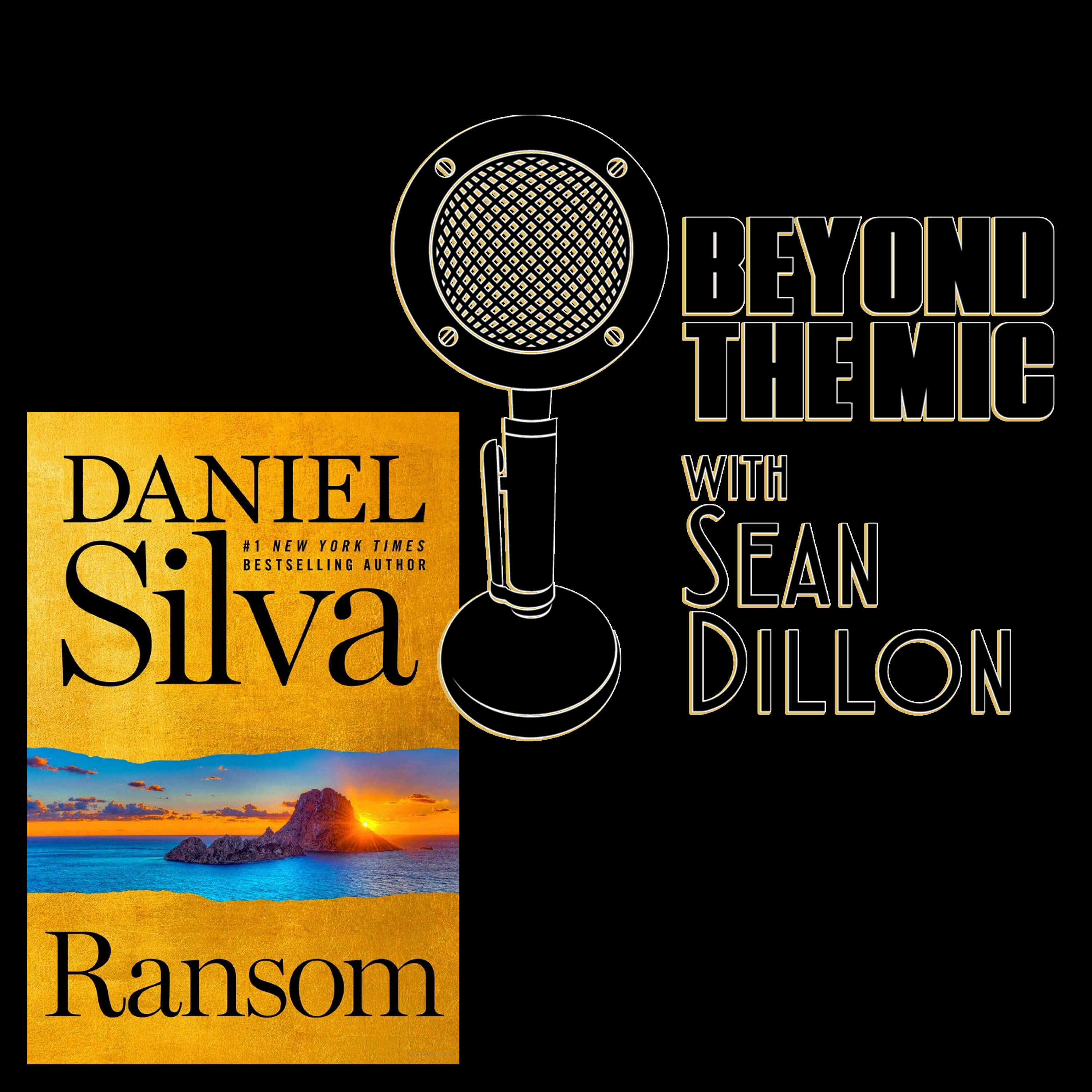
    Daniel Silva on "Ransom", and the Writing Rule He Doesn't Believe Anymore

    "If you're a skilled writer, then you can become a 19th century Texan." Daniel Silva Welcome Daniel Silva: We're joined on the Starline by a #1 New York Times bestselling author whose spy hero just went up against Russian drones in “Ransom” We welcome Daniel Silva. Daniel, let’s go Beyond the Mic. Ransom is part kidnap drama, part global thriller, and you've said it's built around one of the most important security issues facing the West right now. What made that the story? After 26 books with the same guy, is there something of you that goes into Gabriel every single time? And has that changed on you over 25 years? What's the 1st rule about writing you believed at 36, publishing your first Gabriel Allon book, that you don't believe anymore today? The Rockin' 8: Ransom is the book and Daniel Silva joins us for the Rockin' 8, 8 random questions, just trust your first instinct. There is no Pressure. 1. Would Gabriel want to own a Banksy, or would he think it's beneath him? 2. You grew up in Merced, California, the son of two schoolteachers. What's one thing a classroom teaches that a newsroom never did? 3. You've done a book tour every July for 25 years. How many pens /sharpies have you actually gone through signing books? 4. After you vote: sticker, or no sticker? 5. What's something you owned before you were a bestselling author that you still can't get rid of? 6. Asking you to pick a favorite bookstore is like asking which twin you love more. Pick anyway. 7. What's the last thing YOU did that actually impressed Jamie? 8. There's a line in the new book Gabriel shook his head slowly, "Didn't they teach you anything at Detective school?" What's the one thing you would want to learn at "Detective School"? One Big Question: You've spent 25 years imagining the world's worst threats before they happen. What's the one you hope you never have to write about, because it actually happened first? The Wrap: He picks up a sticker after voting, went through 8 sharpies at his last event. He wants you to read his book Ransom. Daniel Silva, thanks for taking the time to talk with us today. And that my friends is a Beyond the Mic Short Cut. This podcast uses the following third-party services for analysis: OP3 - https://op3.dev/privacy Podtrac - https://analytics.podtrac.com/privacy-policy-gdrp

  • S9 · E883
    July 31 · 7 min

    Scott Spiezio: The One Thing His Father Couldn't Fix

    "Find your identity in something that lasts." Welcome Scott Spiezio: We're joined on the Starline by a two time World Series champion who spent his road trips teaching himself guitar in hotel rooms. His memoir “The Hardest Comeback” is out now. We welcome Scott Spiezio. Scott, Let’s go Beyond the Mic. You tell your story from a stage any chance you get. For free, to whoever shows up. What's in the book that most people don't get? Your dad wrote the foreword. He had to sit down and write the opening to a book about the worst years of your life. Years he lived through on the other side of a phone that stopped ringing. How many times did it take for you to read it all the way through? The Rockin' 8: “The Hardest Comeback” is the book, and Scott Spiezio joins us for the Rockin’ 8, 8 random questions, just trust your first instinct. There is no Pressure. You just have 10 words 1. Do you still have the first guitar you ever got? And what was it? 2. Your band was called Sandfrog. First record, Face Down, produced by Morgan Rose out of Sevendust. How does a switch-hitting utility infielder end up in a studio with Sevendust's drummer? 3. Who's the most unlikely person you've ever shared a stage with? 4. You were born six days before your dad played his last professional game. Has he ever told you what that week was like for him? 5. Nettle Creek. What's the biggest thing anybody in your family has pulled out of it? 6. You pack and mailed the autographed books yourself, out of the Morris post office. Do the people at that counter know you by name now? 7. A nine year old walks into your place for a baseball lesson in Morris for the first time. What's the first thing you fix? 8. When was the last time you used your Lifetime Pass for a game? One Big Question: You wrote that "with virtually no anonymity, I refused to open up and be vulnerable. I learned a little, but my mindset wasn't right." How did the first hug from your dad feel after you got sober? The Wrap: He shared a stage with Eddie Money and Dave Mustaine, watched a Northern Pike get caught out of Nettle Creek and wants you to read his book “The Hardest Comeback”. Scott Spiezio, thanks for taking the time to talk with us today. And that my friends is a Beyond the Mic Short Cut. This podcast uses the following third-party services for analysis: OP3 - https://op3.dev/privacy Podtrac - https://analytics.podtrac.com/privacy-policy-gdrp
  • S9 · E882
    July 29 · 11 min

    Ryan Weiss host of "Waking Up with Ryan"

    "I want my daughter to have that kind of compassion when someone's being mean or rude." Welcome Ryan Weiss: We're joined on the Starline by a father, partner, teacher, podcaster and former Broadway star. His latest project is a daily podcast, “Waking Up with Ryan”. We welcome Ryan Weiss. Ryan, let's go Beyond the Mic. You've said, "It was never about becoming someone new. It was about letting go of who I thought I was." That's a pretty different pitch than most of the wellness world makes right now. Why'd this show need to exist at ten minutes a day, instead of one more long conversation? So, what’s happiness to you now? Sophia Bush, Gerard Butler, LeAnn Rimes are lined up for the long-form side of this. What do you actually want to find out from them, that a magazine profile will never get to? Who is your dream guest that you haven’t booked yet? The Rockin' 8: “Waking Up with Ryan” is the show and Ryan Weiss joins us for the Rockin’ 8, 8 random questions, just trust your first instinct. There is no Pressure. 1. What kind of chickens did you have? 2. When was the last baseball game you attended, and who's your baseball idol? 3. First tattoo was of what, and when did you get it? 4. Favorite yoga pose, and least favorite? 5. Wicked is eight shows a week, no days off for months. What's the one thing about performer stamina that still shows up in how you coach people now? 6. Growing up with two triplet siblings in the clergy, what's one thing about faith or ritual you picked up from them without ever meaning to? 7. You say the same prayer each day, Ryan. When was the first day you said it? 8. One experience you have had in your life that you want your daughter Deia to have too? Sneaking in a Couple More: You've said your deepest healing didn't come from trying to fix yourself, it came once you surrounded yourself with teachers and a community who actually understood your trauma. Who was in that room? What did they understand that you couldn't give yourself yet? Who do you want to heal with “Waking Up with Ryan”? One Big Question: “Waking Up with Ryan” is the show and Ryan Weiss joins us for One Big Question… If self-acceptance is the whole message, what's the part of yourself you're still working on accepting? The Wrap: Siblings became clergy, he became a Broadway dancer, now he's doing the family's actual work without a pulpit and had heritage chickens. He wants you to hear “Waking up with Ryan”. Ryan Weiss, thanks for taking the time to talk with us today. And that my friends is a Beyond the Mic Short Cut. This podcast uses the following third-party services for analysis: OP3 - https://op3.dev/privacy Podtrac - https://analytics.podtrac.com/privacy-policy-gdrp
  • S9 · E881
    July 28 · 8 min

    Who's That Girl: Thea Glassman on the Real Story Behind New Girl

    "I will be so happy to rewatch, watch this every day to talk to every single director, every single writer, every single cast member." Welcome Thea Glassman: We’re joined on the Starline by an entertainment journalist and author who traced classic TV culture in “Freaks, Gleeks, and Dawson's Creek”. Now, she's turning her lens to Loft 4D with her new book, “Who's That Girl: The Definitive History of New Girl”. We welcome Thea Glassman. Thea, let's go Beyond the Mic. You wrote a Vanity Fair piece in 2018 was about New Girl trying to make things right in its final season. What were you seeing in the show that made you need to writ e that? Liz Meriwether described the New Girl set as a lab — a place where off-the-cuff comedy was created by the cast in the moment or through a long list of alt jokes, additional scripted jokes beyond what was written on the page. What's your favorite joke from that process? Which character did you relate to the most from New Girl? The Rockin' 8: Who's That Girl is the book, and Thea Glassman joins us for the Rockin' 8, 8 random questions, just trust your first instinct. There is no Pressure. 1. You have a dog named Riggins, after Friday Night Lights. What was the first TV show that made you feel like you belonged somewhere? 2. You posted a photo of your 14-year-old self with a Dawson's Creek CD liner. What was that girl looking for in that show? 3. In Freaks, Gleeks, and Dawson's Creek, you wrote about seven shows. Which was your favorite of the seven? Instant Followup : What makes New Girl worth its own book? 4. You baked "heartthrob cupcakes" for people who supported your past books. Is that your actual love language — acts of cupcakes? 5. Prince improvised on New Girl. Favorite Prince song? 6. What's the wildest behind the scenes story in the book: the thing that made you go "how did nobody know this?" 7. If you could rewrite one episode of New Girl, which one and why? 8. You traveled while reporting: mentioned extreme gelato and French covid. What's a moment from writing this book that you'll never forget? Sneaking in One More: What's something you found out about New Girl during reporting that genuinely hurt? You built relationships with the cast while reporting this. Did they tell you different things because they trusted you, versus what they might have told a stranger with a recorder? One Big Question: What part of New Girl's story do you think the show itself got wrong? The Wrap: She loved Dawson’s Creek for the love story, Switzerland for vacation and wants you to read “Who's That Girl: The Definitive History of New Girl”. Thea Glassman thanks for taking the time to talk with us today. And that my friends is a Beyond the Mic Short Cut. This podcast uses the following third-party services for analysis: OP3 - https://op3.dev/privacy Podtrac - https://analytics.podtrac.com/privacy-policy-gdrp
  • S9 · E880
    July 21 · 11 min

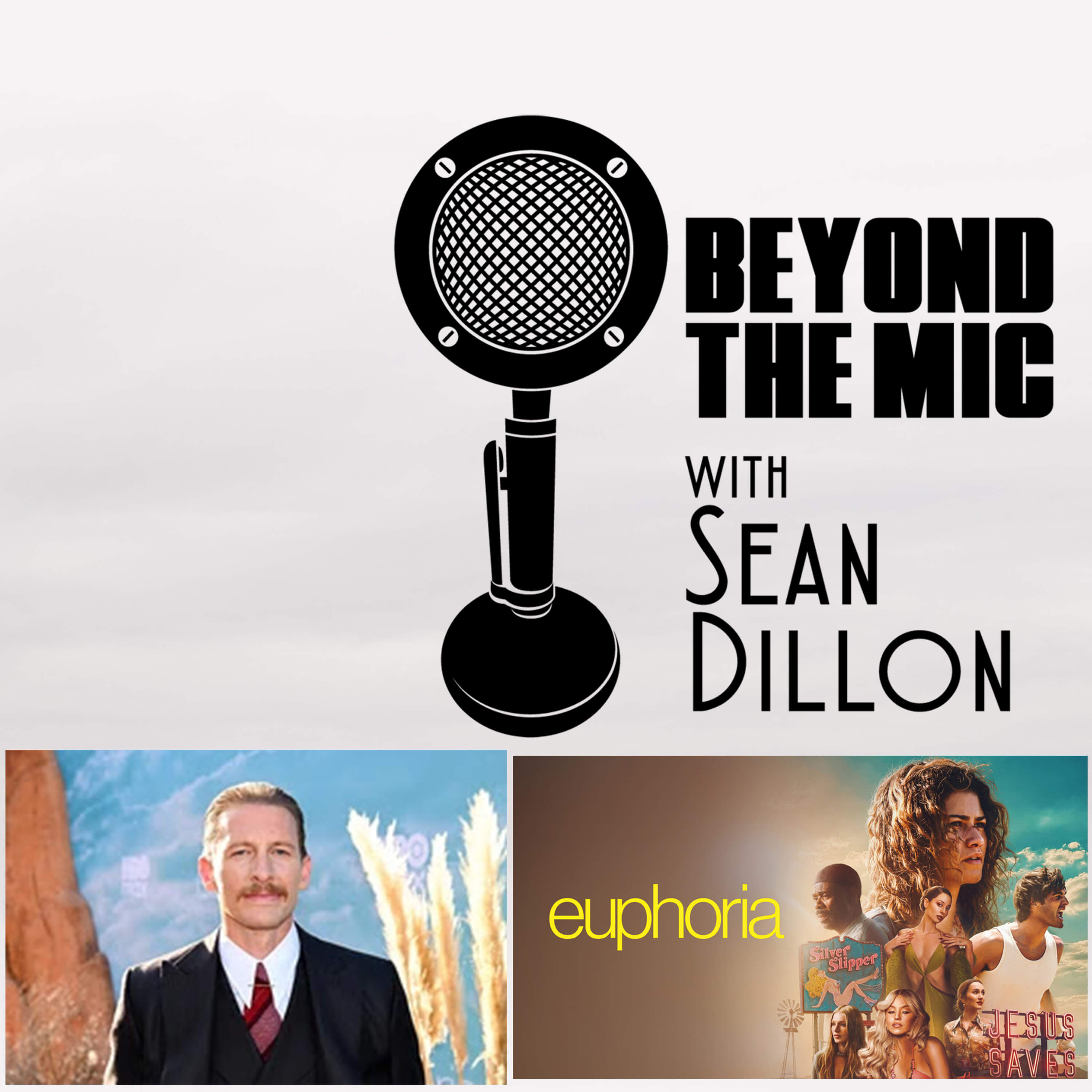
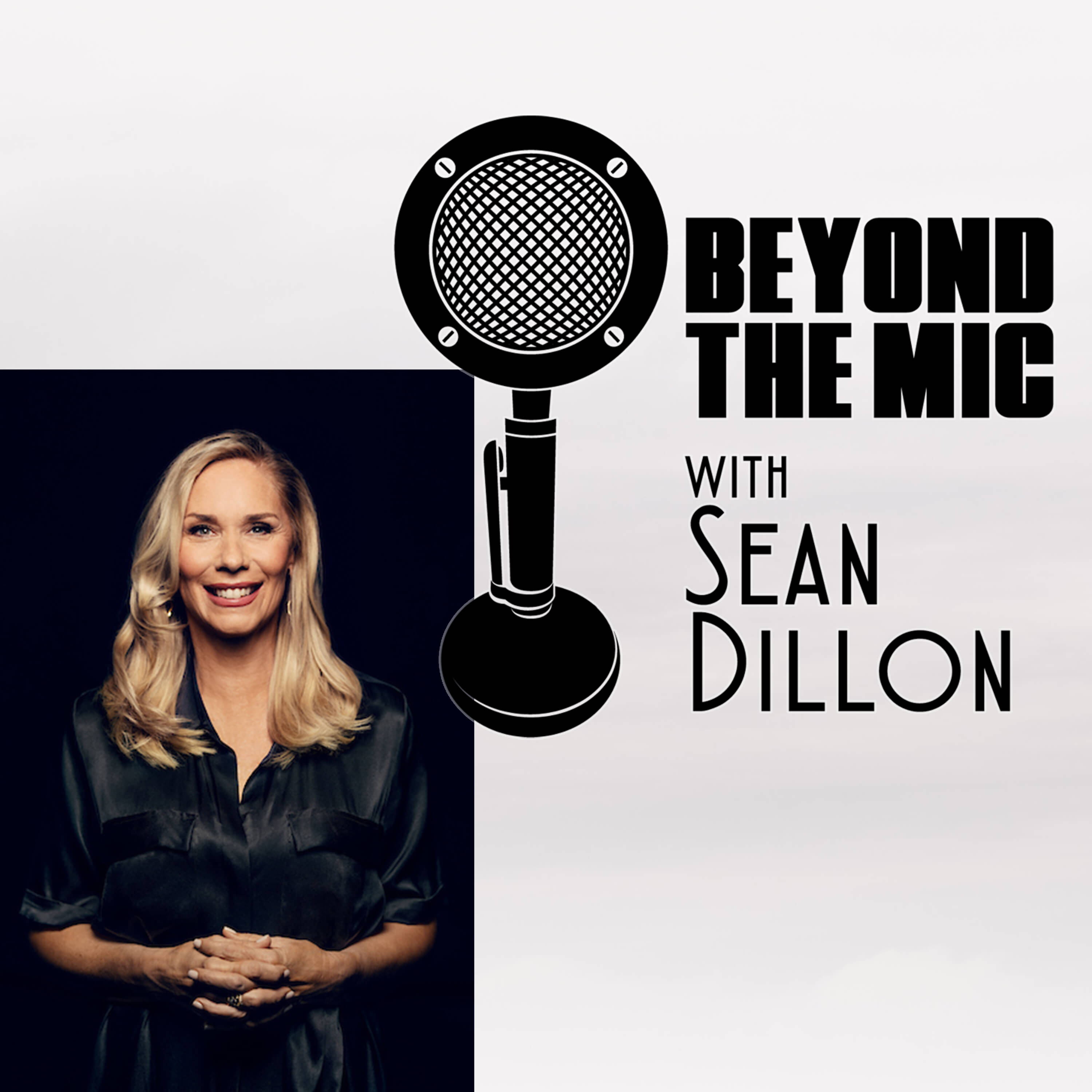
    James Landry Hébert on Authenticity

    "The lines don't matter. The life does." — James Landry Hébert (On the difference between working with Sam Levinson and Taylor Sheridan.) Welcome James Landry Hébert: We’re joined on the Starline by a character actor born in Lafayette went from Brad Pitt's stand-in, to have Sam Levinson write a role specifically for him. Season 3 of “Euphoria” is streaming now on HBO Max. We welcome James Landry Hébert. James, let’s go Beyond the Mic. You said “Harley didn’t show up fully formed, we found him piece by piece.” When you read your first scenes, what did you recognize in that character that told you Sam already knew something true about you? “Euphoria” is so precise, with each frame deliberate. How do you hold onto the looseness, especially in the living room scene, when everything around you is that controlled? How has the way you see acting changed from when you started to now with “Euphoria”? The Rockin' 8: James Landry Hébert joins us Beyond the Mic for the Rockin’ 8, 8 random questions, just trust your first instinct. 1. James, you graduated high school on the rez. What's one thing you knew how to do by graduation that your LSU classmates definitely did not? 2. Before acting you were a horse wrangler and a band manager. Which one prepared you more for Hollywood? 3. Which show or movie doesn’t get the respect you thought it should have? 4. Most Cajun thing you've done in the last month? 5. If the Chitimacha Tribal School had a yearbook superlative for you, what would it have said? 6. When you were a kid on the reservation and you first understood what storytelling was, not as a career, but as something people do to survive... where were you and who was talking? 7. Tarantino, Costner, Sheridan, Levinson: who scared you the most before you walked in, and was it deserved? 8. You've said you want to make a film about being adopted. What's the first scene? Sneaking in a couple more: You spent years in casting before you were acting... watching auditions, seeing what worked and what didn't. How did that change the way you walk into a room now? You've talked about wanting to produce, to connect the dots for people, help others get their stories told. When you think about the stories that aren't getting told yet… what's the one that sits with you? One Big Question: You've spent your whole career making dangerous people human. Finding the heart in the heavy. The Dardens took in a kid from Lafayette who had every reason to go sideways... and gave him a world. When you finally make that film... who are you making it for? The Wrap: The most Cajun thing James has done this month is make his families secret gumbo recipe, managing a band prepared him for Hollywood and wants you to see Euphoria Season 3 streaming now on HBO Max. James Landry Hébert, thanks for taking the time to talk with us today. And that my friends is a Beyond the Mic Short Cut. This podcast uses the following third-party services for analysis: OP3 - https://op3.dev/privacy Podtrac - https://analytics.podtrac.com/privacy-policy-gdrp
  • S9 · E879
    July 15 · 10 min

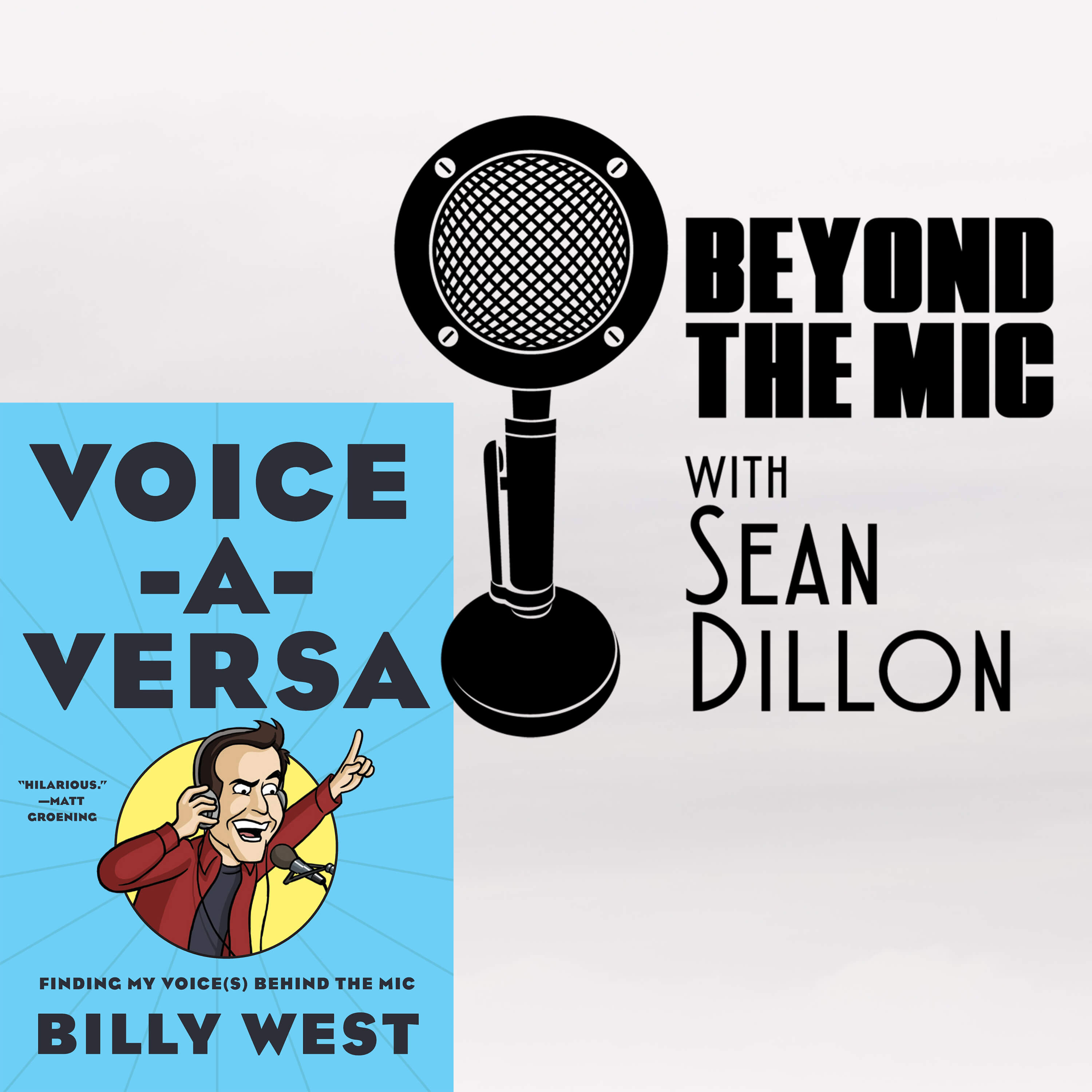
    Billy West on "Voice-A-Versa: Finding My Voice(s) Behind the Mic"

    "I'm not worthless, like my father said I was." - Billy West Welcome Billy West: We’re joined on the Starline by a voice-over actor who did his best stuff in the 31st Century. His latest project is his book “Voice-A-Versa: Finding My Voice(s) Behind the Mic”. We welcome Billy West. Billy, let’s go Beyond the Mic. You wrote this book about your own life, and then you had to read it out loud for the audiobook in your real voice, no character, nothing. Forty-five years of voices at your disposal, and you picked the one you never use on the air. Why'd your story need the real you? The book doesn't flinch from a hard childhood. What made this the year to finally put it on paper? "I was totally fearless as a voice-over actor. I would try anything I thought might work. My choices and voices were considered “off the nose” because I didn’t want to offer up character clichés or use the “safe” way out." Where did that fearlessness come from Billy? The Rockin' 8: “Voice-A-Versa: Finding My Voice(s) Behind the Mic” is the book and Billy West it’s time for the Rockin’ 8, 8 random questions, just trust your first instinct. There is no Pressure. 1. You sold guitars in a Harvard Square shop by day and gigged Boston clubs by night. What's the worst guitar you ever talked somebody into buying? 2. Your own X bio calls you a "microphone diaphragm destroyer." What's the take that actually blew one out? 3. Billy. where is your favorite place to think? 4. You had got a room full of guitars, which was your daily driver? 5. In your world: voiceover, animation, radio... who doesn't get the credit they deserve? 6. If someone else had to narrate the story of your life, which actor gets the job? 7. You had a fake ID when you were 20. Do you remember what name was on it? 8. Settling this once and for all: in Supergirl, is it Braille Face or Rivet Face? Sneaking in One More: Your earliest comedy wasn't for a crowd but for your mom, on the hard days, just to pull her out of it. What did a smile from her mean to you now? One Big Question: There's a line in the book: "The past lives in your head because it cannot survive anywhere else." So when did you find peace Billy? The Wrap: He listens to classical music to relax the voices, enjoyed playing a telecaster and wants you to read “Voice-A-Versa: Finding My Voice(s) Behind the Mic”, wherever books are sold. Billy West thanks for taking the time to talk with us today, And that my friends is a Beyond the Mic Short Cut. This podcast uses the following third-party services for analysis: OP3 - https://op3.dev/privacy Podtrac - https://analytics.podtrac.com/privacy-policy-gdrp

  • S9 · E878
    July 3 · 21 min

    Leanne Morgan: Why Her Accent Was Never the Problem

    "I'm getting death threat and you're getting marriage proposals." — Leanne Morgan Welcome Leanne Morgan We're joined on the Starline by a comedian who spent twenty years working Tennessee living rooms before Hollywood caught on. Now her sitcom is headed into season two and her tour keeps adding shows. “The Time of Our Lives Tour” is on the road now. We welcome Leanne Morgan. Leanne, let’s go Beyond the Mic. Before we talk tour, your daddy cut meat for a living. What do you still do at the grocery store meat case that normal people don't? You could have named this tour anything. "The Time of Our Lives" sounds like a woman making a point. What's your point? What happens in a club or theater that Netflix can't send to somebody's couch? The Rockin' 8: “The Time of Our Lives” tour is on the road, and comedian Leanne Morgan joins us for the Rockin’ 8, 8 random questions, just trust your first instinct. 1. Coffee, tea, or moonshine? 2. What's the go-to road trip snack on that tour bus? 3. Your own bio says you got through University of Tennessee "by the skin of your teeth." Which class almost got you? 4. Last show you binge-watched? 5. Season two's got Lainey Wilson and Tyne Daly walking through your living room. If a season three comes, who's your dream guest? 6. My wife's in the middle of it, so I get to ask. What's the worst thing about perimenopause? Two left, no pressure. 7. Tennessee girl walks off the Ryman stage. What did you do the second you got to the wings? 8. You were a finalist on Nick at Nite's Funniest Mom, and you didn't win. Does not winning it feel sweeter today? The Back Half: Take me to the kitchen in Bean Station, 1996. Three babies. No comedy club within an hour. If that woman could see your life today, would she recognize you? Or would it break her heart how long it took? People call it an overnight rise. It was thirty years. What did the waiting give you that getting famous at 25 never could? Your show's premise is a husband walking out after 33 years. Your real husband stayed. What did Chuck say the first time he read that script? Does Chuck make it through an episode of anything, or is he asleep by the cold open? Women look at you and see themselves. But you fly private now. (no, really?) So aisle, middle or window seat? Who makes YOU laugh? What kind of comedy cracks you open? When's the last time you laughed so hard you couldn't breathe? One Big Question: When it's just you on the porch in Knoxville, sun going down, nobody watching. What's the dream that still hasn't come true for you? Sneakin’ in Couple More: How has your family been strengthened by this journey? You grew up down the road from the Bell Witch. Do you tell the grand kids the story on Halloween? The Wrap: She wants Amy Poehler for season three of her show, not winning feel sweeter today and wants you to see “The Time of Our Lives Tour” and season two of Leanne hits Netflix August 27. Leanne Morgan, thanks for taking the time to talk with us today. And that my friends is Beyond the Mic. This podcast uses the following third-party services for analysis: OP3 - https://op3.dev/privacy Podtrac - https://analytics.podtrac.com/privacy-policy-gdrp

Showing 1–20 of 30 episodes