Skip to content
Artwork for Anglican Ascetic
Religion & SpiritualityChristianityEducation

Anglican Ascetic

Fr Matthew C. Dallman

Homilies, teachings, and interviews from your host, Father Matthew C. Dallman, Obl.S.B., who is the leading authority on the theology of Martin Thornton, student of the Venerable S. Bede, and founder of Akenside Institute for English Spirituality. Fr Dallman is an Anglican priest: Rector of Saint Paul's, New Smyrna Beach, in Episcopal Diocese of Central Florida.

anglicanascetic.akensideinstitute.org
Play
  • 29 episodes
  • Avg 27 min
  • English
Counted on this page — what you have heard stays on this device, so it is not something the list can be paged by.
  • Yesterday · 20 min

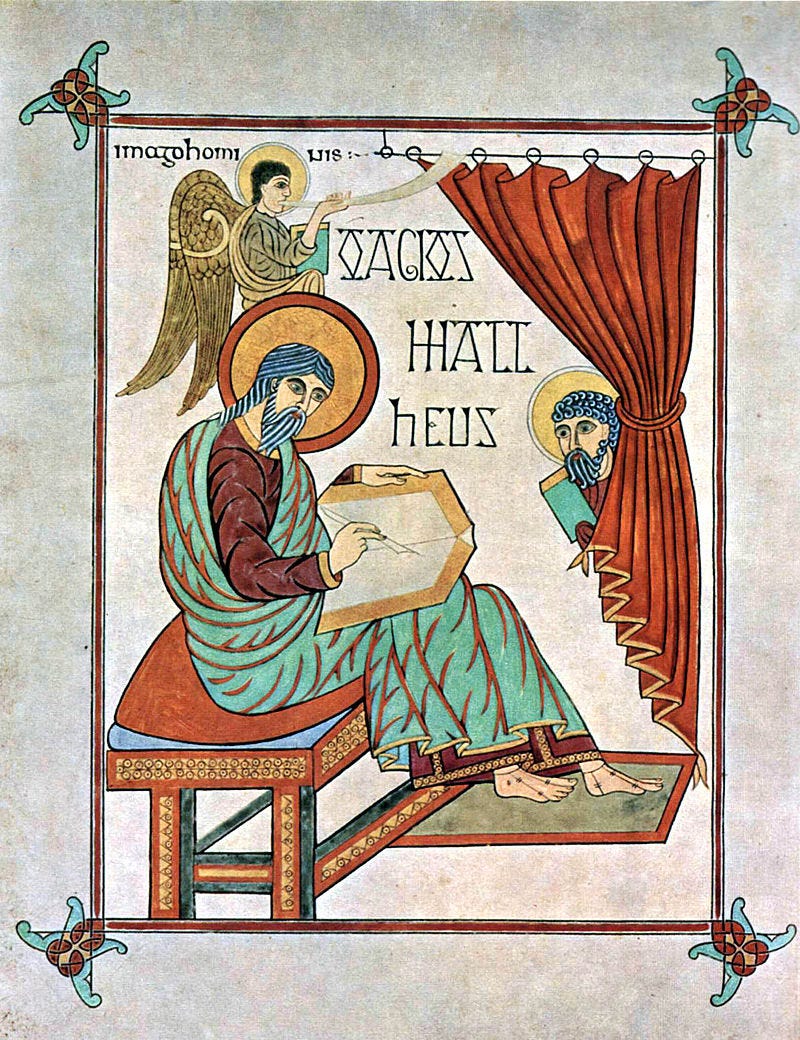
    On S. Matthew and the Nature of the Gospel

    O Almighty God, Who by Thy blessed Son didst call Matthew from the receipt of custom to be an Apostle and Evangelist: grant us grace to forsake all covetous desires, and inordinate love of riches; and to follow the same Thy Son Jesus Christ, Who livest and reignest with Thee and the Holy Ghost, one God, world without end. Amen. Get full access to Anglican Ascetic Podcast at anglicanascetic.akensideinstitute.org/subscribe

  • Sunday · 21 min

    Evenings with Bede: S3, Ep. 16: On the Heart of S. Matthew

    In the audio provided, both lessons are read, and then followed by a homily by yours truly. A Lesson from the Gospel according to S. Luke, 5.27 After healing the paralytic, Jesus went out, and saw a tax collector, named Levi, sitting at the tax office; and He said to him, “Follow me.” And he left everything, and rose and followed Him. And Levi made him a great feast in his house; and there was a large company of tax collectors and others sitting at table with them. And the Pharisees and their scribes murmured against his disciples, saying, “Why do you eat and drink with tax collectors and sinners?” And Jesus answered them, “Those who are well have no need of a physician, but those who are sick; I have not come to call the righteous, but sinners to repentance.” A Lesson from a Gospel Homily by the Ven. S. Bede (I.xxi) Saint Luke says that the Lord reclined at table with publicans in Matthew’s house, and that Matthew himself prepared a great feast for Him. If we long to search out what these happenings are at a more profound level of understanding, it was not only in his earthly house that Matthew produced a bodily feast for the Lord, but with great gratitude in the house of his breast he prepared a feast for Him through faith and love, as Christ Himself attests, saying, “Behold, I stand at the doorway and knock. If anyone listens to my voice and opens the gate, I will come in to him and sup with him and he with Me” (Rev 3.20). The Lord stands at the doorway and knocks when He pours into our heart the memory of His will, either through the mouth of a preacher who is teaching us or through his own internal inspiration. When His voice is heard we open the gate to receive Him when we willingly present our assent to His counsels, whether secret or open, and devote ourselves to accomplishing those things which we recognize are to be done. He comes in order to sup with us and we with Him, for He dwells in the hearts of His elect through the grace of His love in order to restore them always by the light of His presence, so that they may advance more and more to heavenly desires, and so that He Himself may feed their zeal for heaven, as it were, with a most pleasing banquet. . . . It is a pleasure to remember, brethren, to what height of justice the Lord fetched Matthew, whom He chose out of His publican activities in order to increase for sinners the hope of forgiveness. The apostolic band into which he was incorporated teaches what kind of person Matthew became. The nation of the Ethiopians teaches this as well. By his preaching he converted this nation from the farthest end of the earth to the fellowship of holy Church. . . . Whenever we recognize that the magnificence of the eternal King is proclaimed in the books of the holy evangelists, we should fall down humbly before Him, implore His mercy with devout prayers, and attribute whatever sort of good work we are able to have not to our own merits, but always to His grace. If you find this edifying, please consider (if you haven’t already) financially supporting this public ministry. Every bit of support helps! Add your email below and hit Subscribe. Get full access to Anglican Ascetic Podcast at anglicanascetic.akensideinstitute.org/subscribe

  • Sunday · 13 min

    On Jesus Christ the Apple Tree

    I have been speaking since Trinity Sunday about the Christian life as a eucharistic life. Jesus Christ is the Tree of Life, for He is not only the Way, and not only the Truth, but He is also the Life. And Christ our Life also is a Tree, because, according to the Bride in the Song of Songs (2:3): “As an apple tree among the trees of the wood, so is [Christ], my beloved, among young men. With great delight I sat in [Christ’s] shadow, and His fruit was sweet to my taste.” Christ’s fruit is sweet to our taste, for when we taste His fruit, we see that He is good, we see that He is beautiful, we see that He is true. The eucharistic life means we feed on Christ, and as we feed on Him, we are enlightened, we are illumined, we are cleansed–or in the words of Saint Paul in our epistle: we are strengthened with power through His Spirit in our inner being, so that Christ may dwell in our hearts through faith–that we, being rooted and grounded in love, may have strength to comprehend with all the Saints what is the breath and length and height and depth, and to know the love of Christ that surpasses knowledge, that we may be filled with all the fullness of God. The more we feed eucharistically on Christ, the more our humanity becomes His sacred humanity in us. This is what Saint Luke is after in conveying to us in the way that he did the story of Christ, in the town of Nain, bringing back to life the man who had died. Now the literal interpretation of this episode we must respect and honor: Christ in His pity and compassion for a mother brought back a man, her son, who was dead. Upon witnessing this, those around Him glorified God, and we glorify God for this miracle wrought by Christ in His sacred humanity and eternal power. Yet the Church has always seen in this mighty episode of resurrection from death to life, not only a parallel to the resurrection of Lazarus, but also profound spiritual symbolism. The greatest interpreter of Scripture in our tradition, the Venerable S. Bede, sees the dead man as signifying human beings who are rendered senseless by the deadly destruction of their sinful ways. In the way we have been reflecting this Trinitytide, we would say that the dead man signifies those who are living non-eucharistically. (Those not fed by Christ, those not offering themselves in sacrifice to God out of their thankfulness for God’s immeasurable gift made available to us through the Sacraments and Scripture, those selfish and self-righteous like the Pharisee rather than God-centered and humble like the Tax Collector.) For Bede, the dead man signifies those dead in Spirit because rather than walking according to the Spirit, they walk according to the flesh. The mother in this story, for Bede and other Church Fathers, represents the Church. She, the mother, as the Church, weeps over the spiritual extinction of her children–and indeed in our day, the Church does weep when those who are baptized fall away from a Christian way of life to a worldly and carnal way of life, and thus risk spiritual death because of their way is not Christ’s way. Christ, again out of His compassion, visits the dead man and revives him; just as Christ, out of His compassion, took on our human flesh so as to redeem us and show us the way to true life, which is life in Him, walking not by the flesh but by the Holy Spirit, our spiritual blindness in spiritual prison giving way to Christ’s light which frees us and liberates us as the children of Israel were liberated from their bondage to Pharaoh in Egypt. For Bede, Christ resurrects the man because of Christ’s presence and visitation: the man’s conscience was touched by fear of divine judgment, and returned to its senses, so that the spiritually dead man swiftly responds to the Saviour Who summons him to life, because Christ’s presence restrains the man’s abundant desire for carnal pleasure, and through inner remorse–that is, through his humility–the sinner is restored to life. This is why Paul speaks of being strengthened with power through the Spirit in our inner being. The gift of Christ is the power He wants to give our inner being, so as not to live in a non-eucharistic way, but in a eucharistic way. And Paul assures us that this power is real and effectual, for he says Christ is able to do far more abundantly than all that we ask or think. And this is accomplished through His eucharistic word which is our daily bread, which feeds us, nurtures us, and matures us, that we may grow up to the fullness of the stature of Christ through the holiness of our life in Christ: loving God, keeping His commandments, so as to continue in Christ’s holy and eucharistic fellowship, and do all such good works as God hast prepared for us to walk in: through Jesus Christ our Lord, Who lives and reigns with the Father, in the unity of the Holy Ghost, ever one God, world without end. Amen. Get full access to Anglican Ascetic Podcast at anglicanascetic.akensideinstitute.org/subscribe
  • Saturday · 1 hr 26 min

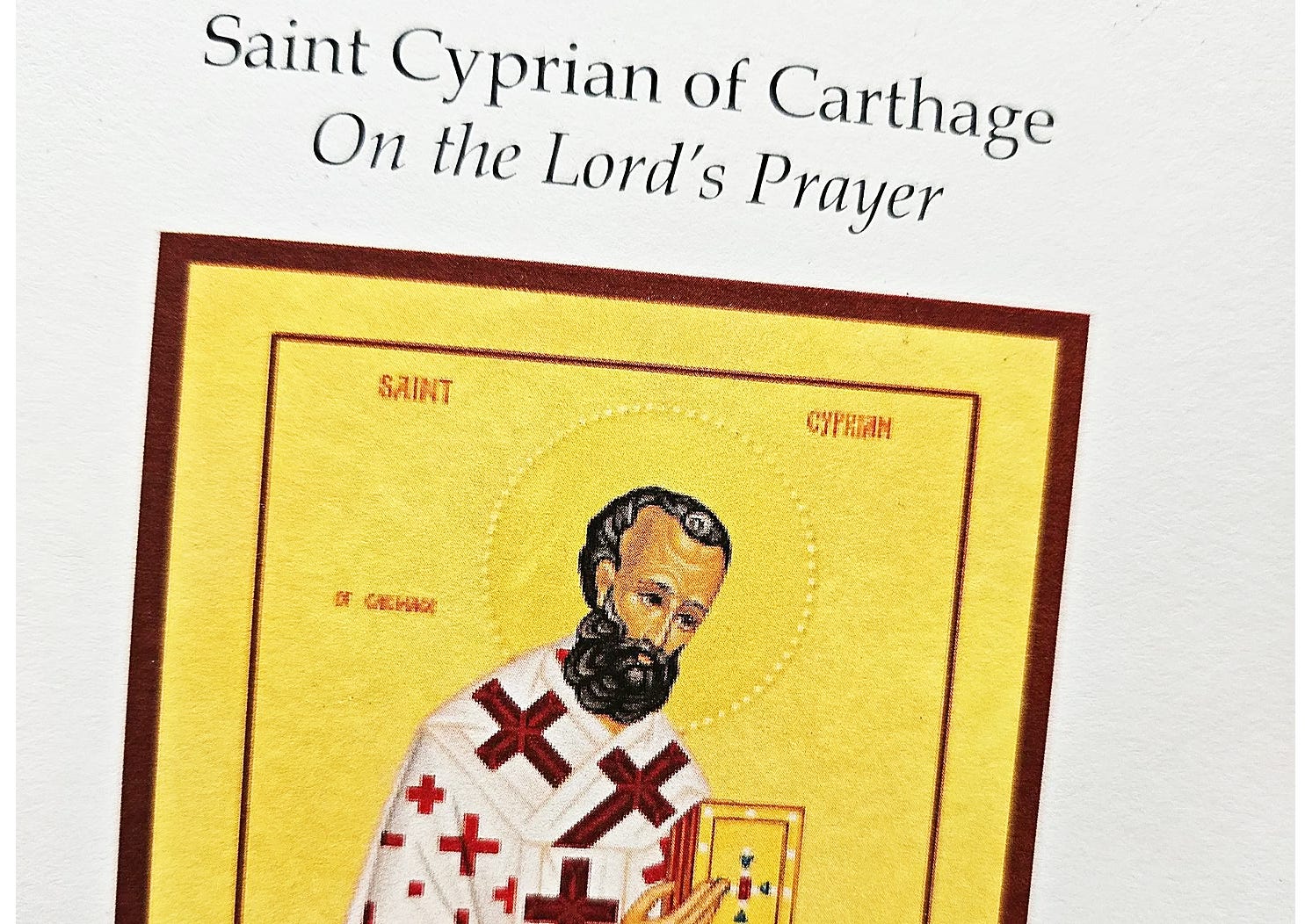
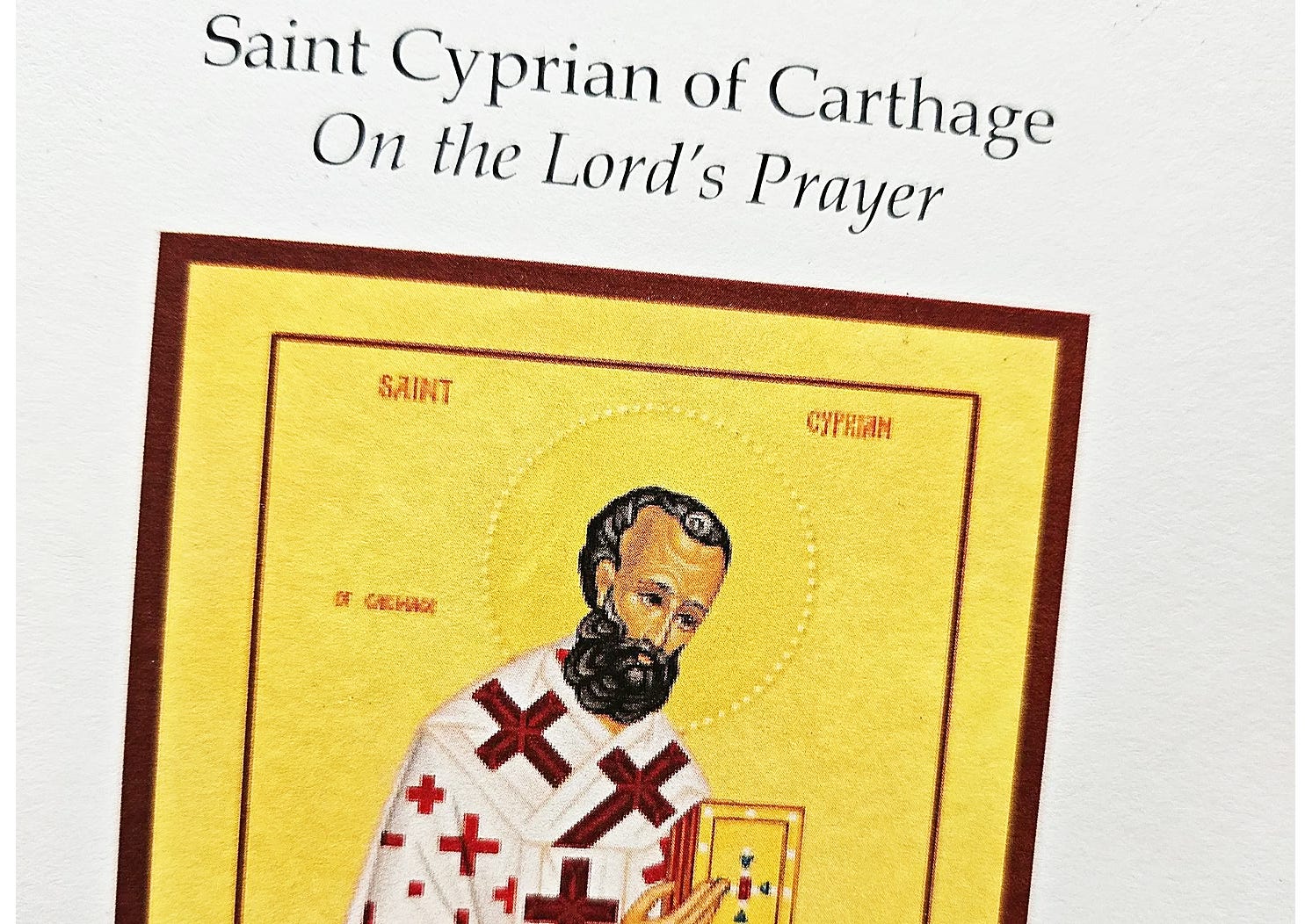
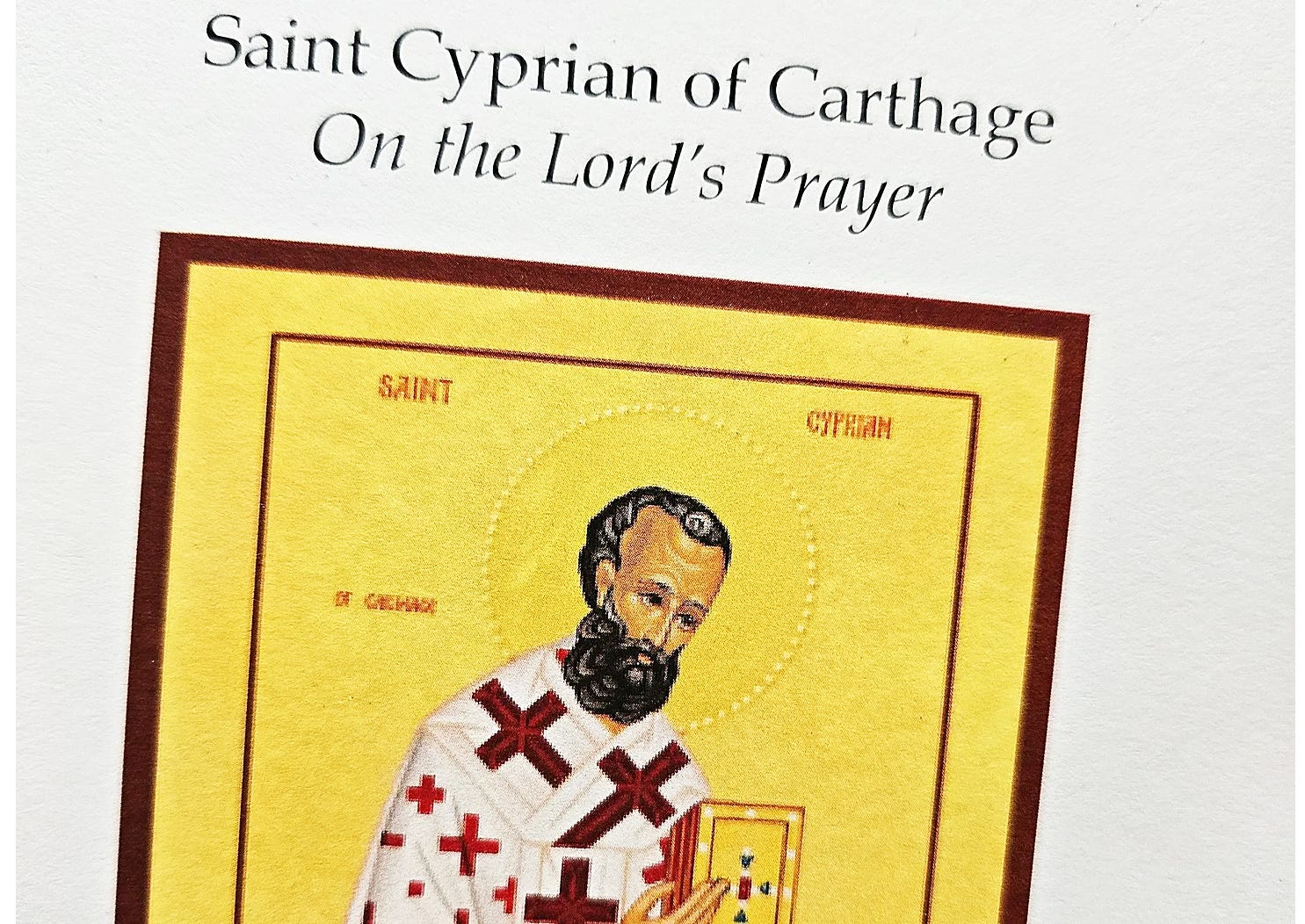
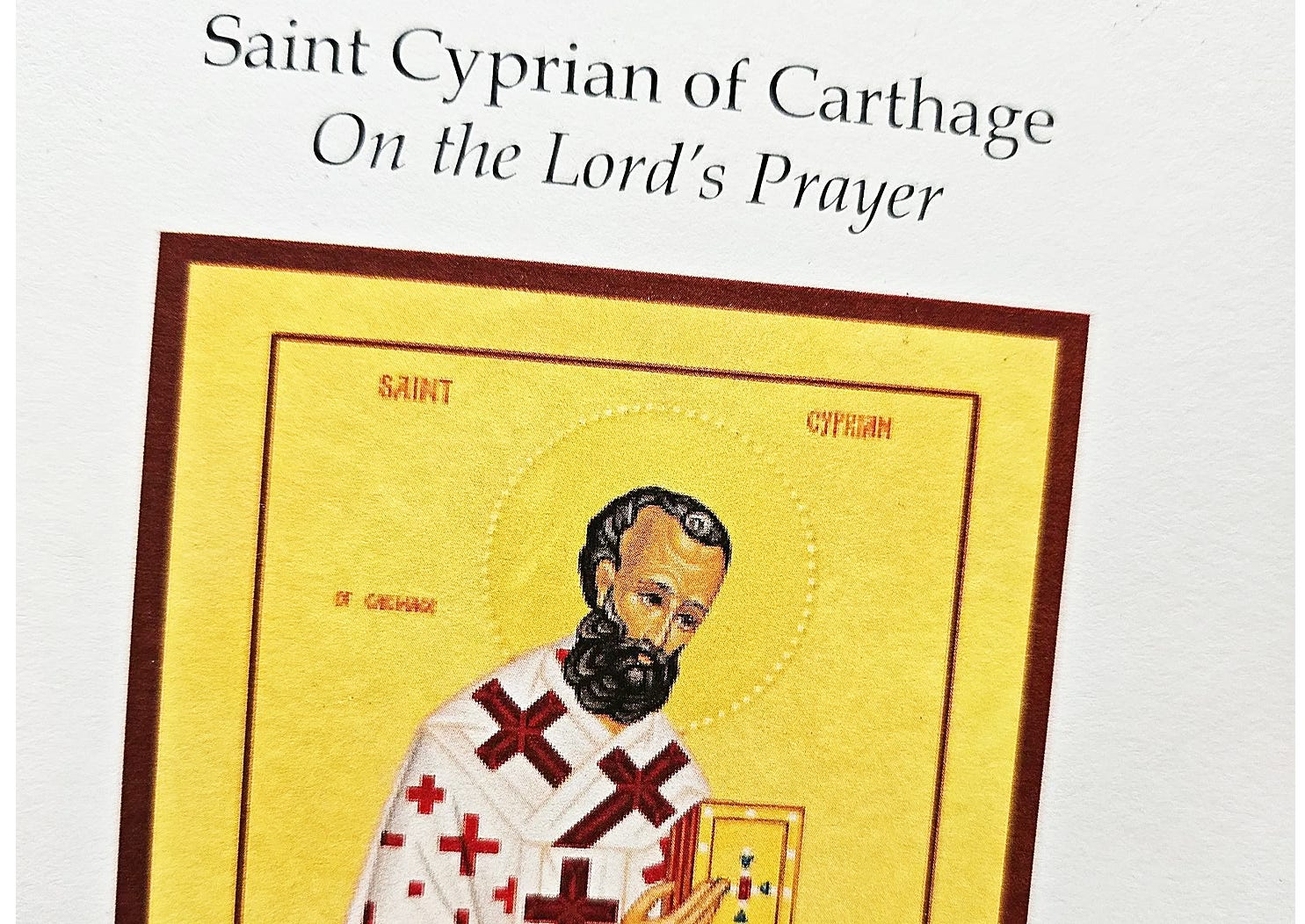
    Ep. 9: S. Cyprian on the Lord's Prayer

    This is unedited audio of my parish’s Saturday morning class in which we study Scripture with the help of the Church Fathers. This class is currently reading On the Lord’s Prayer by S. Cyprian of Carthage. In this episode, we look at chapters 25-26. I take a close-reading approach to the text, and I read aloud every word of the text. It is found in this volume which I suggest you purchase if you want to follow along in the most effective way. Enjoy! If you like this content, please consider becoming a paid subscriber. Paid subscriptions go a long way towards supporting my online ministry. Click below to subscribe! Get full access to Anglican Ascetic Podcast at anglicanascetic.akensideinstitute.org/subscribe

  • September 14 · 13 min

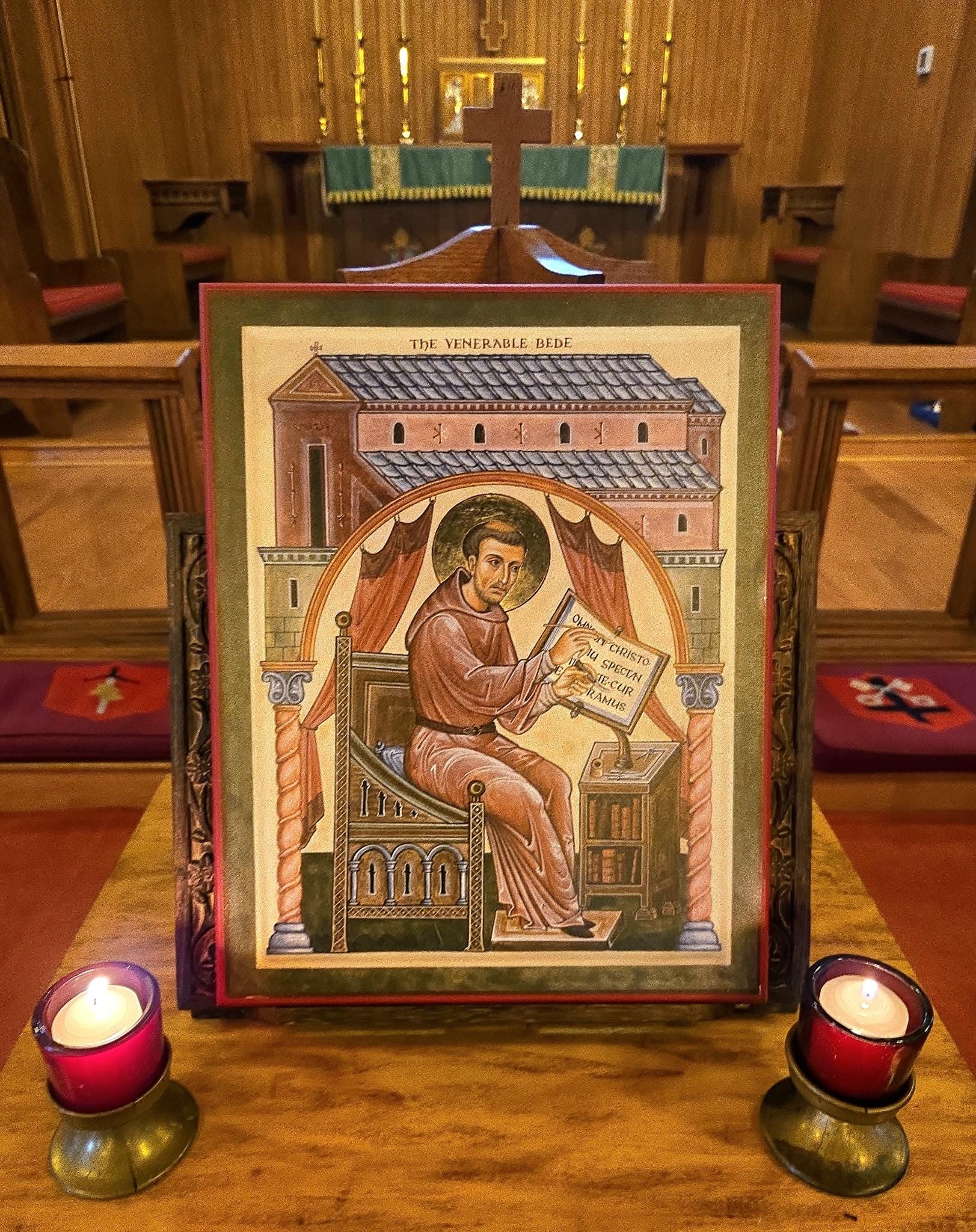
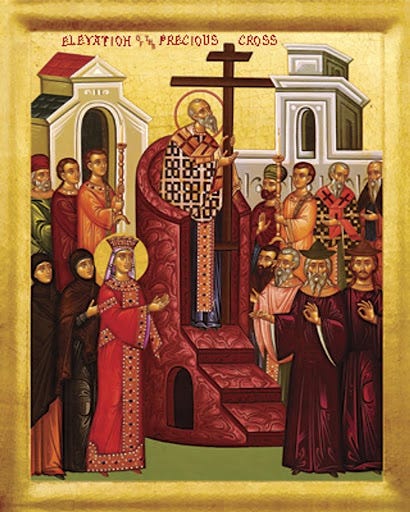
    On the Power of the Holy Cross

    O God, Who dost gladden us upon this day by the festival of the Exaltation of the Holy Cross: grant that we who have acknowledged the mystery of redemption here on earth, may rejoice in the everlasting fruits thereof in heaven; through Jesus Christ our Lord. Amen. Get full access to Anglican Ascetic Podcast at anglicanascetic.akensideinstitute.org/subscribe
  • September 13 · 20 min

    On True Obedience

    O God, Who dost gladden us upon this day by the festival of the Exaltation of the Holy Cross: grant that we who have acknowledged the mystery of redemption here on earth, may rejoice in the everlasting fruits thereof in heaven; through Jesus Christ our Lord. Amen. Get full access to Anglican Ascetic Podcast at anglicanascetic.akensideinstitute.org/subscribe
  • September 13 · 12 min

    On Being Charged with the Grandeur of God

    Our Lord Jesus Christ speaks today to us as a pastor would speak to his flock. Christ is our Good Shepherd. He says “Do not be anxious about your life, what you will eat or what you will drink, nor about your body, what you will put on.” Our food, our drink, and our clothing are not things outside of God’s care, He is saying. Instead, Jesus says, these are part of the Father’s ongoing care for us. He is saying, creation is God’s gift to us. To be anxious about food, drink, and clothing is to take a non-eucharistic stance. Our Lord counsels us to seek first the kingdom of God. Seek first His righteousness, He says. Seek the Holy Spirit, in other words: do this, and all the things of life will be added unto us. To make his point evident, Jesus instructs us to look at the birds of the air, and the flowers of the field. He tells us to notice that the needs we might be anxious about are already given in abundance to them. They are fed by God. They intuitively understand what human beings have to be taught to learn: the things of creation are given to us by God as His ordinary means of communion with us. In beholding the ordinary things of creation, which are everywhere around us at all times, Christ wants us to see these as of the Father’s care, of the Father’s love. These ordinary things are not the Holy Eucharist, but by the Eucharist we can learn to regard them as gifts from God, and be satisfied rather than anxious; be thankful rather than always seeking more. The two masters that Christ speaks about are really two ways of thinking. One is eucharistic and ordered by serving God, and thus leads to holiness; the other is noneucharistic and worldly and ordered by serving personal gratification, and thus leads to sin. The one looks at creation as gift from God and therefore sacramental in orientation. To see creation as sacramental means that we regard the things of creation, even creation as such, as outward and visible signs of inward and spiritual grace. When created things exhibit beauty, or truth, or goodness, these created things are sacramental in the ordinary sense. When this perspective really takes hold in a person, that person understands what the poet Gerard Manley Hopkins means when he wrote “The world is charged with the grandeur of God.” The other way of thinking, what Christ calls Money (more commonly translated as Mammon), empties the world of God, empties the world of our great Giver, and then fears the world and lives by anxiety. This noneucharistic life can never be satisfied and can never find rest because from this point of view, the Father is not part of the world, so the things of the world do not point to God and thus do not bring inward and spiritual grace. In his book Confessions, S. Augustine captures his former, noneucharistic mentality with these words, speaking to God he wrote: “You were within, and I was outside and there did I seek You. … I rushed heedlessly among the things of beauty that You made. You were with me, but I was not with You. Those things kept me far from You, which, unless they were in You, were not.” In other words, the very things of creation that exist only because of God were what held him away from God. The invitation to a eucharistic way of thinking is emphasized by Paul in our Epistle passage. For Paul, the world is a new creation. That God has newly created the world is the rule by which Christians must walk. By this way of life, Paul teaches, come peace and mercy upon us and upon the Israel of God. (And that is a reminder of what the word “Israel” means: Israel names those who seek God.) Paul writes that he never seeks to boast about anything but the Cross of Jesus Christ. For Paul, this event remakes our understanding of the world. By the Cross the world has been crucified to us; and by the Cross, we have been crucified to the world. Because of the Cross, we are able to seek first the kingdom of God, that is, to hold life in the kingdom of God as our first priority, to make life in the Holy Spirit, not life according to the flesh, our goal in this world, our goal in this life. My dear brothers and sisters, let us listen to our Saviour Jesus Christ, and let us listen to His apostle, Saint Paul our patron. Let us not seek anxiety but rather seek the Kingdom of God and to proclaim the power of the Cross. Let us allow ourselves to be led by the Holy Spirit to all things which are profitable for our salvation, profitable for our spiritual health. Let us receive with ongoing gratitude the gifts of the Father in creation and the mercy of Christ Who is the head of this Body, the Church. Let us lift up our souls to Christ, and as His servants be comforted in our soul: through our Good Shepherd, Jesus Christ our Lord, Who lives and reigns with the Father in the unity of the Holy Ghost, ever one God, world without end. Amen. Get full access to Anglican Ascetic Podcast at anglicanascetic.akensideinstitute.org/subscribe
  • September 12 · 1 hr 13 min

    Ep. 8: S. Cyprian on the Lord's Prayer

    This is unedited audio of my parish’s Saturday morning class in which we study Scripture with the help of the Church Fathers. This class is currently reading On the Lord’s Prayer by S. Cyprian of Carthage. In this episode, we look at chapters 23 and 24. I take a close-reading approach to the text, and I read aloud every word of the text. It is found in this volume which I suggest you purchase if you want to follow along in the most effective way. Enjoy! If you like this content, please consider becoming a paid subscriber. Paid subscriptions go a long way towards supporting my online ministry. Click below to subscribe! Get full access to Anglican Ascetic Podcast at anglicanascetic.akensideinstitute.org/subscribe
  • September 10 · 1 hr 6 min

    Ep. 7: S. Cyprian on the Lord's Prayer

    This is unedited audio of my parish’s Saturday morning class in which we study Scripture with the help of the Church Fathers. This class is currently reading On the Lord’s Prayer by S. Cyprian of Carthage. In this episode, we look at chapters 22 and half of 23. I take a close-reading approach to the text, and I read aloud every word of the text. It is found in this volume which I suggest you purchase if you want to follow along in the most effective way. Enjoy! If you like this content, please consider becoming a paid subscriber. Paid subscriptions go a long way towards supporting my online ministry. Click below to subscribe! Get full access to Anglican Ascetic Podcast at anglicanascetic.akensideinstitute.org/subscribe
  • September 8 · 14 min

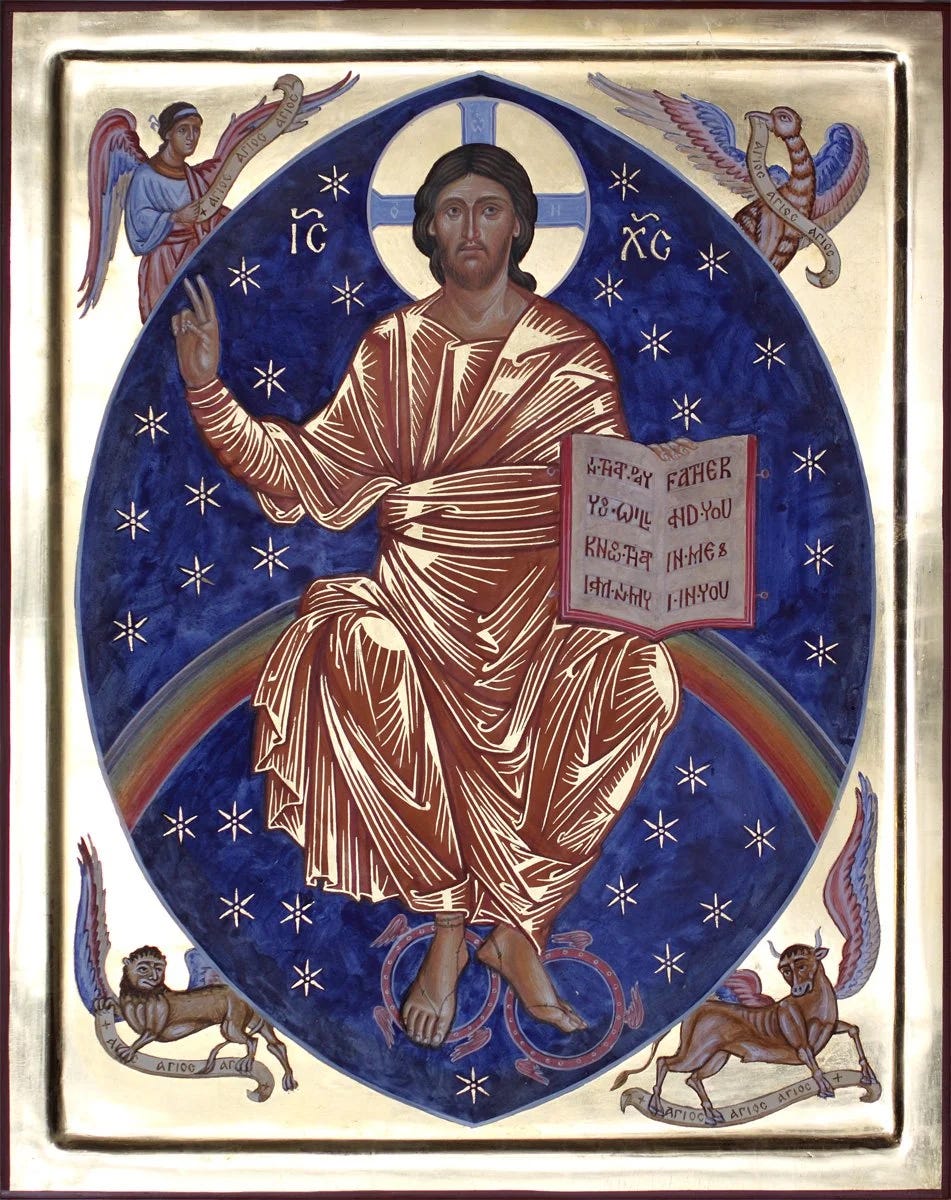
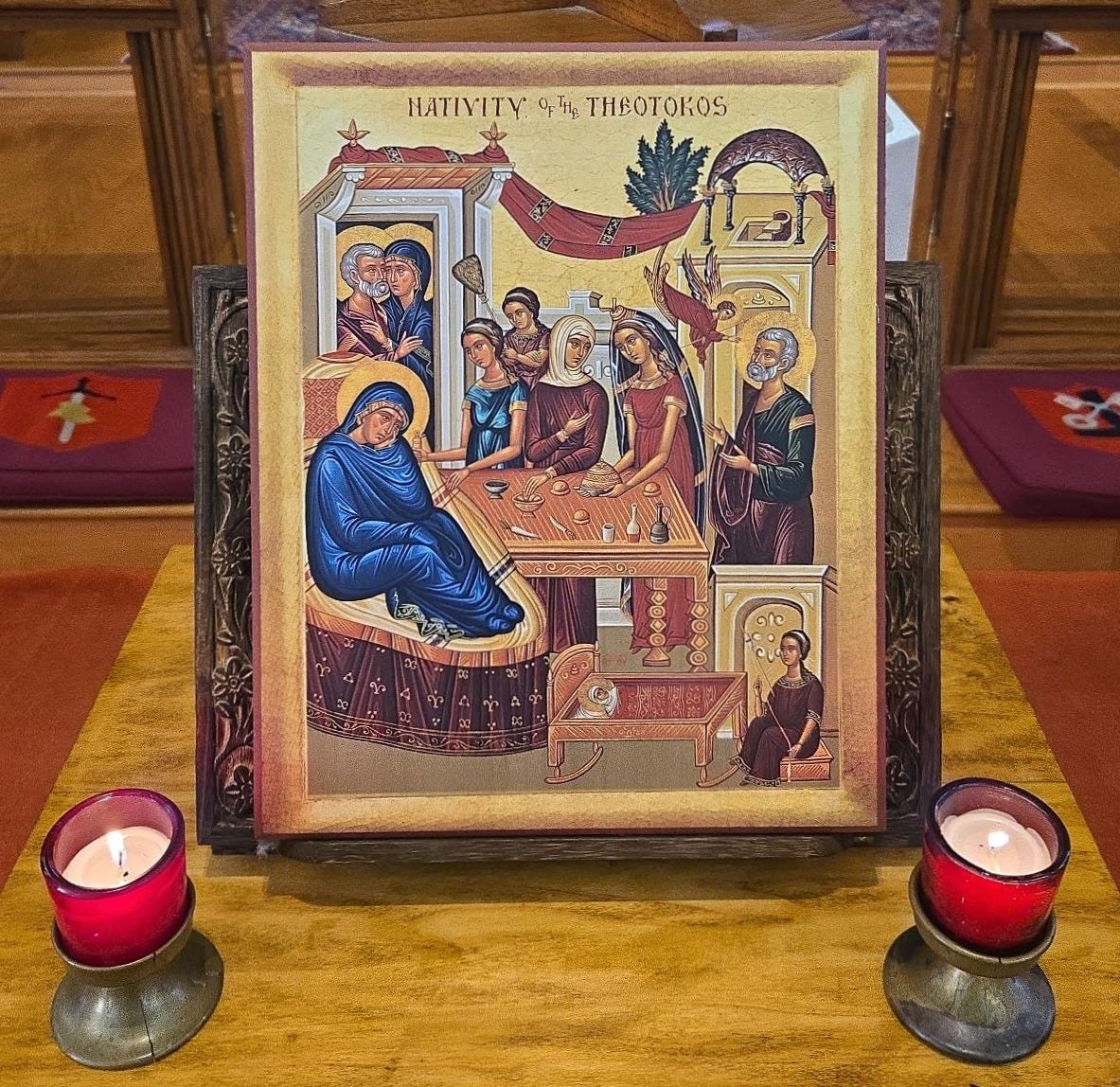
    On Celebrating Our Lady’s Glorious Birth

    We beseech Thee, O Lord, bestow upon us Thy servants the gift of Thy heavenly grace: that as our salvation began by the Childbearing of the Blessed Virgin Mary, so this devout solemnity of her Nativity may afford us an increase of peace. Through Jesus Christ our Lord. Amen. Get full access to Anglican Ascetic Podcast at anglicanascetic.akensideinstitute.org/subscribe
  • September 7 · 21 min

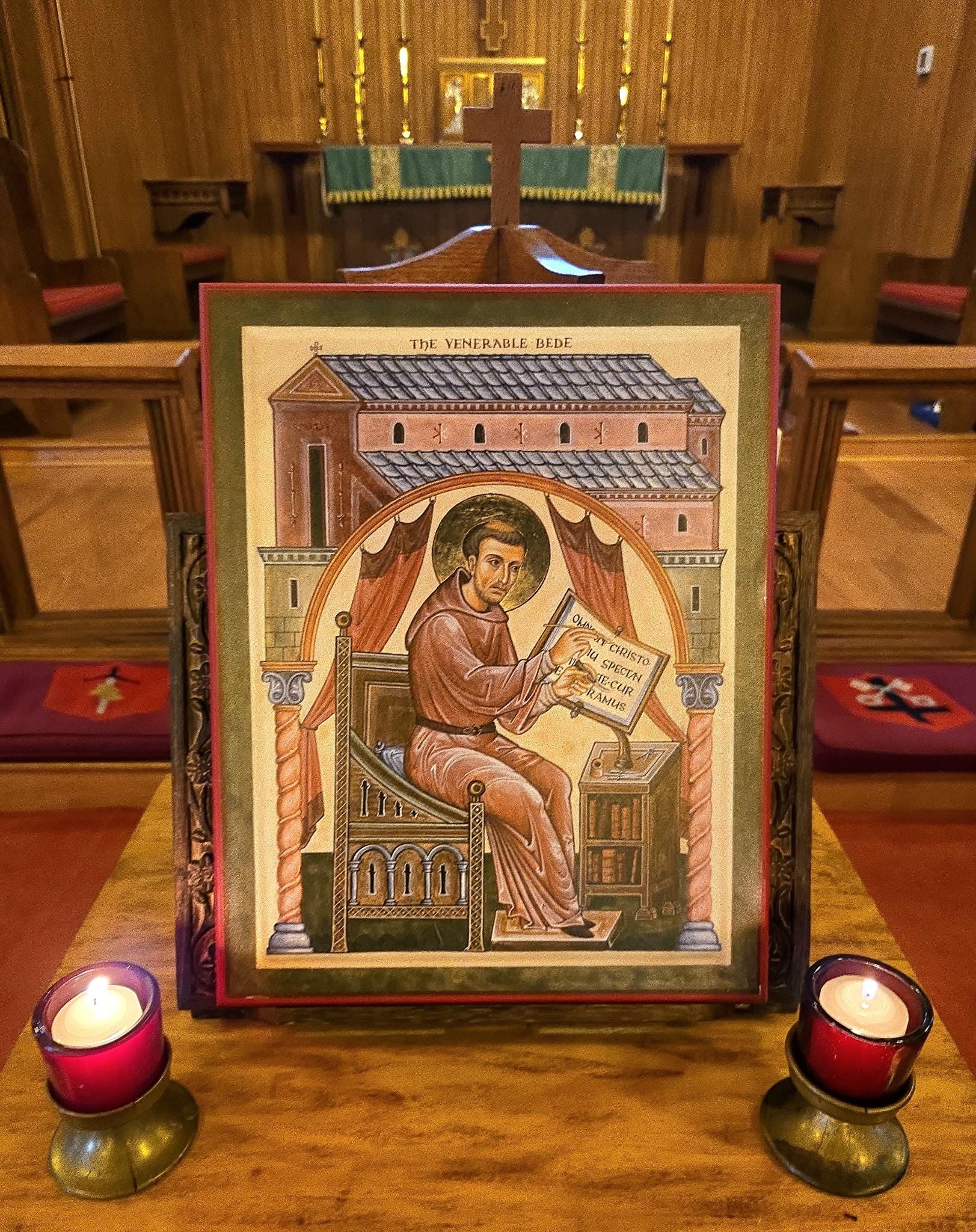
    Evenings with Bede: S3, Ep. 15: On Humility Augmenting Faith

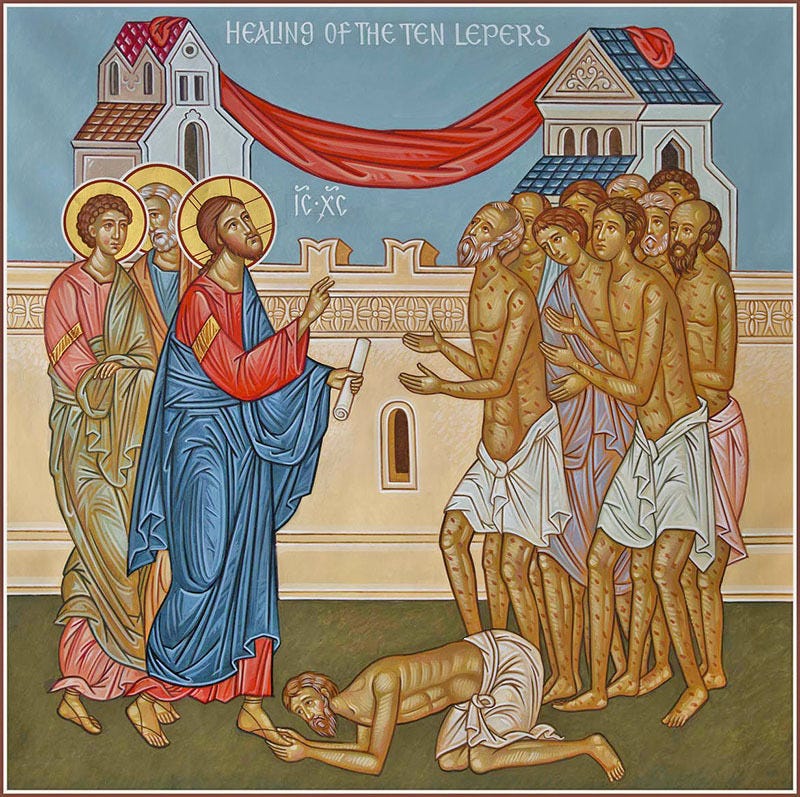
    In the audio provided, both lessons are read, and then followed by a homily by yours truly. A Lesson from the Gospel according to S. Luke, 17.11 On the way to Jerusalem Jesus was passing along between Samaria and Galilee. And as He entered a village, He was met by ten lepers, who stood at a distance and lifted up their voices, saying, “Jesus, Master, have mercy on us.” When He saw them He said to them, “Go and show yourselves to the priests.” And as they went they were cleansed. Then one of them, when he saw that he was healed, turned back, praising God with a loud voice; and he fell on his face at Jesus’ feet, giving Him thanks. Now he was a Samaritan. Then Jesus answered, “Were not ten cleansed? Where are the nine? Was no one found to return and give praise to God except this foreigner?” And He said to him, “Rise and go your way; your faith has made you whole.” A Lesson of Commentary on S. Luke by the Ven. S. Bede The leper who went back praising God signifies the devout humility of the one Church. He fittingly gave thanks, falling at the Lord’s feet. For he truly gives thanks to God who, having repressed the notions of his own assumptions, humbly sees how weak he is in himself, does not ascribe any virtue to himself, and realizes that the good things that he does are from the mercy of the Creator. When Our Lord asks “And where are the nine?”, well does He ask for them as if He does not know where they are. For as concerns God, to know is to elect, and not to know is to damn. When Jesus said to the tenth, “Rise and go your way; your faith has made you whole,” we see him who devoutly fell before the Lord ordered to arise and go on his way, because whoever keenly recognizes his own weakness and lies humbly prostrate, is commanded by the consolation of the divine word to rise up to courageous deeds, and with his virtues increasing day by day, to proceed step by step to more perfect works. And if faith made the man who bowed down to thank his Saviour and Purifier wholly, then faithlessness destroyed those who failed to give glory to God for the blessings they received. Therefore . . . faith must be augmented by humility, and here is shown more openly by this facts that is is not just understanding the rationale of faith, but carrying out the work of faith that makes the believer whole and gives glory to the Father Who is in heaven. If you find this edifying, please consider (if you haven’t already) financially supporting this public ministry. Every bit of support helps! Add your email below and hit Subscribe. Get full access to Anglican Ascetic Podcast at anglicanascetic.akensideinstitute.org/subscribe
  • September 6 · 14 min

    On Offering Ourselves to Christ

    From our patron, the holy apostle Paul, we hear teaching about living in eucharistic community. The Christians in Galatia, as the Church in Galatia which Paul himself had planted, probably in the late 40s, needed to be taught about how to live in community in the Christian way, according to the norms and expectations as revealed in Christ and proclaimed by the Apostles. They needed to be taught, and we today need to be taught; because Christians always have to be taught how to live in community in a Christian way; that is, how to live with and through thankfulness everywhere and in all places, especially when together in a worshiping community. Why do Christians have to be taught how to do this? It is because, like everything else of the Christian reality, the eucharistic reality of thankfulness, of life in Christ as His gift to us, is part of the revelation of God in Jesus Christ. And so, today, we turn again to the topic of eucharistic community: or the revealed life in community around God. I say “again” because I preached about Christian community ten Sundays ago. There I spoke these words: “In community, we must ever remember that God already knows everyone’s sins, that God already knows everyone’s heart. In community we must ever remember that God is at work in the heart and mind of every person to bring them to repentance, to confession, to humility and honesty before Him. Within the mystery of God is the mystery of trusting Him that He is in control, that unto Him all hearts are open, all desires known, and from Him no secrets are hid.” There is so much to be thankful for in this. Our God is at work, and His work always arcs toward new creation. What He is doing in us and in others is more than we can ask or imagine. It is because of this that Paul exhorts us to restore anyone in our community who is caught in any transgression in a spirit of gentleness. Gentleness is one of the nine fruits of the Holy Spirit; it is a gift from God, not something we are born with or naturally use. Gentleness comes from the virtue of Love (or Charity in its traditional name). To love fellow Christians who have committed any transgression involves a gentleness toward them, rather than being blunt and heavy-handed. The Gospel of Jesus Christ expects this of us. And when we remember that God already knows the transgression that has been committed, there is no need for anything but gentleness, because God is already at work in the heart of the person. Keeping this in mind, let us consider our Gospel passage. Jesus is met by ten lepers. These lepers ask of Jesus His mercy. We are to do this also: we are to ask Jesus for His mercy, and this is the power of the Jesus Prayer: “Lord Jesus Christ, Son of God, have mercy on me, a sinner.” Our Lord’s nature is mercy and truth, and He is always willing to share His mercy, Himself, with us. But He wants us to ask, for doing so shows us ready to receive, truly yearning for His grace—“Ask, and ye shall receive.” All ten lepers are cleansed, yet nine of the lepers see this transaction as completed. They asked, Jesus gave, they leave; it is over. Except for one—who returns to Jesus, falls on his face at the feet of Jesus, and gives Jesus thanks. Jesus tells us their behavior was not pleasing to God, for He says “Where not ten cleansed? Where are the nine? Was not one found to return and give praise to God except this foreigner?” The nine lived without thankfulness. They lived non-eucharistically. They received the gift of Christ as a material, physical benefit, not as communion with God. They are not punished in the story, but they are noticed by Christ. He also notices the one who is thankful, who is eucharistic. And being eucharistic, being thankful, is revealed as a matter of personal faith. For Jesus says, “Rise and go your way; your faith has made you well.” To live eucharistically—to live with and by and through thanksgiving as our basic disposition—is a by-product of our faith, which itself is a gift to us from Christ. The tenth leper is thankful, is eucharistic; and in being eucharistic, he gives himself in offering to Christ—he offers and presents to Christ himself, his soul and body, to be a reasonable, holy and living sacrifice to Christ, as taught by S. Paul. Brothers and sisters, let us recognize, like the tenth leper, that we are being healed by Christ, for this is the salvation He gives to transform us over the course of our Christian journey that begins in this world and continues in the next. And in recognizing what Christ does for us in this world, let us offer ourselves to Him as living sacrifice, like the tenth leper: full of faith, full of thankfulness, full of Christ’s gift, full of awareness of Christ’s boundless gift of Himself to us. To be eucharistic people is our vocation: this is what makes us a “royal priesthood”; for by it we are able to treat others in our community with gentleness and compassion, as well as others in the world, and the world itself. By our thankfulness, by our eucharistic way of being, thankful for everyone and everything around us, especially the difficult and challenging people and things around us, we more and more emulate the perfect eucharistic person: Jesus Christ, Our Lord, Our Redeemer, our Master, Who lives and reigns with the Father in the unity of the Holy Ghost; ever one God, world without end. Amen. Get full access to Anglican Ascetic Podcast at anglicanascetic.akensideinstitute.org/subscribe
  • August 30 · 12 min

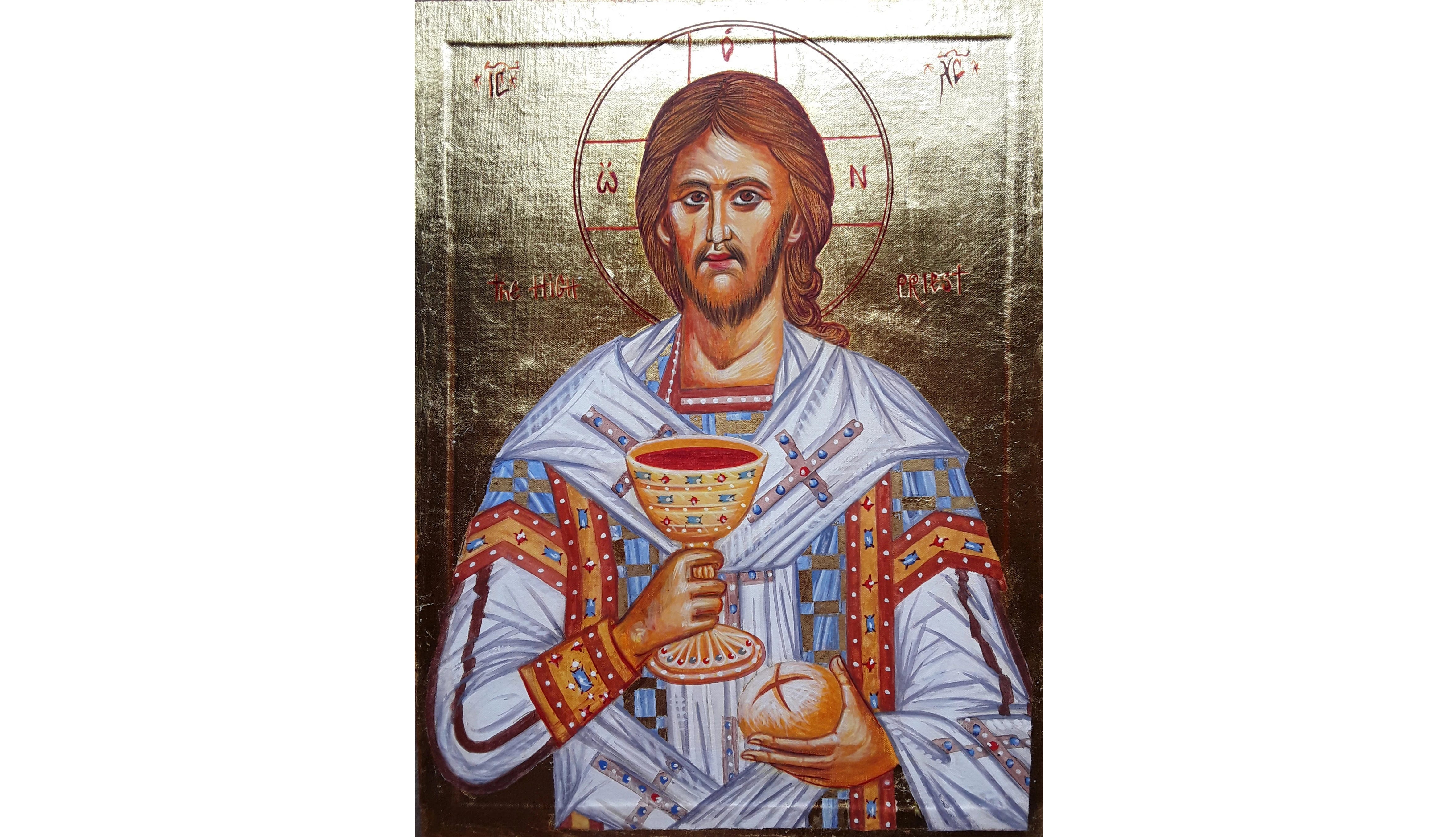
    On Christ the Perfect Eucharistic Person

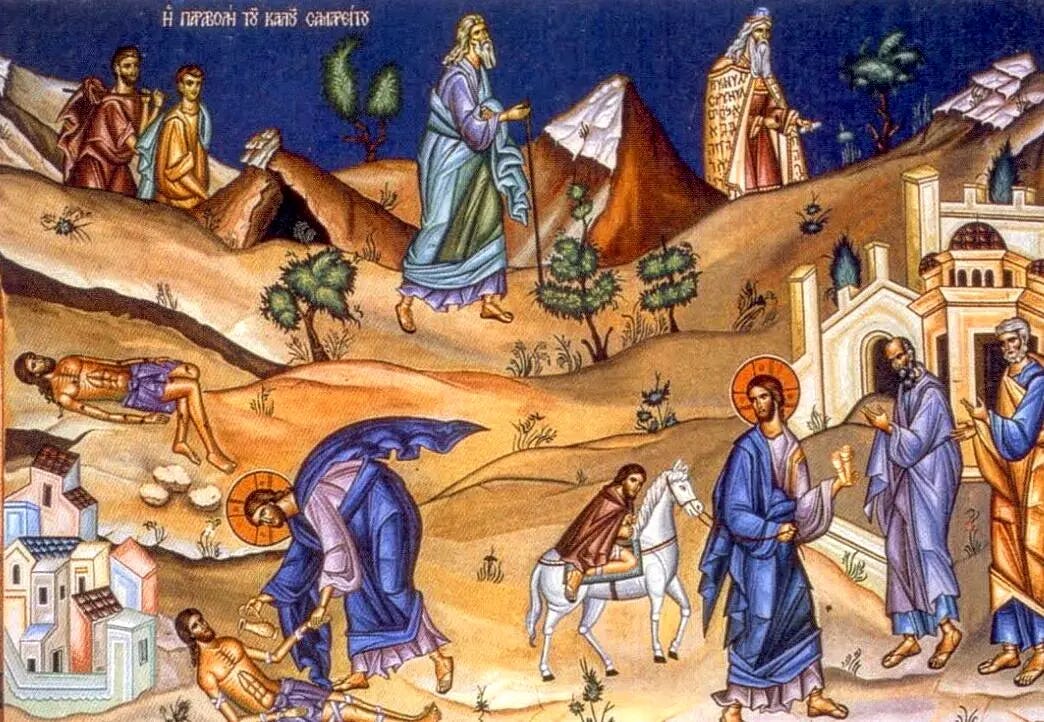
    I have been reflecting all summer long since Trinity Sunday about the eucharistic life. And one of the points I have tried to emphasize is that the word “eucharist” itself means thanksgiving. I want to underscore that this morning, and then see how it connects with the Parable of the Good Samaritan. “Eucharist” is the English form of the Greek word εὐχαριστία, which means thanksgiving or gratitude. The noun derives from the adjective εὐχάριστος, which means “grateful,” and there is a related verb εὐχαριστέω, which means “to give thanks” and “to be thankful” and this is not as a polite acknowledgement, but as a grateful response to a sincere gift. In 1 Cor. 11:23–24, Paul writes that Jesus “took bread, and when he had given thanks, he broke it.” It is in fact Jesus “took bread, and when εὐχαριστήσας (when He had given thanks), He broke it.” Saints Matthew, Mark, Luke, and John use the word similarly in their New Testament writing. By AD 100, the Church is widely using the term “Eucharist” to refer to the ritual consecration of bread and wine in worship, through Church Fathers such as S. Ignatius of Antioch, S. Justin Martyr, and the very early text The Didache. Let us meditate even closer on the word in connection with Our Lord and Saviour, Jesus Christ. As I just alluded to, at the Last Supper, when the Blessed Sacrament was instituted, Jesus gave thanksgiving to the Father immediately before He identified the bread and cup with His precious Body and Blood. Towards ordinary bread and wine, towards these gifts, Christ’s disposition and actions offer them back to God. In other words, Jesus demonstrates Eucharist; He embodies Eucharist, that is thanksgiving, and within His Eucharist comes the Eucharist for the Church. Christ’s Eucharist, His disposition and action of thanksgiving (of Eucharist) initiates the transformation of the bread and wine to become Himself. And then Jesus directs His disciples to make this their way of life. “Do this,” Christ says, “for the remembrance of Me,” for the actually making-present again of Me, He says. “Whenever you do this, you proclaim Christ,” Paul says. Therefore “eucharist” names the ongoing response of the Church and the members of the Church: our life is to be a life of gratitude for the gift of salvation given us by Christ. Or in short, our life is to be a eucharistic life. God calls us to this. The eucharistic life is the vocation of man. The qualities of eucharistic life, furthermore, are named by Paul in our Epistle. The eucharistic life is made distinct and shows itself through love, joy, peace, patience, kindness, goodness, faithfulness, gentleness, and self-control. These are named by the Church the nine Fruits of the Holy Spirit. These show forth, Paul teaches, as we walk by the Spirit, rather than by the desires of the flesh. These nine Fruits outline the Christian vocation of eucharistic life. By these, Christ is shown through us to others. Christ is the perfect eucharistic person. As we imitate His perfect eucharistic virtue, our lives become more virtuous and more prayerful and more filled by caritas: Christian charity, Christian love. And it is inducing this kind of life, this kind of eucharistic life, that Our Lord is after in his conversation with the lawyer. He tells the parable of the Good Samaritan so perfectly that to His question “Which of these three proved to be a neighbor to the man who fell among the robbers?” the lawyer clearly answers “The one who showed him mercy.” To this, Jesus says, “Go, and do likewise.” But Jesus does not mean, “Go, and do likewise once.” Or twice, or three times. He means as many times as He means when Peter came up and said to him, “Lord, how often shall my brother sin against me, and I forgive him? As many as seven times?” Jesus said to him, “I do not say to you seven times, but seventy times seven.” Meaning, always, every where and in all places. As Jesus taught Peter that forgiveness is to be his way of life, so does Jesus teach us that showing caritas, Christian charity, Christian love to others is to be our way of life—because our life of following Christ is to imitate His virtues. Imitating the perfect eucharistic person which is Christ, we embody a eucharistic life. In summary, think of it this way. The beaten man is Adam (meaning all of humanity). The robbers are the demons, who because humans give in to temptations, they are robbed of life in Christ. Laying half dead because of sin, he is ignored by people who live by the flesh. To him comes the Samaritan Who is Christ, who heals humanity through His presence and grace (the oil and wine) and brings him to the inn which is the Church and the eucharistic life of the Church. Brothers and sisters, let this be what our lives look like. Let this be our life: which we live in thanksgiving to Christ, our Lord and Savior, Who has healed us and brought us into the Inn of Salvation which is the Church: All for Christ, who lives and reigns with the Father, in the unity of the Holy Ghost, ever one God, world without end. Amen. Get full access to Anglican Ascetic Podcast at anglicanascetic.akensideinstitute.org/subscribe
  • August 29 · 14 min

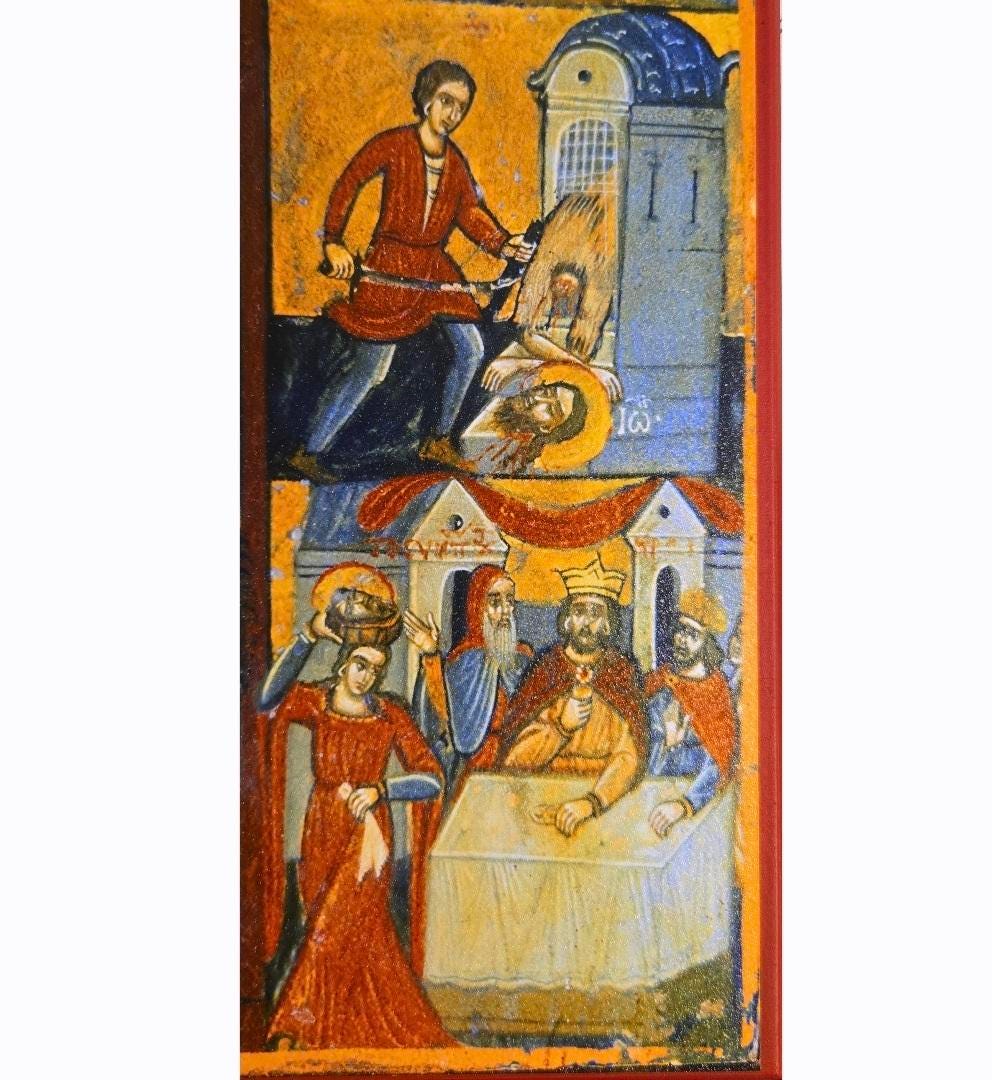
    On S. John Baptist Pointing Us to Christ

    We pray Thee, O Lord, that this solemn festival of John Baptist Thy blessed Forerunner and Martyr may effectually bestow upon us Thy succour, to the attainment of everlasting salvation; Who livest and reignest with the Father in the unity of the Holy Ghost, ever one God, world without end. Amen. Get full access to Anglican Ascetic Podcast at anglicanascetic.akensideinstitute.org/subscribe
  • August 24 · 17 min

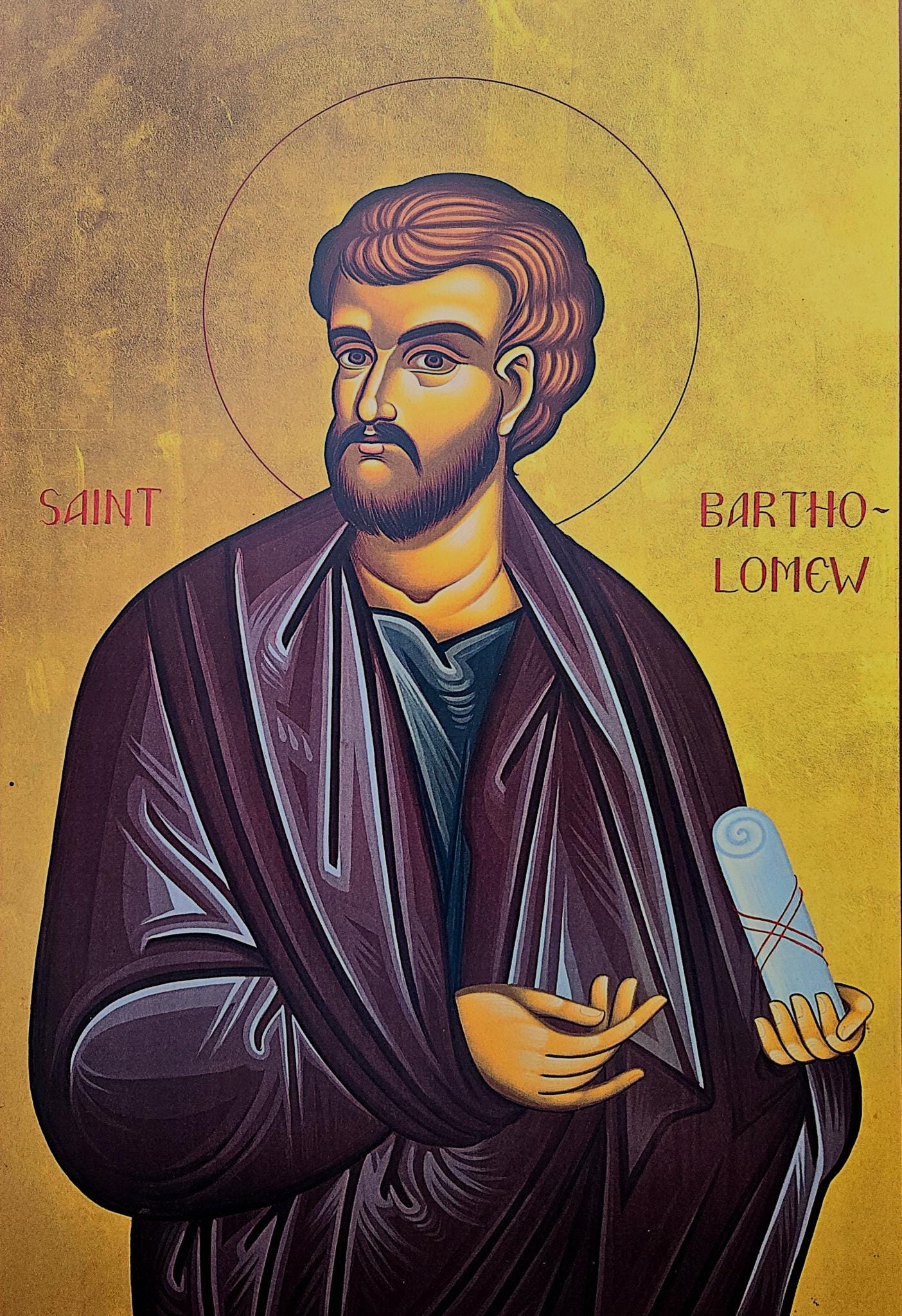
    On Saint Bartholomew and the Fig Tree

    O Almighty and everlasting God, Who didst give to Thine Apostle Bartholomew grace truly to believe and to preach Thy Word: grant, we beseech Thee, unto Thy Church, to love that Word which be believed, and both to preach and receive the same; through the Jesus Christ, our Lord. Amen. Get full access to Anglican Ascetic Podcast at anglicanascetic.akensideinstitute.org/subscribe
  • August 23 · 15 min

    On the Royal Priesthood and Human Image of God

    One of the themes of my preaching and teaching that I emphasize is how God makes the human being. This comes directly from Scripture, in Genesis chapter 1, on the sixth day of creation, we have the words: “God said, ‘Let us make man in our image, after our likeness.” Here God begins the project of making man, of making, in fact, the human image of God. Saint Paul calls this making in Genesis 1 “the first Adam.” That word “adam” means both a singular male, and it means all of humanity as such. We need both meanings to properly understand this Scripture, and particularly to properly understand what God is doing when He says, “Let us make man in our image, after our likeness.” The two meanings align with the literal and spiritual interpretations of this passage. In the literal sense of this passage, God makes a singular male human being: “Let us make a man.” Yet in the spiritual sense of this passage, God is saying “Let us make humanity itself.” And in this spiritual sense, “Let us make humanity itself” shows us that God began the project of making the human image of God in Genesis, and completed this project, brought it to perfection and consummation, on the Cross in Jesus Christ crucified, which Christ Himself confirms when He says “It is finished.” It is attested by Saint Paul who calls Jesus Christ “the last Adam.” What is finished is the project of revealing to the world the human image of God, the making of humanity after God’s image. Christ on the cross is the image of the fullness of humanity made in the image of God. Christ on the cross is the full revelation of sacred humanity. Instead of the beastly humanity which is the natural condition of all human beings who are lost and alienated from God, Christ shows the sacred humanity available to all who deny themselves, take up their cross, and follow Him. This is the Gospel revealed by Christ. There are many directions I could go with this teaching and the implications of this teaching, this fact of God’s regenerating power. The one I want to emphasize in this sermon is the implication for us, the implication for human beings—for the sacred humanity revealed in its fullness on the Cross is the sacred humanity God desires us to have; the sacred humanity God desires us to achieve through our cooperation with His unbounded grace. As Christ says to Moses in Exodus 19.6: “You shall be to me a kingdom of priests and a holy nation.” Saint Peter himself elaborates on this with his words: “You are a chosen race, a royal priesthood, a holy nation, God’s own people, that you may declare the wonderful deeds of him who called you out of darkness into his marvelous light.” To paraphrase the song of the 24 elders and the four living creatures in Revelations 5: “Christ has made us a kingdom and priests to our God, and we shall reign on earth.” All of this is what Saint Paul is talking about in our Epistle. He writes: “Such is the confidence that we have through Christ toward God. Not that we are sufficient in ourselves to claim anything as coming from us, but our sufficiency is from God, Who has made us sufficient to be ministers of a new covenant, not of the letter but of the Spirit.” Of ourselves alone, we can do nothing good from our mere beastly humanity. This is the life of the flesh that Paul teaches about, and humility demands that we acknowledge that we are not sufficient in ourselves to claim anything as coming from us. Rather, everything we have is from Christ: our sufficiency is from God. We see this in our readings, first in the dialogue between Moses and God. Moses says, “Oh, my Lord, I am not eloquent . . . I am slow of speech and of tongue.” In his beastly, natural humanity, Moses is utterly unable to do what God commands him, which is to speak to the children of Israel as their leader. But Christ assures Moses, saying “Who has made man’s mouth? . . . I will be with your mouth and teach you what you shall speak.” Moses is made sufficient by what he receives from God: everything he has is from Christ, is gift of Christ. And because of this, Moses is able to fulfill his role in God’s plan for salvation. Secondly we see this as well in our Gospel account. Before Jesus was brought a man who was deaf with a speech impediment. Christ anointed the man with His mercy, and by this anointing grace his ears were opened, his tongue released, and he proclaimed the Gospel of salvation in Christ—that is, of spiritual health in Christ. My dear brothers and sisters, we are Moses, and we are the deaf man. In our beastly, natural condition, we cannot speak holy words. But because of Christ we know the words of heaven, which we say in the Liturgy and in prayer: in the Liturgy and in prayer, Christ is our mouth and He teaches us what to speak. And in our beastly, natural condition, we cannot hear God speaking to us through the heavenly choir of angels, but when Christ opens the ears of our heart, we can hear them sing “Holy, holy, holy.” Our beastly humanity is transformed into sacred humanity. Our sacred humanity is our natural state infused with Christ’s grace, which equips us for the work of ministry, for building up the body of Christ. By His grace, we are able to fulfill our role in the royal priesthood. Given the words to speak, and the actions to do, we are able to offer our sacrifice of praise and thanksgiving; we are able to live with virtue and self-surrender; we are able to pray, we are able to do works of mercy. And we are able to receive the Eucharist, which is our spiritual food that feeds us with Christ’s mercy which makes possible God’s plan for us to show forth the human image of God as living stones built into a spiritual house, truly participating in Christ because we are equipped by Christ, Who is our true foundation, the Eternal Word and Son of God, Who lives and reigns with Him in the unity of the Holy Ghost, ever one God, world without end. Amen. Get full access to Anglican Ascetic Podcast at anglicanascetic.akensideinstitute.org/subscribe
  • August 16 · 18 min

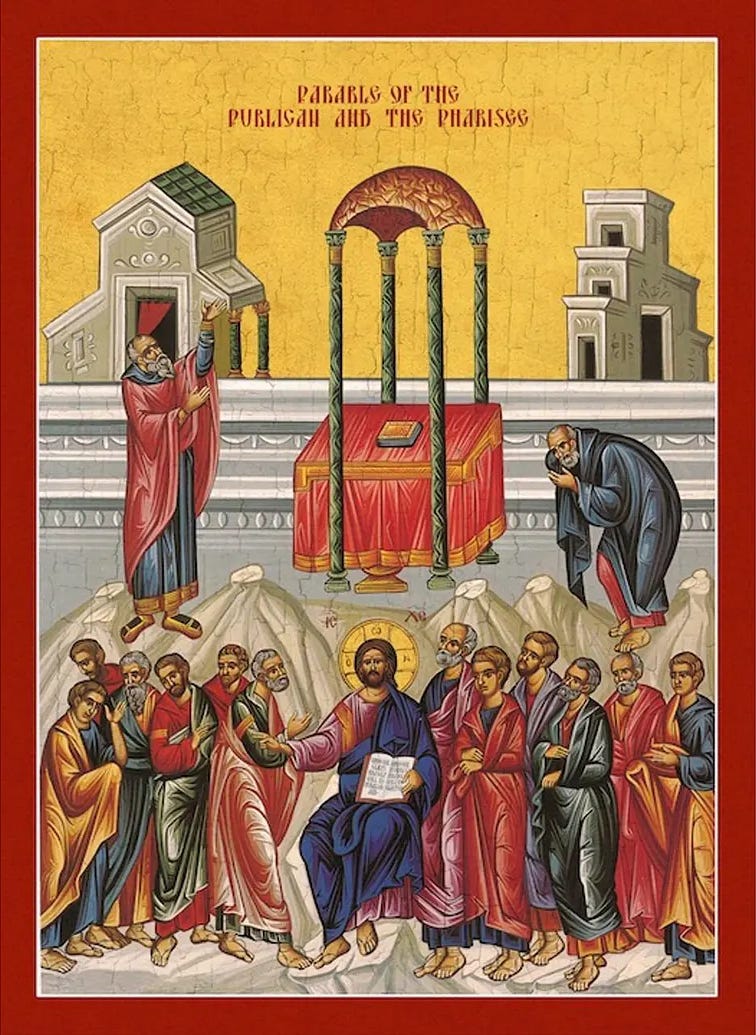
    On Pride and Humility

    Saint Paul teaches us today about delivering to others what has been received. The gift of the Gospel brings with it the responsibility to proclaim the Gospel to others, which we do through the acts of mercy. But it is a responsibility born of grace: if we are thankful to God—if we are “eucharistic,” which means a life of thankfulness to God for everything we have because everything is gift—then how can it be but joy to share with others the grace we have ourselves received? Mary, after the annunciation, went with joy to Saint Elizabeth, and for both of these women, everything was gift: Jesus was gift to Mary; Mary was gift to Elizabeth; Christ’s presence in utero was gift not only to Saint John Baptist in utero, but was gift to all of them. All was joy; all was gift, and delivering to others what was received. To live eucharistically is to imitate the Saints in always seeking to deliver and pass on to others what we have received: we have received the innumerable blessings of the Gospel and we are to deliver the Gospel to others around us that they will likewise be blessed by Christ’s mercy, that others partake in this same Life in Christ crucified and risen. Paul spread the Gospel, despite his sinful background. The same applies for S. Mary Magdalene, a woman filled with seven demons before she met Christ and through Him was purged of her demons: she was so able to share the Gospel of the risen Christ that she is known as an apostle to the apostles. Saint Peter denied Christ three times, yet became the leader of the apostles proclaiming Christ crucified and risen to many lands. Yet today a great many Christians do not do this. What might hold us back? Something seems to keep us from sharing with others the Gospel light of Christ which we have received. Perhaps one cause is that people have not been taught of the necessity to imitate the Saints in proclaiming the Gospel. And in that case, it cannot be held against them, but rather against the priests of the Church, who are charged to teach their flock. The spiritual literature and wisdom of the Church over 20 centuries indicates an additional cause: having hangups that derive from personal sin. And most commonly in spiritual literature, the sin that is most discussed is pride. Perhaps it is some kind of pride within us that we must overcome in order to share the Gospel with others. Something about pride, and therefore something as well about humility (because humility is the antidote to pride). To begin, let us reflect on our Gospel passage. The parable we hear today is that of the Pharisee and the Tax Collector. We are well familiar with this parable. And I want us to reflect on the parable again and do so along with the teaching from Paul. In the Parable of the Pharisee and Tax Collector, we hear of the Pharisee who compares himself to others and finds himself best. In the words of Jesus at the end of the Parable, the Pharisee is the person who exalts himself. The Pharisee judges others and gives himself the prize. The Pharisee is the image of pride. Our Lord Jesus also presents to us the Tax Collector. The Tax Collector does not even raise his eyes to heaven, and only says, “God, be merciful to me, a sinner.” He judges no one except himself, and again in the words of Jesus, the Tax Collector is he who humbles himself. “Everyone,” Jesus Christ says, “who exalts himself will be humbled, but the one who humbles himself will be exalted.” The Tax Collector is the image of humility. And it is the Tax Collector who proclaims the Gospel. As we consider this parable, and think about our own lives, we are drawn to say “I will aim to be like the Tax Collector,” and indeed this is what Jesus expects of us. We are to seek to imitate the Tax Collector and in all things regard ourselves with deep humility. Yet as we consider this parable, we might also be drawn to say, “and I will not be like the Pharisee. I will not imitate him. He is not worthy to be imitated.” And while it is understandable to think this way, notice the holy trap our Lord laid for us: in trying to not be like the Pharisee, we unwittingly imitate him, because as the Pharisee looked at the Tax Collector and judged himself better than him, if we regard the Pharisee as a person inferior, we are doing what he does, even as we deride him. Striving to imitate the image of humility tempts us toward pride. I think what keeps Christians from sharing the Gospel with their neighbors is this kind of pride, the subtle pride of striving outwardly to be like the Tax Collector while secretly thinking ourselves to be special, with a quiet, even invisible, high estimation of ourselves. For us to be able to pass on the Gospel to others, for us to fulfill Christ’s commandment to proclaim the Gospel in our lives to others, we must show ourselves objects of Christ’s mercy and pity. This means having a constant sense of being a sinner; a constant sense of our need for a Savior, a profound sense of the mystery of God, and a deep sense of thanksgiving to God everywhere and in all places which is the eucharistic life. To truly share with others what we have received, yes, let us imitate the Tax Collector, like him we may long beyond all things for the mercy of God, which gives us peace: “Lord Jesus Christ, Son of God, have mercy on me, a sinner.” This simple prayer inspired by the Tax Collector is the most used prayer by Christians. It recognizes the divine majesty of Christ; it receives the fact of His resurrection; it expresses our need for Christ through true humility; and it asks Him for mercy, which is what we need for salvation, and what we seek to share with others, for sharing mercy is evidence that Christ is resurrected. Lord Jesus Christ, Son of God, have mercy on me, a sinner: Lord Jesus Christ, give us all mercy, O Holy One Who lives and reigns with the Father in the unity of the Holy Ghost, ever one God, world without end. Amen. Get full access to Anglican Ascetic Podcast at anglicanascetic.akensideinstitute.org/subscribe
  • August 15 · 17 min

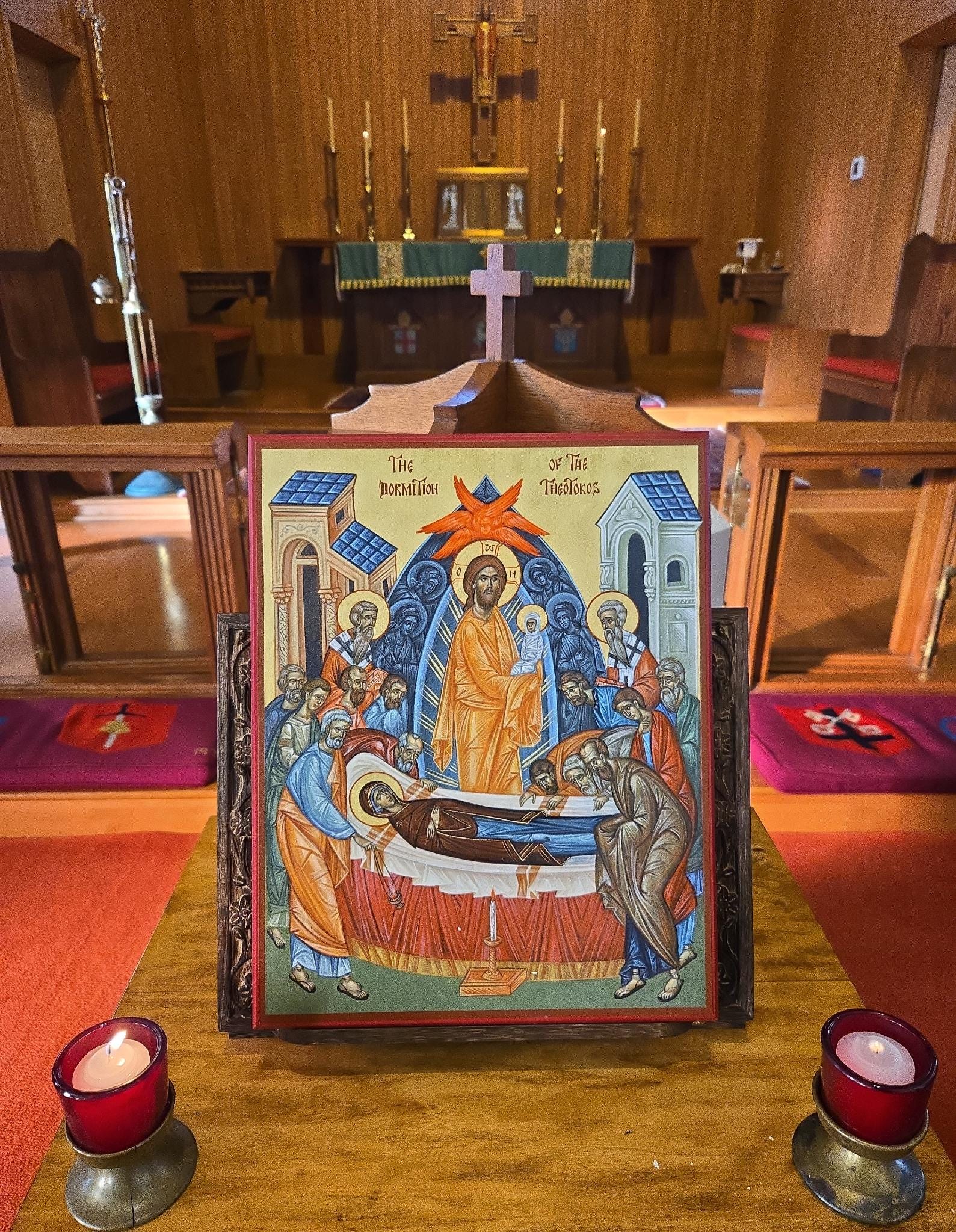
    On the Dormition of Blessed Mary

    O God, Who on this day didst take to Thyself Blessed Mary, the ever-Virgin Mother of Thine only-begotten Son: grant that we who celebrate her glory may be aided by her prayers, and may come to share her heavenly and eternal joys; through the same The Son Jesus Christ, our Lord. Amen. Get full access to Anglican Ascetic Podcast at anglicanascetic.akensideinstitute.org/subscribe
  • August 15 · 1 hr 21 min

    Ep. 6: S. Cyprian on the Lord's Prayer

    This is unedited audio of my parish’s Saturday morning class in which we study Scripture with the help of the Church Fathers. This class is currently reading On the Lord’s Prayer by S. Cyprian of Carthage. In this episode, we look at chapters 19-21. I take a close-reading approach to the text, and I read aloud every word of the text. It is found in this volume which I suggest you purchase if you want to follow along in the most effective way. Enjoy! If you like this content, please consider becoming a paid subscriber. Paid subscriptions go a long way towards supporting my online ministry. Click below to subscribe! Get full access to Anglican Ascetic Podcast at anglicanascetic.akensideinstitute.org/subscribe
  • August 12 · 26 min

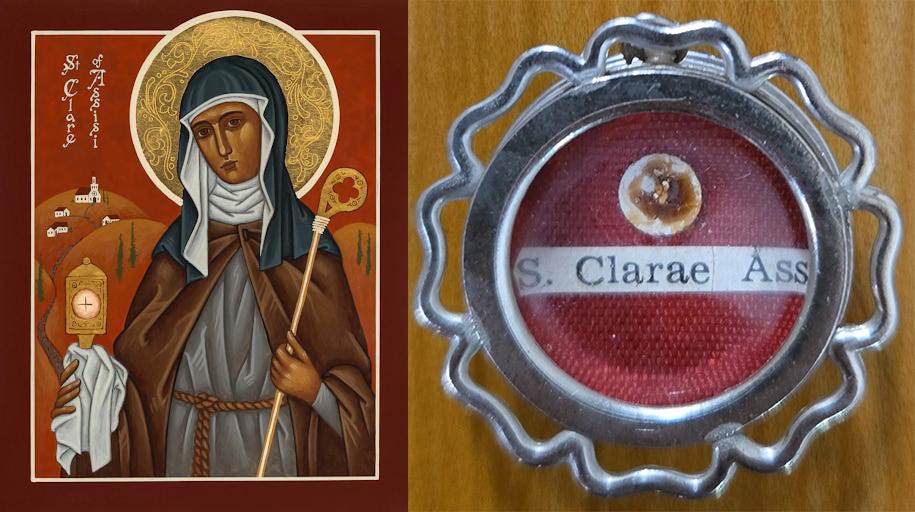
    On Saint Clare and the Eucharist

    Graciously hear us, O God of our salvation: that, like as we do rejoice in the festival of blessed Clare of Assisi, Thy holy Virgin, so we may learn to follow her in all godly and devout affections; through Jesus Christ Thy Son our Lord, Who liveth and reigneth with Thee, in the unity of the Holy Ghost, ever one God, world without end. Amen. Get full access to Anglican Ascetic Podcast at anglicanascetic.akensideinstitute.org/subscribe
Showing 1–20 of 29 episodes