Skip to content
Artwork for 1A

1A

NPR

Listening to the news can feel like a journey. But 1A guides you beyond the headlines – and cuts through the noise. Let's get to the heart of the story, together – on 1A.

Support public media by joining NPR+ at plus.npr.org. You’ll get perks for over 25 NPR podcasts, including sponsor-free listening for 1A.
Play
  • 65 episodes
  • daily
  • Avg 50 min
  • English

Support the show

Goes straight to the publisher. podnod takes nothing.

Counted on this page — what you have heard stays on this device, so it is not something the list can be paged by.
  • September 7 · 40 min

    America’s Next 50 Years: A 1A Call-In Special (REBROADCAST)

    How did you celebrate July 4 this year? What did the country’s landmark 250th anniversary, in honor of the founding of the United States, mean to you? The next 50 years likely hold a lot of change for our country where democracy, economic uncertainty, technology, and our social fabric are concerned. What do we want that change to look like? In this previously-aired episode, we opened the phones so that you, our listeners, could tell us. Find more of our programs online. Listen to 1A sponsor-free by signing up for 1A+ at plus.npr.org/the1a. See pcm.adswizz.com for information about our collection and use of personal data for sponsorship and to manage your podcast sponsorship preferences. NPR Privacy Policy

  • September 5 · 1 hr 23 min

    The News Roundup For September 4, 2026

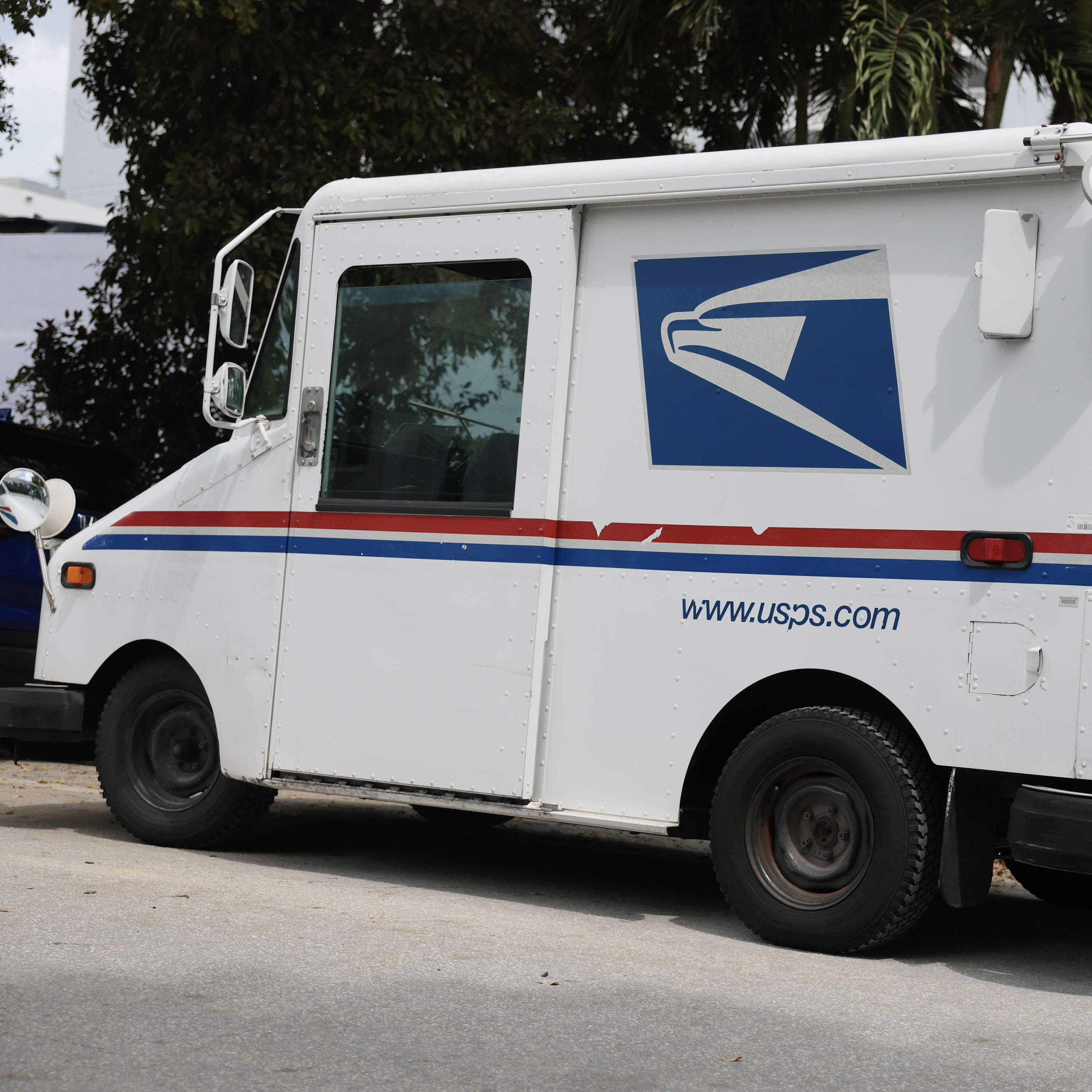
    Following months of a tenuous ceasefire and several rounds of failed negotiations, the U.S. and Iran traded military strikes this week threatening to once again plunge the surrounding region into conflict. A whistleblower inside the United States Postal Service is warning that the agency is rushing to implement a system to deal with mail-in ballots that, due to its untested nature, could disenfranchise millions of voters in the U.S. Months after the beginning of Immigration and Customs Enforcement operations in U.S. cities, and after several fatal shootings, ICE now says it has enough body cameras for its agents. And, in global news, following renewed violence between Washington and Tehran, Russian President Vladimir Putin pledged support for Iran this week in its conflict with the U.S. and encouraged other world leaders to do the same. The U.S. is working with interim President Delcy Rodriguez on a plan to take control of roughly one fifth of Venezuela’s oil supply. And voters in Iceland struck down a referendum on restarting talks to join the European Union. We cover the most important stories from around the world in the News Roundup. Find more of our programs online. Listen to 1A sponsor-free by signing up for 1A+ at plus.npr.org/the1a. See pcm.adswizz.com for information about our collection and use of personal data for sponsorship and to manage your podcast sponsorship preferences. NPR Privacy Policy

  • September 3 · 43 min

    Surveillance: What Fleets Of Flock Cameras Mean For American Privacy

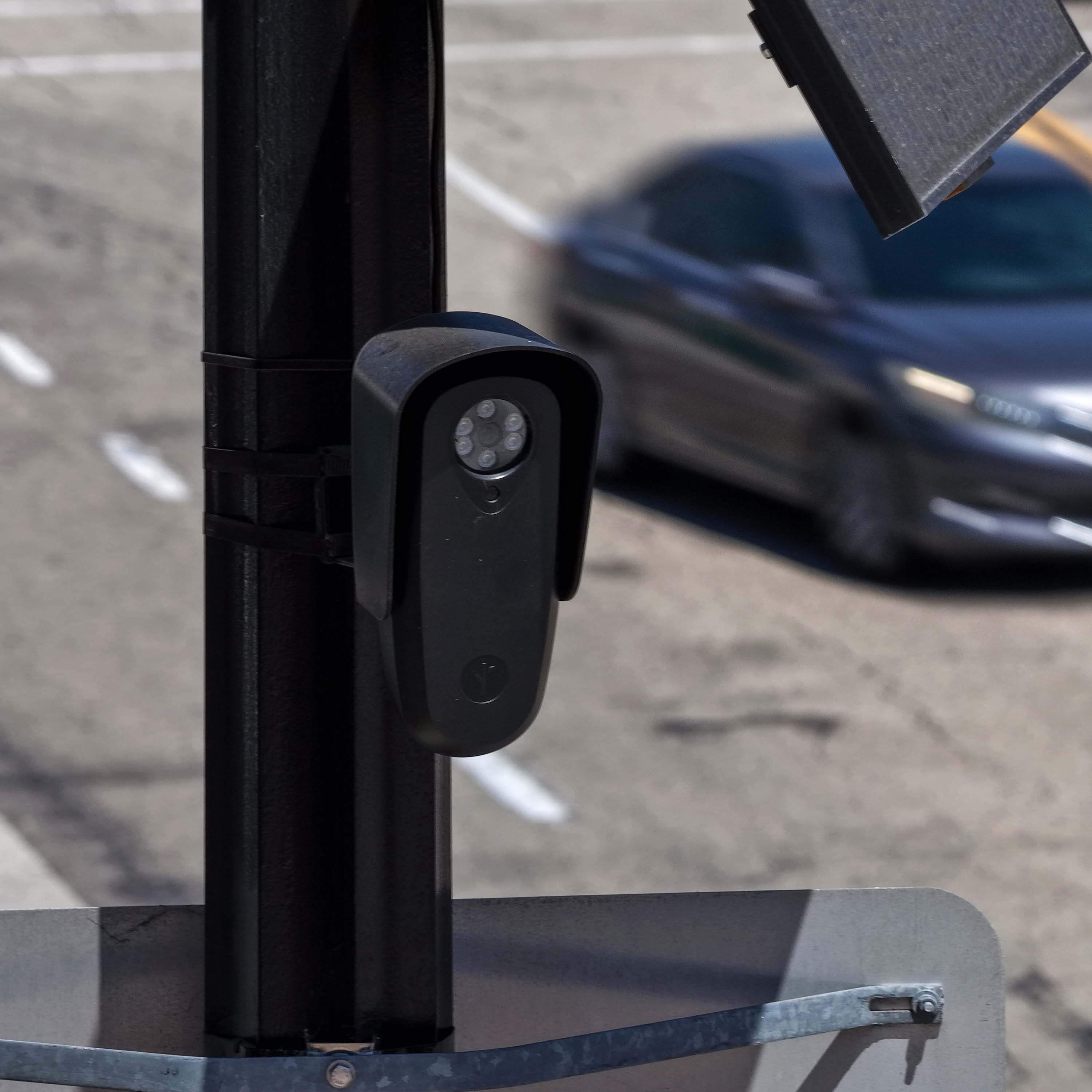
    If you’ve driven on any road in the U.S. lately, chances are your license plate has been captured by a Flock camera. Flock lets police around the country track your car. The company’s cameras can even help determine whether you’ve committed a crime. Now, it’s is facing big time backlash for what critics call excessive surveillance. What does widespread deployment of license plate readers on U.S. roads means for our privacy? Find more of our programs online. Listen to 1A sponsor-free by signing up for 1A+ at plus.npr.org/the1a. See pcm.adswizz.com for information about our collection and use of personal data for sponsorship and to manage your podcast sponsorship preferences. NPR Privacy Policy
  • September 2 · 44 min

    Religion: ‘Our Town’ And A Christian Nationalist Takeover In Tennessee

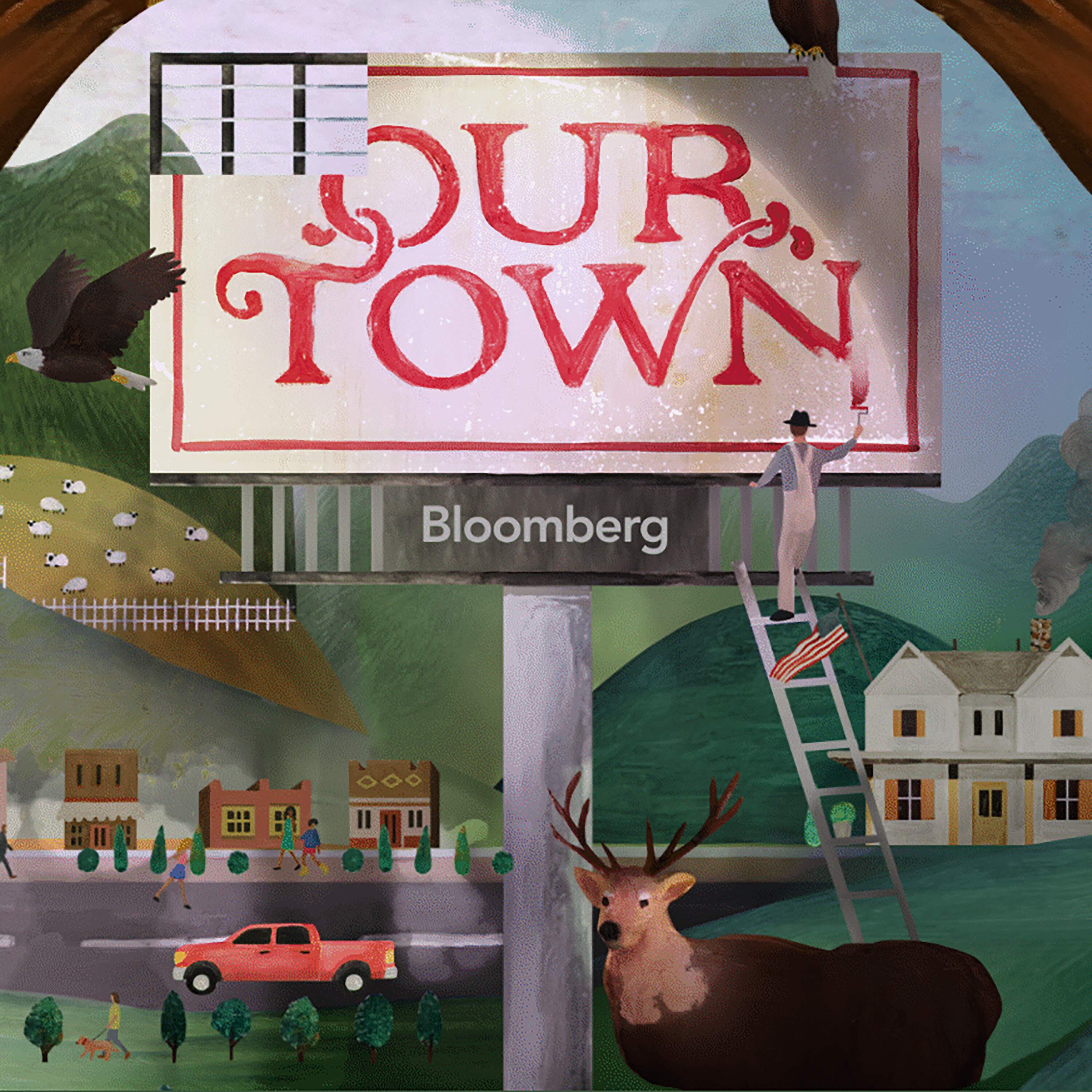
    Imagine a small town in rural Tennessee — a town square, a yellow brick courthouse, a family-owned restaurant, a café, and beautiful sunrises and sunsets across the Appalachian foothills. Now, imagine a group of far-right real estate developers — backed by Silicon Valley venture capital and with powerful ties to Washington — move into town. They have a vision to build a new kind of community and turn it into a haven for like-minded white Christians. That’s what’s happening in Gainesboro, Tennessee. And it’s part of a growing movement by some far-right Christian nationalists to relocate to red states and turn small towns into white enclaves. Locals in Gainesboro are alarmed. They call it a “takeover.” And they are pushing back. That’s the story of “Our Town,” a new Bloomberg investigative podcast series. We sit down with its hosts to talk about this takeover in Tennessee. Find more of our programs online. Listen to 1A sponsor-free by signing up for 1A+ at plus.npr.org/the1a. See pcm.adswizz.com for information about our collection and use of personal data for sponsorship and to manage your podcast sponsorship preferences. NPR Privacy Policy
  • September 1 · 45 min

    Special Call-In: Teaching In 2026

    For some of you, it’s still a week away. For others — the doors are already open. It’s back to school. But in this edition of 1A, it’s all about the teachers. They’ve been called heroes. They’ve fought for better salaries and benefits. They‘ve been asked to do more with less. They’ve started go-fund-me campaigns to pay for your classroom supplies when the funding just isn’t there. Last year, we asked teachers what excited and worried them before the school year. And this year, we’re doing it again.What are teachers in the U.S. feeling ahead of a school year sure to be filled with triumphs and perils? Find more of our programs online. Listen to 1A sponsor-free by signing up for 1A+ at plus.npr.org/the1a. See pcm.adswizz.com for information about our collection and use of personal data for sponsorship and to manage your podcast sponsorship preferences. NPR Privacy Policy
  • August 31 · 43 min

    Family: ‘My Mother’s Daughter’ And Uncovering Long Buried Family Stories

    Between 1950 and 1975, an estimated 1.5 million women were sent to homes for unwed mothers across the United States. There, most were hidden away from their families and communities until they gave birth and placed their babies for adoption. Some of those adoptions were involuntary. That type of experience is hard to forget. For one family, a past that had been buried for decades finally came to light after a DNA test connected two long-lost sisters. We hear from both of them, as part of the new book, “My Mother’s Daughter: Finding Myself in My Family’s Fractured Past.” Find more of our programs online. Listen to 1A sponsor-free by signing up for 1A+ at plus.npr.org/the1a. See pcm.adswizz.com for information about our collection and use of personal data for sponsorship and to manage your podcast sponsorship preferences. NPR Privacy Policy
  • August 28 · 1 hr 31 min

    The News Roundup For August 28, 2026

    Following a Supreme Court decision that cleared the way, a federal judge lifted a nationwide block on President Donald Trump’s executive order that limited mail-in voting ahead of the midterm elections. A historic drought in the northwestern United States is supercharging what’s on track to already be a historic wildfire season. And reporting from The Wall Street Journal indicated that Trump intervened at the Department of Justice as the agency was preparing to sue Live Nation, the world’s largest concert promoter. And, in global news, this week, President Donald Trump imposed 50% tariffs on Canadian imports, prompting Ottawa to retaliate with tariffs of its own. Canada and the U.S. exchanged about 872 billion dollars in goods and services in 2025. Friday marks six months since the start of the U.S. war with Iran. This week Treasury Secretary Scott Bessent issued a warning to foreign governments and companies saying they could lose access to the U.S. financial system if they continue doing business with Tehran. President Trump said he’s not in a hurry to return to the negotiating table. And a catastrophic flood at the border between Nepal and China killed at least 400 people, with thousands more still missing. We cover the most important stories from around the world in the News Roundup. Find more of our programs online. Listen to 1A sponsor-free by signing up for 1A+ at plus.npr.org/the1a. See pcm.adswizz.com for information about our collection and use of personal data for sponsorship and to manage your podcast sponsorship preferences. NPR Privacy Policy

  • August 27 · 43 min

    Why Are Some Abortion Opponents Looking To Ban Surrogacy?

    Four years after the fall of Roe v. Wade upended federal protections for abortion access, abortion opponents have set their sights on a new target in the world of fertility: surrogacy. A gestational surrogate is a woman who carries an embryo that was formed using the egg of another woman. Before the pregnancy, the surrogate also agrees to return the baby to its intended parents once born. At its core, surrogacy is a contractual agreement. But because there’s no federal law regulating surrogacy agreements, it’s left up to state to decide how they can be enforced. That’s the issue at the heart of a high-profile legal dispute between an Alaska surrogate and a California couple. Why are some abortion opponents looking to ban surrogacy? And could they succeed? And how does the patchwork of regulations that govern surrogacy agreements complicate the process? Find more of our programs online. Listen to 1A sponsor-free by signing up for 1A+ at plus.npr.org/the1a. See pcm.adswizz.com for information about our collection and use of personal data for sponsorship and to manage your podcast sponsorship preferences. NPR Privacy Policy
  • August 26 · 46 min

    Music: Dolly Parton's Legacy

    On Tuesday, August 25th, American country musician, philanthropist, and icon Dolly Parton died at the age of 80 in Nashville, Tennessee. Years before her death, she asked her nephew and head of security, Bryan Seaver, to make a video announcing her passing. In the video posted to social media yesterday, he shared this exchange with his aunt: “Dolly called me and said she wants to rest on a beautiful bed of plush cotton because after a life of wearing heavy rhinestones, she finally deserves to be comfortable, and have some rest.” In 2023, we celebrated the queen of rhinestone’s achievements and music here on 1A. Please enjoy this replay of that show in honor of Dolly Parton’s legacy. Here's what we wrote about that conversation at the time. – Dolly Parton’s resume is as big as her hair. And at age 77 she’s adding another title to it: “Rockstar.” Her new album was released on Nov. 17. It’s a mix of covers of classic rock songs, featuring collaborations with a whopping list of who’s who in Rock-n-Roll. And there are almost 30 tracks – give or take a few – depending on the version of the album that you buy. With 9 new singles, “Rockstar” is Dolly’s most significant foray into Rock and Roll music. While Dolly has fully embraced a new “Rockstar” persona – down to the black studded outfits – glimmers of rockstar have existed in Dolly’s previous eras. And over the past fifty years, Dolly has won plenty of awards and accolades for her songwriting, becoming one of music’s most prolific songwriters. Sit back and grab yourself a cup of ambition. For this edition of the 1A Record Club – Dolly Parton’s new album “Rockstar” and what her latest musical evolution represents. Find more of our programs online. Listen to 1A sponsor-free by signing up for 1A+ at plus.npr.org/the1a. See pcm.adswizz.com for information about our collection and use of personal data for sponsorship and to manage your podcast sponsorship preferences. NPR Privacy Policy
  • August 26 · 44 min

    Tech: Is Technology Setting Us Free?

    Throughout history, people have been fascinated by automation, technological progress, and how it can change our lives. In 1956, General Motors made a film about the distant future of 1976, when cars would drive themselves with the help of traffic-control towers. In 1993, AT&T envisioned what sounds a lot like today’s smart home and smart watch technology. Much of what the companies behind these advertisements promised has come true. The idea, running through all of it, was that technology will set you free. It will connect you. It will give you power over your own life. It will make things better. We sit down to talk with historian Jill Lepore about whether or not that’s true. Find more of our programs online. Listen to 1A sponsor-free by signing up for 1A+ at plus.npr.org/the1a. See pcm.adswizz.com for information about our collection and use of personal data for sponsorship and to manage your podcast sponsorship preferences. NPR Privacy Policy
  • August 25 · 45 min

    Health: The DRC Ebola Outbreak Is Spreading At A Rapid Pace. Why?

    The current Ebola outbreak in the Democratic Republic of the Congo is the deadliest in the country’s history. With over 2,500 deaths and more than 5,000 confirmed cases, it’s now the second largest ever worldwide. And it’s spreading at record speed. It’s even outpacing the West Africa outbreak that killed more than 11,000 people between 2014 and 2016. What do we know about why this outbreak is moving so quickly? Find more of our programs online. Listen to 1A sponsor-free by signing up for 1A+ at plus.npr.org/the1a. See pcm.adswizz.com for information about our collection and use of personal data for sponsorship and to manage your podcast sponsorship preferences. NPR Privacy Policy

  • August 24 · 43 min

    'If You Can Keep It': The World Tech Billionaires Want

    Imagine that the U.S. isn’t a democracy. Instead, it;s run like a corporation. The nation’s leader acts as a CEO and always has the final say. This would be a world of unchecked capitalism. It’s a world where countries are replaced with privately-owned startups, and technology renders democracy obsolete. It sounds like a setup to a dystopian sci-fi movie. But it’s a world that some of the biggest leaders in the tech industry are trying to make a reality. In this installment of “If You Can Keep It,” we dig into the motivations of America’s real-life tech billionaires, what they really want with our system of governance, and what it all means for us. Find more of our programs online. Listen to 1A sponsor-free by signing up for 1A+ at plus.npr.org/the1a. See pcm.adswizz.com for information about our collection and use of personal data for sponsorship and to manage your podcast sponsorship preferences. NPR Privacy Policy
  • August 21 · 1 hr 27 min

    The News Roundup For August 21, 2026

    The United States’ national debt has now surpassed $40 trillion, a milestone that forecasters thought the country wouldn’t reach for months. President Donald Trump drew the ire of many military families, lawmakers, and the public when he was asked if the deployment of the USS Lincoln to the Middle East had gone on too long. He responded by saying, “No no no no…not nearly long enough.” Florida State Rep. Angie Nixon pulled off one of the biggest upsets of this year’s primary season. The Democratic Socialist beat former Army intelligence officer Alexander Vindman by more than 12 points in the state’s Democratic Senate primary. And, in global news, President Donald Trump started this week by threatening Canada with drastic new tariffs, some as high as 50 percent, if negotiators from both countries didn’t reach a new trade deal. Reporting from The New York Times indicates that the U.S. Navy is helping tankers sneak through the Strait of Hormuz by turning their ship transponders off. American Officials say around 10 million barrels of oil are now making their way to global markets. And Trump is also pushing for another meeting with North Korean dictator Kim Jong Un, potentially as soon as this fall. The two last met in 2019 during the president’s first term. We cover the most important stories from around the world in the News Roundup. Find more of our programs online. Listen to 1A sponsor-free by signing up for 1A+ at plus.npr.org/the1a. See pcm.adswizz.com for information about our collection and use of personal data for sponsorship and to manage your podcast sponsorship preferences. NPR Privacy Policy

  • August 20 · 28 min

    The History And Legacy Of Hurricane Helene

    On the night of Sept. 27, 2024, Hurricane Helene dropped a historic wall of rain on the southern Appalachian mountains. Some 31 inches of water fell in three days. The Swannanoa River rose 27 feet. Roads, bridges, and entire communities – very little was left in the storm’s aftermath. More than 250 people died across the Southeast. More than a hundred of them in North Carolina alone. It was the deadliest hurricane to hit the continental United States since Katrina. We check in on how much western North Carolina has rebuilt in the nearly two years since the storm. And how far it still has to go. Find more of our programs online. Listen to 1A sponsor-free by signing up for 1A+ at plus.npr.org/the1a. See pcm.adswizz.com for information about our collection and use of personal data for sponsorship and to manage your podcast sponsorship preferences. NPR Privacy Policy

  • August 19 · 42 min

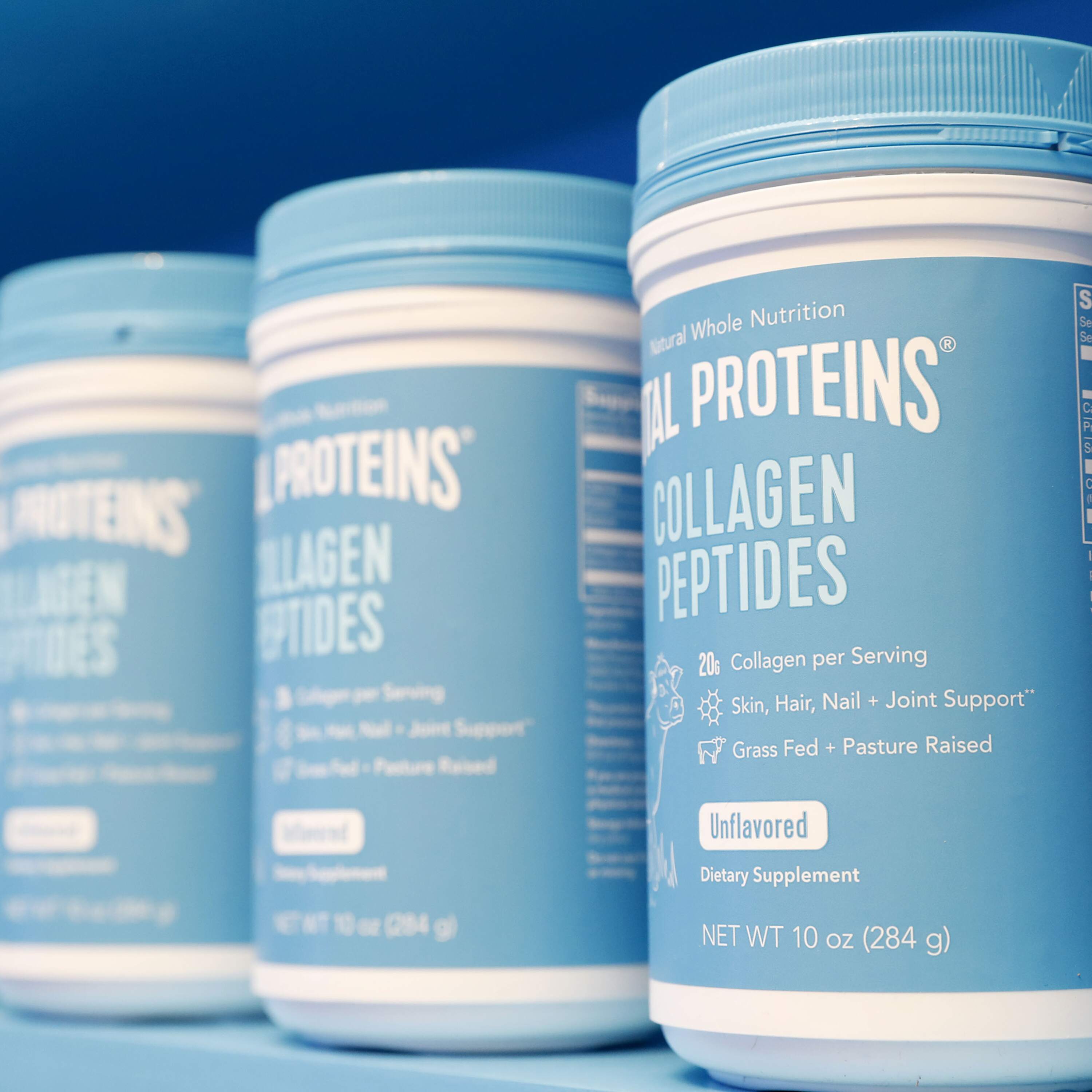
    Medicine: The Problems And Possibilities Of Peptides

    If you have a favorite wellness podcaster or influencer, you’ve probably heard about peptides. These injectable compounds are comprised of a string of amino acids and promise effects like weight loss, better sleep, muscle growth and more. Given the potential benefits, it comes as no surprise that interest has exploded. The market is ready to provide. It’s already valued around $140 billion and by 2033 is projected to reach over $290 billion in value. Last month, an FDA advisory panel voted to make six peptides more accessible to the public. But scientists warned against this decision, saying there’s not enough data concerning their safety and effectiveness. Many people are already getting their hands on peptides through what’s been called the gray market. What does the FDA’s decision mean for access? And how safe are they really? Find more of our programs online. Listen to 1A sponsor-free by signing up for 1A+ at plus.npr.org/the1a. See pcm.adswizz.com for information about our collection and use of personal data for sponsorship and to manage your podcast sponsorship preferences. NPR Privacy Policy

  • August 18 · 44 min

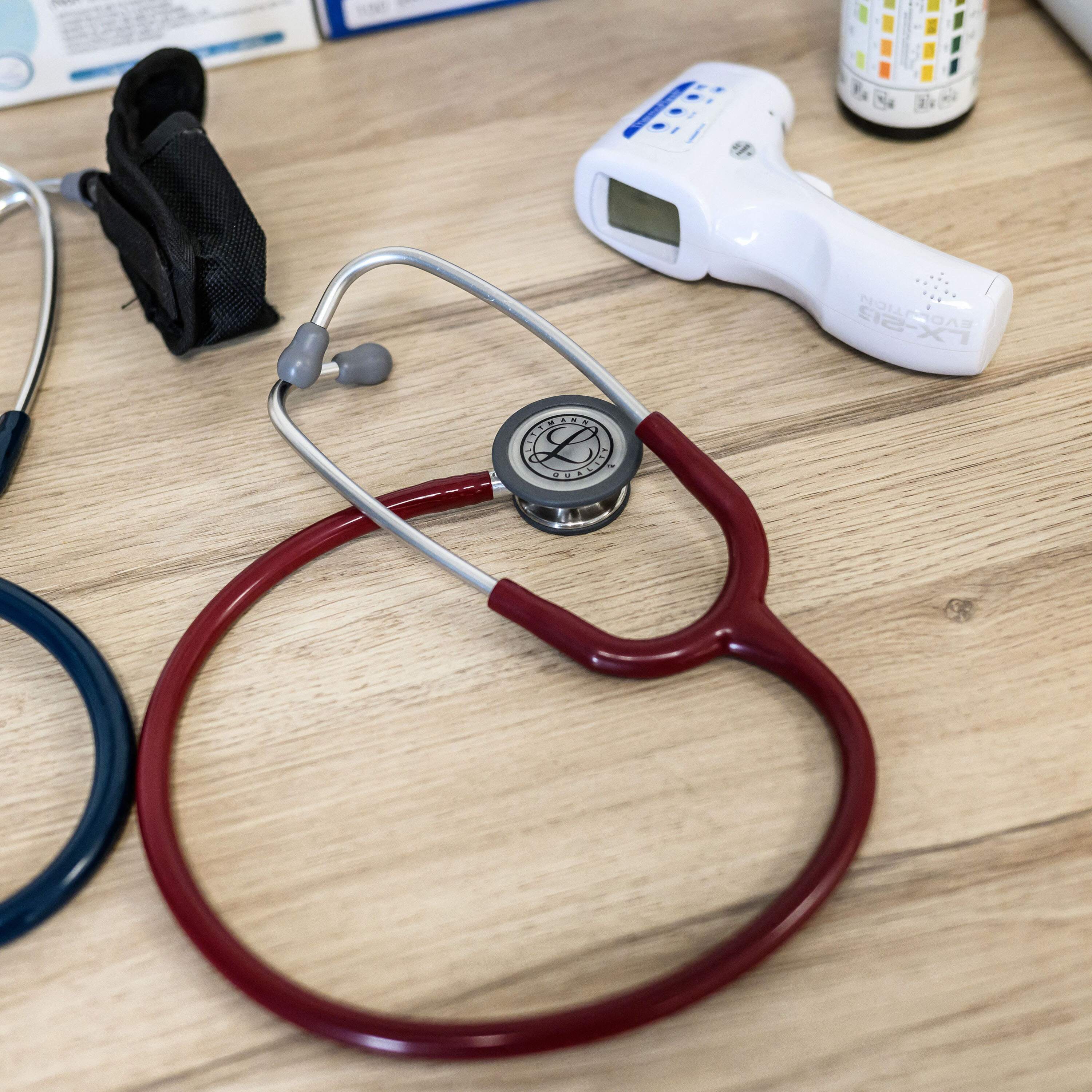
    In Good Health: Finding A Primary Care Physician

    When was the last time you went to the doctor? Not necessarily for something big, not for a broken finger or the flu. Just a checkup. A regular annual visit to make sure everything is ok with your health. For about a third of Americans, it’s probably been too long. In 2024, more than 100 million people did not have a regular primary doctor at all, according to the National Association of Community Health Centers. The outlook is particularly bleak for young people. More than a quarter of people aged 18 to 29 polled in a national survey this summer said they didn’t have a primary care doctor. And over half of them who did have a doctor said they skipped or didn’t schedule an annual wellness check up in the past year. But the blame shouldn’t fall solely on the patients. Primary care doctors are getting squeezed by the current healthcare system. There’s a growing shortage of primary care physicians. That can mean wait times of months just to get an appointment. For today’s installment of our series, “In Good Health,” we’re unpacking the state of primary care—and what to do if you don’t have access to it. Find more of our programs online. Listen to 1A sponsor-free by signing up for 1A+ at plus.npr.org/the1a. See pcm.adswizz.com for information about our collection and use of personal data for sponsorship and to manage your podcast sponsorship preferences. NPR Privacy Policy

  • August 17 · 44 min

    'If You Can Keep It': How Trump’s Getting Rich As President

    Donald Trump is adding billions of dollars to his personal fortune while he serves as president. In 2024, the president made about $600 million. In his first year of his second term in office, that number jumped to more than $2.2 billion. The latest White House disclosures show most of those earnings came from cryptocurrency and crypto-related businesses. He also continues to make millions from real estate and golf deals, many in foreign countries negotiating with the U.S. government he controls. And he’s received $117 million in legal settlements. In this edition of our series, “If You Can Keep It,” we take a look at the scale of President Trump’s personal enrichment during his second term. What happens when the line blurs between the president’s personal wealth and the interests of the country? Find more of our programs online. Listen to 1A sponsor-free by signing up for 1A+ at plus.npr.org/the1a. See pcm.adswizz.com for information about our collection and use of personal data for sponsorship and to manage your podcast sponsorship preferences. NPR Privacy Policy
  • August 14 · 1 hr 26 min

    The News Roundup for August 14, 2026

    Haitians that used to have Temporary Protected Status are facing a new reality in the United States. Immigration operations targeting members of this community are currently underway at the direction of the Department of Homeland Security. White House Press Secretary Karoline Leavitt announced this week she would be leaving her post within the Trump administration. And new reporting indicates that members of Congress are relying on AI chatbots to legislate more than ever before. And, in global news, despite President Donald Trump promising to keep the Strait of Hormuz open for boat traffic, the number of ships traversing the waterway has fallen to a new three-month low. As his country’s October elections approach, Israeli President Benjamin Netanyahu is trying to find the balance between appeasing Trump as he pushes for a solution in Gaza and keeping the Israeli right-wing happy. And this Saturday marks the five-year anniversary of the U.S. military withdrawal from Afghanistan. We cover the most important stories from around the world in the News Roundup. Find more of our programs online. Listen to 1A sponsor-free by signing up for 1A+ at plus.npr.org/the1a. See pcm.adswizz.com for information about our collection and use of personal data for sponsorship and to manage your podcast sponsorship preferences. NPR Privacy Policy
  • August 13 · 44 min

    Policy: The Trump Administration Wants To Make Big Changes To Head Start

    When Head Start was founded, the idea was simple: give low-income kids a running start before kindergarten — not just with preschool classes and childcare, but with health screenings and support for their families. Some 60 years later, it serves more than 750,000 children — and their families — every year. But the Trump administration thinks the program is too costly and inefficient. Last week, it proposed the most significant changes to Head Start in decades. The proposed rules would eliminate many of the federal standards for how programs are run and hand those decisions to the states. They would also cap how much programs can spend on administrative costs. Officials say the changes would save money and open up new slots for hundreds of thousands of kids. Critics say stripping these standards is the first step towards dismantling the program entirely. What does the evidence say about whether Head Start works? And what happens if those federal standards go away? Find more of our programs online. Listen to 1A sponsor-free by signing up for 1A+ at plus.npr.org/the1a. See pcm.adswizz.com for information about our collection and use of personal data for sponsorship and to manage your podcast sponsorship preferences. NPR Privacy Policy

  • August 12 · 43 min

    In Good Health: Why Measles Numbers Are On The Rise

    Nationwide, students, teachers, and parents are gearing up for the school year. And measles is spreading. The U.S. has already logged more cases this year than in all of 2025. It’s the highest count in 35 years. That’s in large part because measles vaccination rates have slipped below 95 percent – the threshold public health experts say is needed to stop community spread. Last week on CNN, Health and Human Services Secretary Robert F. Kennedy Jr. said children should be vaccinated for measles after being pressed on-camera, even as he used the same interview to push a debunked claim about respiratory syncytial virus. And on Monday, President Donald Trump signed an executive order aimed at upending the childhood vaccine schedule, including changes to the measles vaccine and others. But what will actually change at the doctor’s office? Find more of our programs online. Listen to 1A sponsor-free by signing up for 1A+ at plus.npr.org/the1a. See pcm.adswizz.com for information about our collection and use of personal data for sponsorship and to manage your podcast sponsorship preferences. NPR Privacy Policy

Showing 21–40 of 65 episodes