Skip to content
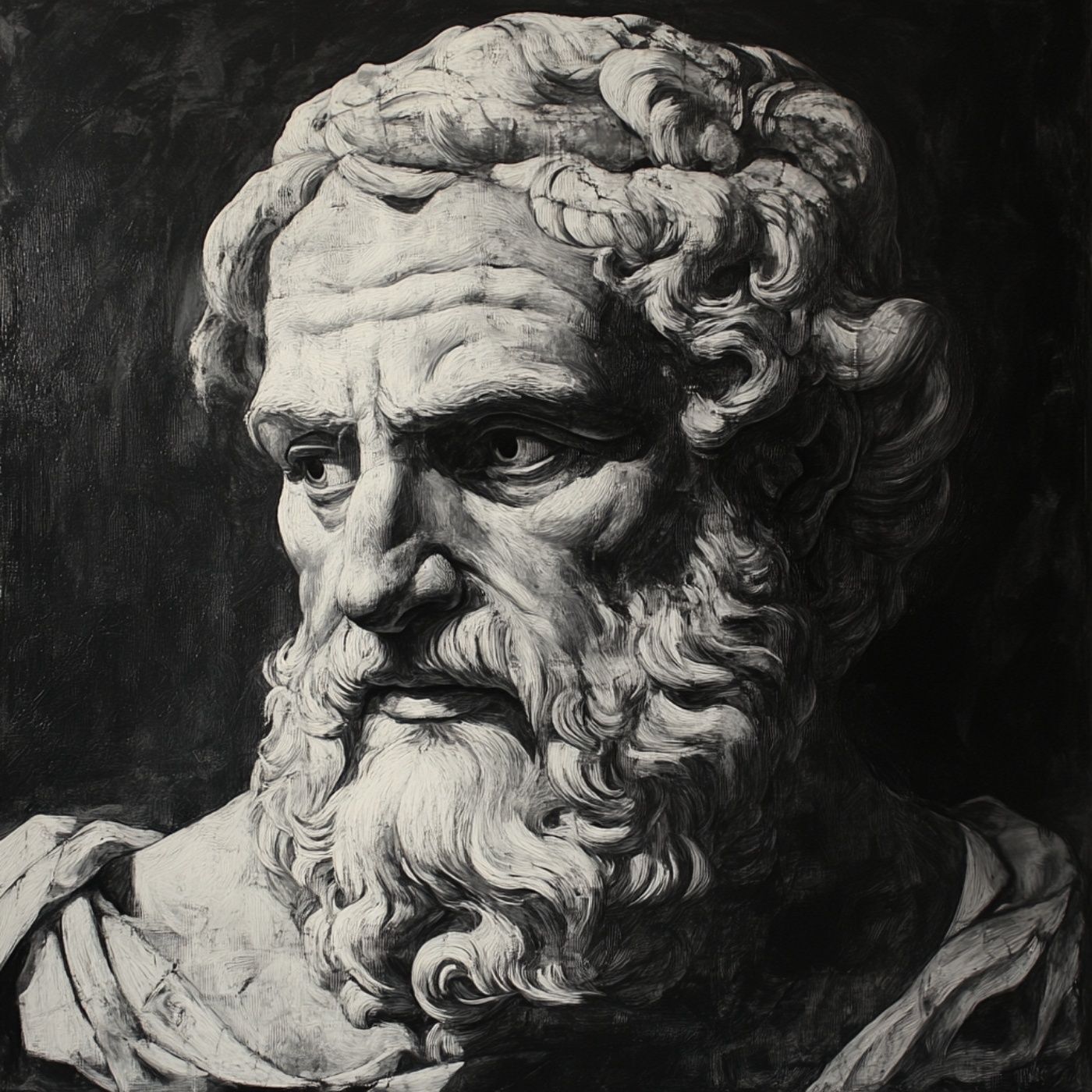
Artwork for Plato Classics Podcast
Plato Classics Podcast · Sunday · 1 hr 42 min

Categories-Aristotle

Categories by Aristotle. Categories (Lat. Categoriae, Greek Κατηγορίαι Katēgoriai) is the first of Aristotle's six texts on logic which are collectively known as the Organon. In Categories Aristotle enumerates all the possible kinds of things that can be the subject or the predicate of a proposition. Aristotle places every object of human apprehension under one of ten categories (known to medieval writers as the praedicamenta). Aristotle intended them to enumerate everything that can be expressed without composition or structure, thus anything that can be either the subject or the predicate of a proposition. The ten categories, or classes, are: Substance, Quantity, Quality, Relation, Place, Time, Position, State, Action and Affection. Featured on Plato Classics Podcast. Public-domain recording courtesy of LibriVox (librivox.org).

0:00-1:42:58

transcript

No transcript — this publisher did not publish one.

show notes

Categories by Aristotle.

Categories (Lat. Categoriae, Greek Κατηγορίαι Katēgoriai) is the first of Aristotle's six texts on logic which are collectively known as the Organon. In Categories Aristotle enumerates all the possible kinds of things that can be the subject or the predicate of a proposition. Aristotle places every object of human apprehension under one of ten categories (known to medieval writers as the praedicamenta). Aristotle intended them to enumerate everything that can be expressed without composition or structure, thus anything that can be either the subject or the predicate of a proposition. The ten categories, or classes, are: Substance, Quantity, Quality, Relation, Place, Time, Position, State, Action and Affection.

Featured on Plato Classics Podcast.

Public-domain recording courtesy of LibriVox (librivox.org).

more episodes

All episodes