Skip to content
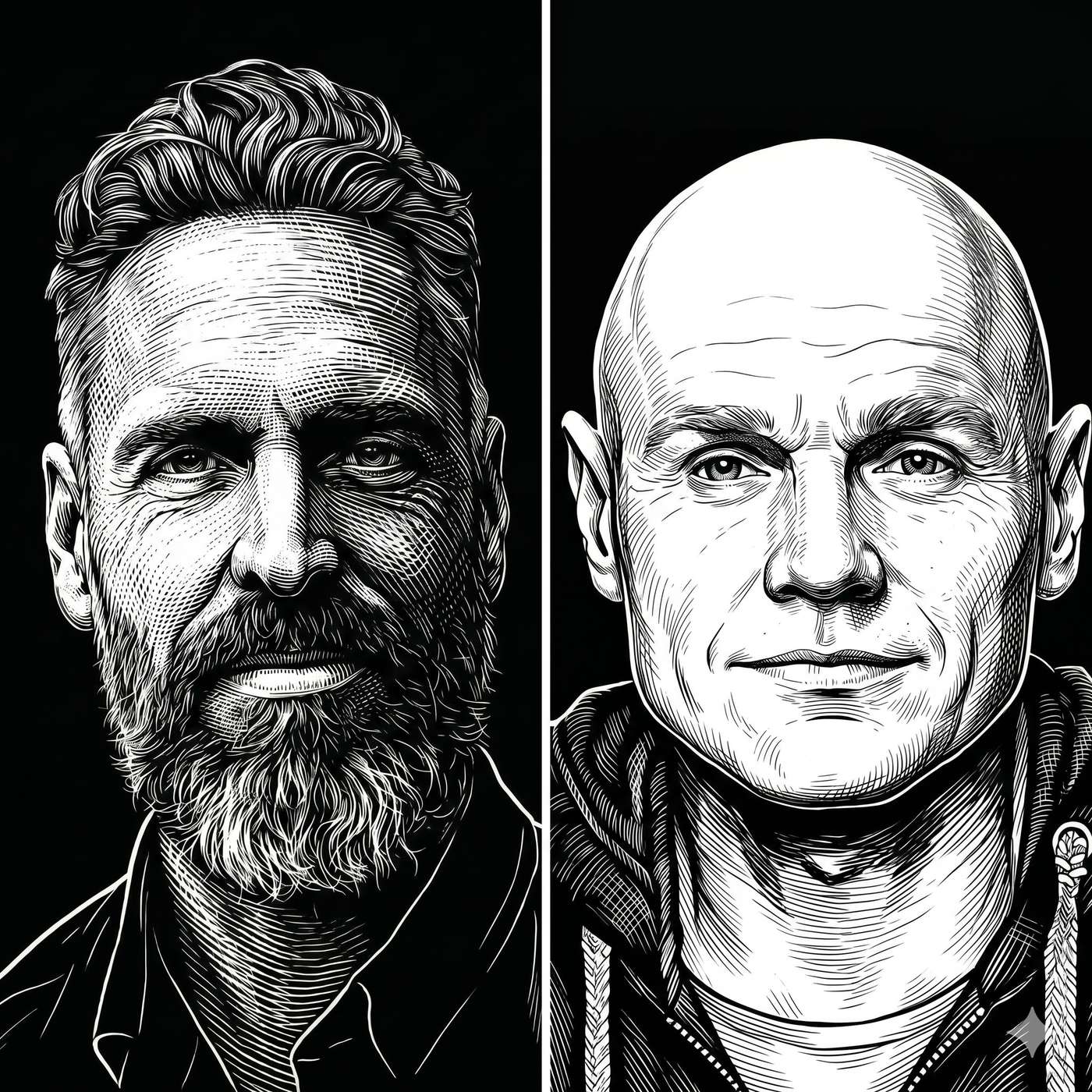
Artwork for Leaking Timeline
Leaking Timeline · November 14 · 40 min

David Nugent: Don't Pay for Technology That Doesn't Pay You Back

Recorded live on June 1, 2026. David Nugent, co-founder and CEO of the sports technology advisory firm Next League and author of The Business of Sports Technology, joins Erik and Guy for a radio hour that starts with two hosts admitting they know nothing about sports technology. David walks them through it from the business side: what leagues, teams and federations actually buy, why fans only care that the stream works, and the rule he gives every client, "don't pay for technology that doesn't pay you back." The conversation moves to AI in coaching, recruiting and injury prevention, why leagues are governing these tools carefully to keep a level playing field (Guy brings up steroids), and the old Moneyball fight between stats and the eye test. David, an English literature graduate turned tech CEO, describes building a player "value meter" with Claude Code that compares salaries to wins above replacement. Then Guy reads a line from the book, "innovation without identity is just expensive experimentation," and asks what the identity of a sports organization really is. David's answer: its job is to give people hope, and ideally some joy. Key Topics [00:00 - 02:48] Cold open: Erik and Guy on the weekend's machine consciousness conference, MC0001, hosted by the California Institute for Machine Consciousness; the rigor in the room and the feeling that something new was starting; "the great weirdening" [02:48 - 05:04] What sports technology covers: venue tech (facial recognition, ingress, egress, wayfinding), media tech (auto-clipped highlights, real-time translation), performance and injury prevention, and David's specialty, the technology that moves a league's or team's business forward [05:04 - 09:42] Fans just expect it to work: private equity and billionaire owners running teams like enterprises; fan loyalty passed down through generations; "don't pay for technology that doesn't pay you back"; deciding the KPIs before the purchase [09:42 - 13:25] More than a tool: David compares AI to the Web 1.0 shift of the late 1990s; AI already shaping game preparation, recruiting and drafting, optical tracking and injury prediction; why nobody wants to watch robots run the 100 meters [13:25 - 16:55] Steroids, governance and the level playing field: Guy asks whether AI is sport's next enhancement controversy; Major League Baseball's bigger bases, pitch clock and ball-strike challenge system; league partnerships with OpenAI, Anthropic and Microsoft; why leagues insist everyone gets the same tools [16:55 - 20:03] Coaching cultures: Moneyball, Theo Epstein and the eye test (Trouble with the Curve); tech-executive owners in the NBA; the NFL's ability to move slowly; SailGP using technology to bring sailing to a new audience [20:03 - 22:35] From English lit to tech CEO: why communication and listening carried his career; the return of the liberal arts; coding with Claude after writing HTML in Notepad in 1997 [22:35 - 28:50] Layoffs, highest and best use, and AI as an unlock: savings from layoffs going to tech spend; "what is the thing you can pass on"; the barrier between engineers and everyone else coming down; the value meter David built with Claude Code and the surprise that some of the highest-paid players are also the best value [28:50 - 31:57] Innovation without identity: Guy reads David's line from the book; Next League as an owner's rep that sells no products; "90% of the functionality for 50% of the price"; how a $5 million investment has to become $50 million [31:57 - 34:04] What is a team's identity?: Guy's philosophical question; David's answer that the responsibility of a sports organization is to give people hope, and ideally joy [34:04 - 38:34] Why fandom sticks: choosing your teams at about 12 years old; younger fans following Ronaldo, Messi and SGA more than teams; fandom moving from one-way radio and TV to a two-way relationship, in conversation and in data (the NASCAR fan near Bristol, Tennessee) [38:34 - 40:52] Close: David's weekly podcast Know What Is Next, and the book Guest Bio David Nugent is co-founder and CEO of Next League, a technology advisory and services firm that works only in the sports industry; it launched in December 2021 and describes itself as product-agnostic, which David puts on air as being an "owner's rep" that sells no products. Before Next League he was a founding partner of the digital sports agency Omnigon and later chief commercial officer at Infront's digital arm (iX.co, later InfrontX) until 2021. His book The Business of Sports Technology: How to Make Smart Decisions That Drive Your Organization Forward was published in April 2026 by Sports Business Journal Publishing (Amplify); an earlier book is Zero Sales: Generating Services Revenue Without Selling. He holds a BA in English from Ithaca College, has worked in tech for more than 35 years, and hosts Know What Is Next, a weekly interview podcast with sports executives. Notable Moments [~08:40] The rule. "One of the phrases I like to use is, don't pay for technology that doesn't pay you back." David on why every purchase starts with the KPI it is supposed to move. [~12:40] Nobody wants robot sprinters. "I don't think humans are interested in a world where robots can run faster than people, and so track and field events are just a bunch of robots, right?" Technology will hover around the game; the game stays human. [~16:13] Steroids as the test case. Guy's steroids question leads David to the principle leagues apply to AI: the problem with steroids was the unfair advantage, so "they just need to make sure that everybody has access to the same tools." [~26:19] The value meter. David built a tool with Claude Code that compares player salaries to wins above replacement. The surprise: some of the most expensive players in the world are still near the top for value. [~29:07] Guy reads from the book. "Innovation without identity is just expensive experimentation." David's response: "Well, that's that English lit background, right?" [~32:48] The philosophical answer. "The responsibility of sports organizations is to give humans hope, right? You don't need winning. You just need to think that winning is on the horizon." [~35:05] Fandom locks in at 12. David on the data showing most fans choose their teams around age 12, and why a real fan rides that roller coaster for life, "and sometimes that roller coaster is always going down." Resources Mentioned The Business of Sports Technology: How to Make Smart Decisions That Drive Your Organization Forward: David Nugent, Sports Business Journal Publishing, 2026 Know What Is Next: David's weekly sports-executive interview podcast Next League: David's firm, nextleague.com Moneyball and Billy Beane: statistics over the eye test Theo Epstein: the Red Sox and Cubs executive David cites for bringing the Moneyball approach Trouble with the Curve: the Clint Eastwood film about the eye-test scout Major League Baseball rule changes: bigger bases, the pitch clock and the automated ball-strike challenge system SailGP: the sailing league David holds up as a sport built with technology OpenAI, Anthropic, Microsoft Copilot: named as league technology partners

0:00-40:52

transcript

No transcript — this publisher did not publish one.

show notes

Recorded live on June 1, 2026.

David Nugent, co-founder and CEO of the sports technology advisory firm Next League and author of The Business of Sports Technology, joins Erik and Guy for a radio hour that starts with two hosts admitting they know nothing about sports technology. David walks them through it from the business side: what leagues, teams and federations actually buy, why fans only care that the stream works, and the rule he gives every client, "don't pay for technology that doesn't pay you back." The conversation moves to AI in coaching, recruiting and injury prevention, why leagues are governing these tools carefully to keep a level playing field (Guy brings up steroids), and the old Moneyball fight between stats and the eye test. David, an English literature graduate turned tech CEO, describes building a player "value meter" with Claude Code that compares salaries to wins above replacement. Then Guy reads a line from the book, "innovation without identity is just expensive experimentation," and asks what the identity of a sports organization really is. David's answer: its job is to give people hope, and ideally some joy.


Key Topics

  • [00:00 - 02:48] Cold open: Erik and Guy on the weekend's machine consciousness conference, MC0001, hosted by the California Institute for Machine Consciousness; the rigor in the room and the feeling that something new was starting; "the great weirdening"
  • [02:48 - 05:04] What sports technology covers: venue tech (facial recognition, ingress, egress, wayfinding), media tech (auto-clipped highlights, real-time translation), performance and injury prevention, and David's specialty, the technology that moves a league's or team's business forward
  • [05:04 - 09:42] Fans just expect it to work: private equity and billionaire owners running teams like enterprises; fan loyalty passed down through generations; "don't pay for technology that doesn't pay you back"; deciding the KPIs before the purchase
  • [09:42 - 13:25] More than a tool: David compares AI to the Web 1.0 shift of the late 1990s; AI already shaping game preparation, recruiting and drafting, optical tracking and injury prediction; why nobody wants to watch robots run the 100 meters
  • [13:25 - 16:55] Steroids, governance and the level playing field: Guy asks whether AI is sport's next enhancement controversy; Major League Baseball's bigger bases, pitch clock and ball-strike challenge system; league partnerships with OpenAI, Anthropic and Microsoft; why leagues insist everyone gets the same tools
  • [16:55 - 20:03] Coaching cultures: Moneyball, Theo Epstein and the eye test (Trouble with the Curve); tech-executive owners in the NBA; the NFL's ability to move slowly; SailGP using technology to bring sailing to a new audience
  • [20:03 - 22:35] From English lit to tech CEO: why communication and listening carried his career; the return of the liberal arts; coding with Claude after writing HTML in Notepad in 1997
  • [22:35 - 28:50] Layoffs, highest and best use, and AI as an unlock: savings from layoffs going to tech spend; "what is the thing you can pass on"; the barrier between engineers and everyone else coming down; the value meter David built with Claude Code and the surprise that some of the highest-paid players are also the best value
  • [28:50 - 31:57] Innovation without identity: Guy reads David's line from the book; Next League as an owner's rep that sells no products; "90% of the functionality for 50% of the price"; how a $5 million investment has to become $50 million
  • [31:57 - 34:04] What is a team's identity?: Guy's philosophical question; David's answer that the responsibility of a sports organization is to give people hope, and ideally joy
  • [34:04 - 38:34] Why fandom sticks: choosing your teams at about 12 years old; younger fans following Ronaldo, Messi and SGA more than teams; fandom moving from one-way radio and TV to a two-way relationship, in conversation and in data (the NASCAR fan near Bristol, Tennessee)
  • [38:34 - 40:52] Close: David's weekly podcast Know What Is Next, and the book

Guest Bio

David Nugent is co-founder and CEO of Next League, a technology advisory and services firm that works only in the sports industry; it launched in December 2021 and describes itself as product-agnostic, which David puts on air as being an "owner's rep" that sells no products. Before Next League he was a founding partner of the digital sports agency Omnigon and later chief commercial officer at Infront's digital arm (iX.co, later InfrontX) until 2021. His book The Business of Sports Technology: How to Make Smart Decisions That Drive Your Organization Forward was published in April 2026 by Sports Business Journal Publishing (Amplify); an earlier book is Zero Sales: Generating Services Revenue Without Selling. He holds a BA in English from Ithaca College, has worked in tech for more than 35 years, and hosts Know What Is Next, a weekly interview podcast with sports executives.

Notable Moments

  • [~08:40] The rule. "One of the phrases I like to use is, don't pay for technology that doesn't pay you back." David on why every purchase starts with the KPI it is supposed to move.
  • [~12:40] Nobody wants robot sprinters. "I don't think humans are interested in a world where robots can run faster than people, and so track and field events are just a bunch of robots, right?" Technology will hover around the game; the game stays human.
  • [~16:13] Steroids as the test case. Guy's steroids question leads David to the principle leagues apply to AI: the problem with steroids was the unfair advantage, so "they just need to make sure that everybody has access to the same tools."
  • [~26:19] The value meter. David built a tool with Claude Code that compares player salaries to wins above replacement. The surprise: some of the most expensive players in the world are still near the top for value.
  • [~29:07] Guy reads from the book. "Innovation without identity is just expensive experimentation." David's response: "Well, that's that English lit background, right?"
  • [~32:48] The philosophical answer. "The responsibility of sports organizations is to give humans hope, right? You don't need winning. You just need to think that winning is on the horizon."
  • [~35:05] Fandom locks in at 12. David on the data showing most fans choose their teams around age 12, and why a real fan rides that roller coaster for life, "and sometimes that roller coaster is always going down."

Resources Mentioned

  • The Business of Sports Technology: How to Make Smart Decisions That Drive Your Organization Forward: David Nugent, Sports Business Journal Publishing, 2026
  • Know What Is Next: David's weekly sports-executive interview podcast
  • Next League: David's firm, nextleague.com
  • Moneyball and Billy Beane: statistics over the eye test
  • Theo Epstein: the Red Sox and Cubs executive David cites for bringing the Moneyball approach
  • Trouble with the Curve: the Clint Eastwood film about the eye-test scout
  • Major League Baseball rule changes: bigger bases, the pitch clock and the automated ball-strike challenge system
  • SailGP: the sailing league David holds up as a sport built with technology
  • OpenAI, Anthropic, Microsoft Copilot: named as league technology partners