Skip to content
Artwork for Intelligence Squared
Society & CultureArtsNewsNews Commentary

Intelligence Squared

Intelligence Squared

Ideas shape the world. Intelligence Squared brings you the conversations that explain them.In every episode, we bring together leading thinkers, writers, scientists, policymakers and entrepreneurs, to challenge assumptions, test ideas and debate the questions shaping our future. If you want to think more clearly about the world and where it's heading, you're in the right place. If you’d like to support our mission to foster honest debate and compelling conversations, as well as ad-free podcasts, exclusive bonus content, early access and much more, become a supporter of Intelligence Squared today. Just visit intelligencesquared.com/membership to find out more. 

Hosted on Acast. See acast.com/privacy for more information.

Play
  • 88 episodes
  • a few times a week
  • Avg 46 min
  • English
Counted on this page — what you have heard stays on this device, so it is not something the list can be paged by.
  • S1 · E3547
    Today · 32 min

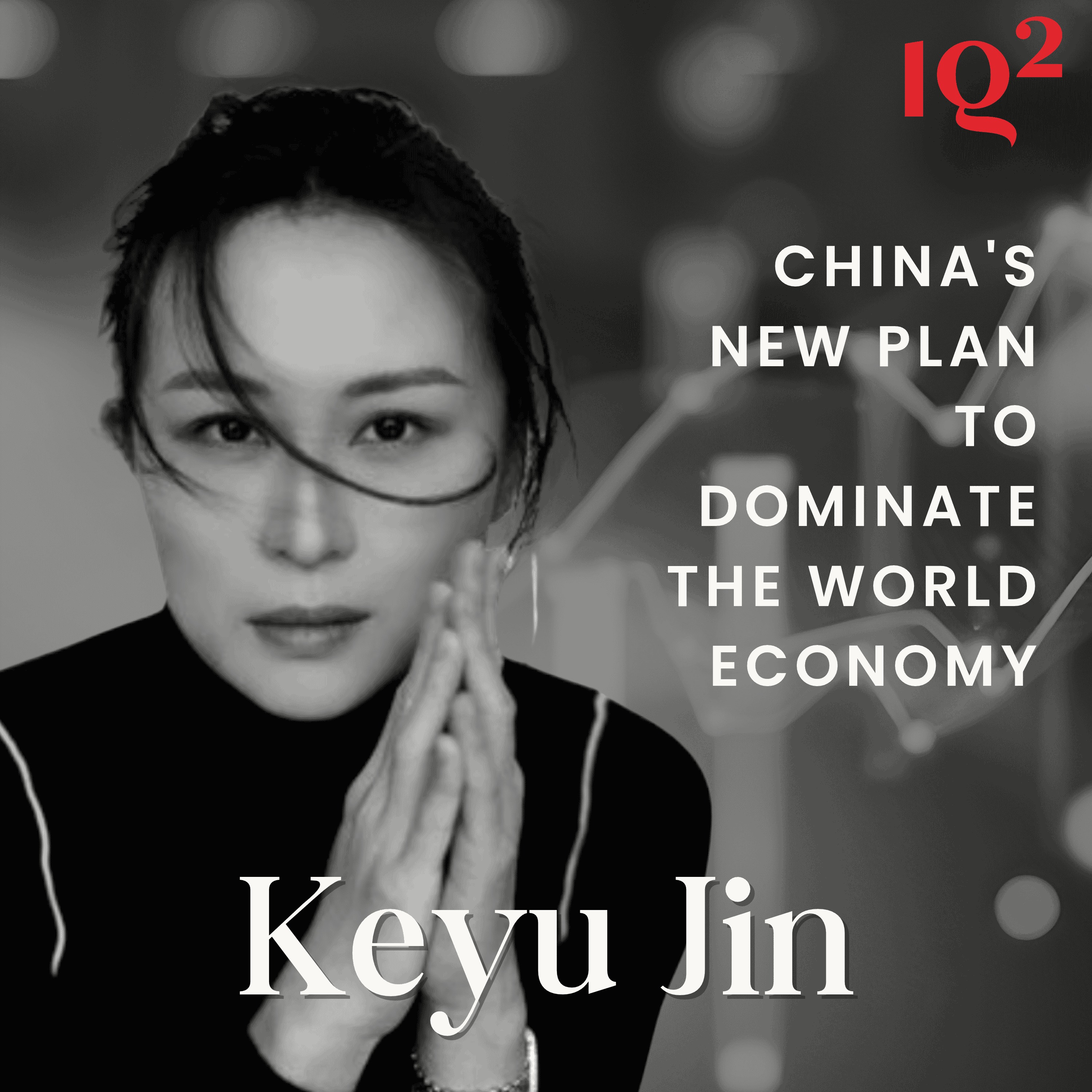
    China's New Plan to Dominate the World Economy, with Keyu Jin

    What happens when China starts exporting the know-how to build things as well as the products themselves? Economist Keyu Jin joins Intelligence Squared co-host Conor Boyle to discuss China’s long game. They explore why Chinese companies are helping other countries build their own industries, whether that creates new rivals or richer customers, and how Europe can adopt Chinese technology without becoming dependent on it. Keyu Jin is an economist and was a tenured professor at LSE for 15 years. Conor Boyle is head of programming at Intelligence Squared. ----- If you'd like to become a Member and get access to all our full conversations, plus all of our Members-only content, just visit intelligencesquared.com/membership to find out more. For £4.99 per month you'll also receive: - Full-length and ad-free Intelligence Squared episodes, wherever you get your podcasts - Bonus Intelligence Squared podcasts, curated feeds and members exclusive series - 15% discount on livestreams and in-person tickets for all Intelligence Squared events ... Or Subscribe on Apple for £4.99: - Full-length and ad-free Intelligence Squared podcasts - Bonus Intelligence Squared podcasts, curated feeds and members exclusive series … Already a subscriber? Thank you for supporting our mission to foster honest debate and compelling conversations! Visit intelligencesquared.com to explore all your benefits including ad-free podcasts, exclusive bonus content and early access. … Subscribe to our newsletter here to hear about our latest events, discounts and much more. https://www.intelligencesquared.com/newsletter-signup/ Learn more about your ad choices. Visit podcastchoices.com/adchoices Hosted on Acast. See acast.com/privacy for more information.
  • S1 · E3546
    Monday · 35 min

    How Pornography Invented the Attention Economy, with Patricia Nilsson

    Content warning: This episode contains strong language, discussions of pornography and sexual violence, and references to self-harm. At peak times, close to a tenth of global internet traffic is devoted to streaming adult content. Across the world, as many people have instantaneous access to free pornography as to clean water. But the rise and rise of online pornography isn’t just a side effect of an increasingly connected and virtual world. Financial Times journalist Patricia Nilson makes a powerful argument that it is actually the blueprint for the modern internet itself. In this episode, Mia Sorenti speaks with Nilsson about how online pornography changed the way platforms capture our attention, and how it can help us to understand the logic of compulsion, gratification, addiction and endemic extremism that characterises so many online spaces today. Patricia Nilsson is a journalist at the Financial Times. Her book is Guilty Pleasure: The Pornification of the Internet, the Economy and Everything Else. Mia Sorenti is Senior Producer at Intelligence Squared. ---- f you'd like to become a Member and get access to all our full conversations, plus all of our Members-only content, just visit intelligencesquared.com/membership to find out more. For £4.99 per month you'll also receive: - Full-length and ad-free Intelligence Squared episodes, wherever you get your podcasts - Bonus Intelligence Squared podcasts, curated feeds and members exclusive series - 15% discount on livestreams and in-person tickets for all Intelligence Squared events ... Or Subscribe on Apple for £4.99: - Full-length and ad-free Intelligence Squared podcasts - Bonus Intelligence Squared podcasts, curated feeds and members exclusive series … Already a subscriber? Thank you for supporting our mission to foster honest debate and compelling conversations! Visit intelligencesquared.com to explore all your benefits including ad-free podcasts, exclusive bonus content and early access. … Subscribe to our newsletter here to hear about our latest events, discounts and much more. https://www.intelligencesquared.com/newsletter-signup/ Learn more about your ad choices. Visit podcastchoices.com/adchoices Hosted on Acast. See acast.com/privacy for more information.
  • S1 · E3545
    Sunday · 1 hr 26 min

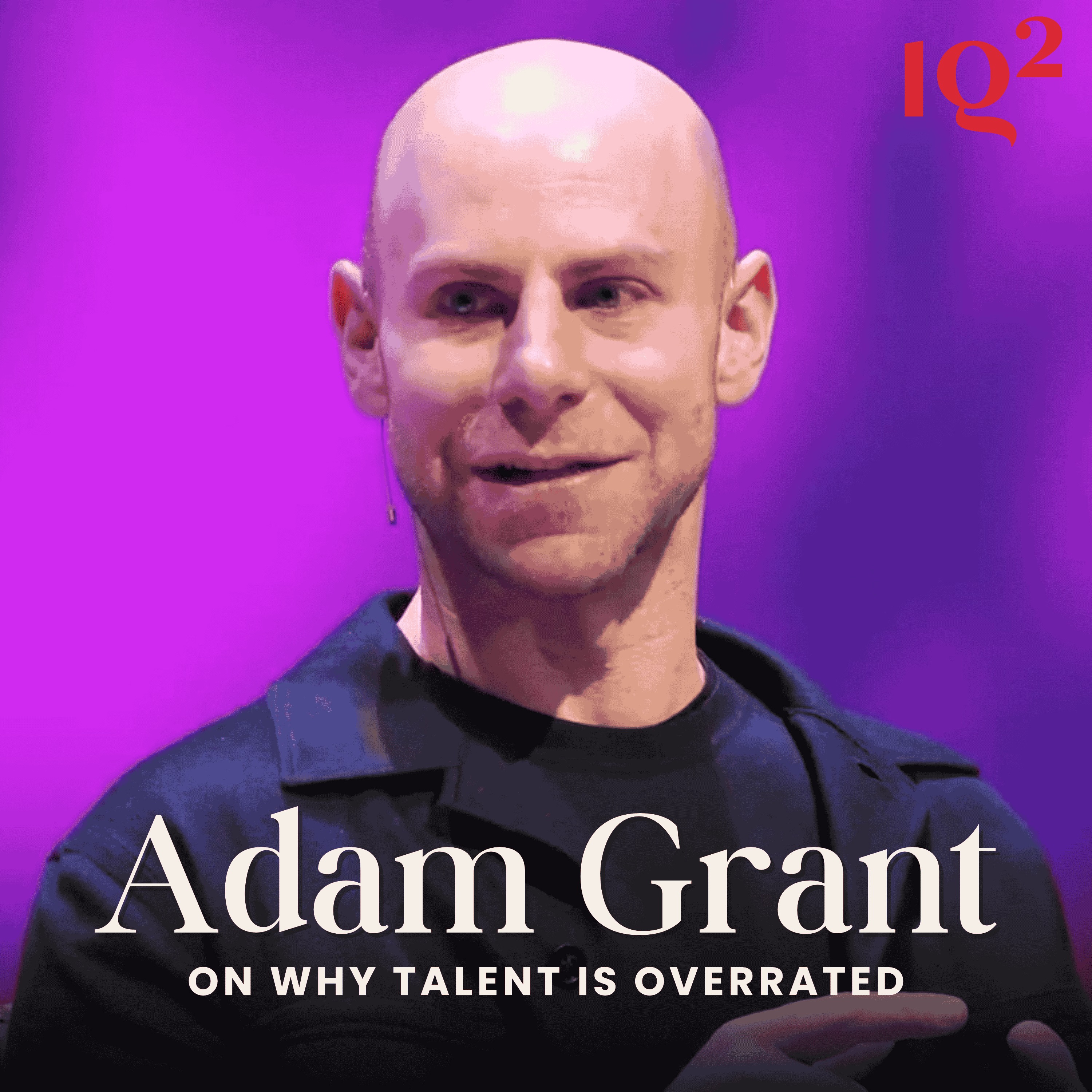
    Adam Grant on Why Talent Is Overrated [Archive]

    Adam Grant is one of the most sought after organisational psychologists in the world. He has provided expert advice to many of the world’s greatest business leaders, including Bill Gates and Sheryl Sandberg, equipping them with the mental tools to find motivation and meaning, rethink assumptions, and achieve greatness in their business and personal lives. In January 2024 Grant came to the Intelligence Squared stage for a rare, exclusive London event where he shared his revolutionary framework for how we can all exceed the expectations and aspirations we have set for ourselves. Drawing on his new book Hidden Potential he explained that despite living in a world that tends to admire people who start out with innate talent, there is clear scientific evidence that we can all bridge the biology gap and improve ourselves dramatically. In conversation with economist and FT columnist Tim Harford, Grant wove together groundbreaking evidence, surprising insights, and vivid story telling to take us from the classroom to the boardroom and the playground to the Olympics. He revealed how progress depends not so much on how hard we work and more on how well we learn. Growth is not about the genius we possess – it’s about the character we develop. He explained how to build the charac­ter skills and motivational structures to realise our own potential, and how to design systems that create opportunities for those who have been underrated and overlooked. Hosted on Acast. See acast.com/privacy for more information.

  • S1 · E3544
    Friday · 49 min

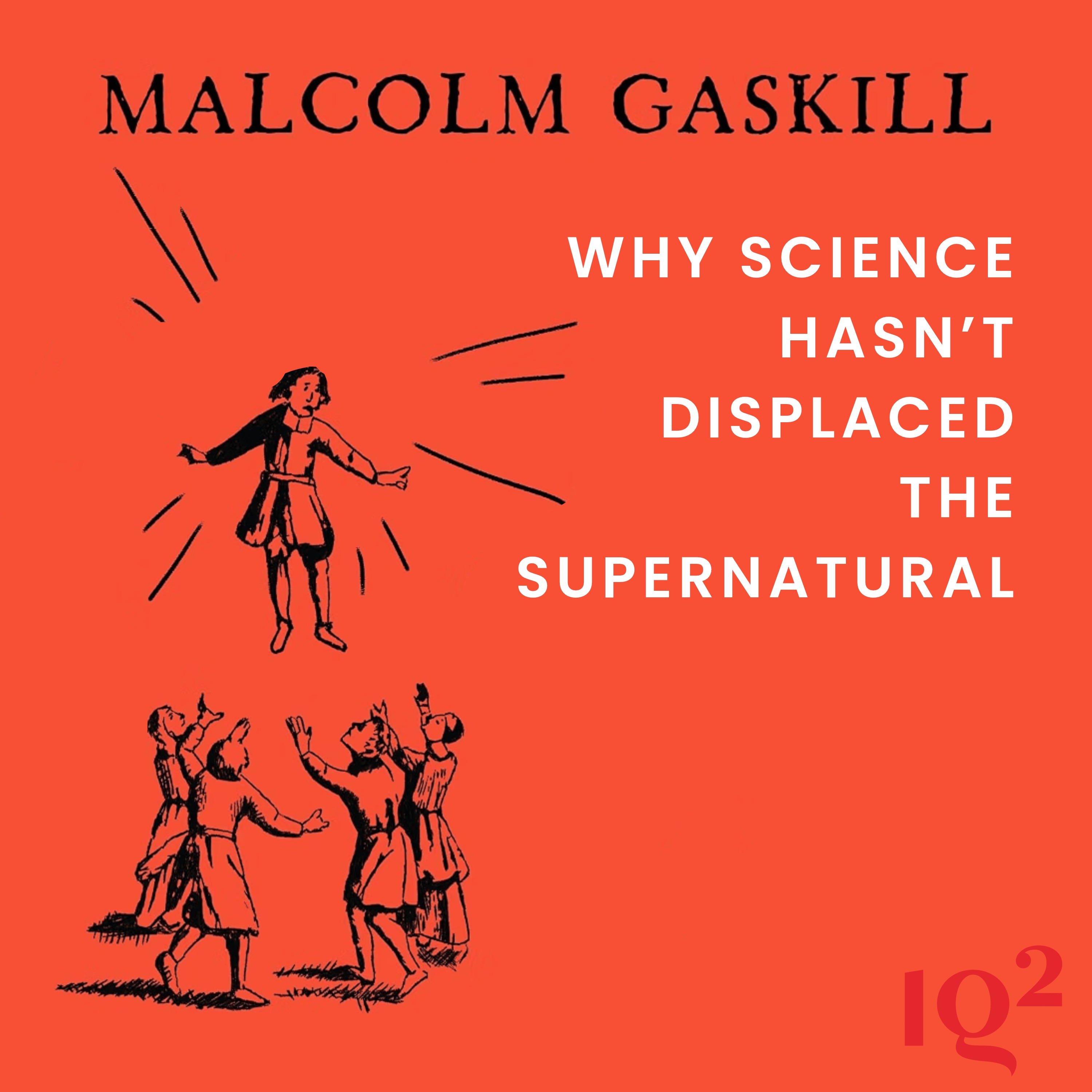
    Why Science Hasn’t Displaced the Supernatural, with Malcolm Gaskill

    How do we make sense of the unseen? For centuries, the supernatural has offered ways to understand misfortune, find comfort and live with uncertainty. But its history is not simply a story of superstition giving way to reason. Why did people seek evidence in witchcraft trials? Can science and supernatural belief exist alongside one another? And what might today’s encounters with frontier technologies reveal to us about the persistence of the uncanny? In this episode, Margherita Volpato speaks with Malcolm Gaskill about his new book, Worlds of Fear and Wonder: Living with the Supernatural, Past and Present. Together, they explore the emotions behind supernatural beliefs that have shaped culture. They discuss Puritans searching for signs from God, the persistence of enchantment in the modern world and the uneasy relationship between technology and the uncanny. Malcolm Gaskill is Emeritus Professor of Early Modern History at the University of East Anglia and the author of seven books, including Witchfinders, Hellish Nell, and the Sunday Times bestseller The Ruin of All Witches. He is a fellow of the Royal Historical Society and writes regularly for the London Review of Books. His new book is Worlds of Fear and Wonder: Living with the Supernatural, Past and Present. Margherita Volpato is a Senior Producer at Intelligence Squared. --- If you'd like to become a Member and get access to all our full conversations, plus all of our Members-only content, just visit intelligencesquared.com/membership to find out more. For £4.99 per month you'll also receive: - Full-length and ad-free Intelligence Squared episodes, wherever you get your podcasts - Bonus Intelligence Squared podcasts, curated feeds and members exclusive series - 15% discount on livestreams and in-person tickets for all Intelligence Squared events ... Or Subscribe on Apple for £4.99: - Full-length and ad-free Intelligence Squared podcasts - Bonus Intelligence Squared podcasts, curated feeds and members exclusive series … Already a subscriber? Thank you for supporting our mission to foster honest debate and compelling conversations! Visit intelligencesquared.com to explore all your benefits including ad-free podcasts, exclusive bonus content and early access. … Subscribe to our newsletter here to hear about our latest events, discounts and much more. https://www.intelligencesquared.com/newsletter-signup/ Learn more about your ad choices. Visit podcastchoices.com/adchoices Hosted on Acast. See acast.com/privacy for more information.
  • S1 · E3543
    November 18 · 40 min

    Are We Addicted to Control? with Dr Anna Lembke

    We live in a world designed to give us ever greater control. We can optimise our routines, monitor our bodies and manage almost every detail of our surroundings. But our pursuit of certainty may also be making us less able to face the parts of life we cannot predict. Are we becoming addicted to control? Why can uncertainty leave us feeling anxious, lonely or ashamed? And could surrender be a source of freedom rather than a sign of defeat? In this episode, Dr Güneş Taylor speaks with Stanford psychiatrist and addiction-medicine specialist Dr Anna Lembke about her new book, Radical Surrender: Letting Go in a World Addicted to Control. Drawing on neuroscience, clinical experience and her own encounter with loss, Lembke explains why accepting the limits of our control might help us find greater meaning and connection. Together, they explore what surrender means in a secular age and whether opening ourselves to uncertainty can change how we live. Dr Anna Lembke is a professor of psychiatry at Stanford University School of Medicine and Medical Director of Stanford Addiction Medicine. She is the author of Dopamine Nation and Drug Dealer, MD. Her latest book is Radical Surrender: Letting Go in a World Addicted to Control. Dr Güneş Taylor is a molecular biologist, science broadcaster and Chancellor’s Fellow at the Centre for Reproductive Health at the University of Edinburgh. If you'd like to become a Member and get access to all our full conversations, plus all of our Members-only content, just visit intelligencesquared.com/membership to find out more. --- For £4.99 per month you'll also receive: - Full-length and ad-free Intelligence Squared episodes, wherever you get your podcasts - Bonus Intelligence Squared podcasts, curated feeds and members exclusive series - 15% discount on livestreams and in-person tickets for all Intelligence Squared events ... Or Subscribe on Apple for £4.99: - Full-length and ad-free Intelligence Squared podcasts - Bonus Intelligence Squared podcasts, curated feeds and members exclusive series … Already a subscriber? Thank you for supporting our mission to foster honest debate and compelling conversations! Visit intelligencesquared.com to explore all your benefits including ad-free podcasts, exclusive bonus content and early access. … Subscribe to our newsletter here to hear about our latest events, discounts and much more. https://www.intelligencesquared.com/newsletter-signup/ Learn more about your ad choices. Visit podcastchoices.com/adchoices Hosted on Acast. See acast.com/privacy for more information.
  • S1 · E3542
    November 16 · 27 min

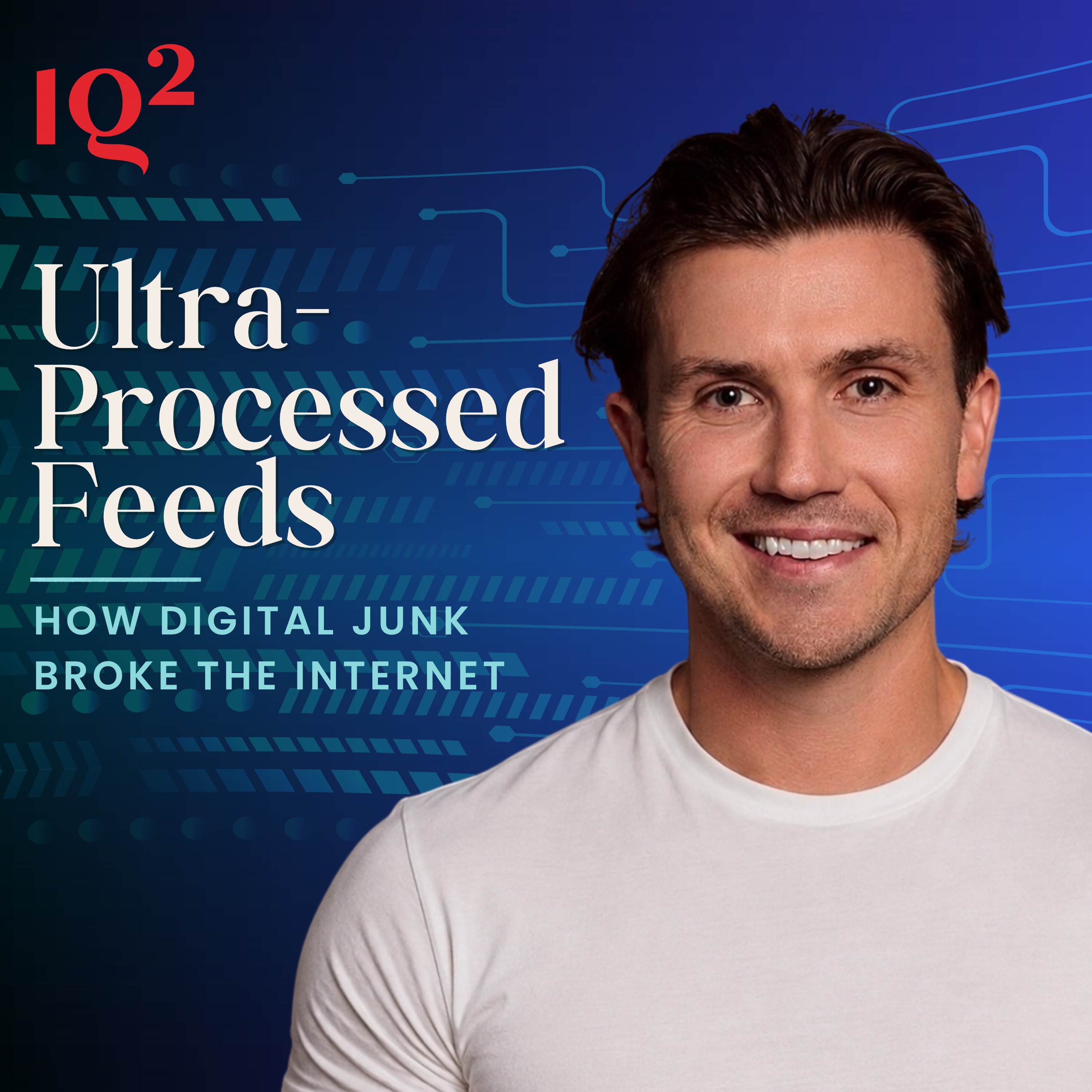
    Ultra-processed Feeds: How Digital Junk Broke the Internet

    Is it time to rethink our information diet? Technology lawyer and author Seb Butcher joins Intelligence Squared host Conor Boyle to discuss his book Distorted and how our online feeds serve up outrage, falsehood and distraction. They explore how algorithms and generative AI shape our sense of reality, why digital junk can be as hard to resist as ultra-processed food, and practical ways to build healthier information habits. If you'd like to become a Member and get access to all our full conversations, plus all of our Members-only content, just visit intelligencesquared.com/membership to find out more. For £4.99 per month you'll also receive: - Full-length and ad-free Intelligence Squared episodes, wherever you get your podcasts - Bonus Intelligence Squared podcasts, curated feeds and members exclusive series - 15% discount on livestreams and in-person tickets for all Intelligence Squared events ... Or Subscribe on Apple for £4.99: - Full-length and ad-free Intelligence Squared podcasts - Bonus Intelligence Squared podcasts, curated feeds and members exclusive series … Already a subscriber? Thank you for supporting our mission to foster honest debate and compelling conversations! Visit intelligencesquared.com to explore all your benefits including ad-free podcasts, exclusive bonus content and early access. … Subscribe to our newsletter here to hear about our latest events, discounts and much more. https://www.intelligencesquared.com/newsletter-signup/ Learn more about your ad choices. Visit podcastchoices.com/adchoices Hosted on Acast. See acast.com/privacy for more information.
  • S1 · E3541
    November 15 · 44 min

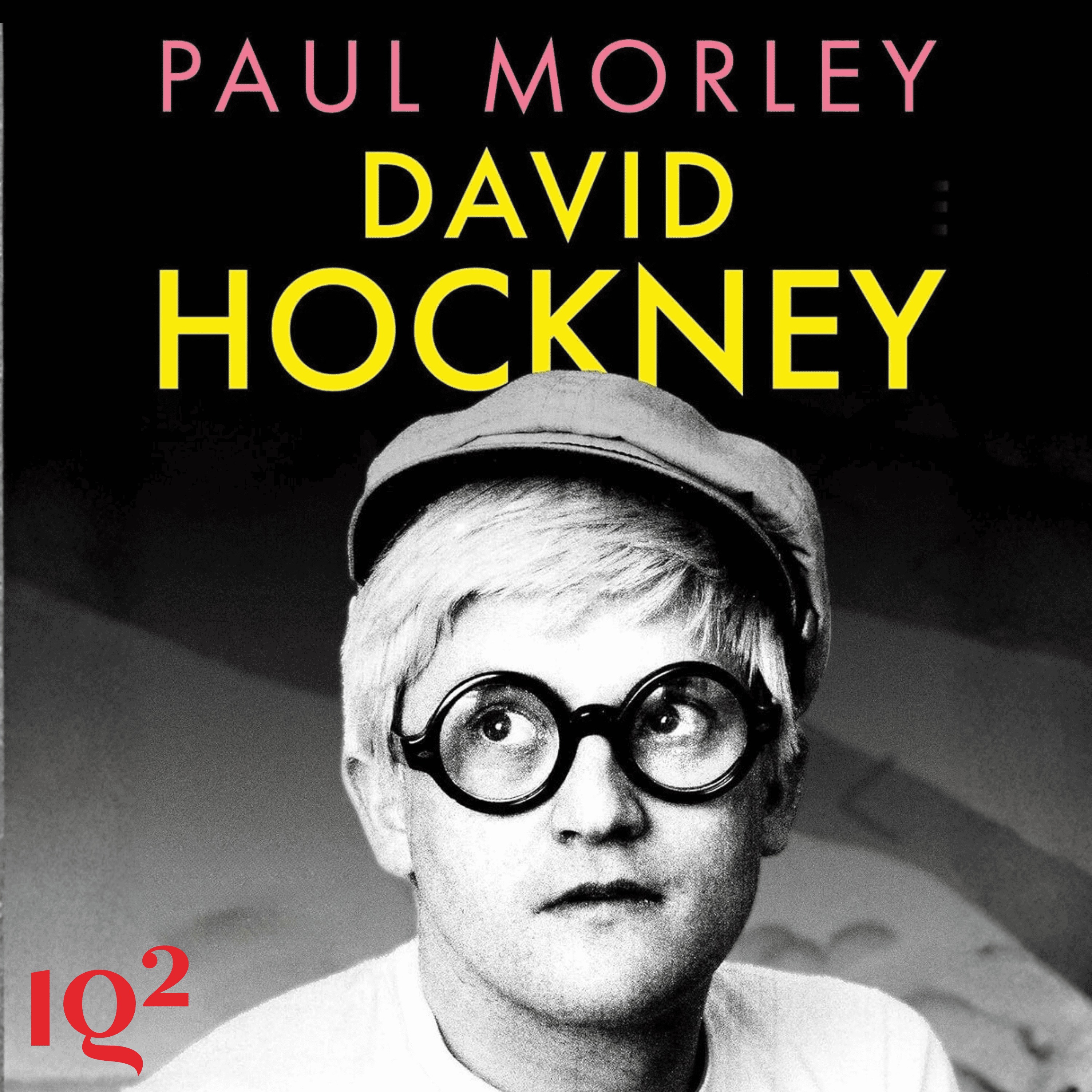
    The Many Lives of David Hockney, with Paul Morley

    David Hockney created some of the most recognisable art pieces in the modern world. Everyone knows his evocative California swimming pools and Yorkshire landscapes; but this familiarity can obscure the restless reinvention that powered the artist behind them. In this episode, Mia Sorenti speaks with writer and cultural commentator Paul Morley about Hockney’s life through the places that shaped him: postwar Bradford, swinging London, Los Angeles, Paris, Yorkshire and Normandy. How did changing landscapes make Hockney the artist he was? How did he carry his northern identity into the wider world? And what does his life reveal about class, sexuality, technology and the changing character of Britain? Paul Morley is a writer and cultural commentator whose books include The North (And Almost Everything in It), From Manchester with Love and The Age of Bowie. His new biography is David Hockney: An Artist for Life. Mia Sorenti is Senior Producer at Intelligence Squared. Hosted on Acast. See acast.com/privacy for more information.

  • S1 · E3540
    November 13 · 48 min

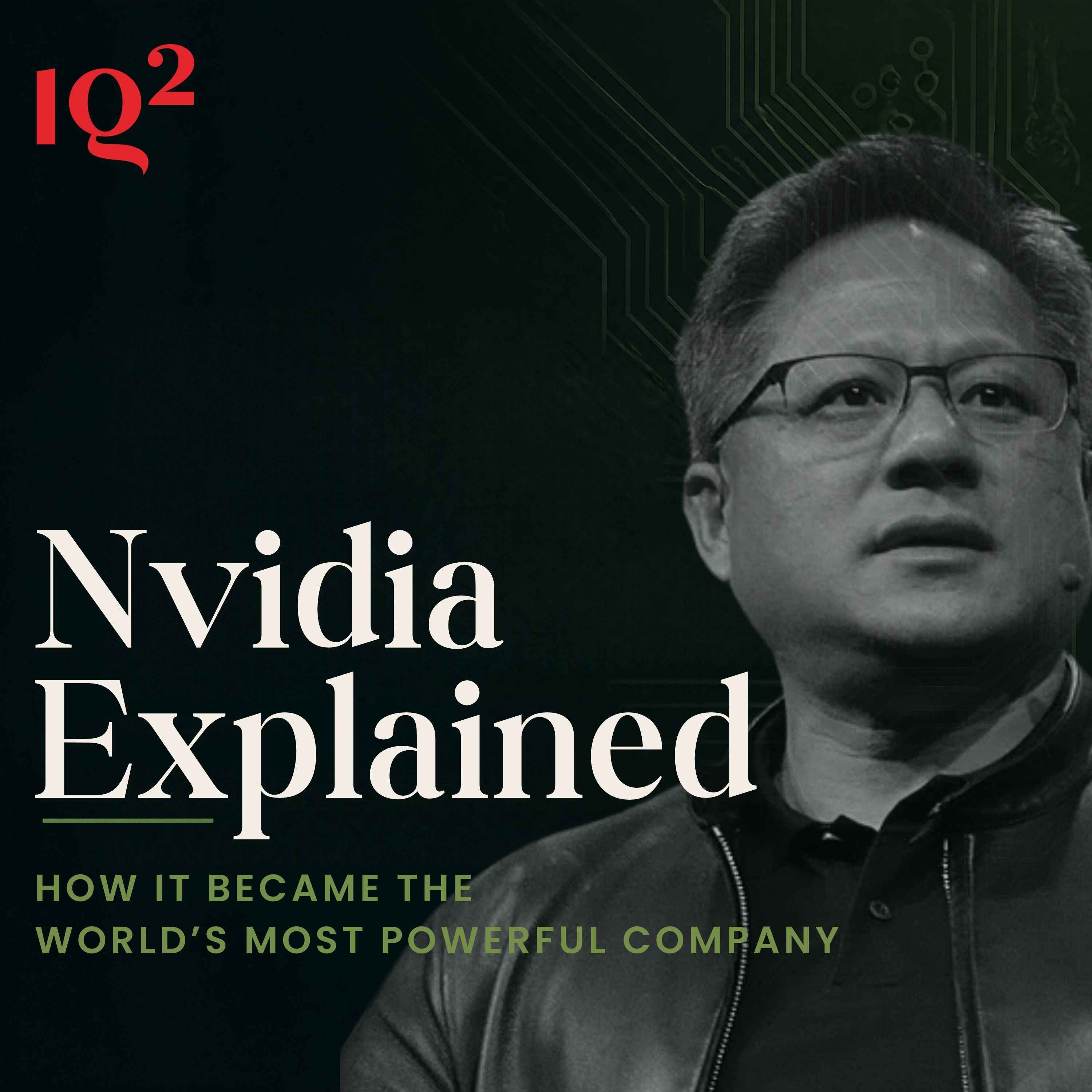
    Nvidia Explained: How It Became the World’s Most Powerful Company

    In June 2024, Nvidia became the most valuable corporation on Earth. Now, the actions of its CEO, Jensen Huang, threaten to tear it apart. For this episode, we're revisiting an episode from the Intelligence Squared archive that helps explain why this company matters so much. How did a company that started out making graphics chips for videogames become one of the most powerful corporations on Earth, and the driving force behind the AI revolution? In his book The Thinking Machine, Stephen Witt chronicles Nvidia's extraordinary rise, revealing how it came to dominate the market for AI hardware and, in the process, reinvent the computer. He joined author and Research Director at Demos Carl Miller to discuss the people, decisions and breakthroughs behind Nvidia's rise, and how one company became so central to the future of artificial intelligence. This conversation was recorded before the latest developments at Nvidia. Hosted on Acast. See acast.com/privacy for more information.

  • S1 · E3539
    November 11 · 43 min

    China and Africa: The Hidden History of a Global Power Shift, with Paul Kenyon

    China’s relationship with Africa is often presented as a recent contest for minerals and influence. However, journalist Paul Kenyon argues that the relationship rests on centuries of history, with alliances forged in the struggle against Western colonialism. He charts how China has managed, since the 1950s, to control much of Africa's natural resources, consumers, workforce and political institutions. In this episode, Margherita Volpato speaks to Paul Kenyon. In his latest book, China’s African Empire: The Country That Captured a Continent, he explores the new economic and political hierarchies that shape our modern world. Paul Kenyon is a BAFTA award-winning journalist who has worked for almost twenty years across BBC News and Current Affairs. He is the author of numerous books including Dictatorland and China’s African Empire: The Country that Captured a Continent. Margherita Volpato is Senior Producer at Intelligence Squared. Hosted on Acast. See acast.com/privacy for more information.

  • S1 · E3538
    November 9 · 36 min

    Does The World Still Need America? with Shadi Hamid

    What would a world without American leadership look like? Shadi Hamid joins Intelligence Squared co-host Conor Boyle to discuss his book The Case for American Power and why he changed his mind about America’s role in the world. They explore the legacy of the Iraq War, the contradictions of American foreign policy and whether the United States remains essential to a more peaceful and democratic world. Hosted on Acast. See acast.com/privacy for more information.

  • S1 · E3537
    November 8 · 1 hr 56 min

    Shakespeare vs Milton: The Kings of English Literature Debate [Archive]

    Nearly four centuries after his death, no writer has come close to matching Shakespeare’s understanding of the world – or his gift for dramatic poetry. It’s not just kings and queens that he captured so uniquely in his transcendent verse. Shakespeare analysed the human condition, not just for Elizabethan England, but throughout the world and for eternity. Britain may not have matched the Continent for music or art but when it comes to literature, Shakespeare sees off all international rivals, whether it’s in the spheres of comedy, tragedy or the sonnet. Even today you and I quote Shakespeare without knowing it: if you act more in sorrow than in anger, if you vanish into thin air or have ever been tongue-tied, hoodwinked or slept not one wink, you’re speaking the Bard’s English. Milton, say his fans, works on an altogether different, higher plane. In Paradise Lost – the best poem ever written in English – Milton moved beyond the literary to address political, philosophical and religious questions in a way that still resounds strongly today. In his complex, intellectual poetry he drilled down deep into the eternal truths and sought to embody new scientific discovery in his work. His engagement with the issues of the day – with the nature of knowledge, slavery, free will, love and creation – was unparalleled. Despite complete blindness in middle age, he was the English republic’s best known, most fervent apologist, and a key civil servant for Oliver Cromwell. In his other works, notably in Areopagitica, his attack on censorship, he showed himself as much a master of prose as poetry. He defines not only his age, but our own. To help you decide who should be crowned king of English letters we brought together advocates to make the case for each writer, and they called on a cast of leading actors to illustrate their arguments with readings from the works. Hosted on Acast. See acast.com/privacy for more information.

  • S1 · E3536
    November 6 · 23 min

    The Truth About Trump's Venezuela Oil Deal, with Anne Applebaum

    Who stands to benefit from Donald Trump’s Venezuela oil deal? Anne Applebaum joins Intelligence Squared co-host Conor Boyle to discuss her investigation for The Atlantic into Trump’s dealings in Venezuela since the removal of Nicolás Maduro in January 2026. They explore the opaque agreements reshaping the country’s oil industry, Washington’s ties to the surviving regime and whether promises of democratic change are giving way to the pursuit of profit. Hosted on Acast. See acast.com/privacy for more information.

  • S1 · E3535
    November 4 · 38 min

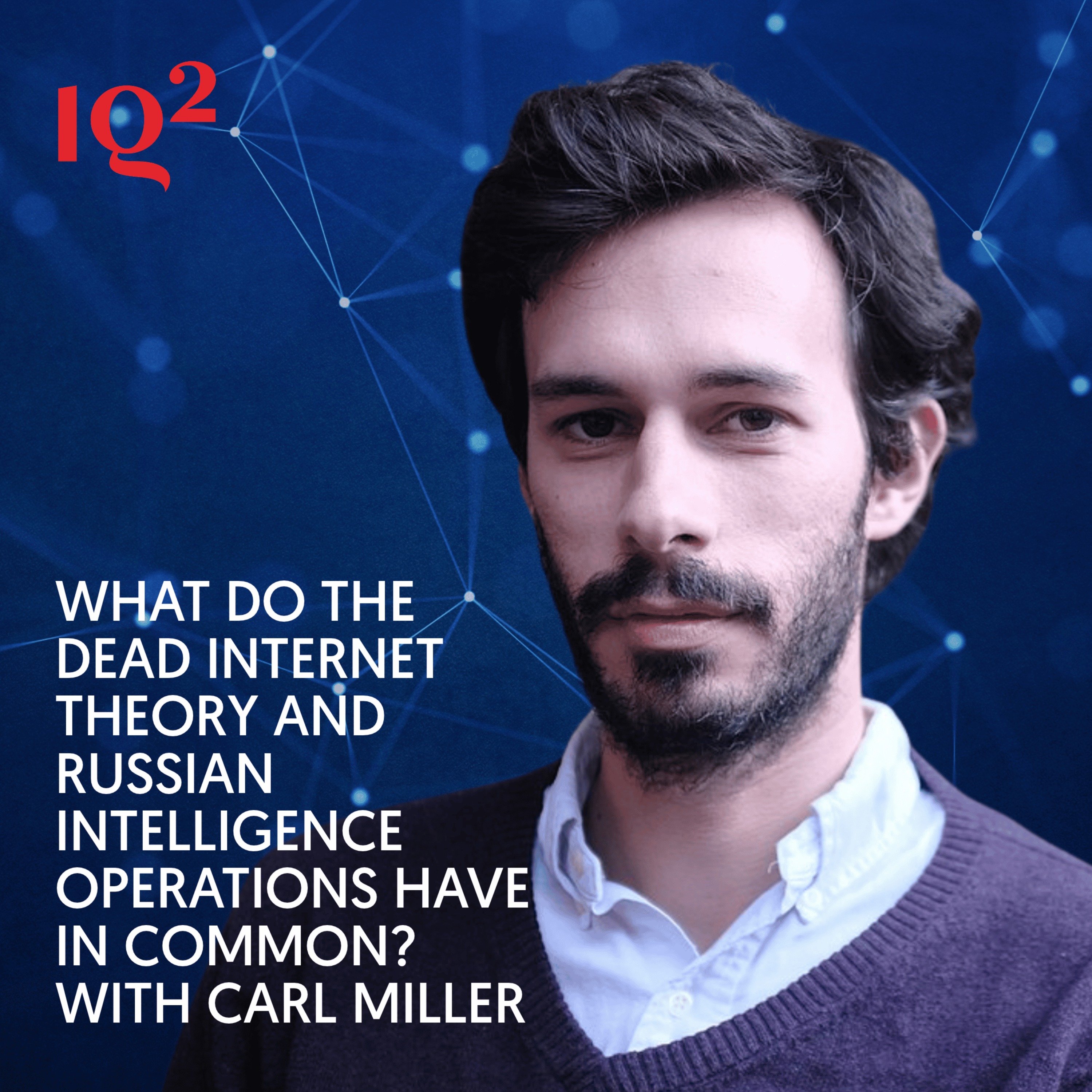
    What Do the Dead Internet Theory and Russian Intelligence Operations Have in Common? With Carl Miller

    The dead internet theory began as an obscure online conspiracy. Its proponents claimed the internet had been overrun by bots and automated content. In 2021, much of it sounded paranoid. Today, parts of the theory are beginning to look uncomfortably plausible. According to Cloudflare, machines now generate more web traffic than people, while AI-generated music, images and writing are flooding online platforms. Some material is even designed not for human readers, but for other bots and AI systems that retrieve and cite it. In this episode, Mia Sorenti speaks with researcher Carl Miller about an internet increasingly shaped by machines talking to machines. Drawing on new research from Demos, Carl sheds light on findings that suggest Russian propagandists are already manipulating the information served up by LLMs - and how we can fight back in a new age of information warfare. Carl Miller is a Demos Fellow and co-founder of the Centre for the Analysis of Social Media. He is co-author of the Demos report GEO for Geopolitics. Mia Sorenti is Senior Producer at Intelligence Squared. Hosted on Acast. See acast.com/privacy for more information.

  • S1 · E3534
    November 2 · 48 min

    What Happens If Billionaires Control the Tools of War? With Sharon Weinberger

    For decades, Silicon Valley liked to tell a story about itself: brilliant outsiders, working beyond government, moving faster than institutions ever could. But that story leaves something rather important out. The American military and intelligence agencies helped to finance the technologies, companies and ambitions that made the Valley powerful. With governments increasingly relying on privately owned satellites, software, artificial intelligence and autonomous systems, we’re going to explore why the people who control those systems are not simply contractors. They have fortunes, political commitments and power of their own. So who is serving whom? In this episode, Margherita Volpato speaks to Sharon Weinberger. In her new book is Valley of Death: How Big Tech Is Fueling the Future of War, she outlines why governments are increasingly reliant on privately owned satellites, software, artificial intelligence and autonomous systems, and what it means for this level of control to be in the hands of private contractors. Together, they will explore: who is serving whom? Sharon Weinbeger has reported on national security, science and technology for more than 25 years. She is editor-in-chief of the Bulletin of the Atomic Scientists and was previously national security editor at The Wall Street Journal. Her new book is Valley of Death: How Big Tech Is Fueling the Future of War. Margherita Volpato is Senior Producer at Intelligence Squared. Hosted on Acast. See acast.com/privacy for more information.

  • S1 · E3534
    November 2 · 51 min

    What Happens If Billionaires Control the Tools of War? With Sharon Weinberger

    For decades, Silicon Valley liked to tell a story about itself: brilliant outsiders, working beyond government, moving faster than institutions ever could. But that story leaves something rather important out. The American military and intelligence agencies helped to finance the technologies, companies and ambitions that made the Valley powerful. With governments increasingly relying on privately owned satellites, software, artificial intelligence and autonomous systems, we’re going to explore why the people who control those systems are not simply contractors. They have fortunes, political commitments and power of their own. So who is serving whom? In this episode, Margherita Volpato speaks to Sharon Weinberger. In her new book is Valley of Death: How Big Tech Is Fueling the Future of War, she outlines why governments are increasingly reliant on privately owned satellites, software, artificial intelligence and autonomous systems, and what it means for this level of control to be in the hands of private contractors. Together, they will explore: who is serving whom? Sharon Weinbeger has reported on national security, science and technology for more than 25 years. She is editor-in-chief of the Bulletin of the Atomic Scientists and was previously national security editor at The Wall Street Journal. Her new book is Valley of Death: How Big Tech Is Fueling the Future of War. Margherita Volpato is Senior Producer at Intelligence Squared. Learn more about your ad choices. Visit podcastchoices.com/adchoices

  • S1 · E3533
    November 1 · 1 hr 3 min

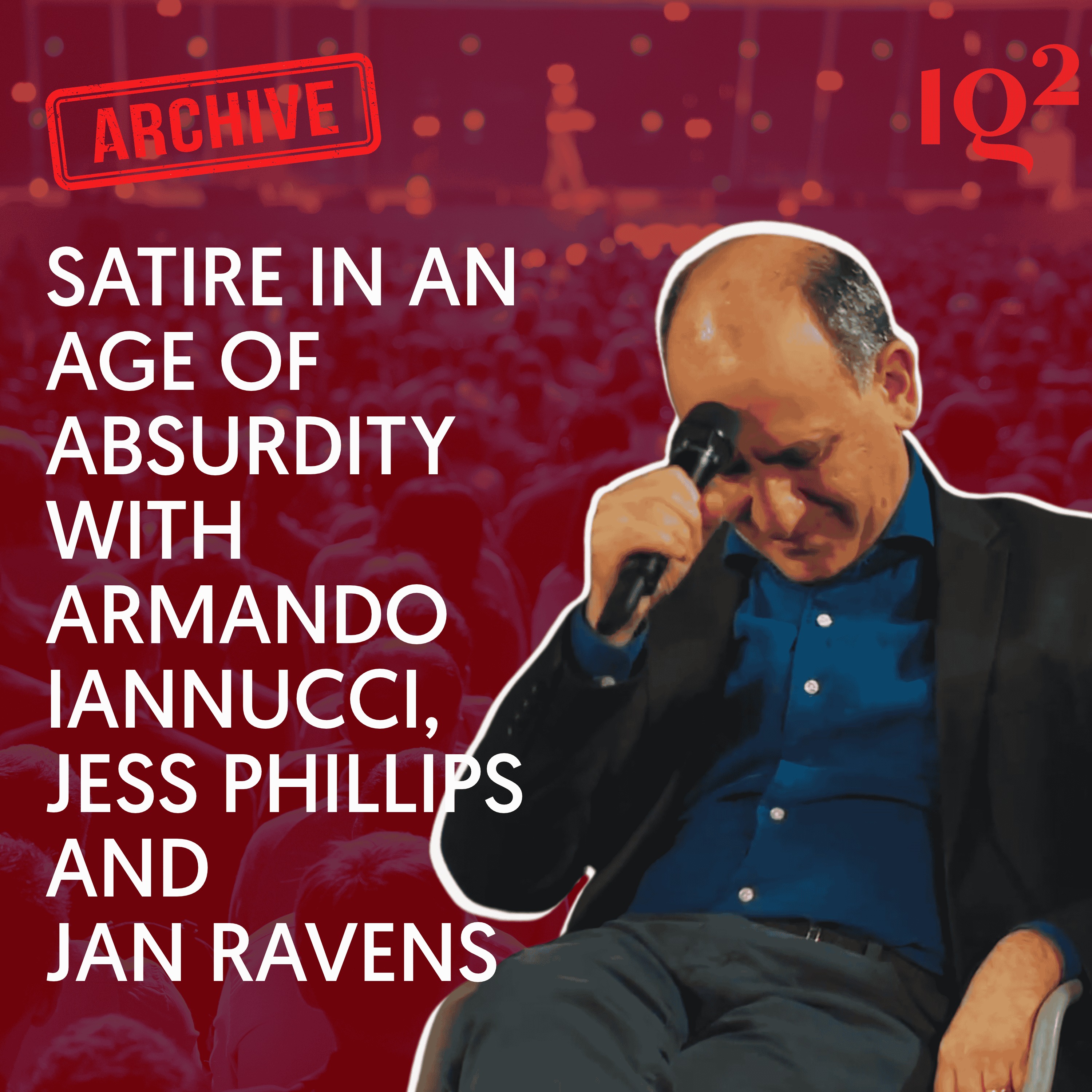
    Is Politics Beyond Satire? Live with Armando Iannucci, Jan Ravens and Jess Phillips [Archive]

    Has satire lost its power in this new world of fake news and ‘alternative facts’ - when our leaders lie so blatantly and frequently, and still manage to get away with it? Or is humour a more important tool than ever to hold those in power to account? We were joined by celebrated comedy writer and producer Armando Iannucci, Labour MP Jess Phillips, and satirist and impressionist Jan Ravens to unpack these questions live on stage at the Union chapel in London. The event was chaired by journalist, writer and broadcaster Samira Ahmed. Learn more about your ad choices. Visit podcastchoices.com/adchoices

  • S1 · E3533
    November 1 · 1 hr

    Is Politics Beyond Satire? Live with Armando Iannucci, Jan Ravens and Jess Phillips [Archive]

    Has satire lost its power in this new world of fake news and ‘alternative facts’ - when our leaders lie so blatantly and frequently, and still manage to get away with it? Or is humour a more important tool than ever to hold those in power to account? We were joined by celebrated comedy writer and producer Armando Iannucci, Labour MP Jess Phillips, and satirist and impressionist Jan Ravens to unpack these questions live on stage at the Union chapel in London. The event was chaired by journalist, writer and broadcaster Samira Ahmed. Hosted on Acast. See acast.com/privacy for more information.

  • S1 · E3532
    October 30 · 38 min

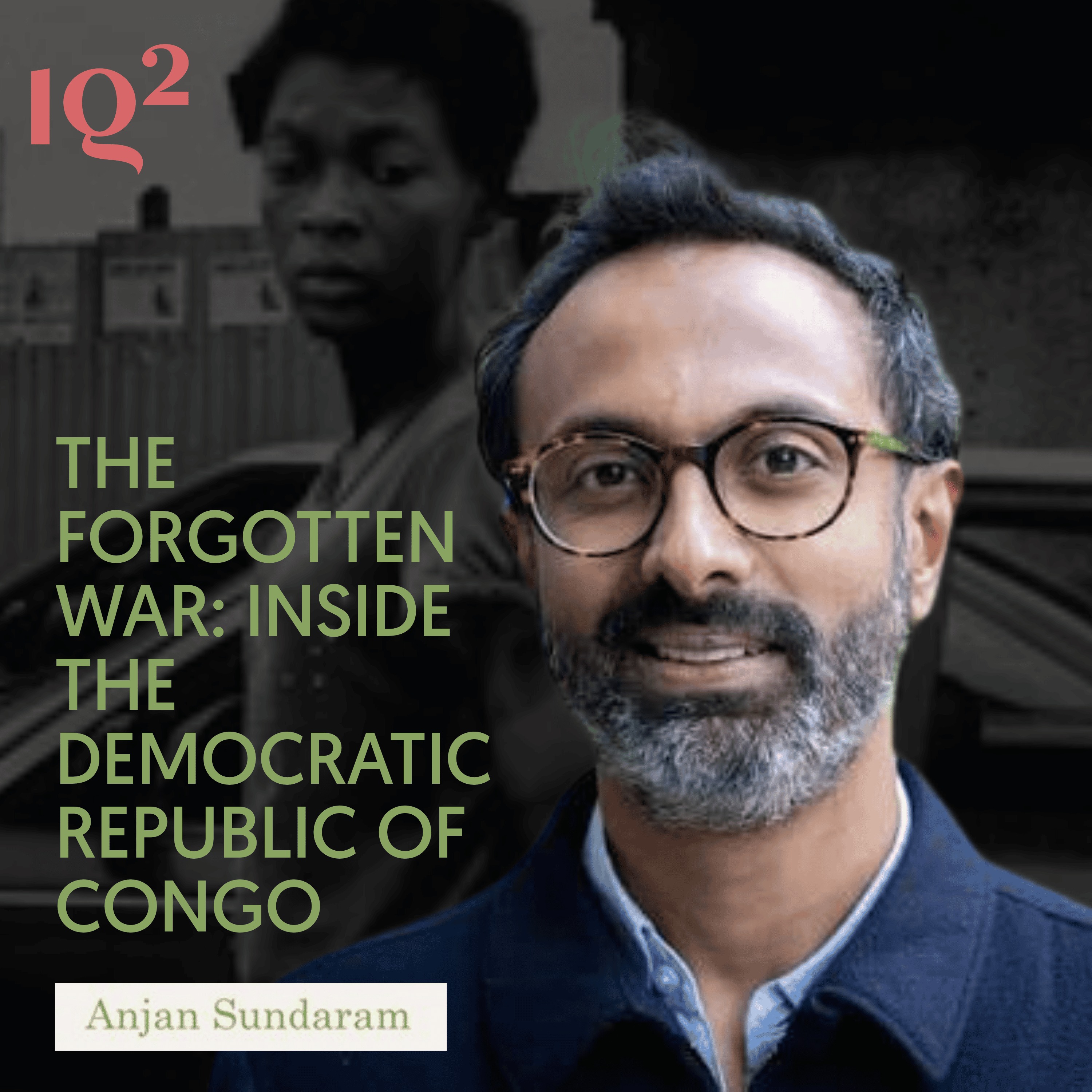
    The Forgotten War: Inside the Democratic Republic of Congo

    In 2005, journalist Anjan Sundaram travelled to the Democratic Republic of Congo to work as a stringer for the Associated Press. What followed was an extraordinary eighteen months, taking him from the chaotic streets of Kinshasa to the country's vast rainforests and into the heart of one of the deadliest conflicts since the Second World War. In this episode, Sundaram joins journalist and author Carl Miller to discuss his acclaimed memoir Stringer, a gripping account of life as a foreign correspondent in one of the world's most troubled countries. Together, they explore the realities of reporting from a war zone, the people and stories that rarely make international headlines, and what his experiences reveal about the Congo, journalism and the search for truth Hosted on Acast. See acast.com/privacy for more information.

  • S1 · E3532
    October 30 · 41 min

    The Forgotten War: Inside the Democratic Republic of Congo

    In 2005, journalist Anjan Sundaram travelled to the Democratic Republic of Congo to work as a stringer for the Associated Press. What followed was an extraordinary eighteen months, taking him from the chaotic streets of Kinshasa to the country's vast rainforests and into the heart of one of the deadliest conflicts since the Second World War. In this episode, Sundaram joins journalist and author Carl Miller to discuss his acclaimed memoir Stringer, a gripping account of life as a foreign correspondent in one of the world's most troubled countries. Together, they explore the realities of reporting from a war zone, the people and stories that rarely make international headlines, and what his experiences reveal about the Congo, journalism and the search for truth Learn more about your ad choices. Visit podcastchoices.com/adchoices

  • S1 · E3531
    October 28 · 1 hr 24 min

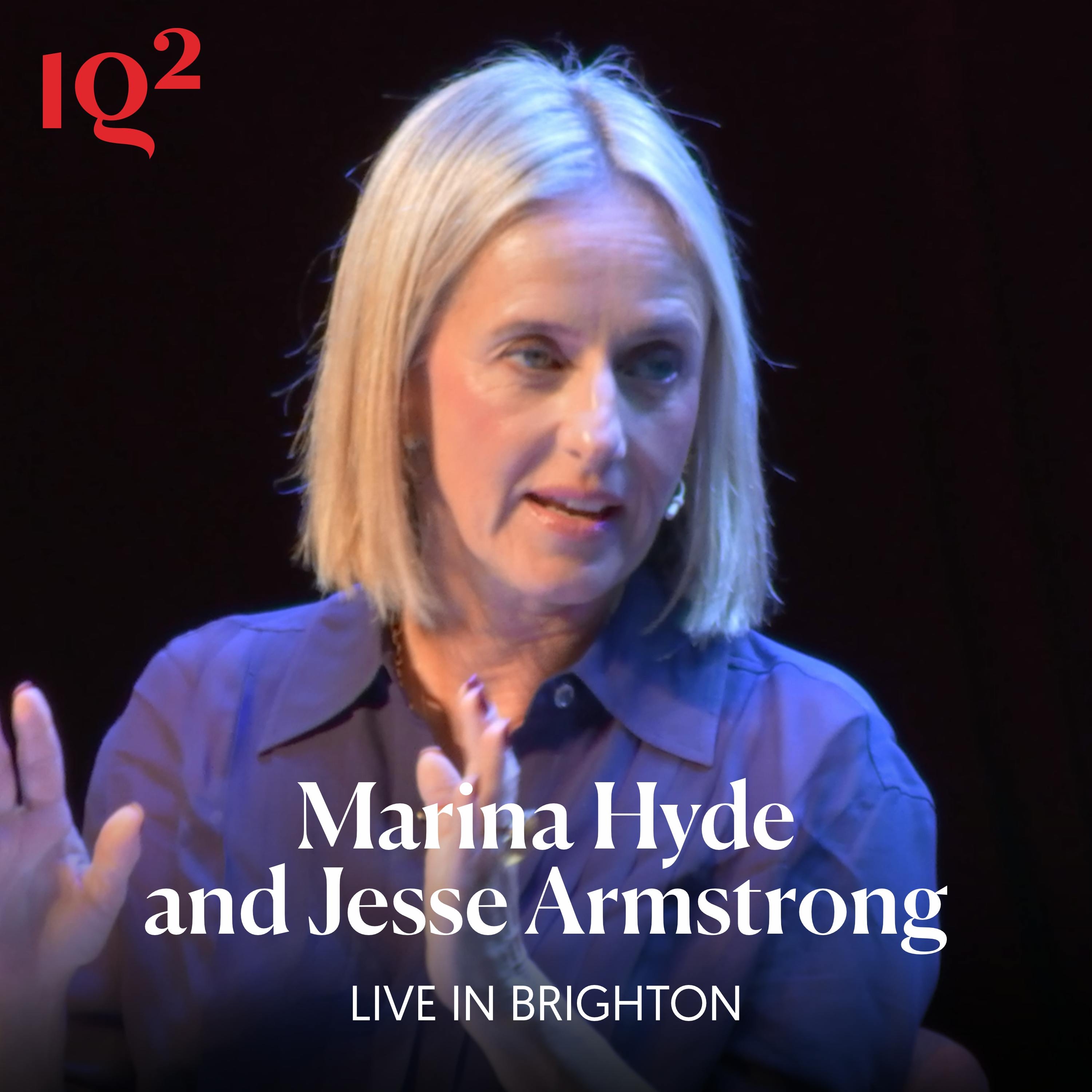
    Marina Hyde and Jesse Armstrong, Live in Brighton

    Described by Phoebe Waller-Bridge as “the most lethal, vital, screamingly funny truth-teller of our time”, Marina Hyde has become one of Britain’s most popular columnists and podcasters. A Sunday Times bestselling author and co-host of the smash hit podcast The Rest is Entertainment, she has an unrivalled talent for making sense of our stranger-than-fiction times. In September 2026 Hyde came to the Intelligence Squared stage in Brighton, marking the launch of her new book 'What A Time To Be Alive!'. From lambasting the Trump presidency, to the increasing popularity of Nigel Farage's Reform, from the spectacle of Jeff Bezos and Lauren Sanchez’s Venice wedding to the Beckham family feud, she is chief chronicler of our gloriously chaotic age. Hyde was joined live on stage award-winning screenwriter and producer Jesse Armstrong. Learn more about your ad choices. Visit podcastchoices.com/adchoices Hosted on Acast. See acast.com/privacy for more information.
Showing 1–20 of 88 episodes